
Climate-Smart Agriculture Projects Often Stall at the Pilot Stage
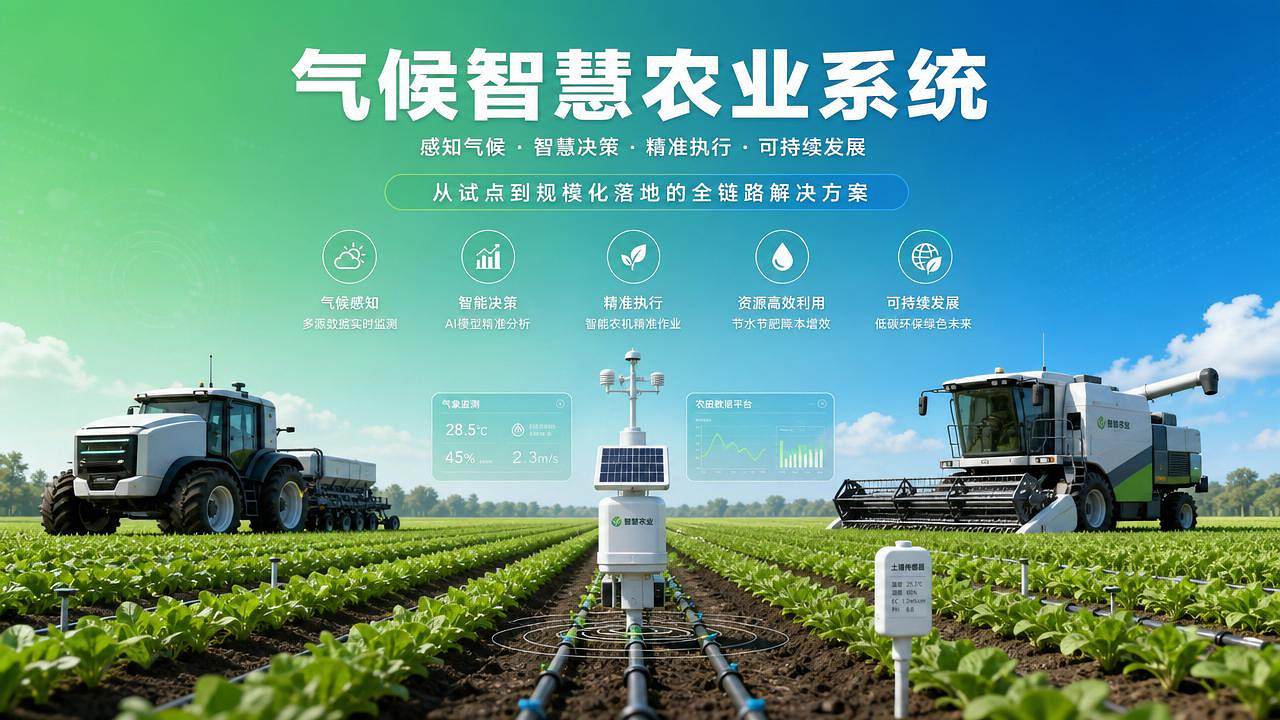




Why do so many climate-smart agriculture initiatives produce encouraging early results, attract stakeholder interest, and then fail to move beyond the pilot stage? For project managers and engineering leads, the answer is usually less about weak ambition and more about weak system integration. Pilot projects often prove that a technology can work under managed conditions, but they do not always prove that it can survive procurement constraints, machinery downtime, fragmented data, financing gaps, water variability, or operator behavior at scale.
That distinction matters. In climate-smart agriculture, a successful demonstration plot may show water savings, better input efficiency, or improved resilience. But scaling requires more than agronomic promise. It requires reliable equipment deployment, interoperable data flows, maintenance capability, local business ownership, measurable returns, and governance that continues after donor attention fades.
For project leaders responsible for budgets, timelines, technical delivery, and long-term adoption, the central judgment is this: climate-smart agriculture projects stall at the pilot stage when they are designed as technology trials instead of operational systems. The projects that scale are usually those built around field realities, not presentation slides.
What project managers are really trying to solve when they search this topic
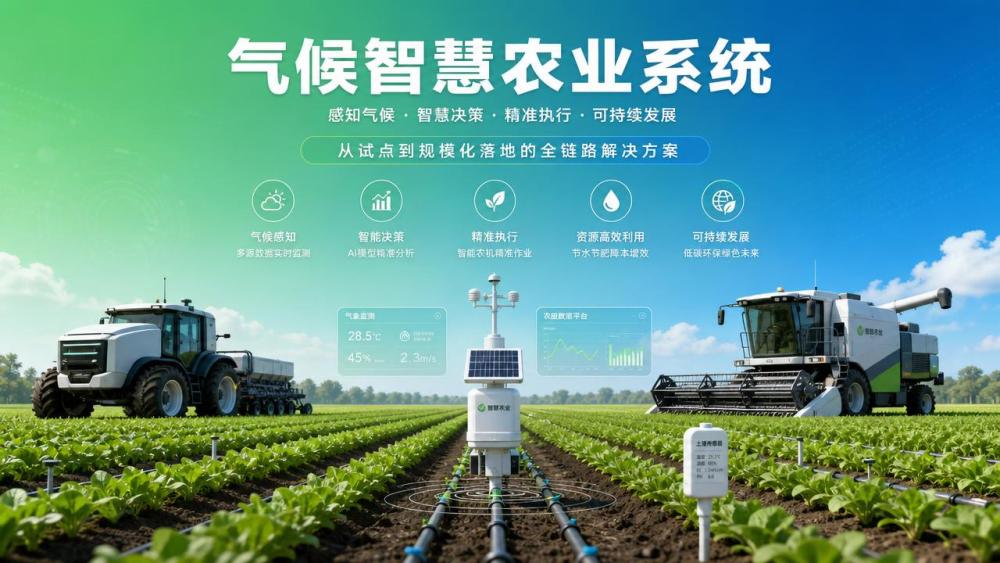
When project managers, engineering leads, or implementation partners search for why climate-smart agriculture projects often stall, they are rarely looking for a broad definition of sustainability. They want to know where failure actually happens, how to identify risk earlier, and what changes improve the odds of moving from pilot to program.
Their concerns are practical. Is the solution too dependent on external funding? Can the irrigation system be maintained locally? Will sensors, tractors, and farm tools work together in a real operating environment? Are farmers being asked to change too many behaviors at once? Is the data good enough to support decisions, or just good enough for a report?
They also want a framework for go or no-go decisions. A pilot may look impressive in the first season, but if its economics only work with subsidized hardware, constant consultant oversight, or ideal water access, then the project is not truly ready to scale. Understanding this difference helps managers protect capital, reduce reputation risk, and allocate engineering effort more effectively.
Pilot success does not equal scalable success
One of the most common mistakes in climate-smart agriculture is treating pilot performance as evidence of future scale. Pilots are often run on limited acreage, with close supervision, concentrated training, and unusually responsive technical support. Under those conditions, precision irrigation, variable-rate application, digital monitoring, or conservation machinery may perform well.
But scaling exposes a different set of pressures. Field conditions become more variable. Operators have different skill levels. Machinery use intensifies. Spare parts become critical. Data pipelines break. Water delivery schedules shift. Financing cycles no longer match crop cycles. A system that looked efficient at one site may become fragile across fifty sites.
For this reason, project teams should evaluate two separate questions. First, does the intervention create agronomic or resource-efficiency value? Second, can that value be reproduced with acceptable cost, risk, and operating complexity? Many pilots answer only the first question. Projects stall because decision-makers assume the second has also been solved.
The most common reasons climate-smart agriculture projects stall
The first reason is poor integration across components. Climate-smart agriculture is rarely a single technology. It usually involves some combination of machinery, irrigation infrastructure, field sensors, advisory software, weather inputs, farmer training, and reporting systems. If these components are planned in separate workstreams, failure appears at the interfaces. The equipment may arrive before water infrastructure is ready, or data may be collected without any process for operational use.
The second reason is weak ownership after the pilot team exits. Many pilots depend on a small group of experts who configure equipment, troubleshoot systems, and keep all actors aligned. Once that support is reduced, local teams may not have the authority, incentive, or skill to continue. In that situation, a project does not fail because the concept is wrong. It fails because the operating model was never transferred.
The third reason is unrealistic economics. A pilot may demonstrate fuel savings, lower water use, or yield stabilization, but those benefits do not automatically justify the total cost of ownership. Project managers need to include maintenance, calibration, connectivity, training refresh, software licensing, spare parts, and financing costs. If the business case only works under grant conditions, scaling will remain slow or stop entirely.
The fourth reason is insufficient adaptation to local production systems. A water-saving irrigation design that performs well in one district may be a poor fit in another with different pressure conditions, power reliability, or cropping patterns. The same applies to machinery. Large-scale farm equipment and intelligent farm tools can transform operations, but only if field size, labor structure, residue load, and service access support their use.
The fifth reason is poor measurement design. Many projects focus on easy success indicators such as training attendance, number of devices installed, or hectares enrolled. Those metrics may satisfy reporting needs, but they do not reveal whether the system is becoming operationally self-sustaining. If teams do not track downtime, adoption consistency, water productivity, net margin impact, and repeat investment behavior, they miss the signs of pilot-stage fragility.
Why integration matters more than innovation alone
For engineering-focused audiences, the biggest scaling lesson is that innovation rarely fails in isolation. It fails because the surrounding system is not ready. In climate-smart agriculture, a smart irrigation platform may generate accurate recommendations, but if pumps, valves, filtration, and field labor do not respond reliably, the recommendation has no operational value.
The same logic applies to mechanization. A project may deploy tractors, combine harvesting technology, or precision implements that are technically suited to conservation goals or input efficiency. Yet if transmission support, hydraulic control service, operator guidance, and parts availability are weak, utilization drops and confidence collapses. The project then appears to have a technology problem when it actually has a systems engineering problem.
Data integration is another frequent fault line. Climate-smart agriculture often depends on combining weather data, soil readings, machine logs, irrigation schedules, and field observations. If those data streams remain fragmented, managers cannot make timely decisions or prove value credibly. Worse, teams spend too much time cleaning data and too little time improving operations.
This is why the strongest projects are designed backward from field execution. Instead of starting with a list of technologies to test, they begin with the operating decisions that must be made each week: when to irrigate, how much to apply, which machine settings minimize loss, where labor should be deployed, and how performance will be measured. Technologies are then selected to support those decisions, not to decorate the project narrative.
What target readers should examine before approving scale-up
Before moving a pilot into a larger rollout, project leaders should test readiness across five dimensions. The first is technical robustness. Can the system perform across seasonal variability, power interruptions, field heterogeneity, and normal operator error? If performance collapses outside ideal conditions, more engineering work is needed before scale.
The second is operational maintainability. Who services the irrigation controllers, sensors, tractor systems, or harvesting equipment? How long does replacement take? Is remote support enough, or is local intervention required? A project is not scalable if uptime depends on imported expertise or emergency workarounds.
The third is economic viability. What is the payback period for the farm, the cooperative, or the implementing entity? What assumptions drive the return model? Are the gains mostly from yield, input savings, water savings, labor efficiency, reduced losses, or resilience value? Decision-makers should pressure-test the model under less favorable but realistic scenarios.
The fourth is institutional ownership. Which organization will manage procurement, data governance, training, and performance accountability after expansion? Many climate-smart agriculture projects stall because everyone supports the concept, but no single entity owns the long-term operating responsibility.
The fifth is user adoption. Do farmers and machine operators understand not just how to use the tools, but why the new process improves results? If the system adds complexity without visible benefit at the user level, adoption degrades gradually. That kind of decline may not appear in donor dashboards immediately, but it is often the earliest sign that scale-up is premature.
A better design approach: from pilot theatre to deployment discipline
To avoid pilot-stage stagnation, project teams should redesign how they define success from the beginning. A pilot should not merely show that a technology can function. It should test whether a delivery model can survive under commercial and operational conditions. That means deliberately introducing realistic constraints into the pilot, including limited support, local maintenance processes, and actual cost exposure.
One useful method is phased validation. In phase one, prove technical performance. In phase two, test repeatability across different field conditions. In phase three, test operational ownership with reduced external intervention. In phase four, confirm financing and procurement pathways. By the time a project is labeled scale-ready, it should have passed more than an agronomic demonstration.
Project managers should also narrow the number of variables being changed at one time. Many climate-smart agriculture initiatives combine new machinery, new irrigation protocols, new software, new crop practices, and new reporting requirements simultaneously. That creates attribution problems and operational overload. Sequencing the transformation often works better. Stabilize one layer first, then integrate the next.
Vendor strategy matters as well. Equipment suppliers, irrigation providers, and software firms may each optimize their own contract scope, while no one takes responsibility for end-to-end performance. Stronger governance includes shared service-level expectations, interoperability standards, and accountability for field outcomes rather than device delivery alone.
Where AP-Strategy’s lens is especially relevant
For organizations working at the intersection of mechanization, harvesting efficiency, intelligent farm tools, and water-saving irrigation systems, scaling climate-smart agriculture requires a field-to-system view. This is where strategic intelligence becomes practical. Large-scale farm equipment cannot be evaluated only on horsepower or procurement price. Its value depends on fit with agronomic timing, labor structure, fuel use, maintenance support, and data connectivity.
Combine harvesting technology provides another example. A pilot may show lower crop loss under controlled operation, yet large-scale adoption depends on calibration discipline, cleaning system performance, spare parts logistics, and operator response to variable crop conditions. Without those elements, gains observed in a trial do not convert into durable regional performance.
The same is true for intelligent irrigation. Water-saving systems are central to climate-smart agriculture, but field impact depends on more than controller accuracy. Pressure stability, emitter reliability, filtration, energy cost, evapotranspiration modeling, and user response times all shape outcomes. Projects that integrate hydrological strategy with operational engineering are far more likely to scale than those that treat irrigation as an isolated hardware purchase.
For project leaders, this reinforces a simple point: strategic intelligence is not separate from implementation. It is the discipline of understanding which technologies can function together under real production conditions, and which pilots are merely impressive demonstrations waiting to stall.
How to tell whether a project is ready to move beyond pilot
A scale-ready climate-smart agriculture project usually shows several signs. Performance is consistent across more than one site and season. Local operators can manage routine tasks without constant outside support. Equipment uptime is acceptable. Data is used for decisions, not just compliance reporting. Economic value is visible to the adopting party. Governance is clear, and at least part of the next-stage investment is supported by a credible funding or revenue mechanism.
By contrast, warning signs include heavy dependence on a few experts, unclear maintenance responsibility, fragmented procurement, success metrics focused on installation counts, and positive agronomic results with weak commercial logic. If these signals are present, the right decision may not be to scale faster, but to redesign the operating model first.
That is not a sign of failure. In fact, it is often the most disciplined path. A pilot that reveals system weaknesses before major expansion has done its job well. What matters is whether the project team converts those lessons into a stronger implementation architecture.
Conclusion: scaling climate-smart agriculture is an execution challenge before it is a messaging challenge
Climate-smart agriculture projects often stall at the pilot stage because they are asked to scale before they are operationally complete. The technology may be promising, the sustainability narrative may be compelling, and the early data may look strong. But without integration across machinery, irrigation, data systems, maintenance, financing, and user behavior, the project remains a well-run experiment rather than a durable transformation model.
For project managers and engineering leads, the key takeaway is clear. Do not judge pilot success only by early technical wins. Judge it by repeatability, maintainability, ownership, economics, and fit with field realities. When those factors are built into project design from the start, climate-smart agriculture has a far better chance of moving beyond isolated pilots and becoming part of the real operating backbone of modern farming.
Related News
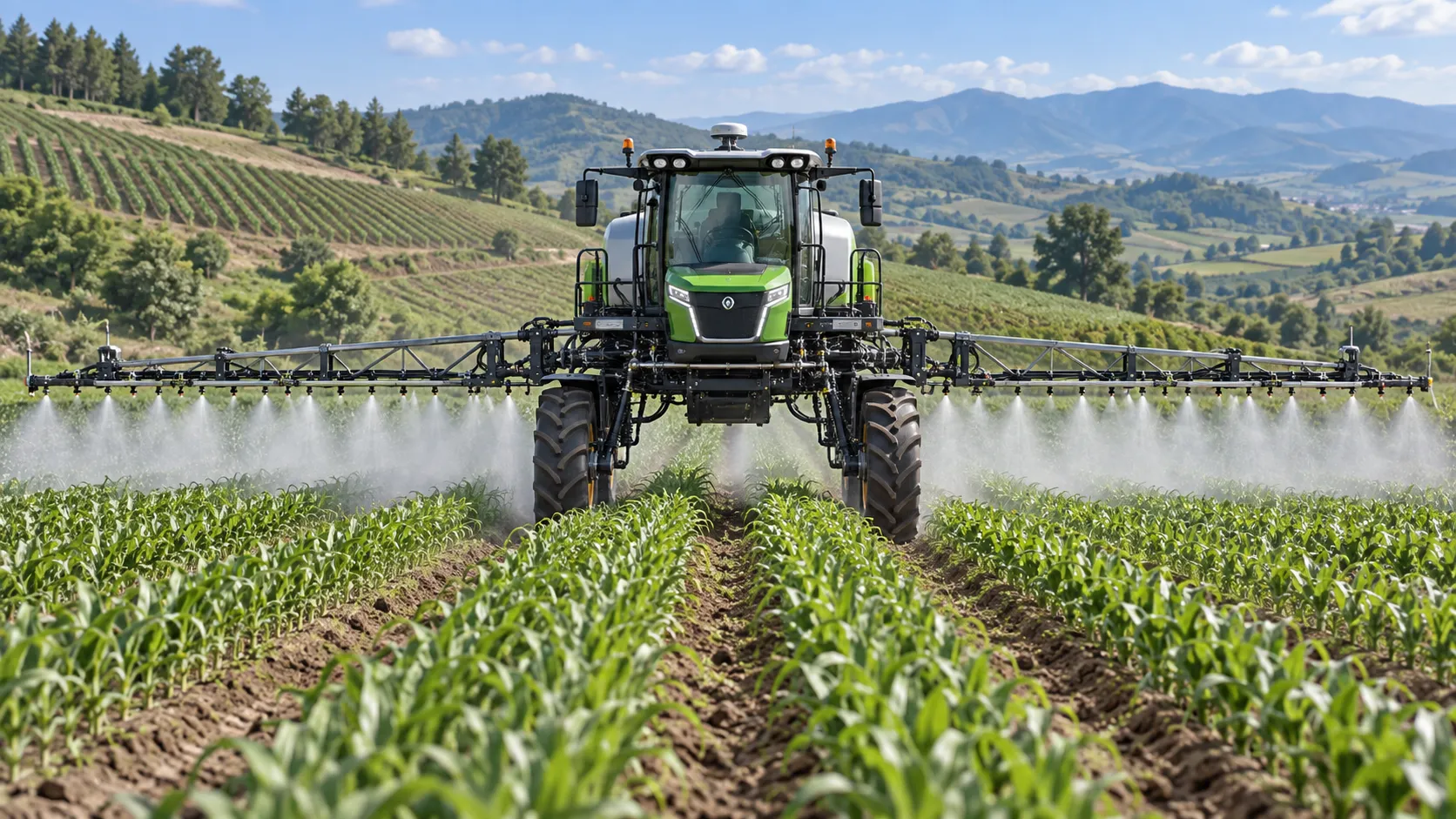
How to Select Precision Crop Protection Equipment for Variable Field Conditions
Precision crop protection equipment selection made simple: compare terrain, canopy, weather, control accuracy, and data workflows for reliable applications.
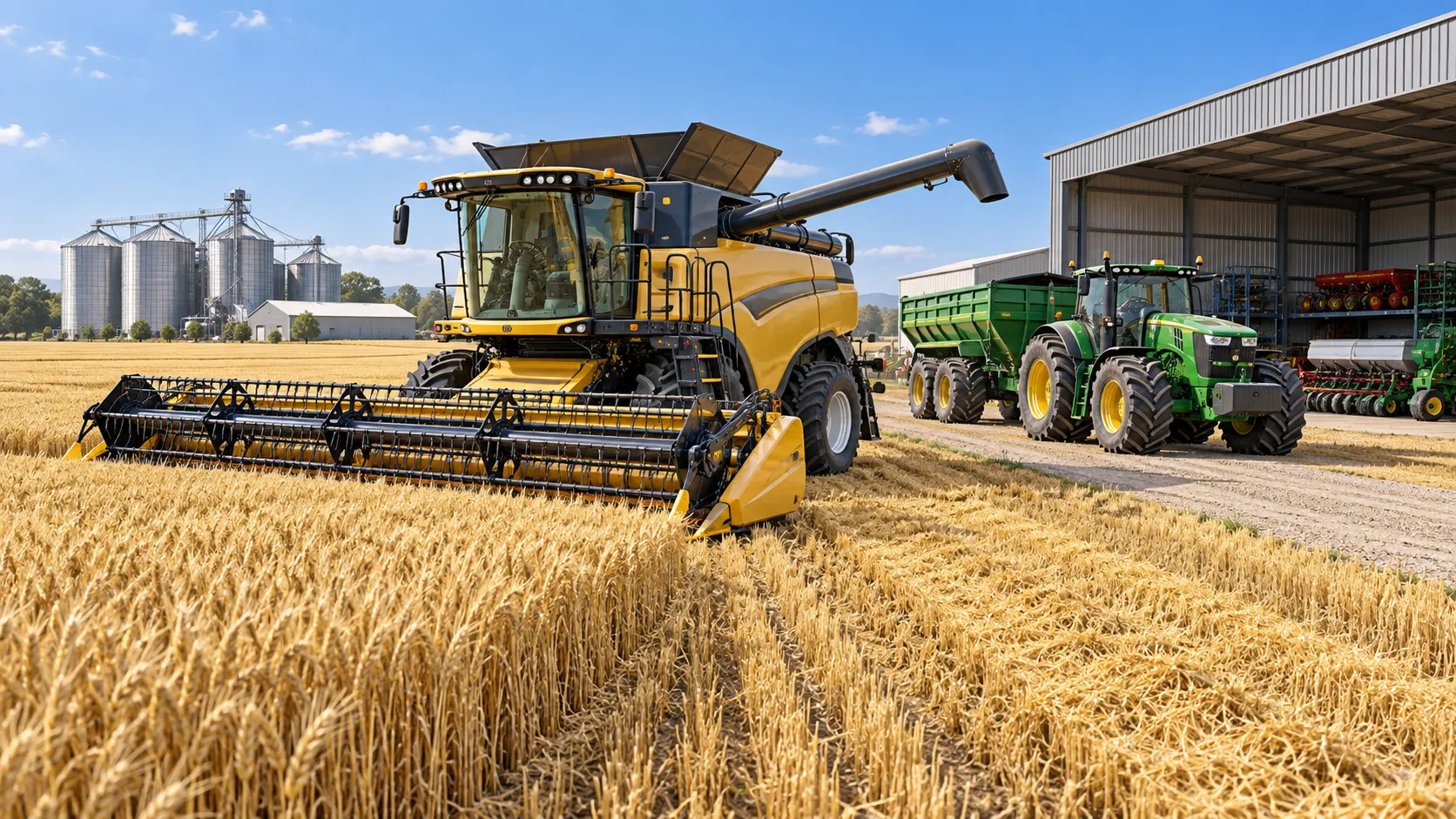
When Does Agricultural Machinery Leasing Cost Less Than Owning Equipment?
Agricultural machinery leasing can lower farm costs when use is seasonal or uncertain. Compare utilization, maintenance, cash flow, and risk to make a smarter equipment decision.
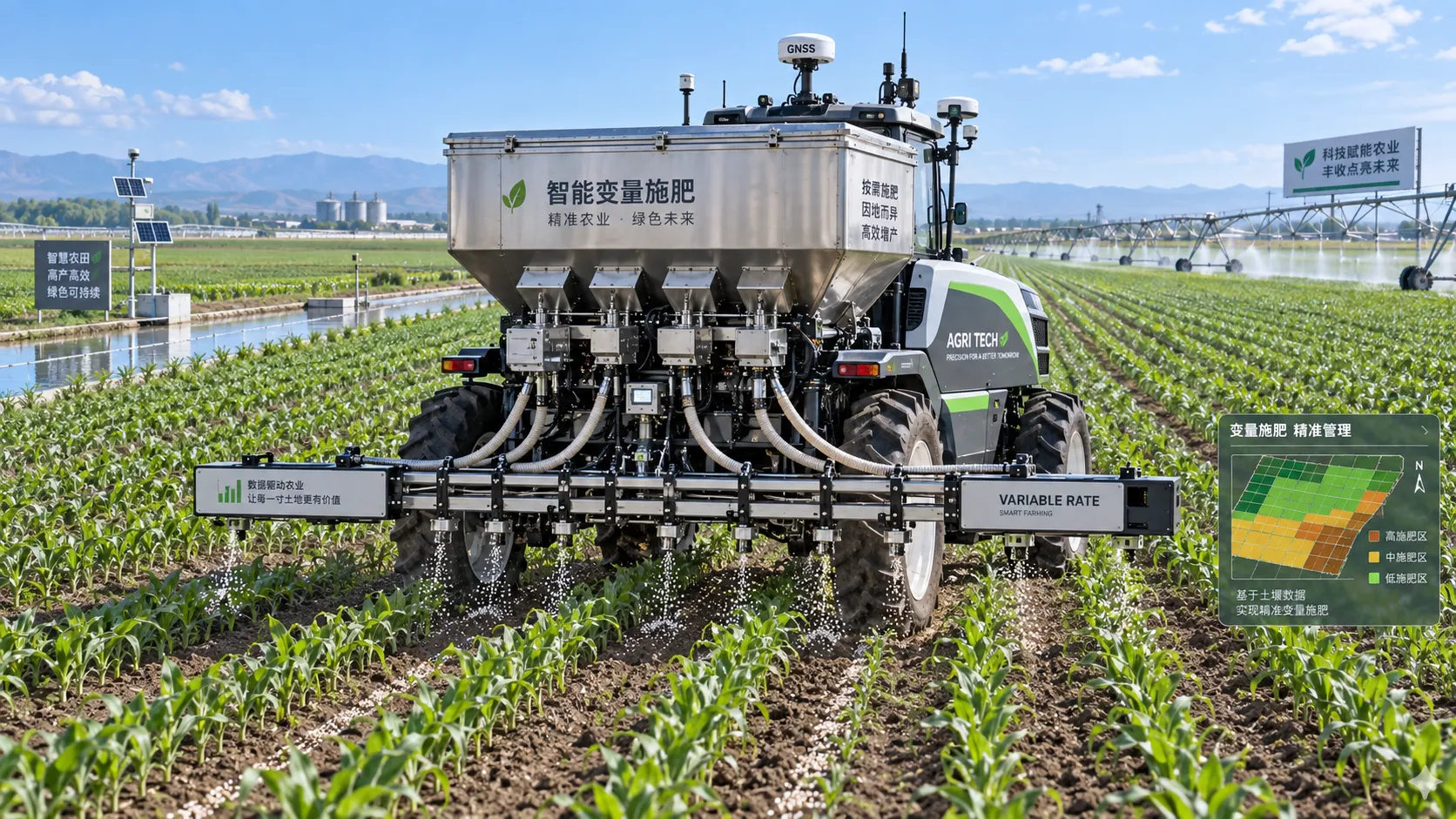
How to Evaluate Precision Fertilization System Suppliers for Farm-Scale Deployment
Precision fertilization systems suppliers: learn how to compare accuracy, integration, uptime, service, and total cost for confident farm-scale deployment.
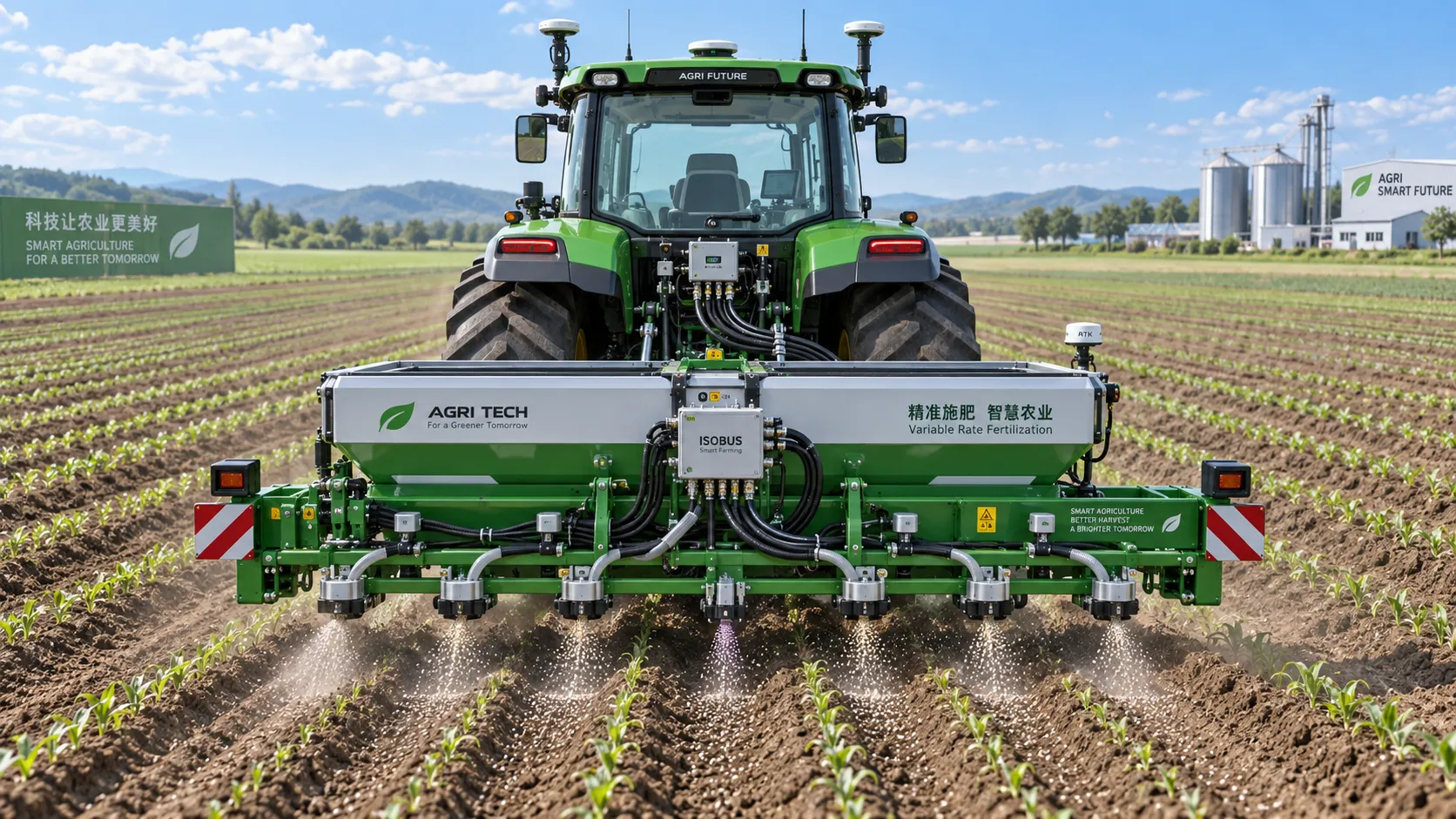
ISOBUS for Smart Agriculture: How It Connects Tractors, Implements, and Farm Data
ISOBUS for smart agriculture connects tractors, implements, terminals, and farm data—helping growers improve precision, documentation, and smarter field decisions.
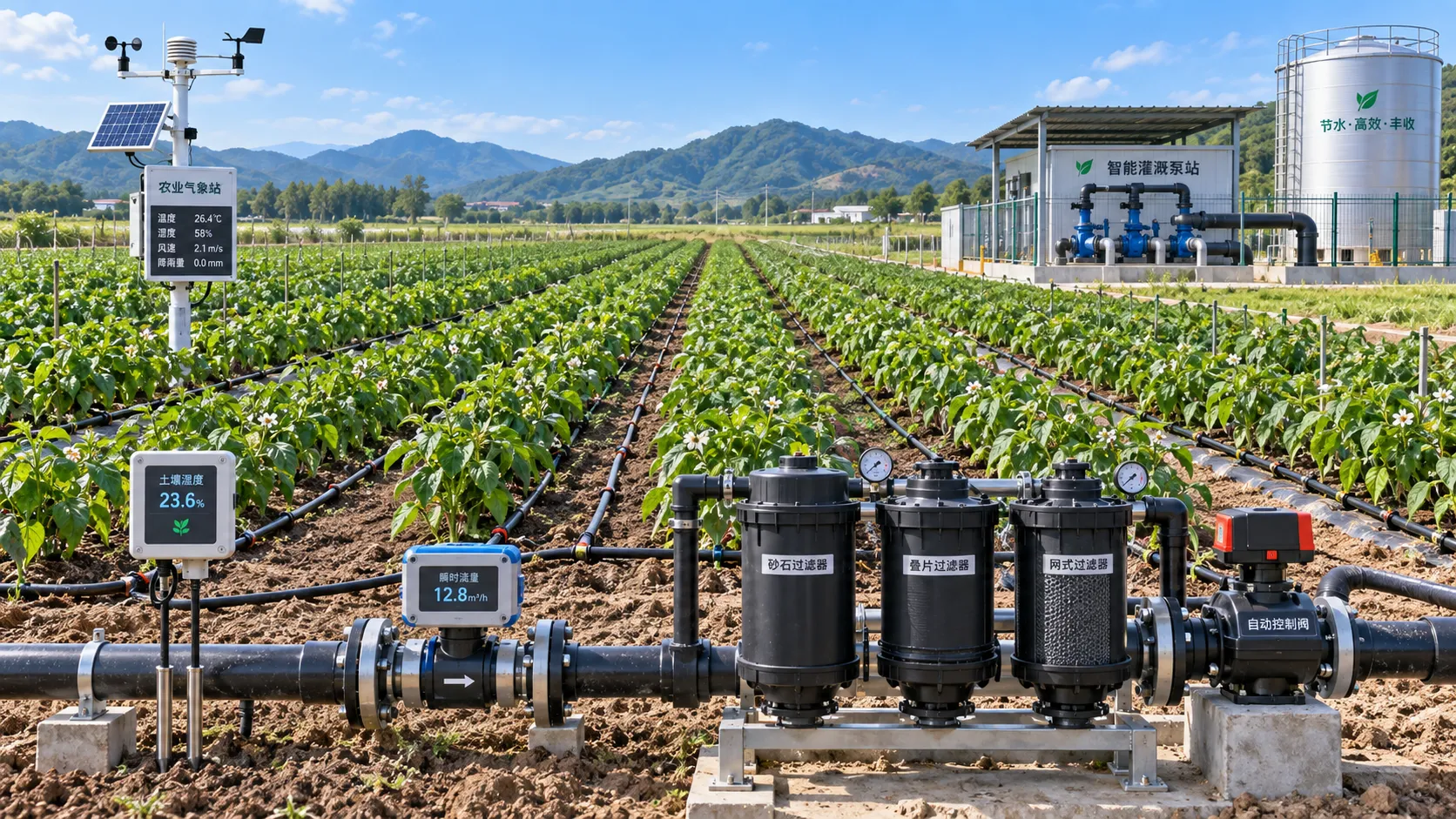
Automated Water-Saving Irrigation: How to Cut Water Use Without Reducing Crop Yields
Automated water-saving irrigation helps farms cut water use, protect crop yields, improve scheduling, and gain reliable control with sensors, flow monitoring, and smart zones.
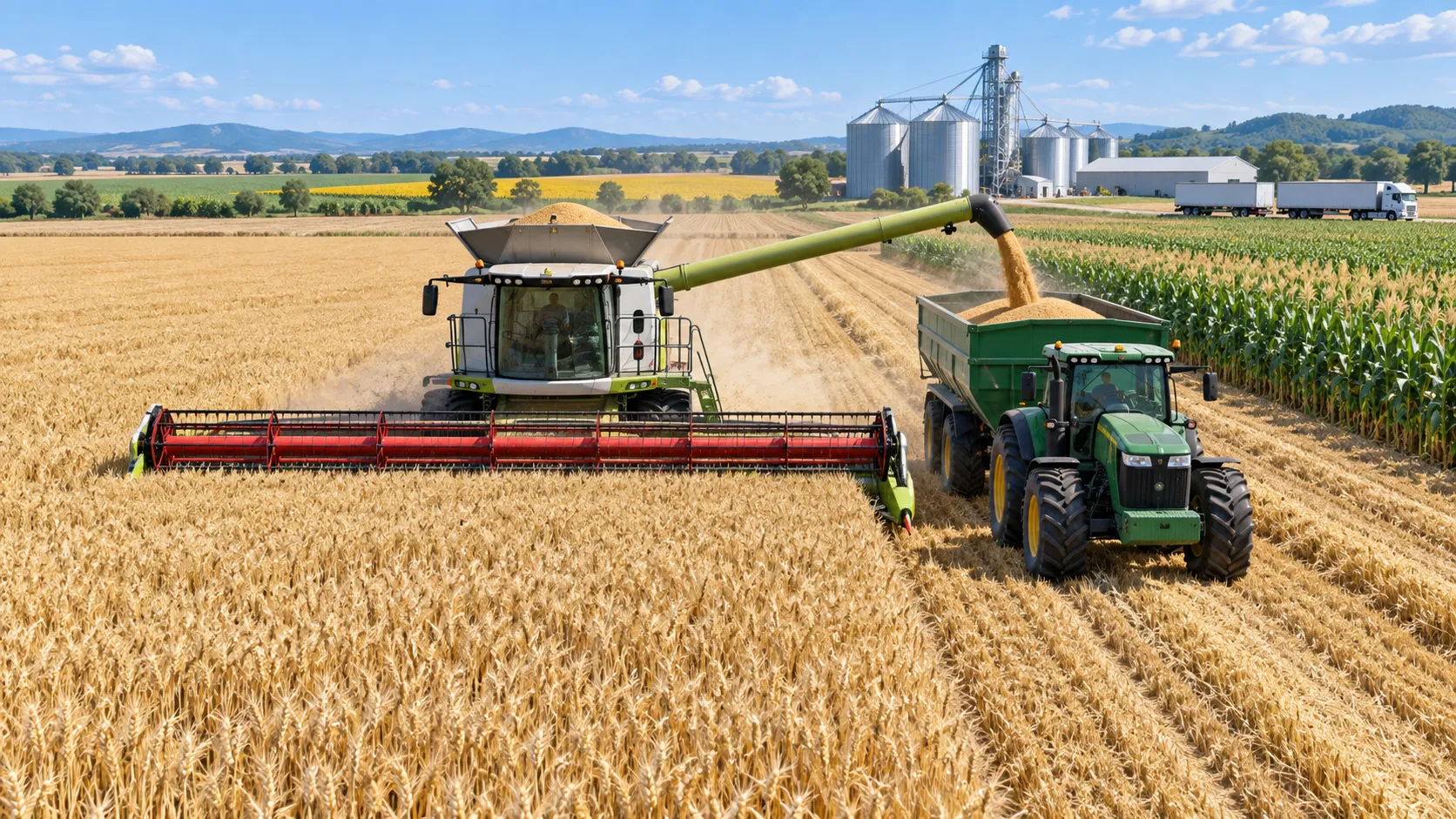
Selecting Grain Farm Equipment by Acreage, Crop Mix, and Harvest Window
Agricultural equipment selection for grain farming: match machinery to acreage, crop mix, and harvest windows to improve uptime, efficiency, and returns.
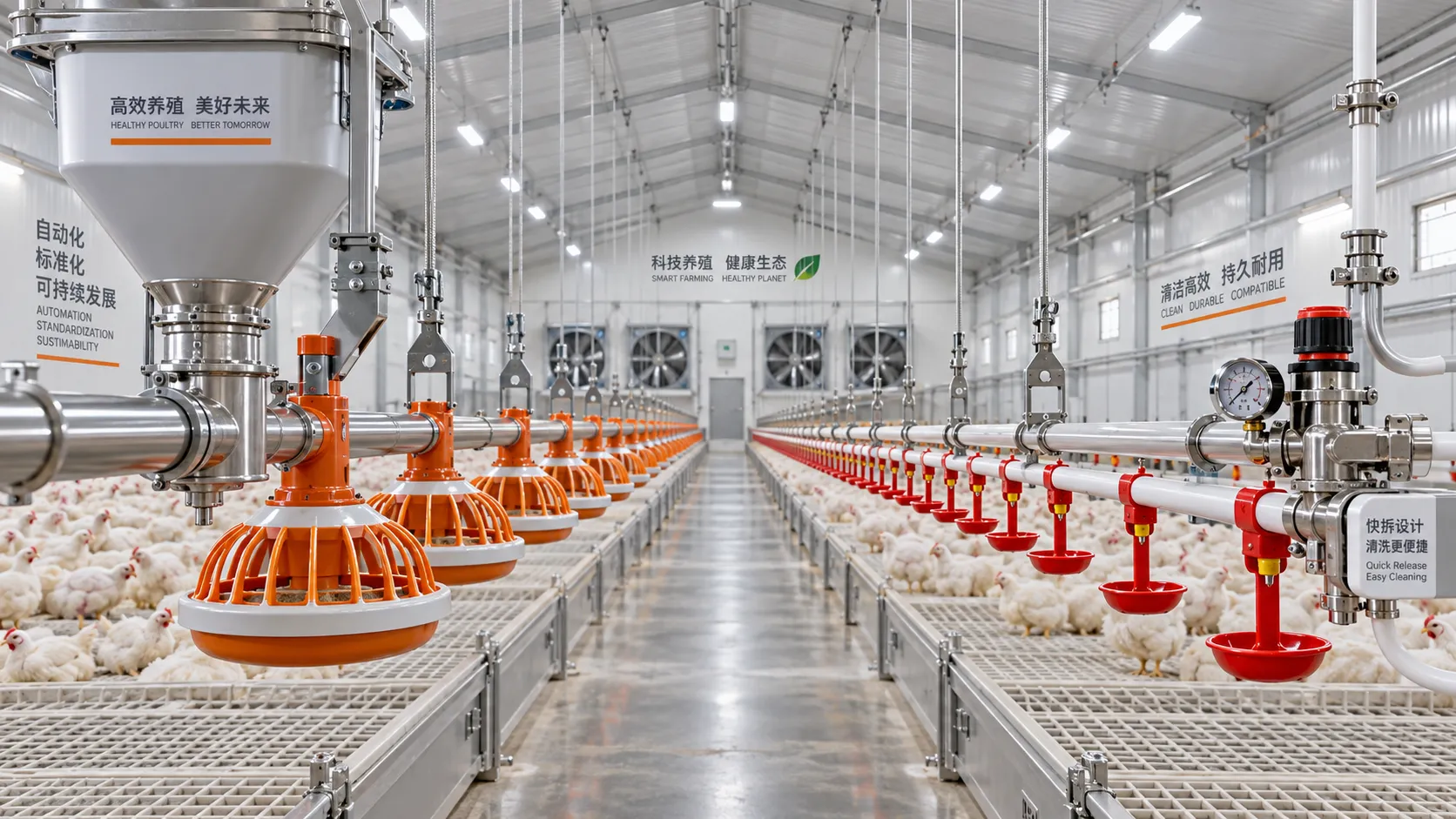
Poultry Equipment Selection: Evaluating Durability, Cleaning, and Compatibility
Poultry equipments selection guide: evaluate durability, cleaning access, and system compatibility to improve hygiene, reduce downtime, and support efficient flock management.
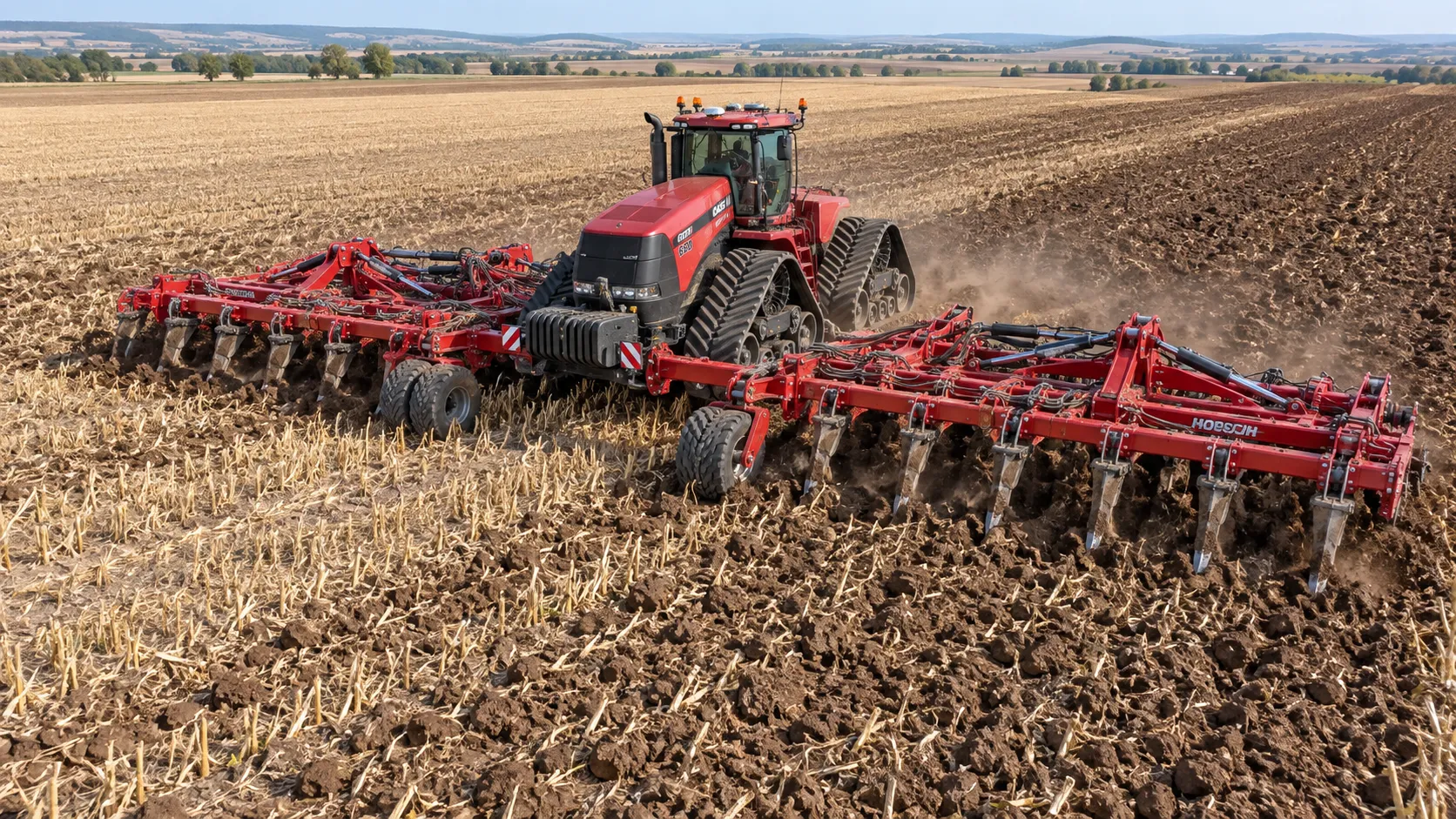
How to Select Heavy-Duty Farm Implements for High-Acreage, High-Horsepower Operations
Heavy duty farm implements: learn how to match draft, hydraulics, hitch capacity, frame strength, and field conditions for reliable high-acreage performance.
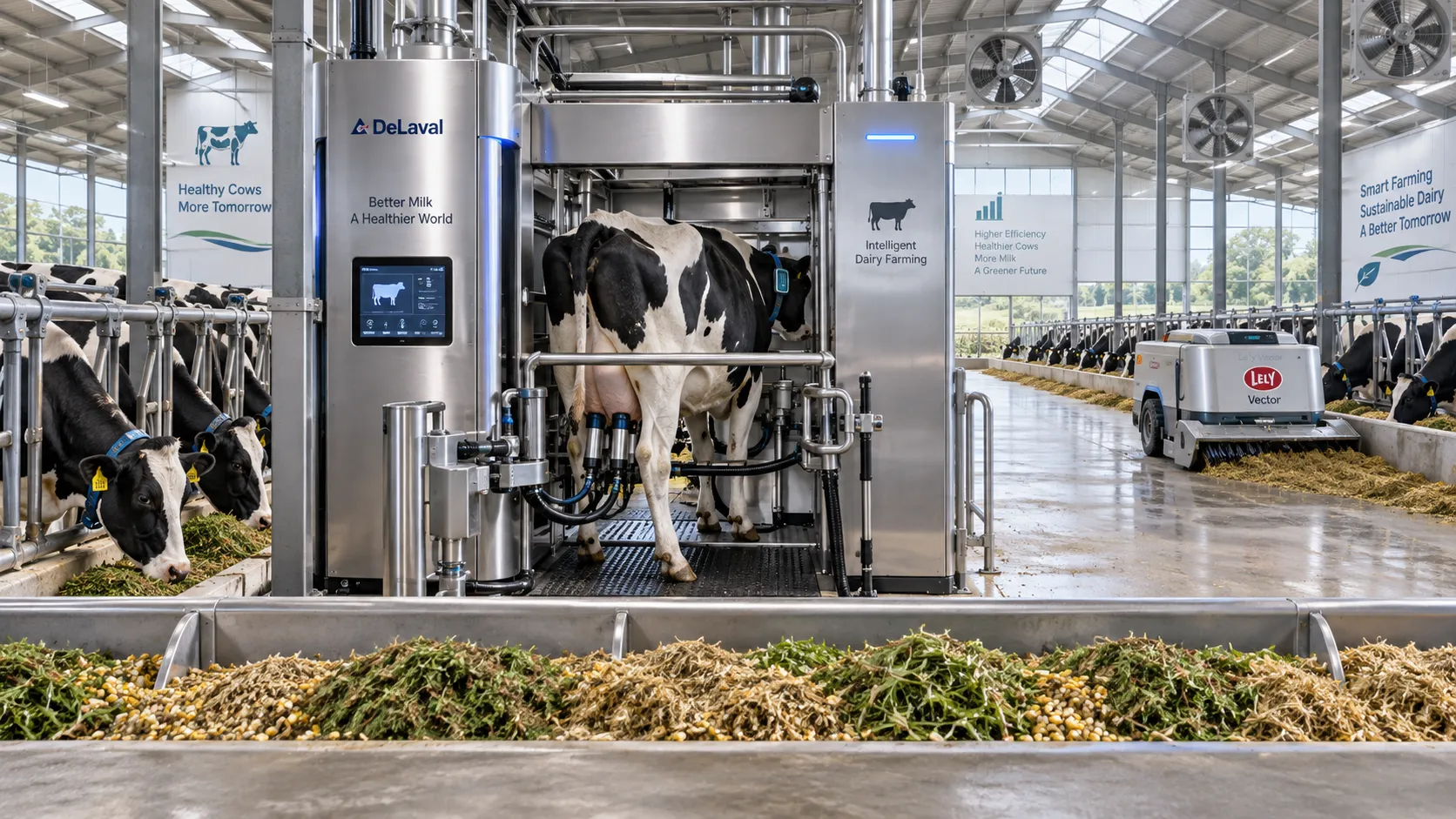
Smart Farming Technology for Dairy Farms: Where Automation Delivers Measurable ROI
Smart farming technology for dairy farms delivers measurable ROI through automation, precision feeding, health monitoring, and data-driven cost control.
Related News
- 00
0000-00
When Does Agricultural Machinery Leasing Cost Less Than Owning Equipment? - 00
0000-00
Selecting Grain Farm Equipment by Acreage, Crop Mix, and Harvest Window - 00
0000-00
Poultry Equipment Selection: Evaluating Durability, Cleaning, and Compatibility - 00
0000-00
How to Select Heavy-Duty Farm Implements for High-Acreage, High-Horsepower Operations - 00
0000-00
Smart Farming Technology for Dairy Farms: Where Automation Delivers Measurable ROI
Popular Tags
Ms. Elena Rodriguez
Weekly Insights
Stay ahead with our curated technology reports delivered every Monday.