
Which Sustainable Farming Practices Cut Costs First?
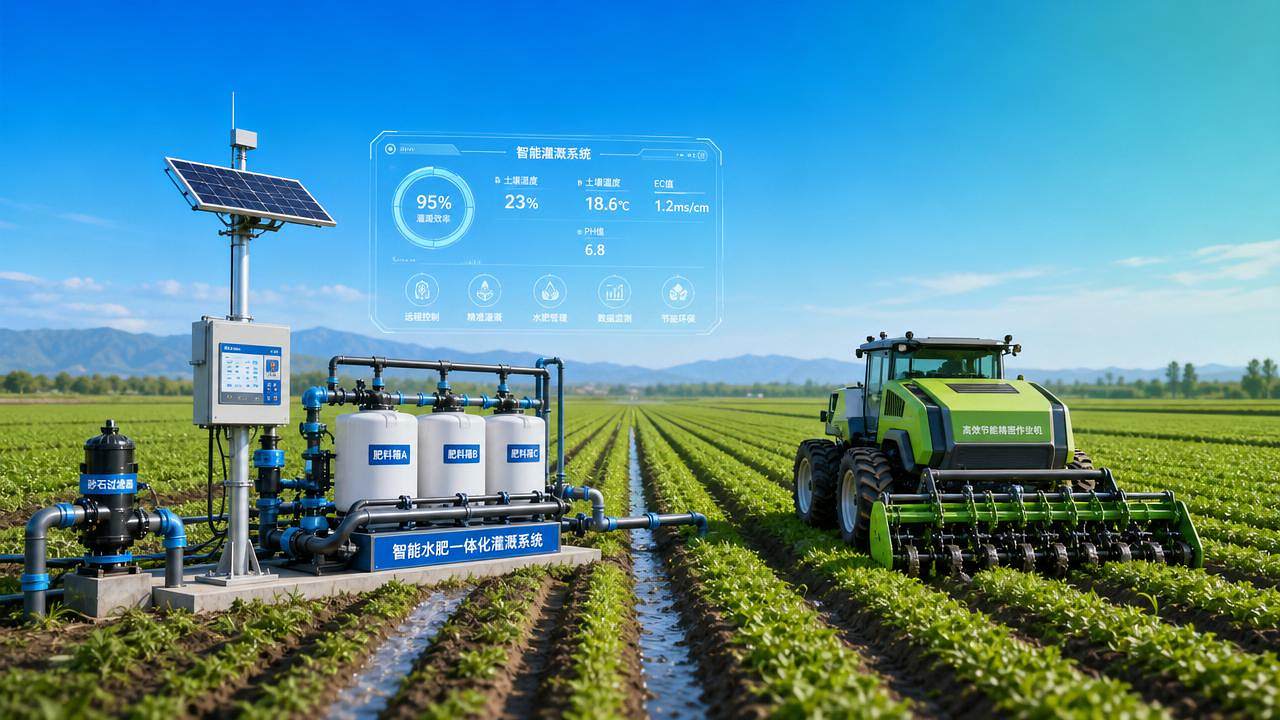




For finance approvers, the first question is not whether sustainable farming practices matter, but which ones reduce costs fastest without raising operational risk. From precision irrigation and fuel-efficient machinery use to data-guided input control, the earliest savings often come from cutting waste. This article explains where cost reductions usually appear first and how to evaluate returns with confidence.
What sustainable farming practices mean in cost terms
In finance discussions, sustainable farming practices should not be treated as a broad environmental label. They are a set of operating methods that use fewer inputs, reduce avoidable losses, and improve output consistency over time. For large farms, the most relevant practices are those that convert wasted water, fuel, fertilizer, chemicals, labor hours, and machine wear into measurable savings. This is why the topic now matters not only to agronomy teams, but also to budget owners, lenders, distributors, and asset allocation planners.
Within the Agriculture 4.0 context observed by AP-Strategy, the financial logic is straightforward: the fastest-return initiatives usually require less behavioral disruption than full capital replacement. In many cases, the first wins come from better use of existing machinery, sensor-guided irrigation, variable-rate application, route optimization, and maintenance discipline. These are sustainable farming practices because they protect resources, yet they also fit the core approval standard of any finance office: lower cost per hectare without exposing the operation to unacceptable yield risk.
Why the industry focuses on early savings first
Agriculture faces volatile diesel prices, rising water stress, tighter nutrient regulation, labor shortages, and stronger reporting expectations from buyers and lenders. In that environment, long-term sustainability still matters, but cash flow timing matters first. Finance approvers often ask which sustainable farming practices produce savings in one season, which need two to three seasons, and which are strategic but slower to pay back.
The answer usually depends on where waste is already visible. Farms with high pumping costs often see rapid returns from irrigation controls. Farms with heavy input variability may benefit first from data-guided seeding and fertilization. Large fleets may capture immediate value from fuel management, idle time reduction, and better harvester settings that lower crop loss. In other words, the first cost reductions rarely come from abstract sustainability goals; they come from correcting inefficient resource use that the farm was already paying for.
Where cost reductions usually appear first
For most commercial farms, the earliest economic impact from sustainable farming practices appears in five areas. First is water and energy use in irrigation. Second is fertilizer and crop protection input control. Third is fuel consumption across tractors, pumps, and harvesting systems. Fourth is machine downtime and maintenance loss. Fifth is harvest loss reduction, especially in large-scale grain systems where a small percentage of avoidable loss can equal a major revenue difference.
These priorities align closely with the sectors emphasized by AP-Strategy: combine harvesting technology, tractor chassis efficiency, intelligent farm tools, and water-saving irrigation systems. In practice, sustainable farming practices become financially attractive when they are connected to machine data, field variability maps, sensor feedback, or operating benchmarks. Once a farm can compare actual resource use against target use, it becomes easier to approve investment based on measurable deviation rather than aspiration.
Precision irrigation is often the fastest financial win
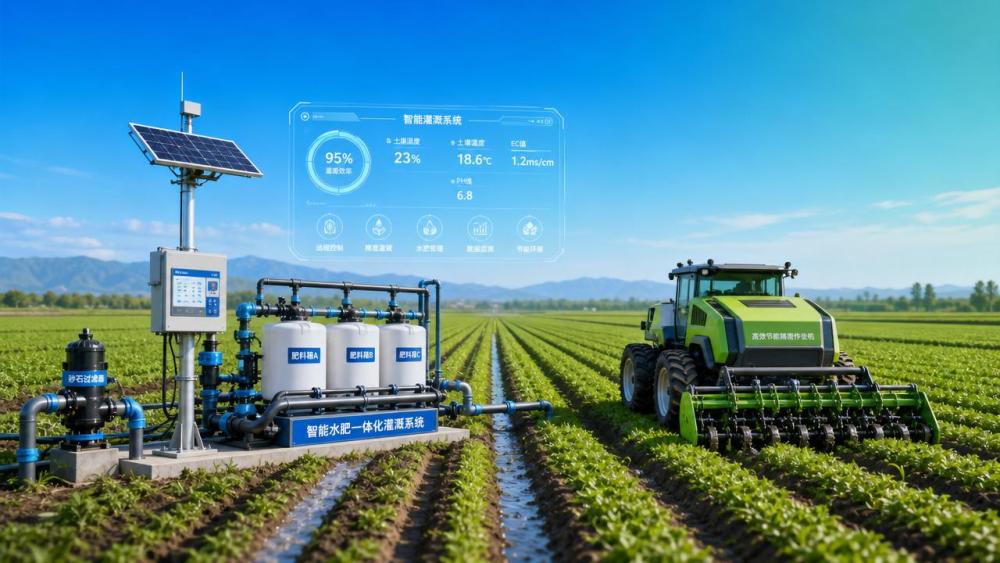
Among sustainable farming practices, precision irrigation frequently delivers the clearest and fastest savings, especially where pumping energy is significant or water allocation is constrained. Smart scheduling based on soil moisture, evapotranspiration, and crop stage prevents overwatering. That lowers water purchases or extraction costs, reduces pumping electricity or diesel, and can also cut nutrient leaching. For finance approvers, this matters because the savings are visible in utility bills, fuel records, and water-use reports within the same season.
The additional value is risk control. Better irrigation timing can stabilize crop performance during heat stress and reduce the cost of corrective interventions later. In regions facing climate variability, water-saving irrigation systems also improve resilience, which has indirect financial value through more predictable production. This is one reason intelligent irrigation remains a priority in modern farm investment decisions and in AP-Strategy’s field intelligence coverage.
Input control can cut costs before yields change
Another high-impact group of sustainable farming practices involves matching inputs to field conditions. Variable-rate fertilizer application, targeted spraying, and data-guided seeding reduce unnecessary spending in zones where the crop response does not justify a uniform rate. For finance teams, this is attractive because the first return often comes from purchasing less input, not from waiting for a major yield increase.
This does require reliable field data and reasonable operator discipline. If field maps are poor or machinery calibration is inconsistent, expected savings may not fully materialize. Even so, on large acreages with meaningful soil variability, the cost of over-application is often large enough that better targeting becomes one of the more practical sustainable farming practices to approve. It is especially valuable when fertilizer prices are volatile or environmental compliance costs are rising.
Fuel, machine settings, and maintenance generate immediate operational savings
Many farms underestimate how quickly machinery optimization can lower cost. Sustainable farming practices are not limited to biological or soil-focused methods; they also include efficient use of heavy equipment. Tractor route planning, reduced overlap, controlled traffic patterns, tire pressure management, engine load optimization, and lower idle time can trim diesel consumption without major capital expenditure. When fleets are large, even small percentage improvements matter financially.
Combine harvesters deserve special attention. Poor settings increase grain loss, raise fuel use, and sometimes increase wear in cleaning and threshing systems. A finance approver evaluating harvesting technology should look beyond purchase price and ask whether better monitoring, calibration support, and operator training will recover more crop at lower cost. In many grain businesses, a reduction in harvest loss provides one of the most convincing cases for sustainable farming practices because the recovered value can be estimated directly from throughput and market price.
Maintenance discipline is equally important. Predictive service intervals, hydraulic system checks, filtration control, and sensor-based alerts reduce unplanned downtime. This is especially relevant during short harvest windows, where one breakdown can create compounding losses through delayed field access, labor inefficiency, and quality decline. Sustainable farming practices become financially persuasive when they prevent those cascading costs.
Which practices fit different farm profiles
Not all farms should start in the same place. Cost-saving priorities depend on crop type, irrigation dependence, machine intensity, and data maturity. The table below gives a practical classification for finance-led evaluation.
How finance approvers should evaluate return with confidence
The strongest approvals for sustainable farming practices rely on baseline measurement. Before any investment, document current water use, pumping cost, fertilizer spend, spray volume, fuel burn, harvest loss estimates, downtime hours, and labor intensity. Then compare projected savings against implementation cost, training needs, software fees, and any temporary disruption. A decision framework should distinguish direct savings from strategic benefits. Direct savings include less diesel, lower utility bills, fewer input purchases, and reduced repairs. Strategic benefits include better compliance, lower weather vulnerability, and stronger buyer confidence.
Finance approvers should also favor phased implementation. Start with sustainable farming practices that improve visibility and control, then scale into more advanced systems. For example, a farm may begin with moisture sensors and irrigation scheduling before investing in a wider intelligent irrigation network. Or it may start with fuel and maintenance analytics before replacing major machinery. This staged model lowers approval risk and creates internal proof points for future investment.
Common decision errors to avoid
One common mistake is assuming all sustainable farming practices deliver value on the same timeline. Some produce measurable savings in months, while others depend on multi-season soil improvement or market premiums. Another mistake is evaluating technology without considering operator capability. A sophisticated system with poor adoption will not create financial value. It is also risky to focus only on equipment cost while ignoring service support, calibration quality, data accuracy, and integration with existing farm routines.
A final error is separating financial review from agronomic logic. The best outcomes occur when finance, operations, and field specialists assess the same numbers together. In the Agriculture 4.0 environment, sustainable farming practices work best when mechanical performance, sensor intelligence, and resource strategy are assessed as one operating system rather than isolated purchases.
Practical next steps for a low-risk approval pathway
For organizations deciding where to begin, the most practical sequence is clear. First, identify the largest waste category by cost share: water, fuel, fertilizer, chemicals, downtime, or harvest loss. Second, choose one or two sustainable farming practices that directly address that waste with measurable data. Third, define a seasonal baseline and a target payback window. Fourth, assign accountability for execution, not just procurement. Fifth, review performance after one production cycle and expand only where results are verified.
This approach fits the needs of finance approvers because it turns sustainability from a broad commitment into a disciplined cost-control program. It also reflects the direction of global farm modernization, where precision irrigation, intelligent farm tools, efficient tractor and harvester operation, and data-led decisions increasingly shape both profitability and resilience.
Conclusion
The sustainable farming practices that cut costs first are usually the ones that remove obvious waste from established operations. Precision irrigation often leads because it reduces both water and energy expense. Input control follows closely where field variability is high. Machinery efficiency, predictive maintenance, and harvest optimization can also produce fast and reliable returns, particularly in large-scale operations. For finance approvers, the most credible path is to prioritize practices with visible baselines, low operational risk, and measurable first-season outcomes. When evaluated this way, sustainable farming practices are not just an environmental agenda; they are a practical framework for stronger margins and more resilient agricultural operations.
Related News
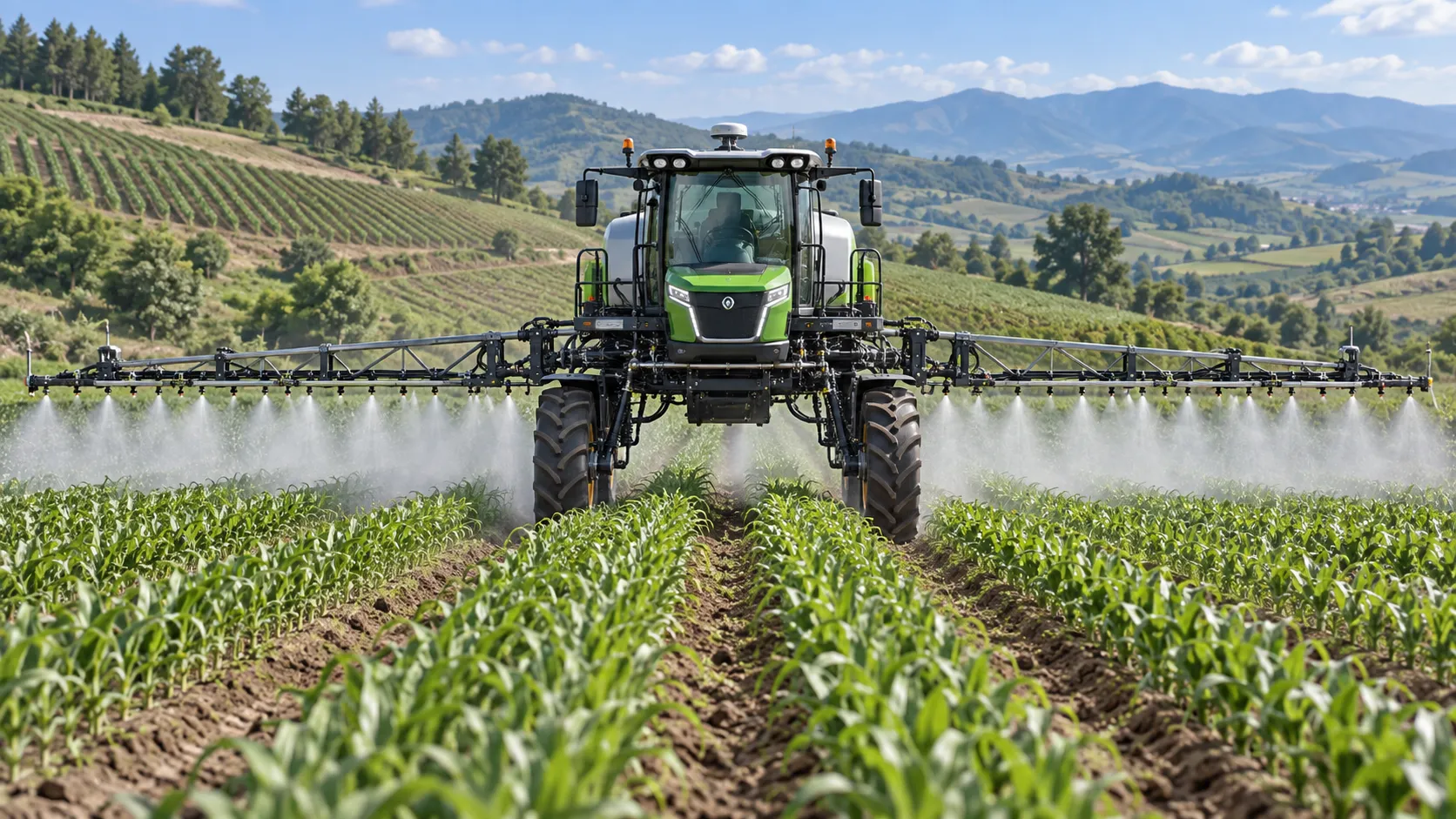
How to Select Precision Crop Protection Equipment for Variable Field Conditions
Precision crop protection equipment selection made simple: compare terrain, canopy, weather, control accuracy, and data workflows for reliable applications.
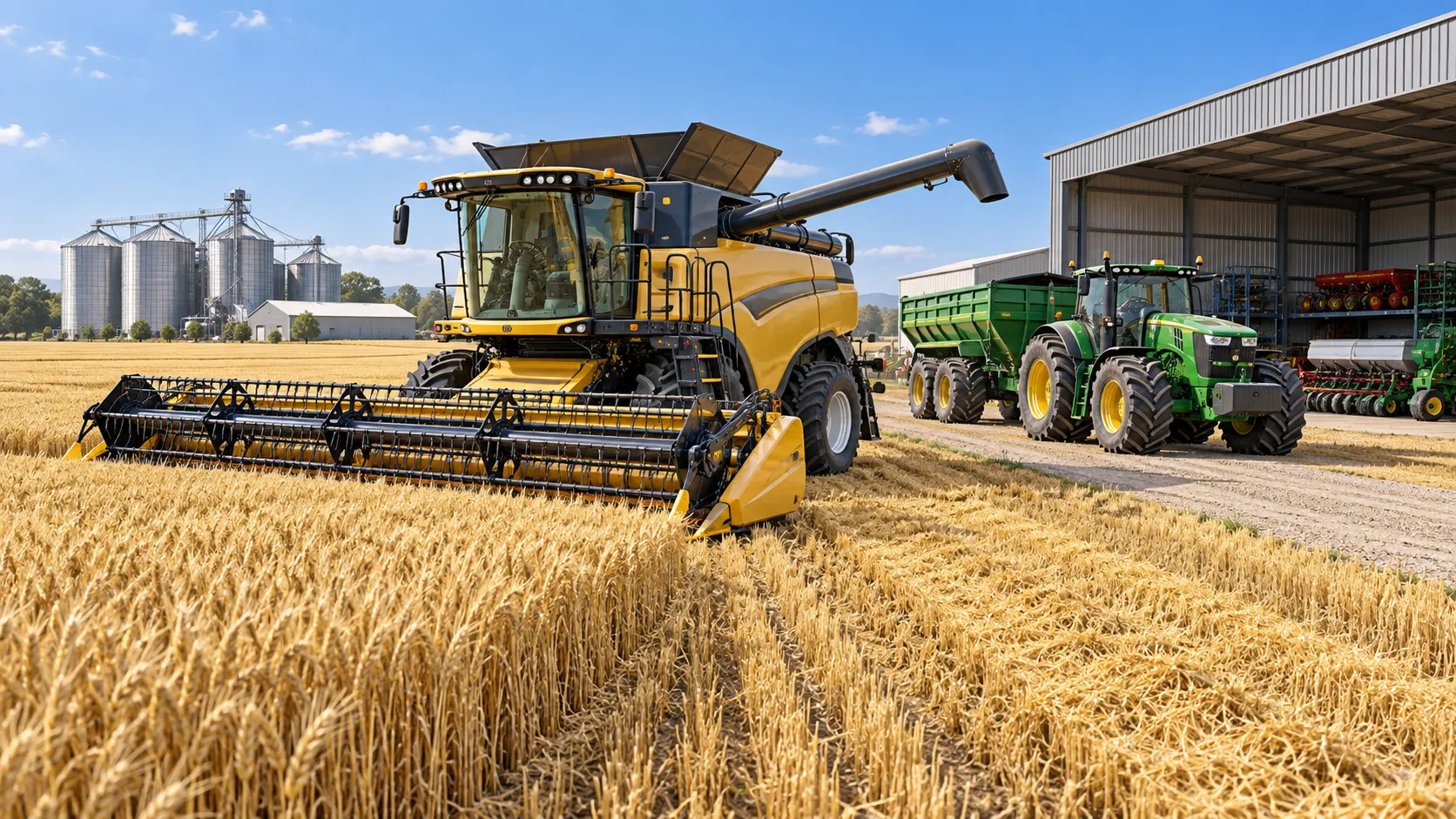
When Does Agricultural Machinery Leasing Cost Less Than Owning Equipment?
Agricultural machinery leasing can lower farm costs when use is seasonal or uncertain. Compare utilization, maintenance, cash flow, and risk to make a smarter equipment decision.
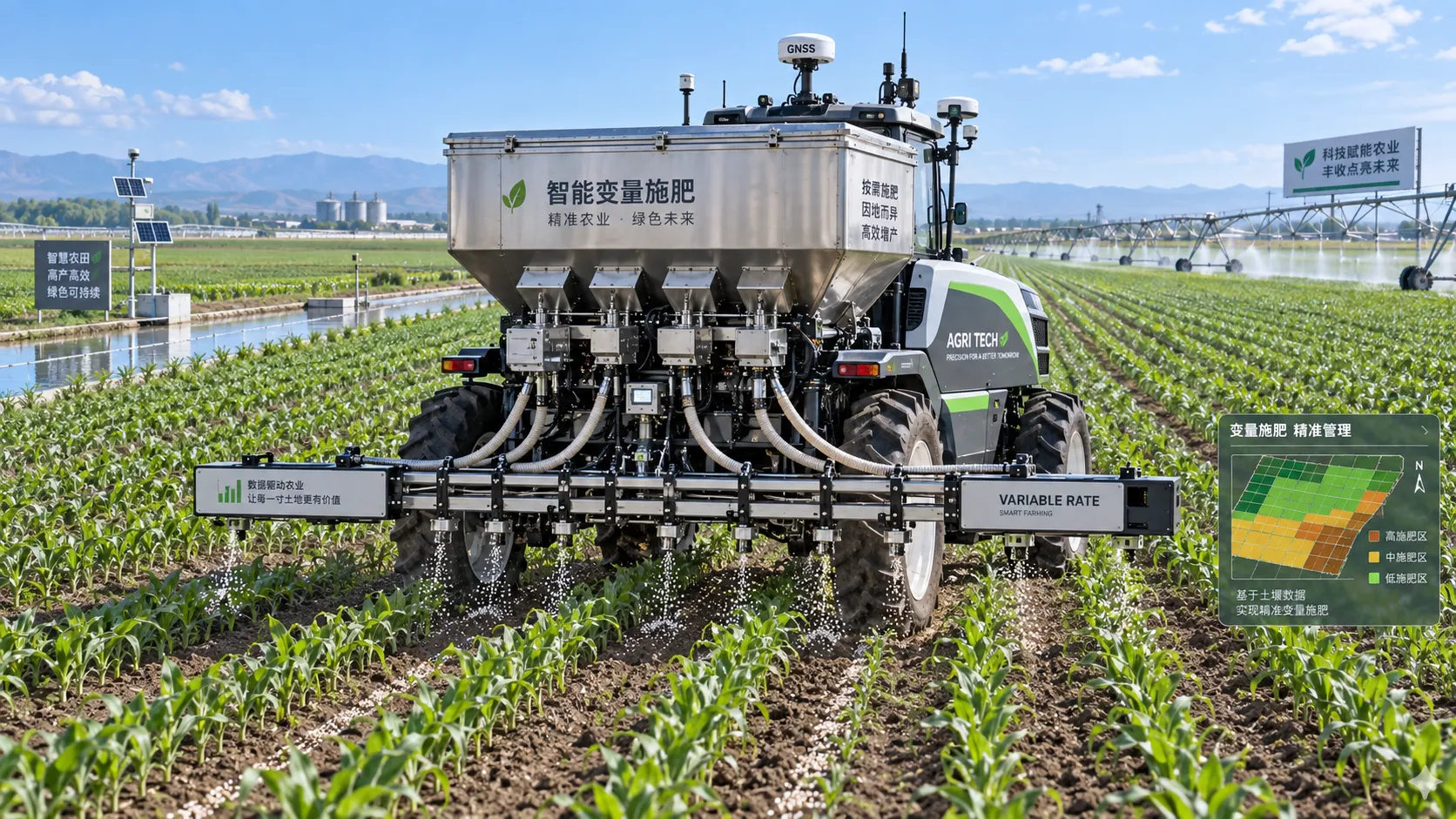
How to Evaluate Precision Fertilization System Suppliers for Farm-Scale Deployment
Precision fertilization systems suppliers: learn how to compare accuracy, integration, uptime, service, and total cost for confident farm-scale deployment.
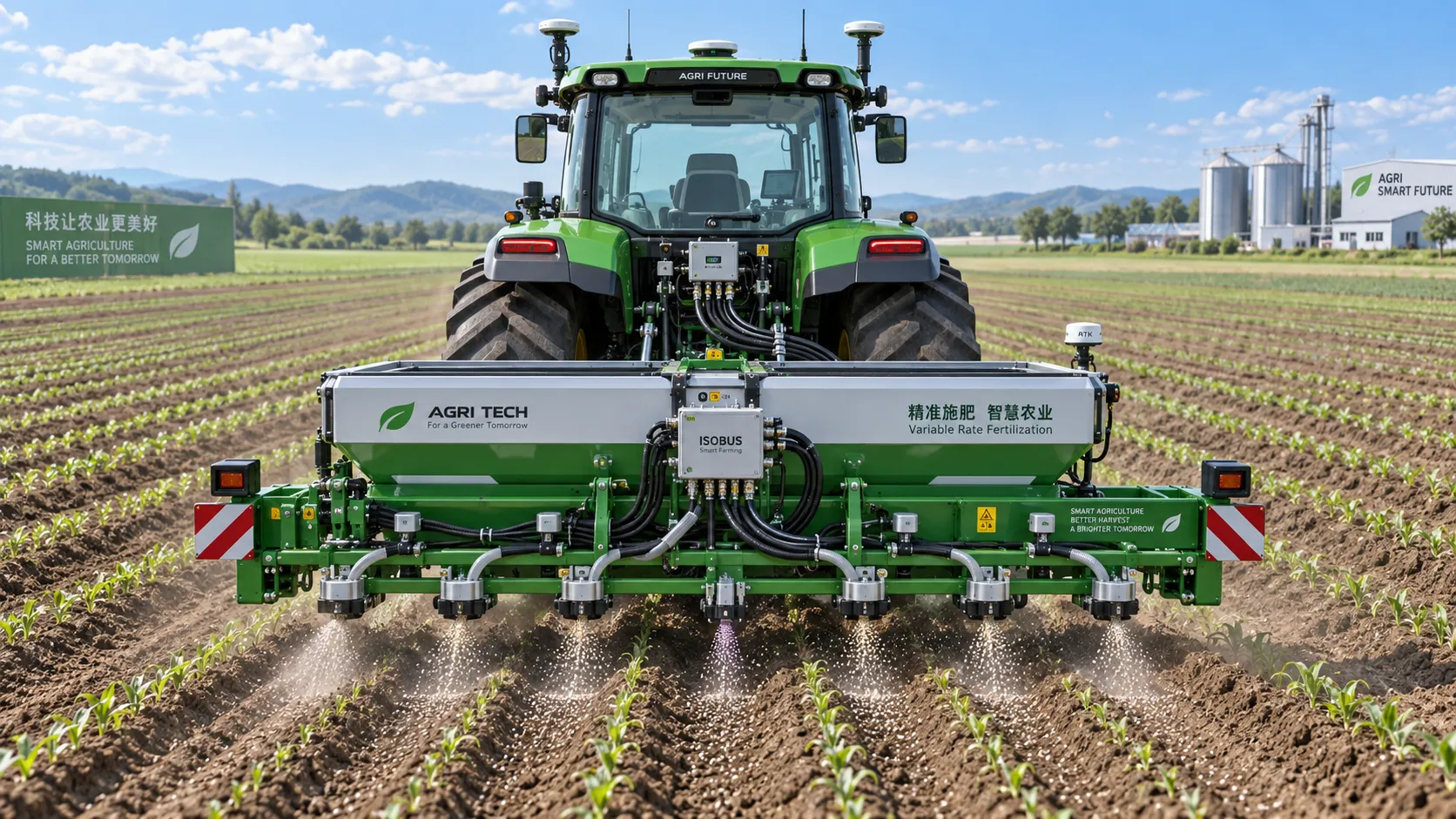
ISOBUS for Smart Agriculture: How It Connects Tractors, Implements, and Farm Data
ISOBUS for smart agriculture connects tractors, implements, terminals, and farm data—helping growers improve precision, documentation, and smarter field decisions.
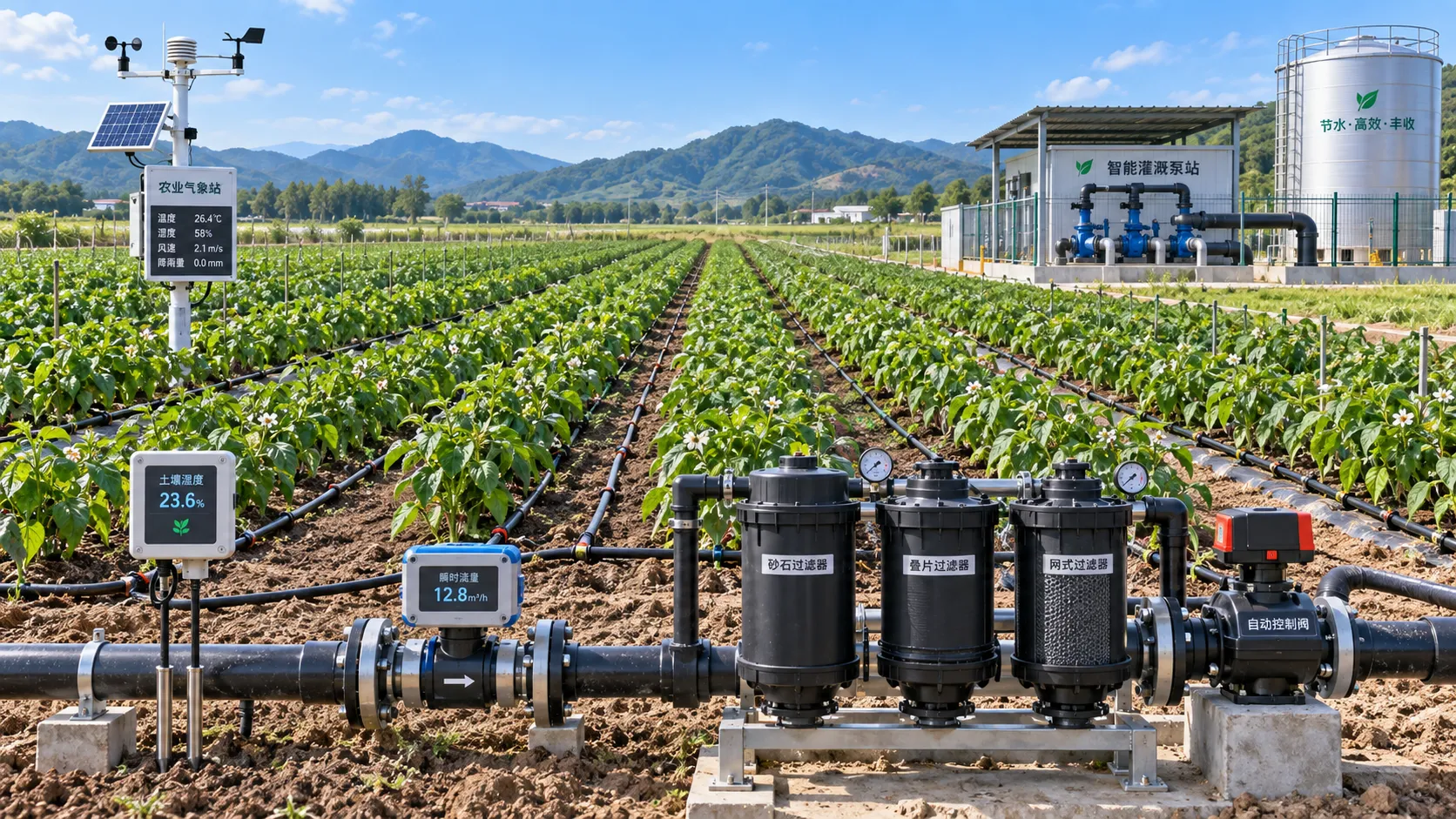
Automated Water-Saving Irrigation: How to Cut Water Use Without Reducing Crop Yields
Automated water-saving irrigation helps farms cut water use, protect crop yields, improve scheduling, and gain reliable control with sensors, flow monitoring, and smart zones.
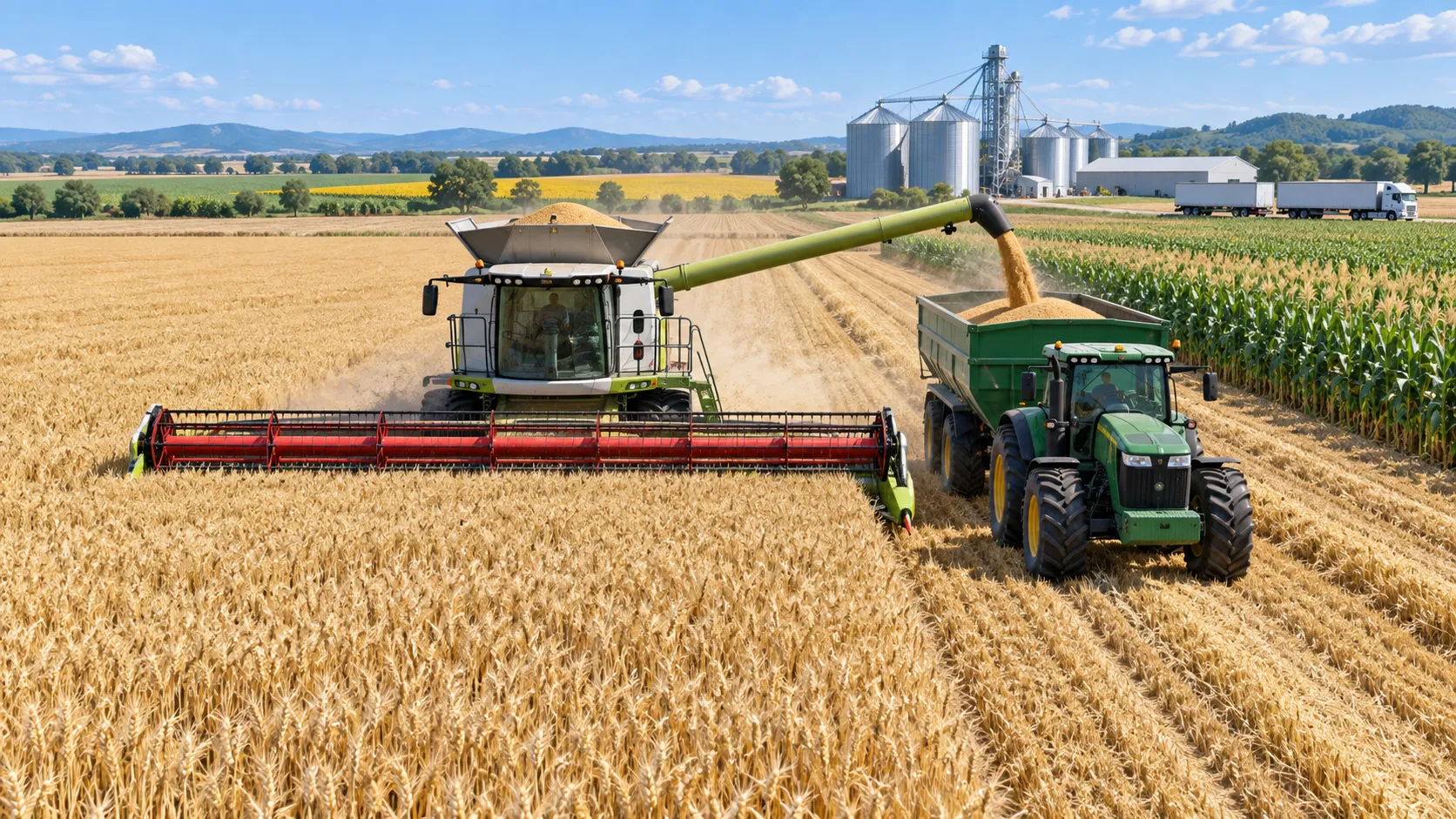
Selecting Grain Farm Equipment by Acreage, Crop Mix, and Harvest Window
Agricultural equipment selection for grain farming: match machinery to acreage, crop mix, and harvest windows to improve uptime, efficiency, and returns.
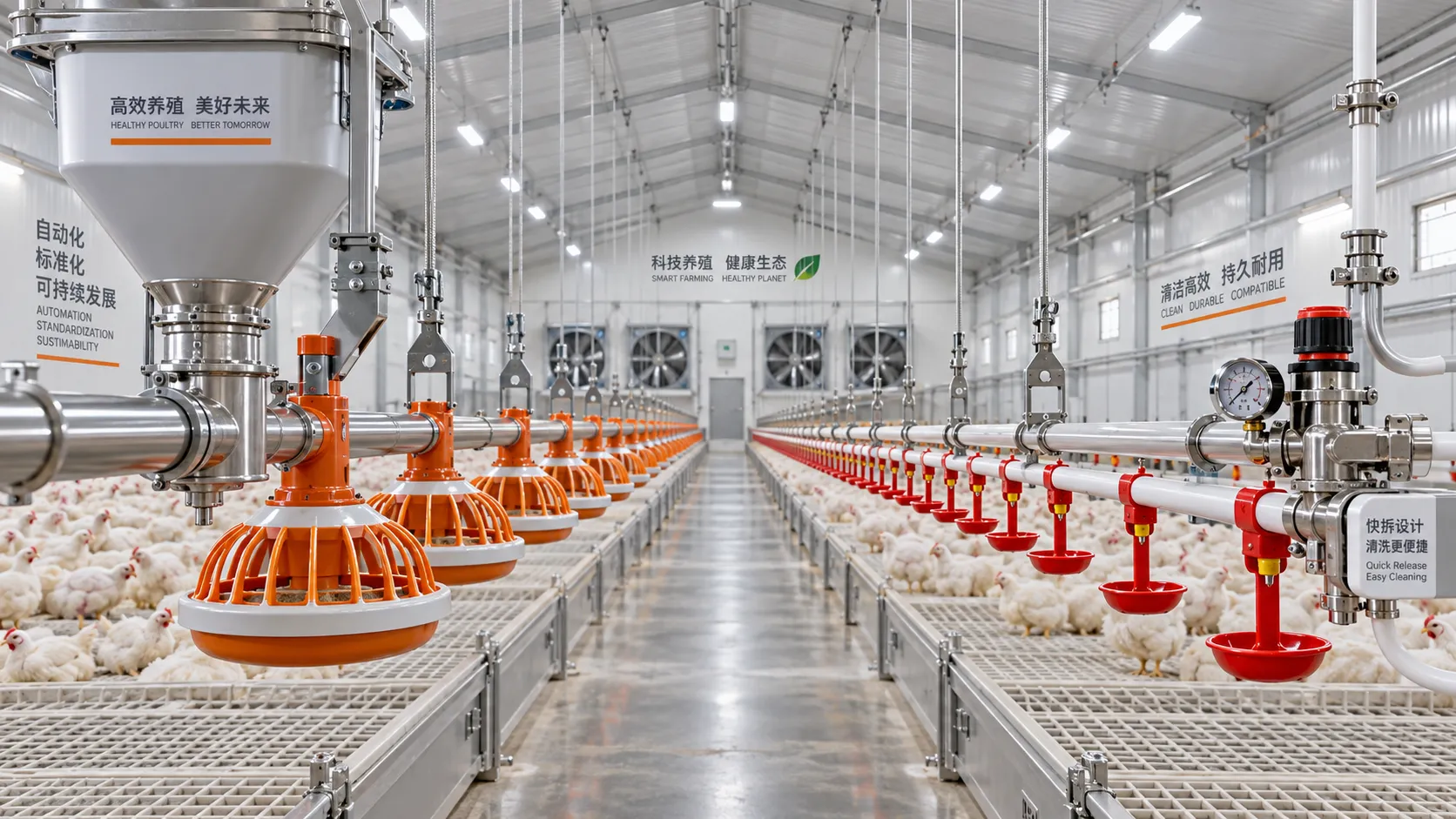
Poultry Equipment Selection: Evaluating Durability, Cleaning, and Compatibility
Poultry equipments selection guide: evaluate durability, cleaning access, and system compatibility to improve hygiene, reduce downtime, and support efficient flock management.
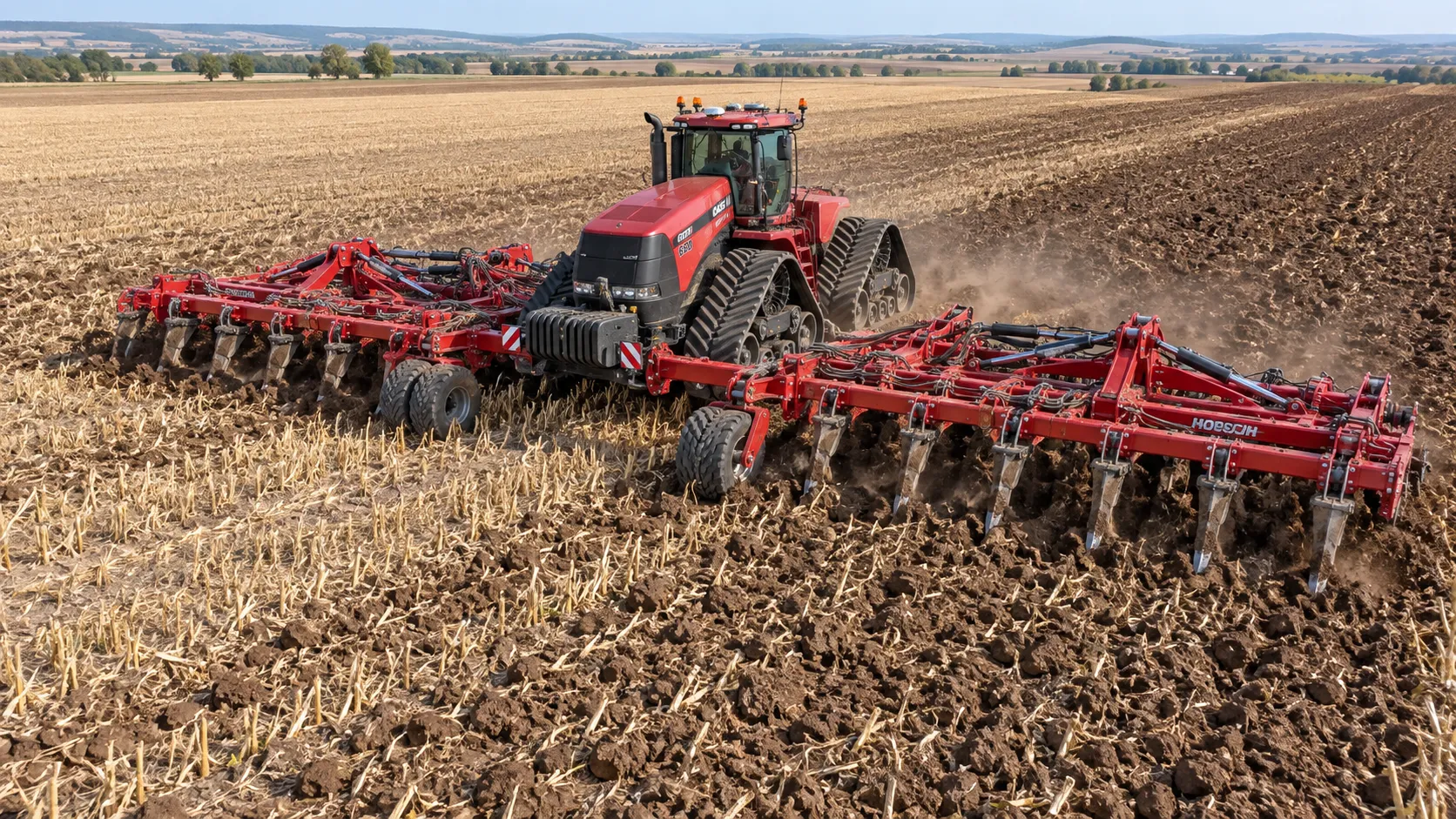
How to Select Heavy-Duty Farm Implements for High-Acreage, High-Horsepower Operations
Heavy duty farm implements: learn how to match draft, hydraulics, hitch capacity, frame strength, and field conditions for reliable high-acreage performance.
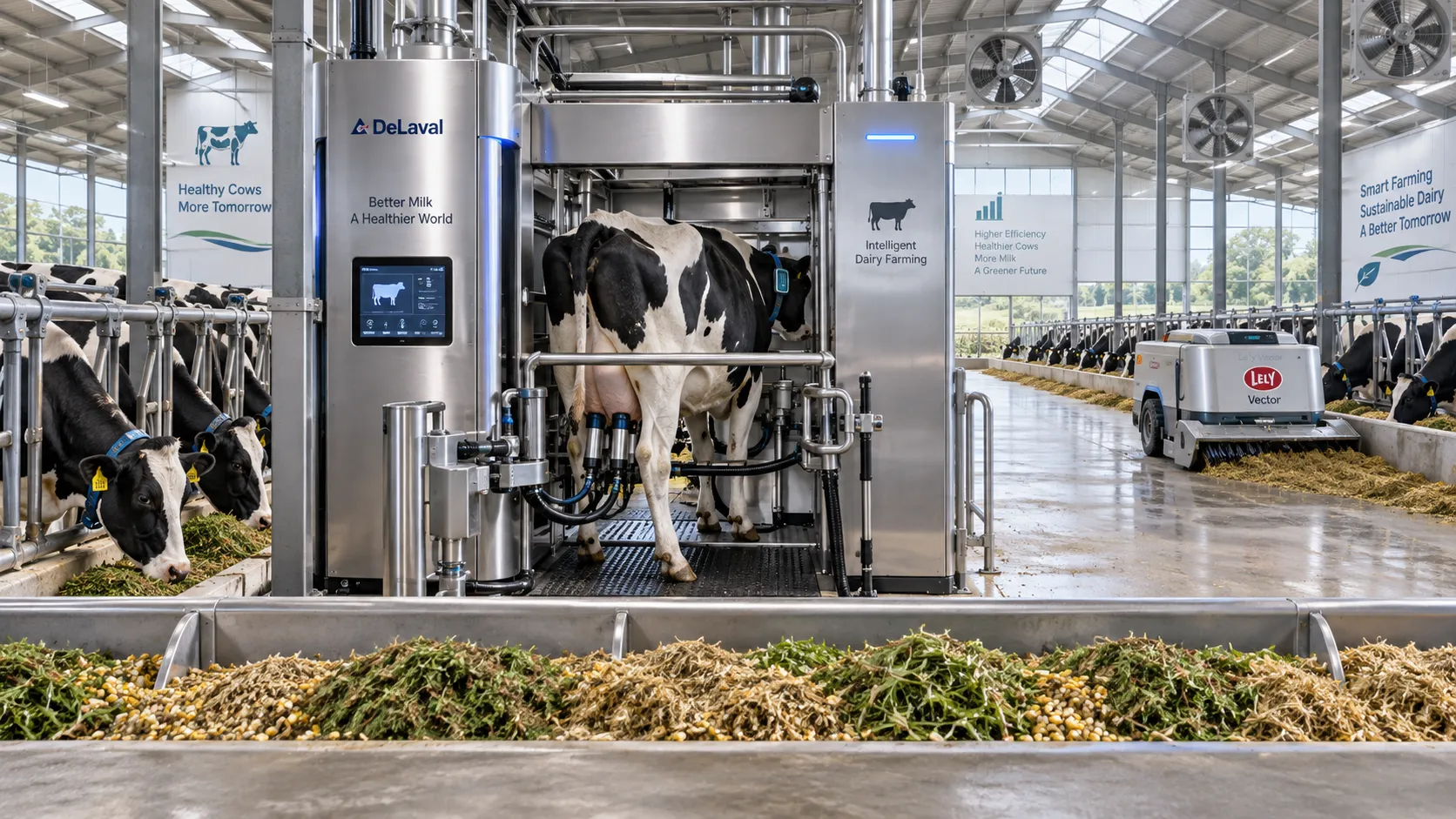
Smart Farming Technology for Dairy Farms: Where Automation Delivers Measurable ROI
Smart farming technology for dairy farms delivers measurable ROI through automation, precision feeding, health monitoring, and data-driven cost control.
Related News
- 00
0000-00
When Does Agricultural Machinery Leasing Cost Less Than Owning Equipment? - 00
0000-00
Selecting Grain Farm Equipment by Acreage, Crop Mix, and Harvest Window - 00
0000-00
Poultry Equipment Selection: Evaluating Durability, Cleaning, and Compatibility - 00
0000-00
How to Select Heavy-Duty Farm Implements for High-Acreage, High-Horsepower Operations - 00
0000-00
Smart Farming Technology for Dairy Farms: Where Automation Delivers Measurable ROI
Popular Tags
Ms. Elena Rodriguez
Weekly Insights
Stay ahead with our curated technology reports delivered every Monday.