
Food Security Risks That Start With Weak Storage Planning
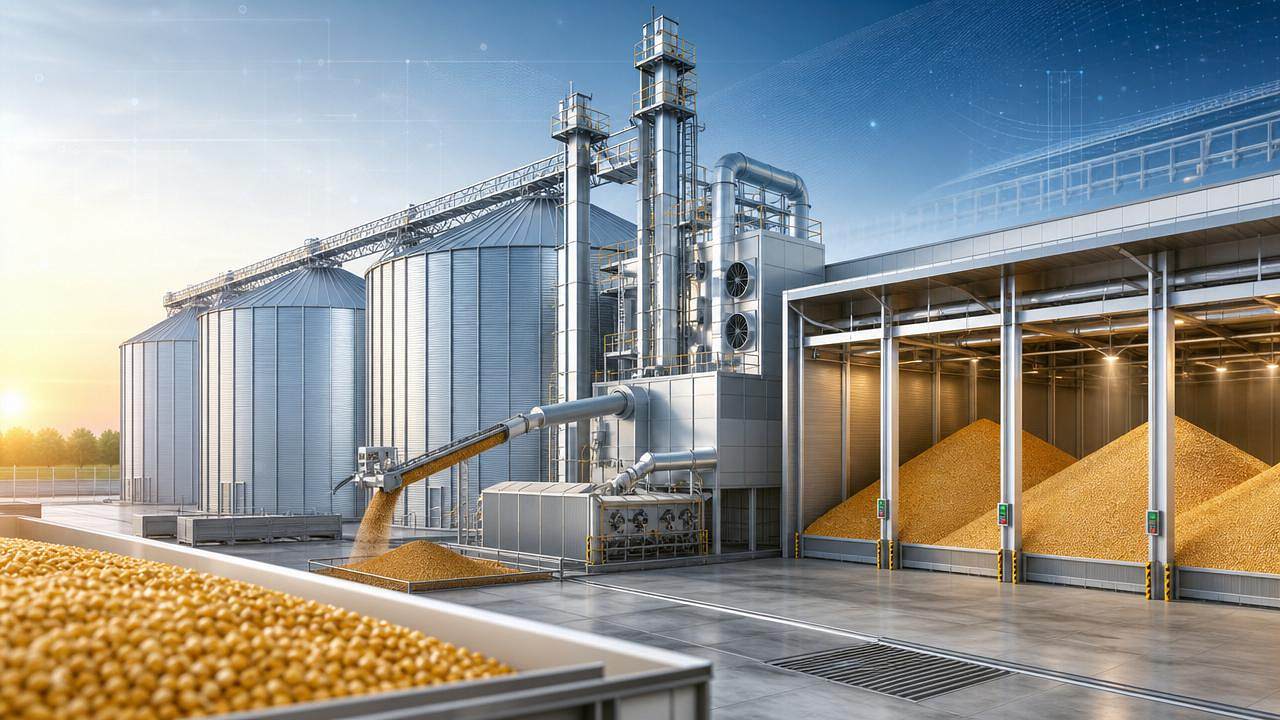




Food security risks often begin long before transport or processing—they start with weak storage planning at the farm and facility level. For quality control and safety managers, overlooked factors such as moisture, temperature shifts, pest exposure, and poor equipment coordination can quickly turn harvest value into loss. This article examines how smarter storage strategies, supported by modern agricultural systems and data-driven oversight, help protect supply stability and operational resilience.
Why storage planning deserves different decisions in different operating scenarios
For quality and safety teams, food security is not protected by a single checklist. It depends on how storage conditions match the crop, the harvest window, the equipment available, and the speed of downstream movement. A grain depot handling dry wheat after a stable season faces a very different risk pattern from a mixed farm storing maize during a humid harvest or a regional aggregation center receiving crops from multiple suppliers. When storage planning is too generic, the result is often hidden deterioration, delayed detection, and inconsistent traceability.
That is why weak storage planning should be assessed as a scenario problem, not only as a facility problem. In one setting, the biggest food security threat may be moisture migration and fungal growth. In another, it may be mechanical damage from rushed harvesting, poor aeration scheduling, or failure to separate lots by field condition. Safety managers must judge whether the current storage model fits the actual operating reality: crop type, climate pattern, machine capacity, labor discipline, and the digital maturity of monitoring systems.
Across modern agriculture, this judgment is becoming more important because mechanized harvesting and large-scale logistics compress time. A powerful combine harvester can bring huge volumes into storage in a short window, while intelligent irrigation systems may change crop moisture behavior before harvest. Without coordinated planning between field operations and storage readiness, efficiency gains in production can create new food security risks after harvest.
Typical scenarios where weak storage planning threatens food security
Below are common operating scenarios where storage weaknesses quickly become supply and safety issues. For each, the priority is different, which is why quality control teams need tailored inspection logic rather than a one-size-fits-all approach.
These scenarios show that food security is closely tied to storage timing and process control. A technically sound warehouse can still underperform if incoming product condition changes faster than the facility can respond. That is especially relevant for organizations integrating high-capacity harvesters, tractor-led transport systems, and digital farm tools, where field output and storage intake are more tightly connected than ever.
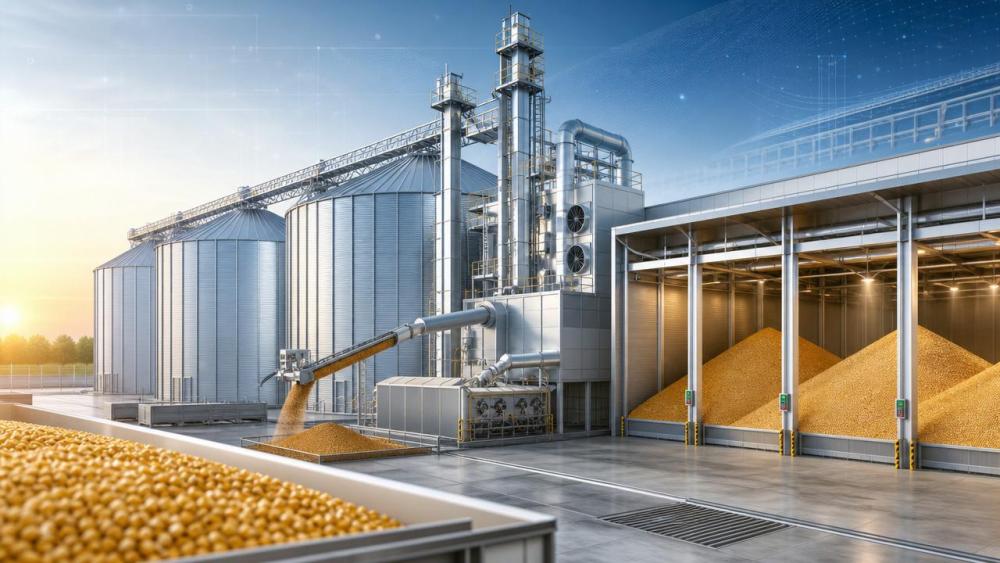
Scenario 1: On-farm grain storage after fast mechanized harvesting
This scenario is common on large farms that use advanced combines and high-output transport fleets. The business goal is clear: remove crop quickly, reduce field loss, and keep machinery productive. But from a food security perspective, rapid intake can hide major storage weaknesses. If bins, dryers, conveyors, and cleaning lines are not prepared for surge volumes, grain may sit too long before stabilization. That waiting period is often where heating and biological activity begin.
Quality control personnel in this setting should focus on three questions. First, does the storage site have enough drying and aeration capacity relative to peak harvest flow? Second, can operators separate grain by moisture range and damage level rather than blending everything together? Third, are temperature and humidity readings frequent enough during the first critical days after filling? A weak answer to any of these questions raises food security risk immediately.
The best fit for this scenario is a storage plan that is built backward from machine productivity. If a combine fleet can deliver a high volume per hour, the storage plan must define queue limits, emergency overflow procedures, and trigger points for drying priority. In practice, this means the storage manager should be involved in harvest scheduling rather than informed afterward.
Scenario 2: Mixed-crop facilities with varying moisture and handling needs
Some operations do not store one uniform commodity. They may handle cereals, oilseeds, pulses, or seed lots with different respiration behavior, breakage sensitivity, and contamination limits. In such environments, weak storage planning creates food security challenges not because one unit fails, but because the facility treats unlike materials as if they behave the same way.
For safety managers, the core decision is whether the storage layout supports physical and procedural separation. Different crops may need different airflow rates, cleaning intensity, sanitation routines, and pest response strategies. If a facility lacks dedicated receiving paths or clear zoning, the risk expands from quality loss to compliance failure. One moisture hotspot or infestation event can affect several product categories at once.
This scenario is especially important where intelligent farm tools and field sensors are generating better pre-harvest forecasts. Better data only improves food security if it is translated into separate handling instructions before the crop arrives. The storage plan should define which crop goes where, how long it can wait, what inspection standard applies, and who authorizes movement between zones.
Scenario 3: Regional storage hubs receiving product from many farms
Aggregation centers play a crucial role in food security because they connect farm output with processors, exporters, and reserve systems. Their challenge is not only preserving product, but preserving confidence in the product. Incoming lots may vary in moisture, cleanliness, pesticide compliance, maturity, and transport condition. If storage planning is weak, quality variation turns into a traceability problem, and traceability problems become supply risk.
In this scenario, receiving discipline matters as much as warehouse condition. Quality teams should review whether intake standards are enforced consistently, whether loads are sampled before unloading, and whether suspect lots are isolated quickly. A common mistake is assuming that strong storage infrastructure can compensate for weak receiving control. In reality, once unstable grain enters the wrong stream, corrective action becomes harder and more expensive.
For regional hubs, food security depends on combining physical storage measures with information governance. Sensor systems, digital logs, lot coding, and movement history should work together. AP-Strategy’s broader view of Agriculture 4.0 is relevant here: mechanical capacity, precision data, and sustainability targets only create resilience when they are stitched into one operational intelligence chain.
Scenario 4: Water-stressed regions and crops influenced by irrigation strategy
In regions shaped by climate volatility, smart irrigation decisions influence not only yield but also post-harvest behavior. Crops exposed to irregular water patterns may enter harvest with uneven maturity or variable moisture content. For storage planners, that means the field is already sending a warning signal before the first truck arrives. Weak coordination between irrigation teams, harvest managers, and storage personnel can therefore create avoidable food security exposure.
The right approach in this scenario is to treat storage as part of the crop water management chain. If precision irrigation data shows likely variability across fields, the storage team should prepare segmented intake, separate testing protocols, and flexible drying schedules. Safety managers should not wait for visible spoilage; they should act on predictive indicators. This is where integrated intelligence becomes a business asset, not just a reporting tool.
How needs differ by facility scale and management maturity
Not every organization needs the same storage design, but every organization needs a storage plan matched to its risk profile. Smaller farm operations may rely on simpler bins and manual checks, yet still protect food security well if procedures are disciplined and storage duration is short. Large enterprises, by contrast, often need automated sensing, structured lot management, and maintenance planning because volume and complexity increase failure impact.
For quality control and safety leaders, this comparison helps answer a practical question: where should investment go first? In many cases, the first upgrade should not be a new structure but a better match between operating speed, monitoring frequency, and storage decision authority.
Common misjudgments that weaken food security in storage
Several patterns appear repeatedly across industries and regions. One is overconfidence in harvest efficiency. Teams celebrate low field loss and fast throughput, yet fail to ask whether storage systems can absorb that success safely. Another is treating average moisture as a sufficient indicator, even when variability inside the lot is high. A third is assuming that scheduled inspections are enough without real-time alerts during unstable weather.
There is also a governance mistake: dividing responsibility too narrowly. Storage, harvesting, irrigation, transport, and maintenance may report separately, but food security risk moves across all of them. If no one owns the full chain from field condition to stored inventory status, warning signs remain fragmented. For this reason, high-performing organizations give safety managers access to both equipment data and commodity condition data.
Practical storage-fit checklist for quality and safety managers
To judge whether current arrangements are fit for purpose, managers can use a simple scenario-based checklist:
- Does harvest intake capacity exceed stabilization capacity at peak periods?
- Can the site segregate lots by moisture, field condition, and quality class?
- Are temperature, humidity, and pest indicators monitored at the right frequency for the risk level?
- Do equipment maintenance plans cover fans, dryers, conveyors, and sensing devices before harvest begins?
- Is there a clear escalation path when readings indicate spoilage, infestation, or cross-contamination risk?
- Can field intelligence from irrigation, weather, and machinery performance inform storage decisions in advance?
If several answers are uncertain, food security exposure is likely higher than the current reporting system shows.
FAQ: scenario-based questions teams often ask
Which scenario creates the fastest storage-related food security risk?
High-moisture harvests combined with delayed drying usually create the fastest deterioration. The first 24 to 72 hours are often decisive.
Is advanced equipment enough to solve storage planning weakness?
No. Modern combines, tractor systems, and intelligent tools improve productivity, but they can increase pressure on poorly coordinated storage processes if planning is weak.
What should multi-site operations standardize first?
Standardize intake rules, lot identification, monitoring thresholds, and response procedures before expanding hardware investment.
From storage weakness to resilient food security: the next step
Food security is strengthened when storage planning is treated as an active control system, not a passive warehouse function. For quality control and safety managers, the priority is to map real operating scenarios, identify where crop condition and equipment flow can conflict, and build response rules before harvest pressure begins. The best results come from connecting field intelligence, mechanized harvesting capacity, storage monitoring, and decision accountability.
Organizations reviewing their current risk posture should start by asking a simple but powerful question: does our storage plan truly match our most demanding scenario? If the answer is unclear, that is the right moment to reassess infrastructure, workflow, and data integration. In a sector where supply resilience matters more every season, stronger storage planning is not only an efficiency upgrade—it is a direct investment in food security.
Related News
When Does Agricultural Machinery Leasing Cost Less Than Owning Equipment?
Agricultural machinery leasing can lower farm costs when use is seasonal or uncertain. Compare utilization, maintenance, cash flow, and risk to make a smarter equipment decision.
How to Evaluate Precision Fertilization System Suppliers for Farm-Scale Deployment
Precision fertilization systems suppliers: learn how to compare accuracy, integration, uptime, service, and total cost for confident farm-scale deployment.
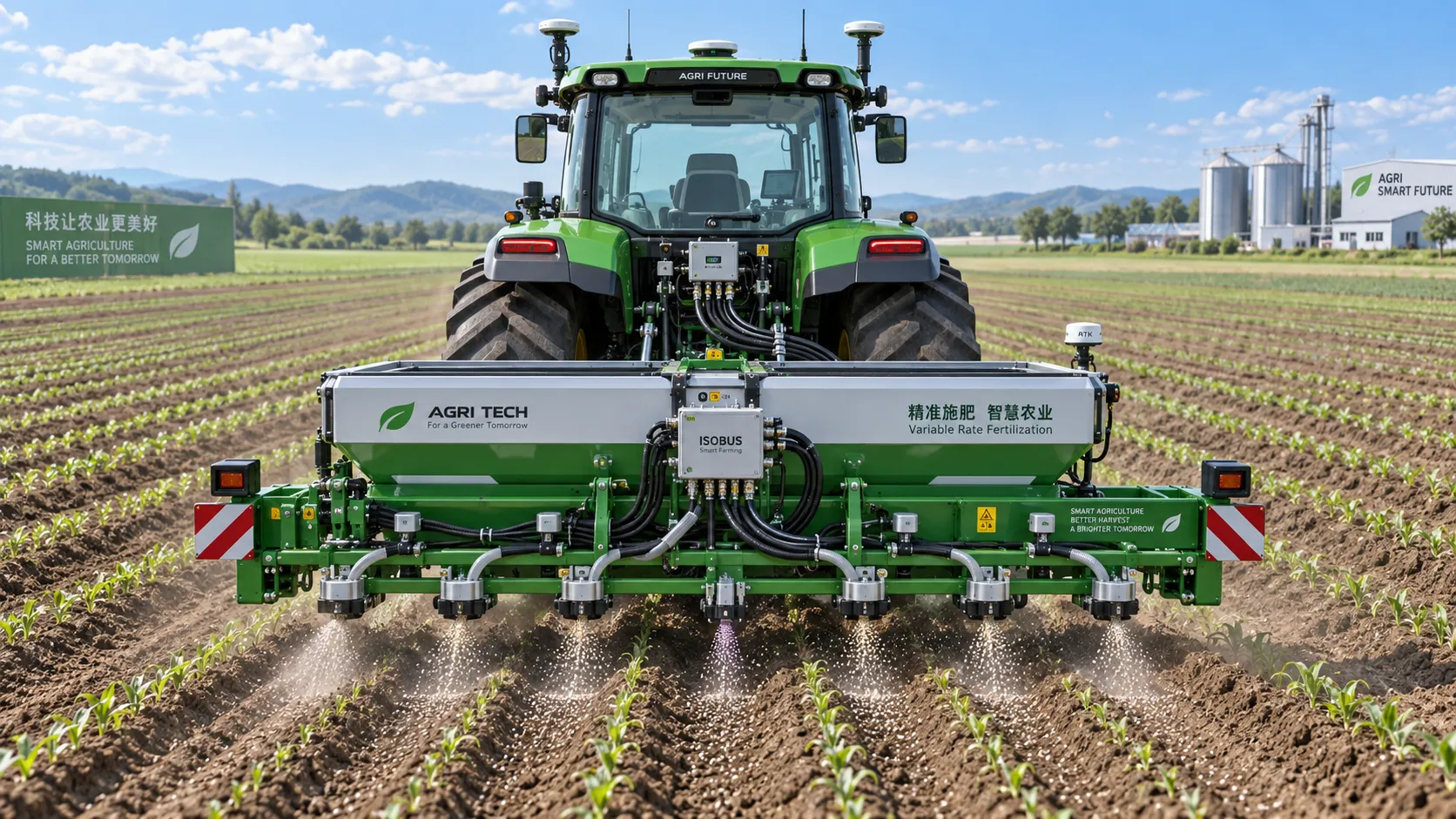
ISOBUS for Smart Agriculture: How It Connects Tractors, Implements, and Farm Data
ISOBUS for smart agriculture connects tractors, implements, terminals, and farm data—helping growers improve precision, documentation, and smarter field decisions.
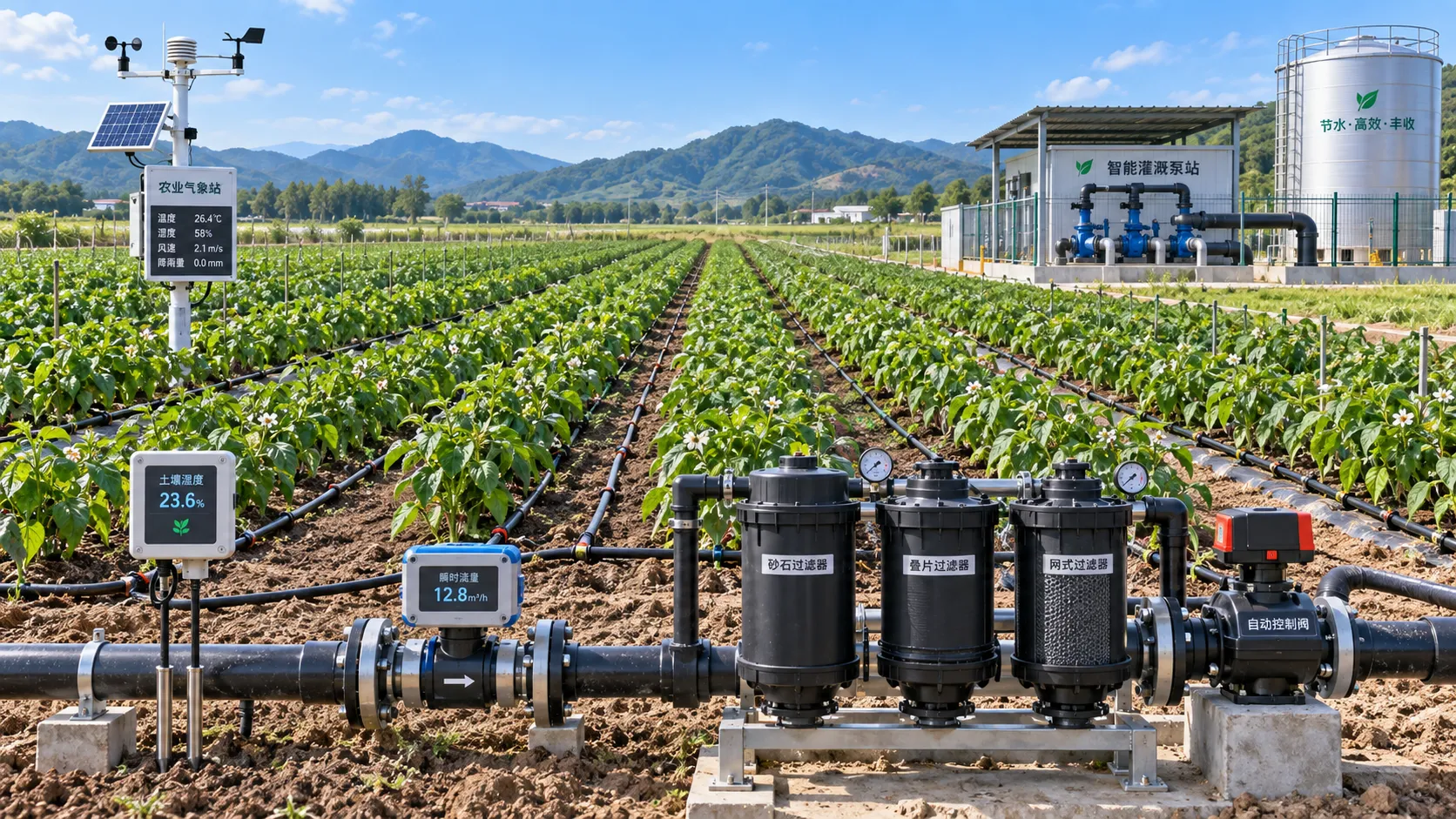
Automated Water-Saving Irrigation: How to Cut Water Use Without Reducing Crop Yields
Automated water-saving irrigation helps farms cut water use, protect crop yields, improve scheduling, and gain reliable control with sensors, flow monitoring, and smart zones.
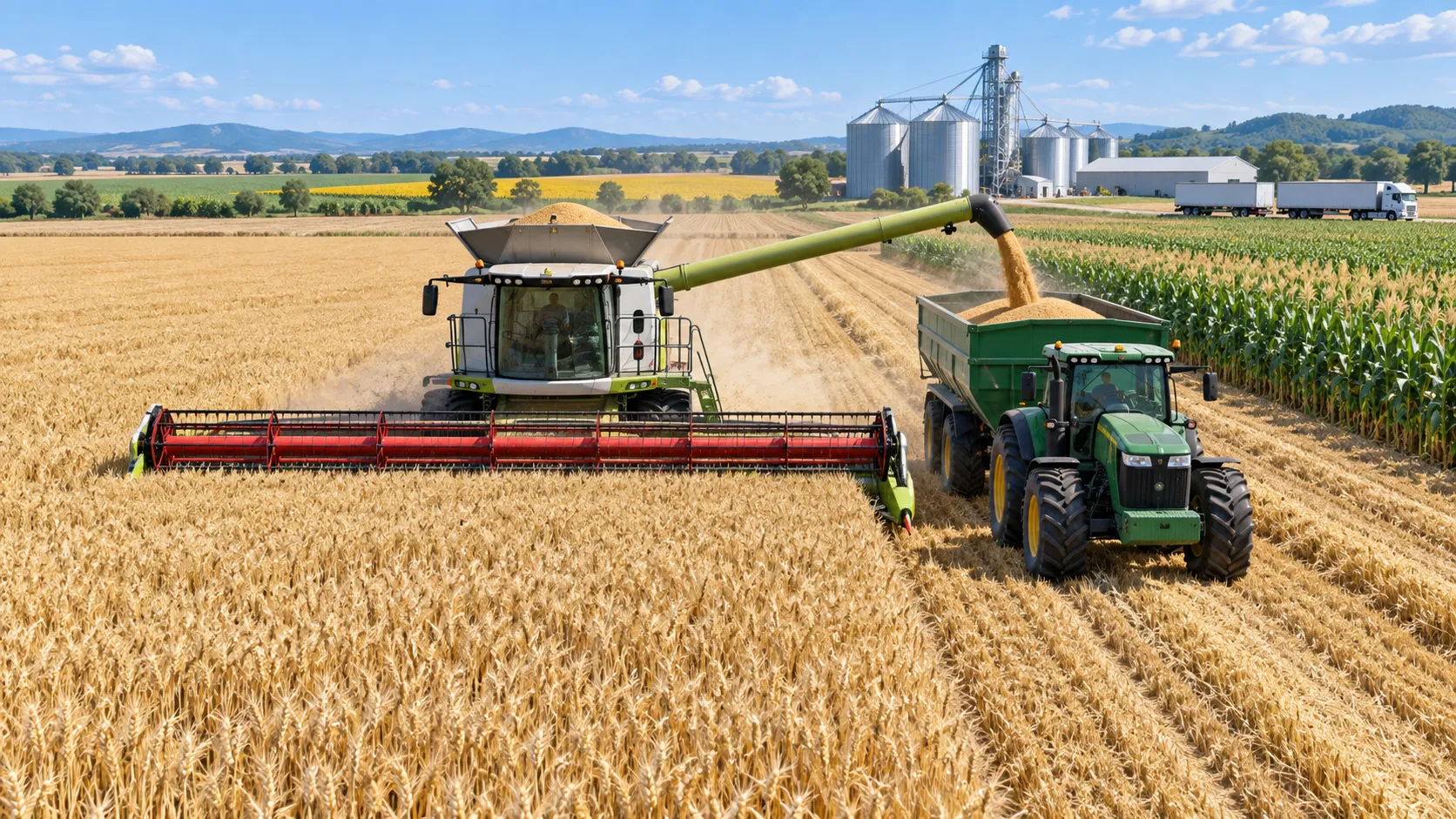
Selecting Grain Farm Equipment by Acreage, Crop Mix, and Harvest Window
Agricultural equipment selection for grain farming: match machinery to acreage, crop mix, and harvest windows to improve uptime, efficiency, and returns.
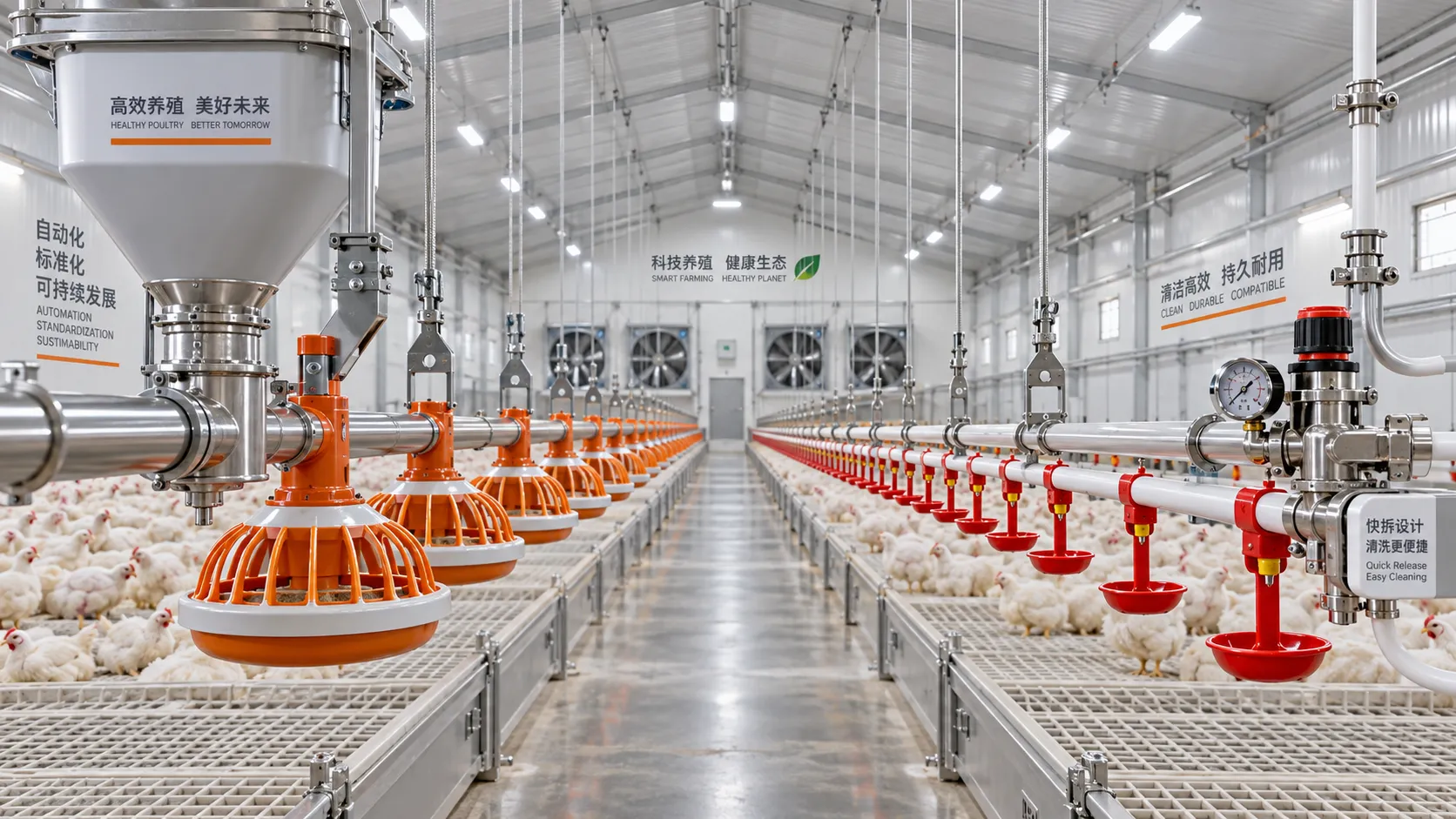
Poultry Equipment Selection: Evaluating Durability, Cleaning, and Compatibility
Poultry equipments selection guide: evaluate durability, cleaning access, and system compatibility to improve hygiene, reduce downtime, and support efficient flock management.
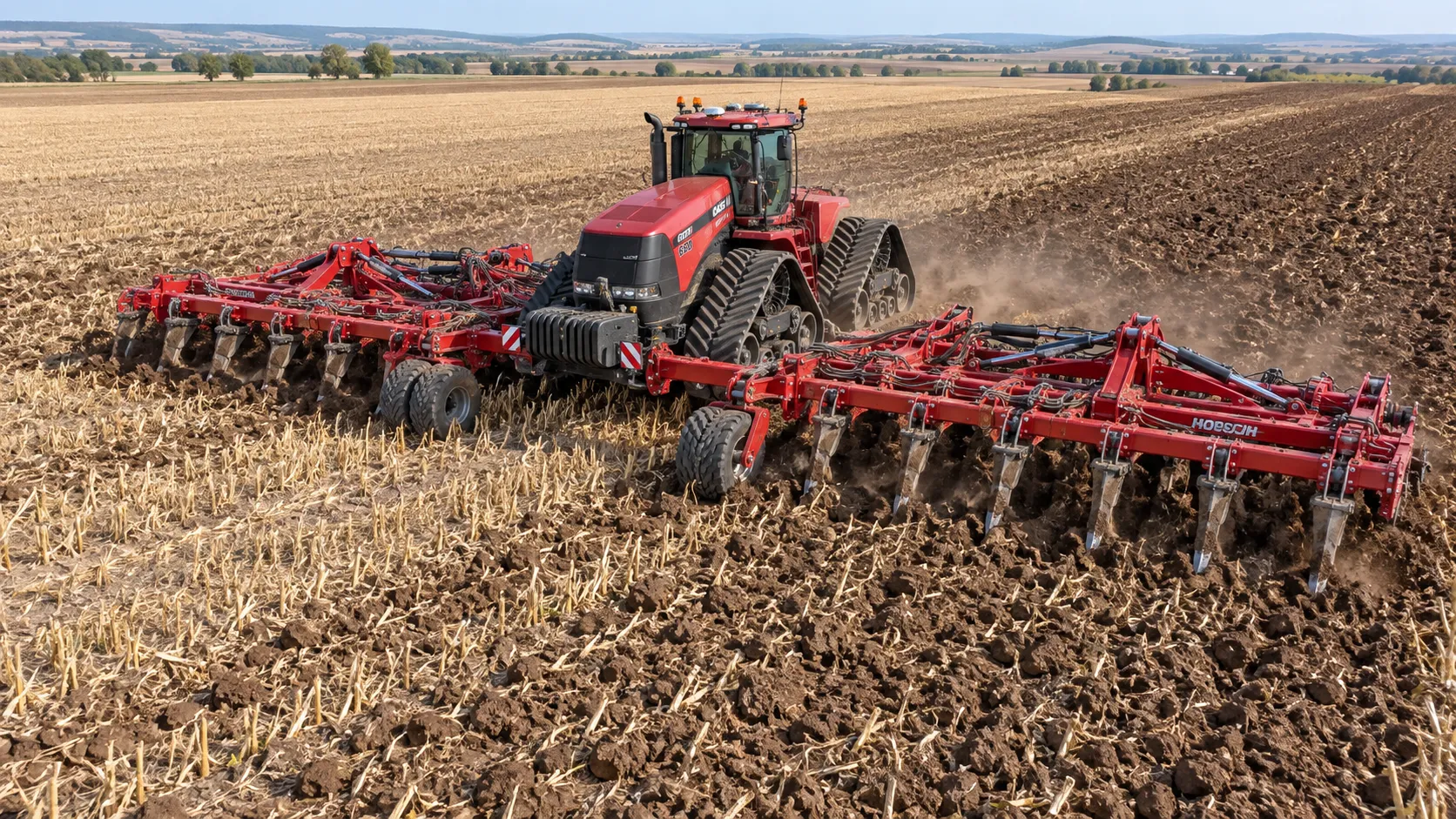
How to Select Heavy-Duty Farm Implements for High-Acreage, High-Horsepower Operations
Heavy duty farm implements: learn how to match draft, hydraulics, hitch capacity, frame strength, and field conditions for reliable high-acreage performance.
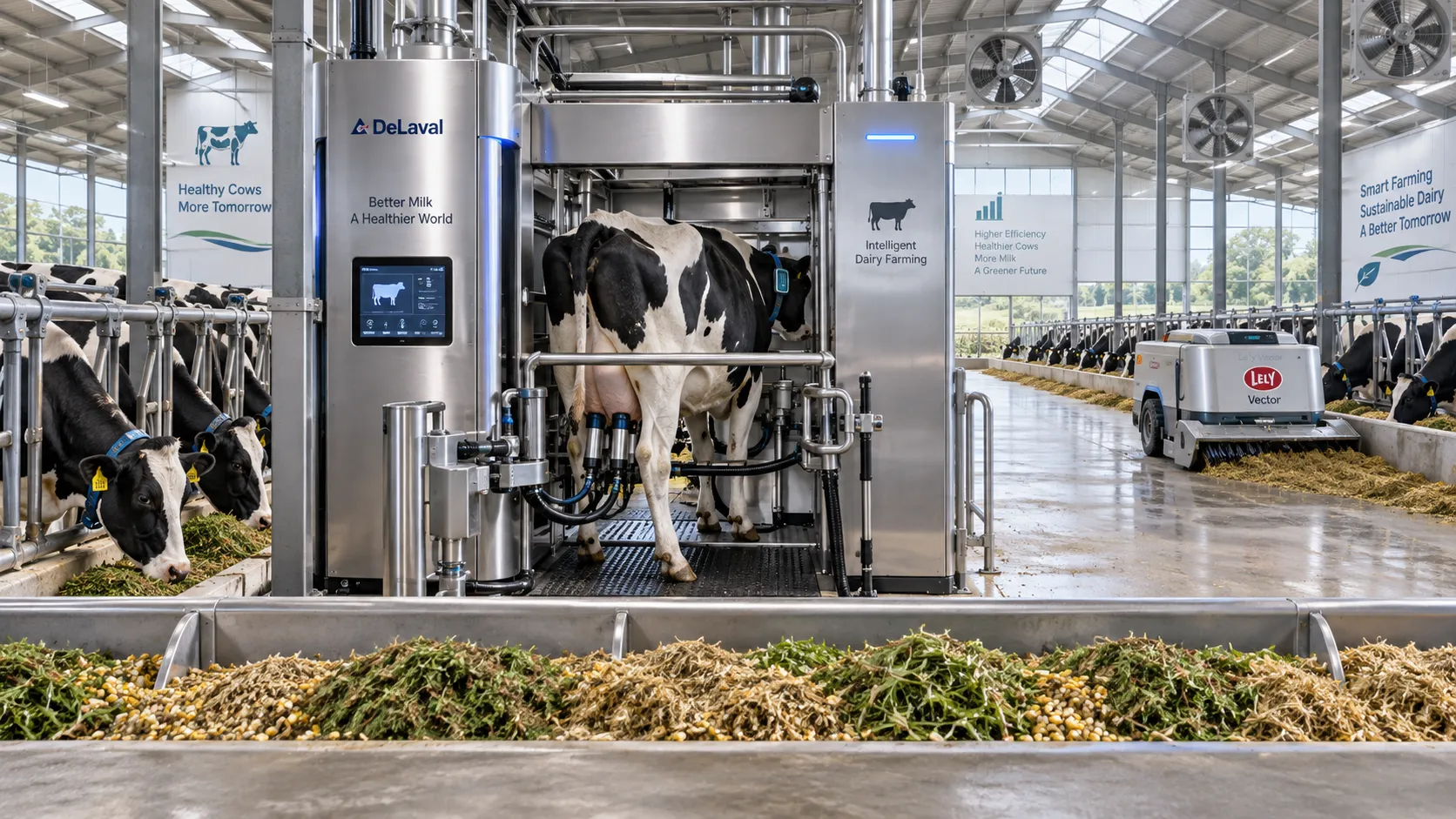
Smart Farming Technology for Dairy Farms: Where Automation Delivers Measurable ROI
Smart farming technology for dairy farms delivers measurable ROI through automation, precision feeding, health monitoring, and data-driven cost control.
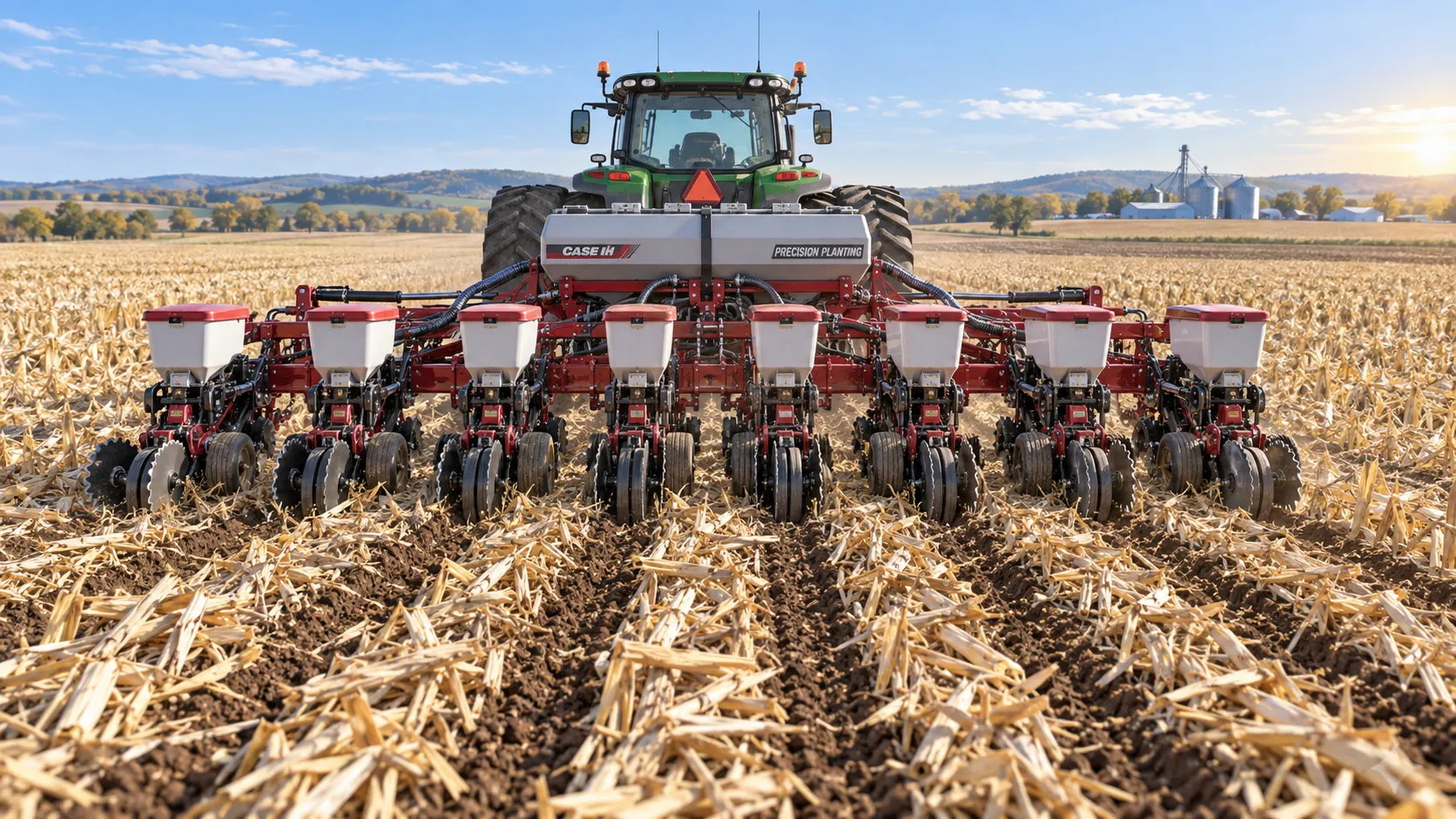
How to Select a Heavy-Duty Seeder for Large Acreage and High-Residue Fields
Heavy duty seeders for large acreage: compare residue handling, depth control, downforce, metering accuracy, and precision features to select the right model.
Related News
- 00
0000-00
When Does Agricultural Machinery Leasing Cost Less Than Owning Equipment? - 00
0000-00
Selecting Grain Farm Equipment by Acreage, Crop Mix, and Harvest Window - 00
0000-00
Poultry Equipment Selection: Evaluating Durability, Cleaning, and Compatibility - 00
0000-00
How to Select Heavy-Duty Farm Implements for High-Acreage, High-Horsepower Operations - 00
0000-00
Smart Farming Technology for Dairy Farms: Where Automation Delivers Measurable ROI
Popular Tags
Ms. Elena Rodriguez
Weekly Insights
Stay ahead with our curated technology reports delivered every Monday.