
China's EV Charging Infrastructure Hits 21.48M Units, Boosting Standardized E-Agri Modules for Export
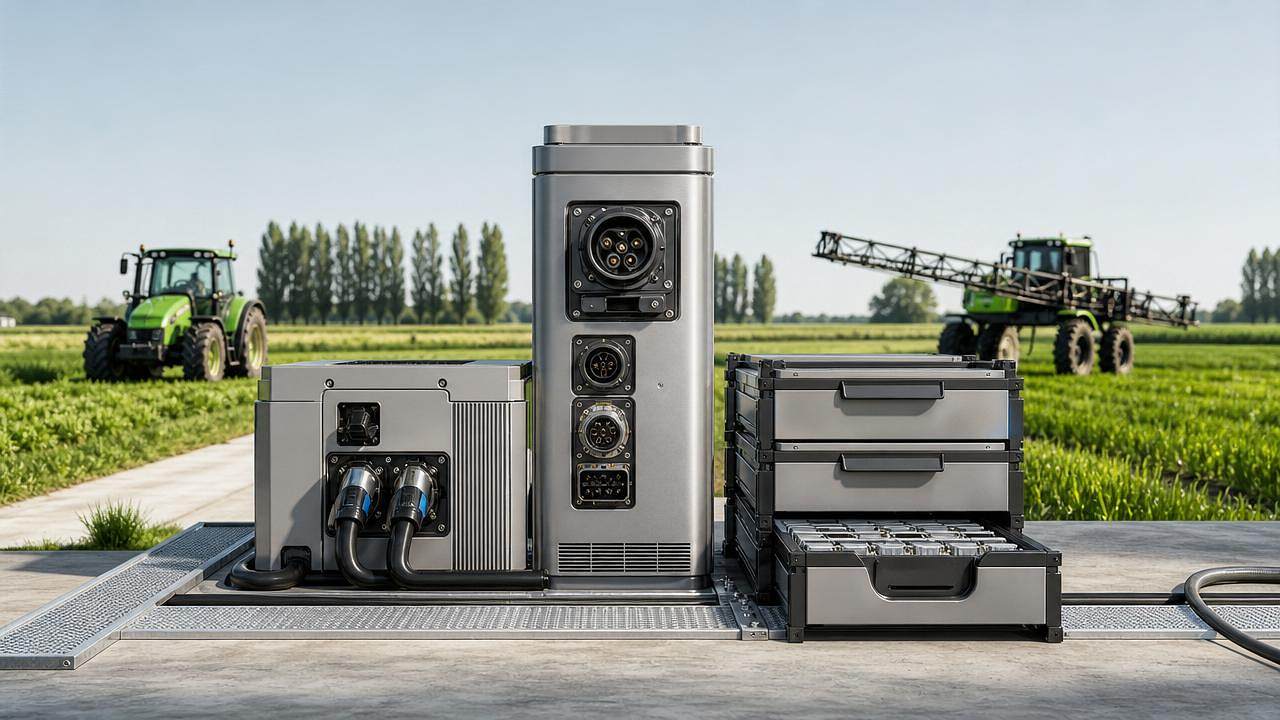




As of Q1 2026, China’s electric vehicle charging infrastructure reached 21.481 million units—including over 21,000 battery swap stations—according to data released by the Ministry of Industry and Information Technology (MIIT) on May 6, 2026. This milestone signals growing technical maturity in liquid-cooled fast charging, plug-and-charge, and V2G bidirectional power transfer, directly supporting standardization efforts for charging and swapping modules used in electric tractors and electric boom sprayers—key segments poised for international certification and export.
Event Overview
On May 6, 2026, MIIT announced that, as of the end of Q1 2026, China’s total number of electric vehicle charging infrastructure units stood at 21.481 million, with more than 21,000 battery swap stations. The scale-up has validated the operational reliability of liquid-cooled fast charging, plug-and-charge functionality, and vehicle-to-grid (V2G) bidirectional charging/discharging technologies. These proven technologies are now serving as standardized templates for charging and swapping modules integrated into electric agricultural machinery—including electric tractors and electric boom sprayers—facilitating their compliance with international standards such as UL 2202 and IEC 62196.
Industries Affected
Electric Agricultural Machinery Original Equipment Manufacturers (OEMs)
OEMs developing electric tractors or electric boom sprayers are directly affected because standardized charging/swapping module designs—derived from China’s large-scale EV infrastructure deployment—are now available for integration. Impact manifests in accelerated product development cycles, reduced validation effort for international charging interfaces, and lower barriers to meeting UL 2202 and IEC 62196 requirements.
Export-Focused Component Suppliers
Suppliers providing charge controllers, battery interface modules, or communication protocols for e-agri equipment face increased demand for interoperable, certified components. Impact centers on tighter alignment with internationally recognized physical and communication specifications—especially those already stress-tested in China’s high-utilization public charging networks.
Certification and Compliance Service Providers
Firms offering testing and certification support for agricultural EVs must adapt to a shift in client expectations: manufacturers now seek faster turnarounds for UL 2202 and IEC 62196 assessments, leveraging pre-validated module architectures rather than de novo system-level validation. Impact includes pressure to streamline test plans and reference existing infrastructure-derived design patterns.
Overseas Distributors and Aftermarket Service Networks
Distributors targeting markets with emerging EV agriculture policies (e.g., EU Green Deal-aligned farm electrification incentives) face new inventory and training requirements. Impact appears in the need to stock compatible charging/swapping hardware and develop technician certification paths aligned with standardized module interfaces—not proprietary ones.
What Enterprises and Practitioners Should Focus On Now
Monitor MIIT and Standardization Administration updates on GB/T-based export alignment
Analysis shows that China’s national standards (e.g., GB/T 18487, GB/T 20234) are increasingly harmonized with IEC 62196 and UL 2202. Enterprises should track official revisions—especially those referencing interoperability test cases derived from real-world charging infrastructure performance data.
Prioritize compatibility verification for key export markets
Observably, UL 2202 adoption is gaining traction in North America for off-road EV equipment, while IEC 62196 remains dominant in Europe. Firms should verify module-level conformance—not just system-level claims—and allocate testing resources accordingly, focusing first on connectors, communication protocols, and thermal management under duty-cycle conditions matching field use.
Distinguish between policy signal and commercial readiness
Current more accurately reflects a technical enabler than an immediate market trigger: while module standardization lowers certification risk, regulatory acceptance of electric agricultural machinery in target markets (e.g., CE marking pathways, USDA type approval) remains subject to separate timelines. Companies should avoid conflating infrastructure scalability with regulatory greenlighting.
Prepare supply chain documentation for international conformity assessment
From industry perspective, auditors under UL or IEC schemes increasingly request traceable evidence of component-level validation—including thermal cycling logs, interlock reliability tests, and real-world uptime metrics from China’s public charging network operators. Firms should begin compiling such records proactively, even before formal certification applications.
Editorial Perspective / Industry Observation
This development is better understood as a foundational enabler—not yet a market inflection point. Analysis shows that China’s charging infrastructure scale has matured enough to yield reusable, field-proven module architectures; however, international adoption hinges less on technical readiness and more on regional regulatory frameworks, grid integration policies, and farmer-level TCO validation. Observably, the value lies not in exporting chargers, but in exporting design discipline: standardized interfaces reduce certification friction and accelerate time-to-market for electric agricultural equipment. The sector should treat this as a signal to align internal R&D roadmaps with globally referenced interface standards—not as evidence of imminent global demand surge.
Conclusion
This milestone reflects progress in infrastructure-enabled standardization—not autonomous market expansion. For stakeholders, it means greater predictability in interface design and certification pathways, but does not substitute for localized regulatory engagement or application-specific performance validation. Current understanding should emphasize capability building over expectation acceleration: the infrastructure base provides a template, not a guarantee.
Information Source
Main source: Ministry of Industry and Information Technology (MIIT), official data release dated May 6, 2026. Note: Ongoing observation is required regarding how GB/T standards evolve in relation to UL 2202 and IEC 62196 revision cycles, as well as implementation timelines for electric agricultural machinery in major export markets.
Related News
When Does Agricultural Machinery Leasing Cost Less Than Owning Equipment?
Agricultural machinery leasing can lower farm costs when use is seasonal or uncertain. Compare utilization, maintenance, cash flow, and risk to make a smarter equipment decision.
How to Evaluate Precision Fertilization System Suppliers for Farm-Scale Deployment
Precision fertilization systems suppliers: learn how to compare accuracy, integration, uptime, service, and total cost for confident farm-scale deployment.
ISOBUS for Smart Agriculture: How It Connects Tractors, Implements, and Farm Data
ISOBUS for smart agriculture connects tractors, implements, terminals, and farm data—helping growers improve precision, documentation, and smarter field decisions.
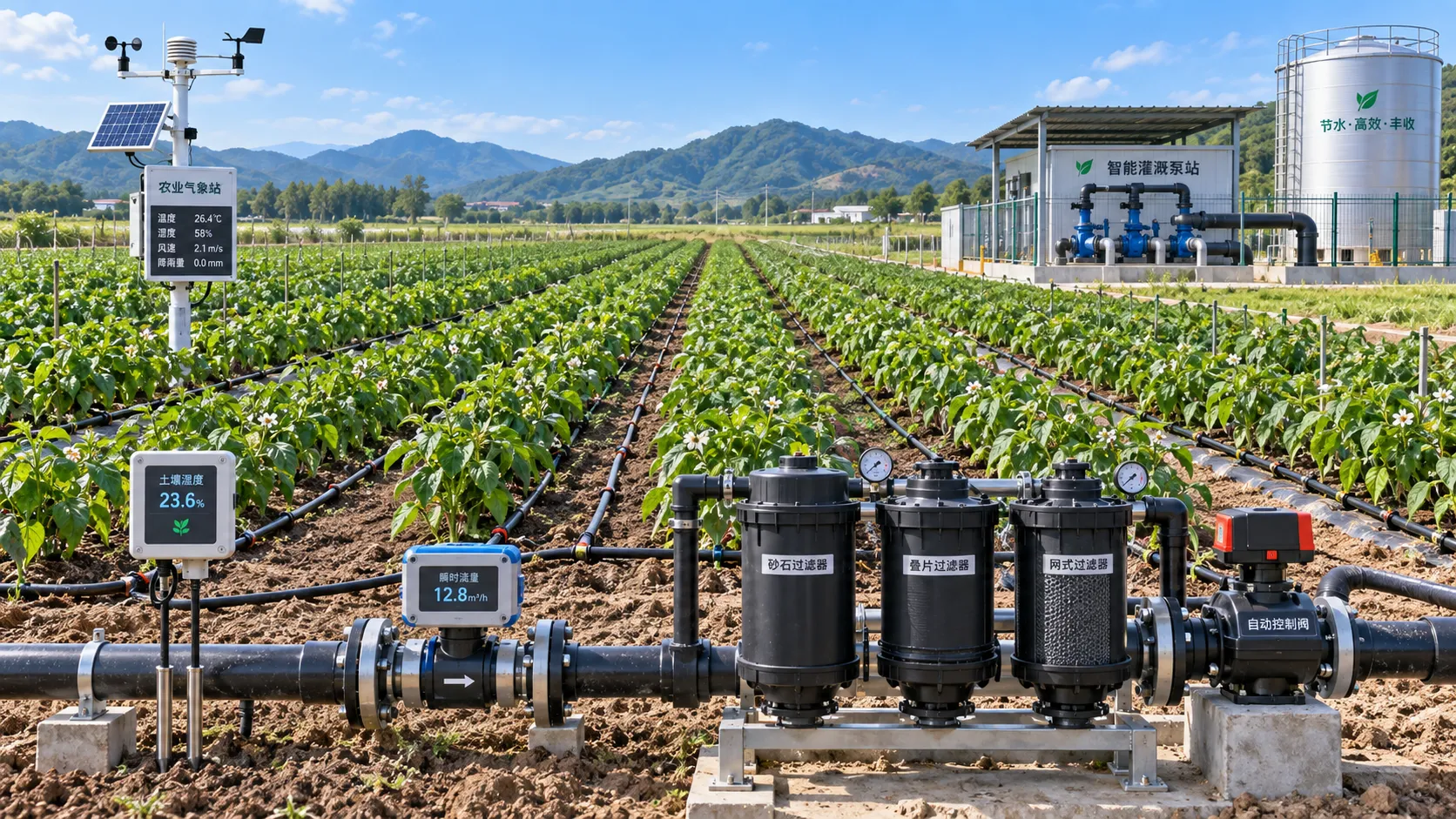
Automated Water-Saving Irrigation: How to Cut Water Use Without Reducing Crop Yields
Automated water-saving irrigation helps farms cut water use, protect crop yields, improve scheduling, and gain reliable control with sensors, flow monitoring, and smart zones.
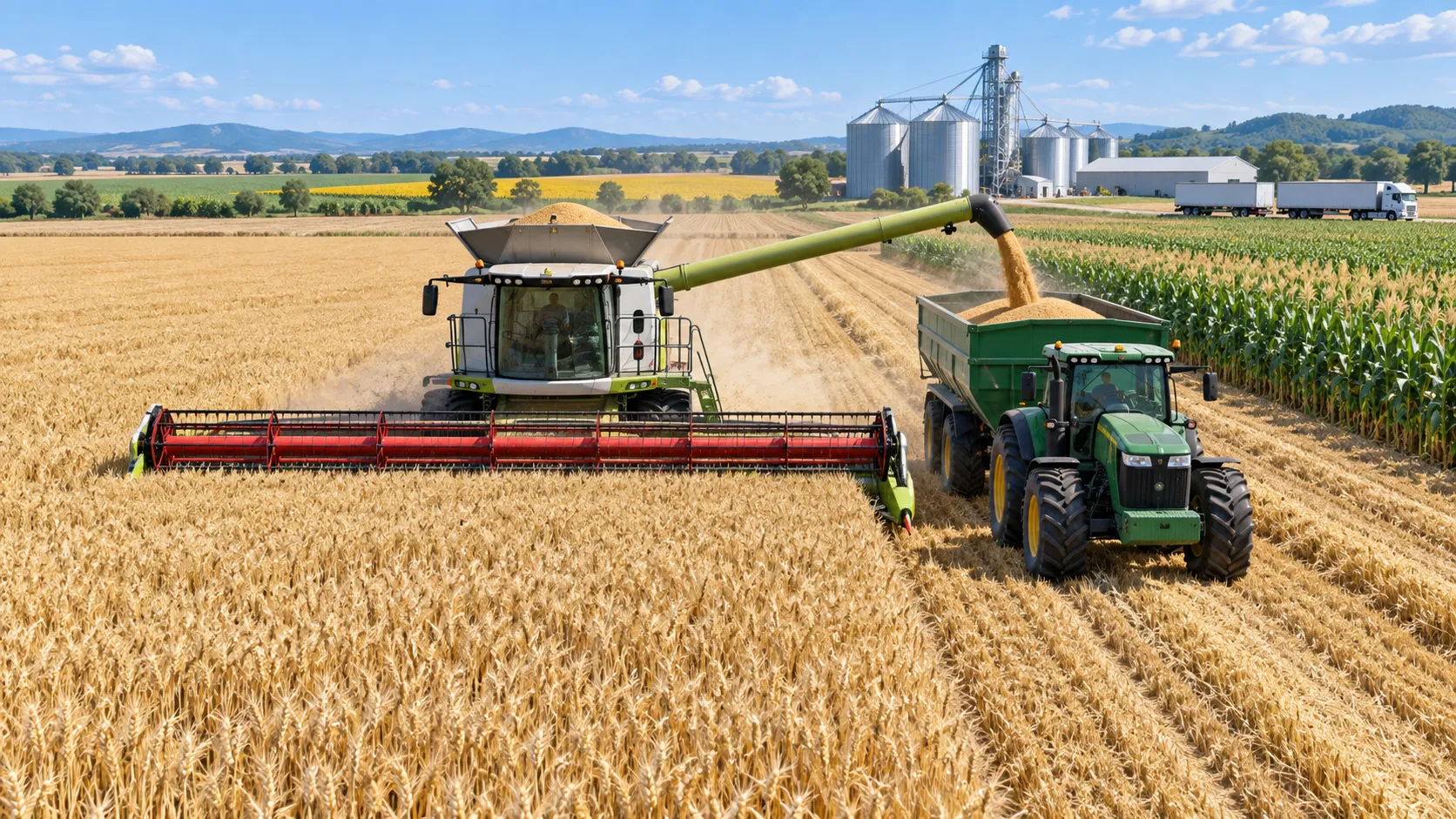
Selecting Grain Farm Equipment by Acreage, Crop Mix, and Harvest Window
Agricultural equipment selection for grain farming: match machinery to acreage, crop mix, and harvest windows to improve uptime, efficiency, and returns.
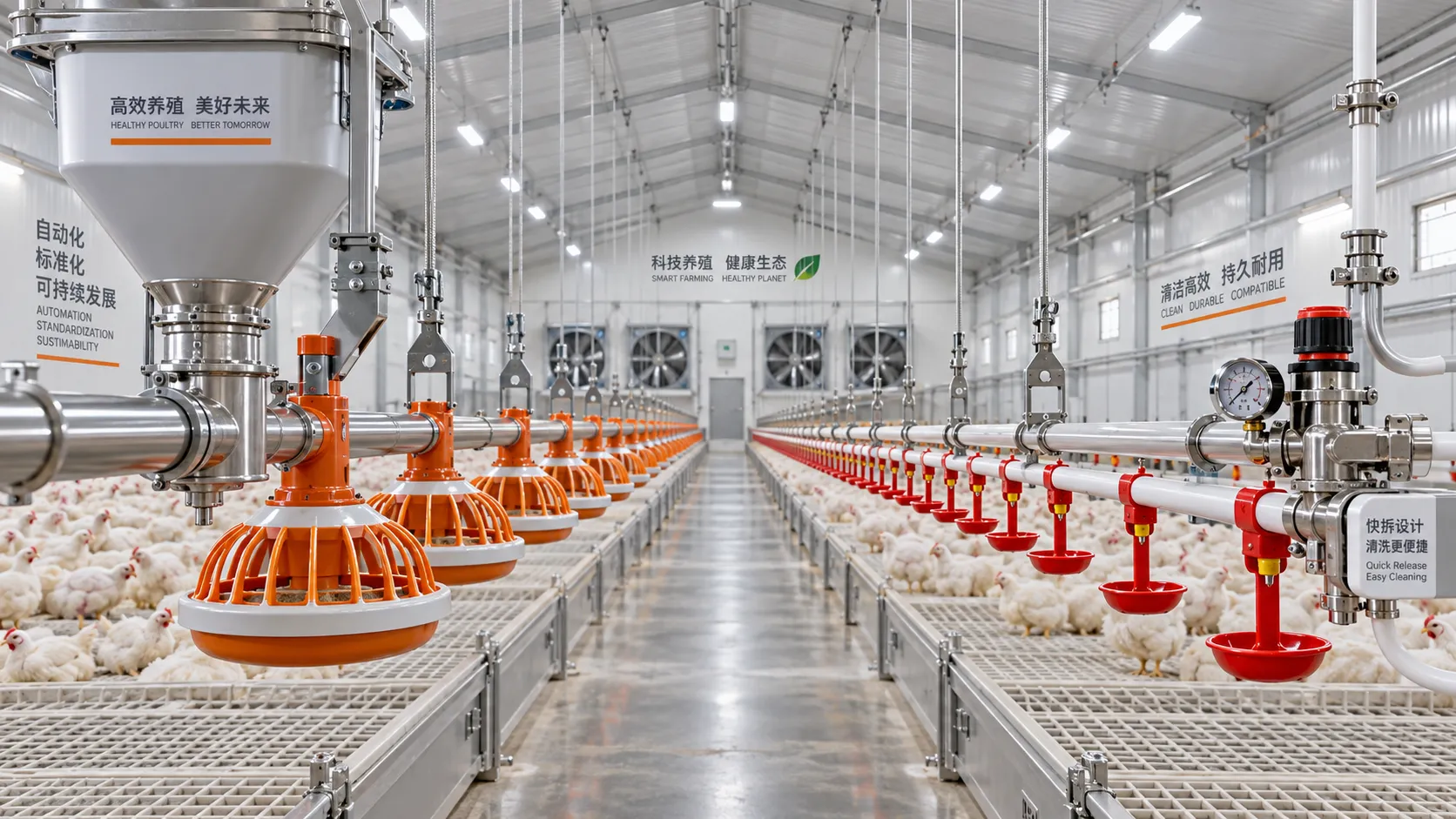
Poultry Equipment Selection: Evaluating Durability, Cleaning, and Compatibility
Poultry equipments selection guide: evaluate durability, cleaning access, and system compatibility to improve hygiene, reduce downtime, and support efficient flock management.
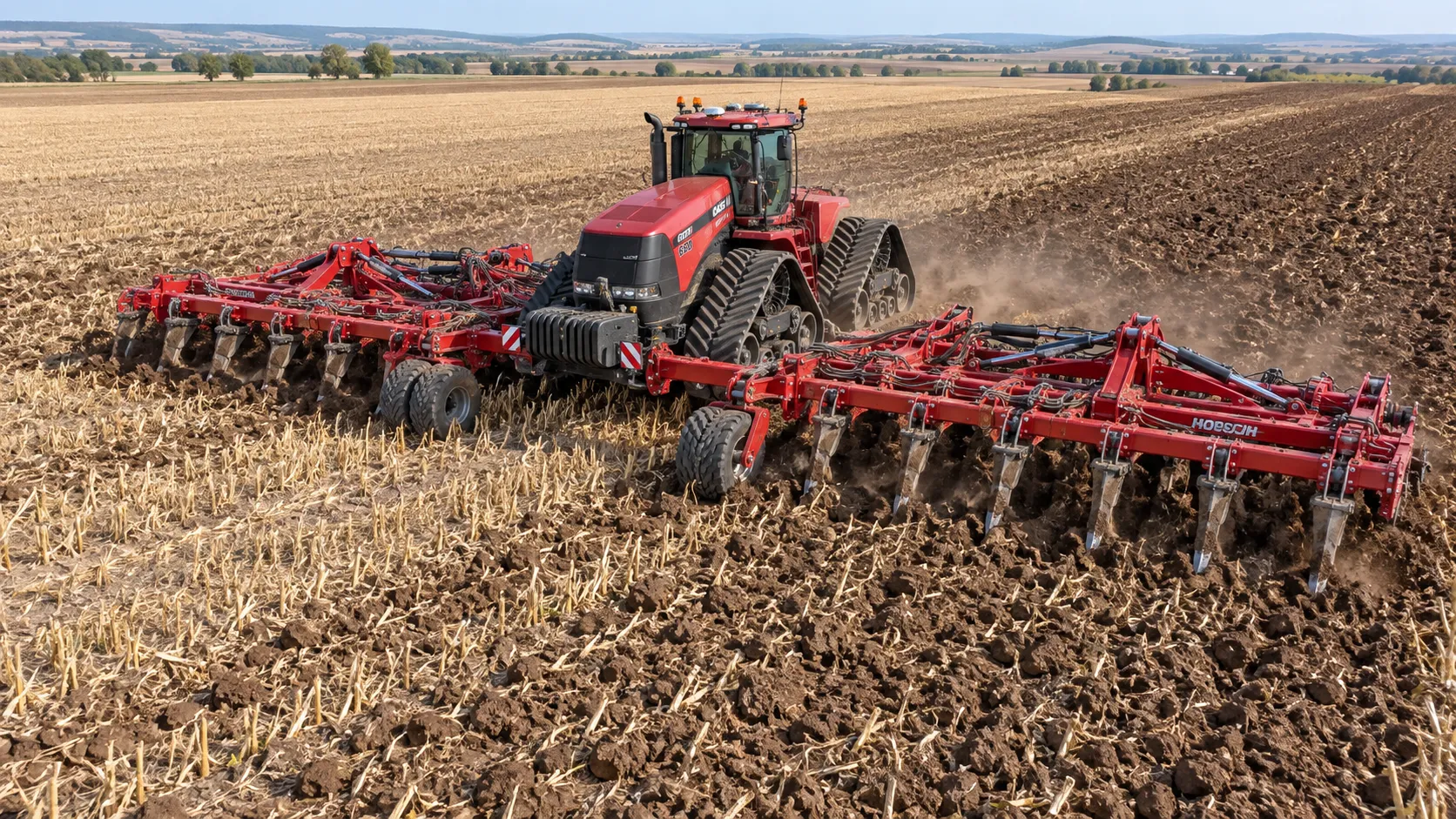
How to Select Heavy-Duty Farm Implements for High-Acreage, High-Horsepower Operations
Heavy duty farm implements: learn how to match draft, hydraulics, hitch capacity, frame strength, and field conditions for reliable high-acreage performance.
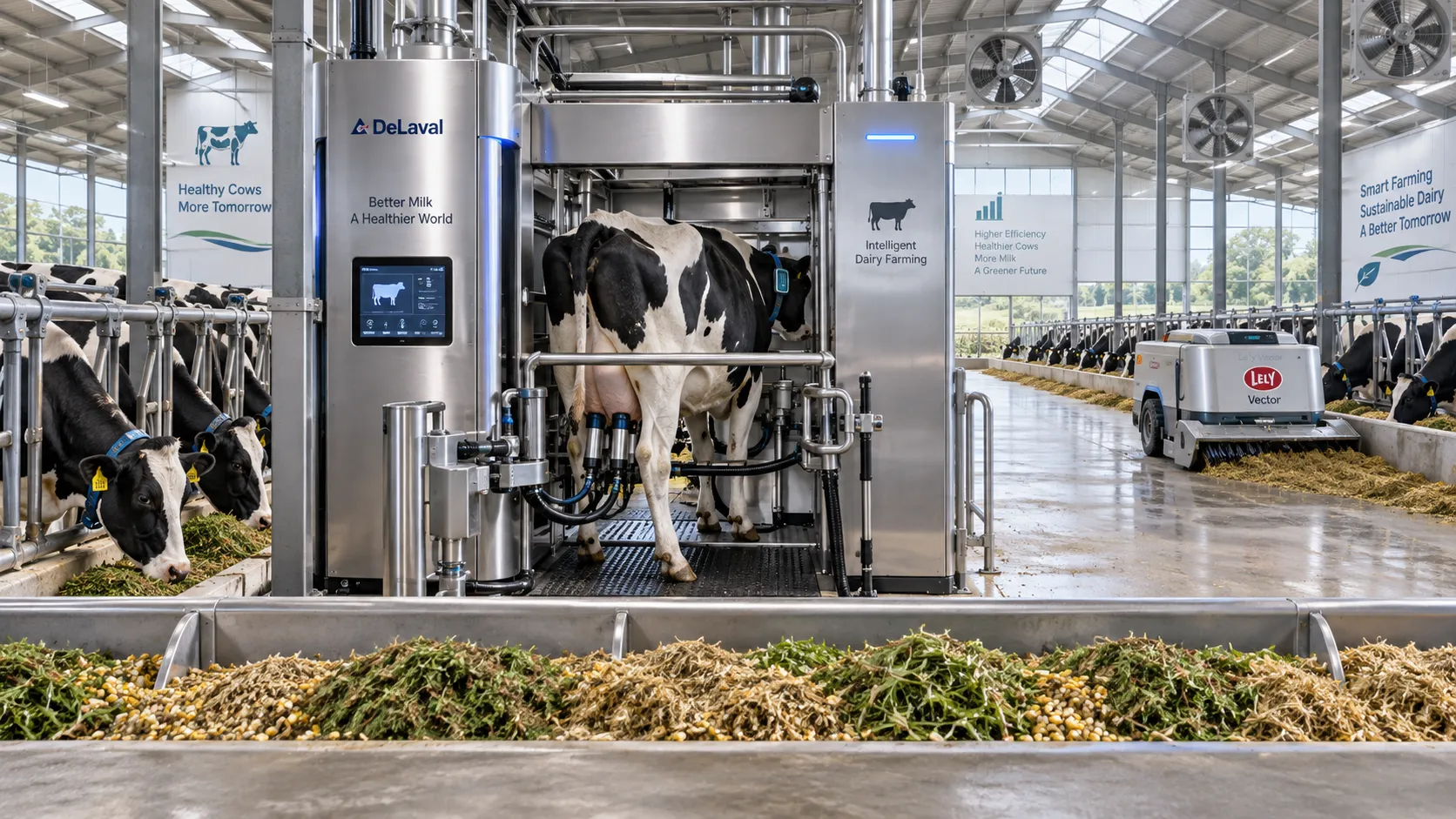
Smart Farming Technology for Dairy Farms: Where Automation Delivers Measurable ROI
Smart farming technology for dairy farms delivers measurable ROI through automation, precision feeding, health monitoring, and data-driven cost control.
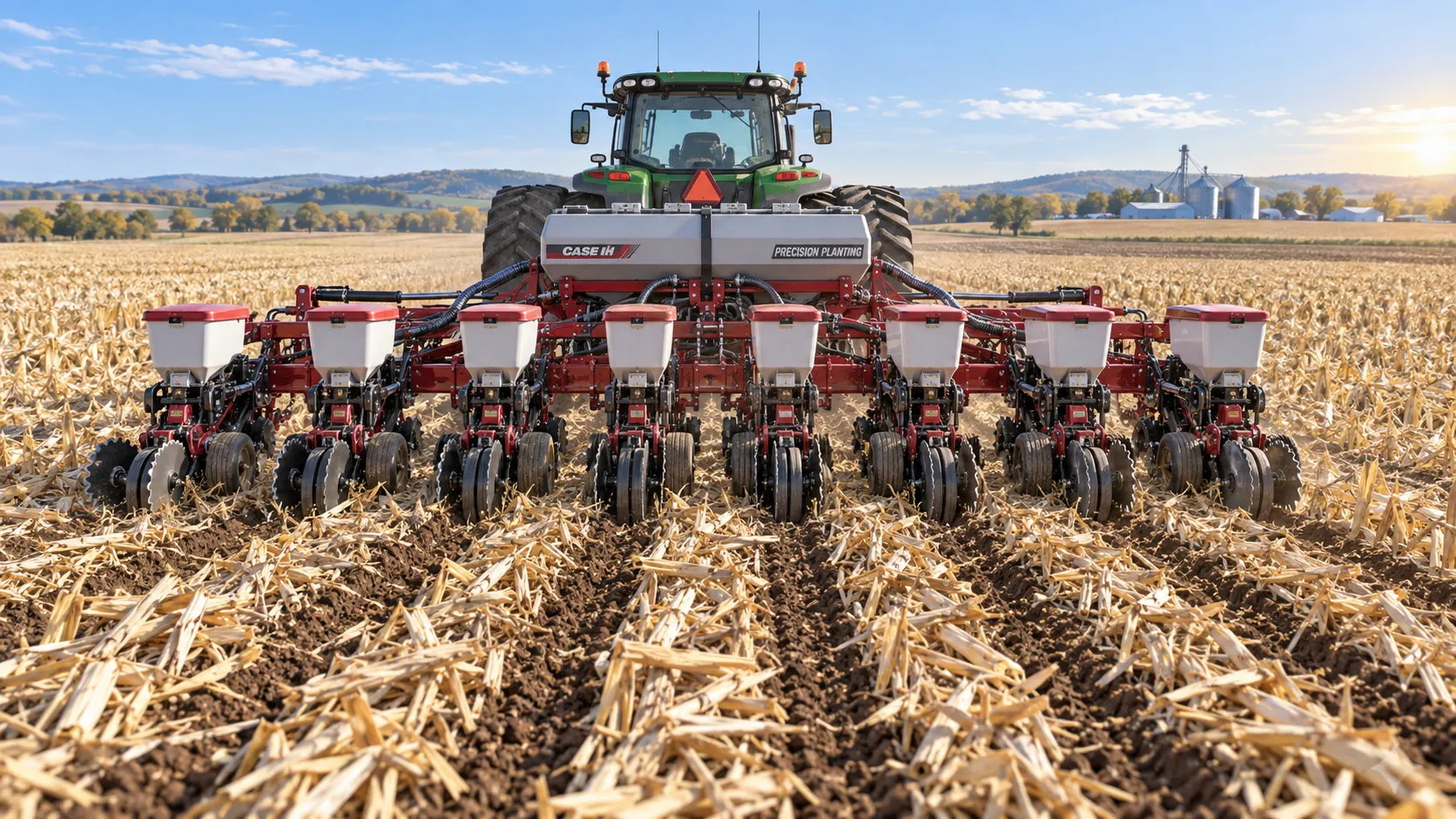
How to Select a Heavy-Duty Seeder for Large Acreage and High-Residue Fields
Heavy duty seeders for large acreage: compare residue handling, depth control, downforce, metering accuracy, and precision features to select the right model.
Related News
- 00
0000-00
How to Choose a Tractor Chassis: Load Capacity, Ground Clearance, and Terrain Fit - 00
0000-00
Tractor Chassis Buying Guide: Key Load, Clearance, and Drivetrain Factors to Compare - 00
0000-00
Iran Conflict Drives Up Global Oil Prices, Raising AWD Tractor Shipping Costs by 18% - 00
0000-00
PSC Inspections Surge: Ust-Luga Port Requires On-Site Vibration/Noise Re-Testing for All-Wheel Drive Tractors - 00
0000-00
New Energy Hybrid Tractor Project Launched in Xinjiang
Popular Tags
Tractor Power Architect
Weekly Insights
Stay ahead with our curated technology reports delivered every Monday.