
Agri-Tech Innovations That Solve Labor Gaps on Mixed Farms
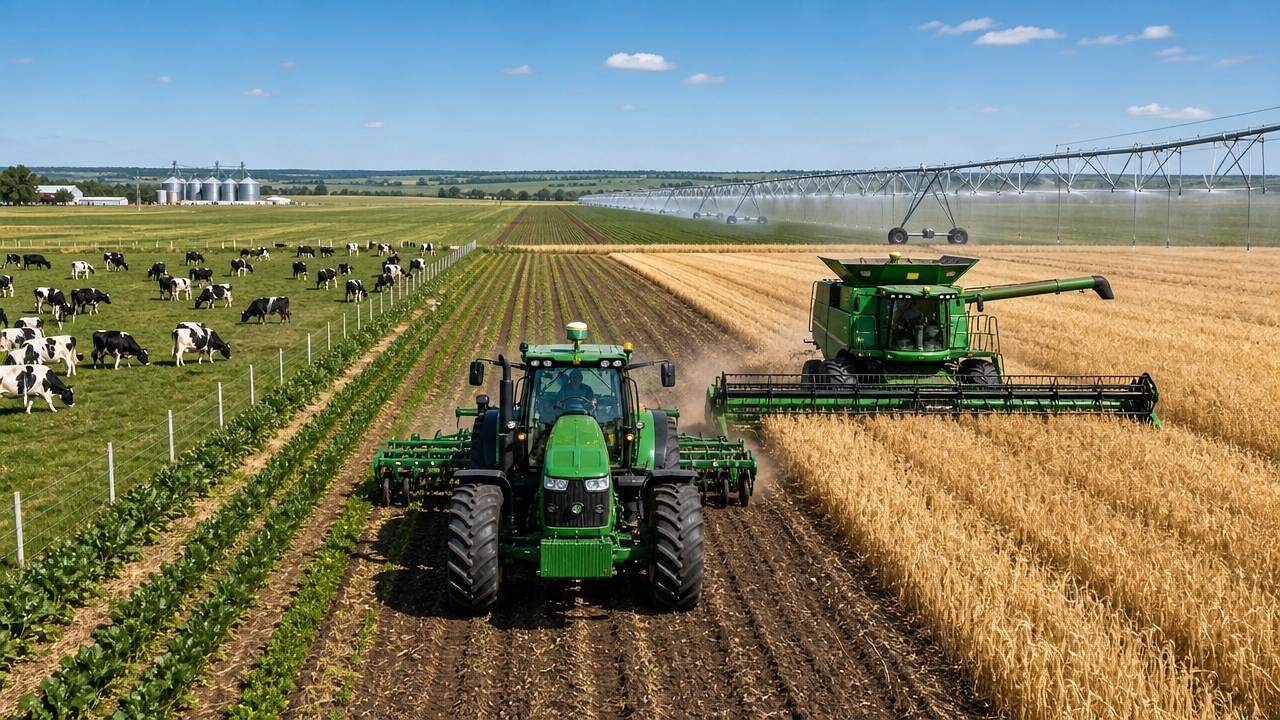




Labor shortages are reshaping daily work on mixed farms, pushing operators to do more with less. Today’s agri-tech innovations help close that gap with smarter machinery, precision guidance, automated irrigation, and data-driven field decisions. For farm users and equipment operators, these tools are not just upgrades—they are practical ways to maintain productivity, reduce downtime, and keep diverse crop and livestock operations running efficiently.
On mixed farms, labor pressure is rarely limited to one task. Operators may move from tillage to spraying, from forage handling to irrigation checks, and from grain harvest support to livestock feed logistics within the same 24-hour window. That diversity makes labor gaps more expensive and more disruptive than on a single-crop operation.
This is where agri-tech innovations deliver real operational value. When machinery, guidance systems, irrigation controls, and field intelligence work together, one operator can often complete 2 to 3 critical workflows with fewer manual adjustments. For users focused on uptime, input control, and seasonal timing, the right technology mix can reduce avoidable delays and improve day-to-day decision quality.
Why Labor Gaps Hit Mixed Farms Harder
Mixed farms combine crop production, machinery movement, water management, and often animal-related routines. Labor shortages affect not only headcount but also timing precision. Missing a 6-hour spraying window, delaying irrigation by 1 to 2 days, or running harvest equipment below target throughput can create losses that spread across several enterprise units at once.
Operational complexity across seasons
Unlike specialized farms, mixed operations often juggle 4 to 6 major task categories during peak periods. Spring may involve seedbed preparation, fertilizer application, water scheduling, and livestock infrastructure maintenance at the same time. In harvest season, transport coordination, grain handling, stubble management, and equipment servicing must often happen within a 10- to 14-day critical window.
Where labor shortages create the biggest hidden costs
- Idle machines waiting for an available operator or support driver
- Repeated field passes caused by inconsistent guidance or uneven application
- Water overuse from manual irrigation timing errors
- Harvest losses when combine settings are not adjusted quickly enough for changing crop conditions
- Preventive maintenance delays that later trigger 4- to 8-hour breakdowns
For operators, the problem is not simply “too much work.” It is the need to make accurate decisions under time pressure across multiple systems. AP-Strategy closely tracks this shift in Agriculture 4.0, where mechanical performance, precision farming algorithms, and water-saving control networks must support fewer hands in the field without sacrificing output quality.
A practical way to classify labor-sensitive tasks
The table below helps operators identify where agri-tech innovations can remove repetitive labor, improve consistency, or shorten turnaround time on mixed farms.
The key takeaway is that labor-saving value comes from matching technology to the task type. A mixed farm does not always need full autonomy first. In many cases, the best return begins with guidance, sensing, and remote control tools that save 15 to 30 minutes on repeated daily actions and prevent larger seasonal losses.
Core Agri-Tech Innovations That Reduce Manual Work
The most effective agri-tech innovations for mixed farms are not isolated gadgets. They are integrated systems that make machines easier to run, reduce adjustment time, and improve consistency across fields, crop types, and water conditions. Operators usually benefit most when solutions are introduced in 3 layers: machine assistance, process automation, and decision support.
Precision guidance and machine assistance
Auto-steering and guidance correction systems are often the fastest entry point. On large tractors and self-propelled equipment, these systems can reduce overlap during field operations by roughly 3% to 8%, depending on field shape and operator experience. That matters when labor shortages increase fatigue and reduce concentration after 8 to 10 hours of continuous work.
For operators managing different implements, guidance-linked displays also shorten setup time. Instead of manually rechecking line spacing, section engagement, and coverage alignment at every block, the operator works from a repeatable digital workflow. This is especially valuable on mixed farms where one machine may switch roles several times per week.
Smarter combine harvesting technology
Combine harvesting is one of the most labor-sensitive operations on a mixed farm because timing, crop variability, and grain loss all change quickly. Modern combine systems use dynamic feedback from cleaning, sieve, throughput, and moisture inputs to help operators react faster. Even when full automation is not used, guided settings can cut the number of manual adjustments required per day from 10 or more to just 3 to 5.
AP-Strategy’s sector focus on combine harvesting technology reflects this need for low-loss performance in complex crop environments. For operators, the real advantage is not just output per hour. It is stable harvesting over long shifts with less trial-and-error, more predictable grain quality, and faster adaptation when moving between fields or crop varieties.
Intelligent irrigation systems
On mixed farms, irrigation is frequently one of the first tasks to suffer when labor is tight because it is easy to postpone by a few hours. Yet repeated delays can affect emergence, crop stress, and nutrient uptake. Smart irrigation systems combine controller logic, moisture sensing, and weather-linked scheduling to reduce manual checks and unnecessary pump runtime.
A practical system does not need to be fully autonomous on day one. Many operators start with 2 to 4 monitored zones, set threshold bands, and receive alerts when moisture falls outside target levels. This staged approach lowers risk while still reducing daily field visits and after-hours manual valve management.
How different innovations solve different labor bottlenecks
The next comparison table shows how common agri-tech innovations perform when the priority is reducing labor stress while maintaining operational control.
The most valuable pattern is clear: the best agri-tech innovations reduce repeated human intervention without removing operator control. That balance is important on mixed farms, where changing tasks and unpredictable conditions still require experienced judgment in the field.
How Operators Should Evaluate Technology Before Purchase
Adopting technology under labor pressure can easily lead to rushed buying decisions. A useful evaluation process should focus on practical fit rather than the longest feature list. For most mixed farms, 4 criteria matter most: compatibility, learning time, maintenance burden, and measurable labor savings within 1 season.
Four purchase checks that matter in real operations
- Check machine compatibility across tractor chassis, implements, combine displays, and irrigation controls.
- Estimate training time. If a system needs more than 2 to 3 full working days before basic use, adoption may stall during peak periods.
- Review service access. Remote diagnostics, software support, and spare part lead times should be clear before purchase.
- Define one labor KPI, such as hours saved per week, number of field visits reduced, or fewer manual settings per shift.
Operators should also distinguish between solutions that reduce skilled labor demand and those that only digitize existing work. A tablet interface alone does not save time unless it removes steps, improves timing, or reduces mistakes. The purchase goal should be practical simplification, not additional screen management.
Questions to ask suppliers and integrators
- Can the system work across at least 2 or 3 major task types on the farm?
- What is the normal installation and calibration window: 1 day, 1 week, or longer?
- How often does the system require software updates or sensor recalibration?
- What happens if connectivity drops during field work or remote irrigation control?
- Can historical machine or field data be exported for future planning?
These questions help users move beyond sales language and focus on service reliability. This is especially relevant in the AP-Strategy business context, where large-scale machinery, intelligent farm tools, and water-saving systems must operate as connected assets rather than isolated purchases.
Implementation, Training, and Maintenance on Mixed Farms
Even strong agri-tech innovations fail when implementation is rushed. Mixed farms need a staged rollout that respects seasonal workload and operator familiarity. A 3-phase plan is usually more practical than a full deployment at once: setup, guided use, and optimization. This reduces disruption and makes it easier to identify where labor savings are actually being achieved.
A workable 3-phase deployment model
Phase 1: Baseline setup
Map current workflows, define 2 to 5 key tasks, and identify where labor delays are most frequent. This phase usually takes 3 to 7 days, depending on machine count and irrigation complexity. The goal is to install only the features that operators will use immediately.
Phase 2: Guided operation
For the first 2 to 4 weeks, operators should use the system during normal work with basic support access. Track repeated issues such as guidance drift, alarm overload, interface confusion, or sensor placement errors. Early correction matters more than adding advanced functions too quickly.
Phase 3: Optimization and review
After one operational cycle, compare expected and actual gains. Review fuel use, field pass accuracy, irrigation runtime, machine stoppages, or harvest adjustment frequency. If one system saves only 5 minutes per day while another prevents 2 hours of weekly delay, investment priorities become clearer.
Maintenance discipline still matters
Technology does not eliminate maintenance; it changes where attention is needed. Sensors need clean mounting points, displays need stable power, connectors must be checked, and irrigation controllers require seasonal validation. A 20-minute preventive inspection before each heavy-use day can prevent much longer downtime later.
For farm managers and operators, the best results come when digital tools support existing mechanical discipline. This aligns with AP-Strategy’s focus on connecting hard machinery performance with precision algorithms and sustainability goals. In practice, labor savings are strongest when machine health, operator workflow, and data feedback are managed together.
Common Mistakes and Practical Recommendations
Many mixed farms invest in agri-tech innovations for the right reason but get weaker results because deployment is too broad, too technical, or disconnected from daily routines. Avoiding a few common mistakes can significantly improve payback and operator acceptance.
Mistakes that limit labor-saving results
- Buying multiple systems in one season without assigning a lead operator
- Ignoring compatibility between tractor displays, implement controllers, and telemetry tools
- Installing remote irrigation control without clear alert thresholds or override rules
- Focusing only on hardware cost while overlooking training time and service response
- Measuring output per hectare but not tracking time lost to setup, switching, or troubleshooting
Recommendations for operators and decision-makers
Start with the task that causes the most repeated interruption, not the most attractive feature. On many mixed farms, that could be combine setting consistency, irrigation monitoring, or guidance-linked field execution. A smaller deployment with visible savings in 30 to 90 days often creates better long-term adoption than a full digital rollout with unclear responsibility.
It is also wise to prioritize systems that produce usable records. Field logs, irrigation events, and machine performance traces help operators improve decisions over time. The value of agri-tech innovations grows when each season leaves behind cleaner data for the next one, especially in businesses balancing food security demands, asset efficiency, and climate-related resource pressure.
Labor shortages on mixed farms are unlikely to disappear soon, but the right agri-tech innovations can make the workload more manageable and far more consistent. Precision guidance, smarter combine harvesting technology, intelligent irrigation systems, and phased digital implementation all help operators protect productivity with fewer manual steps and better timing control.
For users, operators, distributors, and farm decision-makers looking for clearer direction in Agriculture 4.0, AP-Strategy provides focused intelligence across large-scale agri-machinery, tractor chassis, intelligent farm tools, combine systems, and water-saving irrigation networks. If you want to evaluate practical options, compare deployment paths, or build a tailored upgrade roadmap, contact us now to get a customized solution and learn more about the right agri-tech innovations for your operation.
Related News
When Does Agricultural Machinery Leasing Cost Less Than Owning Equipment?
Agricultural machinery leasing can lower farm costs when use is seasonal or uncertain. Compare utilization, maintenance, cash flow, and risk to make a smarter equipment decision.
How to Evaluate Precision Fertilization System Suppliers for Farm-Scale Deployment
Precision fertilization systems suppliers: learn how to compare accuracy, integration, uptime, service, and total cost for confident farm-scale deployment.
ISOBUS for Smart Agriculture: How It Connects Tractors, Implements, and Farm Data
ISOBUS for smart agriculture connects tractors, implements, terminals, and farm data—helping growers improve precision, documentation, and smarter field decisions.
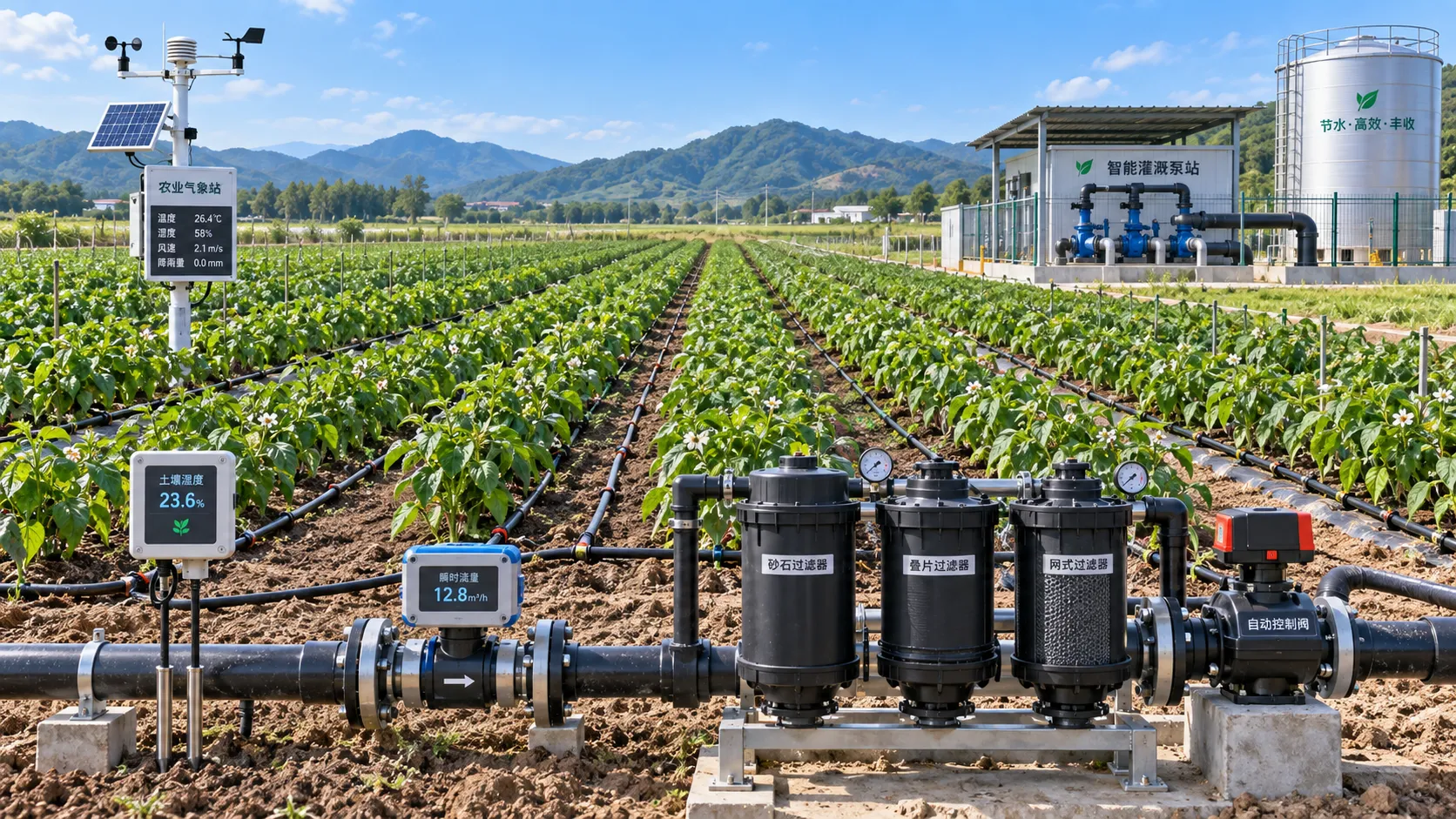
Automated Water-Saving Irrigation: How to Cut Water Use Without Reducing Crop Yields
Automated water-saving irrigation helps farms cut water use, protect crop yields, improve scheduling, and gain reliable control with sensors, flow monitoring, and smart zones.
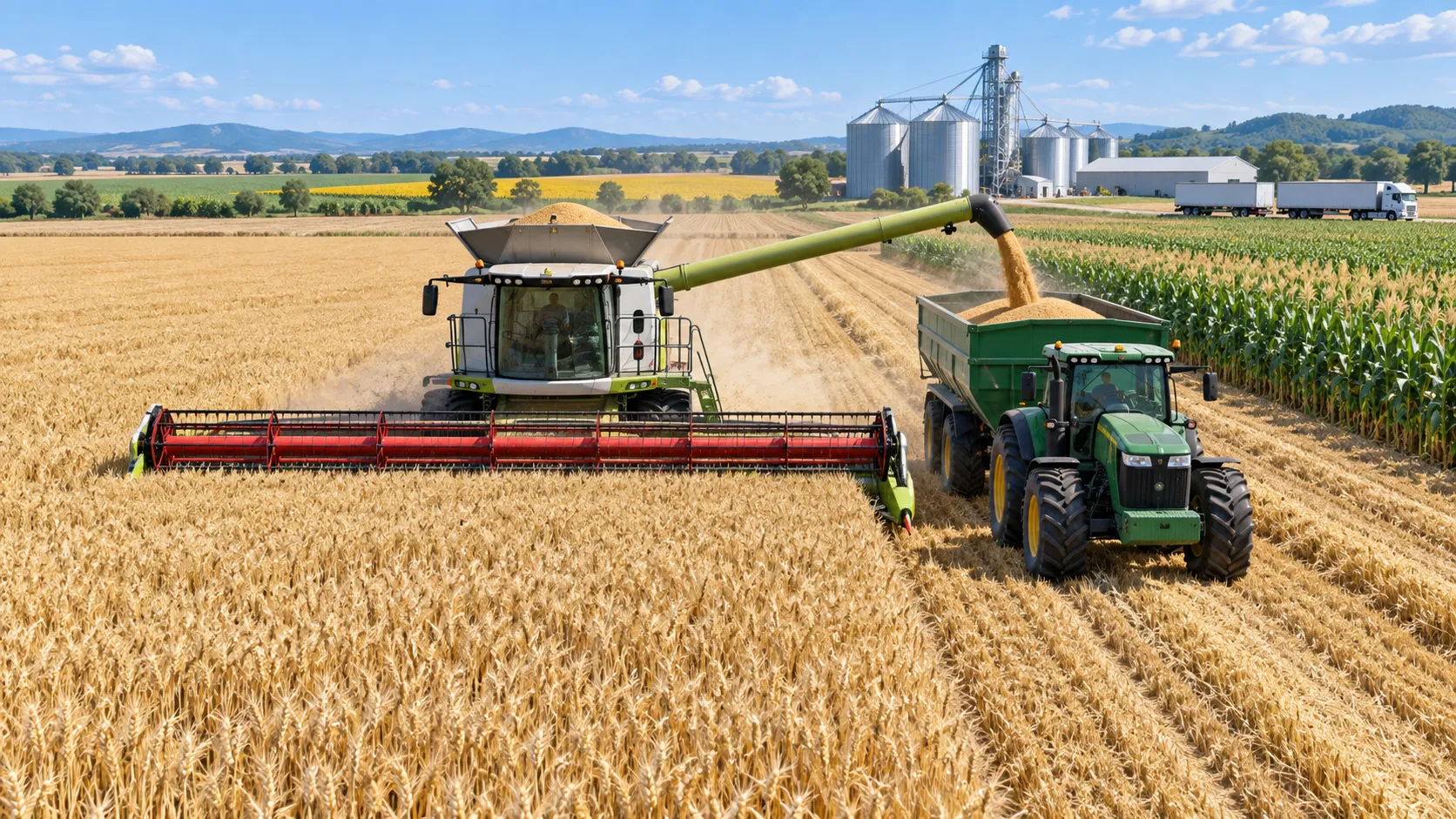
Selecting Grain Farm Equipment by Acreage, Crop Mix, and Harvest Window
Agricultural equipment selection for grain farming: match machinery to acreage, crop mix, and harvest windows to improve uptime, efficiency, and returns.
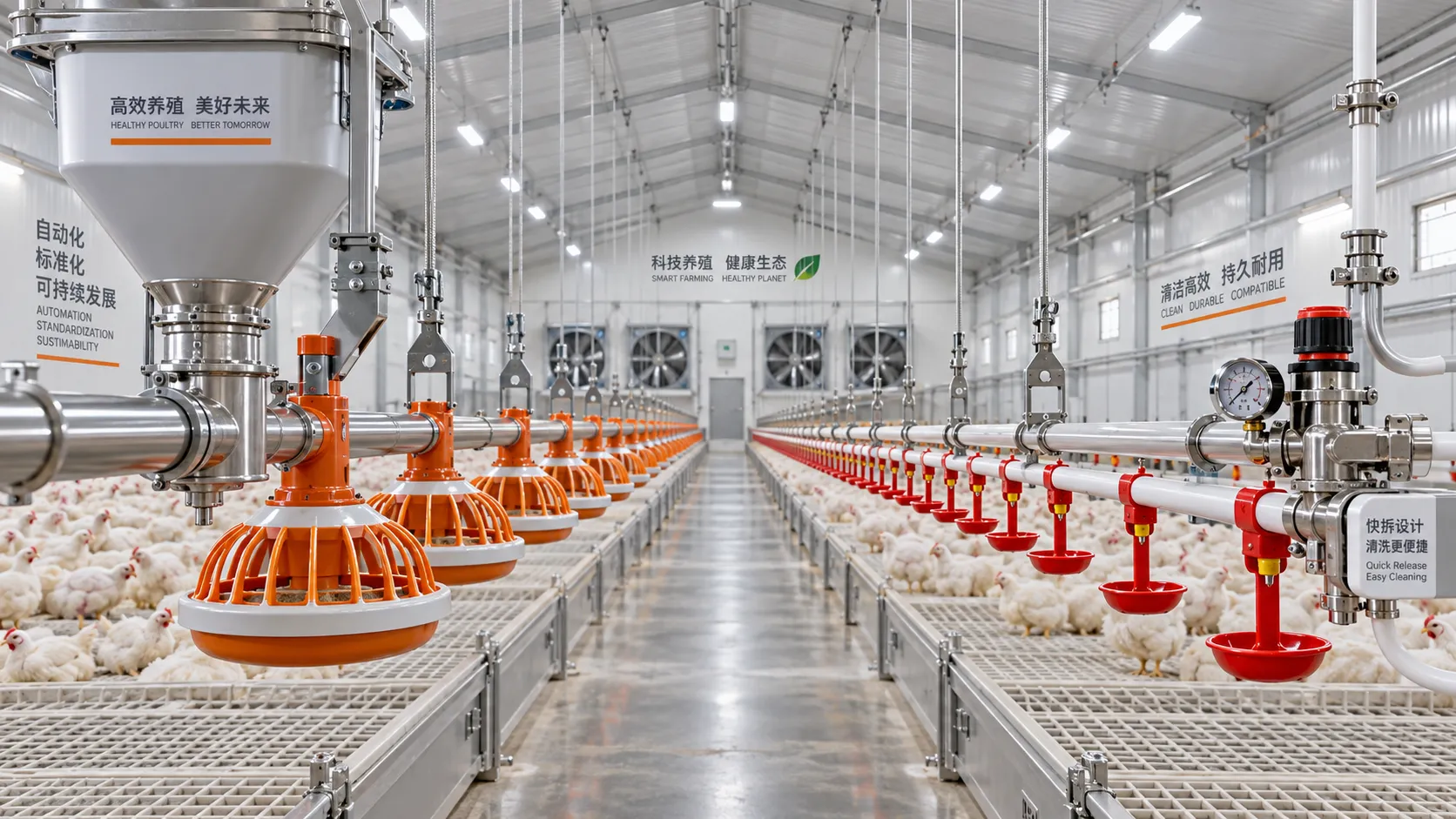
Poultry Equipment Selection: Evaluating Durability, Cleaning, and Compatibility
Poultry equipments selection guide: evaluate durability, cleaning access, and system compatibility to improve hygiene, reduce downtime, and support efficient flock management.
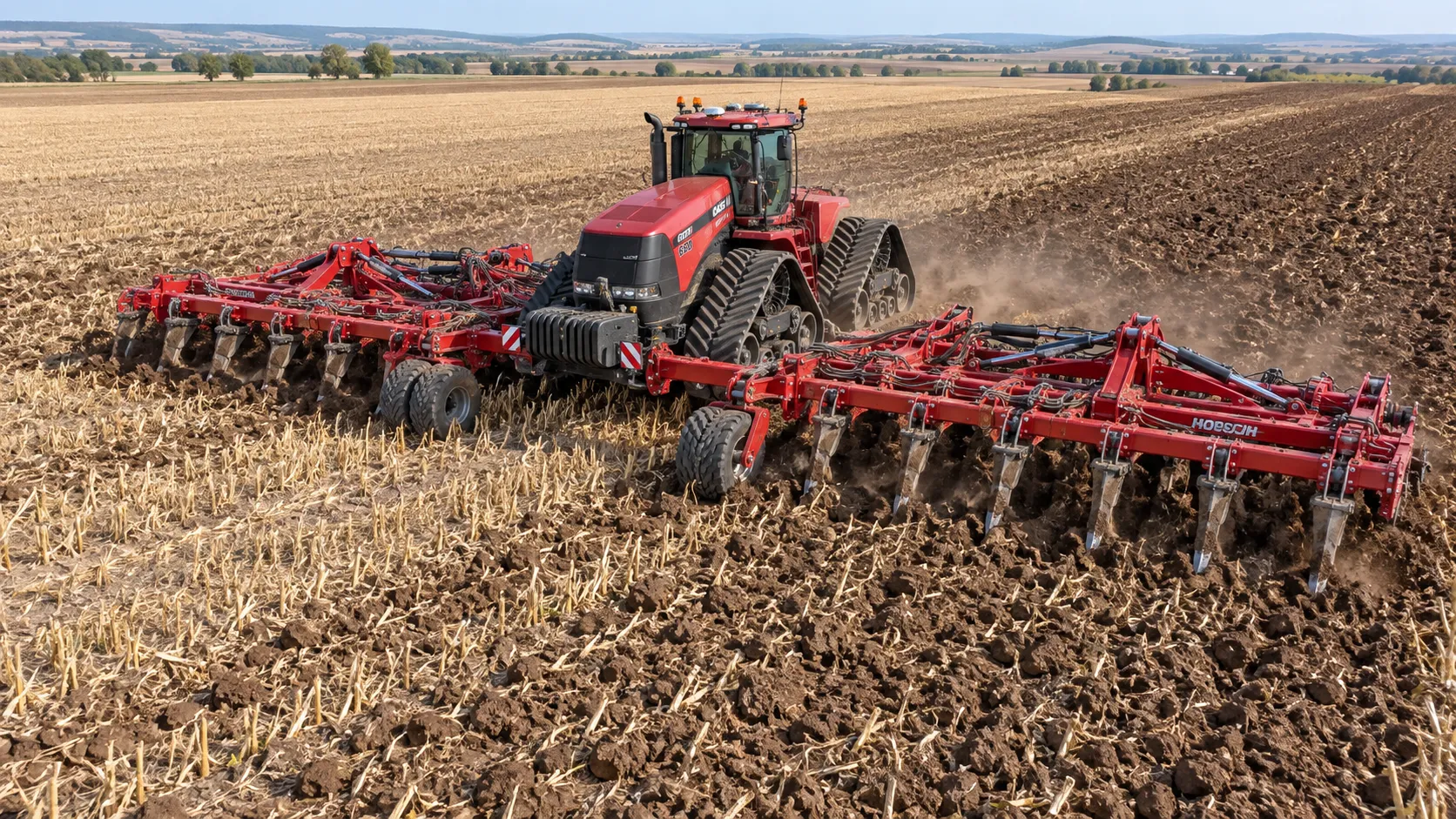
How to Select Heavy-Duty Farm Implements for High-Acreage, High-Horsepower Operations
Heavy duty farm implements: learn how to match draft, hydraulics, hitch capacity, frame strength, and field conditions for reliable high-acreage performance.
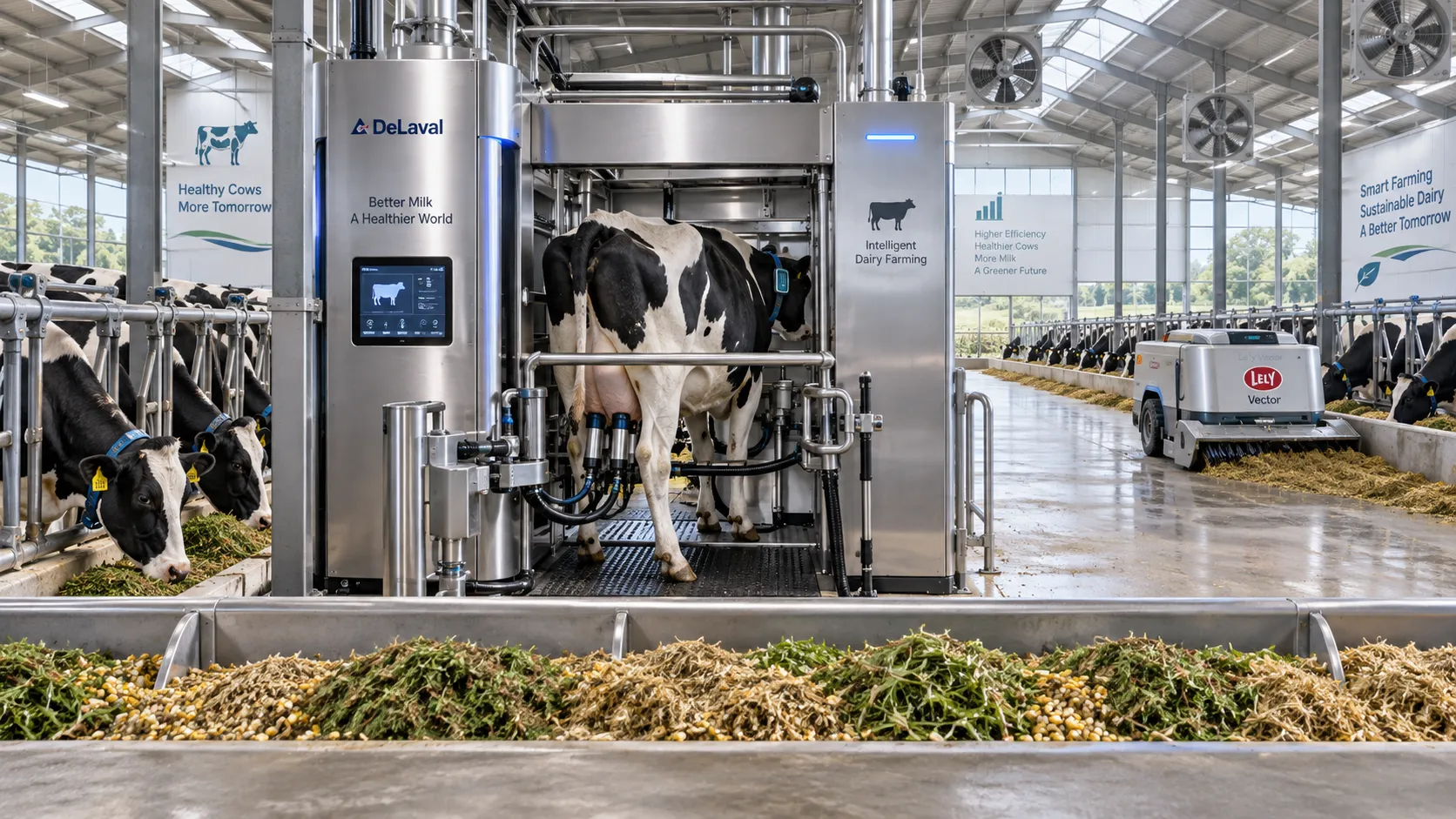
Smart Farming Technology for Dairy Farms: Where Automation Delivers Measurable ROI
Smart farming technology for dairy farms delivers measurable ROI through automation, precision feeding, health monitoring, and data-driven cost control.
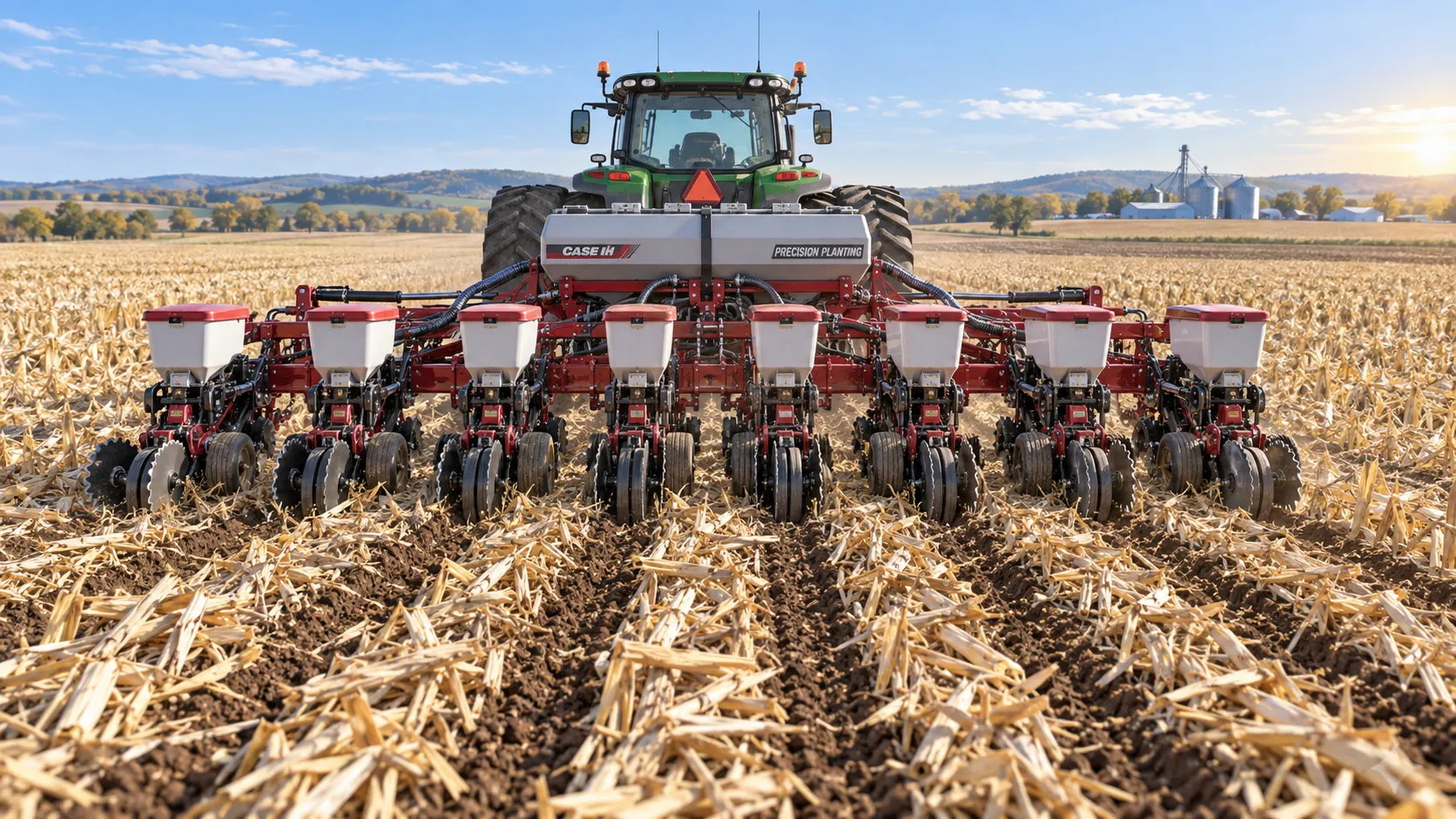
How to Select a Heavy-Duty Seeder for Large Acreage and High-Residue Fields
Heavy duty seeders for large acreage: compare residue handling, depth control, downforce, metering accuracy, and precision features to select the right model.
Related News
- 00
0000-00
How Does Farm Mechanization Affect Food Security in Developing Regions? - 00
0000-00
Agricultural Technology Insights by Region: Where Adoption Is Growing Fastest - 00
0000-00
How Climate-Smart Agriculture Technology Improves Yield, Soil Health, and Risk Resilience - 00
0000-00
Smart Farming Solutions in Latin America: Which Technologies Fit Large Farms Best? - 00
0000-00
Long-Cycle Agri-Trade Price Trends: How to Read Supply, Freight, and Currency Signals
Popular Tags
Prof. Marcus Chen
Weekly Insights
Stay ahead with our curated technology reports delivered every Monday.