
Why Resource-Saving Standards Are Reshaping Equipment Specs
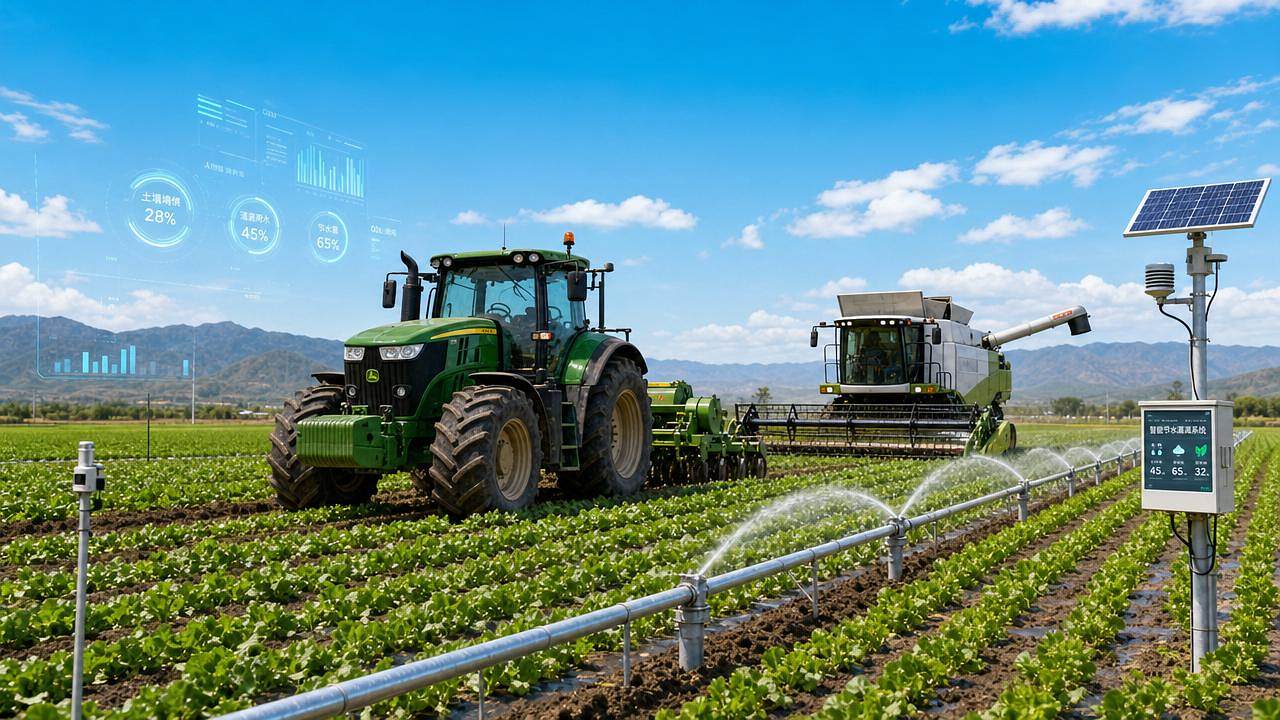




From tractors and combine harvesters to intelligent irrigation networks, resource-saving standards are no longer optional checkboxes—they are redefining how equipment is designed, specified, and evaluated. For business decision-makers, this shift directly affects compliance, lifecycle cost, operational efficiency, and brand competitiveness. Understanding why these standards are reshaping equipment specs is essential for making smarter investments in the Agriculture 4.0 landscape.
For companies operating across agricultural machinery, harvesting systems, tractor platforms, and water-saving irrigation, the impact is practical rather than theoretical. Equipment specifications now influence fuel use per hectare, water application accuracy, maintenance intervals, software integration, and export readiness. In many buying cycles, a machine that appears cheaper at purchase can become 15%–30% more expensive over 5–8 years when resource efficiency, retrofit cost, and regulatory exposure are included.
This is why resource-saving standards have moved into the center of boardroom discussions. They affect product development roadmaps, distributor inventory planning, after-sales service models, and tender competitiveness. For decision-makers, the key question is no longer whether standards matter, but how they are changing equipment specs and what that means for procurement, design, and long-term market positioning.
Why Resource-Saving Standards Now Drive Equipment Specification
In the past, many equipment specifications were built around horsepower, throughput, and mechanical durability. Those factors still matter, but they are no longer sufficient on their own. Today, resource-saving standards increasingly shape performance benchmarks across 4 core dimensions: energy consumption, water use, input efficiency, and data-enabled control precision.
For example, a high-capacity tractor chassis is no longer assessed only by torque reserve or transmission strength. Buyers now also compare hydraulic efficiency, idle fuel burn, telematics visibility, and compatibility with variable-rate implements. In irrigation, flow rate and pipe durability remain important, yet pressure regulation accuracy, leakage control, and sensor-driven application scheduling now directly influence equipment selection.
The market forces behind the shift
Three forces are accelerating this change. First, regulatory pressure is expanding in most major agricultural markets, especially around emissions, water abstraction, and energy efficiency. Second, input volatility has made operating cost more visible; diesel, electricity, fertilizer, and water prices can fluctuate sharply within a 12-month cycle. Third, large farms and agri-enterprises are under pressure to document sustainability performance for lenders, insurers, processors, and export partners.
- Compliance expectations are moving from general policy language to measurable equipment-level performance.
- Procurement teams increasingly evaluate total cost of ownership over 3, 5, or 7 years instead of focusing only on purchase price.
- Digital farm management systems require equipment specs that support sensor input, data logging, and adjustment automation.
How standards translate into technical specifications
Resource-saving standards rarely stay at the policy level. They become engineering requirements. A combine harvester may need better cleaning-loss monitoring, lower grain damage rates, and adaptive engine-load management. A sprayer may need tighter application consistency, section control, and lower overlap losses. An irrigation system may need pressure compensation, automated shutoff, and flow monitoring within a narrow error band such as ±5%.
That means specification sheets are becoming more detailed. Instead of asking whether a machine is “efficient,” buyers ask more exact questions: What is the operating fuel range under 70%–85% load? How many hectares can be covered before maintenance? What level of flow uniformity is achievable across 200–500 meters? How fast can a controller respond to soil moisture or weather data changes?
The table below shows how traditional equipment evaluation is being replaced by resource-centered specification logic in Agriculture 4.0 investments.
The strategic takeaway is clear: resource-saving standards are not reducing the importance of performance. They are redefining performance. For AP-Strategy’s focus sectors, the best equipment is increasingly the equipment that converts every liter of fuel, cubic meter of water, and hour of machine operation into measurable field output with less waste.
How the Shift Is Reshaping Specs Across Core Agri-Equipment Categories
The effect of resource-saving standards varies by equipment type, but the pattern is consistent: specifications are becoming more integrated, more measurable, and more software-dependent. Mechanical excellence remains essential, yet it now works together with sensing, control, and reporting functions.
Large-scale tractors and power platforms
In large-scale field operations, tractor specifications are shifting from raw power to power efficiency. For procurement teams, this means comparing specific fuel consumption under common working bands, such as tillage at 60%–80% load or transport cycles above 25 km/h. Transmission selection, auto-guidance compatibility, and hydraulic response rates now affect resource use almost as much as engine output.
What decision-makers should watch
- Hydraulic flow stability for precision tools and seeding systems.
- Idle-management logic that reduces unnecessary fuel burn during field turns and transport pauses.
- Guidance and implement control features that reduce overlap by 3%–10% in broadacre operations.
- Maintenance intervals that stretch from roughly 250 hours to 500 hours depending on design and operating conditions.
Combine harvesters and harvest efficiency systems
In harvesting, resource-saving standards influence specs through grain loss control, residue management, and engine-load optimization. A combine that processes more tons per hour is not automatically the better business choice if it creates higher losses, higher fuel consumption, or more downtime. In many crop environments, even a 1%–2% reduction in grain loss can materially change seasonal profitability.
This is pushing manufacturers and buyers toward specifications that emphasize adaptive threshing, cleaning feedback, and operating analytics. Sensors that track loss, moisture, and separator load help operators make adjustments faster. For enterprise fleets, centralized data also supports operator benchmarking across multiple machines during a 20–45 day harvest window.
Intelligent irrigation and water-saving networks
No area reflects resource-saving standards more directly than irrigation. Here, specification changes are tied to pressure consistency, filtration, emitter performance, automation, and data integration. Systems are now judged not only by whether they deliver water, but how accurately they match crop demand across soil zones, weather shifts, and crop stages.
For decision-makers managing large agricultural estates or irrigation investments, key technical specs often include flow-monitoring accuracy, controller response cycle, pressure-compensation capability, and communication reliability across distributed fields. In practical terms, a system that cuts overwatering by 10%–20% can improve both water productivity and energy efficiency when pumping demand declines.
Precision implements and intelligent farm tools
Resource-saving standards also reshape implements such as seeders, sprayers, and fertilizer applicators. Rate control, section shutoff, and sensor calibration have become specification priorities because small input errors scale quickly over hundreds or thousands of hectares. On a 2,000-hectare operation, a 5% overlap issue can create a meaningful rise in chemical cost, runoff risk, and uneven crop performance.
As a result, equipment specifications increasingly include control-system compatibility, satellite positioning support, application resolution, and calibration verification routines. Buyers are looking beyond steel quality and frame strength to ask whether the machine can support site-specific farming in a repeatable, auditable way.
What This Means for Procurement, CAPEX Planning, and Competitive Positioning
For enterprise buyers, the biggest mistake is treating resource-saving standards as a compliance add-on after equipment selection. By that stage, the cost of redesign, retrofit, or replacement can be high. A better approach is to build these standards into specification development, tender design, and supplier comparison from day one.
Move from purchase price to lifecycle economics
A lower upfront quote may hide higher operating costs over the next 5–7 years. Resource-saving standards help procurement teams quantify these differences. In tractors, fuel efficiency and service intervals may outweigh a modest price gap. In irrigation, energy use, leakage risk, and controller precision may define payback more than initial hardware cost.
A useful internal model is to compare 4 layers of cost: acquisition, operation, maintenance, and compliance adaptation. This framework is especially valuable when evaluating equipment intended for multiple regions, because local water rules, emissions requirements, or digital reporting obligations can change within 12–24 months.
The following matrix can help procurement and strategy teams evaluate suppliers more consistently when resource-saving standards are central to equipment selection.
This approach allows decision-makers to judge suppliers on measurable readiness rather than marketing language. It also supports stronger internal alignment between engineering, procurement, sustainability, finance, and operations teams.
Procurement questions that now matter more
- Can the equipment document actual resource use at the machine or field level?
- Are efficiency gains dependent on perfect conditions, or are they stable across different crops, soils, and operators?
- What upgrades can be added within 24–36 months without replacing the base platform?
- How quickly can service teams respond during critical planting or harvest periods?
- Does the system integrate with existing farm management software and sensor infrastructure?
Strategic value beyond compliance
Meeting resource-saving standards is not only about avoiding regulatory friction. It also shapes commercial reputation and channel access. Buyers, distributors, and investors increasingly look for assets that align with efficient water use, lower emissions intensity, and digital traceability. For manufacturers and equipment suppliers, that can improve bid competitiveness and support stronger positioning in premium or export-oriented markets.
For intelligence-driven organizations such as AP-Strategy, this is where market monitoring becomes highly valuable. Equipment specs do not change in isolation. They change because climate pressure, policy trends, grain market economics, and farm digitalization are converging. Reading those signals early allows businesses to choose platforms that stay relevant longer and perform better across volatile operating conditions.
How to Build a Practical Response to Resource-Saving Standards
The right response is not to over-spec every machine. It is to create a disciplined selection framework that matches standards to operating reality. For most agribusinesses, that means connecting field conditions, workflow bottlenecks, and compliance needs before issuing equipment requirements.
A 5-step implementation path
- Audit current equipment performance across fuel, water, loss, overlap, and downtime metrics.
- Define the 3–5 resource-saving standards most relevant to your crops, regions, and operating scale.
- Convert those standards into technical specifications with measurable thresholds and acceptance criteria.
- Evaluate suppliers using lifecycle cost, service capacity, and upgrade flexibility.
- Review field data after 1 season and adjust specification priorities before the next CAPEX cycle.
Common mistakes to avoid
- Buying “smart” equipment without confirming sensor calibration, data interoperability, or technician support.
- Assuming high capacity always equals high efficiency in mixed crop or variable terrain conditions.
- Ignoring operator training, even though performance gaps of 5%–15% can result from inconsistent machine setup.
- Using generic specifications across all regions despite differences in water availability, field size, and regulation.
Resource-saving standards are reshaping equipment specs because they now sit at the intersection of compliance, cost control, agronomic precision, and market access. In the Agriculture 4.0 era, the most competitive machines are not simply stronger or larger. They are more exact, more adaptable, and better able to turn limited resources into stable output.
For enterprise decision-makers, this shift creates a clear opportunity: specify smarter, buy with longer horizons, and prioritize platforms that combine mechanical performance with measurable efficiency. AP-Strategy helps businesses interpret these evolving signals across tractors, combine harvesters, intelligent farm tools, and water-saving irrigation systems. To assess your next investment with sharper strategic insight, contact us today, request a tailored equipment intelligence brief, or explore more solutions built for high-performance, resource-efficient cultivation.
Related News
How to Select Precision Crop Protection Equipment for Variable Field Conditions
Precision crop protection equipment selection made simple: compare terrain, canopy, weather, control accuracy, and data workflows for reliable applications.
When Does Agricultural Machinery Leasing Cost Less Than Owning Equipment?
Agricultural machinery leasing can lower farm costs when use is seasonal or uncertain. Compare utilization, maintenance, cash flow, and risk to make a smarter equipment decision.
How to Evaluate Precision Fertilization System Suppliers for Farm-Scale Deployment
Precision fertilization systems suppliers: learn how to compare accuracy, integration, uptime, service, and total cost for confident farm-scale deployment.
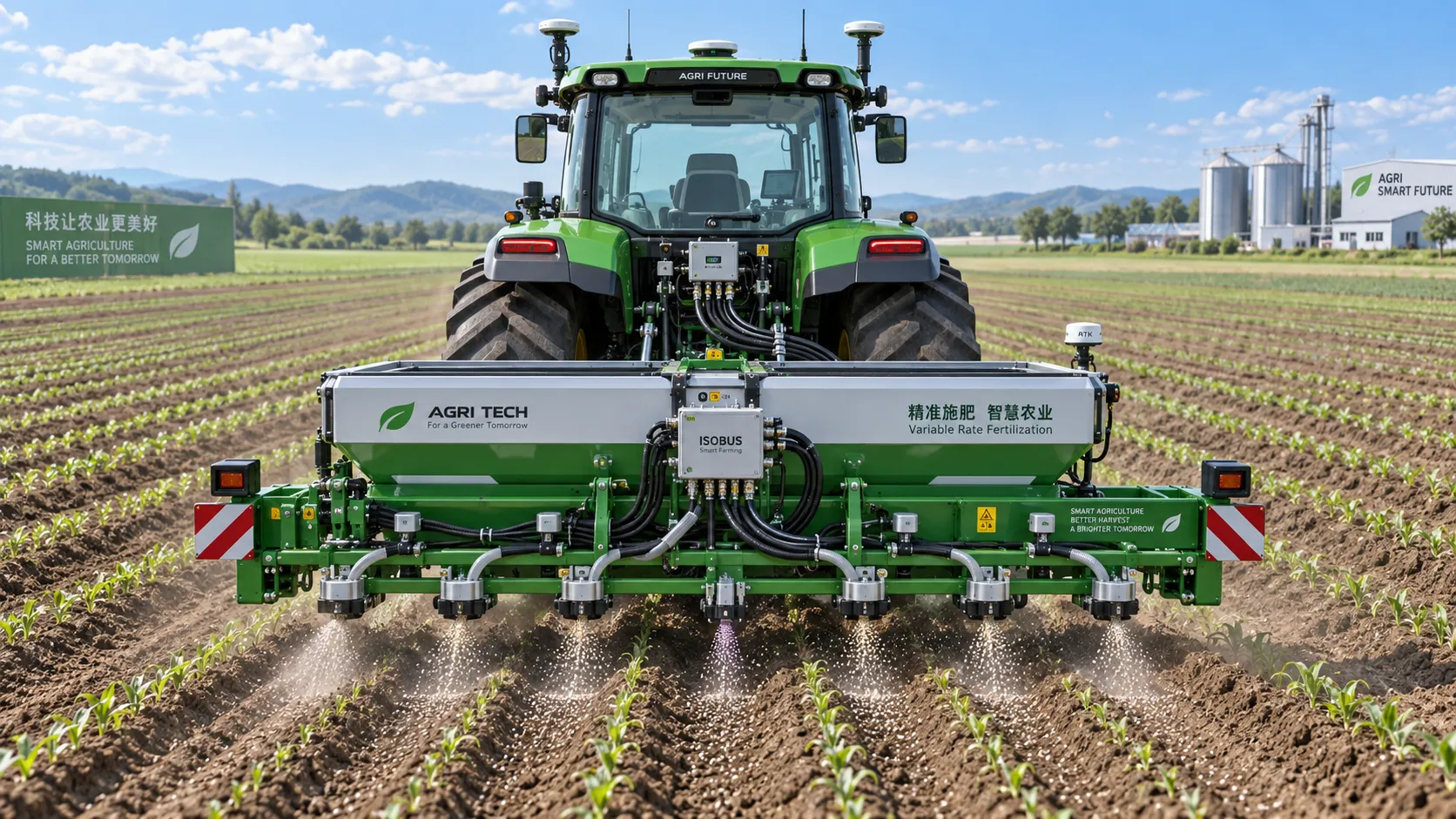
ISOBUS for Smart Agriculture: How It Connects Tractors, Implements, and Farm Data
ISOBUS for smart agriculture connects tractors, implements, terminals, and farm data—helping growers improve precision, documentation, and smarter field decisions.
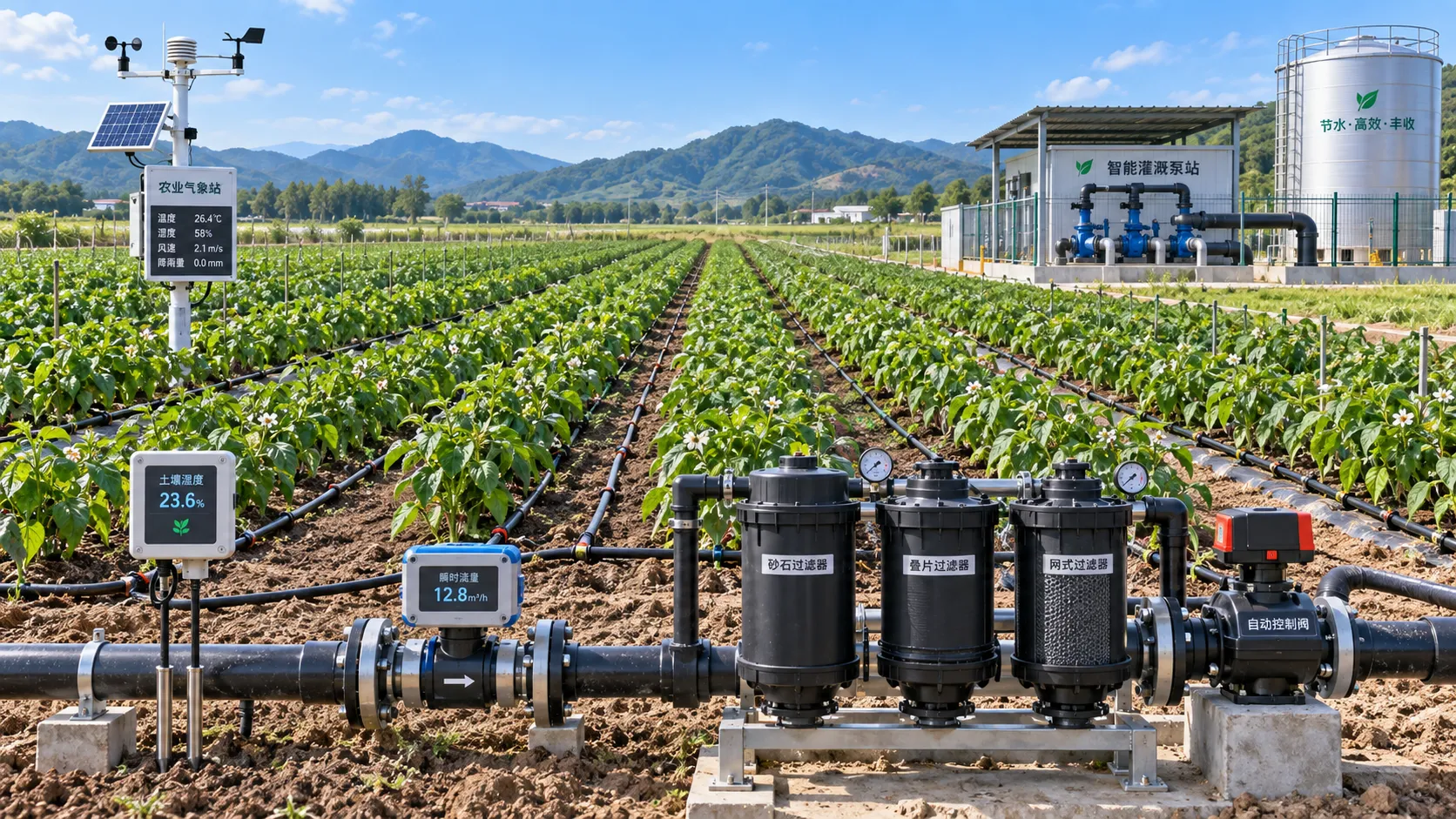
Automated Water-Saving Irrigation: How to Cut Water Use Without Reducing Crop Yields
Automated water-saving irrigation helps farms cut water use, protect crop yields, improve scheduling, and gain reliable control with sensors, flow monitoring, and smart zones.
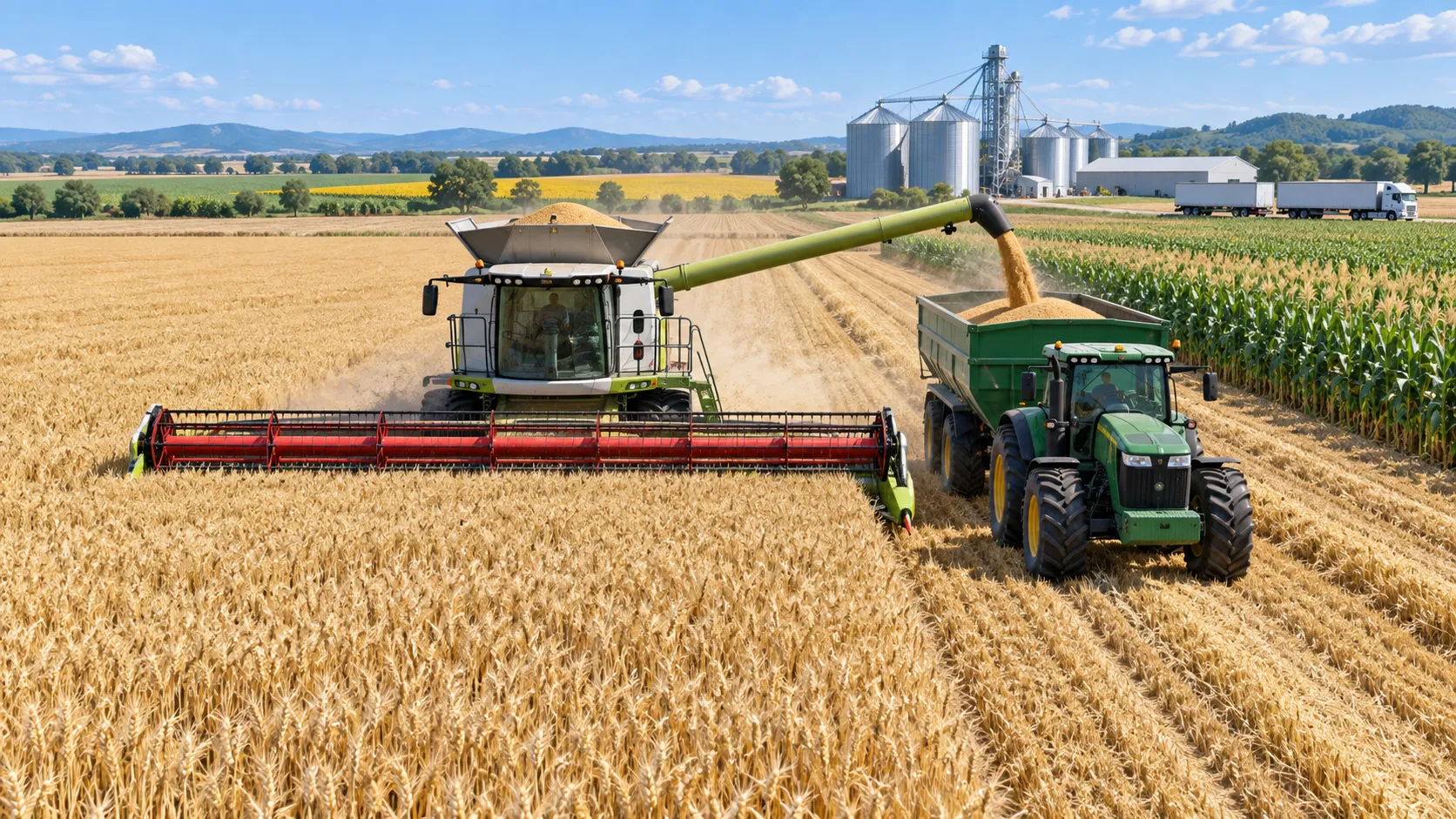
Selecting Grain Farm Equipment by Acreage, Crop Mix, and Harvest Window
Agricultural equipment selection for grain farming: match machinery to acreage, crop mix, and harvest windows to improve uptime, efficiency, and returns.
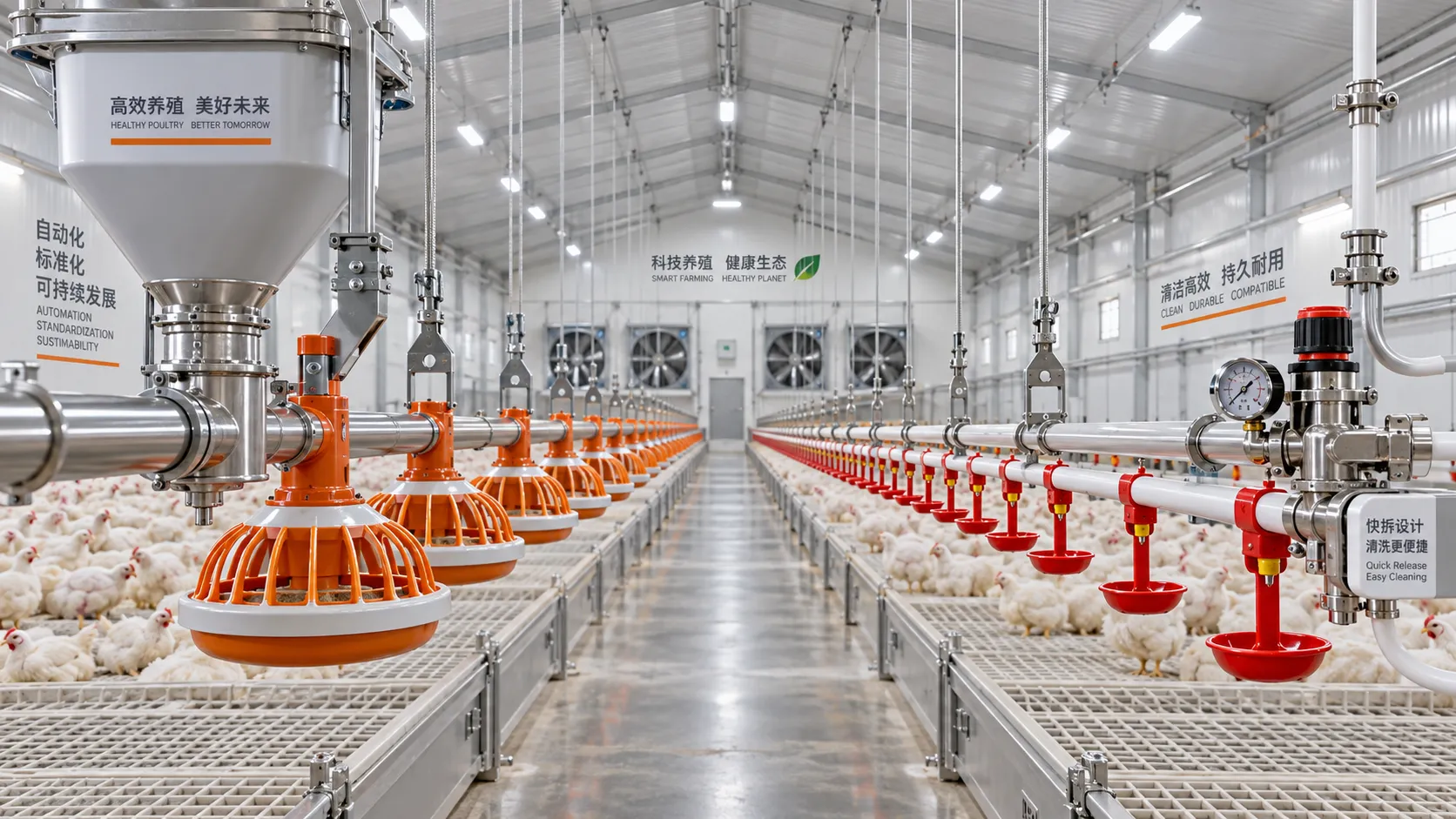
Poultry Equipment Selection: Evaluating Durability, Cleaning, and Compatibility
Poultry equipments selection guide: evaluate durability, cleaning access, and system compatibility to improve hygiene, reduce downtime, and support efficient flock management.
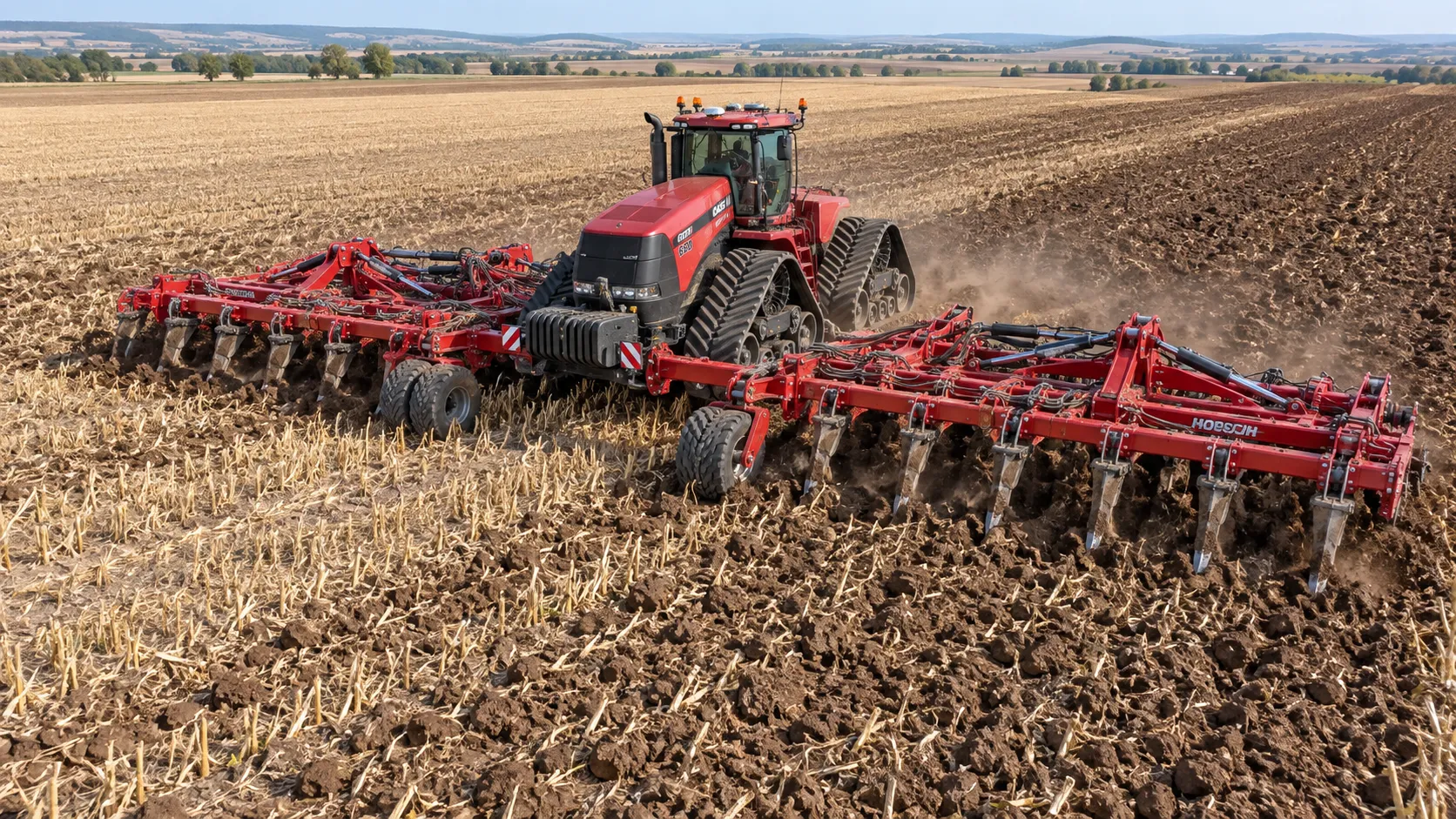
How to Select Heavy-Duty Farm Implements for High-Acreage, High-Horsepower Operations
Heavy duty farm implements: learn how to match draft, hydraulics, hitch capacity, frame strength, and field conditions for reliable high-acreage performance.
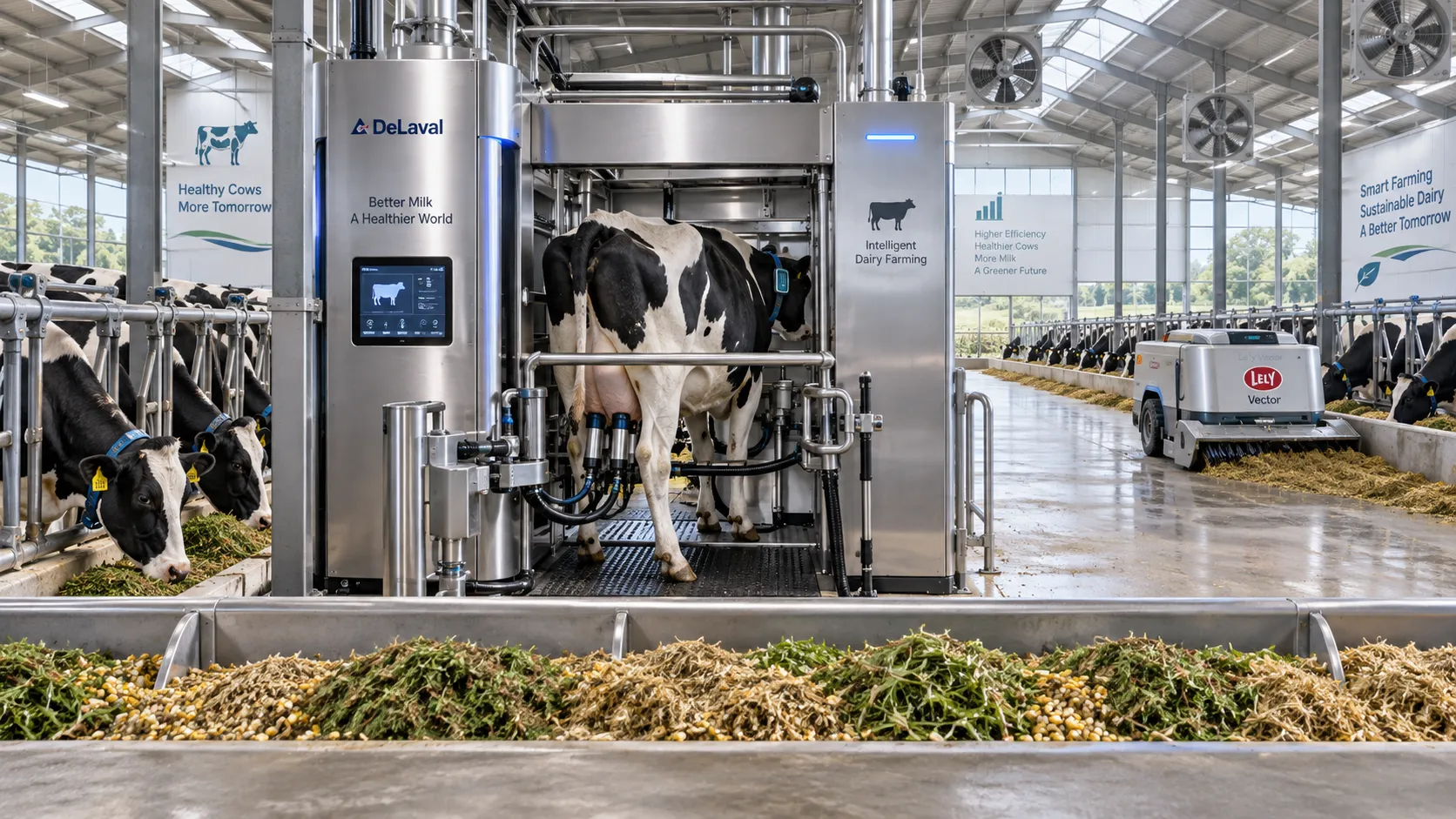
Smart Farming Technology for Dairy Farms: Where Automation Delivers Measurable ROI
Smart farming technology for dairy farms delivers measurable ROI through automation, precision feeding, health monitoring, and data-driven cost control.
Related News
- 00
0000-00
How Does Farm Mechanization Affect Food Security in Developing Regions? - 00
0000-00
Agricultural Technology Insights by Region: Where Adoption Is Growing Fastest - 00
0000-00
How Climate-Smart Agriculture Technology Improves Yield, Soil Health, and Risk Resilience - 00
0000-00
Smart Farming Solutions in Latin America: Which Technologies Fit Large Farms Best? - 00
0000-00
Long-Cycle Agri-Trade Price Trends: How to Read Supply, Freight, and Currency Signals
Popular Tags
Prof. Marcus Chen
Weekly Insights
Stay ahead with our curated technology reports delivered every Monday.