
Agri-mechanization gaps that still slow planting and harvest timing
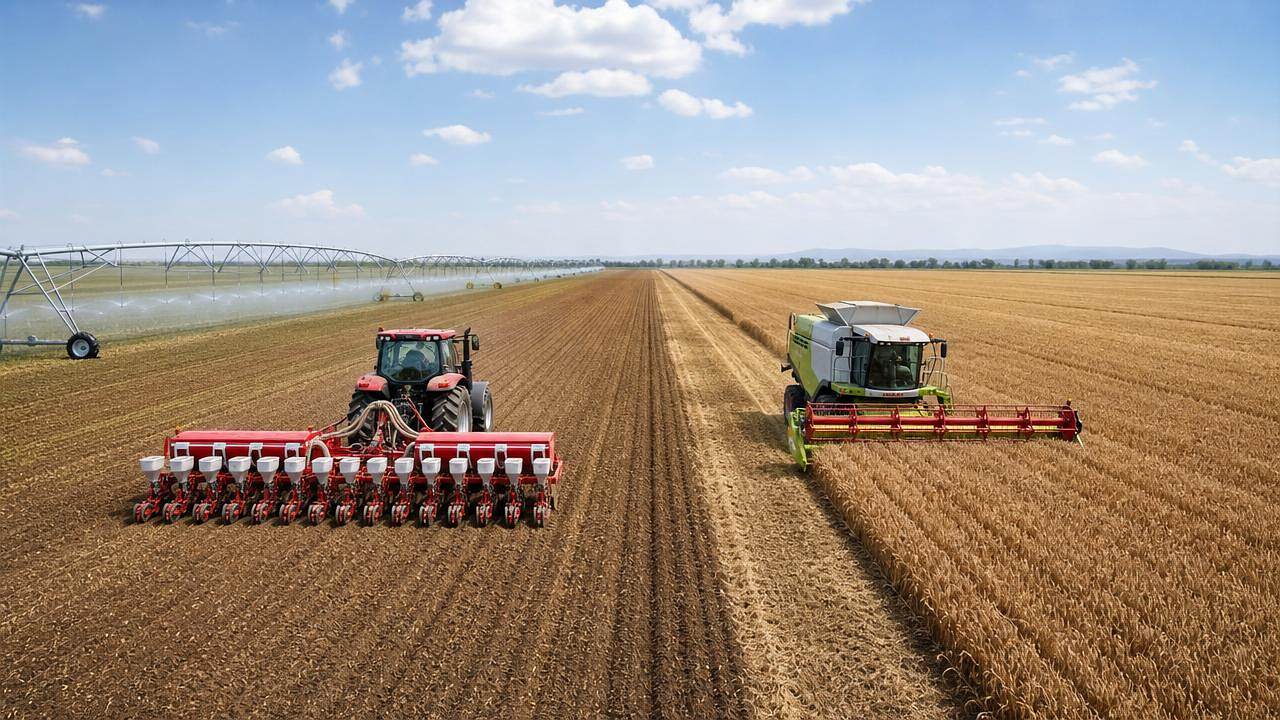




Agri-mechanization remains a decisive factor in planting speed and harvest timing, yet critical gaps still reduce field efficiency and profit margins across many markets. For distributors, agents, and equipment partners, understanding where these bottlenecks persist—from machine capacity and operator skill to precision control and irrigation coordination—is essential to matching real farm demand with high-value solutions.
Why timing gaps are becoming a sharper market signal
The pressure on planting and harvest windows is rising. Weather volatility is shortening field-ready days, labor availability is less predictable, and growers are under stronger cost control than in previous cycles. In this environment, agri-mechanization is no longer judged only by horsepower, header size, or theoretical field capacity. Buyers increasingly ask whether a machine system can protect timing when soils are wet, operators are limited, and crop maturity is uneven.
For distributors and channel partners, this shift matters because the market conversation is moving from equipment ownership to operational resilience. A farm may own tractors, planters, sprayers, and combines, yet still lose critical days due to transport bottlenecks, setup complexity, guidance errors, poor matching between implement and chassis, or irrigation schedules that do not align with field traffic. These are the agri-mechanization gaps that now shape replacement demand, aftersales service value, and technology adoption rates.
The practical signal is clear: farms are not only looking for more machines, but for better-timed systems. That changes what counts as a high-value offer in the dealership pipeline.
The trend is not uniform: where agri-mechanization gaps still persist
Across large-scale cropping regions, the most persistent delays are usually found in the interfaces between machines, operators, agronomy, and water management. This is why agri-mechanization progress often looks strong on paper but remains incomplete in the field.
A major shift: the bottleneck is moving from power to coordination
In many regions, the first phase of agri-mechanization was about replacing manual labor with basic power. The next phase is different. The main challenge is coordinating equipment fleets, agronomic timing, digital guidance, labor skill, and water availability in one operating rhythm. That is why some farms with strong equipment inventories still miss ideal planting dates or harvest too late under weather pressure.
This coordination gap is especially visible in planting. High-speed planters, tractor chassis with sufficient hydraulic output, and intelligent farm tools can increase acreage per day, but only if seed delivery, downforce control, field mapping, and turnaround efficiency are aligned. If any of those elements fail, actual progress falls well below rated performance.
At harvest, the same logic applies. Combine harvesting technology has improved in throughput, cleaning systems, loss sensing, and operator assistance. Yet harvest timing still slips when grain logistics, moisture management, parts availability, or operator confidence do not keep pace. For dealers, this means the strongest opportunity may sit in system design and support responsiveness rather than machine specification alone.
What is driving these agri-mechanization gaps now
Several forces are widening the difference between installed machinery and effective field performance. These drivers help explain why demand is becoming more selective and solution-oriented.
1. Weather compression
Erratic rainfall, heat stress, and rapid maturity shifts reduce the number of ideal workdays. When windows narrow, every inefficiency becomes visible. Agri-mechanization systems that seemed acceptable in stable seasons begin to look underpowered or poorly integrated under climate pressure.
2. Skilled labor constraints
Modern tractors, combines, and precision implements require calibration discipline and digital familiarity. Many markets can source machinery faster than they can build operator capability. This creates a gap between technical potential and actual daily output.
3. Input and margin pressure
With tighter profitability, growers are less willing to absorb overlap, missed emergence uniformity, harvest loss, or unnecessary passes. As a result, agri-mechanization purchases are judged more strictly against measurable field outcomes.
4. Technology layering without full interoperability
Many farms now operate mixed fleets and mixed software environments. Guidance, telematics, yield mapping, implement control, and irrigation data may all exist, but not in a usable workflow. This weakens timing decisions and limits the return on equipment investment.
Who feels the impact most across the value chain
The effects of delayed planting and harvest are not distributed evenly. Some participants experience direct financial risk, while others face sales conversion risk or service pressure.
Signals distributors should watch before demand shifts further
For the channel, the most useful signals are not abstract market forecasts but field-level decision patterns. If customers ask more about downtime risk than sticker price, if guidance compatibility becomes central in tenders, or if irrigation and trafficability are mentioned during machinery discussions, demand is already shifting toward integrated agri-mechanization solutions.
Another key signal is growing interest in modular upgrades. Buyers may postpone a full fleet replacement but invest in auto-steer, section control, telematics, harvester loss monitoring, central tire inflation, or hydraulic optimization to protect timing first. This suggests a market where retrofit and intelligent enhancement can be commercially significant, especially for agents working with mixed-brand installed bases.
Service behavior also reveals trend direction. Rising requests for preseason calibration, operator refresh training, remote diagnostics, and harvest-season parts guarantees indicate that customers increasingly see agri-mechanization as a time-risk management tool, not just a capital asset.
Where the next wave of value is likely to form
The next value wave is likely to emerge at the intersection of heavy machinery, digital control, and resource coordination. AP-Strategy’s perspective on large-scale agri-machinery, combine harvesters, tractor chassis, intelligent farm tools, and water-saving irrigation systems points to one broad market direction: customers want synchronized productivity.
That means dealers may capture more margin through bundled solutions such as high-clearance tractors matched to implement hydraulics, combines paired with yield and loss analytics, or irrigation scheduling linked to field access planning. In practical terms, the agri-mechanization sale becomes stronger when it answers a timing problem with a coordinated package.
There is also increasing strategic value in products that reduce complexity. User interfaces that simplify calibration, systems that shorten setup time, and platforms that combine machine and agronomic data will matter more in markets where labor quality is inconsistent. Ease of use is becoming a timing feature.
How to judge opportunities by market maturity
Not every region is ready for the same agri-mechanization proposition. Channel strategy should reflect local maturity, financing realities, crop structure, and service density.
Practical actions for dealers, agents, and distribution teams
If the objective is to respond to agri-mechanization gaps with commercial precision, several actions deserve immediate attention.
First, assess timing risk by operation rather than by product line. A customer may not need a larger tractor if the true bottleneck is planter fill logistics, combine settings, or waterlogged access lanes. Second, build sales conversations around field window protection: acres per workable day, setup time, pass accuracy, loss control, fuel efficiency, and service response. Third, strengthen support packages that include onboarding, calibration, seasonal inspections, and remote troubleshooting.
Fourth, connect machinery offers with agronomic and irrigation realities. In many cases, delayed field entry, soil compaction risk, or poorly timed irrigation has as much influence on planting and harvest performance as machine output does. Finally, segment customers by upgrade pathway. Some need first-time mechanization, some need better machine matching, and others need intelligent integration. Treating all three groups the same weakens conversion.
A clear direction for the next buying cycle
The most important trend is that agri-mechanization is being evaluated through the lens of timing certainty. Farms want systems that help them plant when the field is ready and harvest before quality, moisture, or weather penalties grow. This is reshaping equipment preferences, support expectations, and channel value creation.
For distributors, the opportunity is not merely to follow machinery demand, but to interpret where timing friction still exists and translate that into better portfolio decisions. If your business wants to judge how these changes affect local sales strategy, the most useful questions are straightforward: Which operation loses the most workable hours? Is the constraint capacity, skill, precision, or water coordination? Which upgrades protect the field window fastest? And can your support model turn agri-mechanization from a hardware purchase into an operating advantage?
Those answers will shape who captures the next round of growth in an agricultural market that is becoming more time-sensitive, more data-driven, and more demanding of integrated performance.
Related News
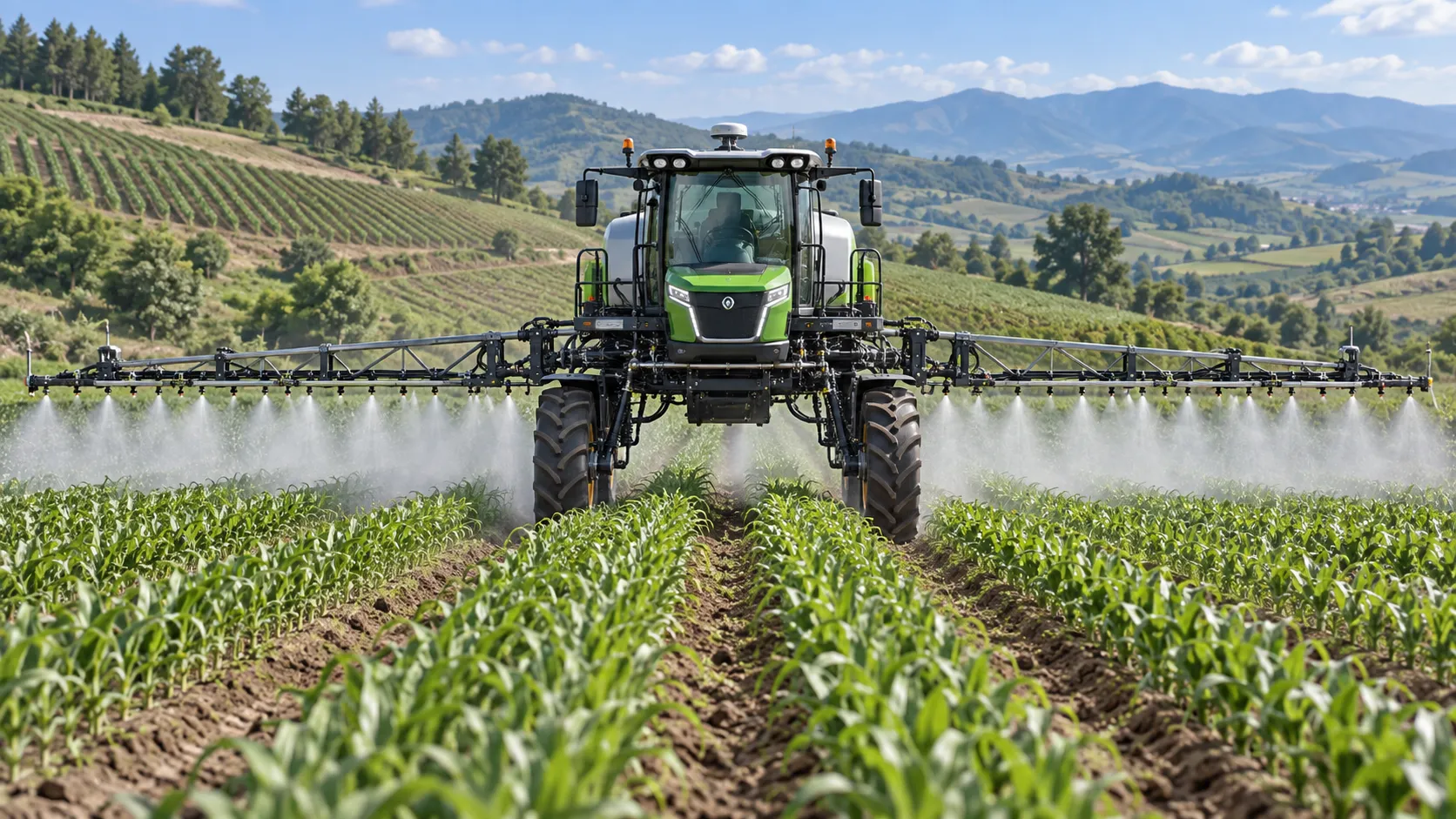
How to Select Precision Crop Protection Equipment for Variable Field Conditions
Precision crop protection equipment selection made simple: compare terrain, canopy, weather, control accuracy, and data workflows for reliable applications.
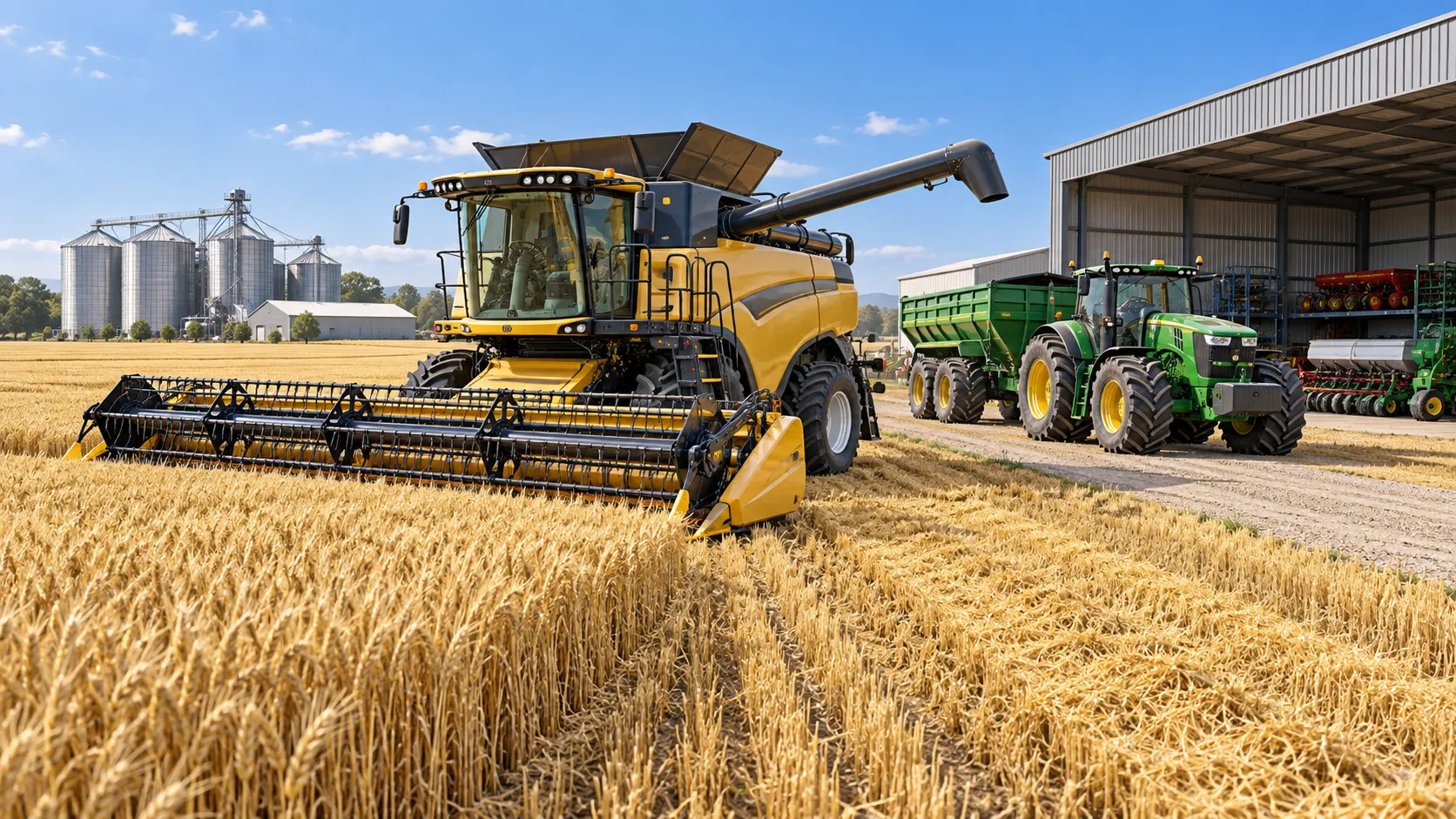
When Does Agricultural Machinery Leasing Cost Less Than Owning Equipment?
Agricultural machinery leasing can lower farm costs when use is seasonal or uncertain. Compare utilization, maintenance, cash flow, and risk to make a smarter equipment decision.
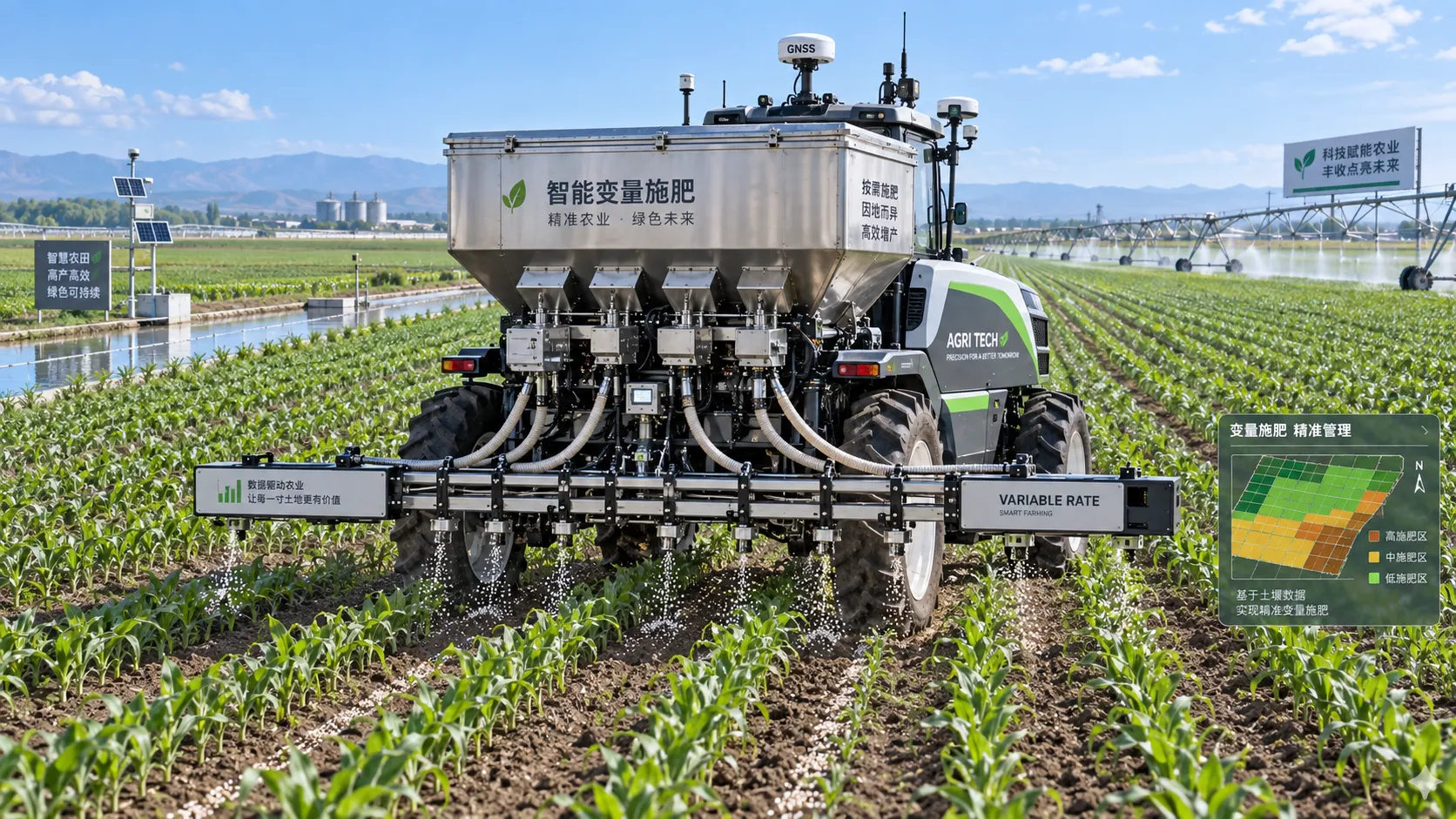
How to Evaluate Precision Fertilization System Suppliers for Farm-Scale Deployment
Precision fertilization systems suppliers: learn how to compare accuracy, integration, uptime, service, and total cost for confident farm-scale deployment.
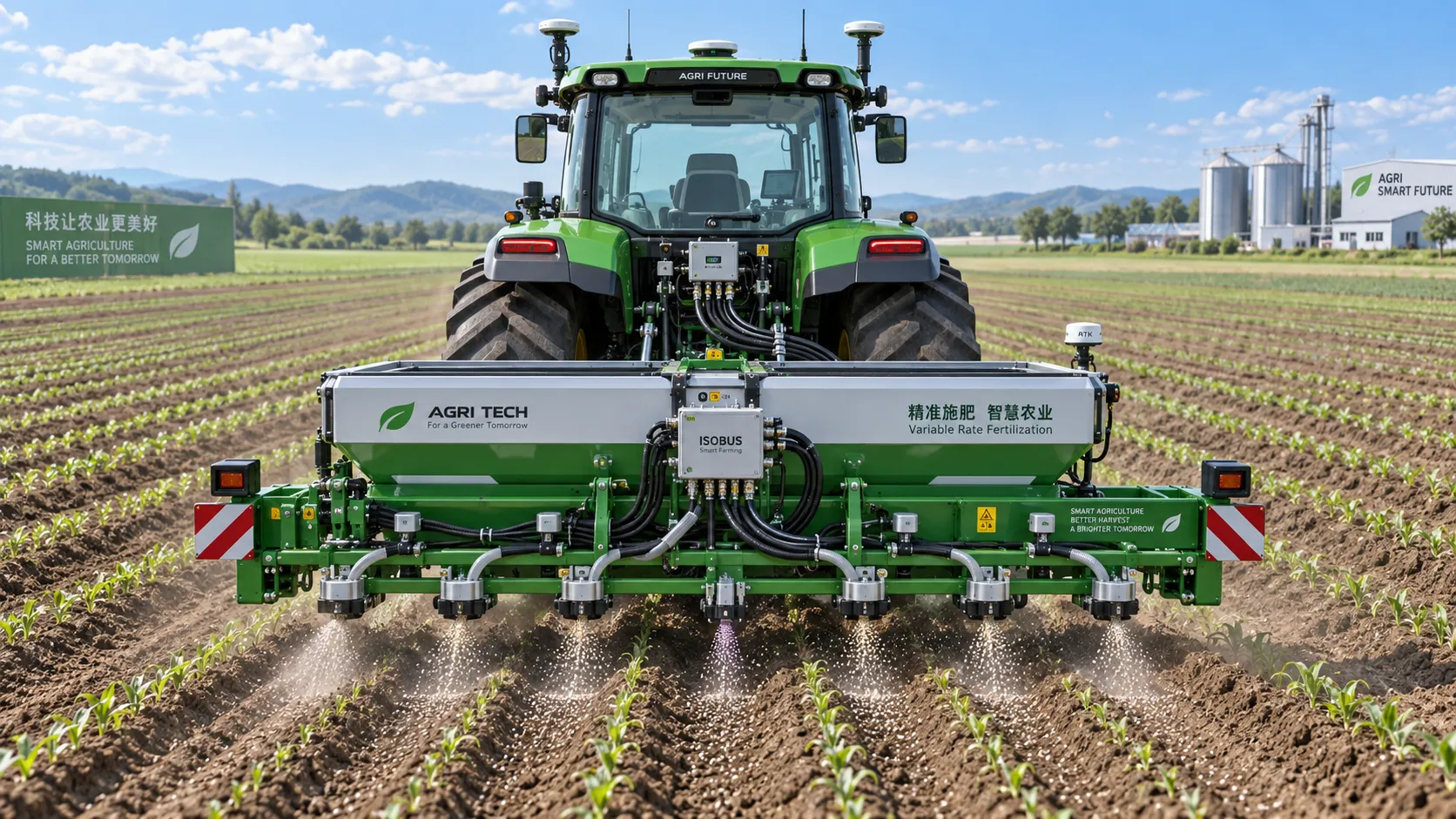
ISOBUS for Smart Agriculture: How It Connects Tractors, Implements, and Farm Data
ISOBUS for smart agriculture connects tractors, implements, terminals, and farm data—helping growers improve precision, documentation, and smarter field decisions.
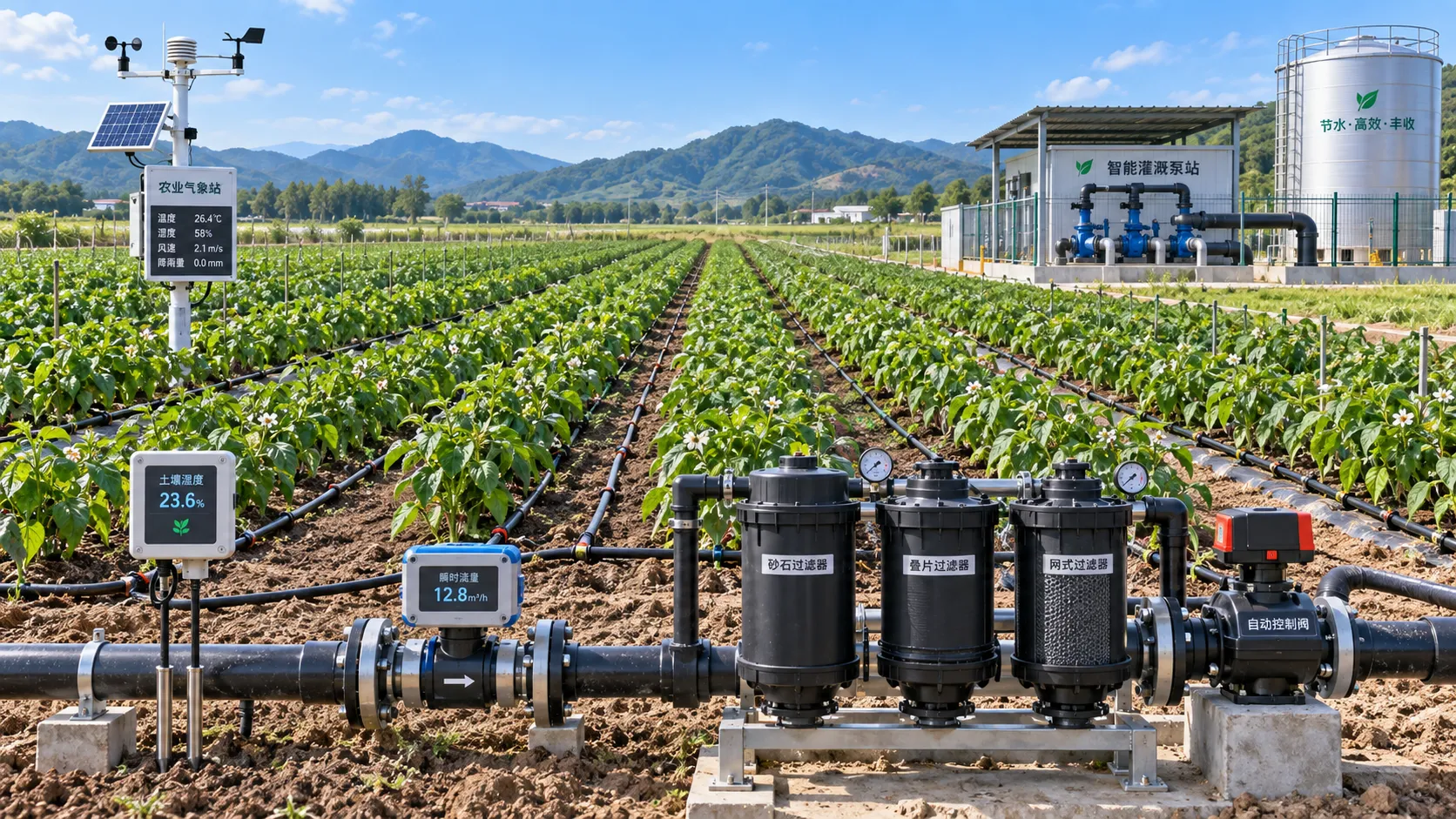
Automated Water-Saving Irrigation: How to Cut Water Use Without Reducing Crop Yields
Automated water-saving irrigation helps farms cut water use, protect crop yields, improve scheduling, and gain reliable control with sensors, flow monitoring, and smart zones.
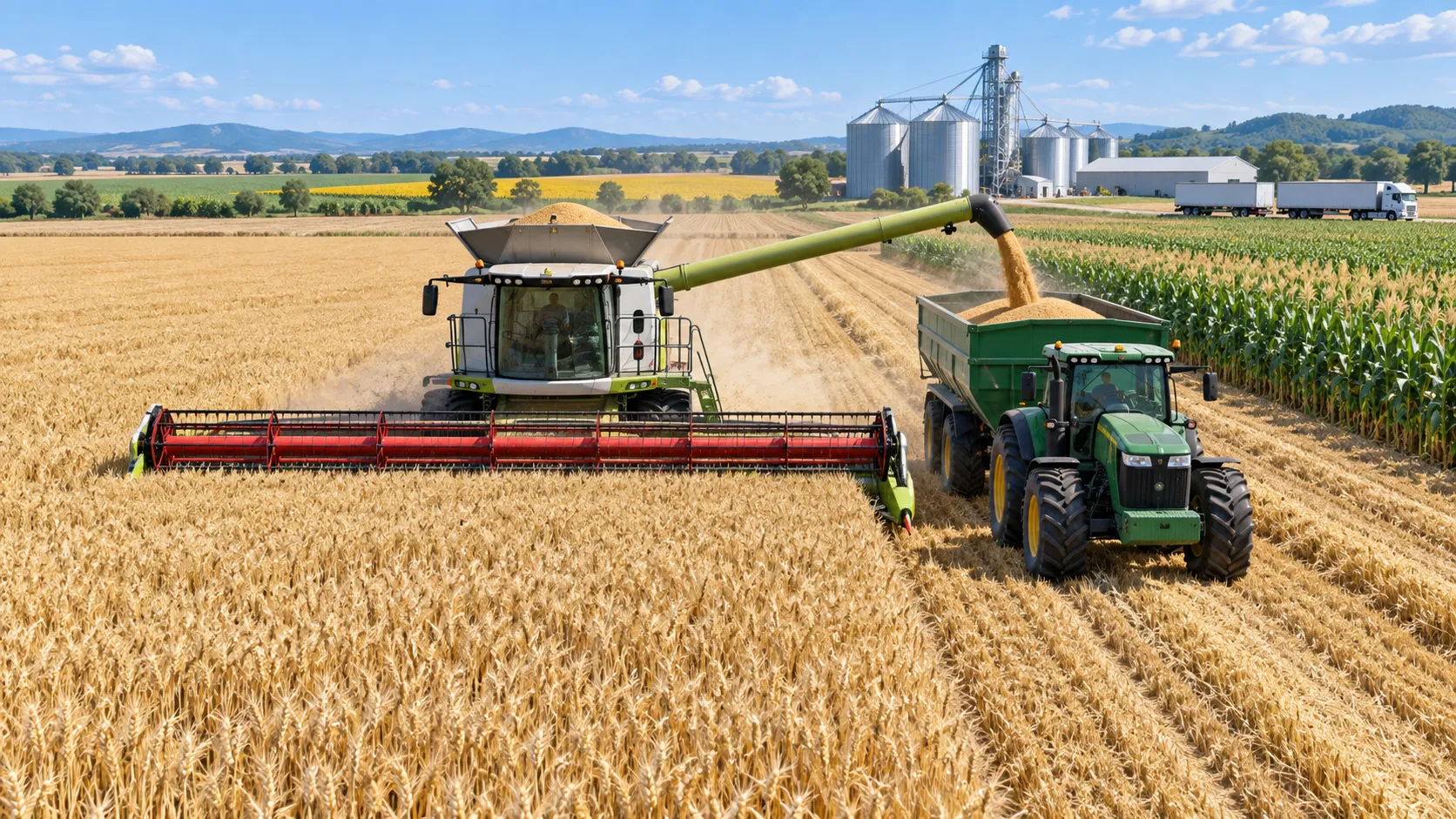
Selecting Grain Farm Equipment by Acreage, Crop Mix, and Harvest Window
Agricultural equipment selection for grain farming: match machinery to acreage, crop mix, and harvest windows to improve uptime, efficiency, and returns.
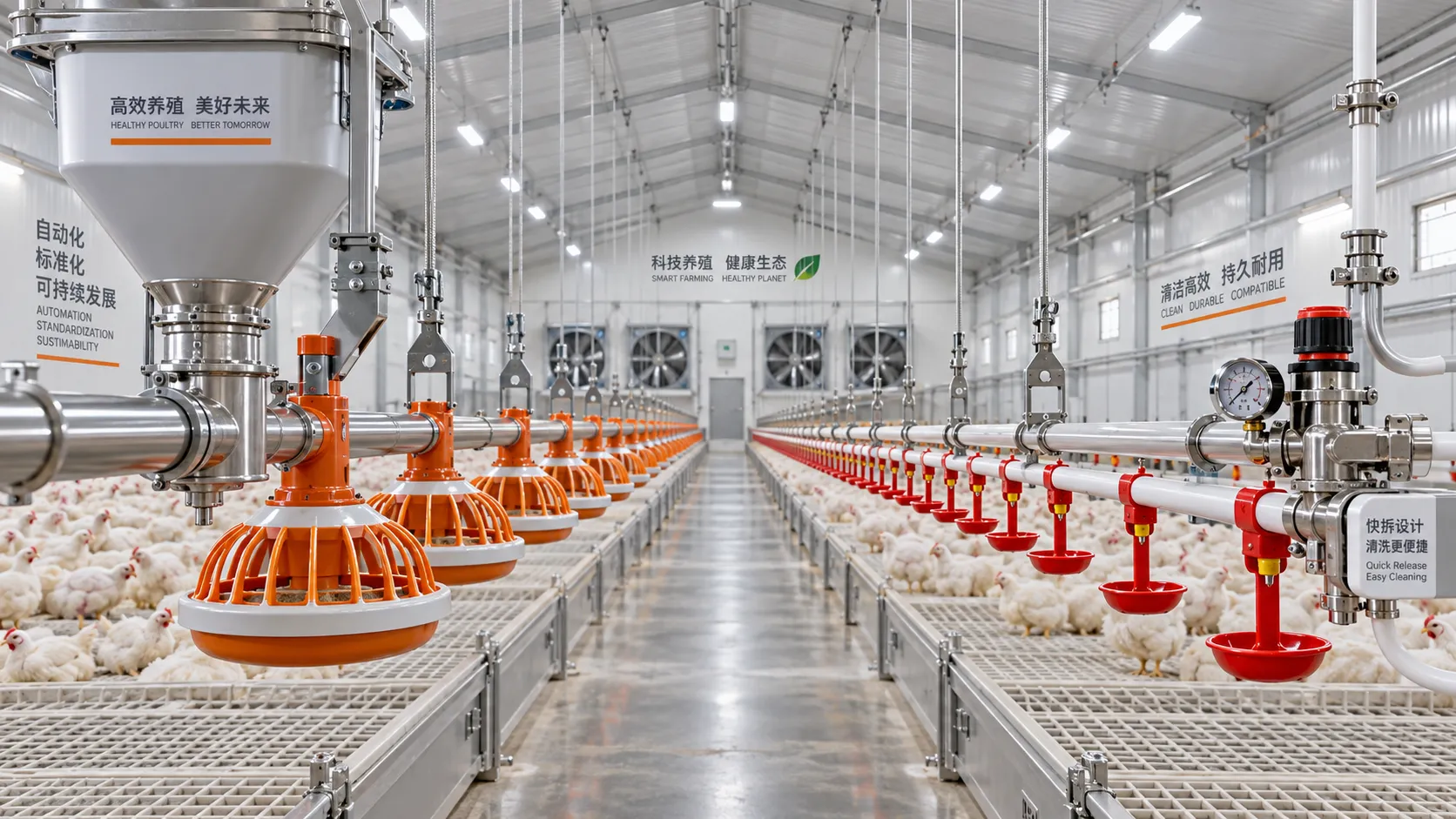
Poultry Equipment Selection: Evaluating Durability, Cleaning, and Compatibility
Poultry equipments selection guide: evaluate durability, cleaning access, and system compatibility to improve hygiene, reduce downtime, and support efficient flock management.
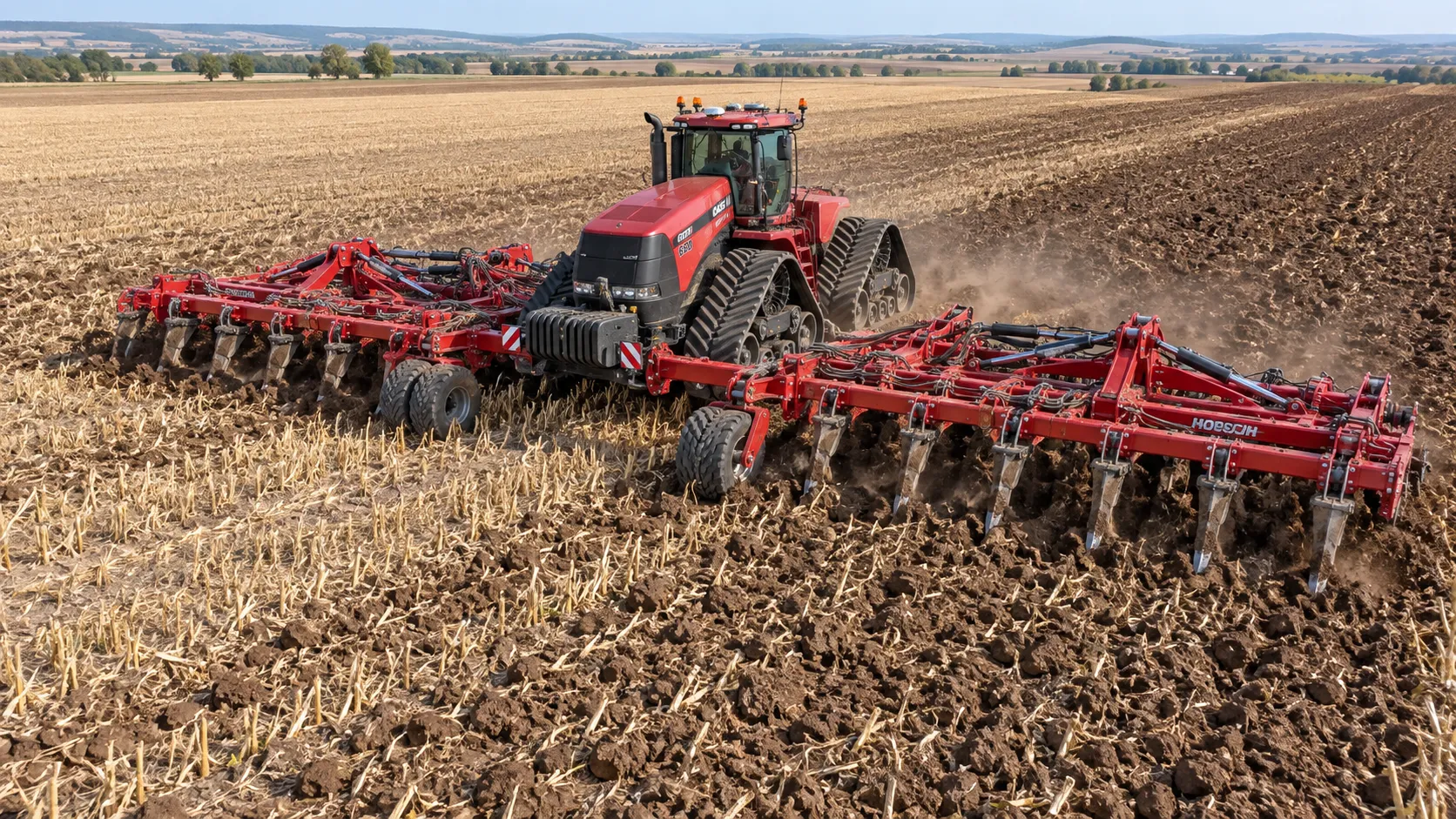
How to Select Heavy-Duty Farm Implements for High-Acreage, High-Horsepower Operations
Heavy duty farm implements: learn how to match draft, hydraulics, hitch capacity, frame strength, and field conditions for reliable high-acreage performance.
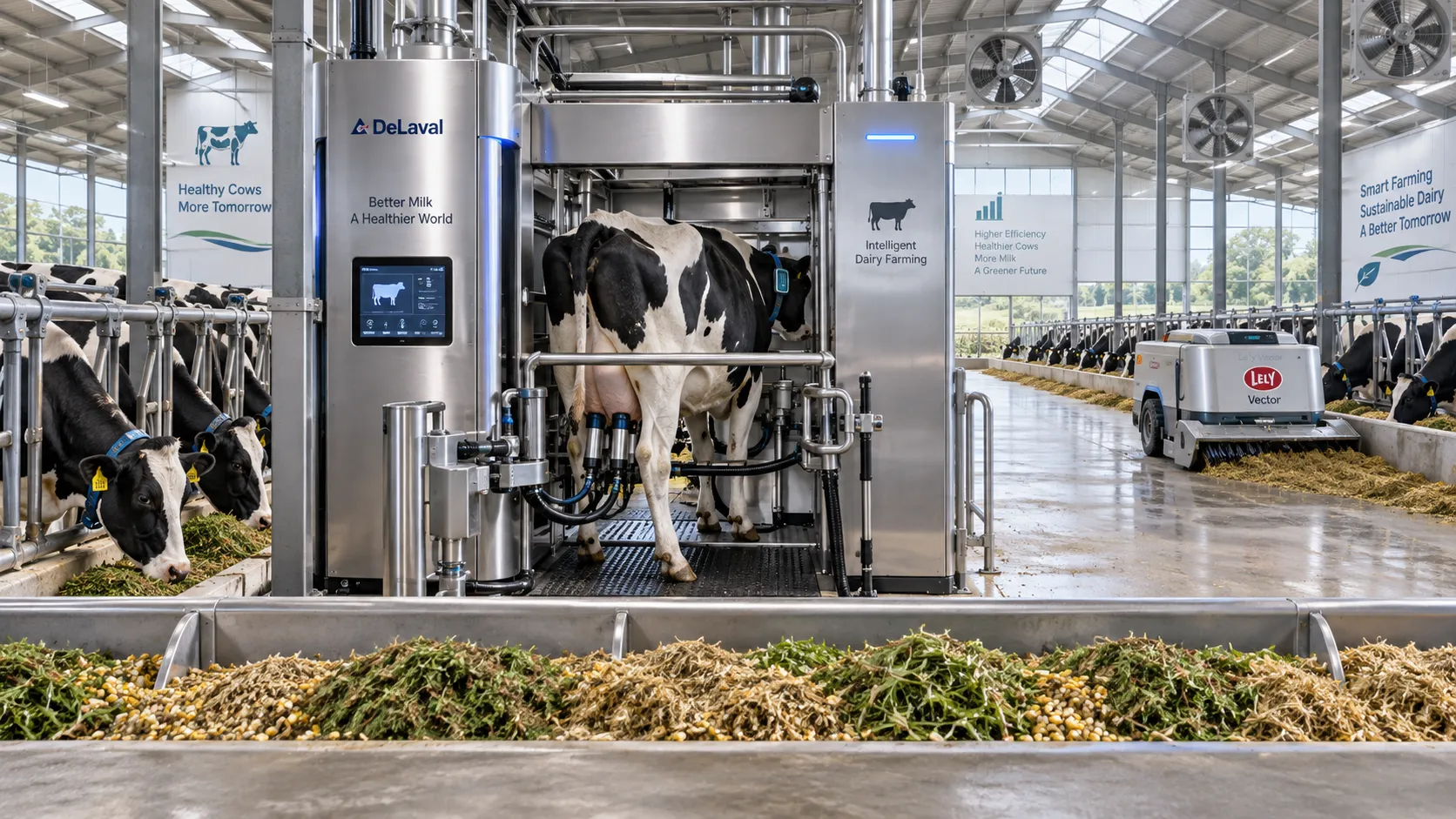
Smart Farming Technology for Dairy Farms: Where Automation Delivers Measurable ROI
Smart farming technology for dairy farms delivers measurable ROI through automation, precision feeding, health monitoring, and data-driven cost control.
Related News
- 00
0000-00
How Does Farm Mechanization Affect Food Security in Developing Regions? - 00
0000-00
Agricultural Technology Insights by Region: Where Adoption Is Growing Fastest - 00
0000-00
How Climate-Smart Agriculture Technology Improves Yield, Soil Health, and Risk Resilience - 00
0000-00
Smart Farming Solutions in Latin America: Which Technologies Fit Large Farms Best? - 00
0000-00
Long-Cycle Agri-Trade Price Trends: How to Read Supply, Freight, and Currency Signals
Popular Tags
Prof. Marcus Chen
Weekly Insights
Stay ahead with our curated technology reports delivered every Monday.