
Is hybrid technology cutting fuel use in field operations?
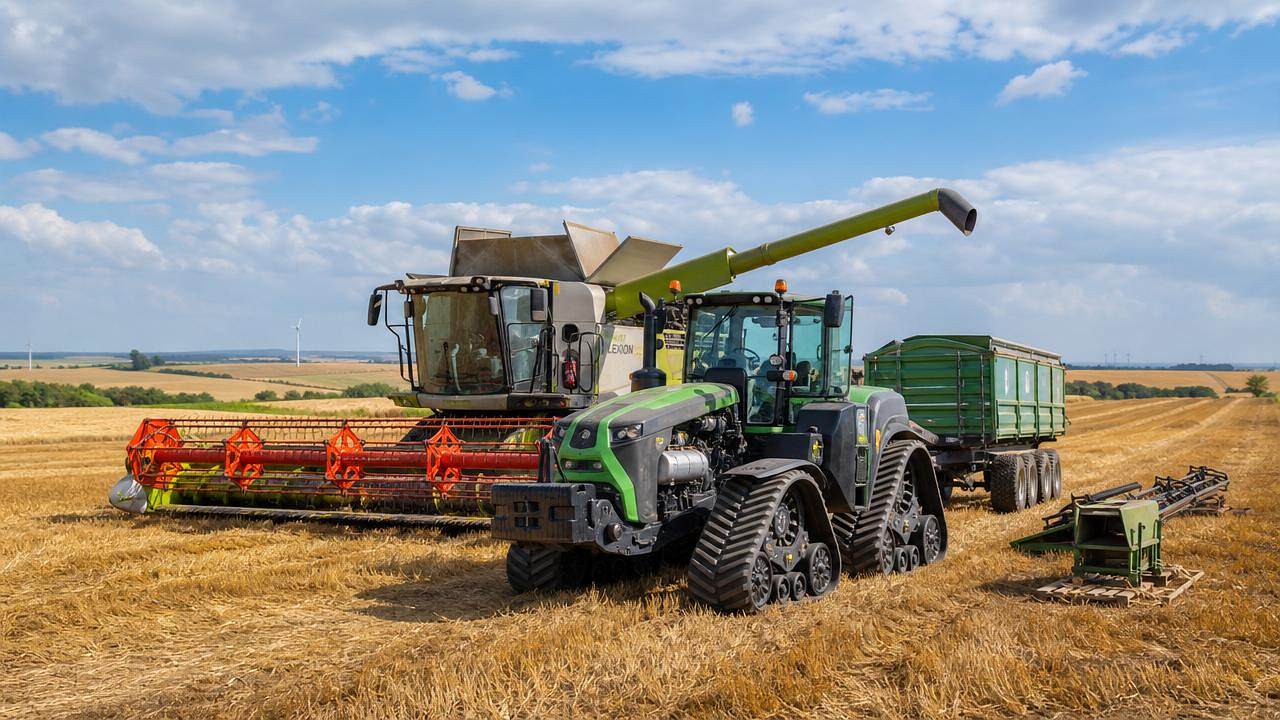




As fuel costs, emissions targets, and uptime pressures reshape modern agriculture, many decision-makers are asking whether hybrid technology can deliver measurable savings in field operations. From tractor chassis to harvesting systems, its real value depends on workload patterns, system integration, and lifecycle economics. This article examines where hybrid technology is reducing fuel use, where limits remain, and what it means for strategic equipment investment.
The short answer is yes: hybrid technology can cut fuel use in field operations, but not uniformly and not in every machine class. The strongest gains usually appear in duty cycles with frequent load variation, repeated acceleration, hydraulic demand peaks, or opportunities to recover and reuse energy. In steady, high-load field work, fuel savings are often more modest. For business decision-makers, the question is not whether hybrid technology works in theory, but where it creates a defensible return on capital.
What decision-makers really need to know about hybrid technology
When executives, fleet managers, and equipment distributors search for answers about hybrid technology, they are usually not looking for a basic definition. They want to know whether it reduces diesel consumption enough to justify higher acquisition costs, whether the technology is mature enough for large-scale deployment, and which field operations offer the best business case.
That means the most useful way to assess hybrid technology is through an operational lens. Instead of asking whether a tractor or harvester is “hybrid,” it is better to ask how the powertrain interacts with traction demand, PTO loads, hydraulic circuits, transport cycles, and operator behavior. Fuel savings are not created by the label. They are created by the match between machine architecture and field reality.
For large agricultural businesses, the key concerns are clear: total cost of ownership, maintenance complexity, payback period, uptime risk, training needs, and compatibility with existing fleet strategy. A technology that saves 8% fuel but causes workflow disruption or parts bottlenecks may not outperform a conventional platform. A system that saves 15% in a high-utilization operation, however, can materially improve margins over several seasons.
Where hybrid technology is actually reducing fuel use
Hybrid technology tends to perform best where power demand fluctuates rather than remains constant. In agriculture, that creates clear opportunities in transport-heavy operations, loader work, mixed-field cycles, and machines with substantial hydraulic loads. In these applications, electrified assistance can reduce engine transients, keep the diesel engine closer to its efficient operating window, and recover energy that would otherwise be lost.
Tractor applications with repeated acceleration and deceleration are one practical example. A tractor moving between fields, hauling grain, operating on mixed terrain, or supporting loader tasks often experiences variable demand. In these scenarios, a hybrid system can provide torque support during acceleration and use recovered or stored energy to reduce peak diesel load. That translates into lower fuel burn, especially over long annual utilization.
Harvesting systems can also benefit, though the mechanism is more nuanced. Combine harvesters are dominated by high energy demand from propulsion, threshing, separation, cleaning, and unloading systems. Where hybrid technology helps most is in smoothing transient loads, optimizing auxiliary systems, and supporting electrically driven subsystems that respond more precisely than purely mechanical or hydraulic arrangements. The benefit may not always come as dramatic headline fuel savings, but as lower overall energy waste across the harvesting cycle.
Hydraulic-intensive operations are another important area. Traditional hydraulic systems can be robust, but they are not always efficient under partial loads or rapidly changing demand. Hybrid architectures that electrify some functions or intelligently manage hydraulic power can reduce parasitic losses. For enterprises operating large fleets in seeding, spraying, materials handling, or irrigation support, these incremental gains can become meaningful at scale.
Why savings vary so much between machine types
The uneven performance of hybrid technology in agriculture comes down to duty cycle. In road vehicles, hybrids often excel because braking and stop-start conditions create repeated opportunities for energy recovery. In field operations, some machines work under long, steady, high-load conditions with fewer recovery opportunities. That reduces the relative advantage of hybridization compared with sectors such as urban transport.
Heavy draft work is the clearest example. When a tractor is pulling deep tillage equipment under sustained load for long periods, there may be limited opportunity for regenerative gains. The engine is already operating near a consistent, high-output point. In this case, hybrid technology can still improve control, transient response, or downsizing strategy, but fuel savings may be smaller than expected. Decision-makers should be cautious about assuming that every electrified powertrain will transform fuel economics in primary tillage.
By contrast, mixed-use fleets can capture more value. A machine that alternates between road transport, PTO work, headland turns, unloading cycles, and hydraulic actions offers more opportunities for intelligent power management. This is why hybrid technology often makes more financial sense in diversified operations than in narrow, highly uniform workloads.
The type of hybrid system also matters. Mild hybrids, full hybrids, and series or parallel configurations do not deliver the same operational benefit. Some are designed primarily to support torque fill and improve engine efficiency. Others enable partial electrification of implements or auxiliaries. For buyers, “hybrid technology” is too broad a category to use as a purchasing shortcut. Architecture matters as much as branding.
How to evaluate fuel savings without relying on marketing claims
The most common purchasing mistake is to compare a hybrid machine’s advertised fuel savings against a generic baseline. Executives should instead evaluate performance against their own field conditions, operators, crop mix, transport distance, and annual machine hours. A fuel-saving claim drawn from a controlled demonstration may not reflect the realities of a dispersed farm network or a contractor fleet operating under weather pressure.
A practical evaluation framework starts with segmentation. Break operations into categories such as heavy draft, planting, spraying, grain cart work, harvesting, road transport, and loader tasks. Then estimate where fuel is consumed, how often loads fluctuate, and how much idle or transient time exists. Hybrid technology is most likely to generate savings in categories with frequent power variation and lower mechanical efficiency under conventional designs.
Next, examine annual utilization. A machine running 1,500 to 2,000 hours a year can justify a more sophisticated powertrain more easily than a lower-use asset. The greater the use intensity, the more quickly fuel savings can offset higher capital cost. For enterprise buyers, hybrid technology should be evaluated not just per machine, but across asset classes where utilization is concentrated.
Then assess the full energy equation. Fuel reduction is important, but it is only one line item. If hybrid technology lowers engine wear, reduces hydraulic losses, improves controllability, or cuts idling, those effects also have economic value. On the other hand, if battery cooling, software calibration, or specialist service adds downtime risk, that must be priced in as well.
What the business case looks like in real operations
For enterprise decision-makers, the relevant question is usually not “How much fuel can this save?” but “What is the payback under our operating model?” A sound business case combines direct fuel savings with indirect performance effects: improved productivity per hour, better engine load management, reduced operator fatigue, and stronger compliance with future emissions strategy.
Consider a fleet operating across multiple farms with long internal transport distances, seasonal hauling, and mixed implement use. In that environment, a hybrid tractor platform may reduce fuel use enough to make a visible difference over a season, especially when diesel prices are elevated. If the same platform also improves launch torque and reduces engine stress during variable-load tasks, its value extends beyond the fuel ledger.
Now compare that with a highly specialized tillage fleet used primarily for sustained drawbar work on uniform soils. Here, the hybrid premium may be harder to recover quickly unless the platform also delivers superior traction management, power distribution, or maintenance advantages. This is why hybrid technology should be adopted selectively, not ideologically.
There is also a strategic branding dimension. Large agribusinesses, contractors, and supply chain partners are increasingly under pressure to document carbon reduction efforts. Even where fuel savings are moderate, hybrid technology can support ESG reporting, procurement differentiation, and alignment with future decarbonization targets. That does not replace hard economics, but for some firms it strengthens the investment case.
Operational limits and adoption risks leaders should not ignore
Hybrid technology is promising, but it is not frictionless. Agricultural environments are harsh: dust, vibration, moisture, thermal cycling, seasonal storage, and uneven service infrastructure can all affect real-world reliability. A system that performs well in controlled tests must also prove durable over multiple seasons of field abuse and maintenance variability.
Battery life and replacement economics remain important considerations, even in relatively small hybrid systems. Decision-makers should ask not only about the battery warranty, but about thermal management, degradation under agricultural duty cycles, and replacement lead times. In remote regions or during peak harvest windows, service delays can erase fuel savings quickly.
Technician readiness is another issue. Hybrid technology introduces additional diagnostic layers, power electronics, and software dependencies. If dealer support is weak or internal maintenance teams are not trained, downtime can become more expensive than diesel savings. This is particularly relevant for large operators working under narrow planting or harvest windows, where uptime has a premium value.
Compatibility with implements also deserves attention. As equipment becomes more electrified, the interface between tractor, implement, sensors, and control software becomes more critical. The best results come from integrated ecosystems rather than isolated machine purchases. Enterprises planning fleet modernization should treat hybrid technology as part of a broader digital and powertrain roadmap.
Where hybrid technology fits in a long-term fleet strategy
Hybrid technology should be viewed as a transitional but significant step in the evolution of agricultural power systems. For many field operations, it offers a more practical path than immediate full electrification, especially where energy density, charging infrastructure, and long operating hours still favor diesel-based platforms. In that sense, hybrid systems can act as a bridge between conventional machinery and more electrified future architectures.
For strategic planners, this means hybrid adoption can be phased. Start with applications where variability is high, utilization is strong, and energy savings are easier to capture. Use those deployments to build internal service capability, operator familiarity, and data on actual field performance. Then expand only where the economics remain favorable.
It also means procurement standards should evolve. Instead of purchasing around horsepower alone, buyers should compare machine intelligence, energy management strategy, telematics visibility, software support, and subsystem electrification potential. The competitive advantage of hybrid technology often lies in systems integration rather than in any single hardware component.
Manufacturers and distributors that communicate hybrid value clearly will be in a stronger position as customers become more disciplined in capital allocation. The market is moving beyond novelty. Buyers now expect proof of reduced fuel use, transparent lifecycle assumptions, and application-specific performance data. Vendors that cannot provide this will struggle to convert interest into repeat business.
How enterprise buyers should make the final decision
A disciplined purchasing process starts with identifying high-fuel, high-variability operations in the fleet. These are the first candidates for hybrid technology. Next, request machine-specific data under comparable operating conditions, not generalized efficiency claims. Ask suppliers to explain where savings come from: regenerative capability, torque assist, electric auxiliaries, hydraulic optimization, or engine downsizing.
Then model three scenarios: conservative, expected, and high-utilization. Include capital cost, fuel cost assumptions, maintenance intervals, resale uncertainty, operator training, and downtime risk. If the investment still performs under the conservative case, it is more likely to be resilient under real operating conditions.
Pilot programs are especially valuable. A limited deployment across representative field conditions can reveal whether savings are repeatable and whether support infrastructure is adequate. For decision-makers responsible for multi-year equipment strategies, a measured pilot often produces better outcomes than a broad early rollout.
Finally, keep the objective clear. The purpose of hybrid technology is not to signal innovation for its own sake. It is to improve economic efficiency, operational resilience, and long-term fleet competitiveness. If a hybrid platform can do that in the right applications, it deserves serious consideration. If not, waiting for a better-fit generation may be the smarter move.
Conclusion: is hybrid technology cutting fuel use in field operations?
Yes, hybrid technology is cutting fuel use in field operations, but its impact is highly dependent on machine duty cycle, system design, and enterprise operating patterns. The best results tend to appear in transport-heavy, mixed-load, and hydraulic-intensive applications where intelligent power management can reduce waste and support the diesel engine more efficiently.
For business leaders, the takeaway is straightforward. Hybrid technology is neither a universal solution nor a marketing illusion. It is a selective advantage. When matched to the right workloads and backed by strong service support, it can deliver meaningful fuel savings and strengthen long-term equipment strategy. When applied to the wrong use case, the economic gains may be too limited to justify the premium.
The smartest investment decisions will come from treating hybrid technology as a strategic operational tool, not a category trend. Measure it against actual field cycles, total ownership economics, and fleet modernization goals. That is where the real answer lies—and where the strongest returns will be found.
Related News
When Does Agricultural Machinery Leasing Cost Less Than Owning Equipment?
Agricultural machinery leasing can lower farm costs when use is seasonal or uncertain. Compare utilization, maintenance, cash flow, and risk to make a smarter equipment decision.
How to Evaluate Precision Fertilization System Suppliers for Farm-Scale Deployment
Precision fertilization systems suppliers: learn how to compare accuracy, integration, uptime, service, and total cost for confident farm-scale deployment.
ISOBUS for Smart Agriculture: How It Connects Tractors, Implements, and Farm Data
ISOBUS for smart agriculture connects tractors, implements, terminals, and farm data—helping growers improve precision, documentation, and smarter field decisions.
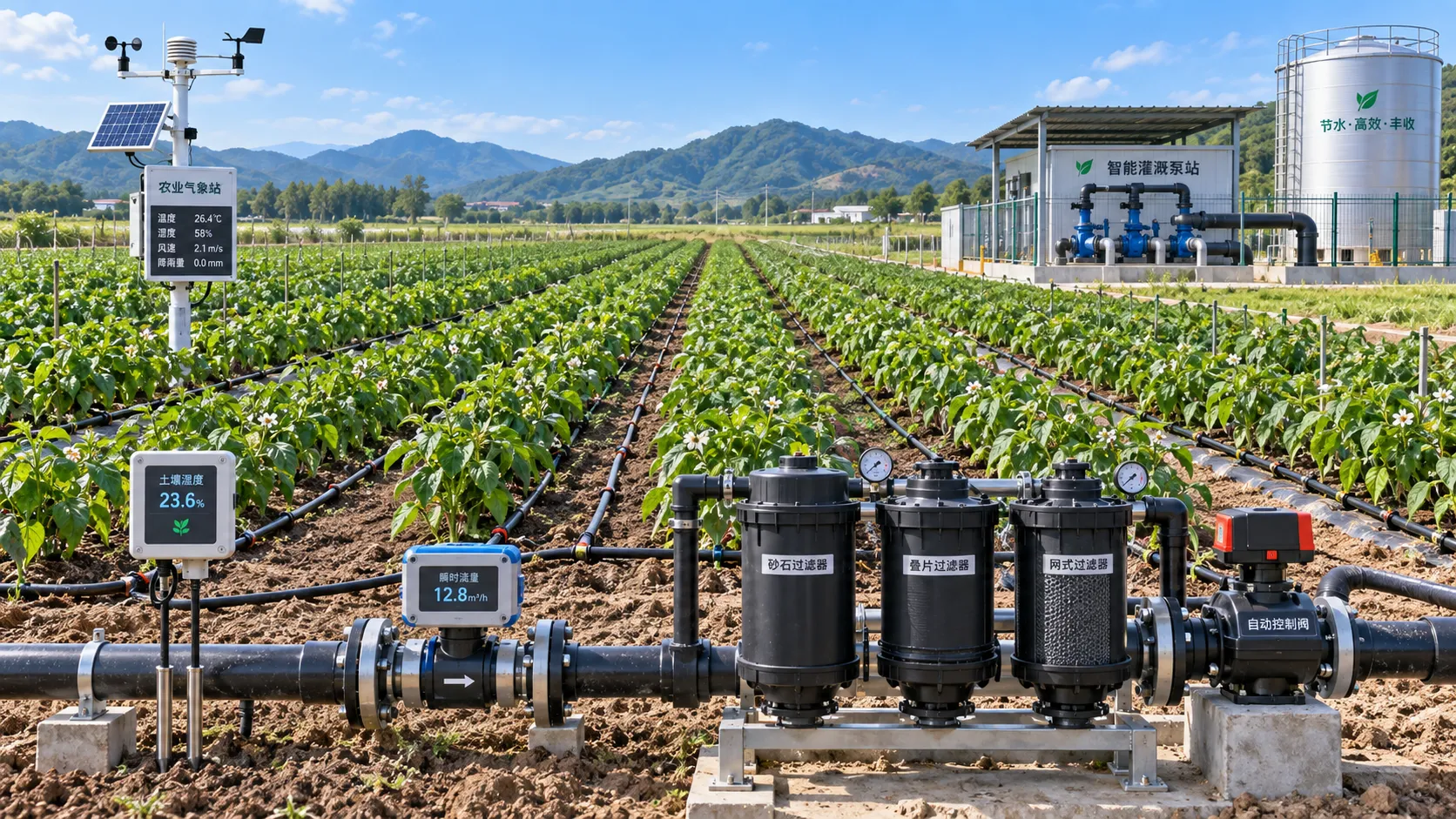
Automated Water-Saving Irrigation: How to Cut Water Use Without Reducing Crop Yields
Automated water-saving irrigation helps farms cut water use, protect crop yields, improve scheduling, and gain reliable control with sensors, flow monitoring, and smart zones.
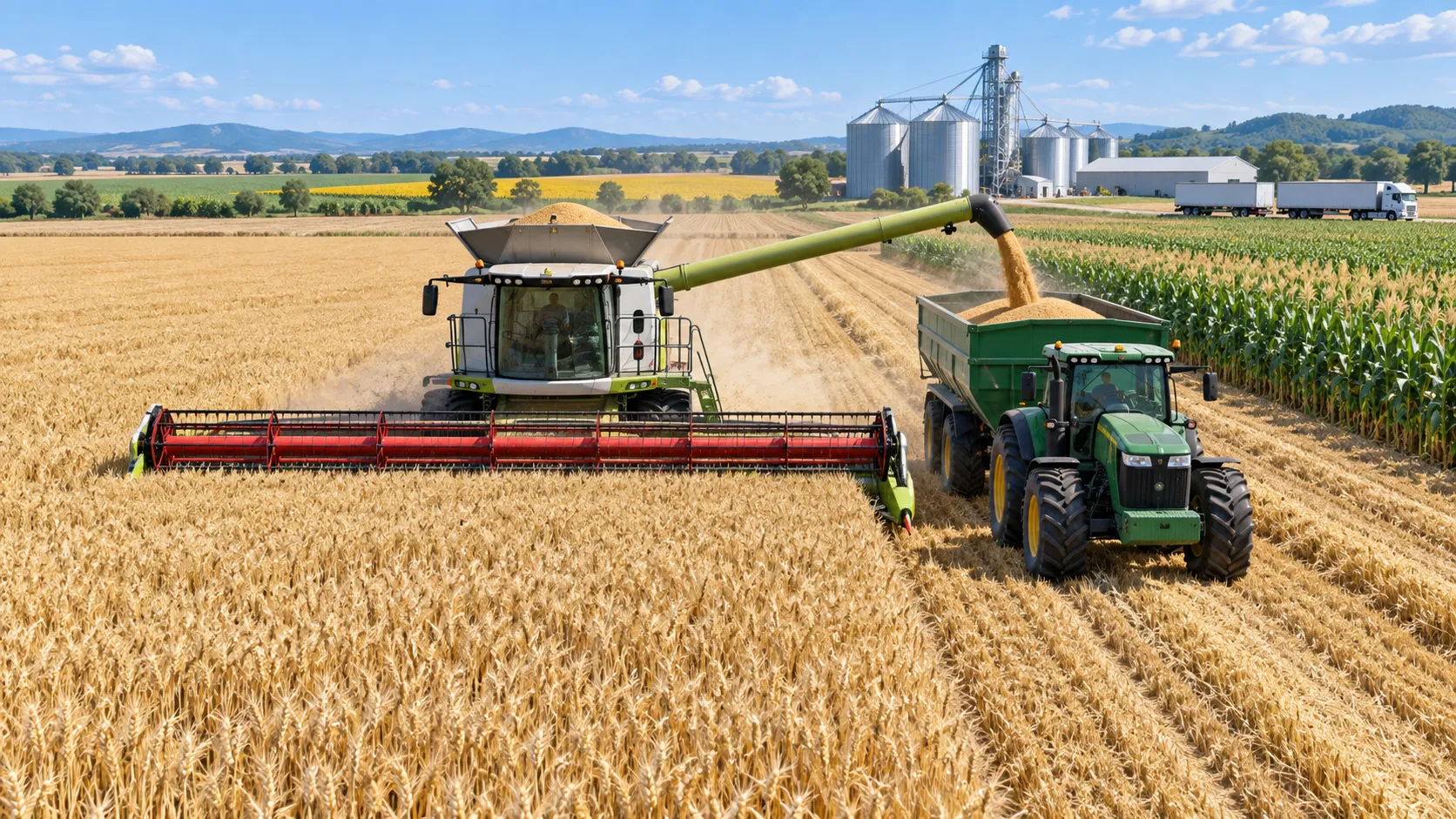
Selecting Grain Farm Equipment by Acreage, Crop Mix, and Harvest Window
Agricultural equipment selection for grain farming: match machinery to acreage, crop mix, and harvest windows to improve uptime, efficiency, and returns.
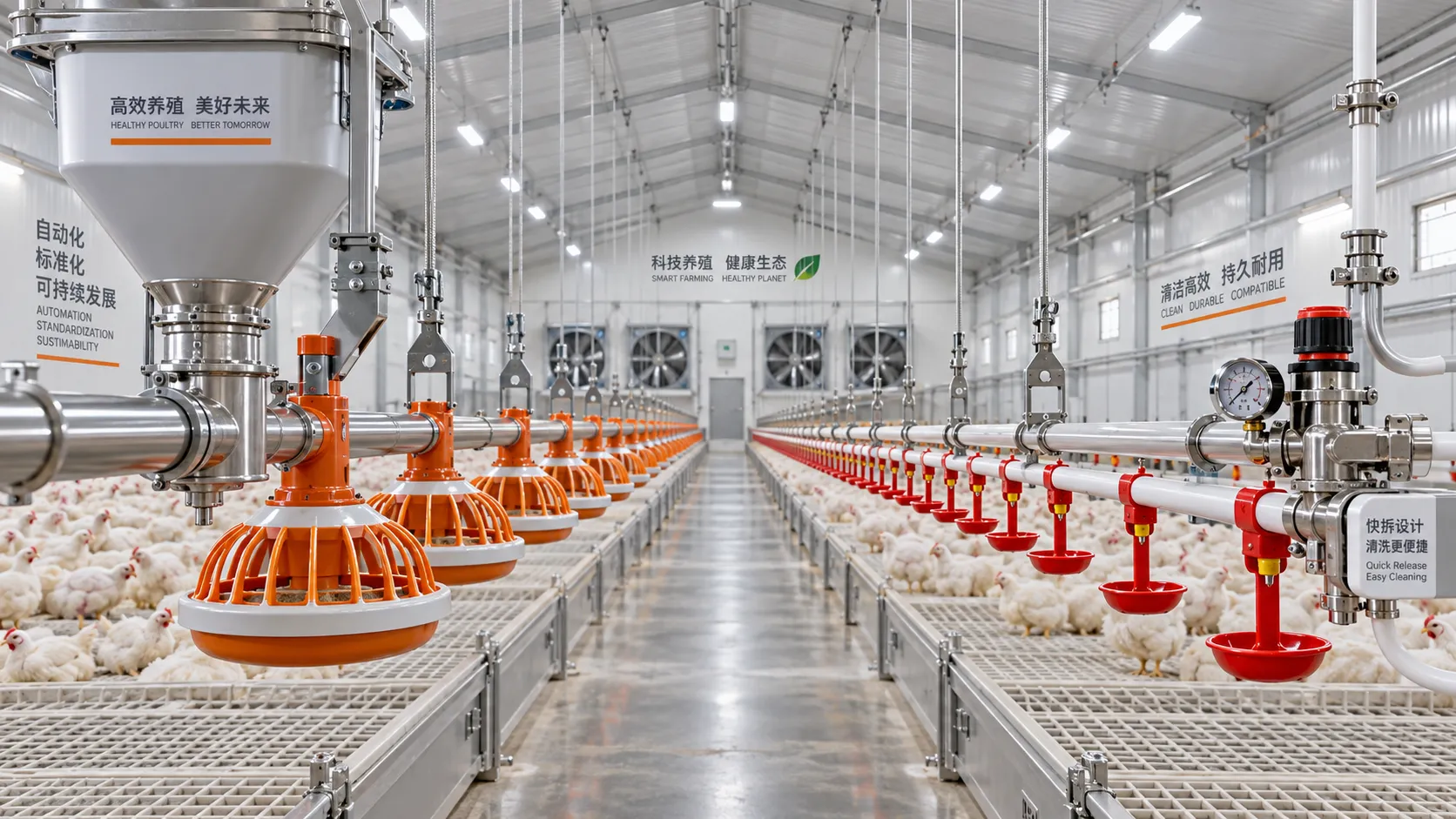
Poultry Equipment Selection: Evaluating Durability, Cleaning, and Compatibility
Poultry equipments selection guide: evaluate durability, cleaning access, and system compatibility to improve hygiene, reduce downtime, and support efficient flock management.
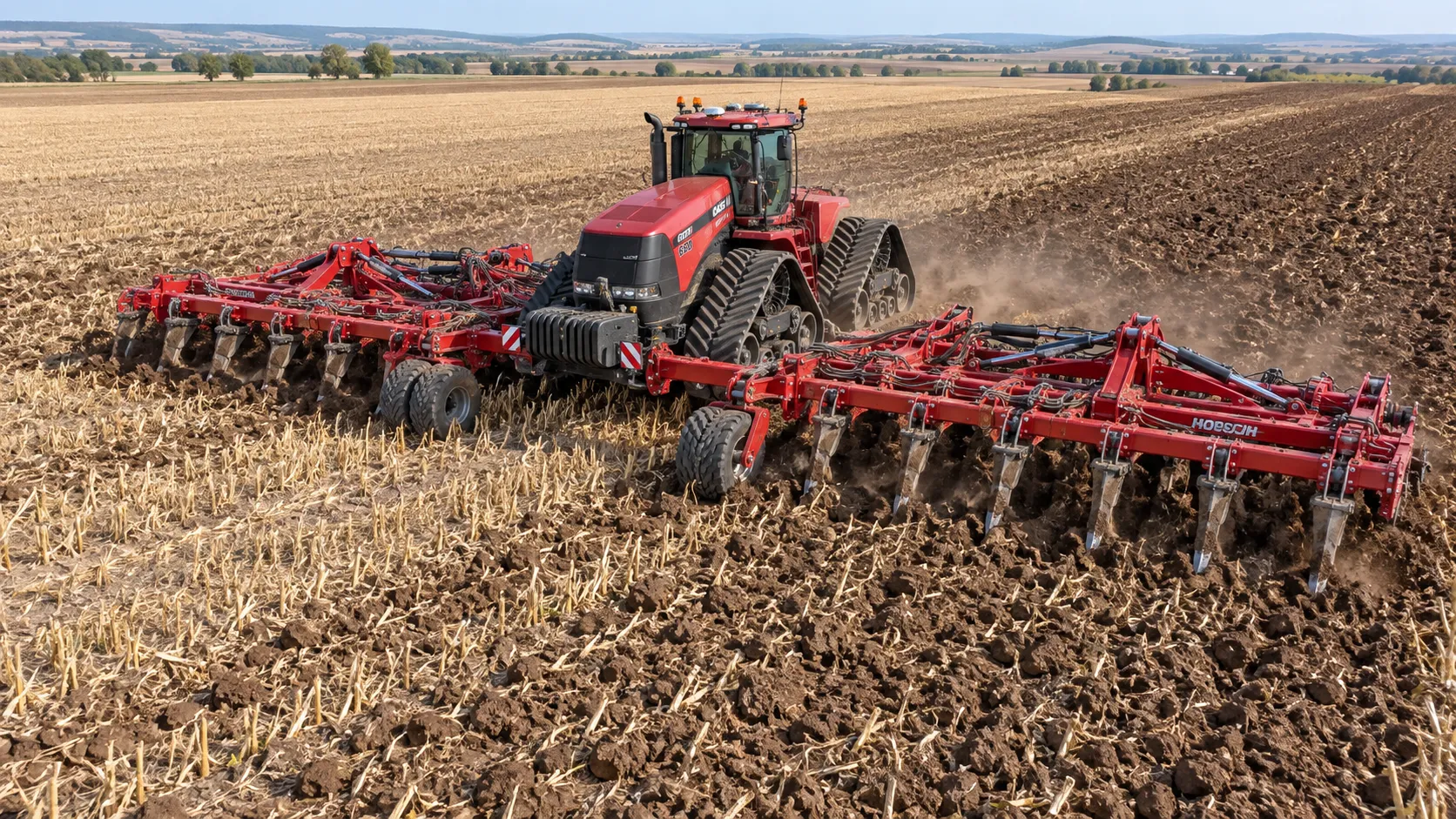
How to Select Heavy-Duty Farm Implements for High-Acreage, High-Horsepower Operations
Heavy duty farm implements: learn how to match draft, hydraulics, hitch capacity, frame strength, and field conditions for reliable high-acreage performance.
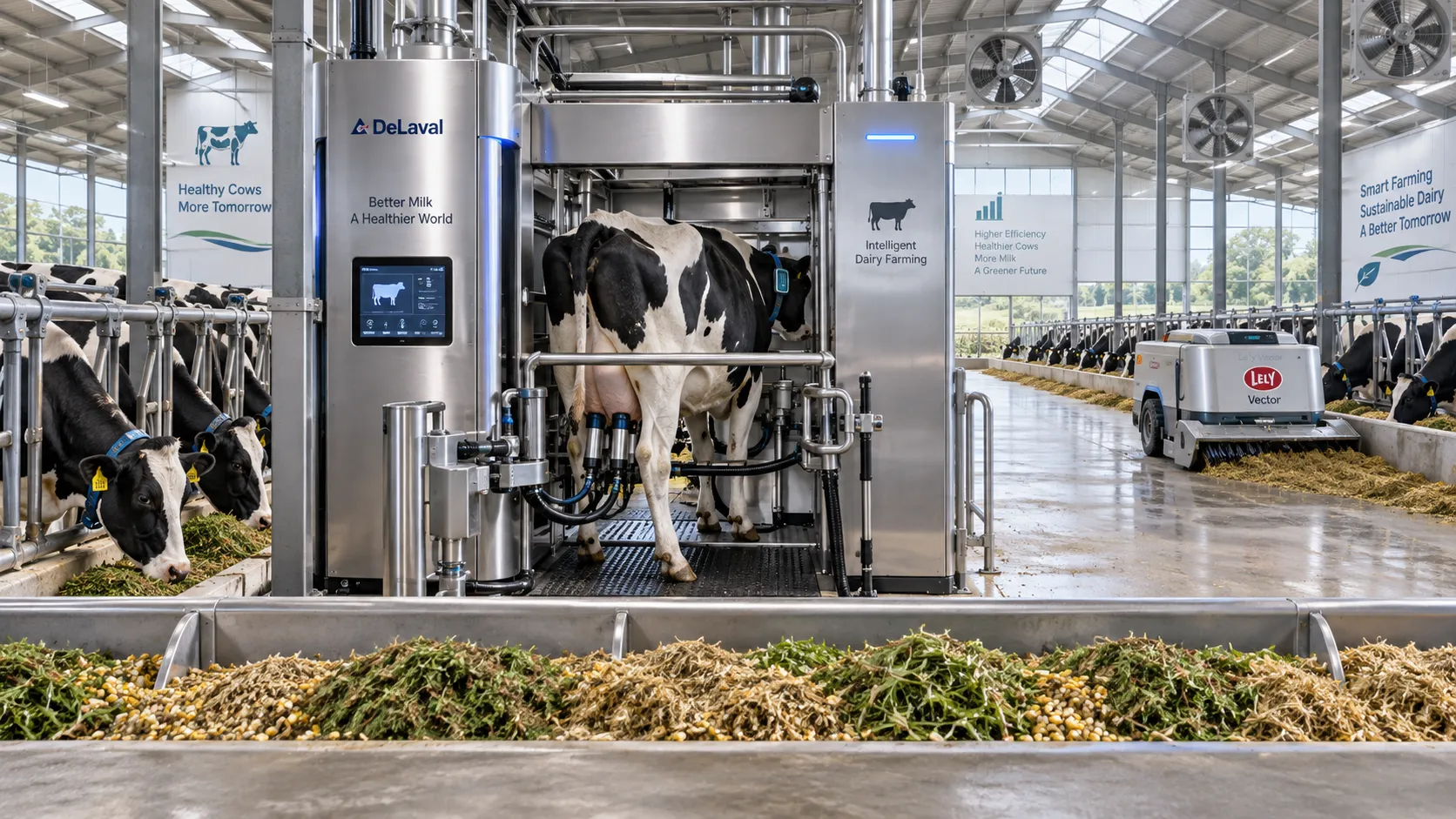
Smart Farming Technology for Dairy Farms: Where Automation Delivers Measurable ROI
Smart farming technology for dairy farms delivers measurable ROI through automation, precision feeding, health monitoring, and data-driven cost control.
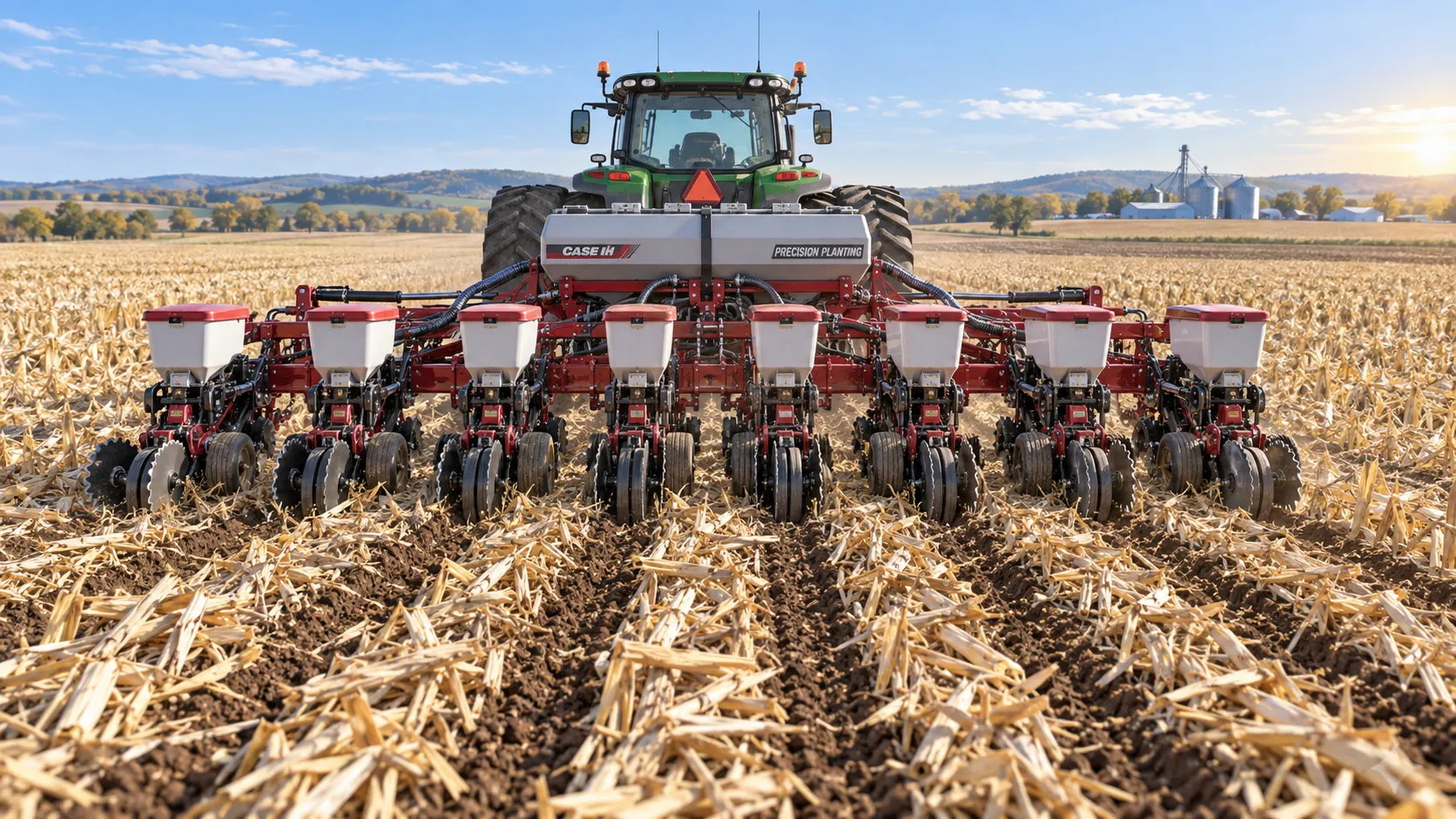
How to Select a Heavy-Duty Seeder for Large Acreage and High-Residue Fields
Heavy duty seeders for large acreage: compare residue handling, depth control, downforce, metering accuracy, and precision features to select the right model.
Related News
- 00
0000-00
How Does Farm Mechanization Affect Food Security in Developing Regions? - 00
0000-00
Agricultural Technology Insights by Region: Where Adoption Is Growing Fastest - 00
0000-00
How Climate-Smart Agriculture Technology Improves Yield, Soil Health, and Risk Resilience - 00
0000-00
Smart Farming Solutions in Latin America: Which Technologies Fit Large Farms Best? - 00
0000-00
Long-Cycle Agri-Trade Price Trends: How to Read Supply, Freight, and Currency Signals
Popular Tags
Prof. Marcus Chen
Weekly Insights
Stay ahead with our curated technology reports delivered every Monday.