
Is Agriculture 4.0 Fixing Data Gaps on Real Farms?
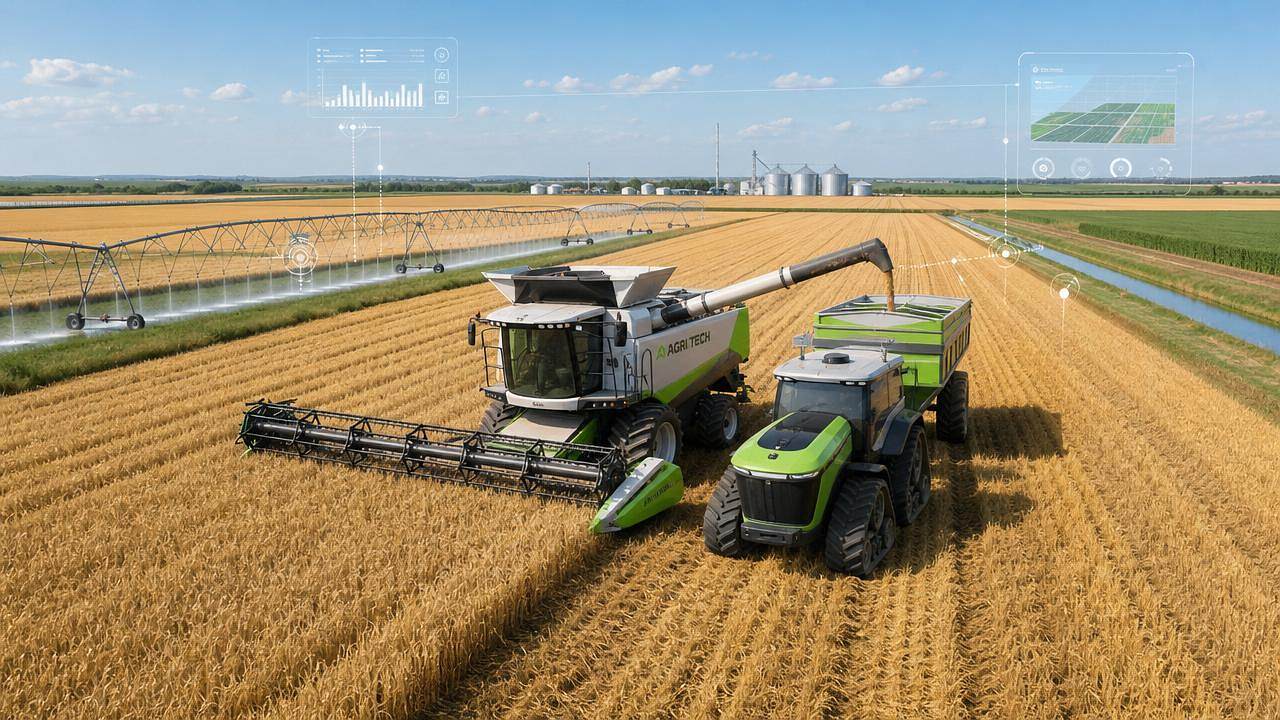




Is Agriculture 4.0 truly closing the data gaps that still limit performance on real farms? For enterprise decision-makers, the answer matters far beyond technology hype. From large-scale machinery and combine harvesters to intelligent irrigation, Agriculture 4.0 is reshaping how field data, machine feedback, and operational decisions connect—turning fragmented information into actionable intelligence for productivity, resilience, and long-term competitiveness.
The real shift is not more data, but better field connection
The strongest trend signal around Agriculture 4.0 is clear: farms are no longer struggling only because they lack digital tools. They struggle because critical information remains disconnected across machines, agronomy, labor, irrigation, maintenance, and weather risk. In many operations, tractors collect one stream of data, combine harvesters generate another, irrigation systems hold a third, and management decisions still rely on manual interpretation. The result is a modern-looking technology stack with old-fashioned blind spots.
That is why the conversation has changed. A few years ago, the market focused on adopting sensors, telematics, guidance systems, and farm software. Now the focus is shifting toward integration quality, decision speed, and operational usefulness. Enterprise buyers are asking a harder question: does Agriculture 4.0 actually reduce uncertainty on real farms, under real workloads, across mixed fleets and variable field conditions?
For intelligence-driven platforms such as AP-Strategy, this matters because the next competitive advantage will not come from isolated digital features. It will come from stitching together machine performance, crop response, water use, and timing decisions into one reliable operating picture. In other words, Agriculture 4.0 is moving from technology adoption to decision architecture.
Why data gaps still persist on real farms
Despite rapid digitalization, many farms still face structural data gaps. These are not always caused by missing sensors. More often, they result from inconsistent data quality, poor interoperability, delayed transmission, or lack of operational context. A yield map may exist, but without machine-loss data, soil variability, irrigation timing, and input records, it explains little. A harvester alert may appear on screen, but if it does not link to maintenance planning or grain-loss implications, action is delayed.
This explains why Agriculture 4.0 remains both promising and incomplete. Real farms are dynamic systems. Equipment ages at different rates. Operators vary in skill. Fields differ by topography, soil profile, and water availability. Connectivity can be unstable. Data is generated continuously, but decision windows are short. During planting, spraying, and harvesting, even a few hours of delay can turn information into missed opportunity.
For large-scale farm equipment, combine harvesting technology, and smart irrigation systems, the challenge is especially visible. These assets generate high-value signals, yet their business value depends on whether the signals can be translated into actionable recommendations at the right moment. That translation layer is where many operations still fall short.
The key drivers pushing Agriculture 4.0 toward practical value
Several forces are pushing Agriculture 4.0 from experimental promise toward field-level accountability. Decision-makers should watch these drivers closely because they explain why the market is demanding more operationally useful intelligence, not just more digital features.
These drivers are forcing a more mature standard for Agriculture 4.0. Buyers increasingly expect systems to connect machine diagnostics with agronomic outcomes, and operational alerts with financial consequences. That is a significant market change.
Where Agriculture 4.0 is making the biggest difference
The practical value of Agriculture 4.0 is strongest where data can directly influence timing, loss reduction, or input precision. In large-scale farming, that usually means operations where minor inefficiencies become major cost drivers when multiplied across hectares, fuel consumption, and machine hours.
Combine harvesting: from machine telemetry to loss control
Combine harvesters are becoming an important test case for whether Agriculture 4.0 is closing data gaps. Harvest efficiency is highly sensitive to crop moisture, field conditions, machine settings, and operator behavior. When telematics, loss sensors, cleaning system feedback, and route optimization work together, managers can see not only where harvesting happened, but how effectively it happened. That shift turns harvesting from a completion metric into a performance metric.
The business implication is direct: better data linkage can reduce grain loss, protect machine uptime, improve throughput, and support post-season decisions on equipment configuration and fleet renewal.
Tractor chassis and power systems: from hardware status to operational continuity
In tractor-intensive operations, Agriculture 4.0 is increasingly about anticipating performance limits before they disrupt field schedules. Transmission load, hydraulic behavior, fuel efficiency, traction patterns, and implement response all create useful signals. When these signals are isolated, they support maintenance. When connected to field conditions and work plans, they support continuity. That is the difference between reacting to failures and managing operational risk.
Intelligent irrigation: from moisture readings to resource strategy
Water-saving irrigation systems show another major trend: farms are moving beyond simple monitoring toward predictive allocation. Agriculture 4.0 becomes valuable when soil moisture, evapotranspiration estimates, weather forecasts, pump performance, and crop growth stages are considered together. This reduces over-irrigation, supports water recycling strategy, and improves confidence in drought-sensitive planning.
For regions facing climate volatility, this is no longer just a technical upgrade. It is becoming a resilience strategy tied to yield stability, energy use, and regulatory readiness.
Who feels the impact most across the agricultural value chain
The impact of Agriculture 4.0 is uneven. Some participants gain immediate operational visibility, while others feel pressure to adapt their service models, procurement logic, or sales positioning.
What enterprise decision-makers should watch next
For decision-makers, the next phase of Agriculture 4.0 should be evaluated through a practical lens. The most important question is not whether a platform can collect data. It is whether the platform reduces friction between observation and action. That means several signals deserve close attention.
First, interoperability is becoming a strategic differentiator. Farms with mixed fleets and varied digital tools need systems that can absorb data from multiple brands, implements, and irrigation assets. Closed systems may still perform well in specific environments, but open data architectures will likely gain importance as complexity increases.
Second, the quality of recommendations matters more than dashboard volume. Many digital products can visualize field activity. Fewer can provide trusted guidance on machine settings, water timing, maintenance risk, or operating trade-offs. Agriculture 4.0 will create more value where analytics are explainable, timely, and aligned with operator reality.
Third, data governance is moving into the strategic center. Ownership, access rights, storage security, and partner visibility affect commercial relationships across the value chain. As digital agriculture matures, enterprises will need clearer internal rules for how operational data is shared and monetized.
A practical framework for judging whether Agriculture 4.0 is closing your data gaps
A useful way to assess progress is to test Agriculture 4.0 against operational outcomes rather than technology features alone.
The strategic direction: from digital adoption to intelligence discipline
The broad direction is becoming easier to read. Agriculture 4.0 is not failing, but it is being forced to mature. The market is moving away from celebrating digital presence and toward demanding measurable operational discipline. That favors businesses that can connect hardcore machinery performance, precision farming logic, and sustainability requirements in one decision framework.
For AP-Strategy’s core domains—large-scale agri-machinery, combine harvesters, tractor chassis, intelligent farm tools, and water-saving irrigation systems—the winning position will likely belong to enterprises that treat data gaps as strategic inefficiencies, not technical inconveniences. Closing those gaps requires more than device deployment. It requires cross-functional intelligence: engineering insight, field execution, agronomic interpretation, and resource management working together.
Final judgment and next-step questions for enterprises
So, is Agriculture 4.0 fixing data gaps on real farms? Increasingly yes—but unevenly, and only where integration, timing, and decision relevance are taken seriously. The strongest evidence is appearing in operations where machine data directly improves harvesting efficiency, irrigation precision, uptime management, and resource accountability. The weakest results still come from fragmented deployments that create visibility without coordination.
If enterprises want to judge what this trend means for their own business, they should confirm a few practical questions. Which data gaps are currently causing the greatest economic loss? Where do machine signals fail to influence field decisions in time? Are existing platforms interoperable enough for mixed assets and future expansion? Can digital tools support compliance and sustainability reporting, not just operations? And does the organization have the internal capability to convert Agriculture 4.0 data into repeatable action?
Those questions will do more than evaluate technology. They will help determine whether Agriculture 4.0 becomes a true operating advantage—or remains a promising layer of information that never fully reaches the field.
Related News
When Does Agricultural Machinery Leasing Cost Less Than Owning Equipment?
Agricultural machinery leasing can lower farm costs when use is seasonal or uncertain. Compare utilization, maintenance, cash flow, and risk to make a smarter equipment decision.
How to Evaluate Precision Fertilization System Suppliers for Farm-Scale Deployment
Precision fertilization systems suppliers: learn how to compare accuracy, integration, uptime, service, and total cost for confident farm-scale deployment.
ISOBUS for Smart Agriculture: How It Connects Tractors, Implements, and Farm Data
ISOBUS for smart agriculture connects tractors, implements, terminals, and farm data—helping growers improve precision, documentation, and smarter field decisions.
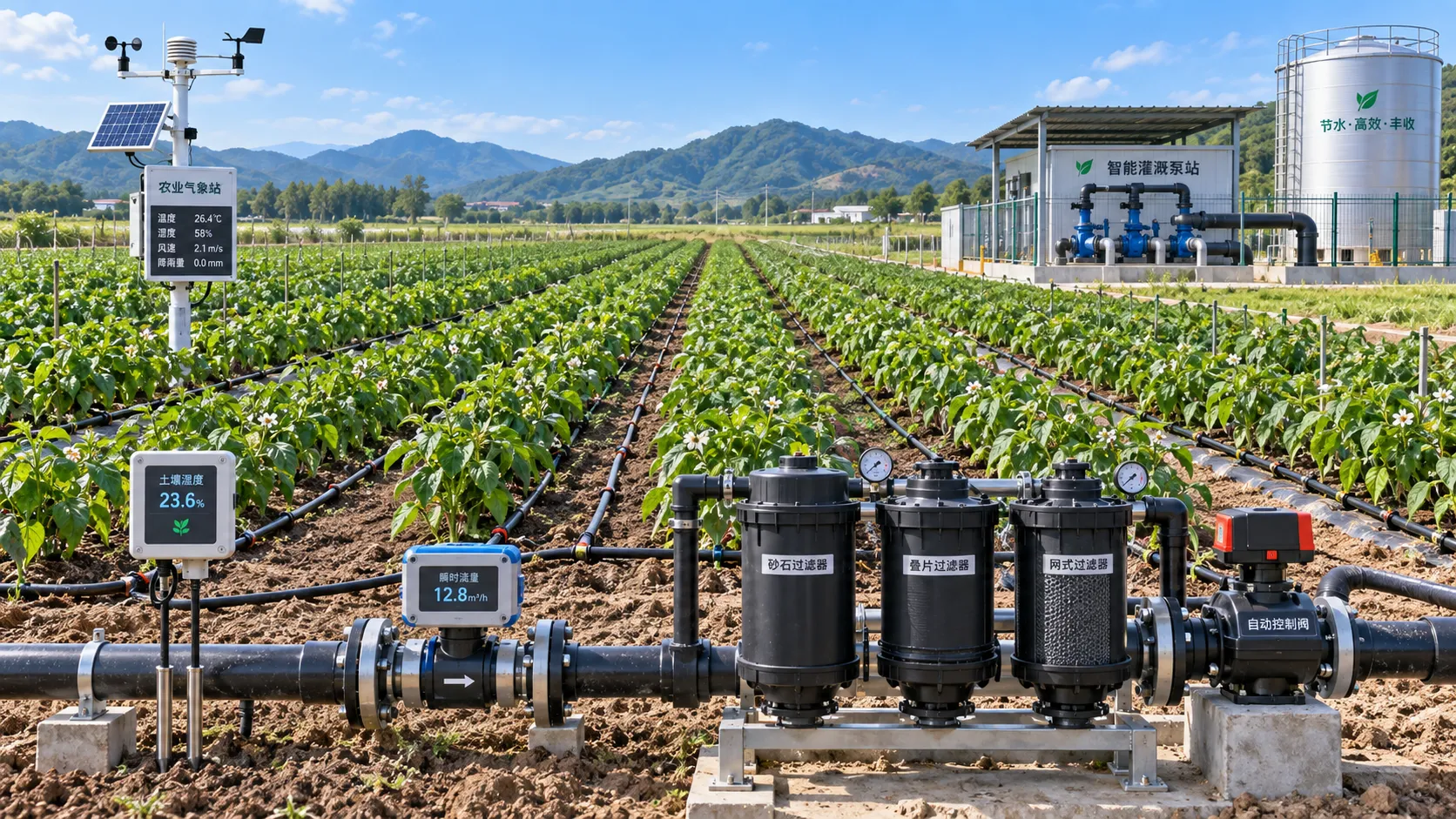
Automated Water-Saving Irrigation: How to Cut Water Use Without Reducing Crop Yields
Automated water-saving irrigation helps farms cut water use, protect crop yields, improve scheduling, and gain reliable control with sensors, flow monitoring, and smart zones.
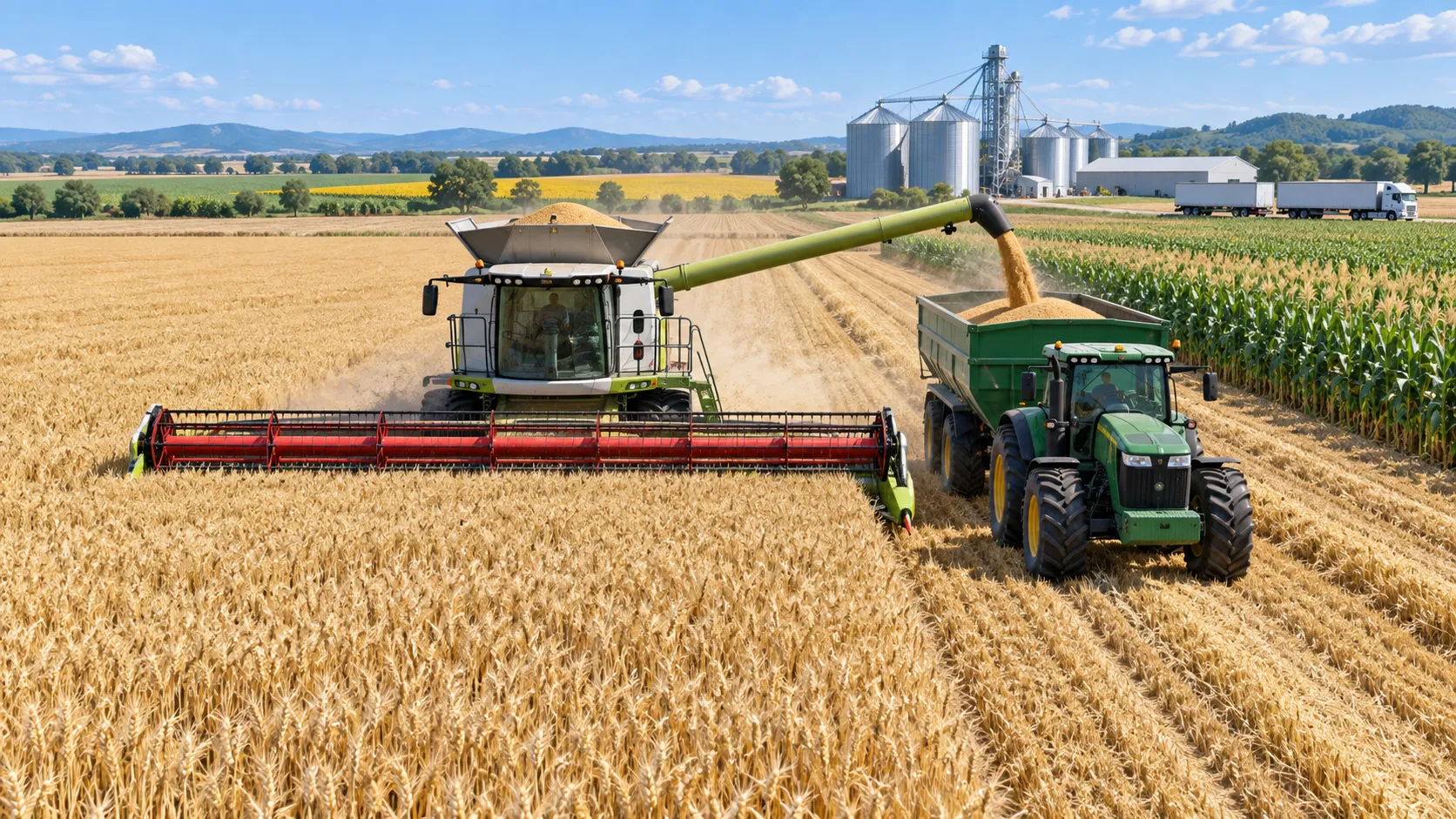
Selecting Grain Farm Equipment by Acreage, Crop Mix, and Harvest Window
Agricultural equipment selection for grain farming: match machinery to acreage, crop mix, and harvest windows to improve uptime, efficiency, and returns.
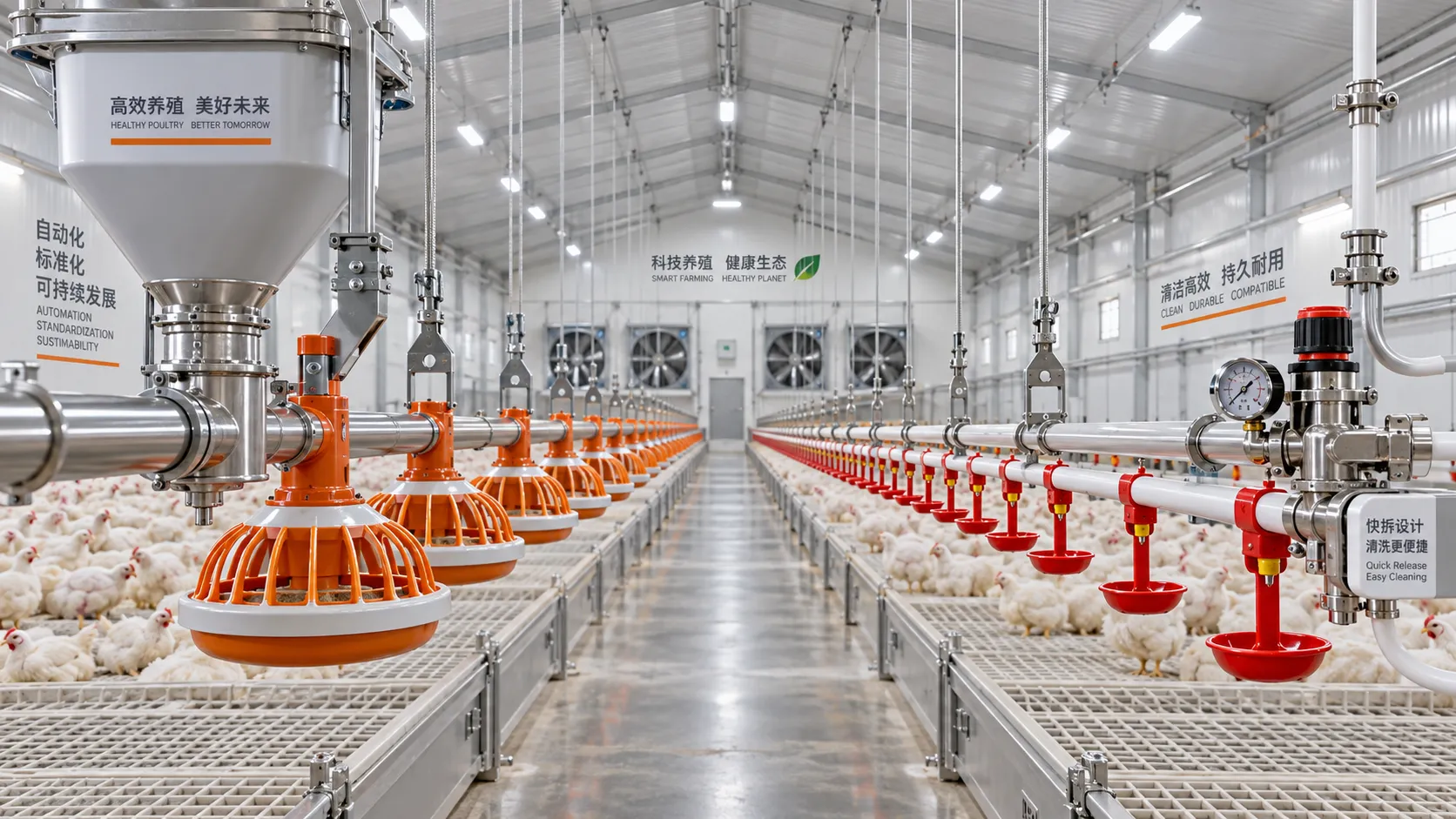
Poultry Equipment Selection: Evaluating Durability, Cleaning, and Compatibility
Poultry equipments selection guide: evaluate durability, cleaning access, and system compatibility to improve hygiene, reduce downtime, and support efficient flock management.
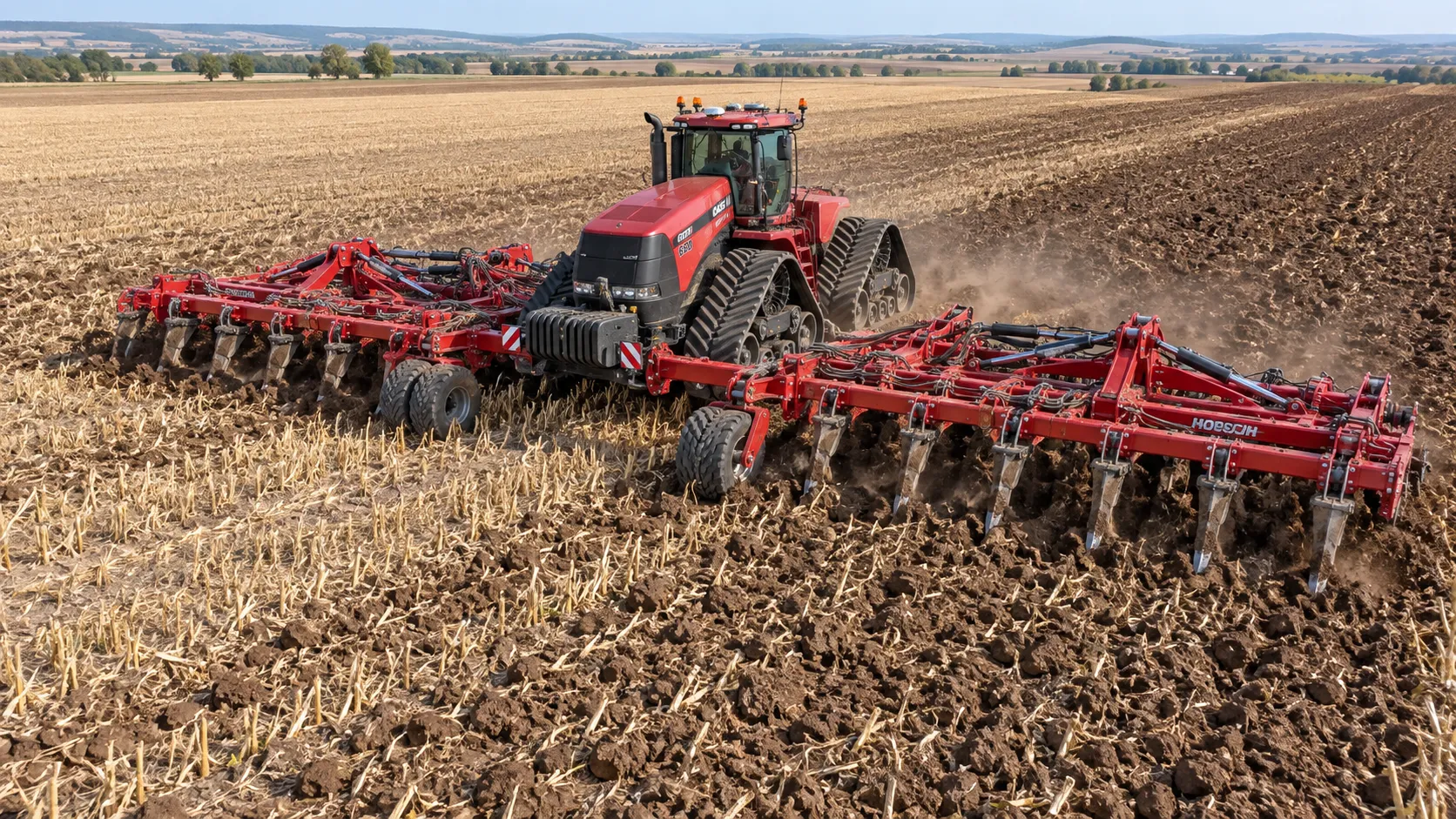
How to Select Heavy-Duty Farm Implements for High-Acreage, High-Horsepower Operations
Heavy duty farm implements: learn how to match draft, hydraulics, hitch capacity, frame strength, and field conditions for reliable high-acreage performance.
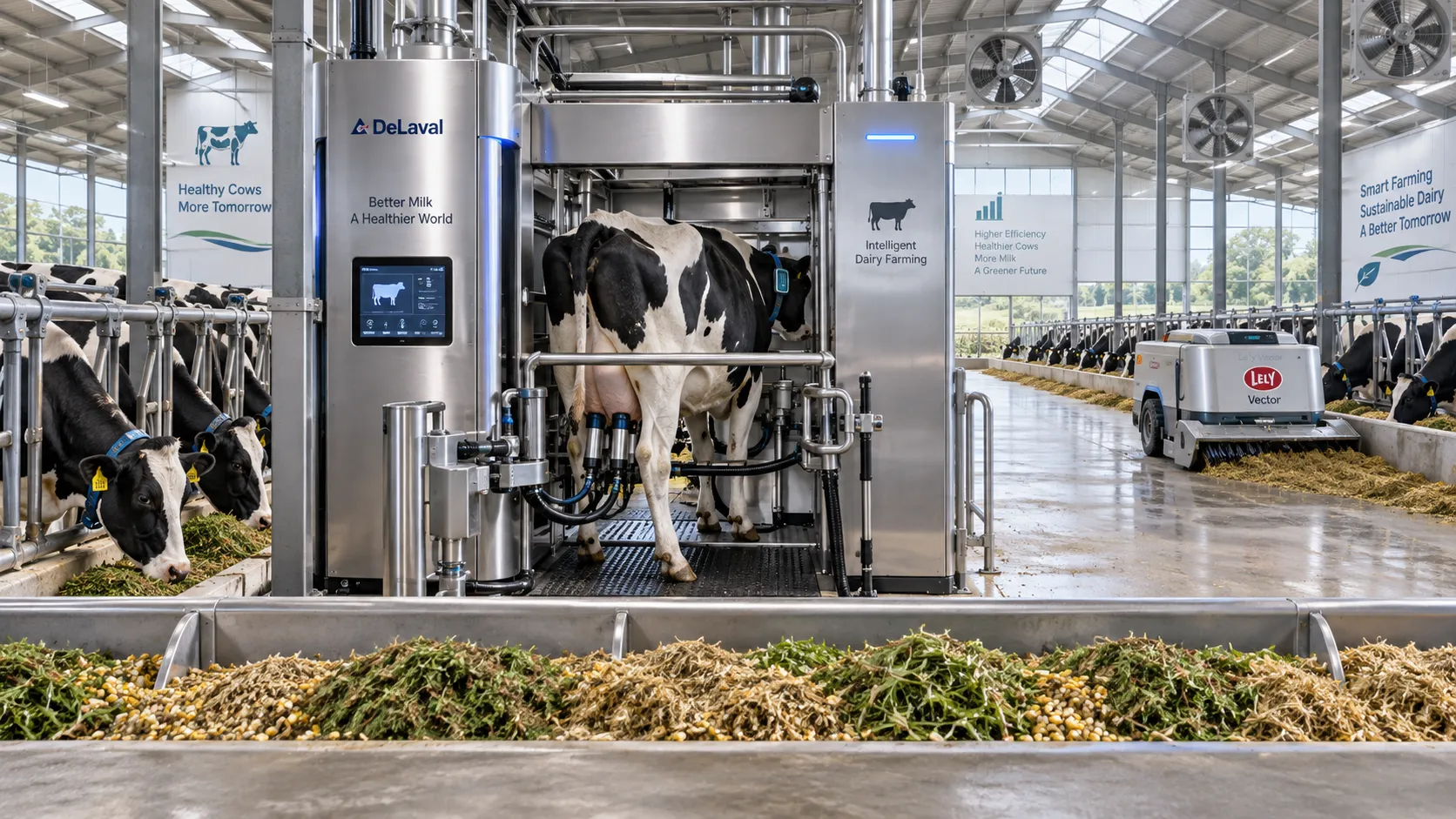
Smart Farming Technology for Dairy Farms: Where Automation Delivers Measurable ROI
Smart farming technology for dairy farms delivers measurable ROI through automation, precision feeding, health monitoring, and data-driven cost control.
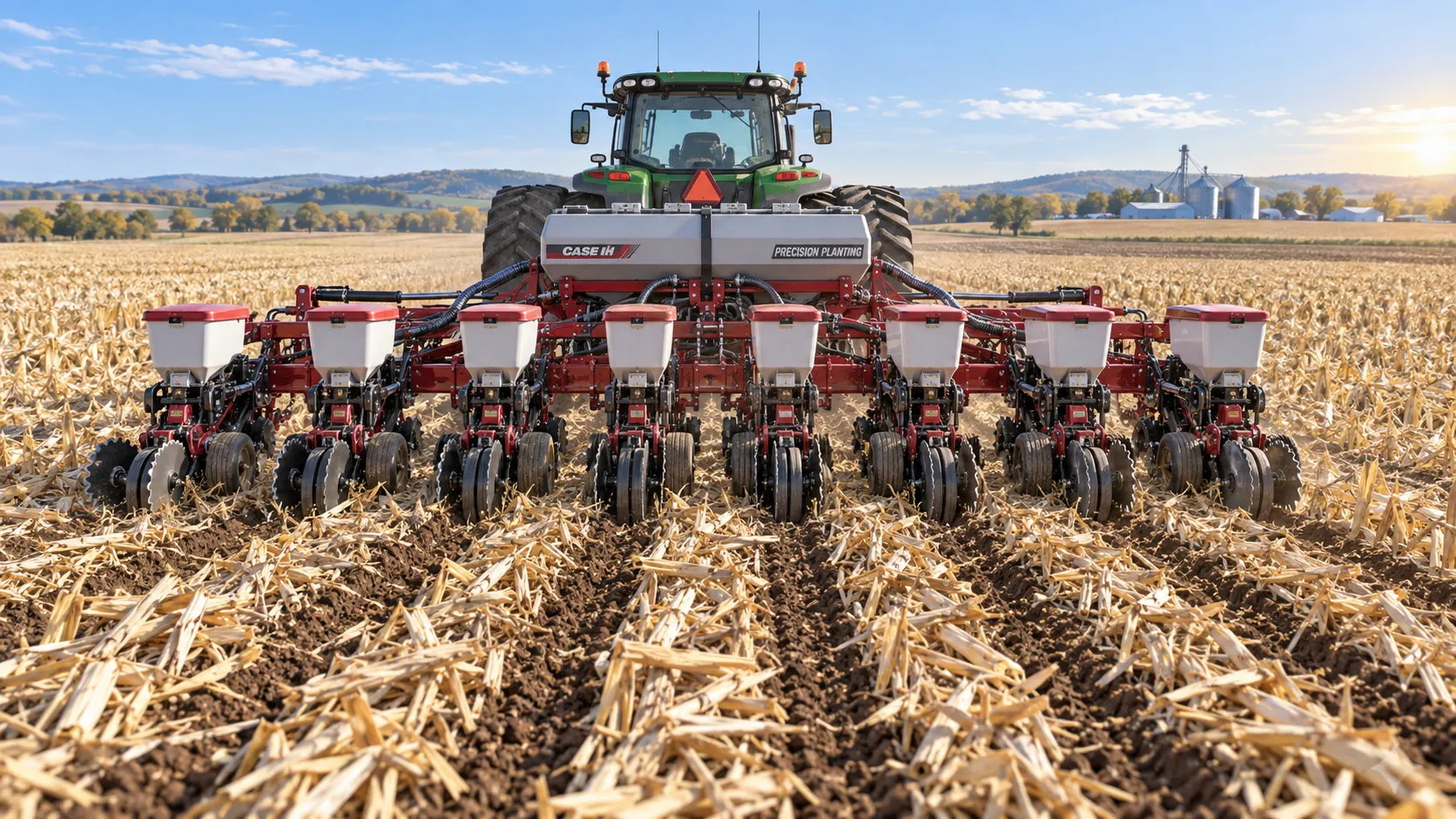
How to Select a Heavy-Duty Seeder for Large Acreage and High-Residue Fields
Heavy duty seeders for large acreage: compare residue handling, depth control, downforce, metering accuracy, and precision features to select the right model.
Related News
- 00
0000-00
How Does Farm Mechanization Affect Food Security in Developing Regions? - 00
0000-00
Agricultural Technology Insights by Region: Where Adoption Is Growing Fastest - 00
0000-00
How Climate-Smart Agriculture Technology Improves Yield, Soil Health, and Risk Resilience - 00
0000-00
Smart Farming Solutions in Latin America: Which Technologies Fit Large Farms Best? - 00
0000-00
Long-Cycle Agri-Trade Price Trends: How to Read Supply, Freight, and Currency Signals
Popular Tags
Prof. Marcus Chen
Weekly Insights
Stay ahead with our curated technology reports delivered every Monday.