
Climate-Resilient Agriculture Needs More Than Drought Tolerance
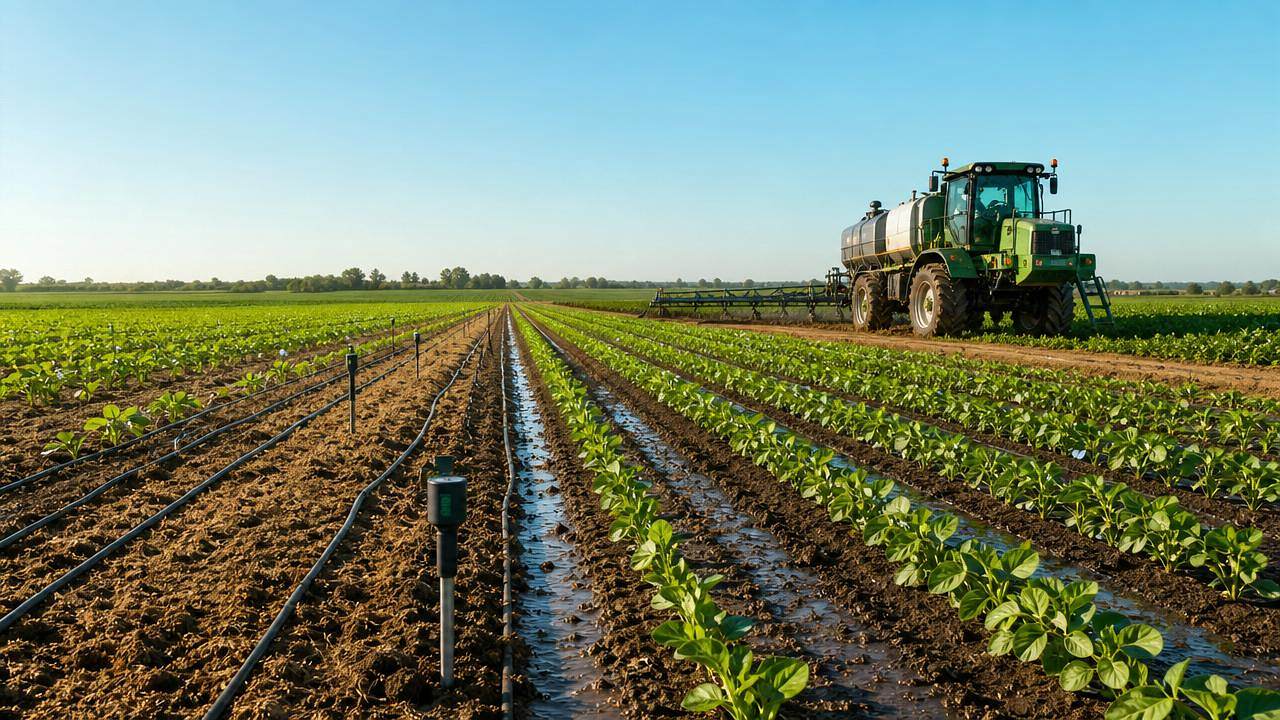




Climate-resilient agriculture cannot rely on drought tolerance alone. As weather extremes, water stress, soil degradation, and yield volatility intensify, farmers need integrated solutions that connect machinery performance, precision irrigation, data-driven decision-making, and sustainable field management. This article explores why true resilience depends on a broader systems approach across the modern agricultural value chain.
Why Scenario Differences Matter in Climate-Resilient Agriculture
For information researchers, the biggest mistake is to treat climate-resilient agriculture as a single technology category. In practice, resilience is shaped by where the farm operates, what crops it grows, how much mechanization it can support, and how exposed it is to drought, flooding, heat stress, labor shortages, or unstable input costs. A dryland grain farm does not evaluate resilience the same way a high-value vegetable producer or an irrigated plantation does.
This is why drought-tolerant seeds, while valuable, are only one component of the decision chain. If harvest windows are shortened by storms, the farm may need faster combine harvesting technology. If water allocations are uncertain, intelligent irrigation systems may deliver more resilience than genetics alone. If soils are compacted and rainfall arrives in intense bursts, machinery weight, tillage strategy, and drainage planning become critical. Climate-resilient agriculture is therefore not one purchase, but a field-level operating model.
From the AP-Strategy perspective, resilient farming decisions increasingly sit at the intersection of large-scale agri-machinery, precision algorithms, irrigation control, and sustainability metrics. The key question is not simply “Is this farm drought exposed?” but “Which operational bottlenecks will fail first under climate pressure?”
A Quick Scenario Map: Where Broader Resilience Is Most Needed
The demand for climate-resilient agriculture usually emerges in a few recurring business scenarios. Researchers, distributors, and farm planners can use the comparison below to identify which resilience levers deserve the most attention in each case.
The table highlights a simple truth: climate-resilient agriculture must be adapted to the production environment. A one-size-fits-all response often creates hidden costs, from poor machinery matching to inefficient water use and delayed operations.
Scenario 1: Rainfed Grain Systems Need Operational Speed, Not Just Tougher Crops
Rainfed grain regions are often the first places where climate-resilient agriculture is discussed, because yield losses from drought and heat are visible and immediate. Yet the most resilient operators in these systems usually combine crop genetics with field traffic planning, residue management, precision nutrient placement, and high-throughput harvesting capacity.
In this scenario, harvest timing can become as important as in-season survival. A crop that tolerates moisture stress may still lose value if storms flatten it before harvest or if wet conditions prevent field entry. This is where combine harvesting technology, chassis traction performance, and low-loss separation systems matter. Resilience is not only about producing biomass under stress, but about capturing marketable yield under unstable weather.
For large farms, the resilience decision often centers on machine capacity per day, fuel efficiency under heavy loads, and the ability to move quickly across variable field conditions. For smaller operators, the question may shift toward custom harvesting access, machine sharing, or phased upgrades that reduce field delays. In both cases, drought tolerance helps, but operational bottlenecks decide outcomes.
Scenario 2: Irrigated Farming Requires Water Intelligence More Than Water Access Alone
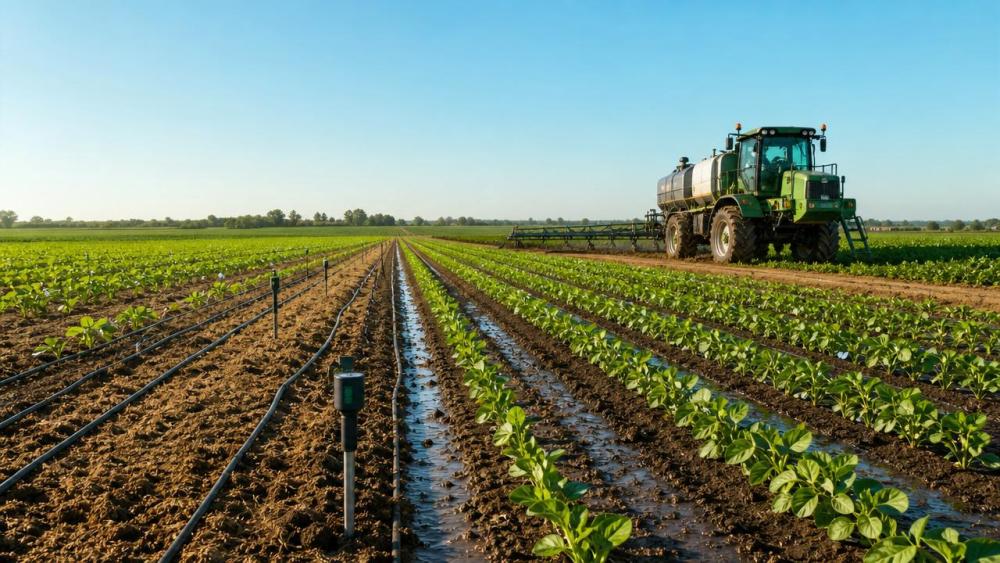
In irrigated systems, many decision-makers assume water infrastructure automatically delivers climate-resilient agriculture. That is increasingly inaccurate. Climate change is making water supply less predictable, while energy prices, groundwater restrictions, and salinity risk are reshaping the economics of irrigation. As a result, the resilient farm is not always the one with the most water, but the one that applies the right amount at the right time.
This is where intelligent irrigation systems become central. Sensor-driven scheduling, evapotranspiration models, variable-rate control, and leak detection can reduce unnecessary water use while stabilizing crop performance. For an information researcher, the practical lens is clear: resilience should be measured by water productivity, response speed, and decision accuracy, not by installed hardware volume alone.
Another important distinction concerns crop value. For commodity crops, efficient water allocation may focus on cost per hectare and yield stability. For specialty crops, it may focus more on quality consistency, uniformity, and risk to premium market contracts. Climate-resilient agriculture in irrigated settings therefore depends on both hydrological strategy and commercial priorities.
Scenario 3: Flood, Waterlogging, and Soil Damage Are Often the Overlooked Side of Resilience
A major blind spot in climate-resilient agriculture is the tendency to define resilience only through water scarcity. In many regions, the real challenge is volatility: long dry periods interrupted by intense rainfall. These conditions can destroy soil structure, delay planting, trigger disease pressure, and make machinery access difficult even if total annual rainfall appears adequate.
Under this scenario, resilient planning must include drainage layout, compaction control, tire or track selection, and field pass discipline. Heavy machines can protect harvest timeliness but also worsen subsoil damage if used at the wrong moment. That is why equipment choice should be linked to soil-bearing conditions and traffic management, not evaluated in isolation.
For mixed farms or regions with uneven terrain, scenario testing is especially useful. How many days of field access are lost after a major rain event? How quickly can a tractor chassis recover traction? Can the harvesting system maintain grain quality during compressed work windows? These are the questions that move climate-resilient agriculture from broad ambition to field reality.
Scenario 4: High-Value Crops Need Precision, Traceability, and Micro-Level Control
High-value horticulture, orchards, and vegetable systems face a different resilience logic. Here, moderate climate stress can cause disproportionate commercial damage because quality, appearance, and harvest timing matter as much as total output. In these operations, climate-resilient agriculture is less about surviving extremes in a broad-acre sense and more about controlling variability at the plant, row, or block level.
Micro-irrigation, fertigation accuracy, canopy monitoring, and localized sensor networks become more important than large-field averages. A small irrigation miscalculation can affect firmness, sugar content, shelf life, or export compliance. Likewise, labor disruption during a heat event may require semi-automated tools or different harvest sequencing. The resilient system is the one that can see stress early, respond quickly, and document decisions across the crop cycle.
For researchers comparing technologies, this means avoiding generic resilience benchmarks. The right evaluation criteria for horticulture often include water-use efficiency per marketable unit, disease risk reduction, post-harvest impact, and digital traceability for management adjustments.
How Different Farm Types Should Judge Fit
Not every resilience investment fits every operator. The practical value of climate-resilient agriculture depends on scale, capital cycle, labor model, and management maturity. Before choosing technology pathways, stakeholders should test fit against business conditions.
Common Misjudgments When Assessing Climate-Resilient Agriculture
Several recurring errors weaken resilience planning. First, many teams overfocus on input selection and underinvest in execution capacity. Second, they measure average seasonal performance instead of vulnerability during critical windows such as planting, peak transpiration, or harvest. Third, they separate water, machinery, and agronomy decisions even though climate stress affects them simultaneously.
Another misjudgment is to buy advanced tools without a response workflow. Sensors are useful only if managers know when to irrigate, when to pause field traffic, or when to accelerate harvest. In this sense, climate-resilient agriculture depends as much on decision systems as on physical equipment. Farms that combine field data, machine performance metrics, and weather intelligence are usually better positioned than those that invest in isolated technologies.
A Practical Selection Framework for Researchers and Decision-Makers
When evaluating solutions, start with scenario diagnosis rather than product categories. Identify the dominant climate stress, the most expensive operational failure, and the field process least able to absorb disruption. Then map technologies to that failure point. If crop stress appears first, genetics and irrigation may lead. If timing loss creates the biggest damage, machinery throughput and logistics may matter more. If resource costs are climbing, precision control may offer the best resilience return.
For many organizations, the most effective climate-resilient agriculture strategy is layered: drought-tolerant crop choices, supported by smart water management, backed by machinery capable of operating within tighter weather windows, all coordinated through actionable data. This systems view aligns well with the Agriculture 4.0 transition, where intelligence stitching across field operations is becoming essential.
Conclusion: Resilience Is a Scenario-Based Operating Strategy
Climate-resilient agriculture needs more than drought tolerance because climate risk is broader than water shortage alone. Different scenarios demand different priorities: rainfed grain farms need timeliness and low-loss harvesting, irrigated systems need smarter water control, flood-prone areas need soil and access strategies, and high-value crops need precise micro-management. The most reliable decisions come from matching resilience tools to actual field constraints rather than following a single trend label.
For researchers, buyers, and strategy teams, the next step is to assess resilience through the lens of operating scenarios, not isolated technologies. By comparing machinery capability, irrigation intelligence, agronomic risk, and business exposure together, climate-resilient agriculture becomes a practical framework for better investment and stronger long-term productivity.
Related News
How to Select Precision Crop Protection Equipment for Variable Field Conditions
Precision crop protection equipment selection made simple: compare terrain, canopy, weather, control accuracy, and data workflows for reliable applications.
When Does Agricultural Machinery Leasing Cost Less Than Owning Equipment?
Agricultural machinery leasing can lower farm costs when use is seasonal or uncertain. Compare utilization, maintenance, cash flow, and risk to make a smarter equipment decision.
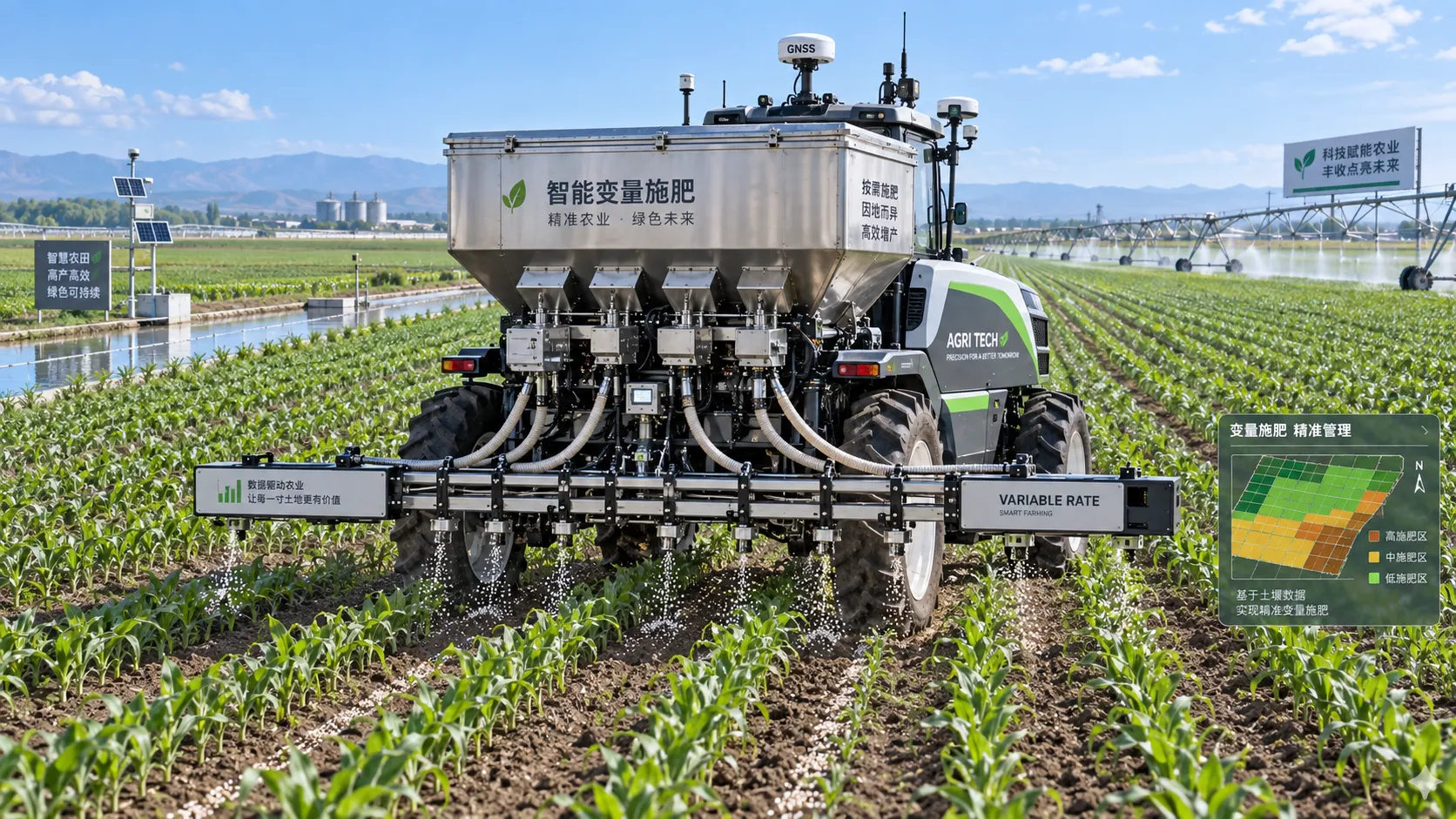
How to Evaluate Precision Fertilization System Suppliers for Farm-Scale Deployment
Precision fertilization systems suppliers: learn how to compare accuracy, integration, uptime, service, and total cost for confident farm-scale deployment.
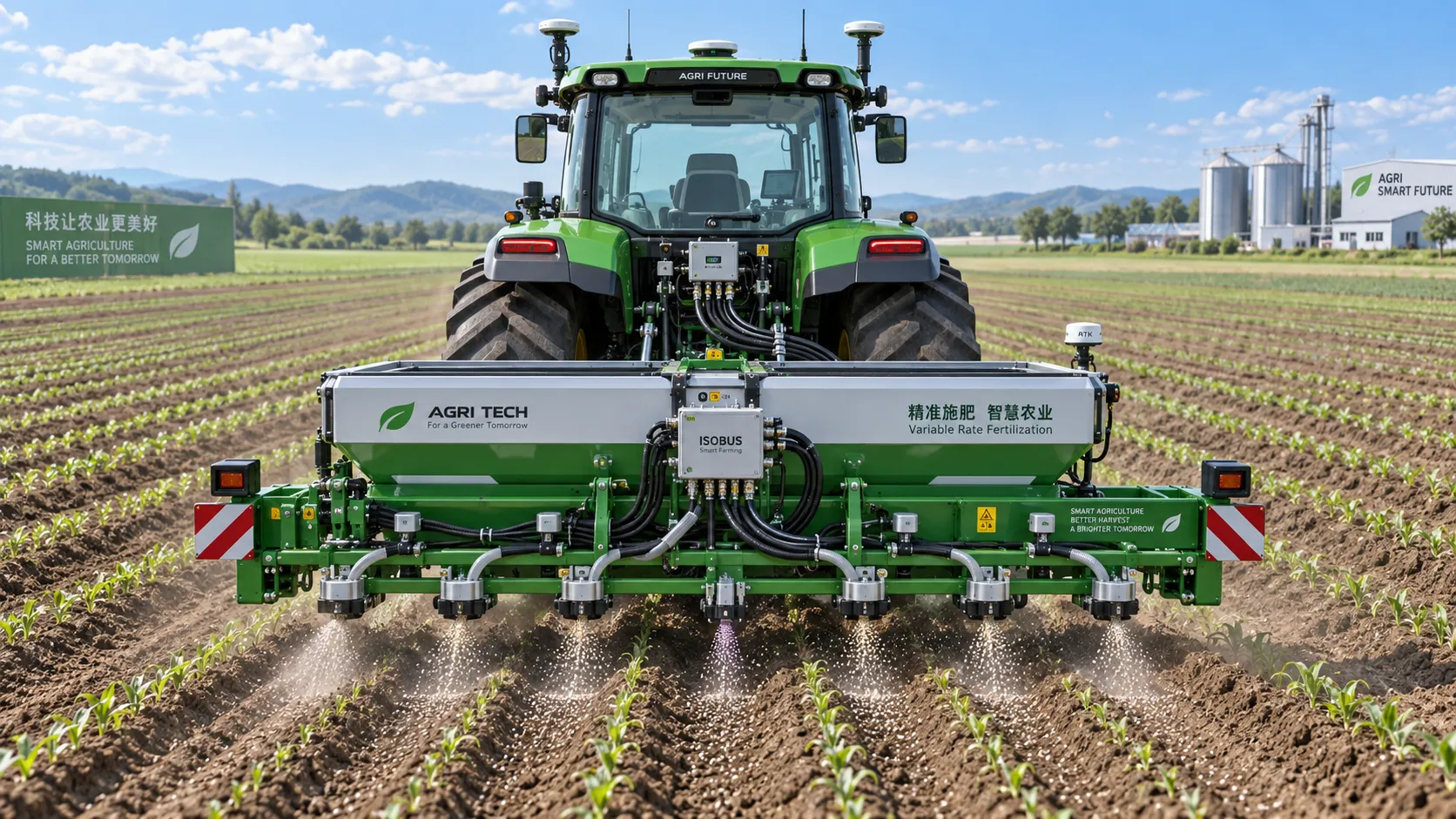
ISOBUS for Smart Agriculture: How It Connects Tractors, Implements, and Farm Data
ISOBUS for smart agriculture connects tractors, implements, terminals, and farm data—helping growers improve precision, documentation, and smarter field decisions.
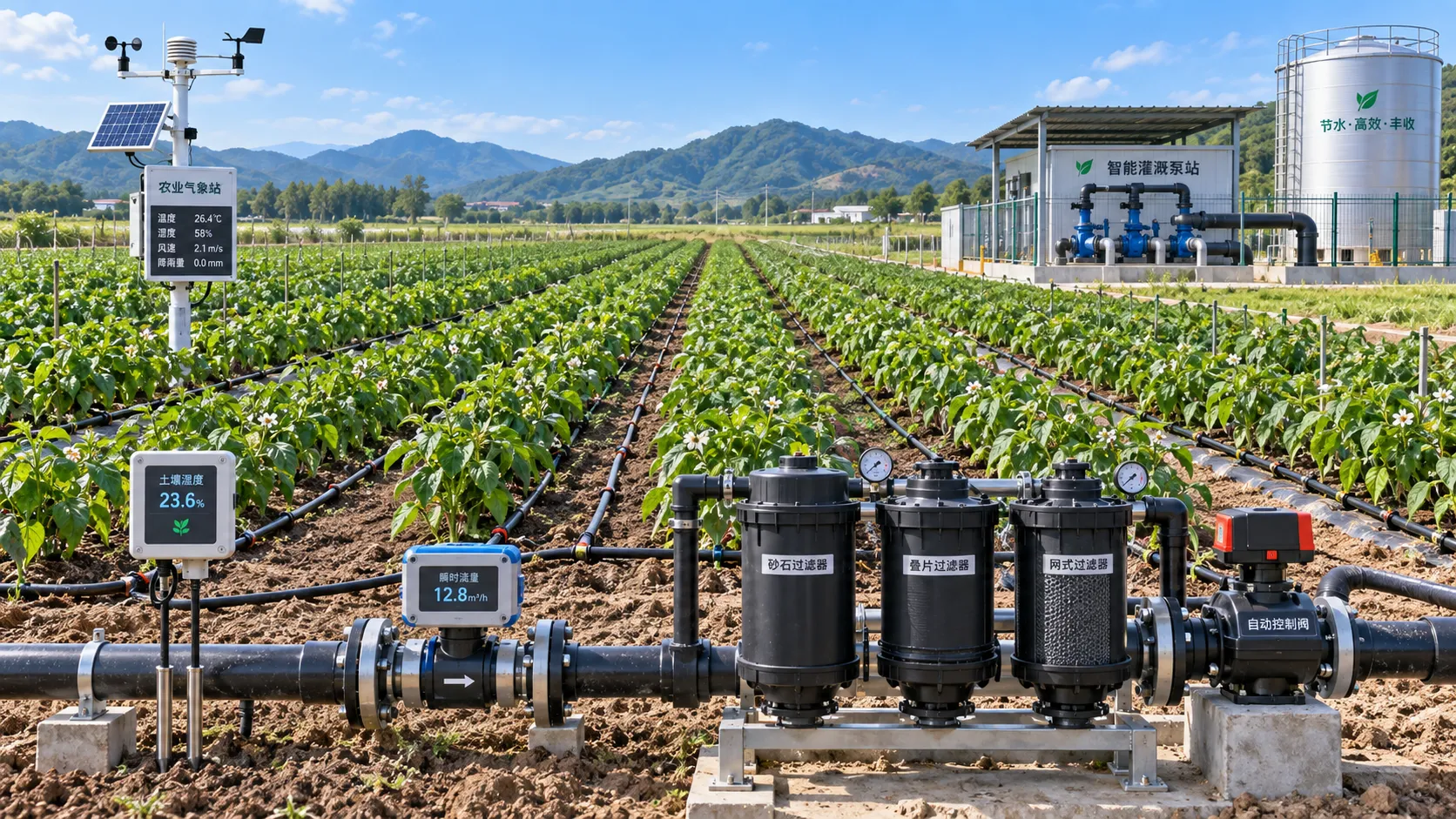
Automated Water-Saving Irrigation: How to Cut Water Use Without Reducing Crop Yields
Automated water-saving irrigation helps farms cut water use, protect crop yields, improve scheduling, and gain reliable control with sensors, flow monitoring, and smart zones.
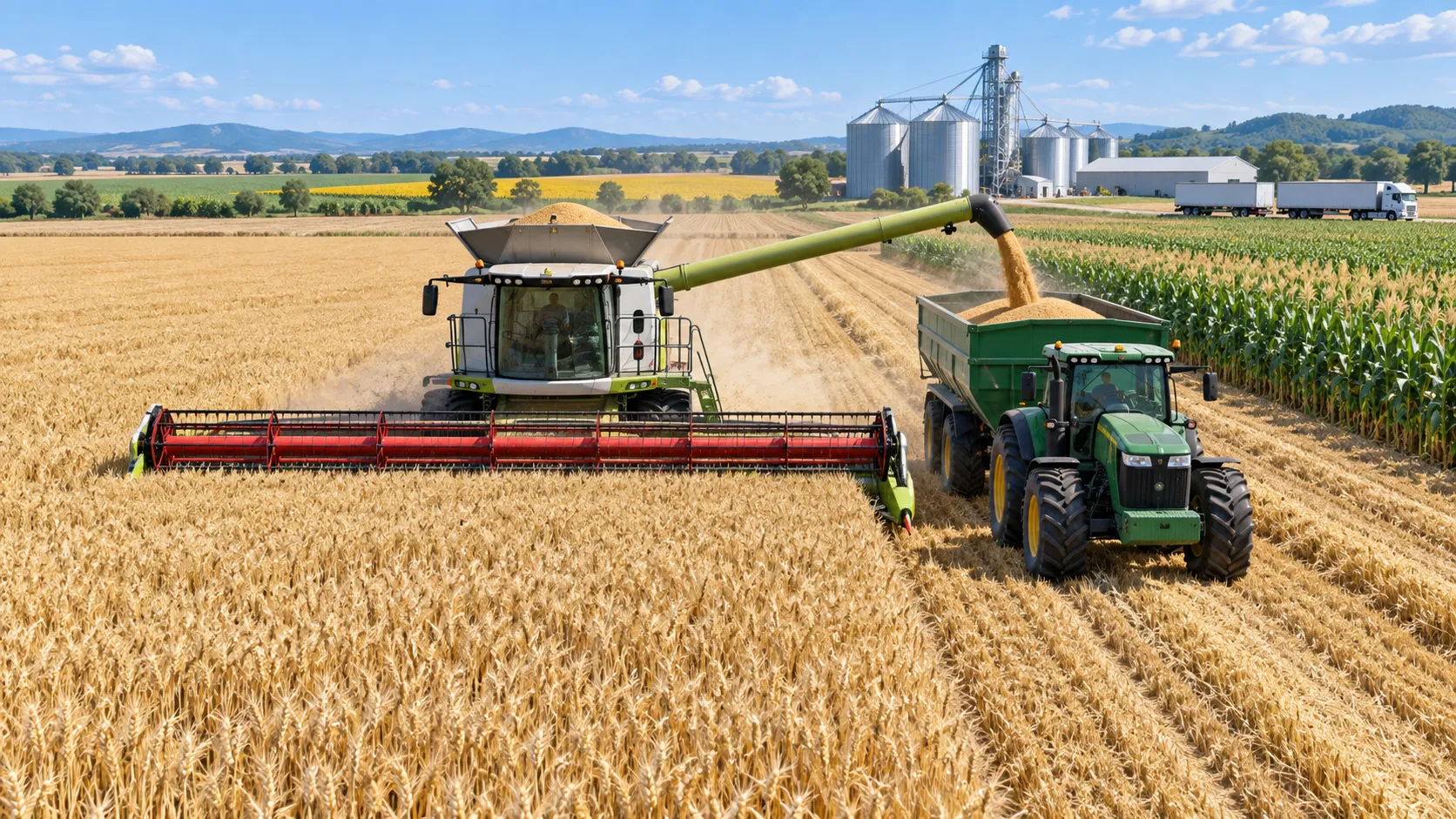
Selecting Grain Farm Equipment by Acreage, Crop Mix, and Harvest Window
Agricultural equipment selection for grain farming: match machinery to acreage, crop mix, and harvest windows to improve uptime, efficiency, and returns.
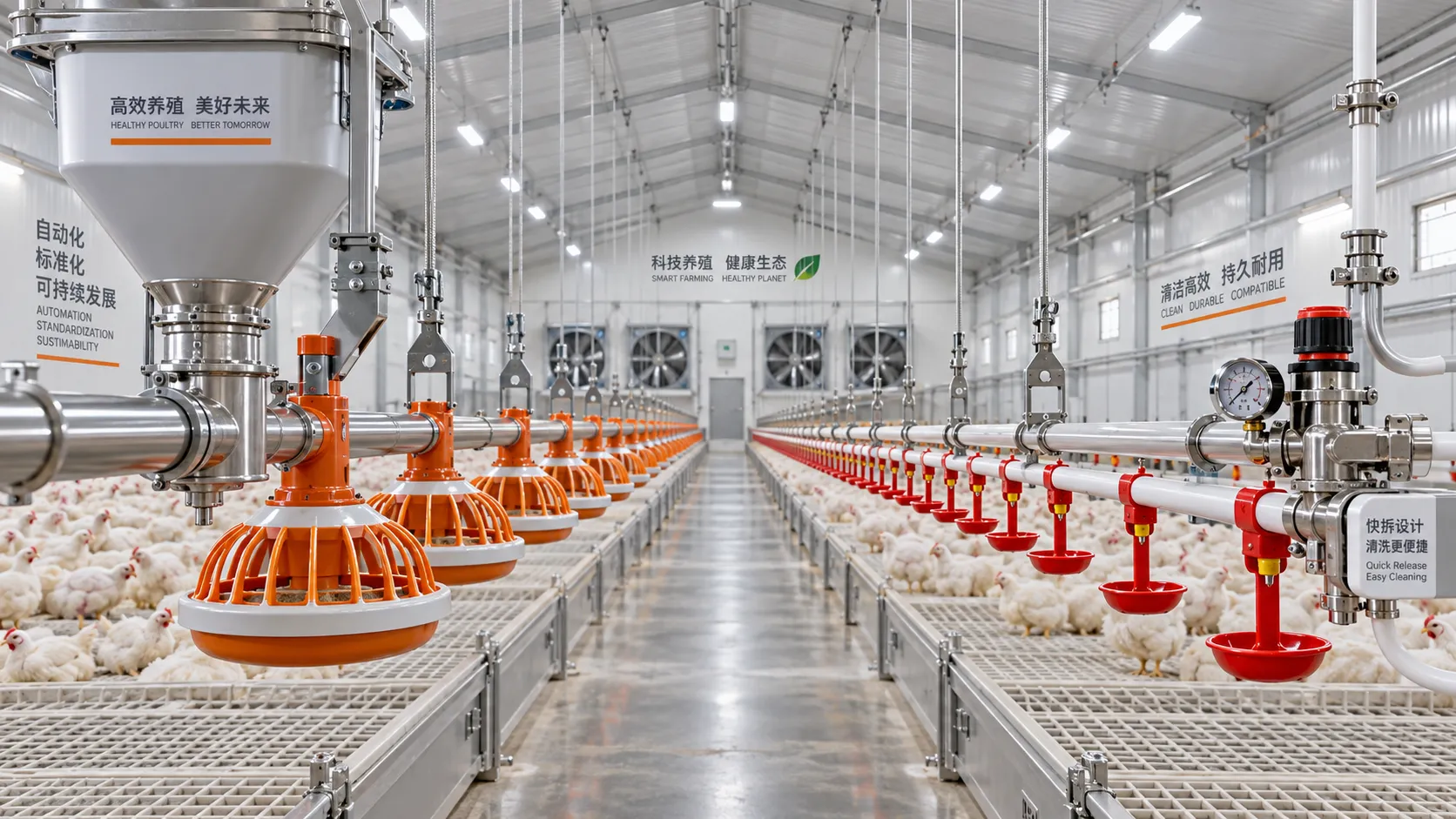
Poultry Equipment Selection: Evaluating Durability, Cleaning, and Compatibility
Poultry equipments selection guide: evaluate durability, cleaning access, and system compatibility to improve hygiene, reduce downtime, and support efficient flock management.
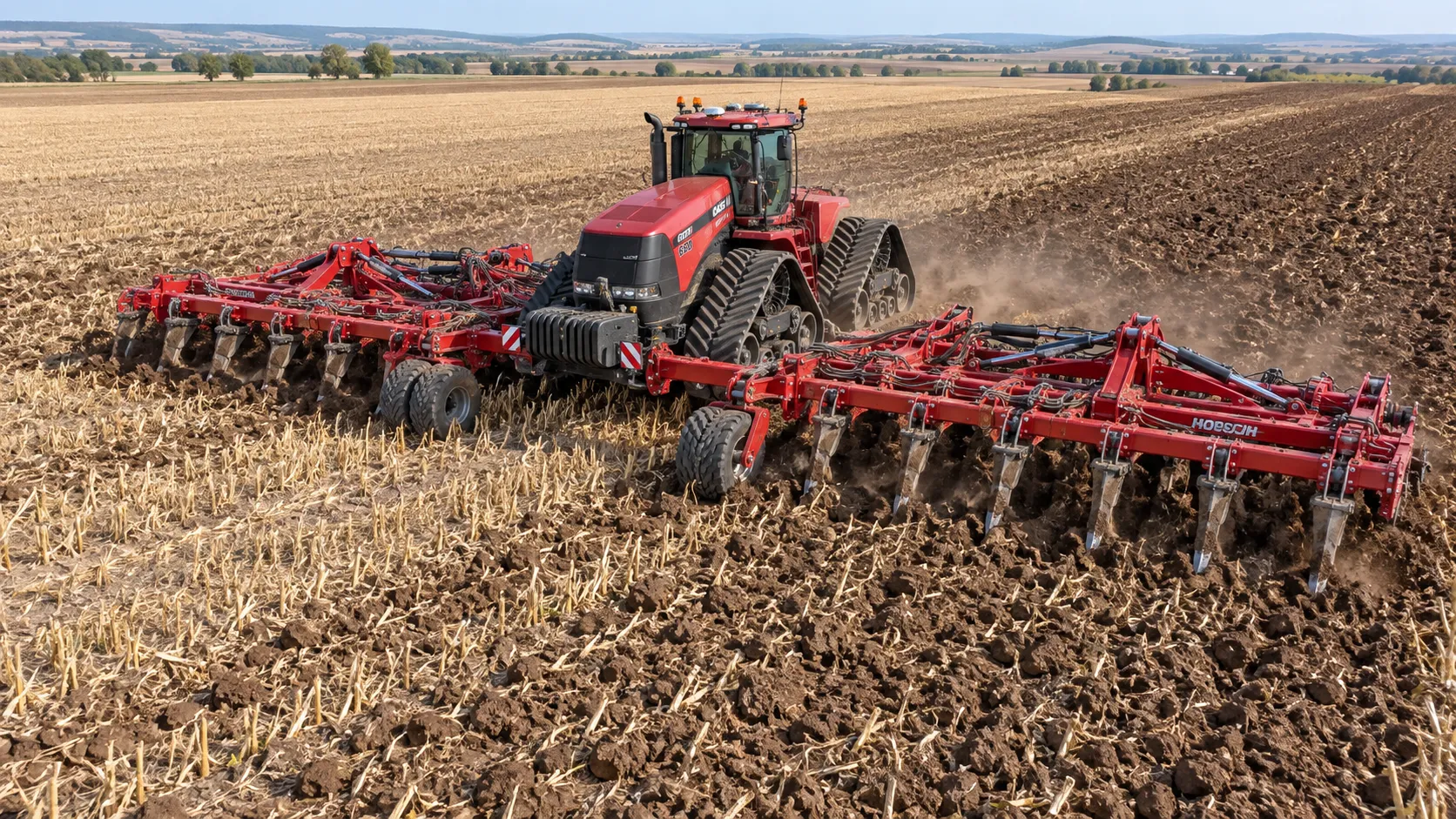
How to Select Heavy-Duty Farm Implements for High-Acreage, High-Horsepower Operations
Heavy duty farm implements: learn how to match draft, hydraulics, hitch capacity, frame strength, and field conditions for reliable high-acreage performance.
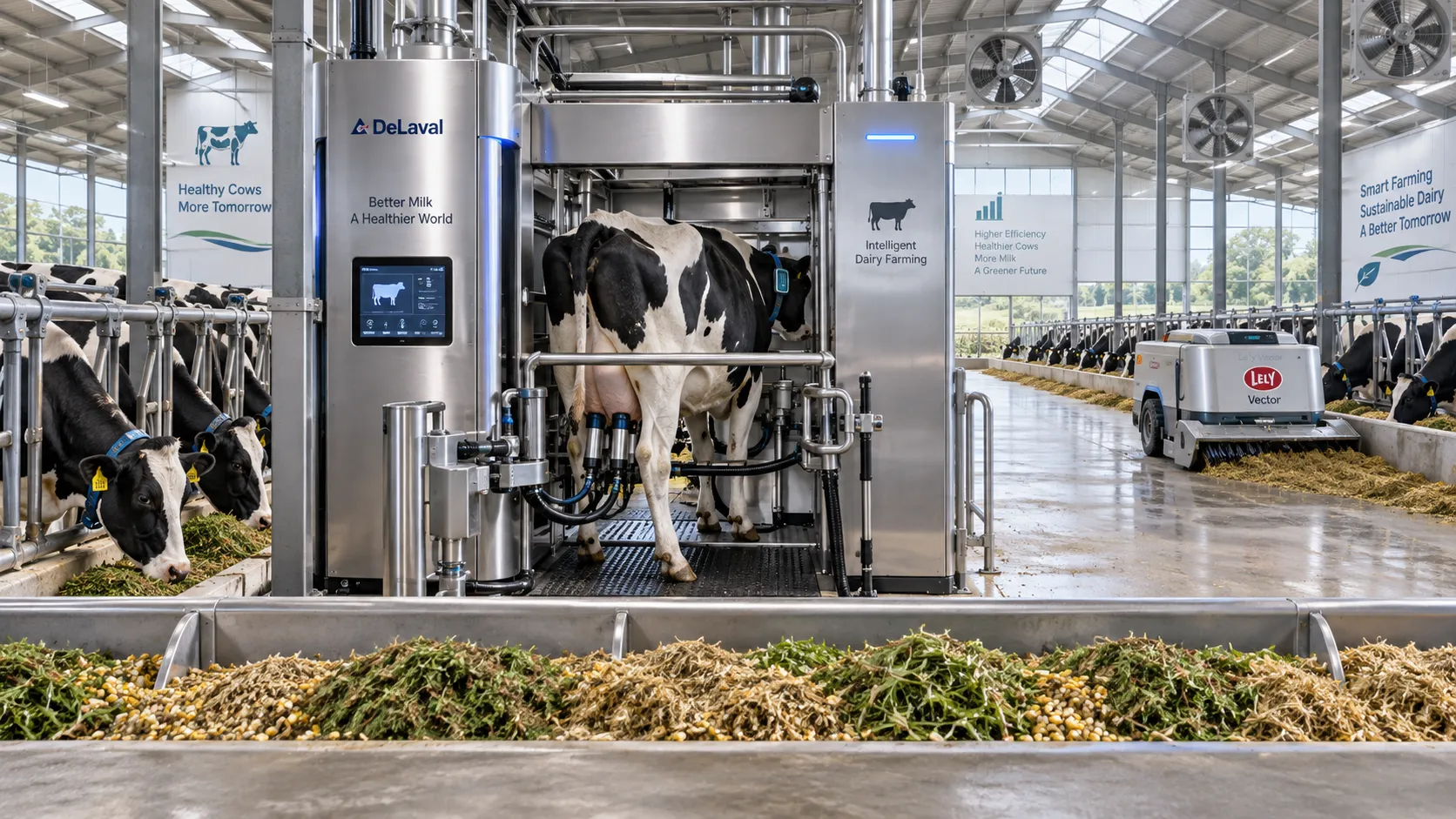
Smart Farming Technology for Dairy Farms: Where Automation Delivers Measurable ROI
Smart farming technology for dairy farms delivers measurable ROI through automation, precision feeding, health monitoring, and data-driven cost control.
Related News
- 00
0000-00
How Does Farm Mechanization Affect Food Security in Developing Regions? - 00
0000-00
Agricultural Technology Insights by Region: Where Adoption Is Growing Fastest - 00
0000-00
How Climate-Smart Agriculture Technology Improves Yield, Soil Health, and Risk Resilience - 00
0000-00
Smart Farming Solutions in Latin America: Which Technologies Fit Large Farms Best? - 00
0000-00
Long-Cycle Agri-Trade Price Trends: How to Read Supply, Freight, and Currency Signals
Popular Tags
Prof. Marcus Chen
Weekly Insights
Stay ahead with our curated technology reports delivered every Monday.