
Hybrid Technology Looks Efficient, but What Drives Service Costs?
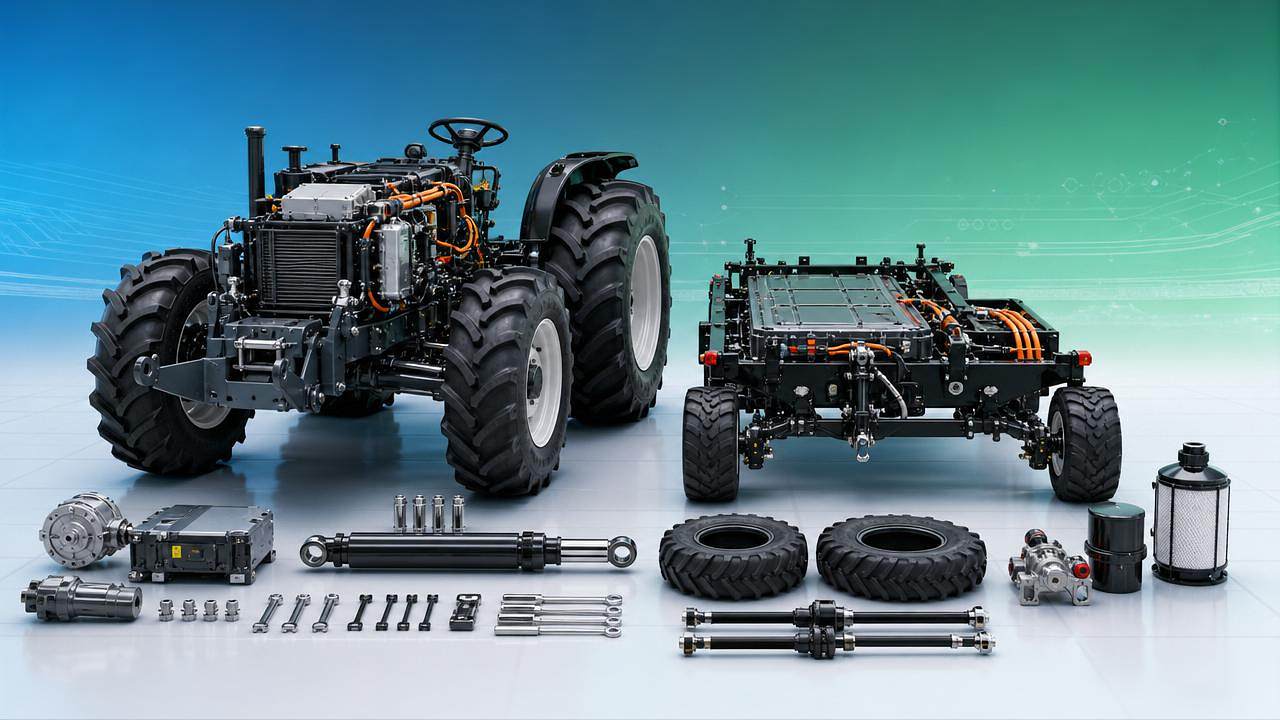




Hybrid technology promises fuel efficiency and smarter field performance, but procurement teams know purchase price is only part of the equation. From battery systems and power electronics to technician training, software diagnostics, and parts availability, service costs can quickly reshape total ownership value. For buyers evaluating agricultural equipment, understanding what truly drives maintenance expenses is essential to making a reliable, future-ready investment.
In large-scale agriculture, the service profile of a hybrid tractor chassis, hybrid power unit, or electrically assisted harvesting platform is rarely defined by one component alone. Cost pressure usually emerges from the interaction between mechanical systems, battery management, hydraulic loads, software calibration, seasonal utilization, and the local service ecosystem. For procurement teams responsible for uptime during narrow planting and harvesting windows, a 2% to 5% fuel saving means little if repair delays stretch from 48 hours to 10 days.
That is why hybrid technology should be assessed through total cost of ownership rather than brochure efficiency claims. For distributors, contractors, and farm equipment buyers, the right question is not simply whether hybrid systems reduce operating expense, but which service factors will increase maintenance frequency, extend downtime, and raise technician dependency over a 3-year to 7-year ownership cycle.
Why Service Costs Rise Faster Than Expected in Hybrid Agricultural Equipment
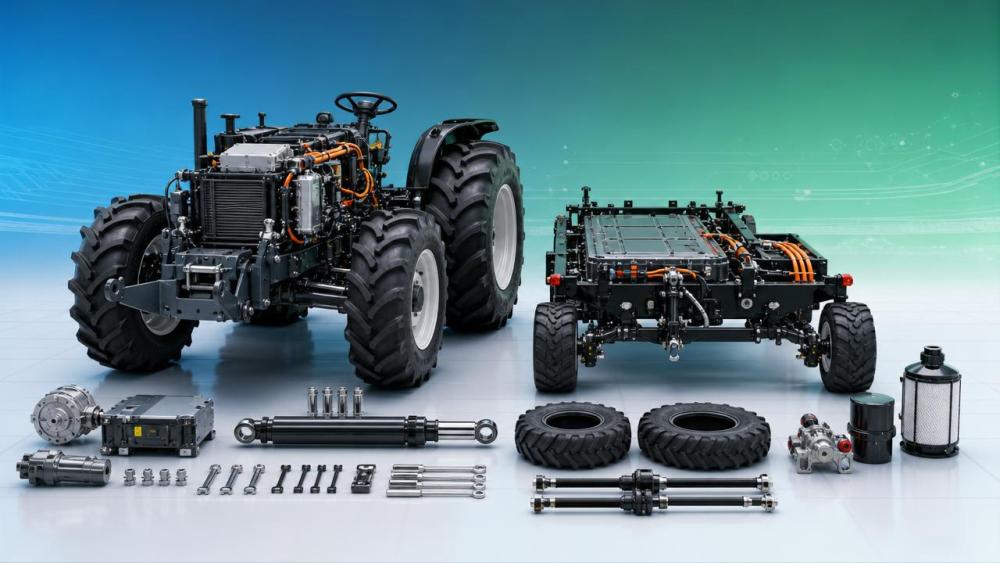
Hybrid technology adds a second layer of complexity to conventional agricultural machinery. Instead of servicing only engine, transmission, hydraulics, and driveline components, maintenance teams must also monitor battery packs, inverters, converters, high-voltage cabling, thermal management loops, and software control logic. Each layer may be reliable on its own, but the combined diagnostic path is longer and more specialized.
For procurement personnel, this matters because service costs often concentrate in three periods: the first 12 months of commissioning, the heavy-load season between 500 and 1,500 operating hours, and the mid-life stage when battery performance, cooling efficiency, and connector wear start affecting system balance. A machine that looks efficient in a purchasing spreadsheet can become expensive if support readiness was underestimated at the sourcing stage.
The biggest cost drivers are not always the most visible parts
Engineers and buyers often focus on battery replacement risk, but many field service bills come from smaller, repeated events. Sensor drift, communication faults between control modules, thermal derating under high ambient temperatures, and software mismatch after updates can create recurring visits. Each incident may seem minor, yet five service calls in one season can cost more than a major scheduled inspection.
- High-voltage safety inspections typically require certified technicians and longer labor hours.
- Power electronics faults may require module-level replacement instead of low-cost component repair.
- Cooling system contamination can affect both battery temperature control and inverter stability.
- Diagnostic software licenses and update tools may add annual service overhead.
Field utilization intensity changes the cost curve
Hybrid technology behaves differently in row-crop work, transport, PTO-intensive applications, and stop-start operations. In mixed-duty fleets, machines used for 1,200 to 1,800 hours per year tend to reveal service bottlenecks earlier than machines running 400 to 700 hours. Frequent load transitions can stress power electronics and cooling systems more than steady-speed transport work, even when fuel savings appear attractive on paper.
The table below outlines common service cost drivers procurement teams should review before issuing RFQs for hybrid agricultural machinery.
The key takeaway is that hybrid technology service cost is usually driven by ecosystem readiness rather than by one headline component. Buyers who assess only fuel efficiency and list price often miss the practical questions: Who can repair it, how fast can parts arrive, and what happens during a peak harvest week when diagnostics fail?
How Procurement Teams Should Evaluate Hybrid Technology Before Purchase
A disciplined sourcing process can reduce service surprises by 20% to 30% over the life of the equipment, not because the machine becomes simpler, but because risks are identified before contract signature. In the agricultural equipment sector, especially for tractor chassis, harvest support systems, and intelligent implements, procurement should combine technical review, service mapping, and operational scenario testing.
Build a service-cost checklist into the RFQ stage
Instead of treating after-sales support as a final negotiation topic, procurement teams should request structured service data during supplier comparison. This is particularly important when hybrid technology is integrated into machines expected to work across wide temperature ranges, remote field conditions, or seasonal labor constraints.
- Ask for the recommended maintenance intervals in operating hours, not just calendar months.
- Confirm whether battery, inverter, and control software are covered under separate warranty terms.
- Request local spare-parts lead times for at least 10 critical components.
- Verify technician certification coverage within your operating territory.
- Clarify whether remote diagnostics can resolve faults before field dispatch.
Five procurement questions that change long-term cost
For many buyers, the most useful filter is not technical complexity itself, but how complexity is supported. A hybrid platform with stronger remote diagnostics and 72-hour spare-parts fulfillment may be less risky than a theoretically simpler unit with a weak support network. In practice, response speed often matters more than brochure specifications once the season starts.
The comparison below helps procurement teams translate hybrid technology into serviceable buying criteria.
This framework makes hybrid technology easier to compare across suppliers because it converts abstract innovation claims into measurable support conditions. It also helps buyers identify whether the vendor is prepared for real agricultural operating stress, including dust, vibration, variable loading, and compressed seasonal work windows.
The Hidden Service Variables: Batteries, Software, Training, and Downtime
Even when the mechanical design is proven, hybrid technology can generate service variability through four hidden channels: battery lifecycle behavior, software dependence, technician training depth, and downtime economics. These are often underweighted in capital approval because they are not always visible in the initial quotation.
Battery systems are a maintenance ecosystem, not a single component
Battery service cost depends on chemistry, enclosure protection, thermal management, charging profile, and usage pattern. In agricultural duty cycles, repeated high-load peaks, dust ingress, and long idle periods between seasonal bursts can all influence health. Procurement teams should ask not only about battery warranty duration, often 3 to 5 years, but also about performance thresholds, such as the retained capacity level that triggers warranty action.
Another critical point is whether replacement happens at pack level, module level, or cell group level. Pack-level replacement is simpler administratively but can be far more expensive. Module-level service may reduce parts spend, yet it requires stronger diagnostic capability and more skilled labor.
Software can lower costs or create recurring dependence
In modern hybrid technology, software is directly tied to energy management, power blending, fault detection, and protective shutdown logic. This can be beneficial because predictive alerts may prevent catastrophic failure. However, service costs increase when software updates are dealer-controlled, subscription-based, or incompatible with local maintenance workflows.
- Check whether firmware updates require on-site visits or can be delivered remotely.
- Ask if diagnostic access is available to fleet maintenance teams under controlled permissions.
- Confirm data ownership for machine health logs and operating history.
- Review cybersecurity procedures if the equipment is connected to precision farming platforms.
Training affects first-time fix rate more than many buyers assume
A hybrid service event often requires mechanical understanding, electrical safety awareness, and software interpretation in one workflow. If local technicians are only partly trained, machines may experience multiple visits before full resolution. That raises labor cost, transport cost, and lost operating hours. For buyers with 10-unit or 20-unit fleet plans, even one extra day of downtime per machine per season can materially affect utilization economics.
Procurement contracts should therefore define training scope in practical terms: number of trainees, duration in days, refresher frequency every 12 months, and whether the package includes troubleshooting procedures for field conditions rather than workshop-only scenarios.
A Practical Decision Model for Buyers of Hybrid Agricultural Machinery
For agricultural procurement teams, the strongest decision model balances efficiency gains against service resilience. Hybrid technology is most compelling when the machine operates enough annual hours to justify energy savings, when dealer or distributor support is mature, and when remote diagnostics can reduce site interventions. It is less attractive where service access is sparse, utilization is highly intermittent, or operating teams lack electrical safety procedures.
Use a four-part scoring model
A practical sourcing review can assign weighted scores across four areas: acquisition cost, service readiness, uptime protection, and operational fit. Many buyers use a 100-point model, with 25 points for each category, then adjust weighting based on crop season sensitivity. In short harvest windows, uptime protection may deserve 35 points while purchase price drops to 20.
- Acquisition cost: purchase price, warranty scope, software fees, commissioning costs.
- Service readiness: local technicians, spare-parts stocking, training, safety support.
- Uptime protection: response time, remote diagnostics, backup procedures, service escalation path.
- Operational fit: annual hours, field conditions, power demand profile, transport distance.
When hybrid technology makes the most sense
The best-fit cases usually include high-hour fleets, mixed-load operations with frequent speed changes, and buyers already invested in precision agriculture data systems. In these environments, fuel savings, load optimization, and machine intelligence can offset service complexity. But where fields are remote, annual utilization is under 500 hours, and technician coverage is weak, traditional powertrains may still present lower whole-life risk.
For decision-makers following AP-Strategy’s view of Agriculture 4.0, the lesson is clear: hybrid technology should be evaluated as part of an integrated operating system that includes machinery performance, field data, support logistics, and sustainability goals. Procurement strength lies in connecting these variables before the contract is signed, not after the first fault code appears in season.
Common buying mistakes to avoid
- Comparing fuel efficiency claims without reviewing duty-cycle assumptions.
- Accepting broad warranty language without component-level detail.
- Ignoring technician travel distance and seasonal service congestion.
- Failing to budget for software support, calibration, and training refreshers.
- Assuming battery replacement cost is the only major long-term expense.
For procurement teams, hybrid technology delivers value only when serviceability, diagnostics, and support infrastructure are examined as carefully as engine output or fuel consumption. In large-scale farming, the real cost difference is often measured in avoided downtime, faster fault resolution, and better lifecycle planning across 3 to 7 years of operation.
AP-Strategy helps buyers, distributors, and agri-equipment decision-makers interpret these trade-offs with a practical, field-oriented lens across tractor chassis, combine harvesting systems, intelligent farm tools, and water-saving irrigation platforms. If you are assessing hybrid technology for your next procurement cycle, contact us to discuss a tailored evaluation framework, compare service-risk scenarios, and explore more reliable solutions for future-ready agricultural operations.
Related News

When Does Agricultural Machinery Leasing Cost Less Than Owning Equipment?
Agricultural machinery leasing can lower farm costs when use is seasonal or uncertain. Compare utilization, maintenance, cash flow, and risk to make a smarter equipment decision.

How to Evaluate Precision Fertilization System Suppliers for Farm-Scale Deployment
Precision fertilization systems suppliers: learn how to compare accuracy, integration, uptime, service, and total cost for confident farm-scale deployment.
ISOBUS for Smart Agriculture: How It Connects Tractors, Implements, and Farm Data
ISOBUS for smart agriculture connects tractors, implements, terminals, and farm data—helping growers improve precision, documentation, and smarter field decisions.
Automated Water-Saving Irrigation: How to Cut Water Use Without Reducing Crop Yields
Automated water-saving irrigation helps farms cut water use, protect crop yields, improve scheduling, and gain reliable control with sensors, flow monitoring, and smart zones.
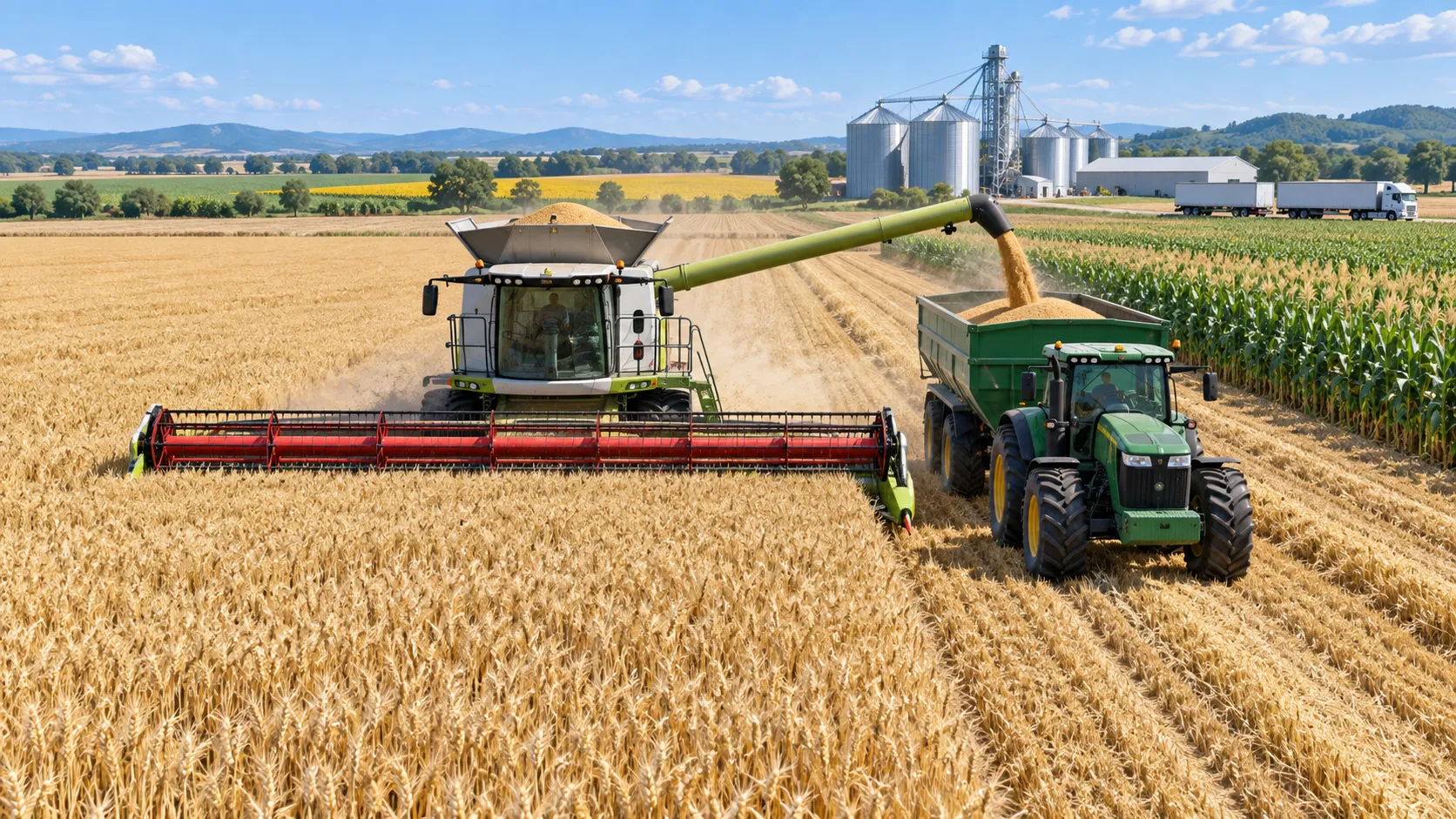
Selecting Grain Farm Equipment by Acreage, Crop Mix, and Harvest Window
Agricultural equipment selection for grain farming: match machinery to acreage, crop mix, and harvest windows to improve uptime, efficiency, and returns.
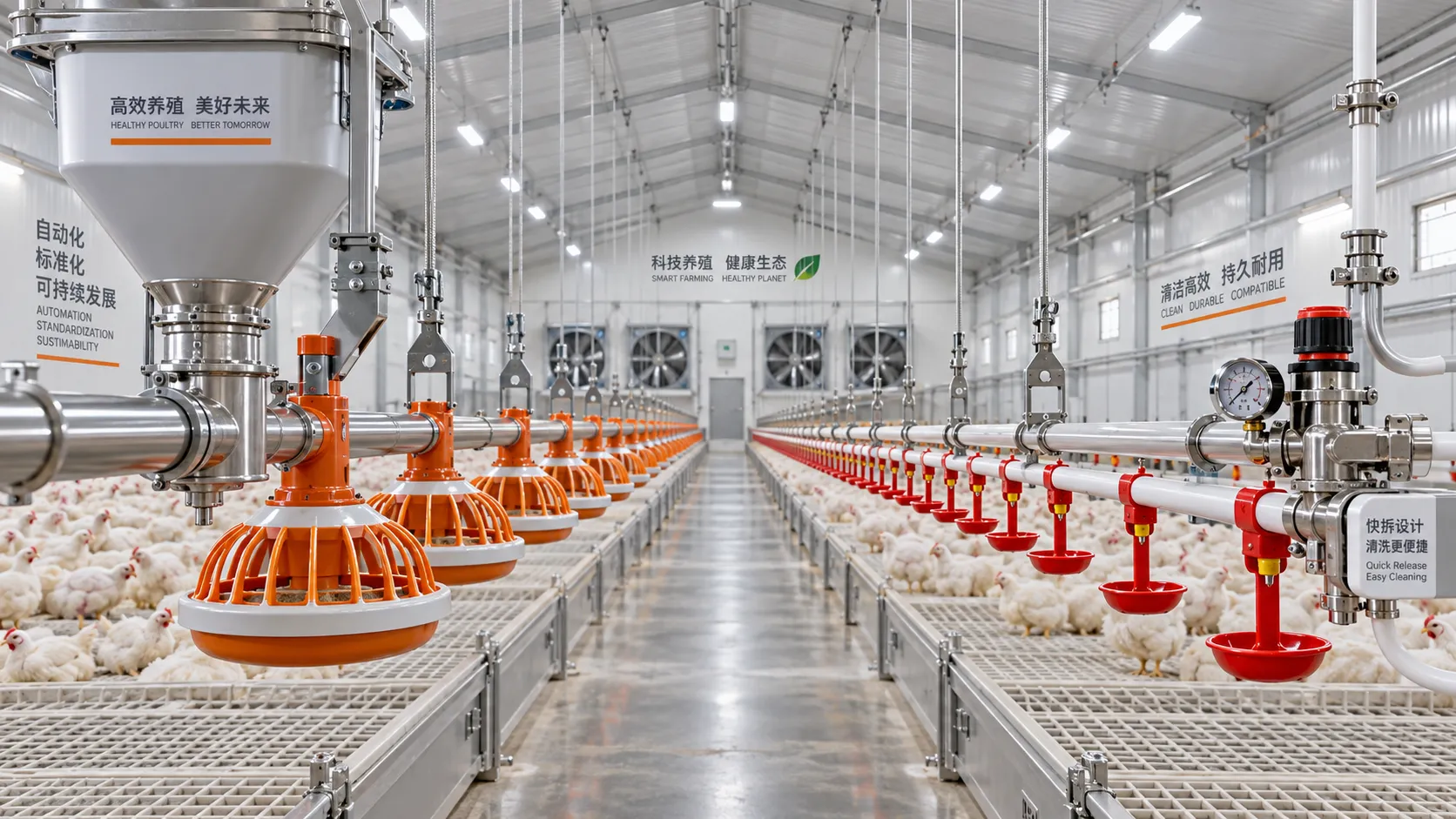
Poultry Equipment Selection: Evaluating Durability, Cleaning, and Compatibility
Poultry equipments selection guide: evaluate durability, cleaning access, and system compatibility to improve hygiene, reduce downtime, and support efficient flock management.
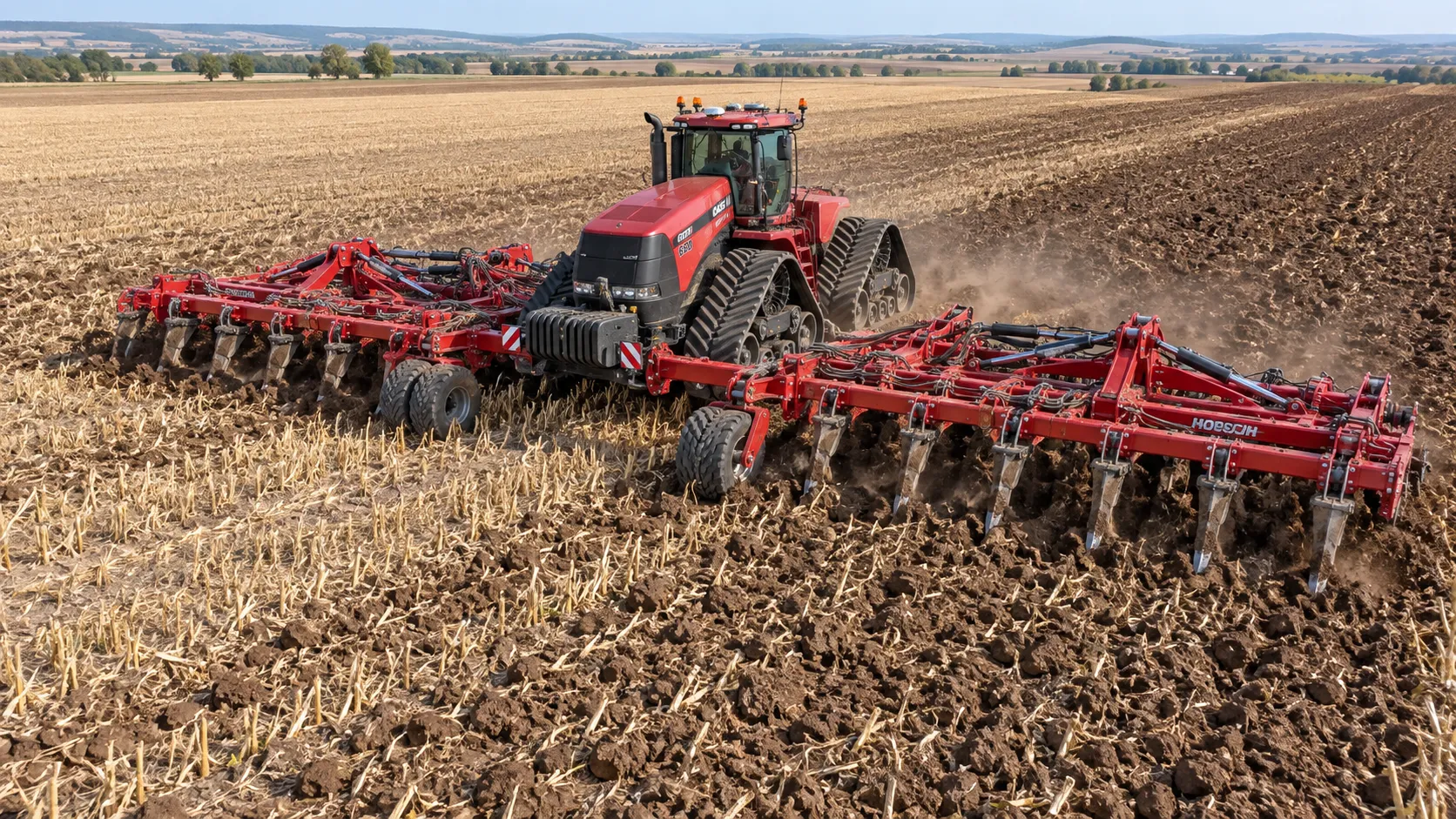
How to Select Heavy-Duty Farm Implements for High-Acreage, High-Horsepower Operations
Heavy duty farm implements: learn how to match draft, hydraulics, hitch capacity, frame strength, and field conditions for reliable high-acreage performance.
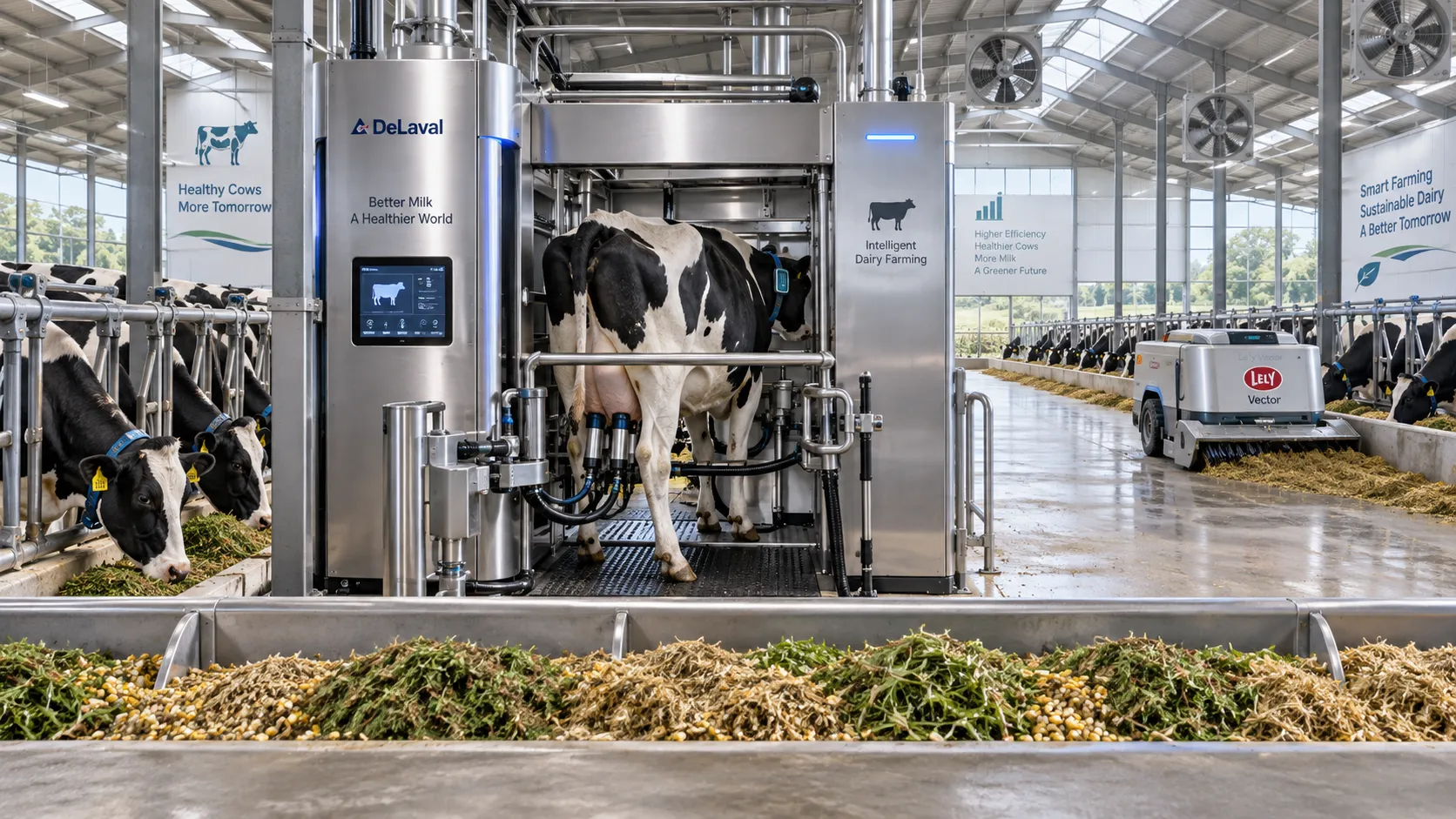
Smart Farming Technology for Dairy Farms: Where Automation Delivers Measurable ROI
Smart farming technology for dairy farms delivers measurable ROI through automation, precision feeding, health monitoring, and data-driven cost control.
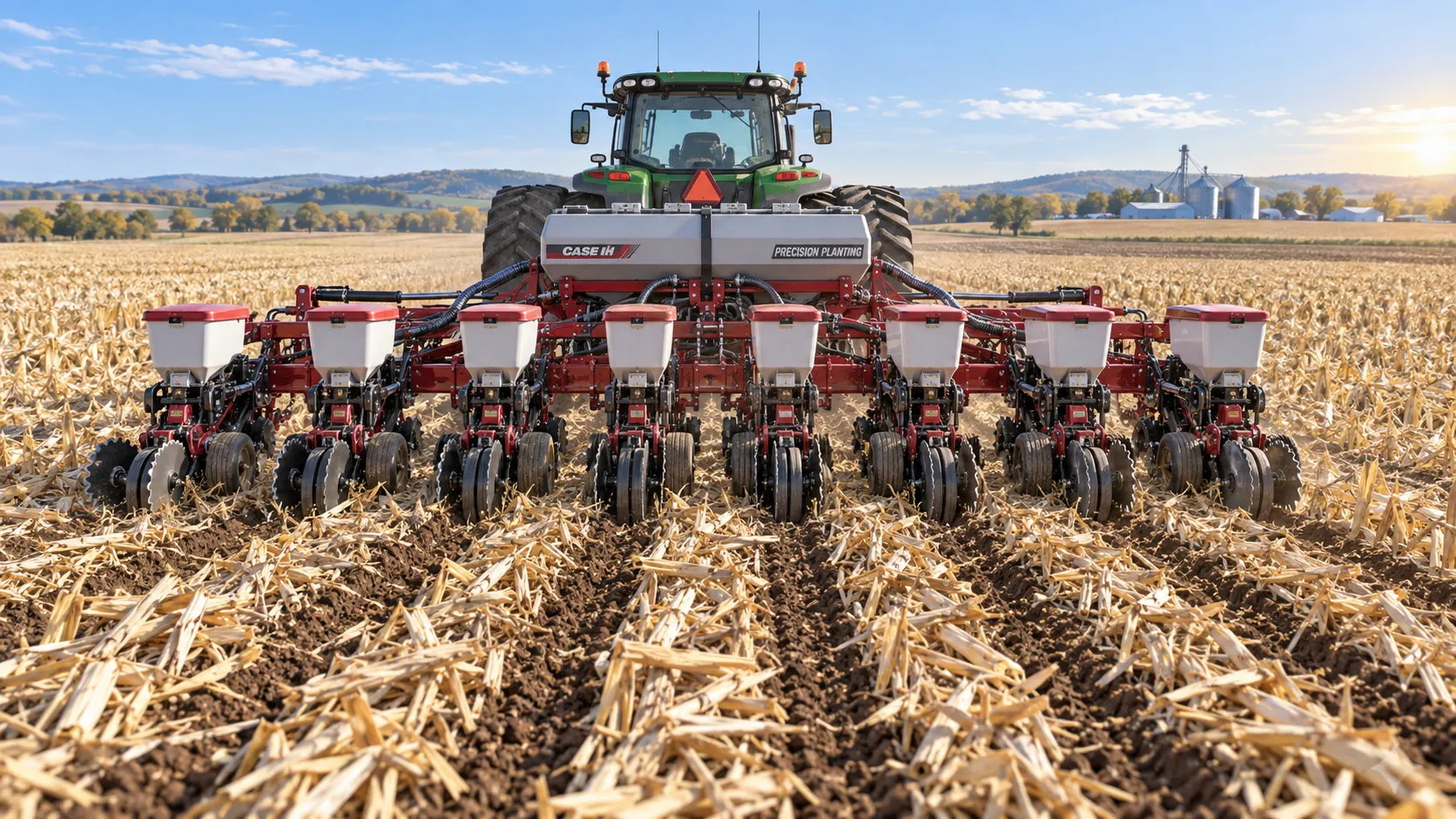
How to Select a Heavy-Duty Seeder for Large Acreage and High-Residue Fields
Heavy duty seeders for large acreage: compare residue handling, depth control, downforce, metering accuracy, and precision features to select the right model.
Related News
- 00
0000-00
How Does Farm Mechanization Affect Food Security in Developing Regions? - 00
0000-00
Agricultural Technology Insights by Region: Where Adoption Is Growing Fastest - 00
0000-00
How Climate-Smart Agriculture Technology Improves Yield, Soil Health, and Risk Resilience - 00
0000-00
Smart Farming Solutions in Latin America: Which Technologies Fit Large Farms Best? - 00
0000-00
Long-Cycle Agri-Trade Price Trends: How to Read Supply, Freight, and Currency Signals
Popular Tags
Prof. Marcus Chen
Weekly Insights
Stay ahead with our curated technology reports delivered every Monday.