
Climate-Smart Farming Is Expanding, but Where Is It Paying Off?
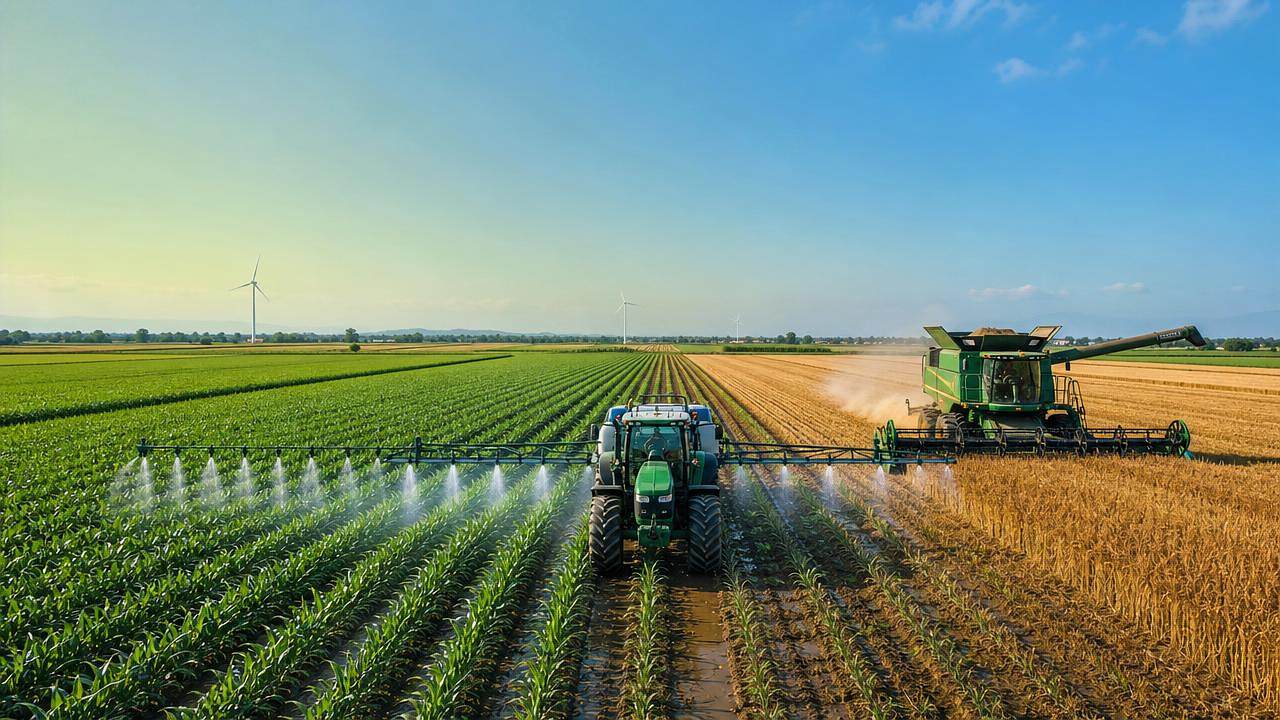




Climate-smart farming is gaining traction across global agriculture, but for business evaluators, the real question is where it delivers measurable returns. From intelligent irrigation to precision machinery and lower input waste, payoff varies by crop system, region, and capital intensity. This article examines where climate-smart farming is creating economic value and how decision-makers can identify scalable, investment-ready opportunities.
The market signal has shifted from “good practice” to “performance test”
The most important change in climate-smart farming is not simply wider adoption. It is the way the market now evaluates adoption. A few years ago, the conversation centered on resilience, sustainability messaging, and pilot programs. Today, commercial buyers, lenders, distributors, insurers, and farm operators are asking a harder question: where is climate-smart farming actually paying off in cash flow, yield protection, input efficiency, and operational stability?
That shift matters across the broader agricultural equipment and intelligence ecosystem. Large-scale machinery buyers are no longer looking only at horsepower or throughput. They are assessing whether precision functions can reduce overlaps, fuel use, compaction, and labor pressure. Irrigation investors are not just comparing hardware costs; they are evaluating water productivity, compliance exposure, and seasonal predictability. In other words, climate-smart farming has entered a business screening phase.
For business evaluators, this means the winning opportunities are rarely uniform across all farm systems. Payoff is highest where climate exposure is material, operational data can be captured, and technology can directly influence one or more major cost lines. This is why some projects scale quickly while others remain dependent on subsidies or demonstration funding.
Where the strongest expansion is happening
Climate-smart farming is expanding fastest in segments where production risk has become both visible and expensive. Water scarcity, labor shortages, volatile fertilizer prices, and pressure to document emissions or resource use are accelerating this shift. For many operators, climate-smart practices are no longer treated as a separate sustainability layer; they are becoming part of core operating strategy.
The strongest momentum is visible in three areas. First, irrigation modernization is moving from infrastructure upgrade to data-driven water management. Second, precision field operations are improving input placement and reducing mechanical waste. Third, harvest and post-harvest optimization is gaining importance because climate volatility increases the cost of timing errors and field losses.
These trends align closely with the capabilities highlighted by AP-Strategy’s focus areas: intelligent irrigation systems, large-scale agri-machinery, combine harvesting technology, tractor chassis performance, and strategic intelligence for long-cycle decisions. In practical terms, climate-smart farming pays best where machinery, agronomic decisions, and environmental constraints can be integrated rather than managed separately.
Why climate-smart farming pays off unevenly
Not every climate-smart farming investment generates the same business result, even when the technology appears mature. Returns depend on several interacting conditions. The first is baseline inefficiency. If a farm already has advanced irrigation controls, disciplined machine guidance, and strong crop management, additional gains may be incremental. But where water application is poorly timed, overlap rates are high, or harvest losses are undermeasured, the improvement potential is much larger.
The second factor is crop value and sensitivity. High-value crops, specialty crops, and systems with narrow quality tolerances often benefit more from precision irrigation, targeted nutrition, and stable timing. Broadacre row crops can still gain significantly, especially at scale, but the return profile often depends on operational size and machinery utilization.
The third factor is climate pressure itself. Climate-smart farming tends to pay off more clearly in regions facing repeat drought stress, uncertain rainfall, water regulation, heat pressure, or compressed harvest windows. In these conditions, technology is not only improving average performance; it is reducing downside risk. That distinction is essential for business evaluation because avoided losses can be just as valuable as higher output.
The best-paying use cases are tied to controllable cost lines
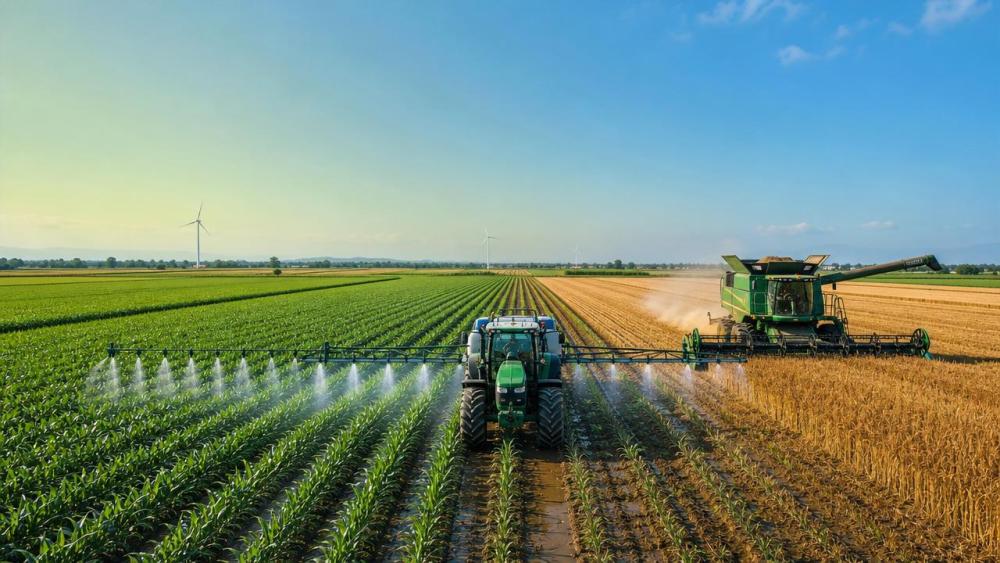
For decision-makers, the most attractive climate-smart farming opportunities usually share one trait: they affect costs or risks that can be measured with reasonable confidence. Water, fertilizer, fuel, labor, and harvest losses are among the clearest examples. When a technology directly changes one of these variables, the business case becomes easier to test and scale.
Intelligent irrigation often shows the clearest near-term return
Smart irrigation is one of the strongest commercial zones for climate-smart farming because water has become both a physical constraint and a financial variable. Systems that combine soil moisture sensing, evapotranspiration modeling, weather data, and controllable delivery infrastructure can improve irrigation timing and reduce over-application. In water-scarce regions, the return can come from lower pumping energy, better yield stability, reduced disease pressure, and stronger compliance readiness.
The payoff tends to be especially strong where farms rely on expensive pumping, operate under allocation limits, or serve crops with quality penalties tied to moisture stress. For business evaluators, this segment offers a relatively direct line between technology input and financial output.
Precision machinery pays when scale and discipline are present
Climate-smart farming also pays through precision-enabled machinery, but the conditions are stricter. Guidance systems, section control, variable-rate application, and machine telemetry deliver better economics when operation sizes are large enough, workflows are standardized, and managers actively use the data. A sophisticated tractor chassis or implement package does not create value automatically. Value appears when machine capability translates into fewer passes, better placement, reduced compaction, or lower rework.
This is where AP-Strategy’s emphasis on intelligent farm tools and high-performance chassis becomes especially relevant. The performance of climate-smart farming is not only agronomic; it is mechanical and operational. Transmission efficiency, hydraulic response, implement compatibility, and data accuracy all influence whether precision features convert into return.
Harvest optimization becomes more valuable as weather volatility rises
Combine harvesting technology is another area where climate-smart farming can quietly produce strong payoff. As weather windows become less predictable, reducing cleaning losses, grain damage, and field delays gains economic significance. Machine feedback systems, loss monitoring, and adaptive settings help operators protect output value during short harvest periods. In climates where storms or humidity can quickly degrade quality, better harvest performance can influence revenue as much as yield does.
Who is seeing the biggest impact
The impact of climate-smart farming is not evenly distributed across stakeholders. Some participants gain through direct field economics, while others benefit through lower risk, stronger service relevance, or improved commercial positioning. Business evaluators should separate these impact paths before making broad assumptions about demand.
The next wave will be judged by integration, not standalone hardware
One of the clearest forward-looking signals is that climate-smart farming is moving beyond isolated product adoption. The market is shifting toward integrated systems that connect machinery, sensing, irrigation control, agronomic recommendations, and performance tracking. This matters because standalone hardware can improve operations, but integrated systems are more likely to generate repeatable business value.
For example, an intelligent irrigation installation has more value when it can connect with weather forecasts, pumping energy costs, crop growth stage data, and field-level reporting. A combine harvester with advanced monitoring produces more strategic value when the resulting performance data informs future field planning, residue handling, or logistics timing. Climate-smart farming becomes more investable when it produces a decision loop rather than a single equipment feature.
This is also why intelligence platforms matter. Market participants increasingly need a way to compare machinery performance, agronomic outcomes, regulatory pressure, and regional resource constraints in one analytical frame. Without that stitching function, climate-smart farming can appear promising but difficult to value consistently across geographies.
What business evaluators should watch now
The most useful signals are not broad claims about sustainability adoption. They are indicators that show whether climate-smart farming can move from project success to portfolio-scale return. Evaluators should watch for five areas of evidence.
First, observe whether the solution addresses a persistent pain point such as water restriction, labor shortage, fertilizer volatility, or harvest timing risk. Second, confirm that the operational benefit can be measured with ordinary farm data rather than complex external modeling alone. Third, assess whether the technology fits existing machinery and field processes or requires disruptive retraining. Fourth, determine whether value depends on public incentives, or whether the economics remain credible without them. Fifth, test whether the solution improves resilience in bad years, not only efficiency in normal years.
These signals are especially important in agriculture because adoption cycles are long and replacement decisions are capital intensive. A technology can be technically impressive and still fail commercially if its value path is too hard to verify on the ground.
A practical framework for judging where climate-smart farming is worth scaling
For companies evaluating investment, channel strategy, or commercial expansion, climate-smart farming should be screened through a simple but disciplined framework. Start with exposure: where are climate and resource pressures high enough to make action unavoidable? Then assess controllability: can equipment, software, or process changes directly influence the problem? Next, check measurability: will the outcome appear in yield stability, cost savings, quality protection, or reduced losses? Finally, test repeatability: can the model work across multiple farms, regions, or crop cycles?
The best opportunities usually sit at the intersection of these four conditions. That is why irrigation intelligence, precision application systems, and advanced harvesting control often stand out. They address concrete constraints, act on measurable variables, and can be scaled with proper support and data discipline.
Closing judgment: follow the return path, not the label
Climate-smart farming is clearly expanding, but the strongest payoff is not attached to the label itself. It appears where climate pressure is translating into business risk, where machinery and agronomy can be connected, and where performance can be tracked in operational terms. Intelligent irrigation, precision machinery, and harvest optimization are among the most promising areas because they affect cost, timing, resource use, and yield protection in visible ways.
For business evaluators, the next step is not to ask whether climate-smart farming is important in principle. The better question is which parts of the value chain show repeatable return under real field conditions. If an enterprise wants to judge the impact on its own business, it should confirm five issues: where climate exposure is strongest, which cost lines are controllable, what data already exists, how quickly operators can act on insights, and whether the economics remain valid beyond pilot conditions. Those answers will reveal where climate-smart farming is not just expanding, but truly paying off.
Related News
How to Select Precision Crop Protection Equipment for Variable Field Conditions
Precision crop protection equipment selection made simple: compare terrain, canopy, weather, control accuracy, and data workflows for reliable applications.
When Does Agricultural Machinery Leasing Cost Less Than Owning Equipment?
Agricultural machinery leasing can lower farm costs when use is seasonal or uncertain. Compare utilization, maintenance, cash flow, and risk to make a smarter equipment decision.
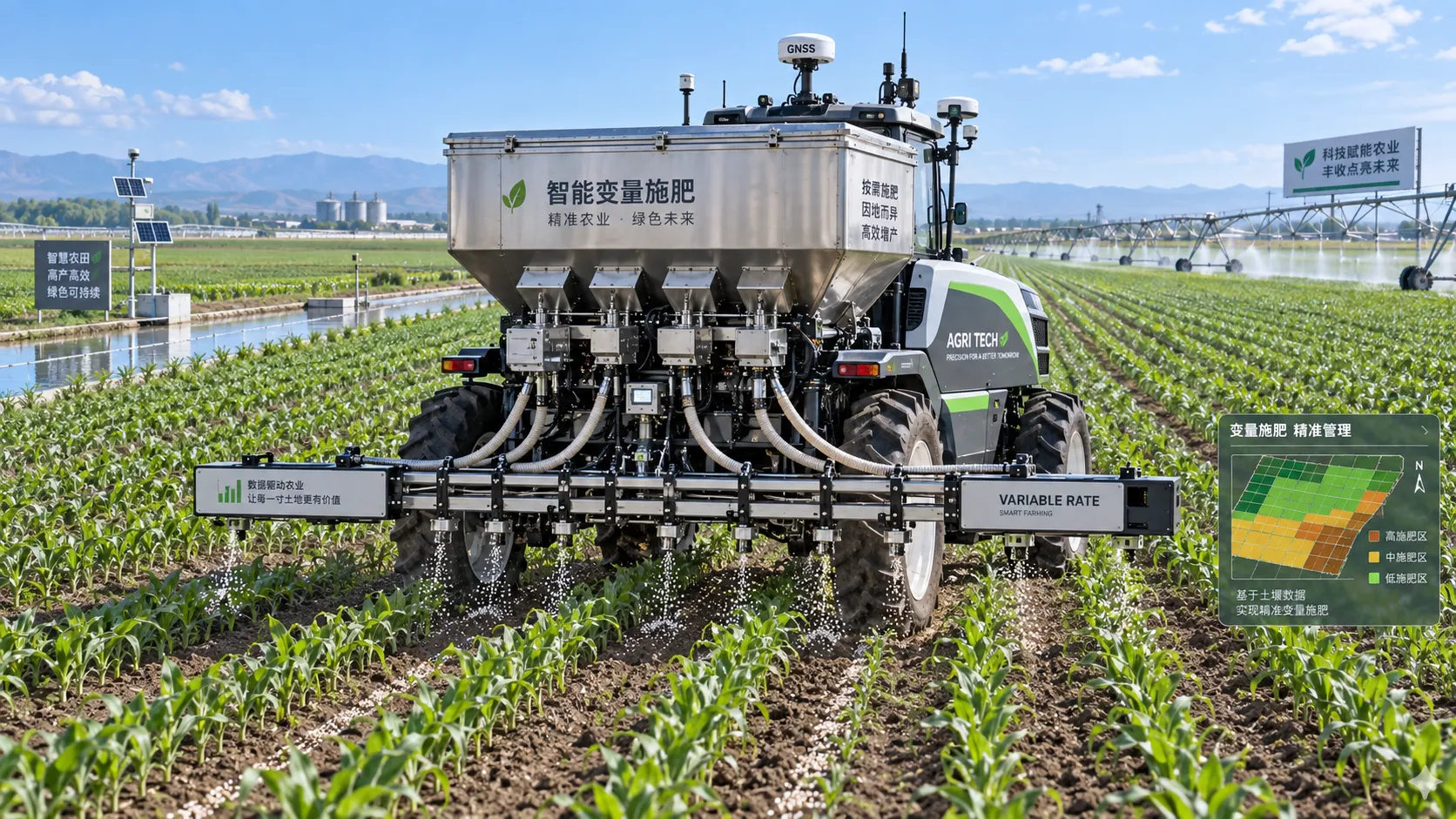
How to Evaluate Precision Fertilization System Suppliers for Farm-Scale Deployment
Precision fertilization systems suppliers: learn how to compare accuracy, integration, uptime, service, and total cost for confident farm-scale deployment.
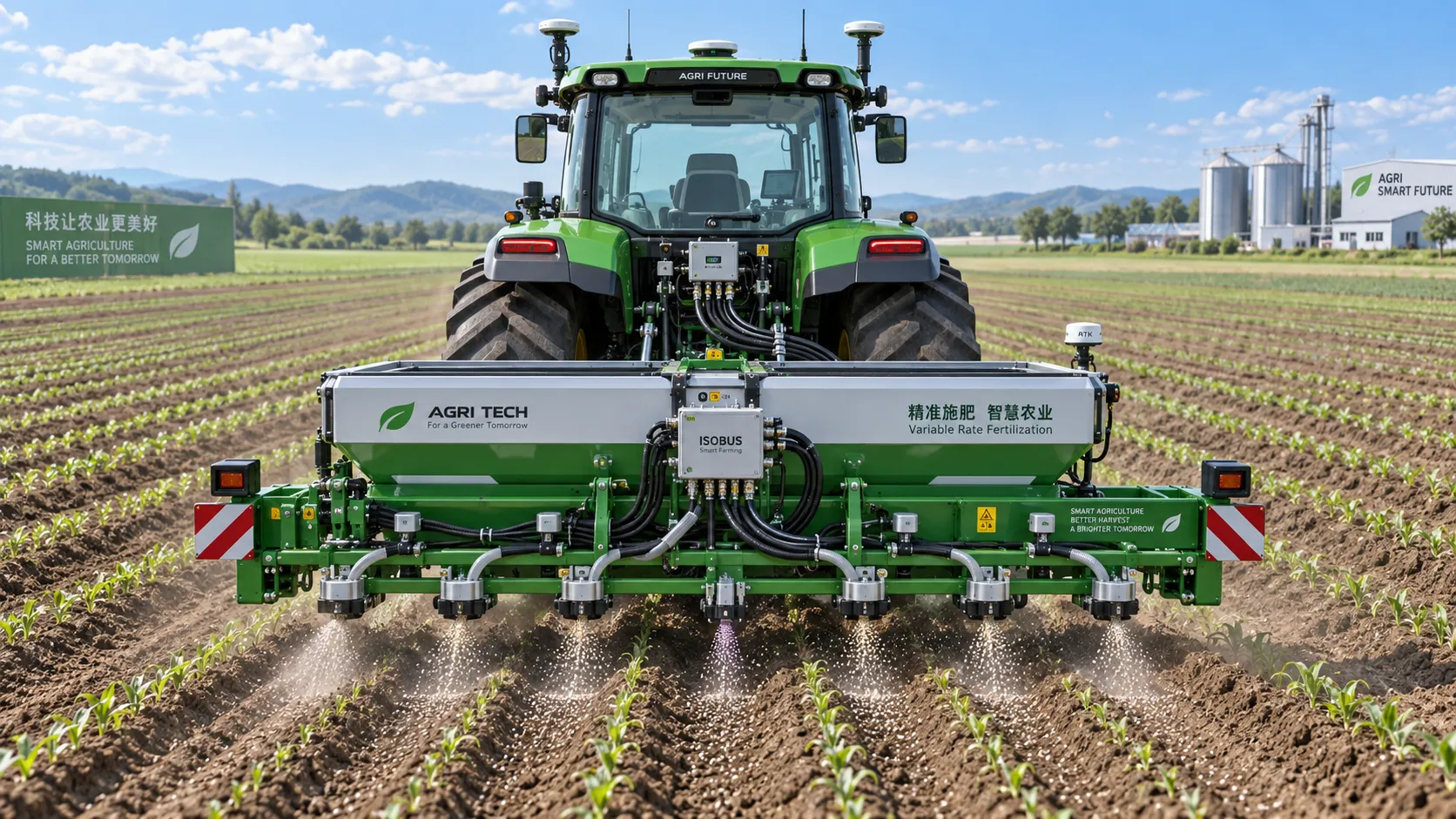
ISOBUS for Smart Agriculture: How It Connects Tractors, Implements, and Farm Data
ISOBUS for smart agriculture connects tractors, implements, terminals, and farm data—helping growers improve precision, documentation, and smarter field decisions.
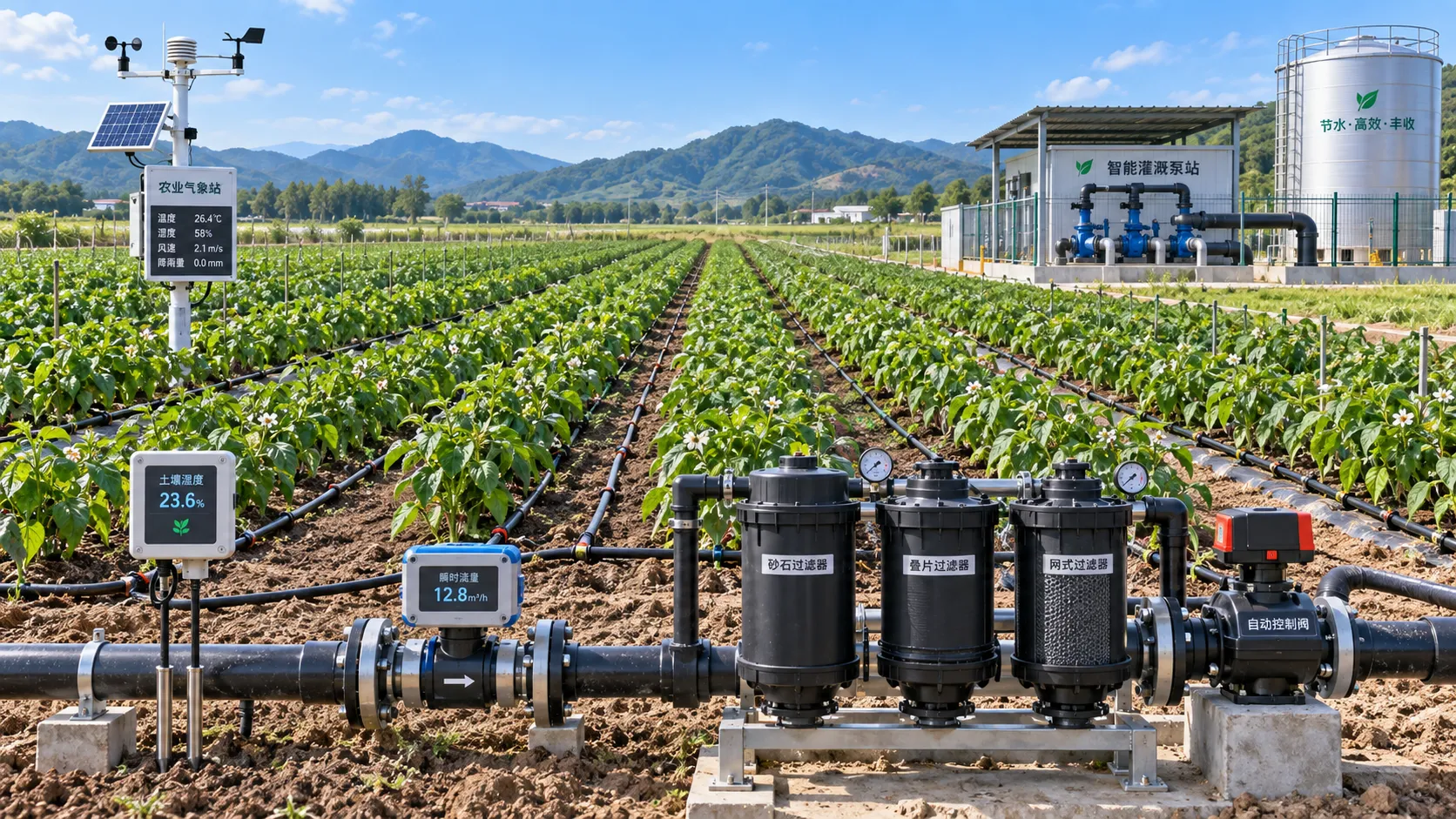
Automated Water-Saving Irrigation: How to Cut Water Use Without Reducing Crop Yields
Automated water-saving irrigation helps farms cut water use, protect crop yields, improve scheduling, and gain reliable control with sensors, flow monitoring, and smart zones.
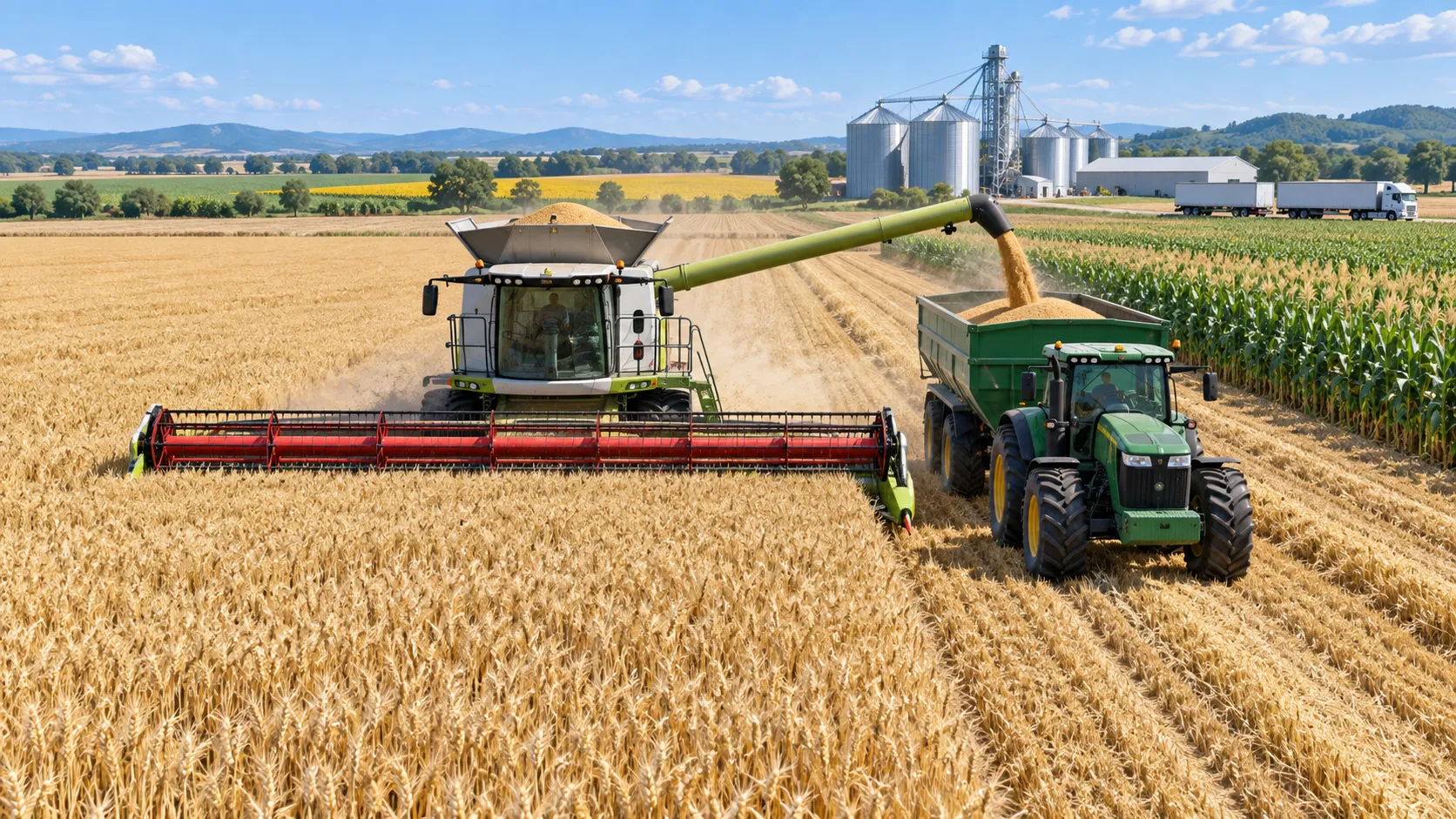
Selecting Grain Farm Equipment by Acreage, Crop Mix, and Harvest Window
Agricultural equipment selection for grain farming: match machinery to acreage, crop mix, and harvest windows to improve uptime, efficiency, and returns.
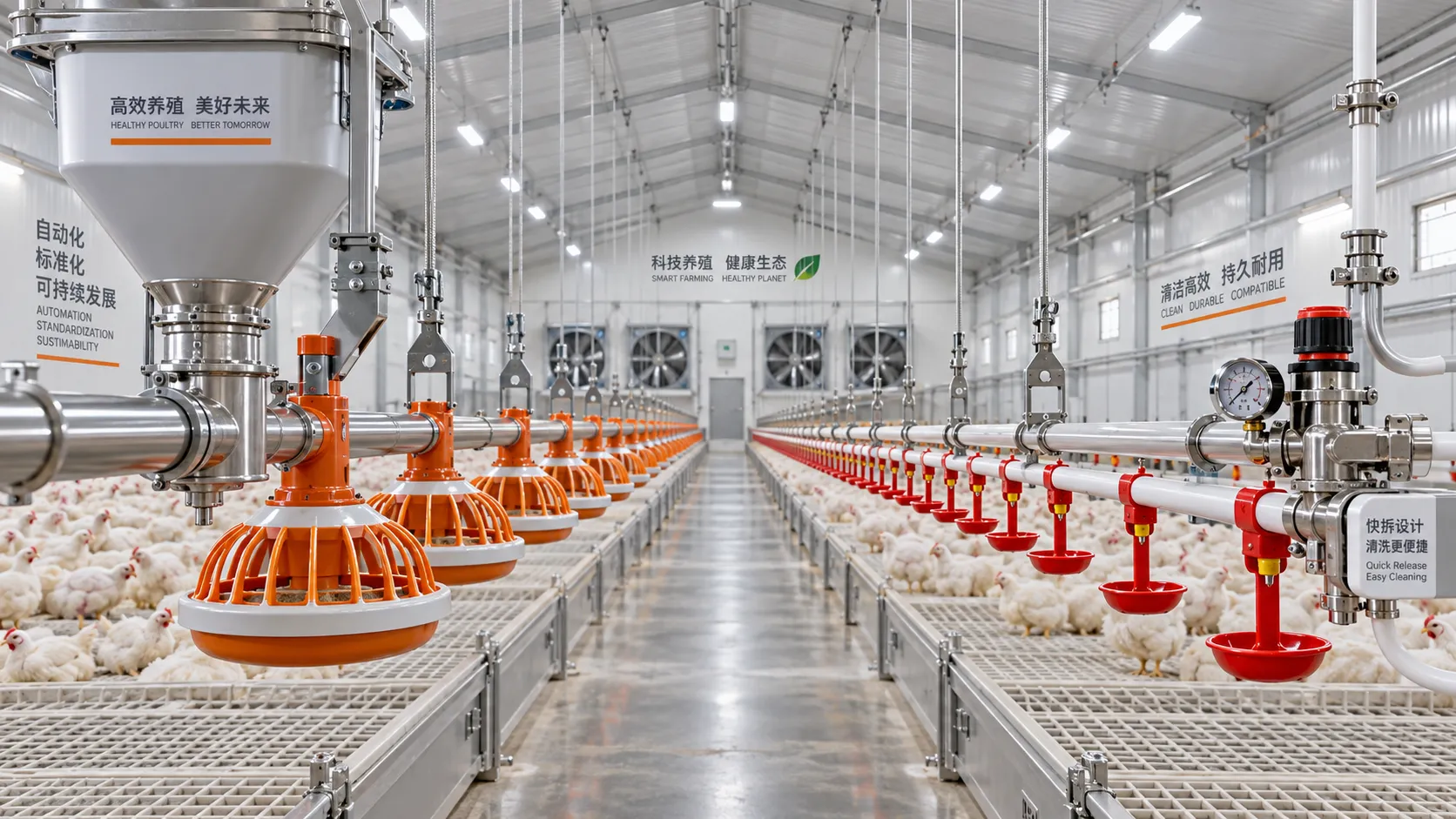
Poultry Equipment Selection: Evaluating Durability, Cleaning, and Compatibility
Poultry equipments selection guide: evaluate durability, cleaning access, and system compatibility to improve hygiene, reduce downtime, and support efficient flock management.
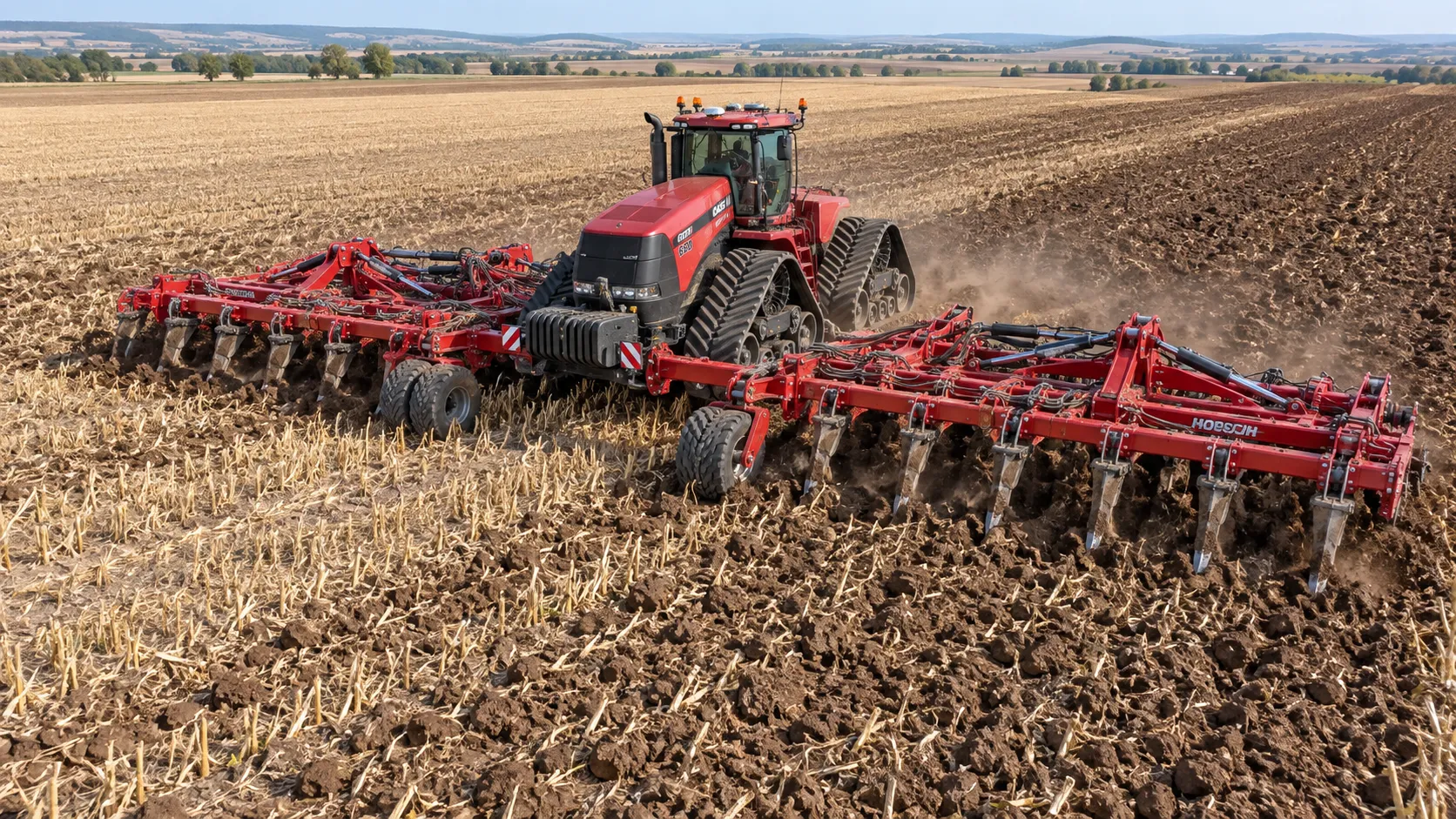
How to Select Heavy-Duty Farm Implements for High-Acreage, High-Horsepower Operations
Heavy duty farm implements: learn how to match draft, hydraulics, hitch capacity, frame strength, and field conditions for reliable high-acreage performance.
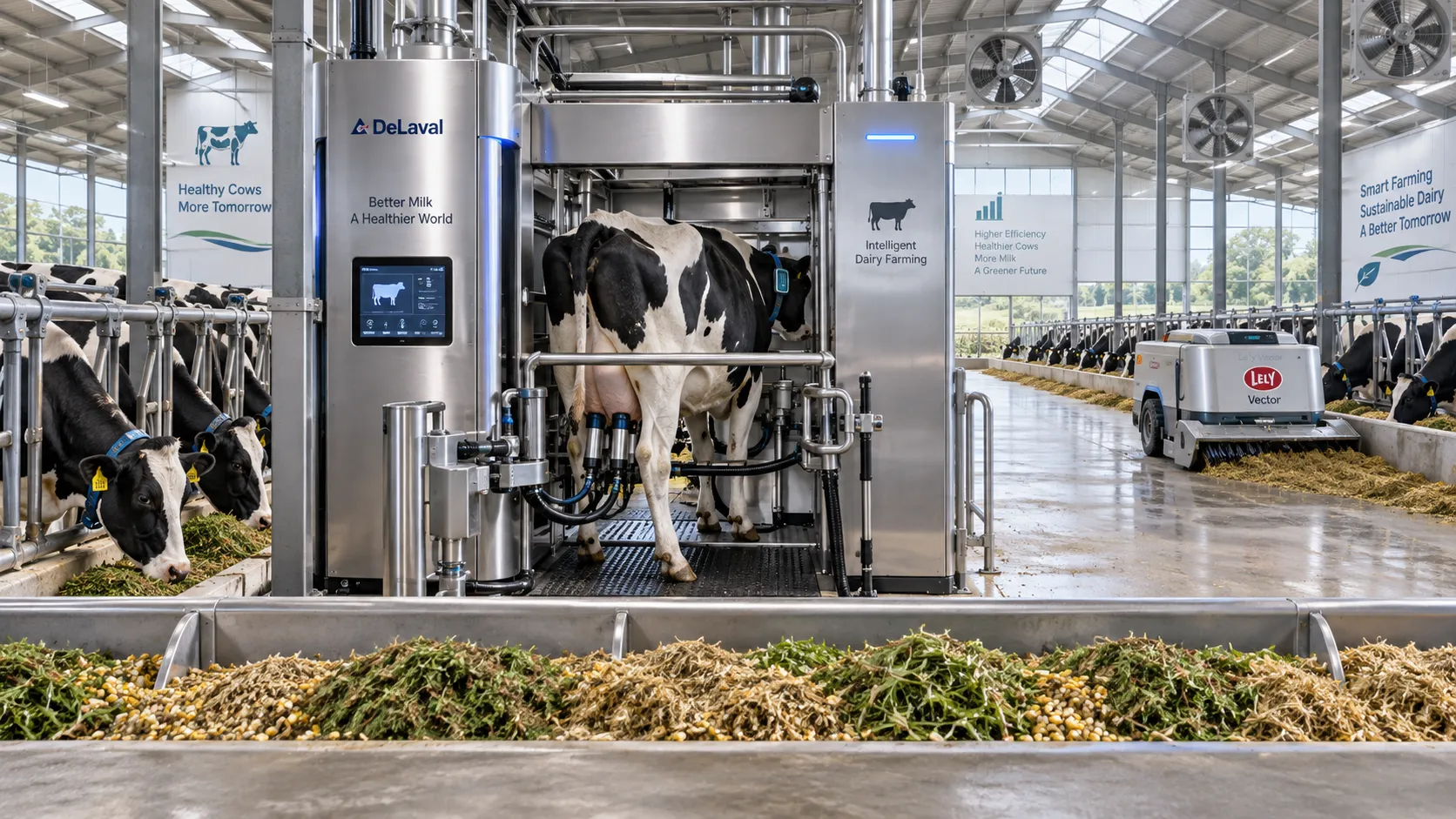
Smart Farming Technology for Dairy Farms: Where Automation Delivers Measurable ROI
Smart farming technology for dairy farms delivers measurable ROI through automation, precision feeding, health monitoring, and data-driven cost control.
Related News
- 00
0000-00
How Does Farm Mechanization Affect Food Security in Developing Regions? - 00
0000-00
Agricultural Technology Insights by Region: Where Adoption Is Growing Fastest - 00
0000-00
How Climate-Smart Agriculture Technology Improves Yield, Soil Health, and Risk Resilience - 00
0000-00
Smart Farming Solutions in Latin America: Which Technologies Fit Large Farms Best? - 00
0000-00
Long-Cycle Agri-Trade Price Trends: How to Read Supply, Freight, and Currency Signals
Popular Tags
Prof. Marcus Chen
Weekly Insights
Stay ahead with our curated technology reports delivered every Monday.