
ANVISA Exempts Chinese Soil Moisture Sensors from Registration
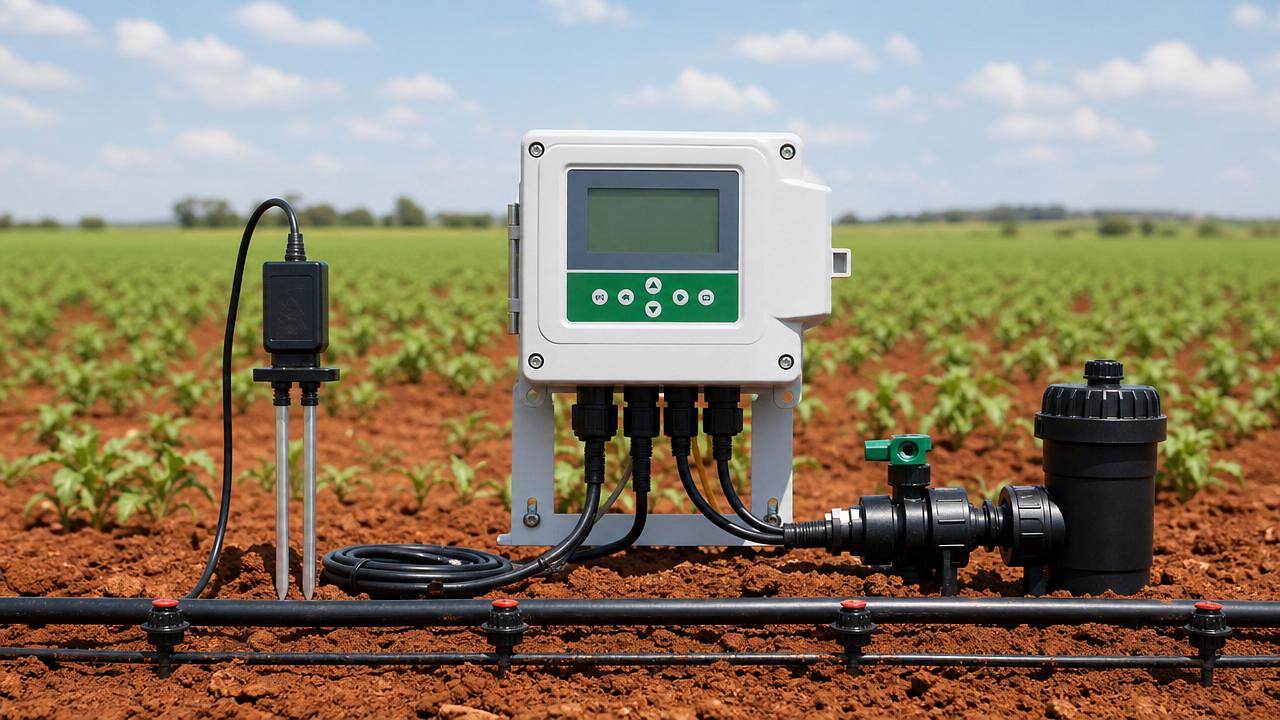




Brazil’s National Health Surveillance Agency (ANVISA) updated its Special Access List for Agricultural and Environmental Monitoring Devices on May 9, 2026, exempting soil moisture sensors compliant with China’s GB/T 34827–2017 and China RoHS standards from mandatory registration. This development directly impacts exporters of integrated drip irrigation systems and suppliers engaged in agricultural infrastructure projects targeting Brazil and broader South America.
Event Overview
On May 9, 2026, ANVISA formally added soil moisture sensors meeting GB/T 34827–2017 and China RoHS requirements to its Special Access List for Agricultural and Environmental Monitoring Devices. As a result, Chinese-made drip irrigation system units incorporating these exempted sensors may now enter Brazil under the classification “agricultural infrastructure components”, bypassing the standard 6–9 month ANVISA registration process.
Industries Affected
Direct Exporters of Drip Irrigation Systems
These companies are directly affected because their assembled systems—previously subject to full ANVISA medical or health-related device registration—now qualify for expedited clearance. The exemption applies only when the embedded soil moisture sensor meets the specified Chinese standards; standalone sensors or non-compliant configurations remain subject to prior approval.
Manufacturers Integrating Soil Moisture Sensors into Agricultural Hardware
OEM and ODM producers assembling irrigation controllers, smart valves, or fertigation units with embedded soil moisture sensing functionality benefit from reduced time-to-market in Brazil. Impact is operational: fewer regulatory submissions, lower compliance overhead, and faster response to tender timelines for public or agribusiness infrastructure contracts.
Component Suppliers and Sensor Producers
Chinese manufacturers of soil moisture sensors certified to GB/T 34827–2017 and China RoHS gain differentiated access—not as standalone electronic devices, but as qualified subsystems within larger agricultural equipment. Their export documentation must explicitly reference compliance with both standards to support downstream customs classification.
Logistics and Regulatory Compliance Service Providers
Firms offering ANVISA registration support, import classification advisory, or Brazilian customs brokerage will see shifting demand: less volume for full-device registration services, increased need for verification of sensor-level standard compliance and correct tariff classification under NCM code 8424.89.90 (“other parts for irrigation equipment”).
Key Considerations and Recommended Actions
Monitor Official Classification Guidance from ANVISA and SECEX
While the Special Access List update is published, formal guidance on documentary requirements (e.g., declaration formats, test report acceptance criteria, or audit expectations for exempted sensors) remains pending. Exporters should track updates from ANVISA’s Technical Regulation Division and Brazil’s Secretariat of Foreign Trade (SECEX).
Verify Sensor Compliance Documentation Before Shipment
Exemption eligibility hinges on verifiable conformity with GB/T 34827–2017 (soil moisture sensor performance and testing methods) and China RoHS (hazardous substance restrictions). Exporters must retain certified test reports and declarations traceable to accredited laboratories—not internal self-declarations alone.
Distinguish Between Policy Signal and Operational Readiness
This is a regulatory eligibility change—not an automatic customs clearance guarantee. Brazilian importers and customs brokers still determine final classification at entry. Companies should conduct pre-shipment classification reviews using ANVISA’s published list and consult with local legal counsel before first shipments under the new pathway.
Update Internal Product Documentation and Supply Chain Communication
Manufacturers and exporters should revise technical files, commercial invoices, and packing lists to explicitly cite GB/T 34827–2017 and China RoHS compliance for covered sensors. Downstream partners—including Brazilian distributors and engineering contractors—must receive clear guidance on how to position the product during import declaration.
Editorial Perspective / Industry Observation
Observably, this update reflects ANVISA’s ongoing effort to streamline oversight for low-risk environmental monitoring tools used in agriculture—distinct from clinical or human-health–focused devices. Analysis shows it functions primarily as a targeted regulatory efficiency measure rather than a broad market-opening initiative. From an industry perspective, it signals growing recognition of harmonized technical standards as a basis for mutual regulatory acceptance—but does not imply reciprocity for other device categories or future expansion to additional countries in Mercosur. Current relevance lies in its immediate applicability to one specific component-integration scenario; sustained impact depends on consistent enforcement and absence of ad hoc reclassification requests at port.
The exemption does not extend to wireless communication modules, data platforms, or cloud-based analytics components often bundled with such systems—those elements remain subject to separate regulatory assessments under ANATEL (telecom) or LGPD (data privacy) frameworks.
Current interpretation favors cautious implementation: treat the exemption as a validated pathway for eligible configurations, not a de facto deregulation of agricultural IoT hardware.
Conclusion
This ANVISA policy update lowers a specific regulatory barrier for Chinese-made drip irrigation systems entering Brazil—but only where soil moisture sensors meet two defined national standards. Its significance lies not in sweeping liberalization, but in demonstrating how narrowly scoped, standards-based exemptions can accelerate deployment of interoperable agricultural infrastructure. For stakeholders, it is best understood as an operational enabler with defined boundaries—not a structural shift in Brazil’s medical or environmental device regulation framework.
Information Sources
Primary source: ANVISA Ordinance updating the Special Access List for Agricultural and Environmental Monitoring Devices, published May 9, 2026. Official notice available via ANVISA’s Electronic Gazette (Diário Oficial da União – DOU) and the agency’s Regulatory Database (Banco de Dados Regulatório – BDR).
Points requiring ongoing observation: issuance of detailed implementation instructions by ANVISA’s Certification and Inspection Coordination (COCIN), and any subsequent clarifications from Brazil’s Federal Revenue Service (Receita Federal do Brasil) regarding NCM classification practice for exempted assemblies.
Related News
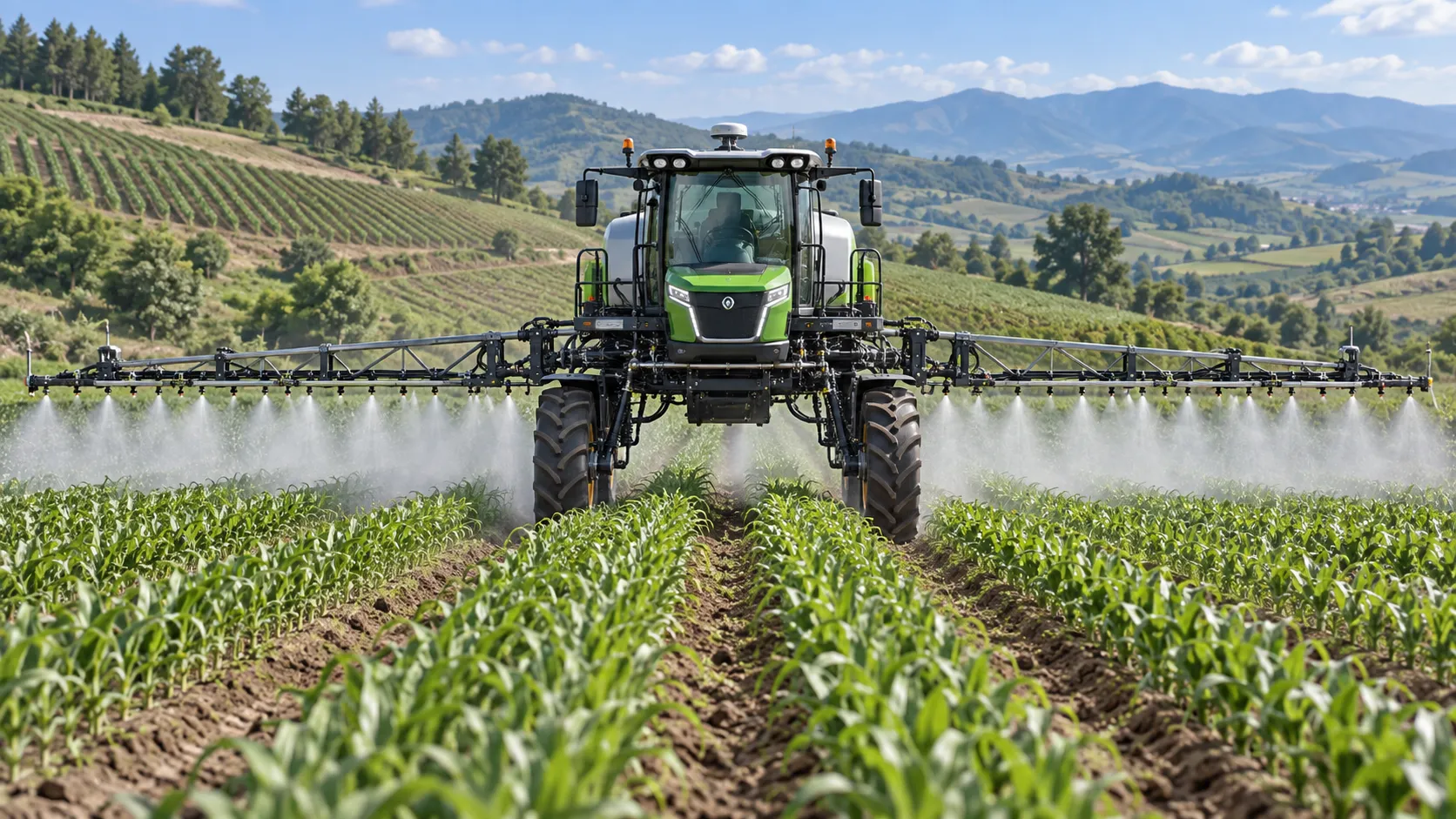
How to Select Precision Crop Protection Equipment for Variable Field Conditions
Precision crop protection equipment selection made simple: compare terrain, canopy, weather, control accuracy, and data workflows for reliable applications.
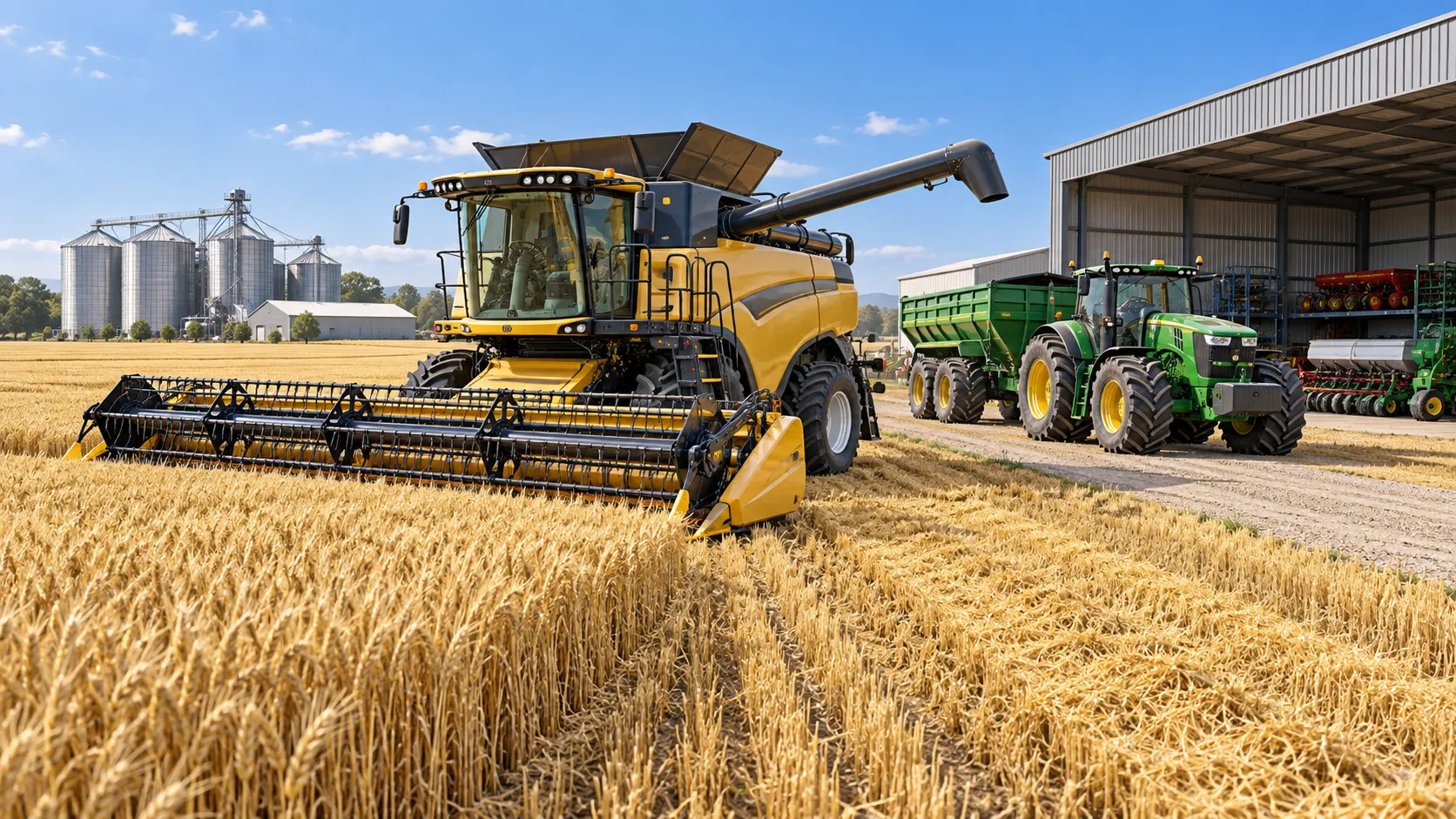
When Does Agricultural Machinery Leasing Cost Less Than Owning Equipment?
Agricultural machinery leasing can lower farm costs when use is seasonal or uncertain. Compare utilization, maintenance, cash flow, and risk to make a smarter equipment decision.
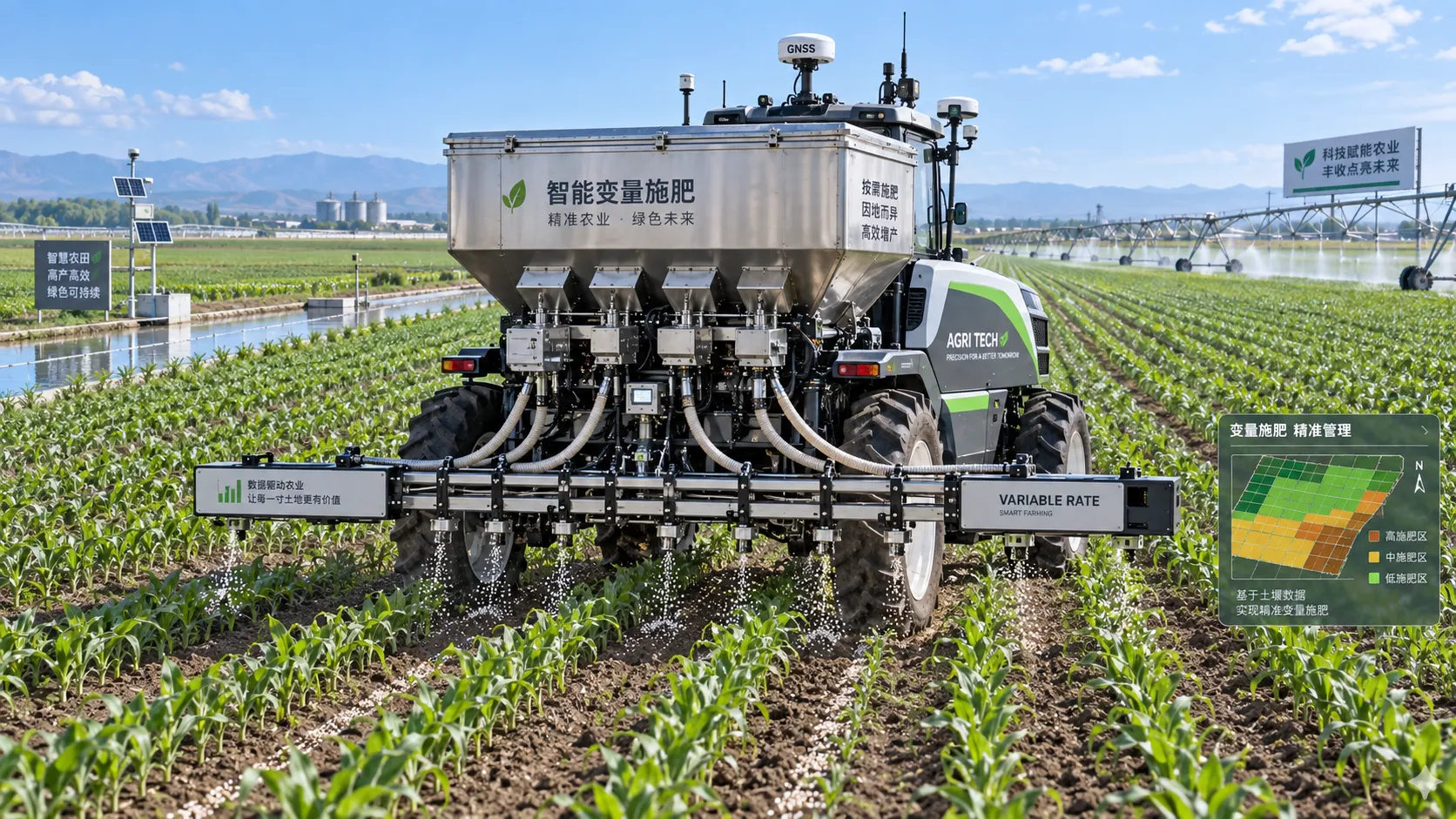
How to Evaluate Precision Fertilization System Suppliers for Farm-Scale Deployment
Precision fertilization systems suppliers: learn how to compare accuracy, integration, uptime, service, and total cost for confident farm-scale deployment.
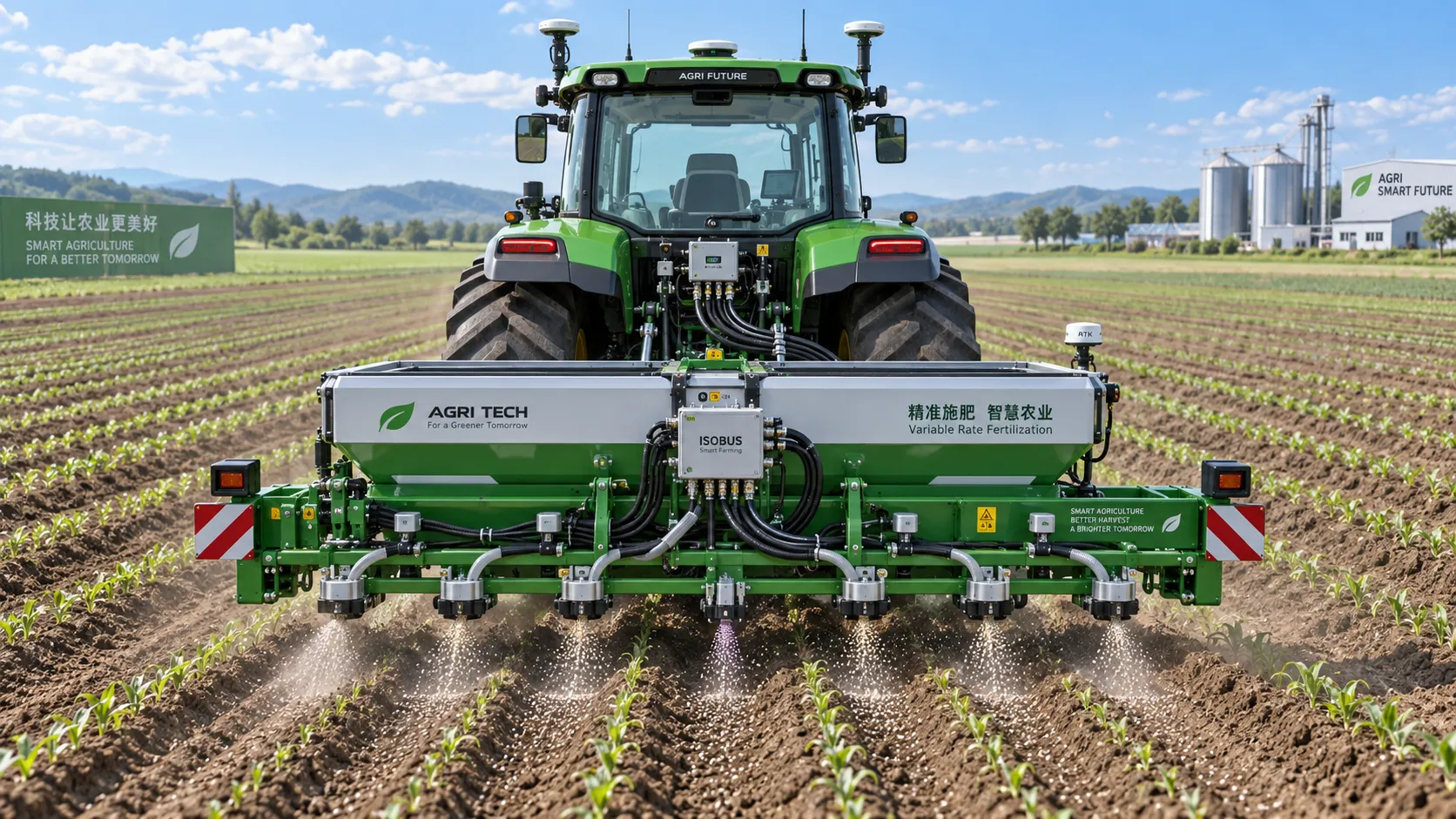
ISOBUS for Smart Agriculture: How It Connects Tractors, Implements, and Farm Data
ISOBUS for smart agriculture connects tractors, implements, terminals, and farm data—helping growers improve precision, documentation, and smarter field decisions.
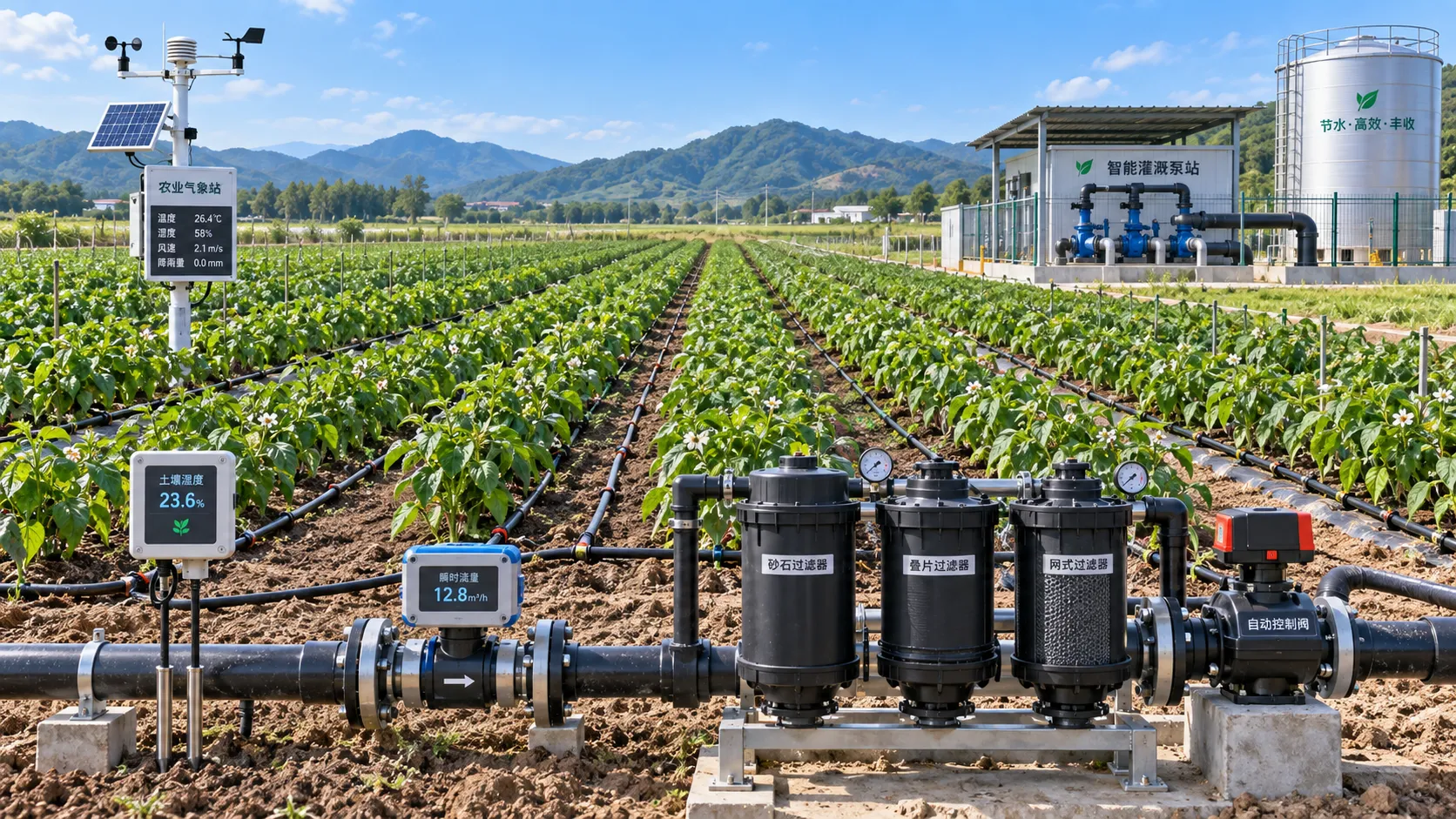
Automated Water-Saving Irrigation: How to Cut Water Use Without Reducing Crop Yields
Automated water-saving irrigation helps farms cut water use, protect crop yields, improve scheduling, and gain reliable control with sensors, flow monitoring, and smart zones.
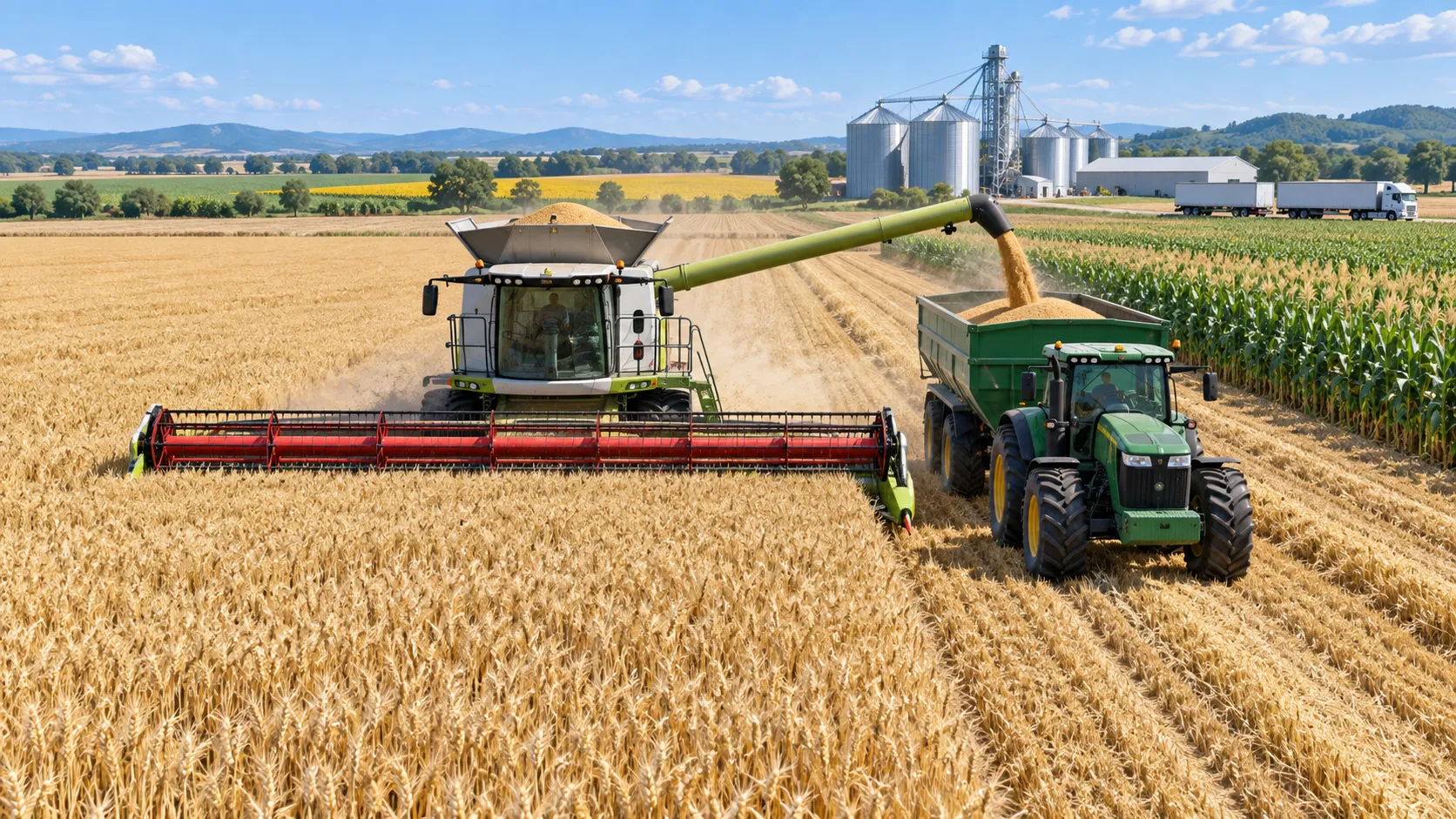
Selecting Grain Farm Equipment by Acreage, Crop Mix, and Harvest Window
Agricultural equipment selection for grain farming: match machinery to acreage, crop mix, and harvest windows to improve uptime, efficiency, and returns.
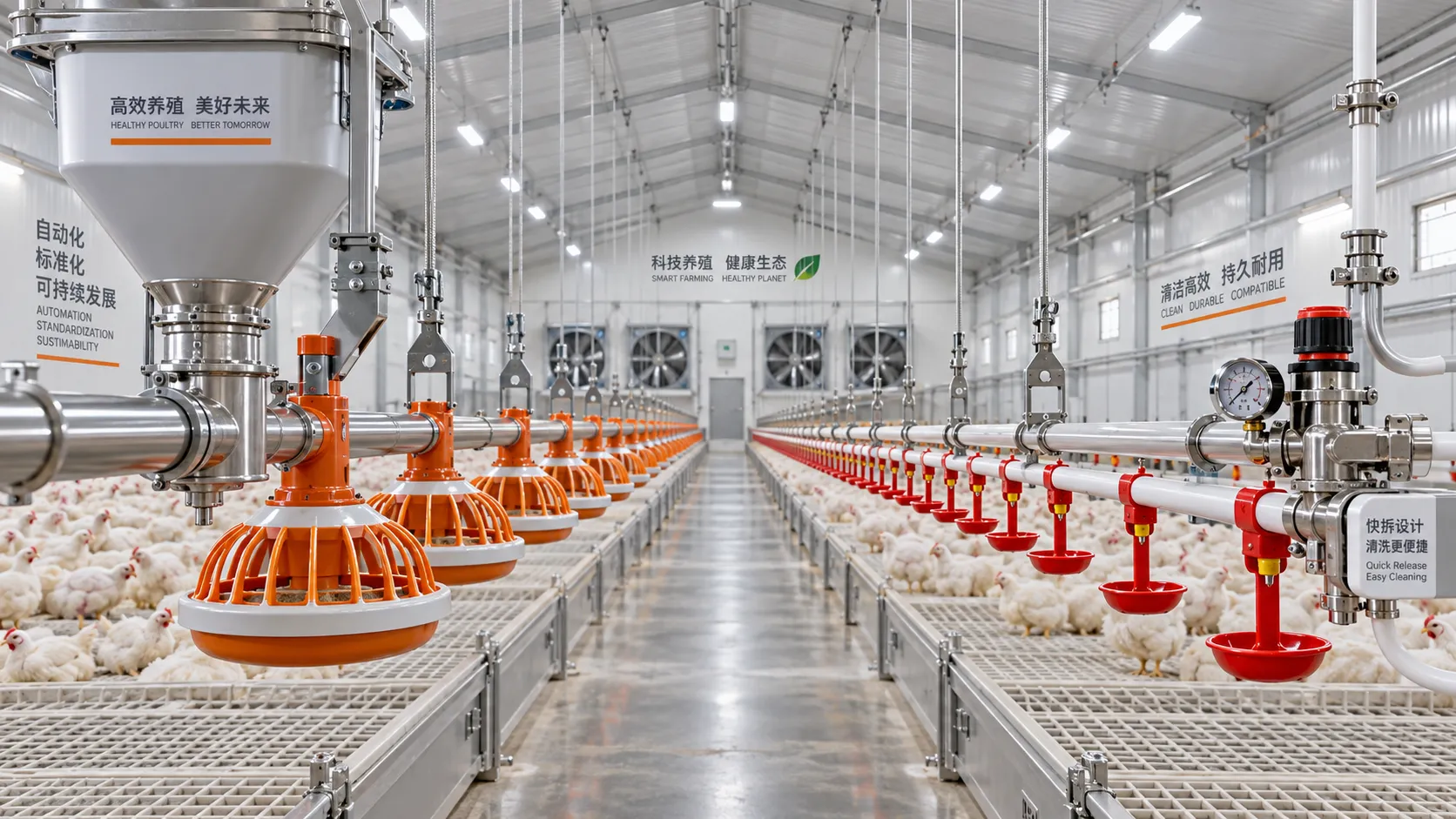
Poultry Equipment Selection: Evaluating Durability, Cleaning, and Compatibility
Poultry equipments selection guide: evaluate durability, cleaning access, and system compatibility to improve hygiene, reduce downtime, and support efficient flock management.
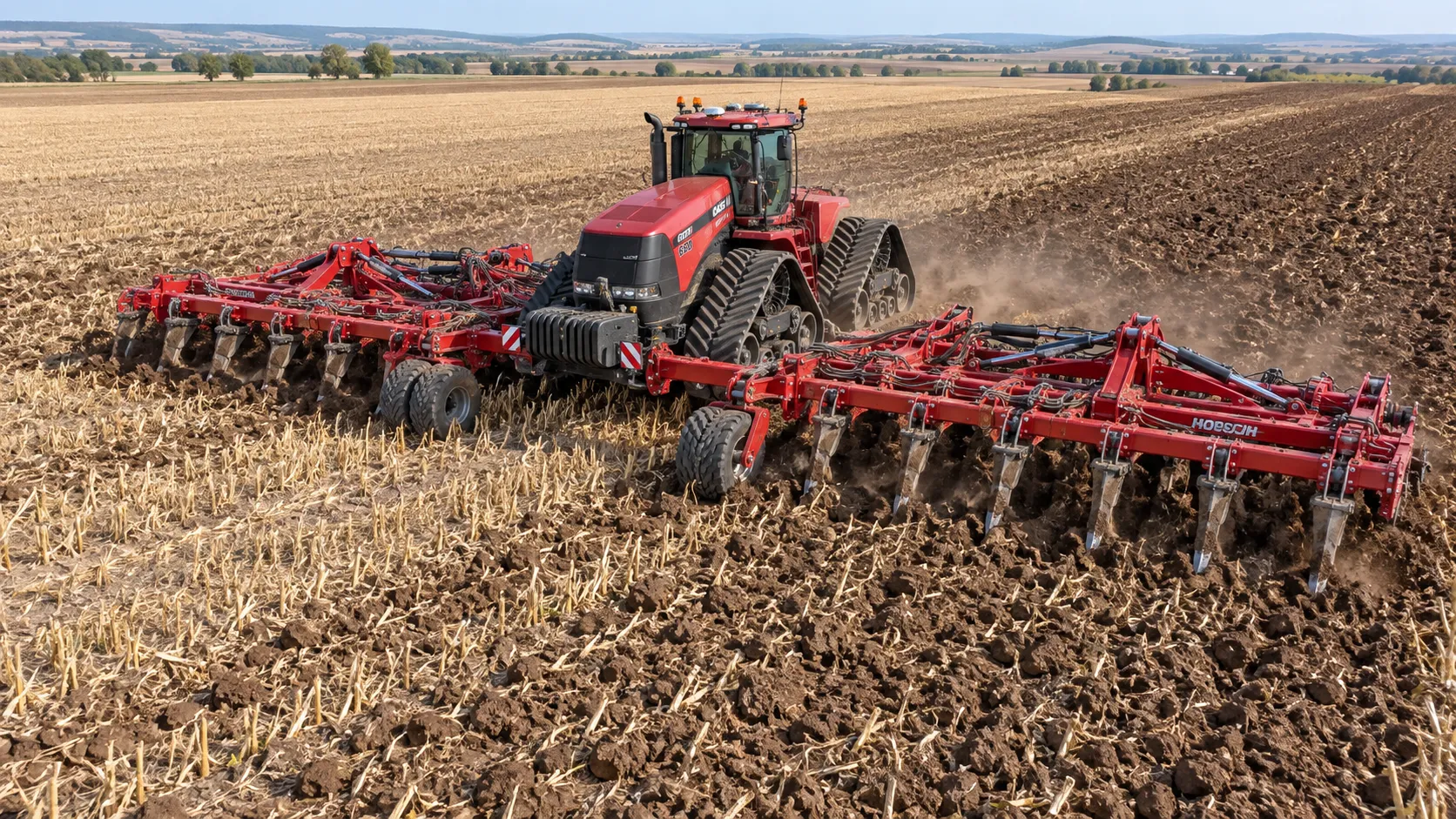
How to Select Heavy-Duty Farm Implements for High-Acreage, High-Horsepower Operations
Heavy duty farm implements: learn how to match draft, hydraulics, hitch capacity, frame strength, and field conditions for reliable high-acreage performance.
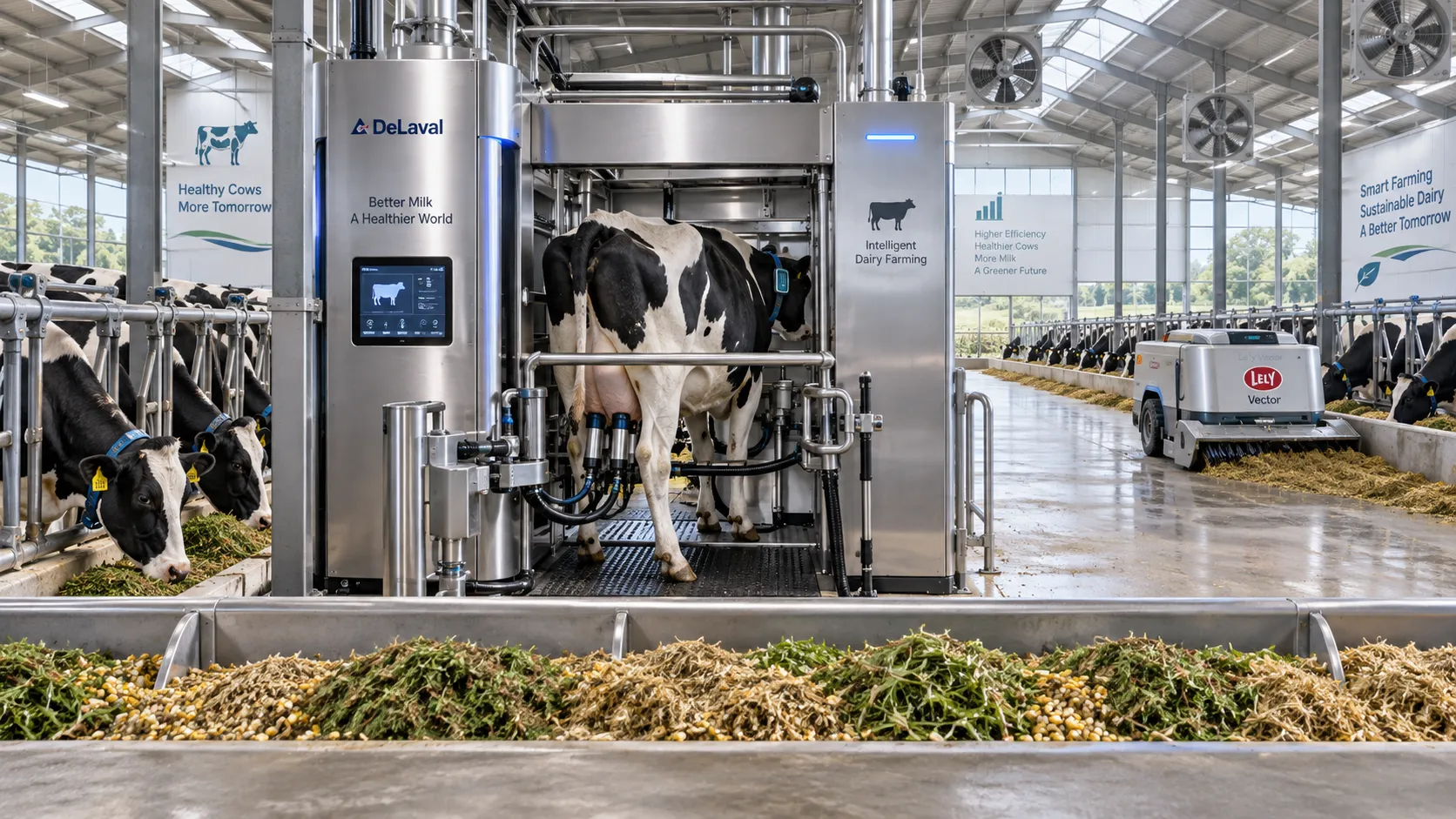
Smart Farming Technology for Dairy Farms: Where Automation Delivers Measurable ROI
Smart farming technology for dairy farms delivers measurable ROI through automation, precision feeding, health monitoring, and data-driven cost control.
Related News
- 00
0000-00
Selecting Real-Time Soil Moisture Sensors for Irrigation Zone Control - 00
0000-00
How Does Climate-Smart Farming Reduce Water Use in Semi-Arid Areas? - 00
0000-00
USDA Rule Takes Effect: Dual FCC and NRCS Approval for Soil Moisture Sensors - 00
0000-00
EU Rule Takes Effect: Soil Moisture Sensors Need Revised CE-EMC Certification - 00
0000-00
How to Choose Wireless Smart Irrigation Systems for Better Water Control
Popular Tags
Hydrological Resource Strategist
Weekly Insights
Stay ahead with our curated technology reports delivered every Monday.