
ANVISA Grants Registration Exemption for Chinese Soil Moisture Sensors
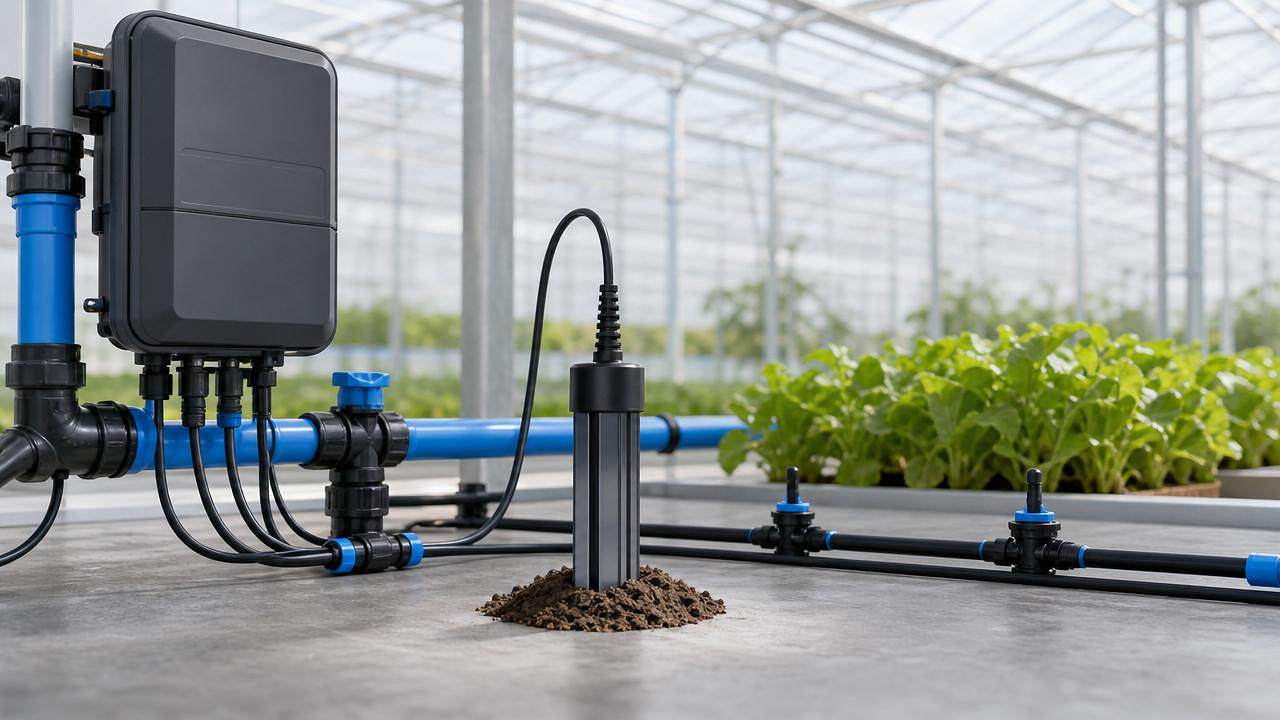




Brazil’s National Health Surveillance Agency (ANVISA) issued Resolution No. 112/2026 on May 7, 2026, granting registration exemption for ISO 11274:2025–certified soil moisture sensors manufactured in China. This decision enables such sensors to enter Brazil as integrated components of drip irrigation systems—without standalone clinical or environmental safety submissions. The move is relevant to agricultural technology exporters, precision irrigation manufacturers, and supply chain service providers operating between China and Brazil.
Event Overview
On May 7, 2026, ANVISA published Resolution No. 112/2026, which applies a ‘category-based registration exemption’ to Chinese-made soil moisture sensors compliant with ISO 11274:2025. Under this provision, these sensors may be imported into Brazil only as embedded parts of certified drip irrigation system units (e.g., Drip Irrigation Logic systems), not as standalone devices. Separate clinical or environmental safety reports are no longer required for the sensors when shipped as integral system components. The resolution is publicly available and effective upon publication.
Industries Affected
Direct Exporters of Smart Irrigation Systems
These companies export complete drip irrigation units—including controllers, tubing, emitters, and embedded sensors—to Brazil. The exemption reduces certification complexity by eliminating redundant sensor-level submissions, directly lowering compliance overhead.
Manufacturers of Soil Moisture Sensors
OEM and ODM sensor producers supplying to irrigation system integrators are affected because their products now qualify for streamlined market access—provided they meet ISO 11274:2025 and are supplied exclusively as part of certified end-systems. Standalone sales remain subject to full ANVISA registration.
Supply Chain & Logistics Service Providers
Firms managing customs clearance, technical documentation, and conformity assessment for China–Brazil agri-tech shipments face revised documentation requirements. Sensor-specific dossiers are no longer needed if declared as non-separable system components, simplifying declaration workflows and reducing transit time at Brazilian ports.
System Integrators & Brand Owners
Companies assembling or branding drip irrigation systems that incorporate third-party Chinese sensors benefit from faster time-to-market and lower certification costs—estimated at a 35% reduction in certification-related expenses and a 4–6 week acceleration in regulatory clearance cycles.
Key Considerations and Recommended Actions
Monitor official implementation guidance from ANVISA
While Resolution No. 112/2026 is in effect, ANVISA has not yet published detailed operational instructions—for example, how ‘integrated component’ status will be verified during customs inspection or whether sensor traceability (e.g., serial linking to system unit IDs) is required. Exporters should track updates via ANVISA’s official notices and consult licensed regulatory agents in Brazil.
Verify ISO 11274:2025 compliance and documentation alignment
The exemption applies strictly to sensors certified to ISO 11274:2025—not earlier versions or equivalent national standards. Exporters must ensure test reports, certificates, and labeling explicitly reference ISO 11274:2025 and are issued by ANVISA-recognized or IECRE-accredited bodies. Mismatches may trigger re-evaluation or rejection.
Distinguish between policy signal and operational readiness
This resolution signals regulatory openness toward harmonized agri-tech components—but does not alter requirements for other subsystems (e.g., electronic controllers, power modules) or for non-integrated sensor sales. Companies should avoid assuming broader exemptions apply beyond the specific scope defined in the resolution.
Update procurement and labeling protocols ahead of shipment
To qualify, sensors must be physically and functionally inseparable from the irrigation system unit—and declared as such in commercial invoices, packing lists, and technical annexes. Manufacturers and exporters should revise internal SOPs to ensure consistent documentation, including clear language stating ‘non-standalone use only’ and referencing Resolution No. 112/2026.
Editorial Perspective / Industry Observation
Observably, this decision reflects a targeted regulatory recalibration—not a broad liberalization of ANVISA’s medical/environmental device oversight. Soil moisture sensors fall under ANVISA’s jurisdiction due to their classification as environmental monitoring devices with potential indirect public health relevance (e.g., water resource management, pesticide leaching control). The exemption appears designed to reduce friction for high-value, system-level agricultural infrastructure while maintaining oversight integrity. Analysis shows it functions primarily as a procedural enabler: it lowers barriers for compliant system exports but does not relax technical or performance expectations. From an industry perspective, it is best understood as a pilot alignment effort—potentially indicative of future category-based pathways for other standardized agri-sensors, though no such expansion is confirmed or implied in the current text of Resolution No. 112/2026.
Concluding, this resolution marks a concrete, narrow adjustment in Brazil’s import framework for a specific class of agricultural sensing hardware. Its significance lies not in scale, but in precedent: it demonstrates ANVISA’s willingness to adopt risk-proportionate approaches for internationally standardized components embedded in certified systems. For stakeholders, it is more accurately interpreted as a targeted process optimization than a strategic market-opening event. Current understanding should emphasize strict scope adherence—neither overextending its applicability nor underestimating its operational impact on qualifying product flows.
Source: ANVISA Resolution No. 112/2026, published May 7, 2026. Official text available on the ANVISA website (www.gov.br/anvisa). Note: Implementation details—including customs verification procedures and acceptable evidence formats—are pending further guidance and remain under observation.
Related News
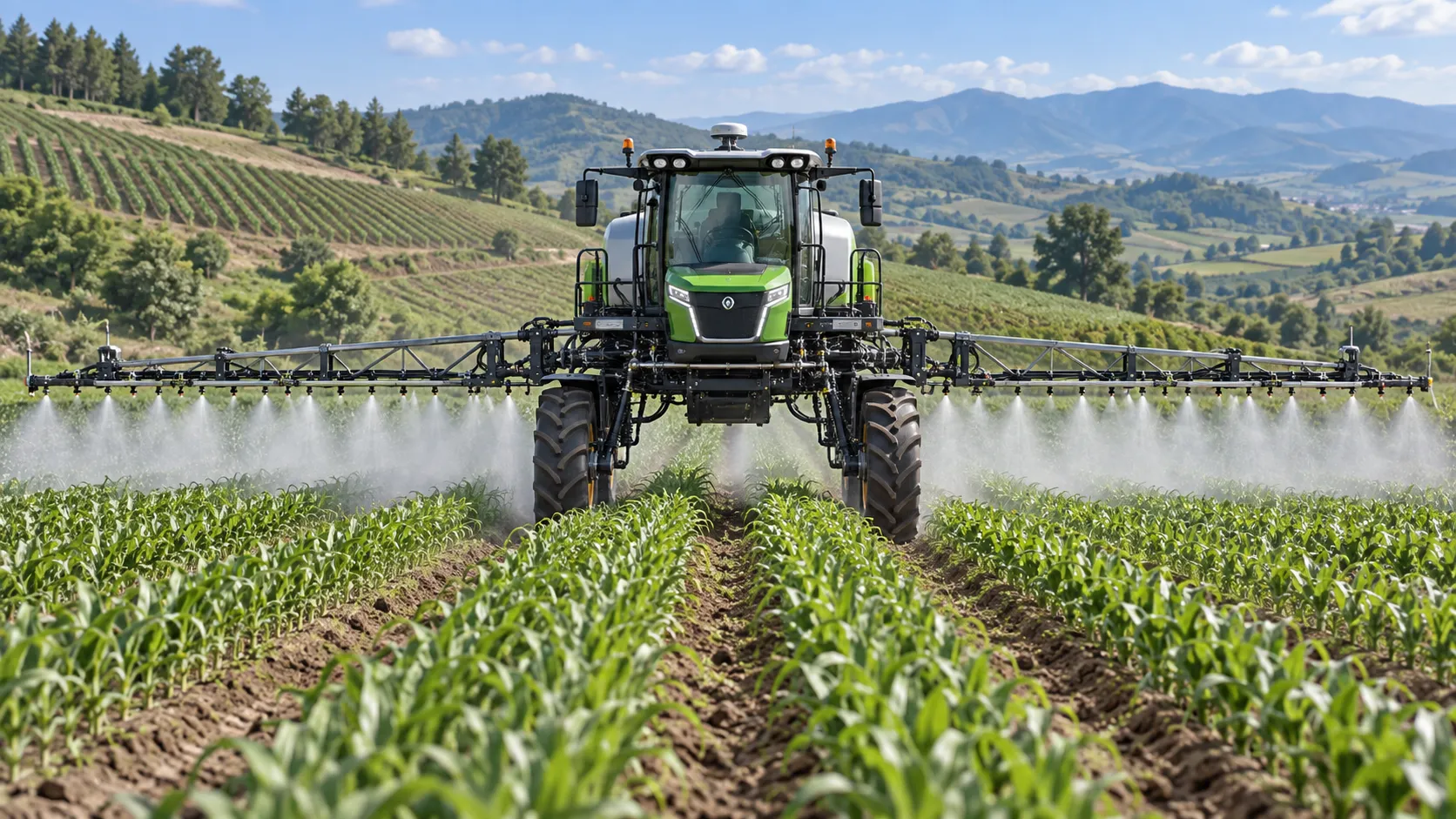
How to Select Precision Crop Protection Equipment for Variable Field Conditions
Precision crop protection equipment selection made simple: compare terrain, canopy, weather, control accuracy, and data workflows for reliable applications.
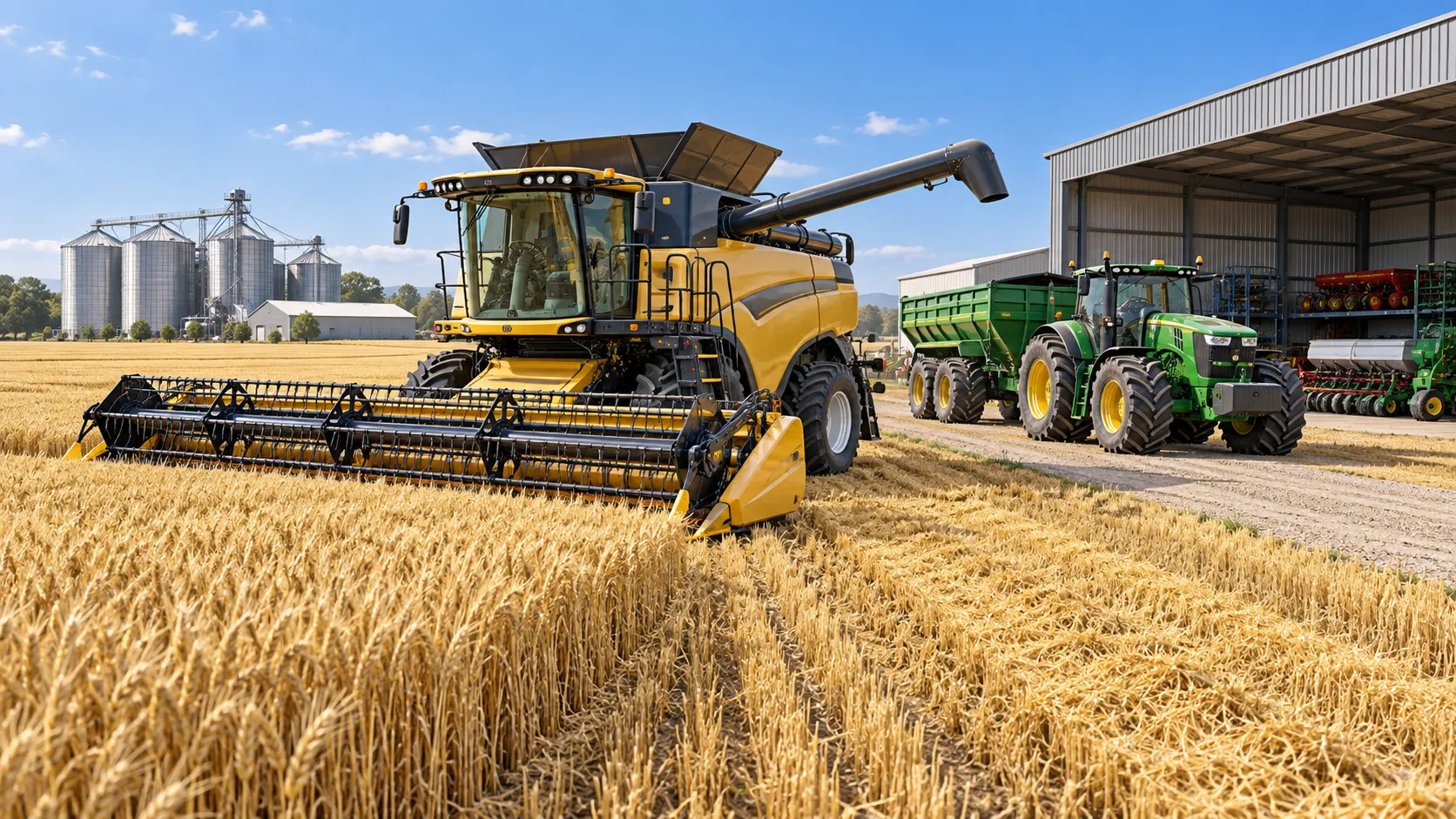
When Does Agricultural Machinery Leasing Cost Less Than Owning Equipment?
Agricultural machinery leasing can lower farm costs when use is seasonal or uncertain. Compare utilization, maintenance, cash flow, and risk to make a smarter equipment decision.
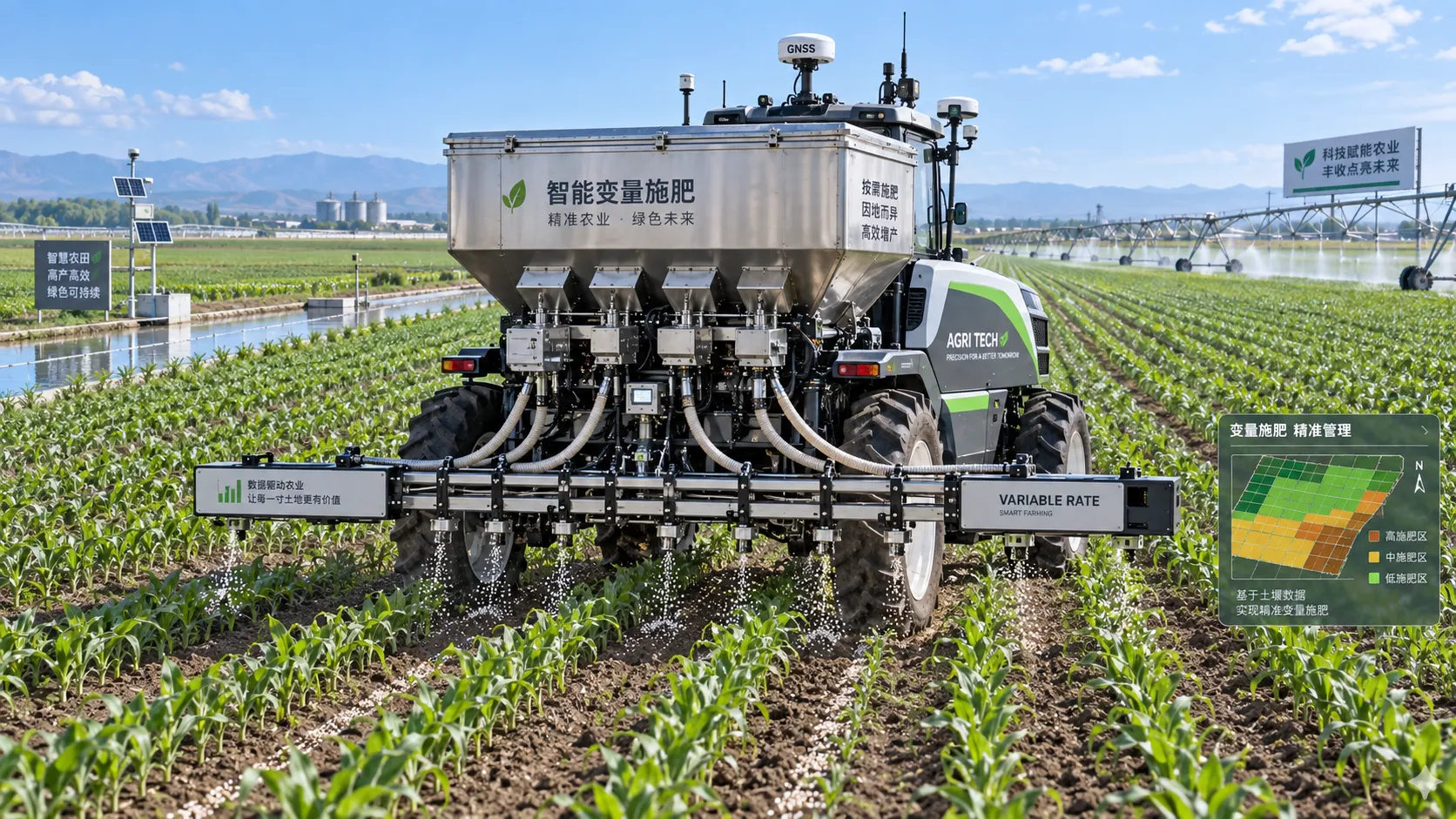
How to Evaluate Precision Fertilization System Suppliers for Farm-Scale Deployment
Precision fertilization systems suppliers: learn how to compare accuracy, integration, uptime, service, and total cost for confident farm-scale deployment.
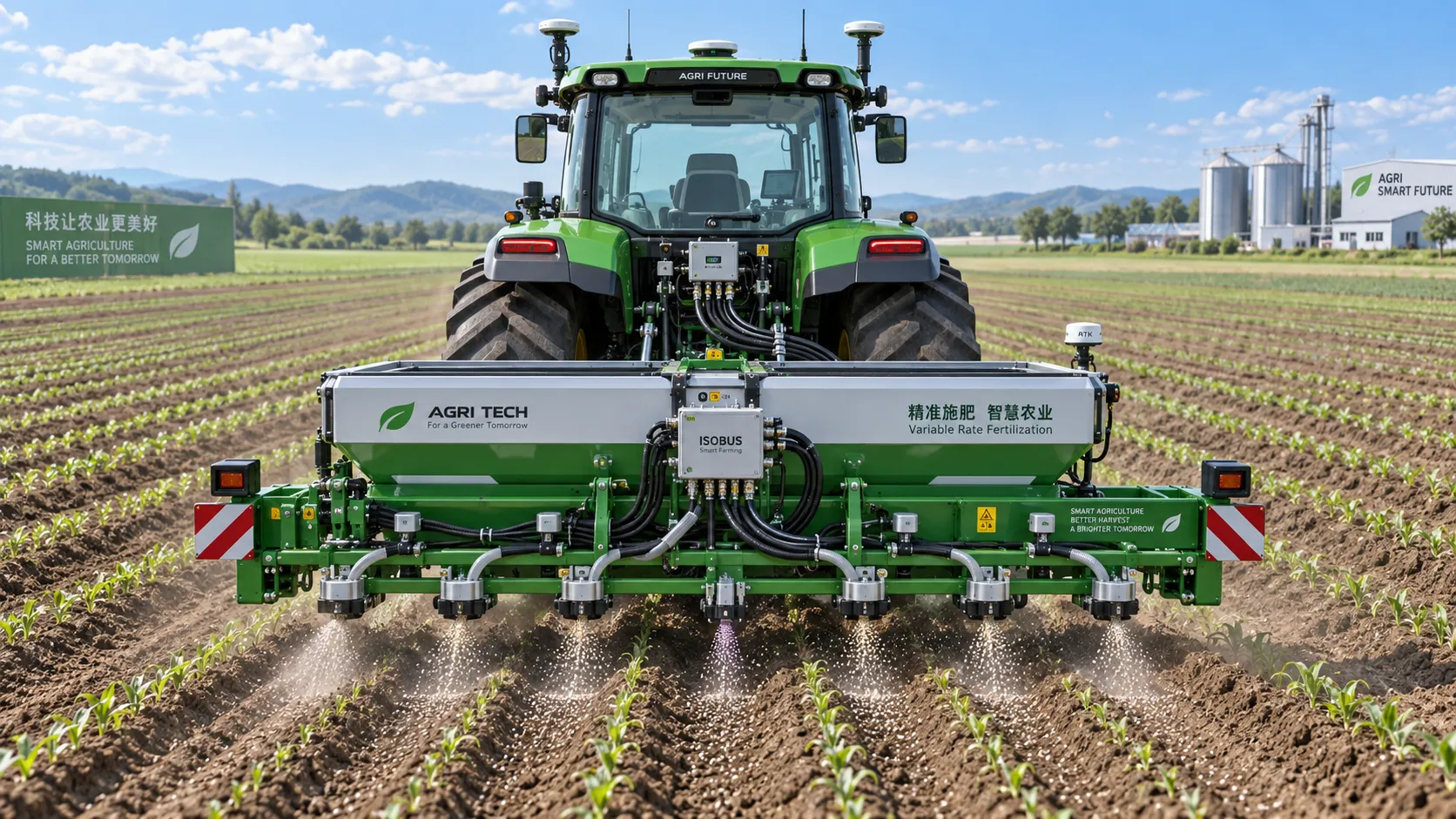
ISOBUS for Smart Agriculture: How It Connects Tractors, Implements, and Farm Data
ISOBUS for smart agriculture connects tractors, implements, terminals, and farm data—helping growers improve precision, documentation, and smarter field decisions.
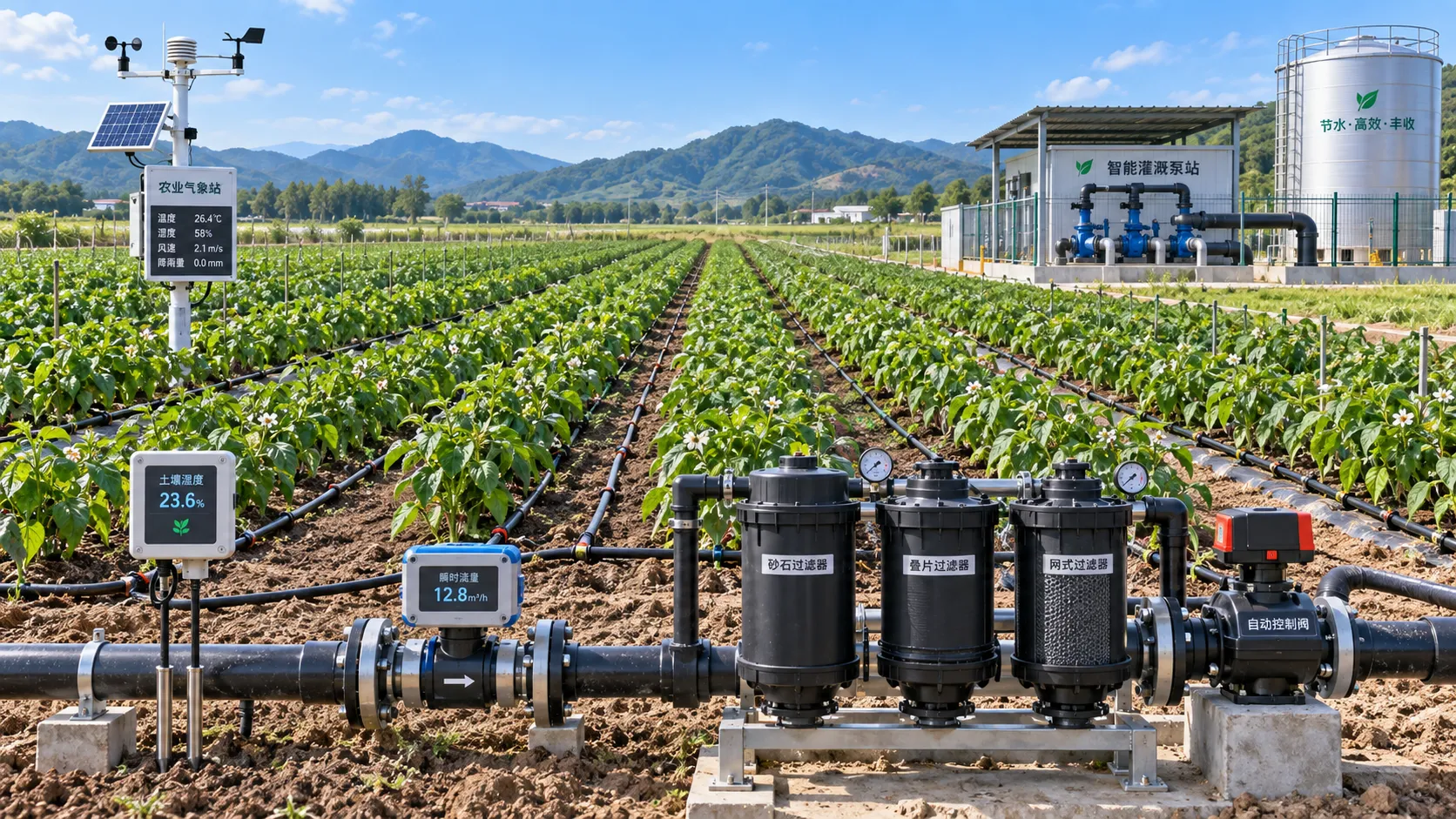
Automated Water-Saving Irrigation: How to Cut Water Use Without Reducing Crop Yields
Automated water-saving irrigation helps farms cut water use, protect crop yields, improve scheduling, and gain reliable control with sensors, flow monitoring, and smart zones.
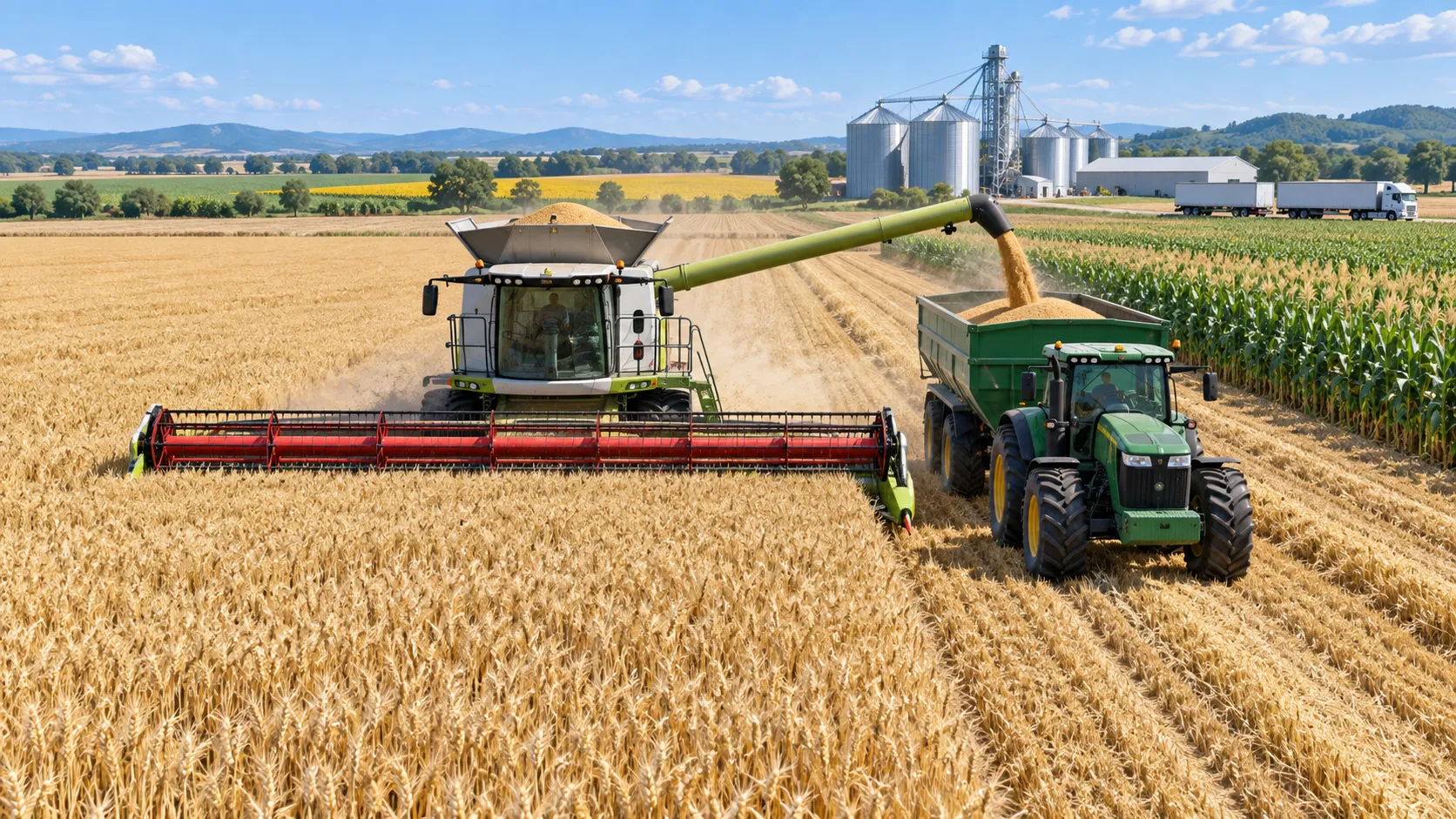
Selecting Grain Farm Equipment by Acreage, Crop Mix, and Harvest Window
Agricultural equipment selection for grain farming: match machinery to acreage, crop mix, and harvest windows to improve uptime, efficiency, and returns.
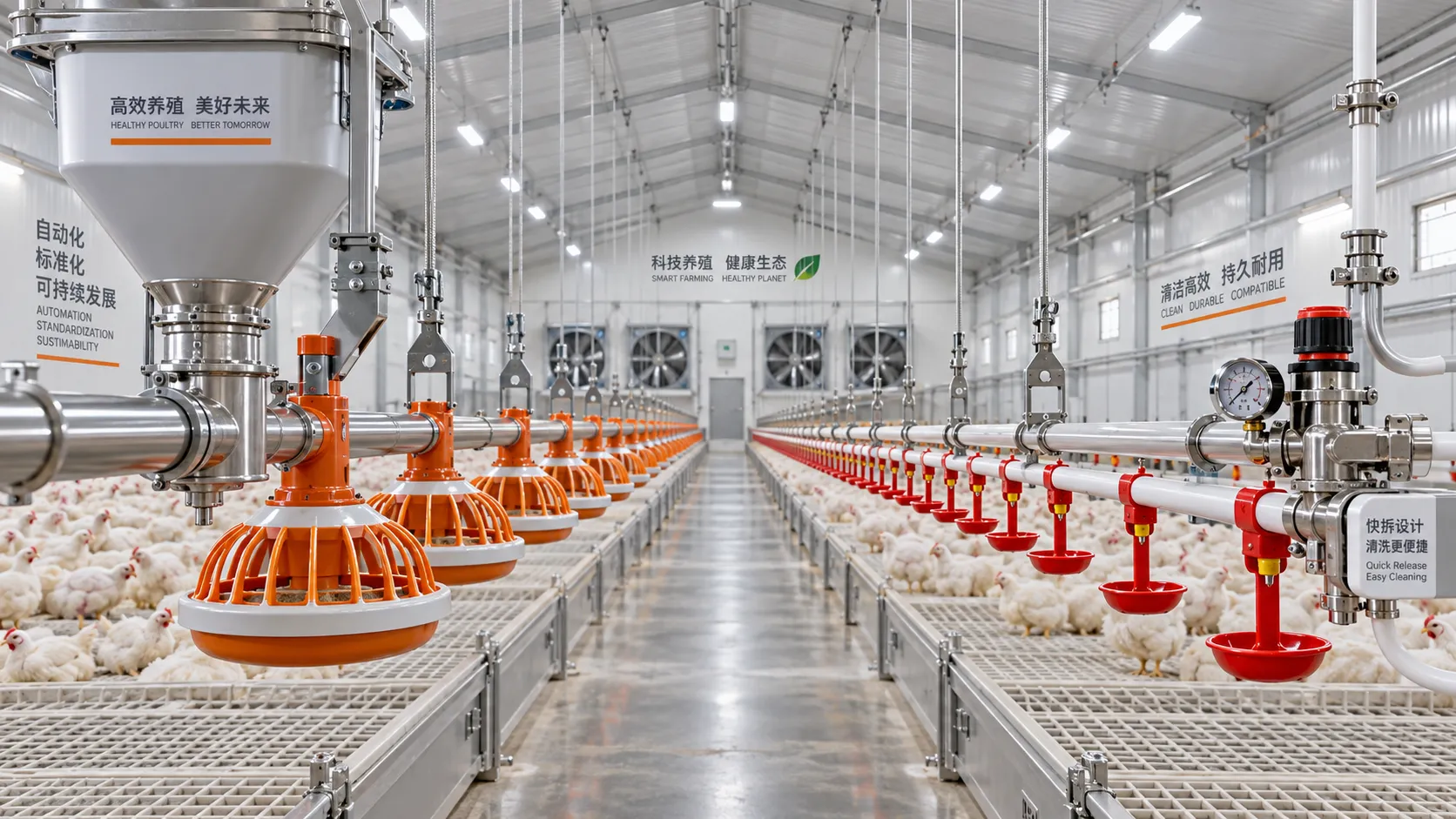
Poultry Equipment Selection: Evaluating Durability, Cleaning, and Compatibility
Poultry equipments selection guide: evaluate durability, cleaning access, and system compatibility to improve hygiene, reduce downtime, and support efficient flock management.
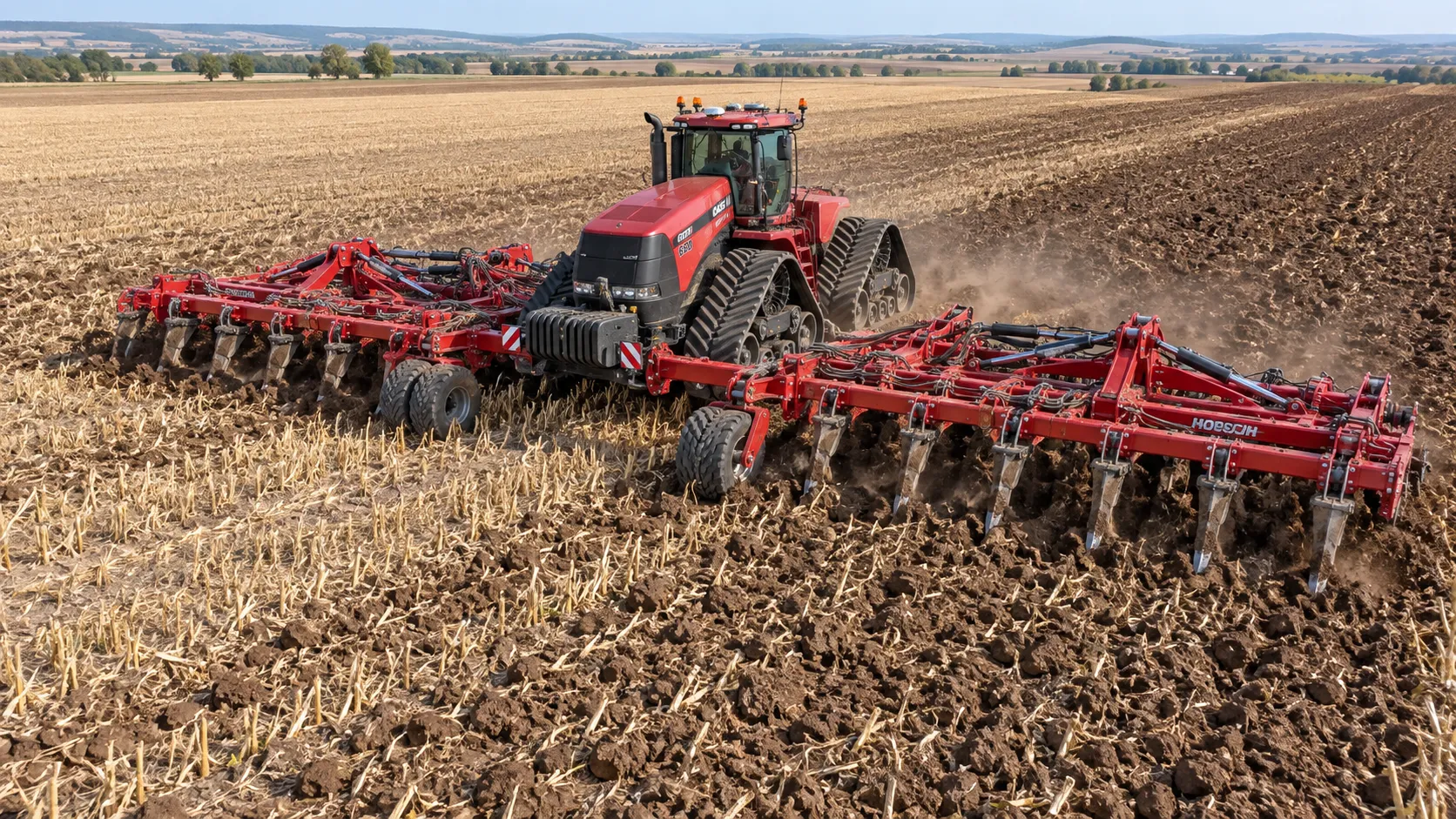
How to Select Heavy-Duty Farm Implements for High-Acreage, High-Horsepower Operations
Heavy duty farm implements: learn how to match draft, hydraulics, hitch capacity, frame strength, and field conditions for reliable high-acreage performance.
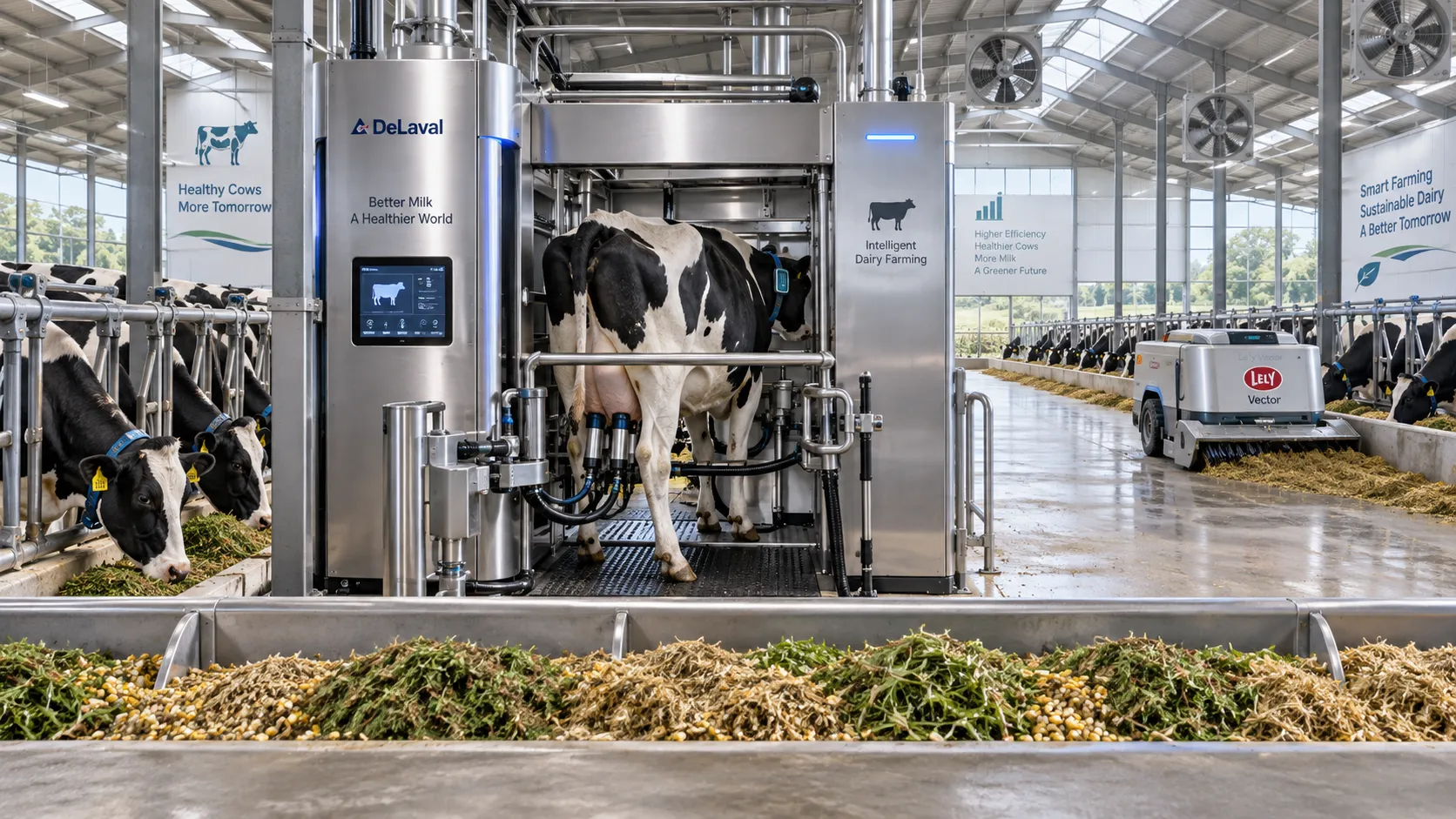
Smart Farming Technology for Dairy Farms: Where Automation Delivers Measurable ROI
Smart farming technology for dairy farms delivers measurable ROI through automation, precision feeding, health monitoring, and data-driven cost control.
Related News
- 00
0000-00
Selecting Real-Time Soil Moisture Sensors for Irrigation Zone Control - 00
0000-00
How Does Climate-Smart Farming Reduce Water Use in Semi-Arid Areas? - 00
0000-00
USDA Rule Takes Effect: Dual FCC and NRCS Approval for Soil Moisture Sensors - 00
0000-00
EU Rule Takes Effect: Soil Moisture Sensors Need Revised CE-EMC Certification - 00
0000-00
How to Choose Wireless Smart Irrigation Systems for Better Water Control
Popular Tags
Hydrological Resource Strategist
Weekly Insights
Stay ahead with our curated technology reports delivered every Monday.