
Crop Monitoring Systems: Which Alerts Matter in the Field?
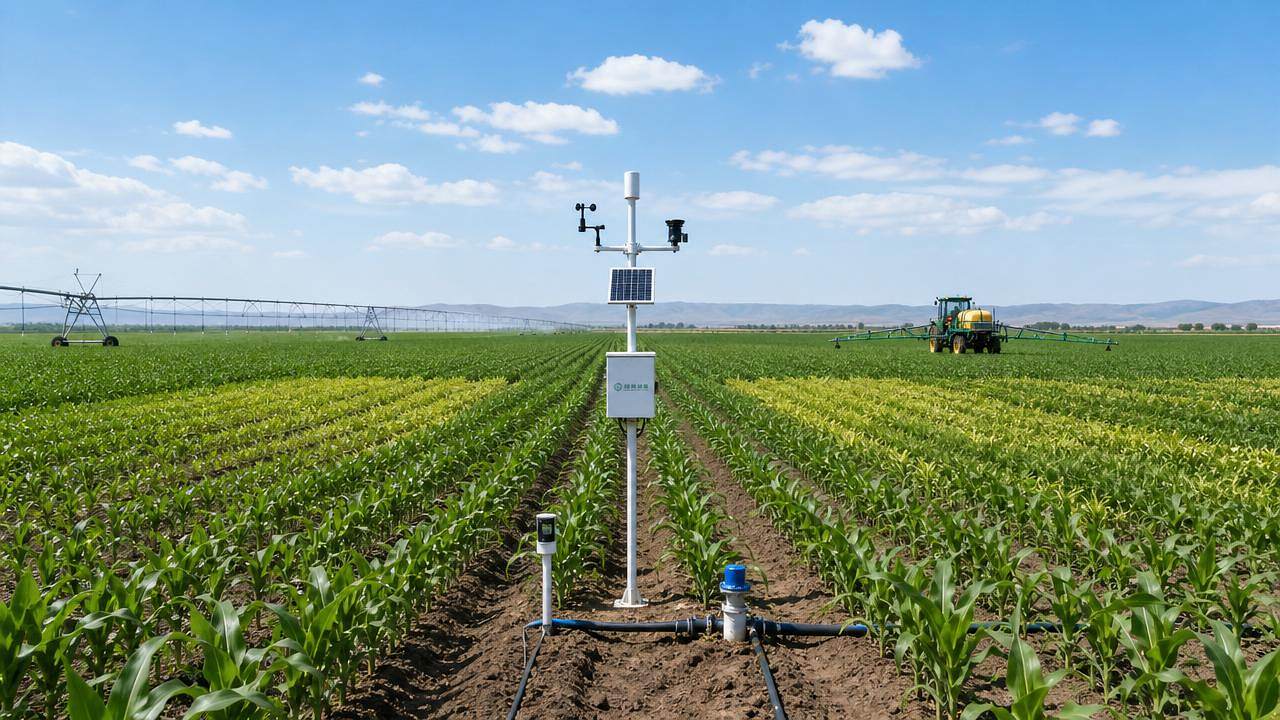




In modern farming, crop monitoring systems do far more than collect data—they help operators act faster when weather shifts, irrigation fails, or crop stress appears. But not every alert deserves the same attention in the field. Understanding which warnings truly matter can improve response time, reduce input waste, and protect yield across daily operations. For farms managing large machinery, intelligent irrigation, and precision field operations, the real advantage comes from turning alert noise into practical action.
As digital agriculture expands, many crop monitoring systems now combine satellite imagery, in-field sensors, machinery data, local weather feeds, and algorithm-based recommendations. That creates a powerful decision layer, but it also creates overload. A field team may receive dozens of notifications in a week, while only a handful truly require urgent intervention. The most valuable alerts are the ones linked to irreversible crop loss, input inefficiency, equipment downtime, and fast-changing environmental conditions.
Why a Clear Alert Priority Matters
Not all signals from crop monitoring systems carry the same operational weight. A mild vegetation index change may be worth watching, while a sudden irrigation pressure drop during peak evapotranspiration can demand immediate attention. Without a clear priority structure, teams often react to the loudest alert rather than the most important one. That can delay action on water stress, disease pressure, or machinery issues that directly affect harvest outcomes.
A checklist-based approach helps separate strategic alerts from background variation. It also aligns field scouting, irrigation timing, plant protection, and equipment scheduling. For complex operations shaped by Agriculture 4.0, this method supports the same intelligence logic seen across AP-Strategy’s focus areas: precise monitoring, actionable thresholds, and faster response tied to yield protection and resource efficiency.
The Alerts That Matter Most in the Field
The most effective crop monitoring systems should make it easy to rank alerts by urgency, field impact, and actionability. Use the following checklist to evaluate which notifications deserve immediate response and which can be reviewed in routine analysis.
- Prioritize irrigation failure alerts when pressure, flow, or soil moisture drops below critical crop-stage thresholds during heat, wind, or rapid canopy development.
- Treat rapid temperature and humidity shift alerts seriously if conditions support fungal disease, poor pollination, or accelerated plant stress within 24 to 48 hours.
- Act fast on localized crop stress alerts when multispectral imagery and ground sensors both confirm unusual patterns instead of one isolated data source.
- Escalate nutrient imbalance alerts only when tissue trends, growth stage, and field variability indicate likely yield impact rather than temporary reflectance noise.
- Respond immediately to pest or disease probability alerts when field history, weather conditions, and canopy density create a proven risk window.
- Flag machinery-related alerts if sprayer, planter, or harvester telemetry suggests skipped zones, overlap, clogging, or application inconsistency affecting crop uniformity.
- Review rainfall forecast alerts alongside infiltration, soil type, and irrigation schedule before changing water plans based on weather data alone.
- Take stand establishment alerts seriously early in the season, especially where emergence variability could reduce final population or create uneven maturity.
- Monitor heat stress alerts closely during flowering and grain filling because damage during these windows often cannot be fully reversed.
- Downgrade low-confidence alerts that lack repeat confirmation, spatial consistency, or crop-stage relevance, even if the platform labels them as urgent.
How to Judge Alert Quality Before Acting
High-value crop monitoring systems are not defined by how many alerts they send, but by how reliably those alerts support field decisions. The first test is source quality. Alerts confirmed by multiple inputs—such as drone imagery, soil probes, weather data, and machine telemetry—are usually more trustworthy than single-source anomalies. Cross-verification is especially important in large-scale operations where field variability can be mistaken for real crop decline.
The second test is timing. A warning is only useful if there is still time to intervene. For example, an early disease-risk alert can guide scouting and timely spray decisions, while a late-season biomass decline notification may offer limited correction potential. Strong crop monitoring systems should connect alerts to crop growth stage, local operating windows, and expected response effectiveness.
The third test is economic impact. Some alerts point to issues that are technically real but financially minor. Others signal a small time window where immediate action could protect water efficiency, prevent field passes, or preserve harvest quality. Ranking alerts by probable cost of inaction often gives a better operational picture than ranking by sensor deviation alone.
Field Situations Where Certain Alerts Become Critical
Irrigated Fields Under Heat Pressure
In irrigated systems, the most important alerts are usually tied to water delivery, root-zone moisture, and short-term weather. If crop monitoring systems detect falling line pressure, blocked emitters, or declining soil moisture during extreme heat, response should be immediate. In many crops, even a short interruption at flowering or early grain fill can reduce marketable yield.
The key checkpoint is whether the warning affects actual plant water access, not just system settings. Pair moisture depth data with evapotranspiration trends before changing irrigation duration or timing.
Large Broadacre Fields Managed with Satellite Layers
In broadacre operations, vegetation index alerts can be useful, but only if paired with spatial patterns and recent field activity. A sudden low-vigor zone may result from compaction, spray misses, nutrient deficiency, or waterlogging. Here, crop monitoring systems should help direct scouting rather than trigger immediate blanket treatment.
The critical checkpoint is consistency across passes and dates. If the same zone shows repeated decline and aligns with known management or drainage patterns, the alert deserves fast field verification.
Disease-Prone Canopies
Dense canopies with high humidity create ideal conditions for fungal pressure. In these fields, disease-risk alerts often matter more than general growth trend alerts. The best crop monitoring systems combine leaf wetness, dew period, humidity, and temperature forecasts to identify likely infection windows.
The key checkpoint is action timing. If a disease model signals elevated risk before symptoms are visible, targeted scouting and spray planning may protect both chemistry efficiency and yield potential.
Harvest-Stage Monitoring
Late-season alerts should focus less on general plant vigor and more on maturity uniformity, weather exposure, lodging risk, and machine readiness. In this period, crop monitoring systems become more valuable when linked with combine scheduling, grain moisture estimates, and field trafficability.
The critical checkpoint is whether the alert changes harvest order. If incoming rain, lodging, or moisture variation threatens quality or throughput, the warning should influence machinery deployment immediately.
Commonly Ignored Warnings That Cause Bigger Problems Later
Repeated low-pressure irrigation alerts are often dismissed as minor fluctuations. In reality, repeated drops can point to clogging, leaks, or pump instability that slowly reduce uniformity across the field. By the time visual symptoms appear, yield loss may already be uneven and difficult to recover.
Inconsistent application alerts from equipment telemetry are another overlooked issue. If sprayers or spreaders are underperforming in specific zones, the crop response may later be mistaken for disease, fertility issues, or poor genetics. Integrating machine data into crop monitoring systems helps separate agronomic stress from operational error.
Early stand variability alerts frequently receive less attention than mid-season stress alerts, but uneven emergence often shapes final performance. Population gaps, delayed emergence, and weak establishment can affect canopy closure, weed pressure, and maturity spread all season long.
Alert fatigue itself is a risk. When platforms produce too many low-value notifications, truly urgent warnings may be ignored. That is why threshold design, crop-stage filtering, and user-defined escalation rules are essential parts of effective crop monitoring systems.
Practical Steps to Build a Better Alert Response Workflow
- Create three response levels: immediate action, same-day field check, and routine review. This prevents every alert from competing for equal attention.
- Set thresholds by crop stage, not annual defaults. Water stress at vegetative growth does not carry the same risk as water stress at flowering.
- Use at least two data sources for expensive interventions. Confirm before changing fertilizer rates, fungicide timing, or irrigation allocation.
- Link alerts to map-based tasks so field verification is precise, fast, and easy to compare with previous observations.
- Review false positives after each season and refine settings. Better calibration improves trust in crop monitoring systems over time.
FAQ About Crop Monitoring Systems and Field Alerts
Which alert should usually be treated as the highest priority?
The highest-priority alert is typically the one tied to immediate and preventable yield loss, such as irrigation failure during heat stress, fast disease-risk escalation, or a major equipment issue causing missed application zones.
Are satellite-based alerts enough on their own?
No. Satellite layers are valuable for identifying patterns, but the most reliable crop monitoring systems combine imagery with weather, soil, and in-field verification to avoid acting on misleading signals.
How often should alert thresholds be updated?
Thresholds should be reviewed at least each season and adjusted by crop type, field conditions, irrigation setup, and known operational constraints.
Conclusion and Next Actions
The value of crop monitoring systems does not come from data volume alone. It comes from identifying which alerts deserve fast response, which need field confirmation, and which should remain in the background until patterns become clearer. Water stress, disease windows, equipment inconsistency, and growth-stage-sensitive weather shifts usually matter more than broad, low-confidence trend changes.
To improve field performance, start by auditing the alerts currently generated by your crop monitoring systems. Group them by urgency, tie them to crop stage, and remove notifications that do not lead to clear action. A sharper alert structure supports better irrigation decisions, more efficient machinery use, smarter scouting, and stronger yield protection across the season. In an Agriculture 4.0 environment, that is where monitoring becomes real operational intelligence.
Related News

When Does Agricultural Machinery Leasing Cost Less Than Owning Equipment?
Agricultural machinery leasing can lower farm costs when use is seasonal or uncertain. Compare utilization, maintenance, cash flow, and risk to make a smarter equipment decision.

How to Evaluate Precision Fertilization System Suppliers for Farm-Scale Deployment
Precision fertilization systems suppliers: learn how to compare accuracy, integration, uptime, service, and total cost for confident farm-scale deployment.

ISOBUS for Smart Agriculture: How It Connects Tractors, Implements, and Farm Data
ISOBUS for smart agriculture connects tractors, implements, terminals, and farm data—helping growers improve precision, documentation, and smarter field decisions.
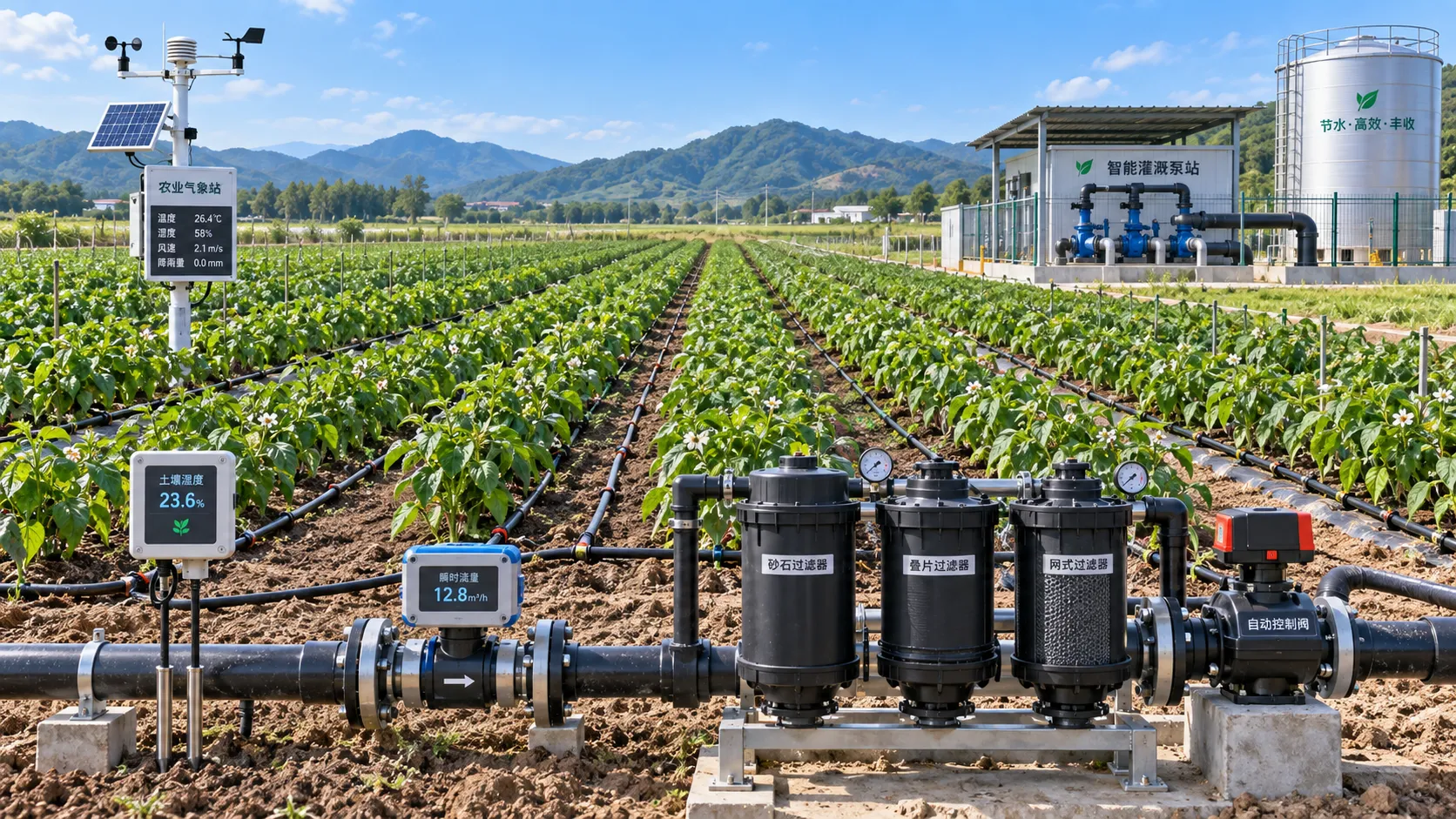
Automated Water-Saving Irrigation: How to Cut Water Use Without Reducing Crop Yields
Automated water-saving irrigation helps farms cut water use, protect crop yields, improve scheduling, and gain reliable control with sensors, flow monitoring, and smart zones.
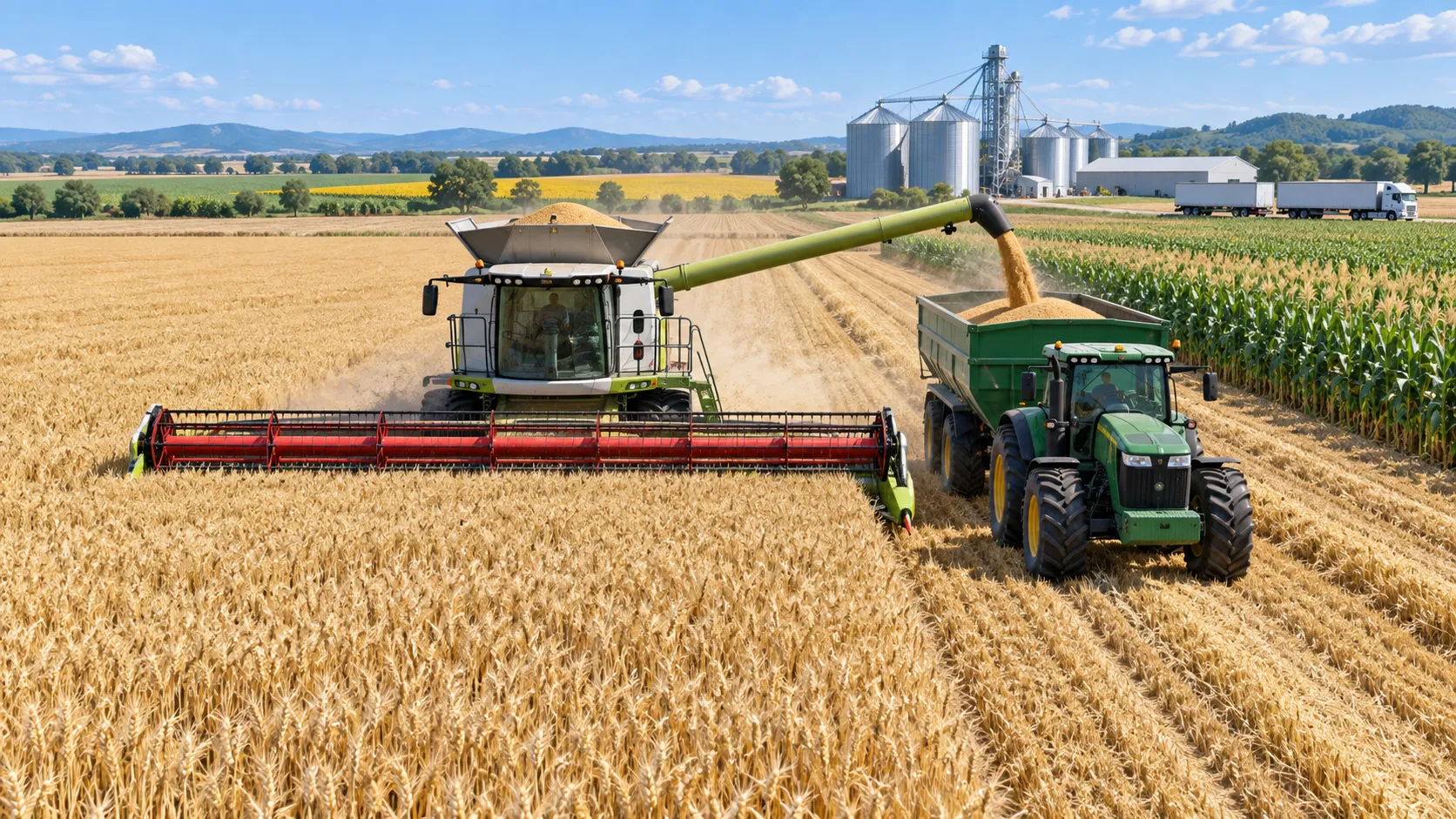
Selecting Grain Farm Equipment by Acreage, Crop Mix, and Harvest Window
Agricultural equipment selection for grain farming: match machinery to acreage, crop mix, and harvest windows to improve uptime, efficiency, and returns.
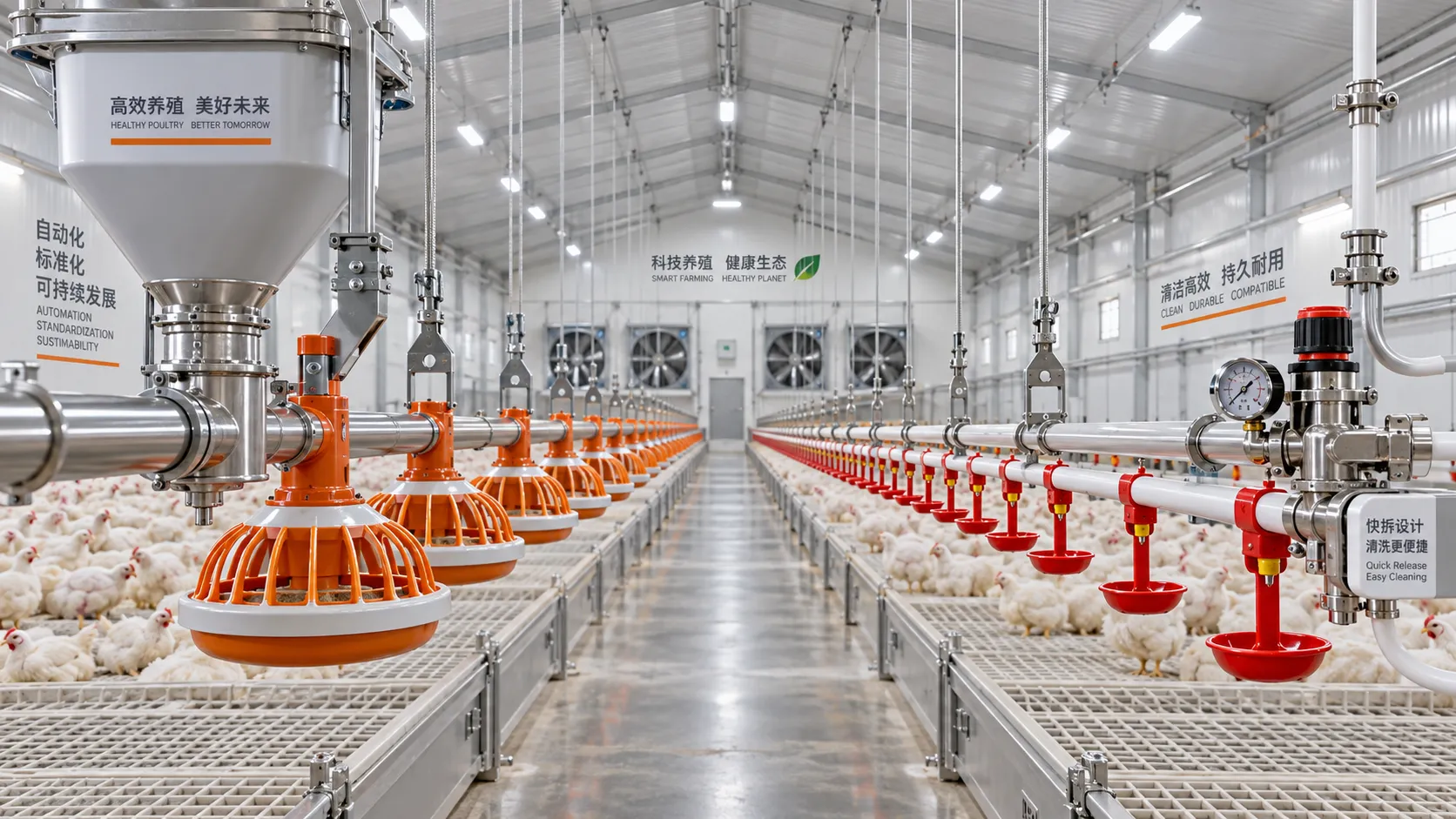
Poultry Equipment Selection: Evaluating Durability, Cleaning, and Compatibility
Poultry equipments selection guide: evaluate durability, cleaning access, and system compatibility to improve hygiene, reduce downtime, and support efficient flock management.
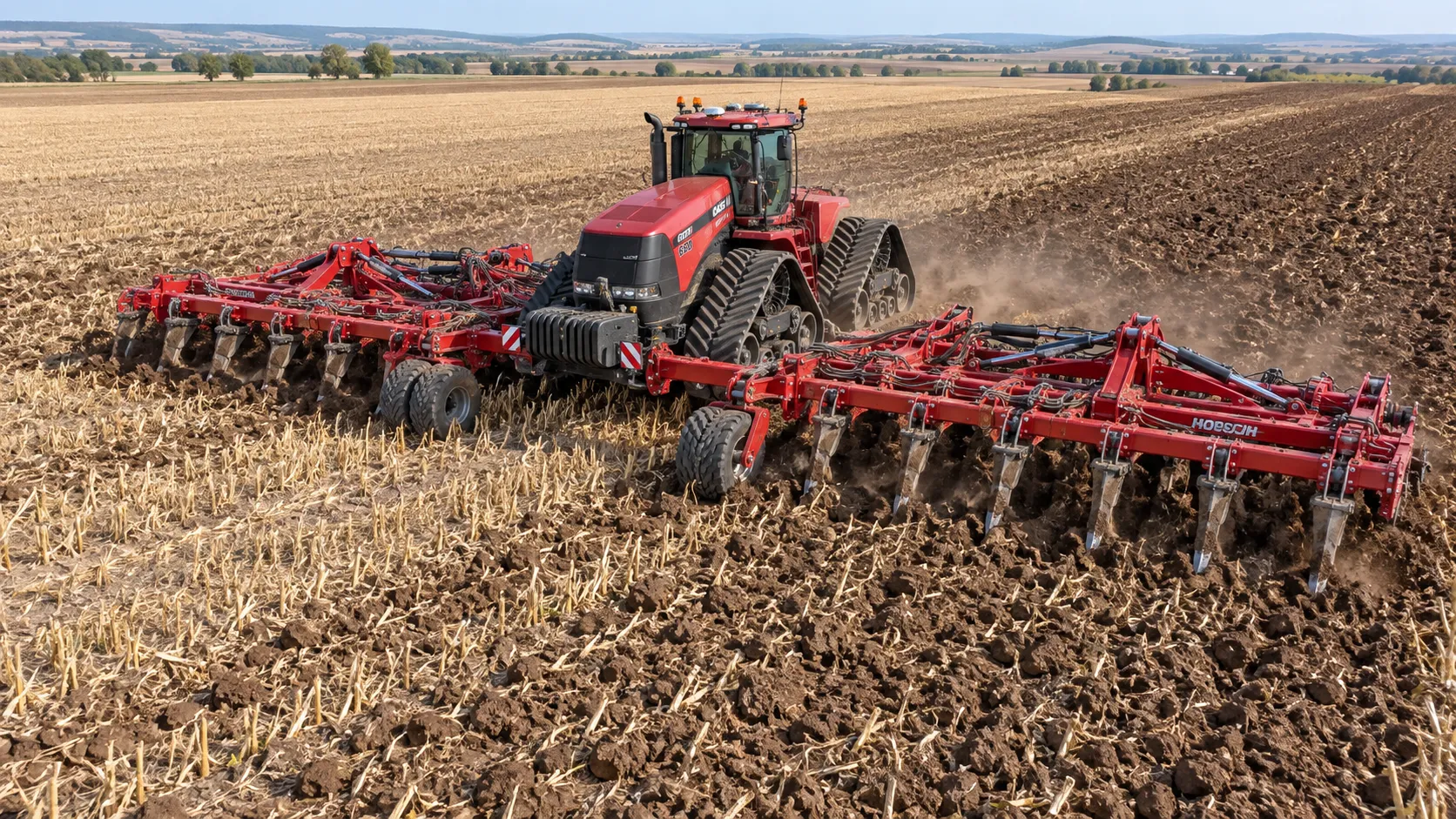
How to Select Heavy-Duty Farm Implements for High-Acreage, High-Horsepower Operations
Heavy duty farm implements: learn how to match draft, hydraulics, hitch capacity, frame strength, and field conditions for reliable high-acreage performance.
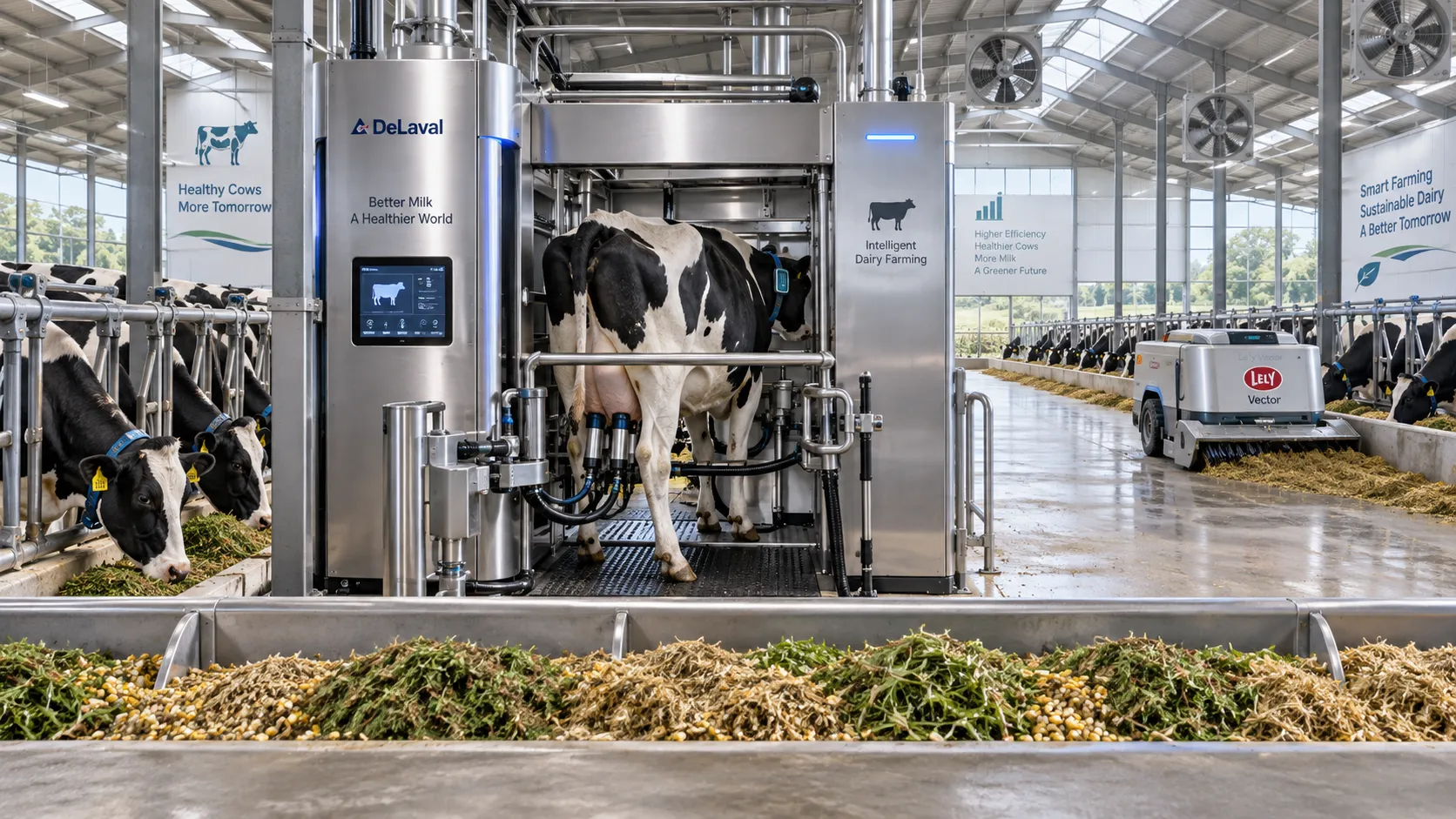
Smart Farming Technology for Dairy Farms: Where Automation Delivers Measurable ROI
Smart farming technology for dairy farms delivers measurable ROI through automation, precision feeding, health monitoring, and data-driven cost control.
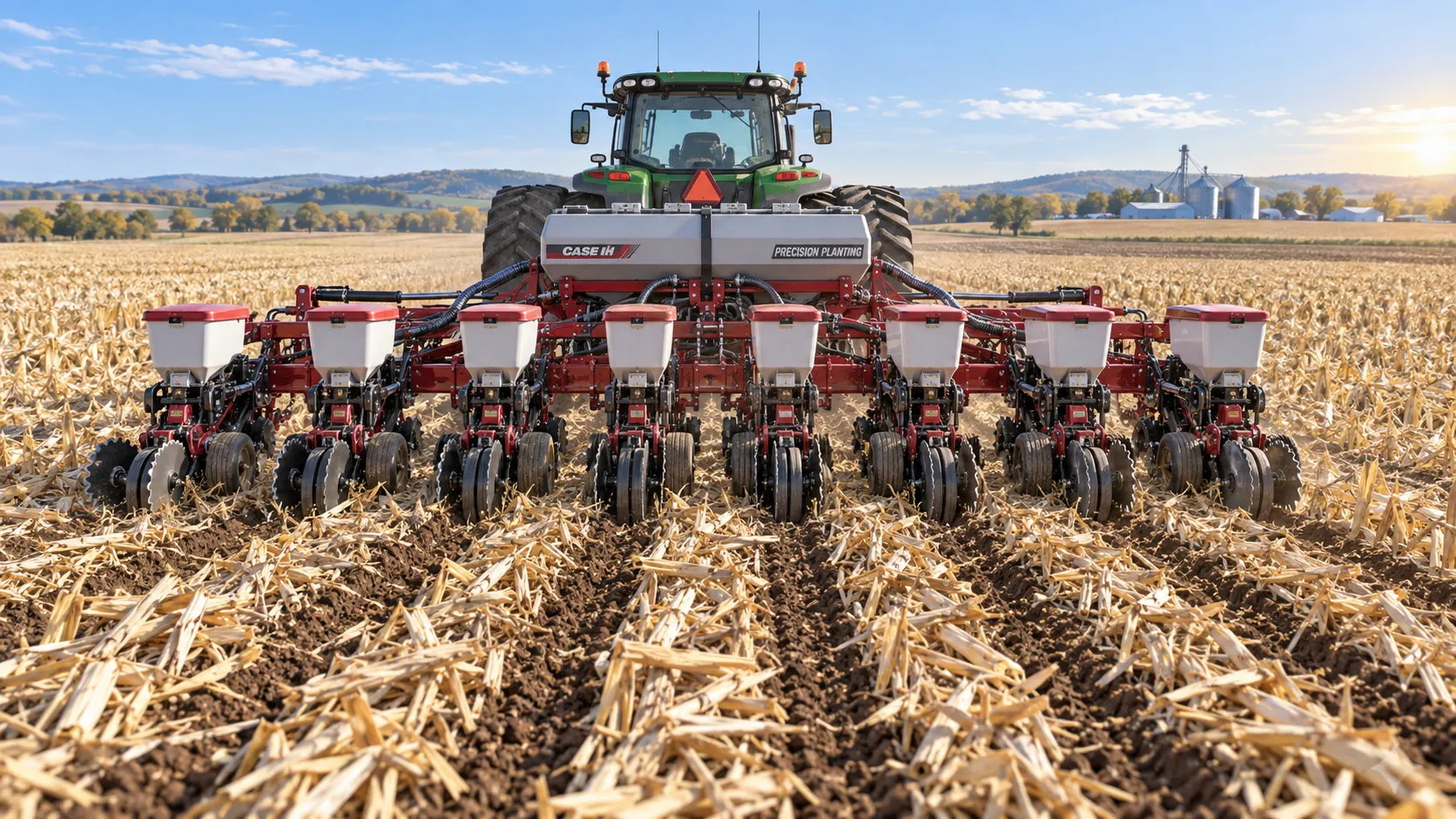
How to Select a Heavy-Duty Seeder for Large Acreage and High-Residue Fields
Heavy duty seeders for large acreage: compare residue handling, depth control, downforce, metering accuracy, and precision features to select the right model.
Related News
- 00
0000-00
Selecting Real-Time Soil Moisture Sensors for Irrigation Zone Control - 00
0000-00
How Does Climate-Smart Farming Reduce Water Use in Semi-Arid Areas? - 00
0000-00
USDA Rule Takes Effect: Dual FCC and NRCS Approval for Soil Moisture Sensors - 00
0000-00
EU Rule Takes Effect: Soil Moisture Sensors Need Revised CE-EMC Certification - 00
0000-00
How to Choose Wireless Smart Irrigation Systems for Better Water Control
Popular Tags
Hydrological Resource Strategist
Weekly Insights
Stay ahead with our curated technology reports delivered every Monday.