
Deyi Shi Dongguan Seminar Decodes Post-Canton Fair Export Trends
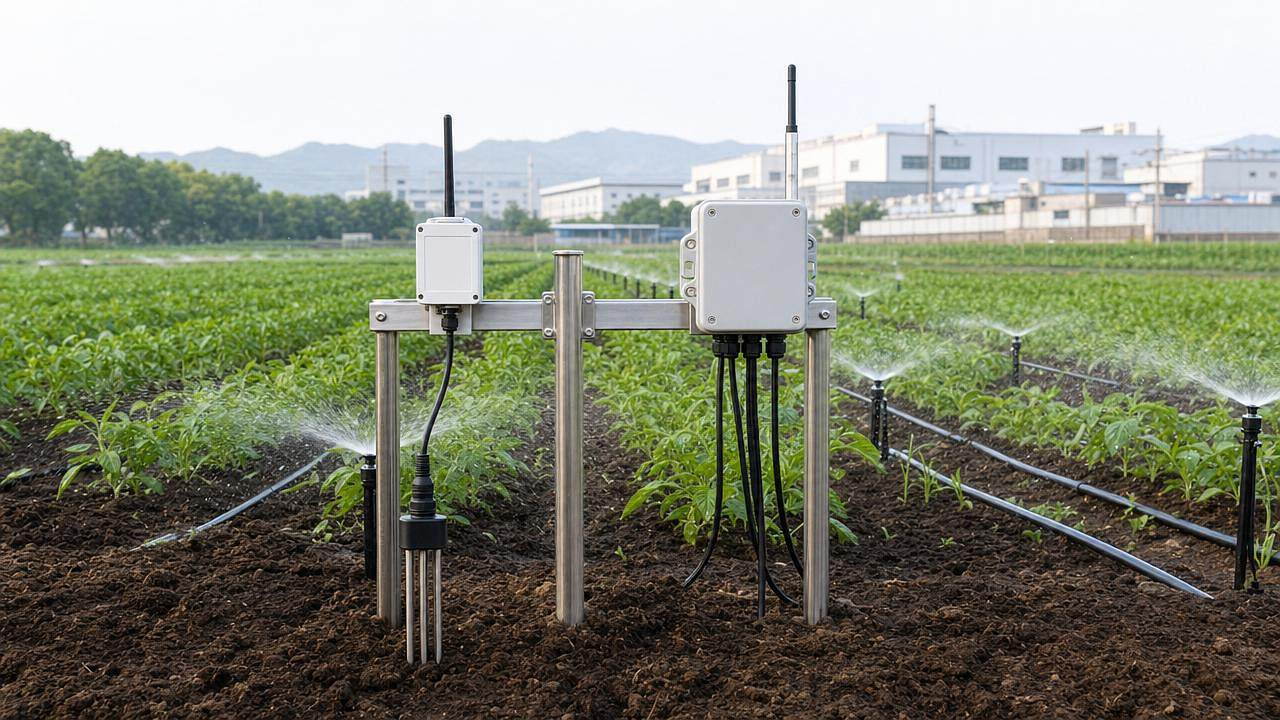




On April 28, 2026, Deyi Shi International Factoring hosted a cross-border trade seminar in Dongguan, highlighting emerging procurement patterns observed during Phase III of the Canton Fair — particularly surging demand for smart irrigation equipment from buyers in the Middle East and Southeast Asia. This development signals material shifts for manufacturers, exporters, and supply chain service providers engaged in precision agriculture hardware and IoT-enabled agri-tech solutions.
Event Overview
On April 28, 2026, Deyi Shi International Factoring held a cross-border export seminar in Dongguan. Based on data from Phase III of the Canton Fair, the seminar reported that inquiry volumes for Drip Irrigation Logic and Soil Moisture Sensors from buyers in the Middle East and Southeast Asia increased by 41% year-on-year in Q1 2026. Additionally, 73% of those inquiries specified requirements for pre-installed LoRaWAN communication protocol and compliance with ISO 18470-2:2025 (soil sensor calibration standard). The trend is prompting Chinese manufacturers to accelerate integration with overseas localized digital farm management platforms.
Industries Affected
Direct Exporters & Trading Enterprises
These enterprises face heightened technical specification demands directly tied to buyer-led procurement criteria. The 41% YoY increase in targeted inquiries reflects not just volume growth but stricter conformity expectations — especially around communication protocols and international calibration standards. Impact manifests in longer pre-shipment validation cycles, higher technical documentation overhead, and greater reliance on third-party certification support.
Manufacturers of Smart Irrigation Hardware
Producers of drip irrigation controllers and soil moisture sensors are experiencing direct pressure to revise product firmware, hardware interfaces, and compliance documentation. The 73% prevalence of LoRaWAN and ISO 18470-2:2025 requirements indicates that functional interoperability — not just physical compatibility — is now a baseline condition for market access in key growth regions.
IoT Module & Communication Protocol Integrators
Suppliers providing LoRaWAN stack integration, firmware customization, or wireless module certification services are seeing increased engagement from hardware OEMs. Demand is shifting toward turnkey protocol adaptation packages — including field testing under regional network conditions — rather than generic module supply.
Supply Chain & Compliance Support Providers
Third-party labs, certification consultants, and logistics partners specializing in agricultural IoT exports must now accommodate tighter alignment between testing scope (e.g., ISO 18470-2:2025 calibration validation) and regional deployment readiness (e.g., LoRaWAN gateway compatibility in Saudi Arabia or Vietnam). Documentation traceability across firmware version, sensor batch, and calibration certificate becomes operationally critical.
What Relevant Enterprises Should Monitor and Act On
Track evolving regional conformance expectations beyond formal standards
The emphasis on LoRaWAN and ISO 18470-2:2025 reflects de facto market gatekeeping — not just regulatory mandates. Enterprises should monitor tender specifications, buyer RFP language, and platform onboarding checklists from major digital farm management systems active in the Middle East and Southeast Asia (e.g., CropX, Teralytic partners, or local agritech platforms), as these increasingly define technical eligibility.
Validate firmware and calibration workflows against target-market infrastructure
Pre-installed LoRaWAN does not guarantee seamless operation: regional frequency bands (e.g., AS923 vs. EU868), duty cycle limits, and gateway density affect real-world performance. Manufacturers should prioritize field validation in representative network environments — not just lab-based protocol stack verification — before finalizing production releases.
Prepare documentation packages aligned with buyer procurement checkpoints
Buyers are applying technical filters earlier in the sourcing process. Enterprises should consolidate LoRaWAN firmware version logs, ISO 18470-2:2025 calibration reports per sensor batch, and platform API integration test summaries into standardized, bilingual (English + Arabic/Vietnamese/Thai) technical dossiers — ready for immediate submission upon inquiry.
Assess dependencies in the local digital farm management ecosystem
The push toward ‘localization’ means compatibility with regional agritech platforms — not just global ones — is becoming decisive. Companies should map which platforms dominate specific markets (e.g., AgriSync in Thailand, Farmiz in UAE), identify their device onboarding requirements, and evaluate whether co-certification or white-label integration pathways exist.
Editorial Perspective / Industry Observation
Observably, this Canton Fair data point functions less as a standalone trend and more as a leading indicator of tightening technical convergence in export-oriented agri-tech. The specificity of the requirements — down to protocol versioning and calibration standard edition year — suggests procurement teams are now embedding engineering-level vetting into early-stage sourcing. Analysis shows this is not yet a universal mandate, but rather an accelerating expectation among commercially active buyers in high-growth corridors. From an industry perspective, it marks a shift from ‘feature differentiation’ to ‘baseline interoperability’ as the minimum threshold for competitive participation. Current relevance lies in its signal value: regional digital agriculture infrastructure is maturing rapidly, and hardware vendors who treat platform integration as optional — rather than foundational — risk marginalization in next-phase procurement cycles.
Conclusion
This event underscores that technical standard alignment — particularly around communication protocols and sensor calibration — is no longer peripheral to export competitiveness in smart irrigation. It reflects a broader recalibration where hardware success increasingly depends on demonstrable compatibility with regional digital farm management ecosystems. For stakeholders, the appropriate framing is not ‘a new opportunity,’ but rather ‘an evolving operational prerequisite’ — one requiring coordinated updates across R&D, compliance, documentation, and channel strategy. Current interpretation should emphasize preparedness over prediction: the data confirms demand exists, but execution readiness — not just product availability — determines market access.
Information Source
Main source: Public briefing by Deyi Shi International Factoring, Dongguan seminar, April 28, 2026.
Note: Regional platform adoption rates, firmware validation outcomes, and certification lead times remain subject to ongoing observation and are not confirmed in the source material.
Related News

When Does Agricultural Machinery Leasing Cost Less Than Owning Equipment?
Agricultural machinery leasing can lower farm costs when use is seasonal or uncertain. Compare utilization, maintenance, cash flow, and risk to make a smarter equipment decision.

How to Evaluate Precision Fertilization System Suppliers for Farm-Scale Deployment
Precision fertilization systems suppliers: learn how to compare accuracy, integration, uptime, service, and total cost for confident farm-scale deployment.
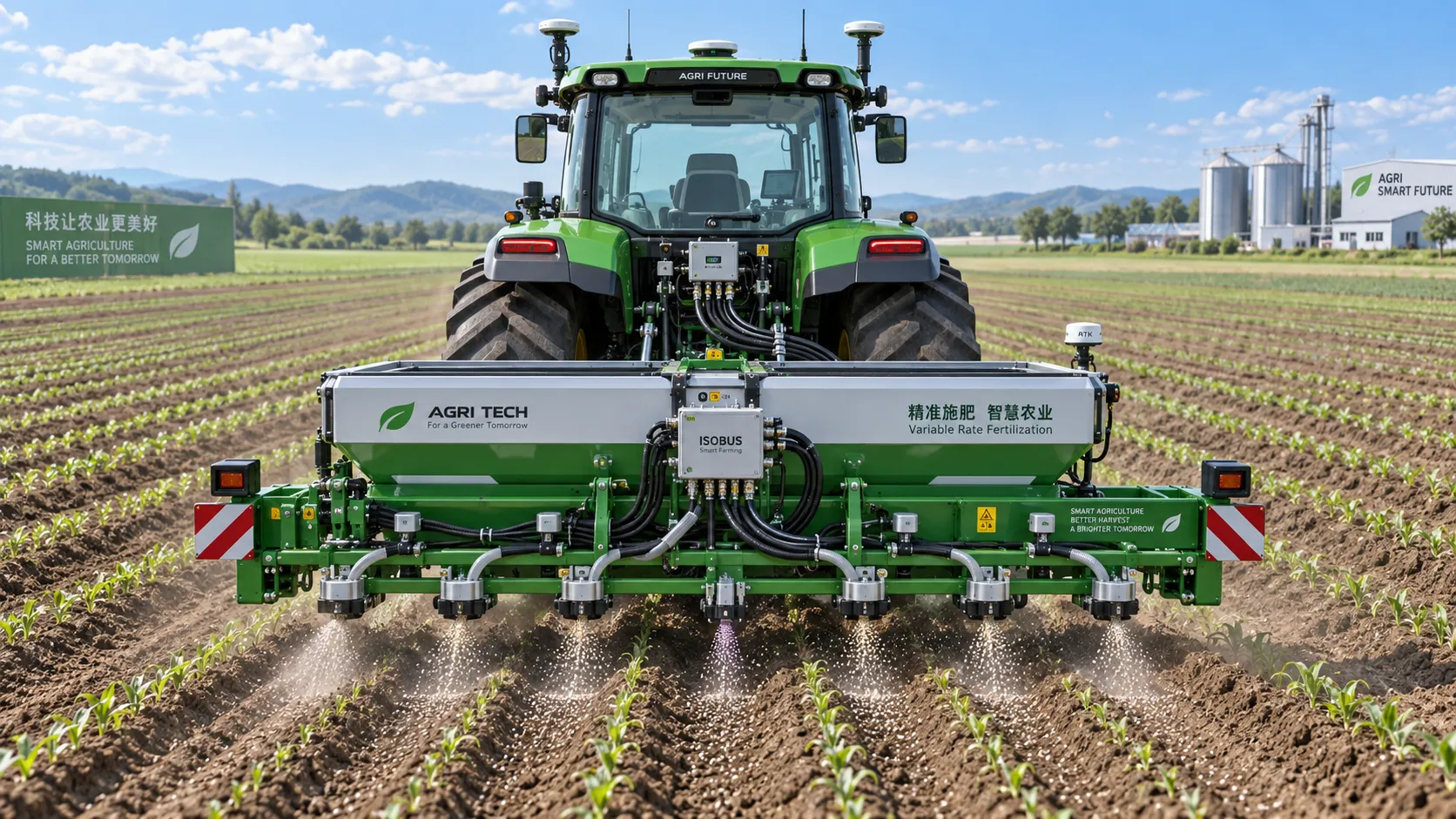
ISOBUS for Smart Agriculture: How It Connects Tractors, Implements, and Farm Data
ISOBUS for smart agriculture connects tractors, implements, terminals, and farm data—helping growers improve precision, documentation, and smarter field decisions.
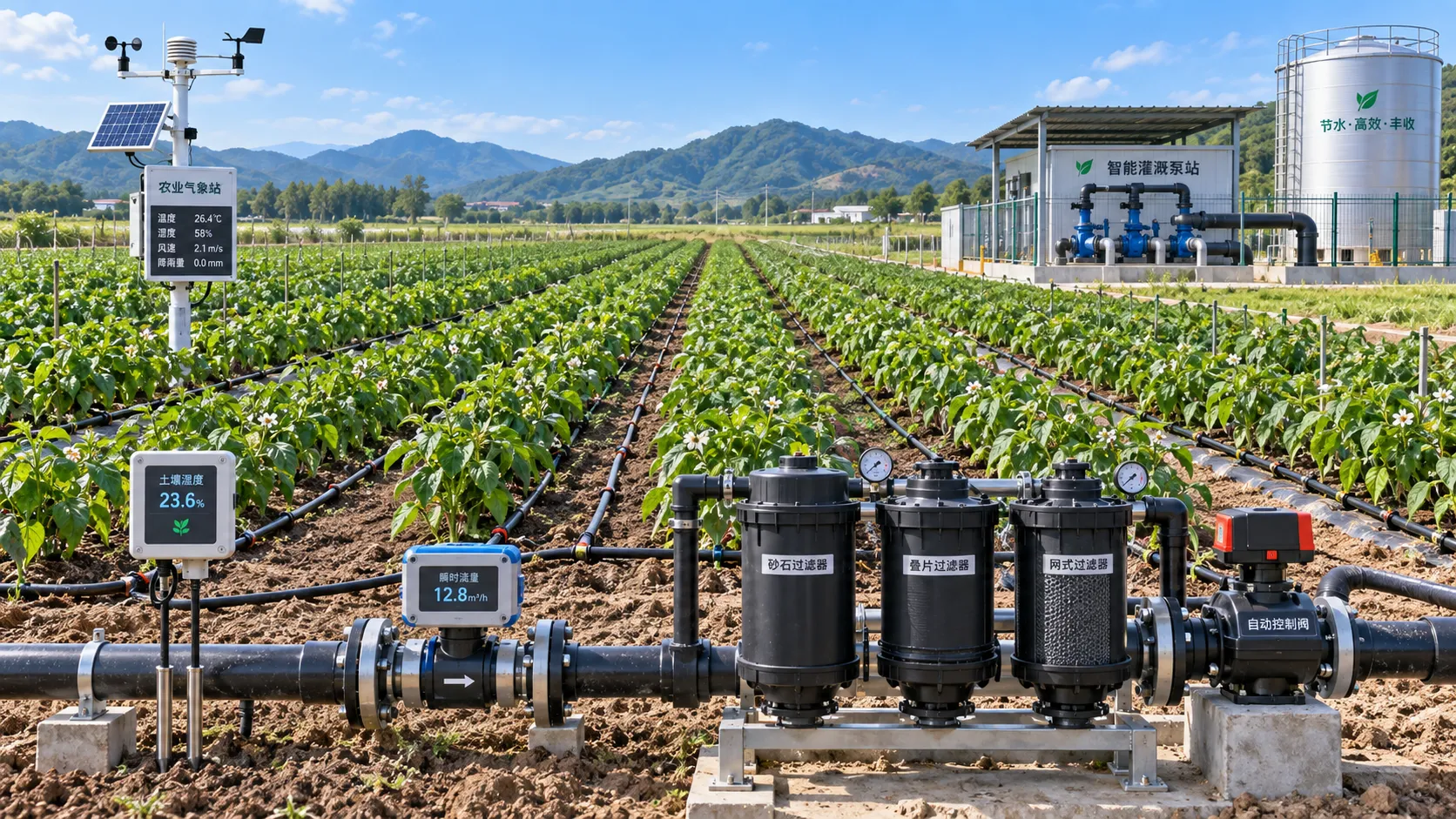
Automated Water-Saving Irrigation: How to Cut Water Use Without Reducing Crop Yields
Automated water-saving irrigation helps farms cut water use, protect crop yields, improve scheduling, and gain reliable control with sensors, flow monitoring, and smart zones.
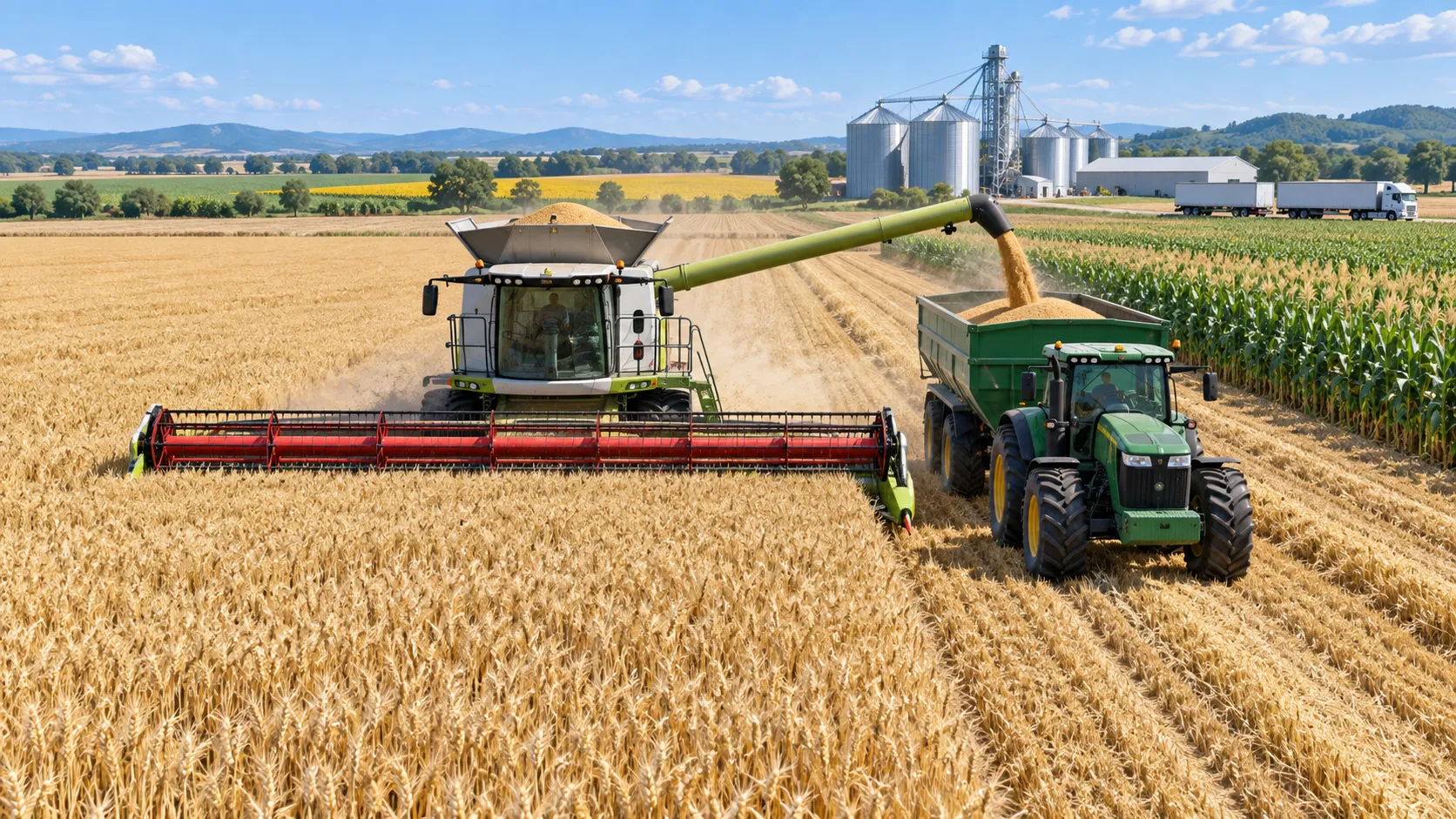
Selecting Grain Farm Equipment by Acreage, Crop Mix, and Harvest Window
Agricultural equipment selection for grain farming: match machinery to acreage, crop mix, and harvest windows to improve uptime, efficiency, and returns.
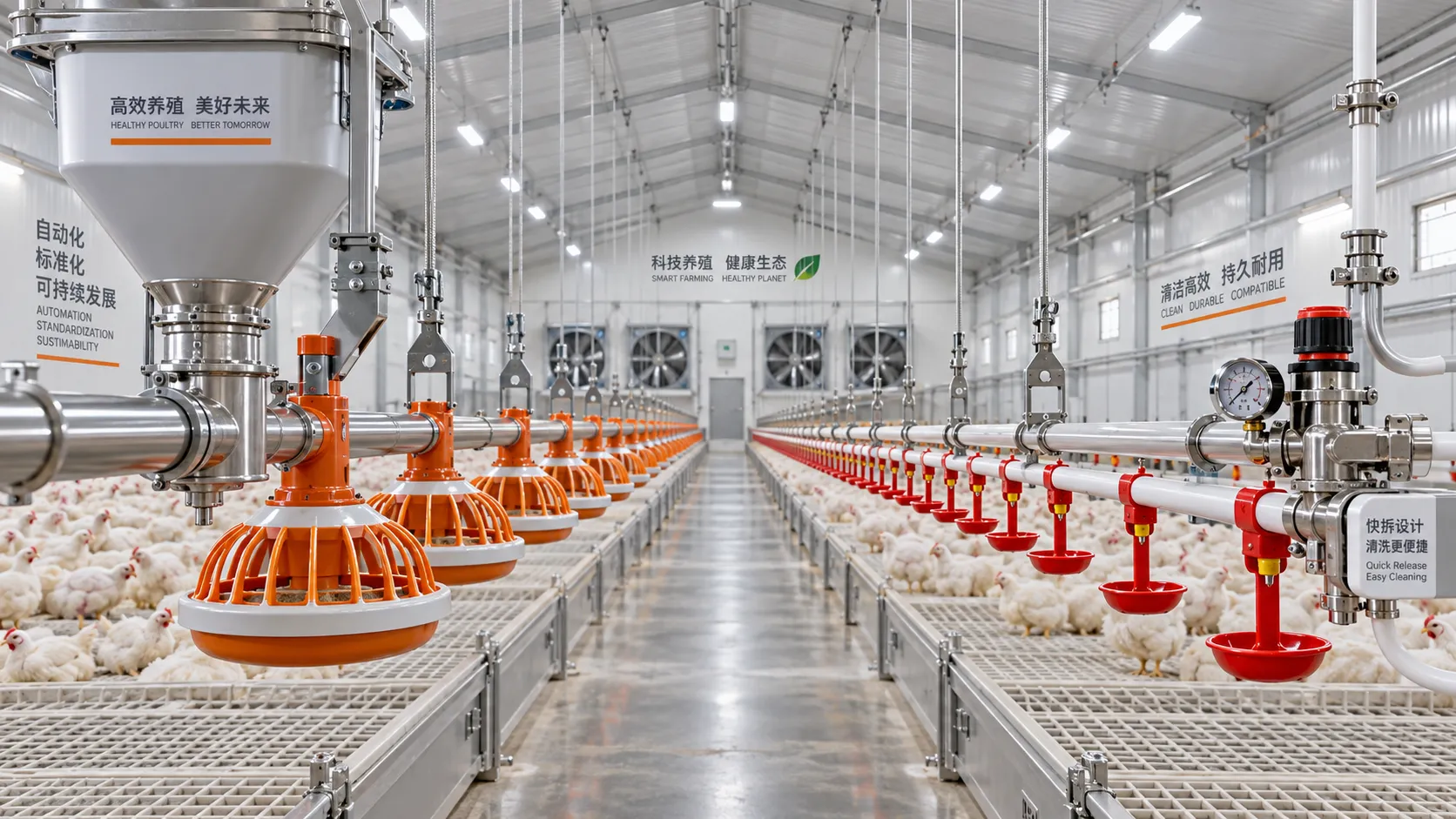
Poultry Equipment Selection: Evaluating Durability, Cleaning, and Compatibility
Poultry equipments selection guide: evaluate durability, cleaning access, and system compatibility to improve hygiene, reduce downtime, and support efficient flock management.
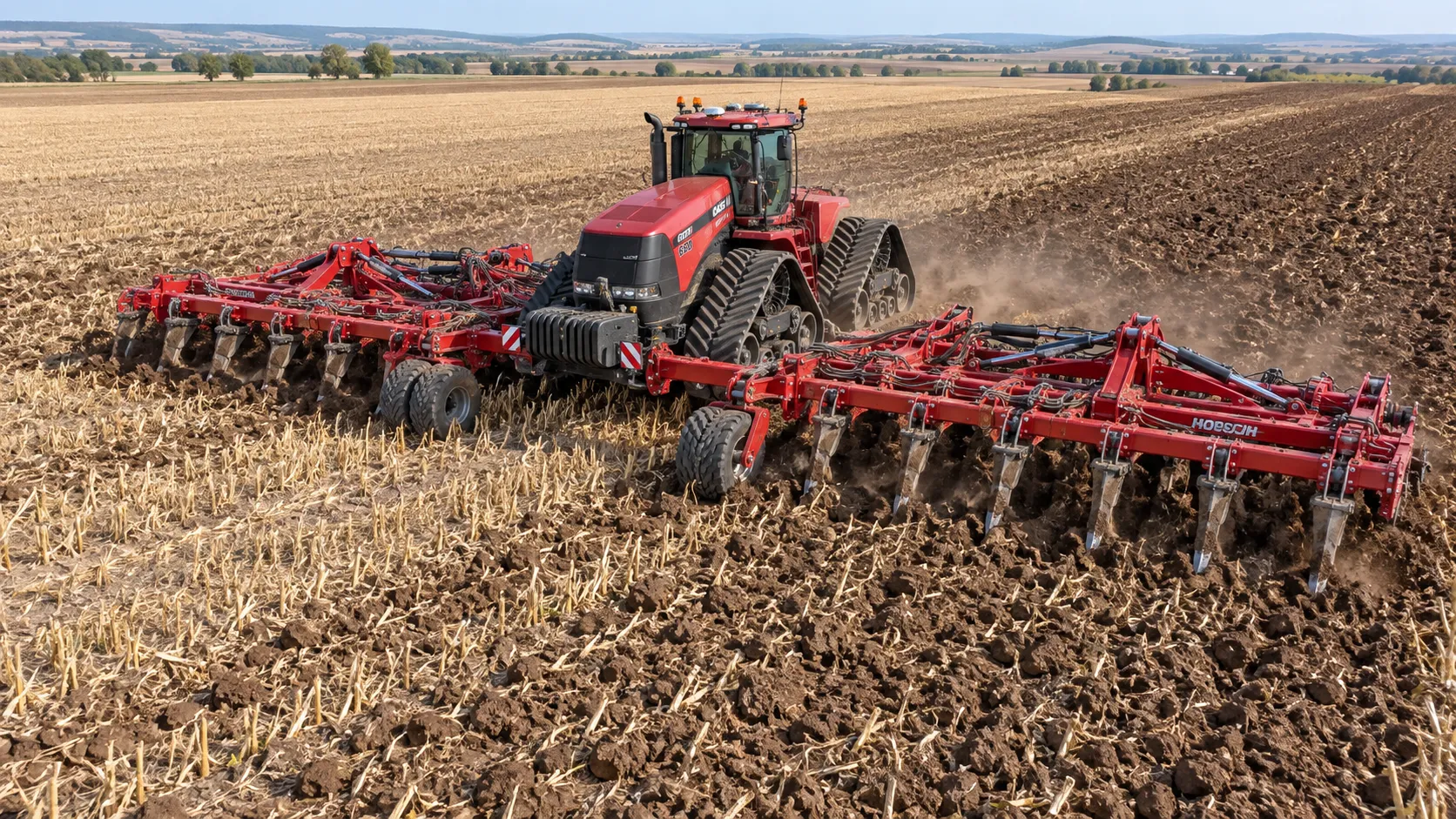
How to Select Heavy-Duty Farm Implements for High-Acreage, High-Horsepower Operations
Heavy duty farm implements: learn how to match draft, hydraulics, hitch capacity, frame strength, and field conditions for reliable high-acreage performance.
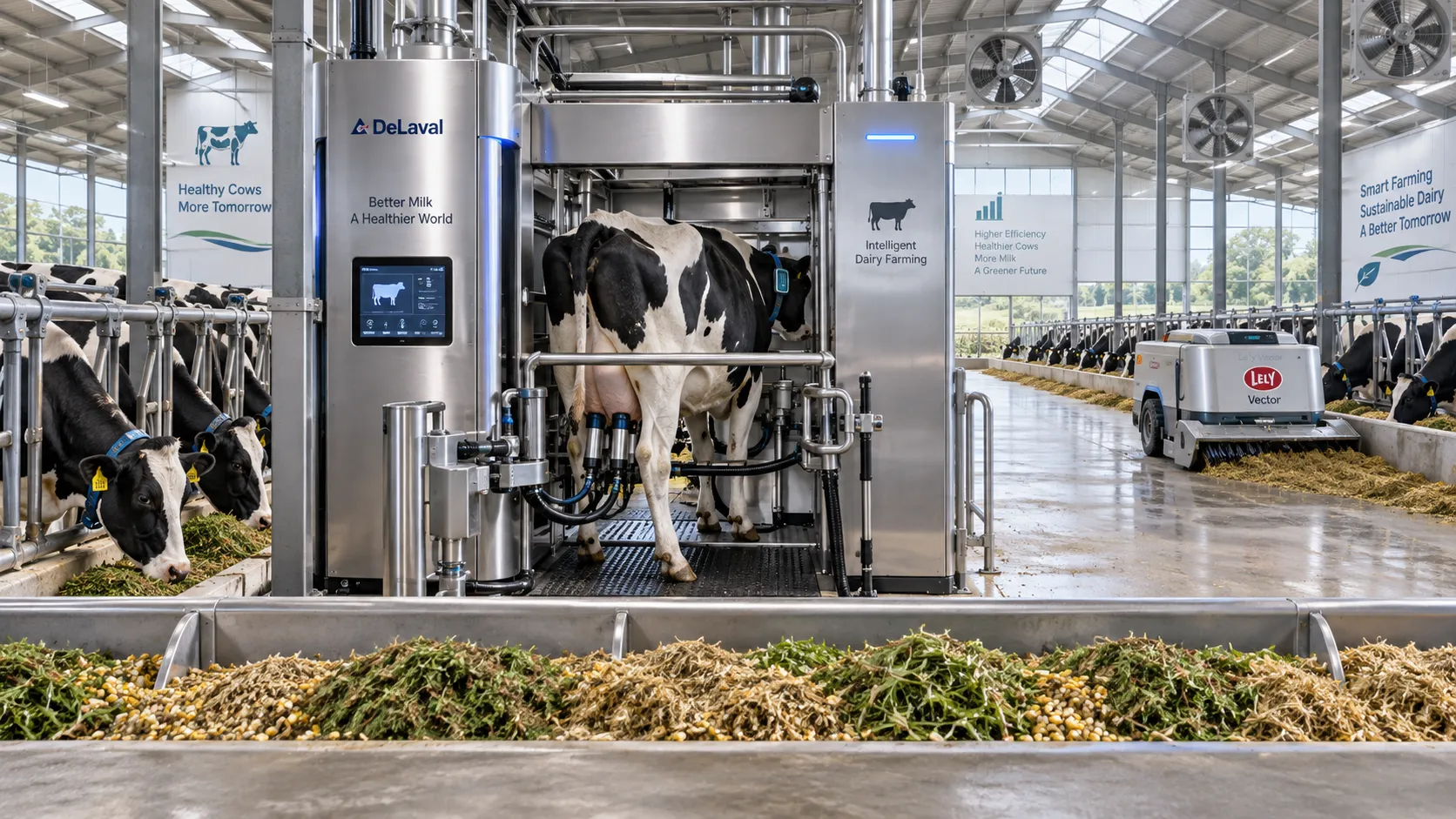
Smart Farming Technology for Dairy Farms: Where Automation Delivers Measurable ROI
Smart farming technology for dairy farms delivers measurable ROI through automation, precision feeding, health monitoring, and data-driven cost control.
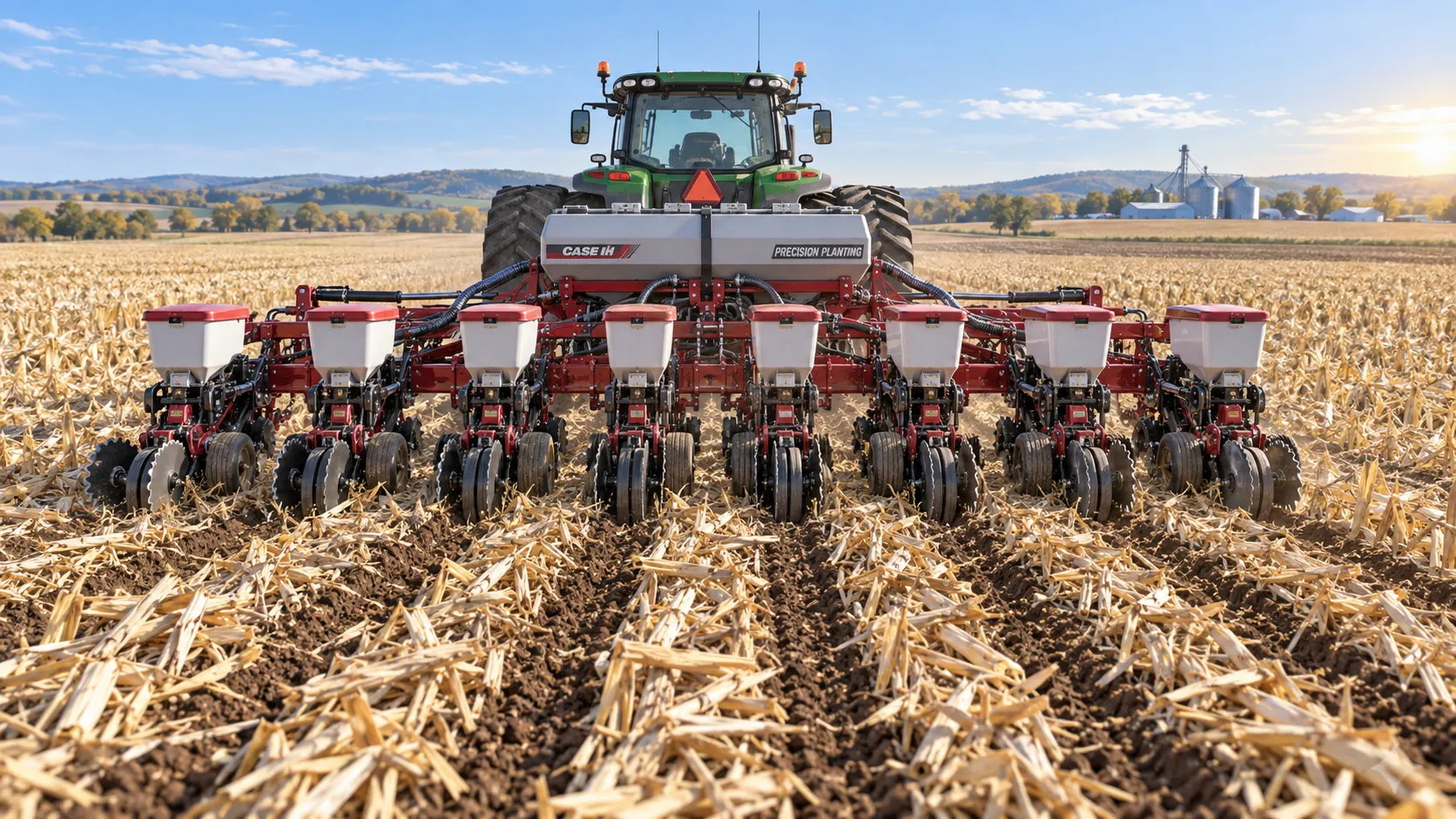
How to Select a Heavy-Duty Seeder for Large Acreage and High-Residue Fields
Heavy duty seeders for large acreage: compare residue handling, depth control, downforce, metering accuracy, and precision features to select the right model.
Related News
- 00
0000-00
Selecting Real-Time Soil Moisture Sensors for Irrigation Zone Control - 00
0000-00
How Does Climate-Smart Farming Reduce Water Use in Semi-Arid Areas? - 00
0000-00
USDA Rule Takes Effect: Dual FCC and NRCS Approval for Soil Moisture Sensors - 00
0000-00
EU Rule Takes Effect: Soil Moisture Sensors Need Revised CE-EMC Certification - 00
0000-00
How to Choose Wireless Smart Irrigation Systems for Better Water Control
Popular Tags
Hydrological Resource Strategist
Weekly Insights
Stay ahead with our curated technology reports delivered every Monday.