
Dynamic Feedback Algorithms Can Improve Irrigation, But At What Cost?
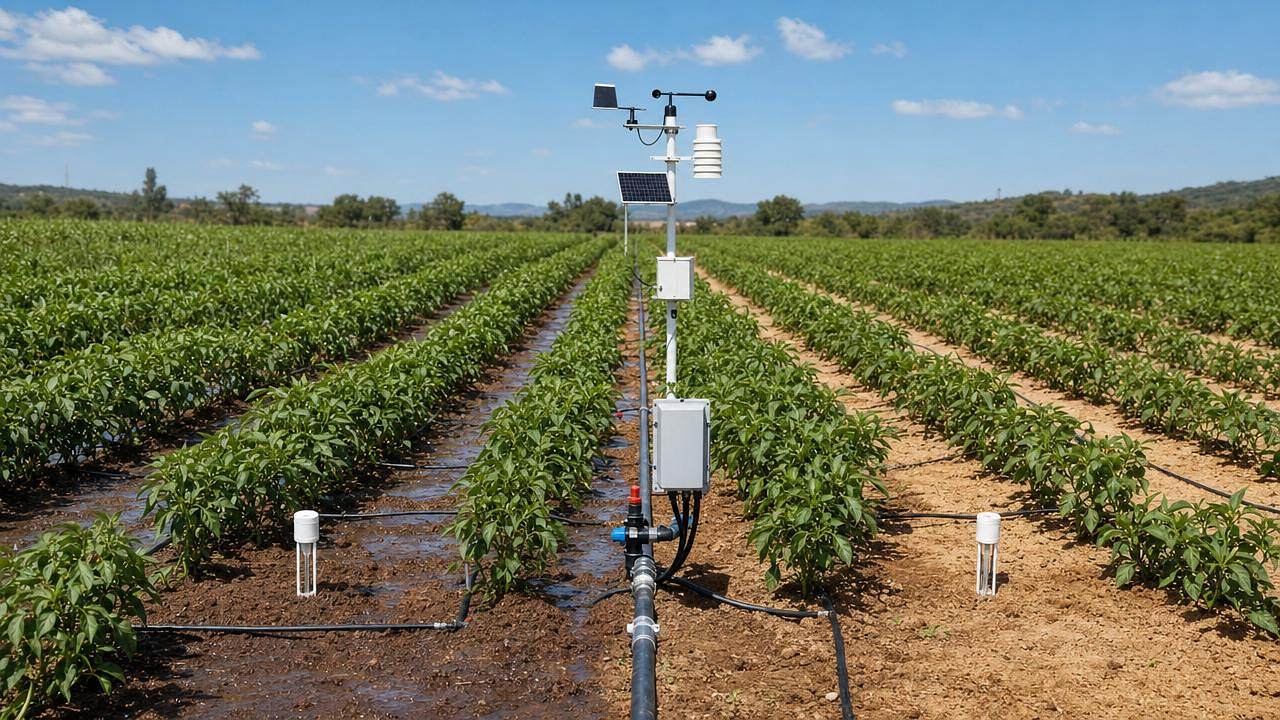




Dynamic feedback algorithms are reshaping intelligent irrigation by turning real-time sensor data into faster, more precise water decisions. For procurement teams, the promise is clear: lower water waste, stronger crop consistency, and smarter asset utilization. But beyond performance claims, buyers must also weigh integration complexity, maintenance demands, data reliability, and long-term cost efficiency before selecting the right irrigation solution.
What Dynamic Feedback Algorithms Mean in Intelligent Irrigation
In practical terms, dynamic feedback algorithms are decision models that continuously adjust irrigation actions based on incoming field data. Instead of following a fixed schedule, the system reacts to changing conditions such as soil moisture, evapotranspiration, weather forecasts, pressure variation, flow data, crop stage, and even equipment behavior. In modern irrigation networks, this means water is not only delivered where it is needed, but also when, how much, and at what operating intensity are constantly recalculated.
For large farms and high-value crop operations, that adaptive capability is especially important. Static irrigation logic may work reasonably well under stable conditions, but agriculture rarely offers stable conditions. Soil types vary across the same field, temperatures shift quickly, pumps age, emitters clog, and sudden rainfall can invalidate yesterday’s settings. Dynamic feedback algorithms attempt to reduce that mismatch between plan and reality. They bring software intelligence into a water delivery system that has historically depended on averages, manual checks, and operator intuition.
This is why the topic matters far beyond software engineering. In the Agriculture 4.0 environment observed by AP-Strategy, irrigation is increasingly linked to sensor networks, telemetry, machinery efficiency, and sustainability targets. As a result, procurement decisions are no longer about buying valves, pumps, drip lines, or pivots in isolation. Buyers are assessing decision quality embedded in the system itself, and dynamic feedback algorithms are becoming one of the most important hidden drivers of irrigation performance.
Why the Industry Is Paying Closer Attention
The growing focus on dynamic feedback algorithms comes from a simple pressure: every irrigation decision is now tied to multiple business risks. Water scarcity, energy costs, labor constraints, compliance requirements, and yield stability all intersect in one operational layer. A smart irrigation platform that can adapt in near real time is attractive because it promises to improve several metrics at once rather than optimizing only one.
From a strategic perspective, farms are also facing tighter expectations around resource efficiency. Distributors, integrators, and growers need systems that support water-saving goals without sacrificing field output. In regions where weather volatility is increasing, irrigation scheduling based on weekly assumptions is becoming less reliable. Dynamic feedback algorithms offer a way to convert constant field variability into a manageable control framework.
There is also a machinery and infrastructure angle. Irrigation systems are increasingly part of broader precision agriculture ecosystems that include positioning tools, field sensors, machine telemetry, farm management software, and remote dashboards. Buyers want more than isolated automation; they want interoperable intelligence. In this context, dynamic feedback algorithms are valuable because they can connect water decisions to agronomic signals and operational constraints at the same time.
A Practical Industry Overview for Procurement Teams
Not all algorithm-driven irrigation solutions deliver the same level of value. Procurement teams should understand how the underlying control logic affects field performance, support requirements, and future scalability. The table below offers a practical overview.
Business Value Beyond Water Savings
Water efficiency is usually the headline benefit, but it is not the only reason dynamic feedback algorithms are being adopted. For procurement professionals, the stronger argument often lies in system-wide operating improvement. A well-designed intelligent irrigation platform can reduce over-irrigation, limit under-irrigation stress, improve fertilizer placement consistency in fertigation setups, and support more predictable field planning.
Another major value point is asset utilization. Pumps, filters, pipelines, emitters, and control units all perform better when the system operates within healthier pressure and flow ranges. Algorithms that detect anomalies early can flag clogging, leakage, or uneven application before those issues become expensive failures. In this way, dynamic feedback algorithms contribute not only to agronomy but also to infrastructure preservation.
Labor efficiency should not be underestimated either. Large-scale operations often struggle with the burden of monitoring multiple blocks, validating moisture conditions, and manually changing schedules across variable weather windows. Adaptive control reduces the frequency of manual intervention, especially when paired with dashboards and alert systems. That does not remove the need for skilled managers, but it can shift labor from routine adjustment to higher-value supervision and optimization.
For buyers serving export-oriented growers or sustainability-conscious supply chains, reporting is another advantage. Dynamic feedback algorithms can generate data trails that support resource accountability, benchmark performance, and inform future investment decisions. This becomes particularly useful in regions where water governance or environmental reporting is tightening.
Typical Application Scenarios and Where Value Differs
The value of dynamic feedback algorithms is not identical across all irrigation contexts. Crop type, field scale, infrastructure maturity, and climatic volatility all influence the return profile. Procurement teams should match algorithm sophistication to real operating conditions rather than assuming the most advanced platform is always the best fit.
The Cost Question: What Buyers Need to Look At Carefully
The real cost of dynamic feedback algorithms is rarely limited to license fees or controller hardware. In many cases, the largest burden comes from the supporting ecosystem required to make the algorithms trustworthy. If a supplier promises advanced adaptive irrigation but relies on weak field sensing, poor connectivity, or insufficient agronomic calibration, the system may look intelligent on paper while underperforming in practice.
Integration cost is one of the first issues to examine. Buyers need to know whether the algorithm platform can connect with existing pumps, valves, telemetry units, weather stations, and farm management software. Proprietary architectures may deliver smooth initial setup, but they can create lock-in that becomes expensive during expansion or multi-brand fleet development. Open integration, by contrast, can improve flexibility but may require more coordination and technical support.
Maintenance is another hidden factor. Dynamic feedback algorithms depend on clean inputs. Soil probes drift, weather stations require calibration, pressure sensors can fail, and communication gateways may experience downtime. If data quality deteriorates, the algorithm’s decisions may also deteriorate. Procurement teams should therefore treat sensor service plans, diagnostics, and replacement cycles as part of total cost, not as secondary add-ons.
Training cost should also be considered. Advanced irrigation intelligence only creates value when operators, agronomists, and managers understand what the system is recommending and why. A black-box platform may reduce confidence if field teams cannot interpret alerts, override settings, or validate outcomes. The best systems provide both automation and transparency, allowing users to see the logic behind recommendations.
Finally, buyers should assess resilience. If connectivity is interrupted or one sensor stream becomes unreliable, what does the system do next? Robust dynamic feedback algorithms usually include fallback logic, confidence scoring, or multi-source validation. These features may not be the most visible in sales materials, but they are often decisive in real agricultural conditions.
How to Evaluate Solutions in a Structured Way
A sound evaluation process begins with the operating problem, not the algorithm label. Procurement teams should first define whether the main objective is reducing water use, improving uniformity, stabilizing yields, cutting labor hours, supporting fertigation precision, or preparing for a broader digital farming roadmap. Once that objective is clear, solution assessment becomes much more disciplined.
The second step is to examine input architecture. Ask what data the dynamic feedback algorithms actually use, how often inputs update, how local the weather model is, and what happens when data gaps occur. The difference between a system using true real-time field feedback and one using only forecast-driven scheduling can be substantial.
Third, verify field fit. Soil texture variability, crop sensitivity, irrigation method, and farm scale all influence algorithm performance. A platform optimized for greenhouse irrigation may not translate well to broadacre pivot operations. Similarly, a model designed for stable infrastructure may struggle in regions with power fluctuation or inconsistent water pressure.
Fourth, request evidence in metrics that matter to the business. These may include water use per hectare, pressure stability, uniformity improvement, pump runtime, labor savings, crop quality consistency, or maintenance reductions. Strong vendors should be able to discuss performance in measurable terms rather than relying only on generic smart farming language.
Fifth, think in lifecycle terms. The right decision is not always the lowest purchase price or the most advanced interface. It is the solution whose algorithm quality, serviceability, integration path, and agronomic fit remain valuable over time. For procurement teams buying on behalf of large operations, this long-cycle perspective is essential.
A Balanced Direction for Decision-Makers
Dynamic feedback algorithms can clearly improve irrigation, especially where variability, water pressure, and operational scale make manual scheduling inefficient. They align well with the broader shift toward intelligent farm tools, connected machinery, and resource-saving agriculture. Yet their value does not come from the algorithm alone. It comes from the quality of data, the reliability of the hardware environment, the usability of the platform, and the realism of the deployment model.
For procurement professionals, the most effective approach is balanced rather than purely enthusiastic or purely cautious. Focus on business outcomes, verify field readiness, test integration assumptions, and measure total ownership cost alongside agronomic upside. When selected carefully, dynamic feedback algorithms can become a practical engine for better irrigation decisions instead of just another layer of digital complexity.
If your organization is evaluating intelligent irrigation within a wider Agriculture 4.0 strategy, it is worth comparing not only suppliers and devices but also the decision logic that governs them. In the coming years, the competitive difference between irrigation systems may depend less on hardware alone and more on how effectively dynamic feedback algorithms turn field signals into dependable action.
Related News
When Does Agricultural Machinery Leasing Cost Less Than Owning Equipment?
Agricultural machinery leasing can lower farm costs when use is seasonal or uncertain. Compare utilization, maintenance, cash flow, and risk to make a smarter equipment decision.
How to Evaluate Precision Fertilization System Suppliers for Farm-Scale Deployment
Precision fertilization systems suppliers: learn how to compare accuracy, integration, uptime, service, and total cost for confident farm-scale deployment.
ISOBUS for Smart Agriculture: How It Connects Tractors, Implements, and Farm Data
ISOBUS for smart agriculture connects tractors, implements, terminals, and farm data—helping growers improve precision, documentation, and smarter field decisions.
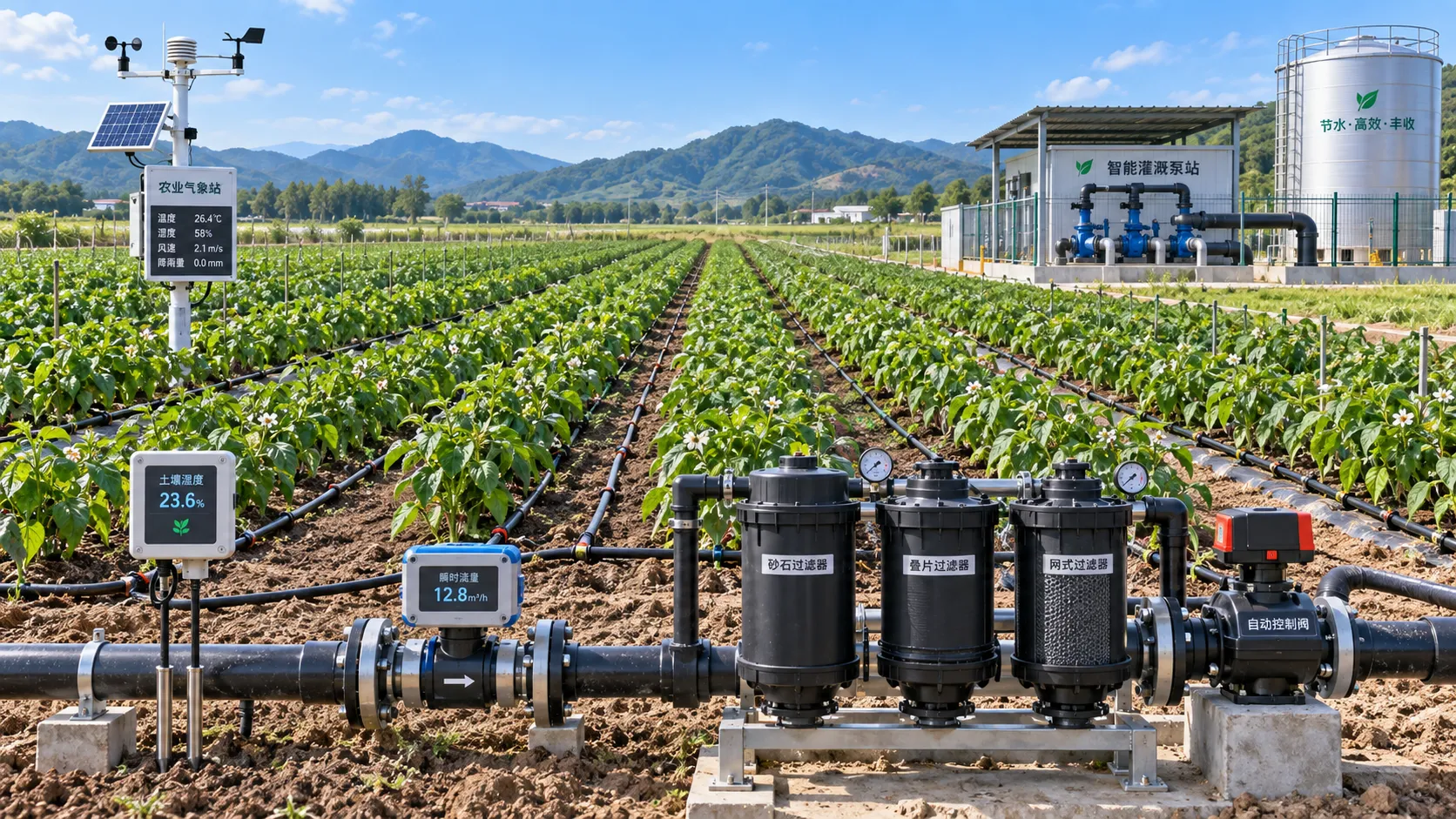
Automated Water-Saving Irrigation: How to Cut Water Use Without Reducing Crop Yields
Automated water-saving irrigation helps farms cut water use, protect crop yields, improve scheduling, and gain reliable control with sensors, flow monitoring, and smart zones.
Selecting Grain Farm Equipment by Acreage, Crop Mix, and Harvest Window
Agricultural equipment selection for grain farming: match machinery to acreage, crop mix, and harvest windows to improve uptime, efficiency, and returns.
Poultry Equipment Selection: Evaluating Durability, Cleaning, and Compatibility
Poultry equipments selection guide: evaluate durability, cleaning access, and system compatibility to improve hygiene, reduce downtime, and support efficient flock management.
How to Select Heavy-Duty Farm Implements for High-Acreage, High-Horsepower Operations
Heavy duty farm implements: learn how to match draft, hydraulics, hitch capacity, frame strength, and field conditions for reliable high-acreage performance.
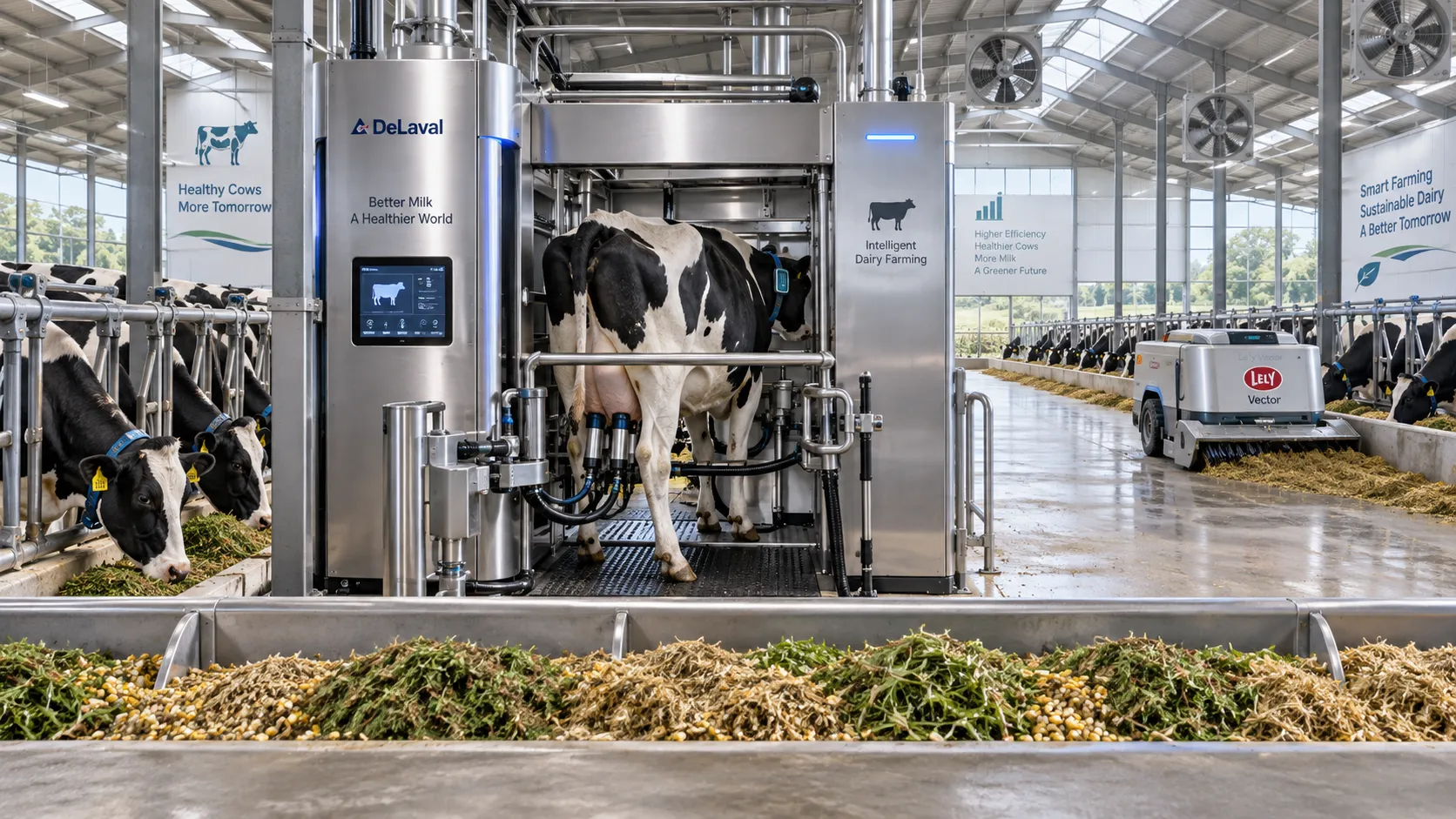
Smart Farming Technology for Dairy Farms: Where Automation Delivers Measurable ROI
Smart farming technology for dairy farms delivers measurable ROI through automation, precision feeding, health monitoring, and data-driven cost control.
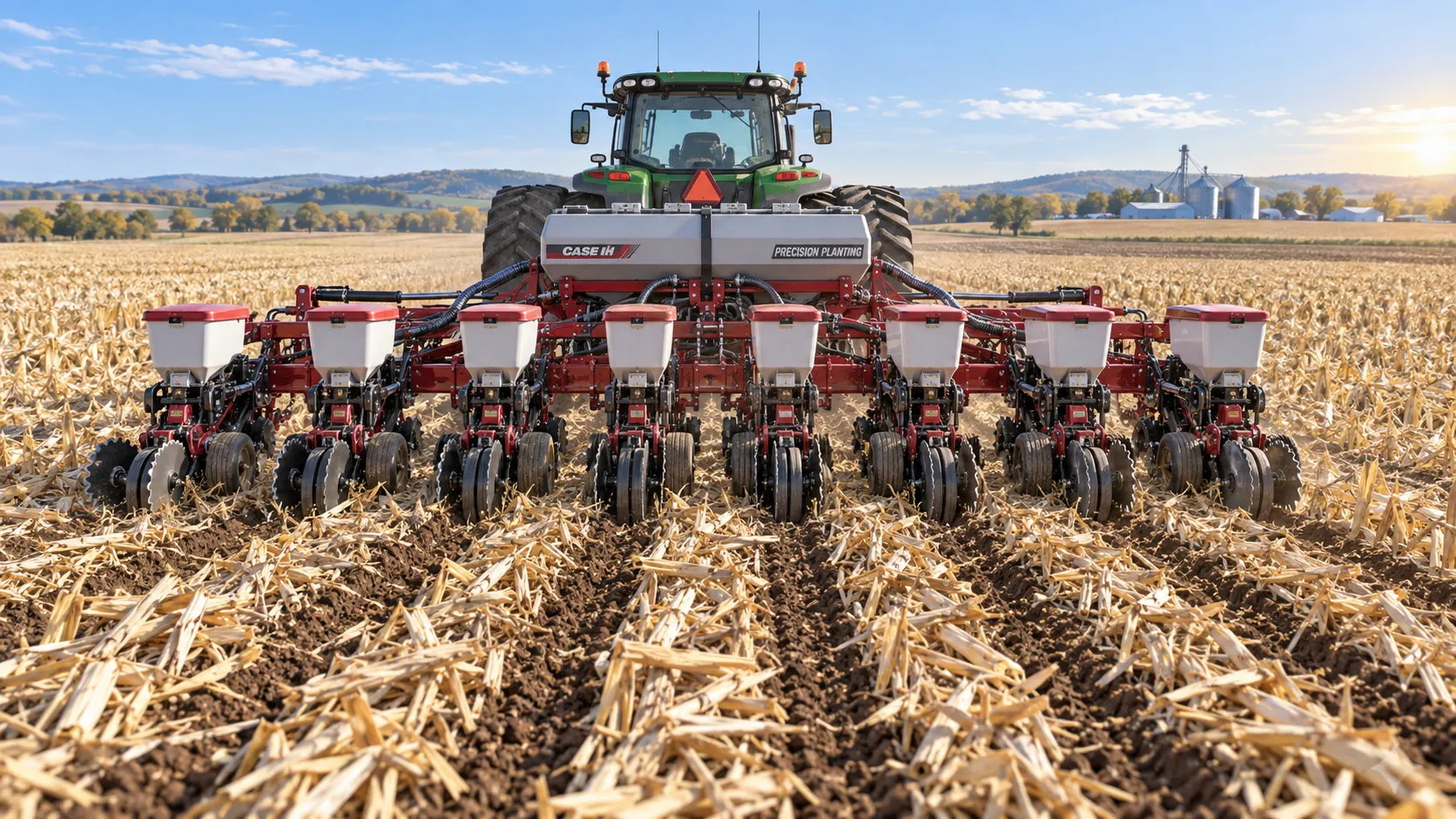
How to Select a Heavy-Duty Seeder for Large Acreage and High-Residue Fields
Heavy duty seeders for large acreage: compare residue handling, depth control, downforce, metering accuracy, and precision features to select the right model.
Related News
- 00
0000-00
Selecting Real-Time Soil Moisture Sensors for Irrigation Zone Control - 00
0000-00
How Does Climate-Smart Farming Reduce Water Use in Semi-Arid Areas? - 00
0000-00
USDA Rule Takes Effect: Dual FCC and NRCS Approval for Soil Moisture Sensors - 00
0000-00
EU Rule Takes Effect: Soil Moisture Sensors Need Revised CE-EMC Certification - 00
0000-00
How to Choose Wireless Smart Irrigation Systems for Better Water Control
Popular Tags
Hydrological Resource Strategist
Weekly Insights
Stay ahead with our curated technology reports delivered every Monday.