
Why transpiration prediction models still miss water stress too late
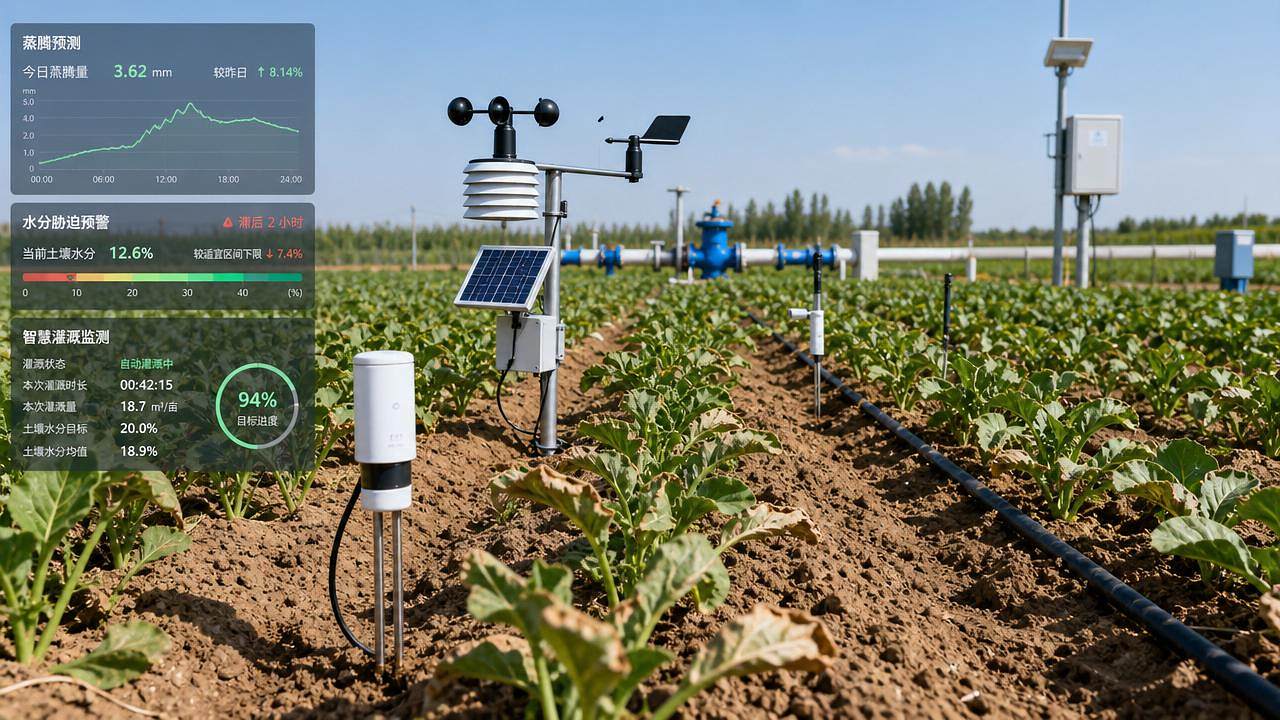




Despite rapid gains in sensing, modeling, and irrigation automation, many transpiration prediction models still detect crop water stress only after physiological damage has begun. For technical evaluators, this gap raises critical questions about model latency, signal quality, and field-scale reliability. Understanding why these systems respond too late is essential for improving decision accuracy in smart irrigation and precision agriculture.
Why are transpiration prediction models under so much scrutiny now?
Technical evaluators are no longer asking whether digital irrigation can work. They are asking whether it can respond early enough to prevent yield loss, quality decline, and unnecessary water use. That is why transpiration prediction models have become a focal point across intelligent irrigation systems, field sensors, and farm decision platforms. In principle, these models estimate how much water a crop is using and whether water demand is beginning to outpace root-zone supply. In practice, many systems still react after stress signatures have already become visible in stomatal closure, canopy temperature, or growth slowdown.
This matters more in Agriculture 4.0 because farm operators increasingly rely on automated thresholds rather than manual scouting alone. For large farms, delayed detection scales badly: a small timing error can translate into broad irrigation misallocation, lower irrigation uniformity, and inaccurate recommendations across multiple zones. For organizations such as AP-Strategy that evaluate water-saving irrigation systems alongside precision farming algorithms and equipment performance, the issue is not just model accuracy on paper. It is operational timing under real field variability.
The scrutiny is also driven by changing climate patterns. Hotter afternoons, stronger vapor pressure deficit swings, and less predictable rainfall create short windows in which transpiration behavior shifts rapidly. A model that looks statistically acceptable on seasonal averages may still be too slow for actionable irrigation control during these high-risk periods.
What exactly causes transpiration prediction models to miss water stress too late?
The short answer is that late detection usually comes from a chain of delays rather than one isolated flaw. Most transpiration prediction models depend on proxy signals, assumed relationships, and time-aggregated inputs. Water stress, however, develops as a dynamic interaction between atmosphere, soil, roots, plant hydraulics, and management. When one link updates slowly or is represented too simply, the final warning arrives late.
A common problem is reliance on atmospheric demand variables such as solar radiation, air temperature, humidity, and wind speed while underrepresenting plant hydraulic limits. These variables are useful for estimating potential transpiration, but water stress begins when actual plant water transport cannot keep pace. If the model mainly tracks demand and only indirectly infers supply constraints, it may not recognize the onset of stress until transpiration has already declined measurably.
Another source of delay is coarse temporal resolution. Many operational systems summarize data hourly or daily to stabilize noise. That improves smoothness but reduces sensitivity to short-term stress onset, especially in sandy soils, shallow root zones, or high-radiation periods. A crop can enter harmful midday stress before a daily water balance model signals concern.
Sensor placement also matters. Soil moisture probes may not represent the most active root volume. Canopy sensors may be affected by mixed pixels, row orientation, or partial shading. Weather stations may sit too far from the field microclimate. When field measurements do not capture the relevant stress zone, transpiration prediction models inherit misleading inputs and become reactive instead of predictive.
There is also a calibration issue. Many models are trained under moderate conditions, uniform stands, or limited crop stages. Once deployed in heterogeneous commercial environments, the assumed relationship between transpiration, soil water, and canopy response can drift. The model still outputs numbers, but its timing becomes unreliable.
Are the models failing because of bad algorithms, weak sensors, or field complexity?
Usually, it is the interaction of all three. Blaming only the algorithm is too simplistic. Many transpiration prediction models perform well in controlled trials yet struggle in real deployments because the field is not a laboratory. Technical evaluators should separate three layers of risk: model design risk, data acquisition risk, and agronomic deployment risk.
At the model design layer, some systems are built to estimate evapotranspiration rather than detect pre-stress transitions. Those are not the same task. A water balance model can estimate seasonal use reasonably well and still miss the early hydraulic warning signs that matter for irrigation timing. Likewise, machine learning models may fit historical patterns well but remain fragile when weather extremes or management practices shift.
At the data layer, weak signal quality is often the hidden bottleneck. If incoming data are noisy, sparse, or delayed, the model may intentionally smooth outputs to avoid false alarms. That smoothing improves dashboard stability but sacrifices early stress sensitivity. In other words, the system becomes safer statistically but less useful agronomically.
At the deployment layer, field complexity dominates. Variable soil texture, irrigation non-uniformity, root disease, compaction, salinity, crop variety differences, and uneven canopy cover all distort transpiration patterns. A model may be technically sound yet still arrive late because it treats the field as more uniform than it really is.
Quick evaluation table: where does late detection usually originate?
How should technical evaluators judge whether a model is truly early-warning capable?
The first step is to stop evaluating transpiration prediction models only by global error statistics such as RMSE, correlation, or seasonal fit. Those metrics are useful, but they do not answer the core operational question: how many hours or days before measurable crop damage can the system identify developing water stress with acceptable confidence?
A better assessment framework includes event-based timing metrics. Evaluators should ask when the model first signals stress relative to independent references such as stem water potential, sap flow deviation, canopy temperature rise, stomatal conductance change, or controlled irrigation cutback experiments. A model that predicts total transpiration well but flags stress 24 to 48 hours late may still be unsuitable for automated irrigation scheduling.
It is also important to test under edge cases rather than average conditions alone. Many transpiration prediction models appear stable in mild weather but fail during heat spikes, high evaporative demand, or uneven irrigation recovery. Those are exactly the moments when irrigation intelligence creates the most value. Technical evaluation should include sensitivity under fast transitions, not just mean performance over a season.
Another key criterion is explainability. If the model recommends irrigation because a hidden feature vector shifted, evaluators may struggle to determine whether the signal reflects actual crop stress or sensor noise. Systems that combine interpretable water balance logic with plant-based indicators often provide stronger diagnostic confidence than black-box outputs alone.
What should be on an evaluator’s checklist?
- Does the model estimate potential transpiration, actual transpiration, or stress onset specifically?
- What is the shortest update interval from sensing to recommendation?
- Which independent plant-based measurements were used for validation?
- How does performance change across crop stages, soil types, and irrigation methods?
- Can the system distinguish water stress from heat stress, salinity, or disease effects?
- How often does the model create false positives that trigger unnecessary irrigation?
What are the most common mistakes buyers and project teams make when selecting transpiration prediction models?
One major mistake is equating high-resolution dashboards with high-quality prediction. A polished interface, dense graphing, and frequent updates do not guarantee that transpiration prediction models can identify stress early. The real question is whether the system captures plant limitation before visible decline, not whether it produces impressive-looking analytics.
Another mistake is overreliance on single-source sensing. Soil-only systems often miss atmospheric shocks, while weather-only systems miss root-zone supply limitations. Canopy-only systems can be confounded by non-water stress factors. In most commercial settings, stronger performance comes from multisource fusion: weather data, soil moisture, crop stage, irrigation records, and one plant-response indicator.
Teams also underestimate maintenance and recalibration. Sensors drift, emitters clog, crop coefficients shift, and field layouts change. A model that was tuned well at installation may gradually lose timing accuracy if inputs are not maintained. For technical evaluators, lifecycle reliability is just as important as first-season performance.
A fourth mistake is validating only at plot scale, then assuming success at commercial scale. Large fields introduce communication delays, hydraulic variability, machine traffic effects, and management inconsistencies. When AP-Strategy or similar intelligence groups assess solutions for large-scale irrigation and mechanized farming environments, scale transfer should be treated as a formal risk category, not an afterthought.
How can transpiration prediction models be improved so they act before damage starts?
The most practical improvement is to shift from pure transpiration estimation toward stress anticipation. That means designing transpiration prediction models to detect divergence between expected transpiration and plant-limited transpiration earlier, instead of simply reporting current water use. In other words, the model should monitor when the crop begins losing hydraulic flexibility, not only when water use has already fallen.
Hybrid modeling is especially promising. Mechanistic water balance models provide physical structure, while machine learning can capture nonlinear effects from weather volatility, crop stage, and local management. Used together, they often outperform either approach alone, especially when paired with continuous field recalibration. This is highly relevant to smart irrigation systems operating under variable climates and mixed equipment platforms.
Another improvement is adding plant-centered signals with better timing value. Canopy temperature depression, sap flow trends, leaf turgor estimates, and stem-based indicators can reveal stress development earlier than bulk soil moisture alone in some environments. The objective is not to maximize sensor count blindly, but to improve biological relevance per data stream.
Spatial intelligence also matters. Field zones should not all inherit one stress threshold. Variable-rate irrigation, topographic effects, and soil texture boundaries require zonal logic. When transpiration prediction models are connected to satellite imagery, proximal sensing, and equipment telemetry, they can localize stress risk more effectively and reduce the lag caused by field averaging.
Recommended improvement priorities
What should technical evaluators ask before approving deployment or procurement?
Before approving a platform, evaluators should move beyond generic claims like AI-powered irrigation or real-time crop analytics. The better questions are operational. How early can this system detect stress under high vapor pressure deficit? What independent crop measurements back that claim? What happens when one sensor stream drops out? How much manual recalibration is required per season? How well do the transpiration prediction models transfer between fields, cultivars, and irrigation hardware?
They should also verify integration readiness. In a modern agri-equipment environment, prediction quality is inseparable from execution quality. If a model identifies stress early but irrigation control systems cannot respond quickly, the practical benefit is reduced. That is why AP-Strategy’s broader perspective on intelligent irrigation, tractor hydraulics, farm tools, and data-driven field management remains relevant: predictive analytics must work inside the full operational chain.
In summary, transpiration prediction models still miss water stress too late because they often estimate average water use better than they detect early plant limitation, and because field data pipelines are rarely as clean as model assumptions. For technical evaluators, the winning approach is to test timing, not just fit; to value multisource evidence over single-metric confidence; and to judge models under stressful field realities rather than ideal trial conditions.
If you need to confirm a specific solution, parameter set, deployment path, validation cycle, or partnership model, the first questions to discuss should be sensor architecture, event-based validation method, field-scale transferability, irrigation control response time, and seasonal recalibration requirements. Those answers will reveal far more about real-world value than headline accuracy alone.
Related News
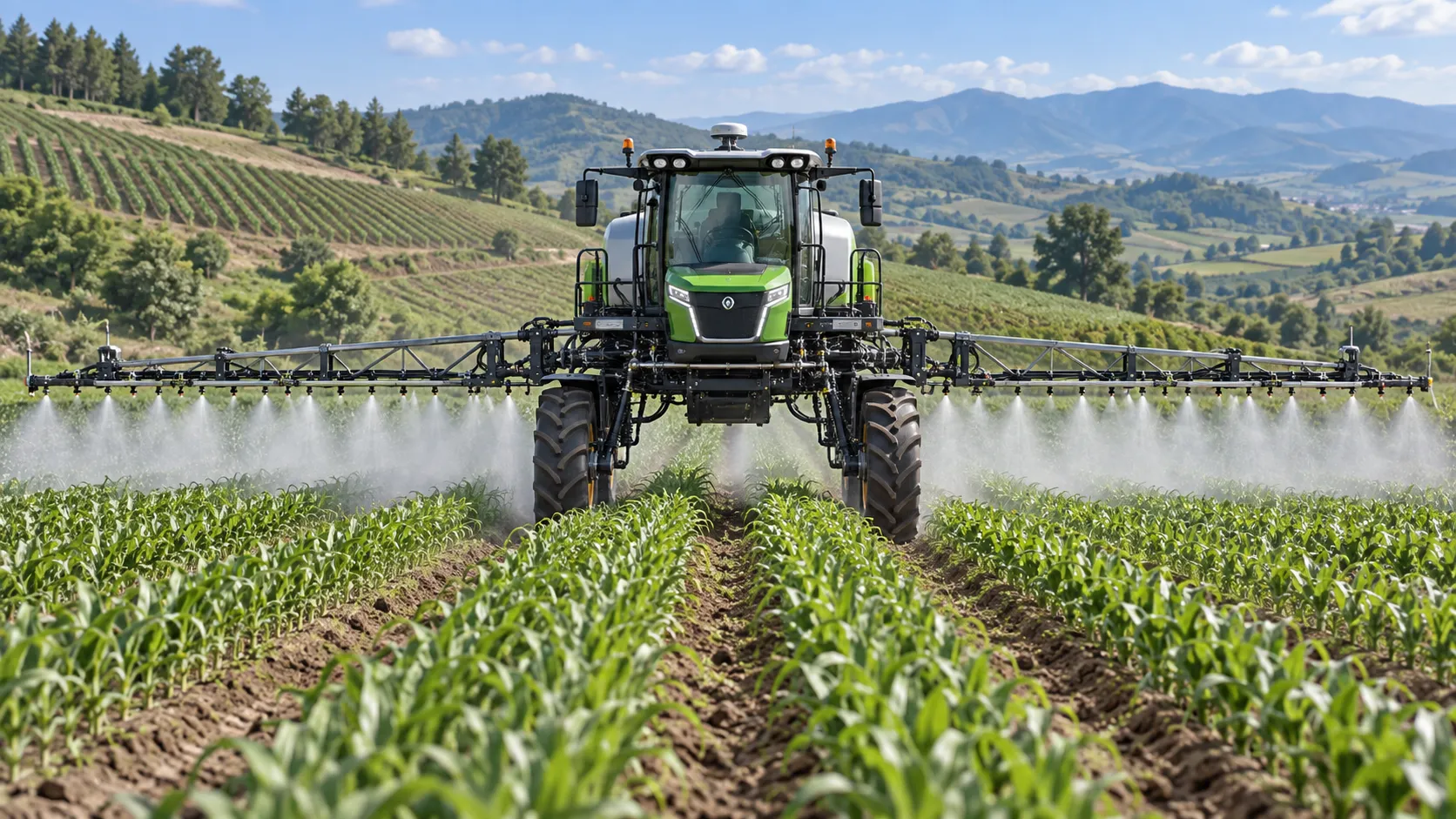
How to Select Precision Crop Protection Equipment for Variable Field Conditions
Precision crop protection equipment selection made simple: compare terrain, canopy, weather, control accuracy, and data workflows for reliable applications.
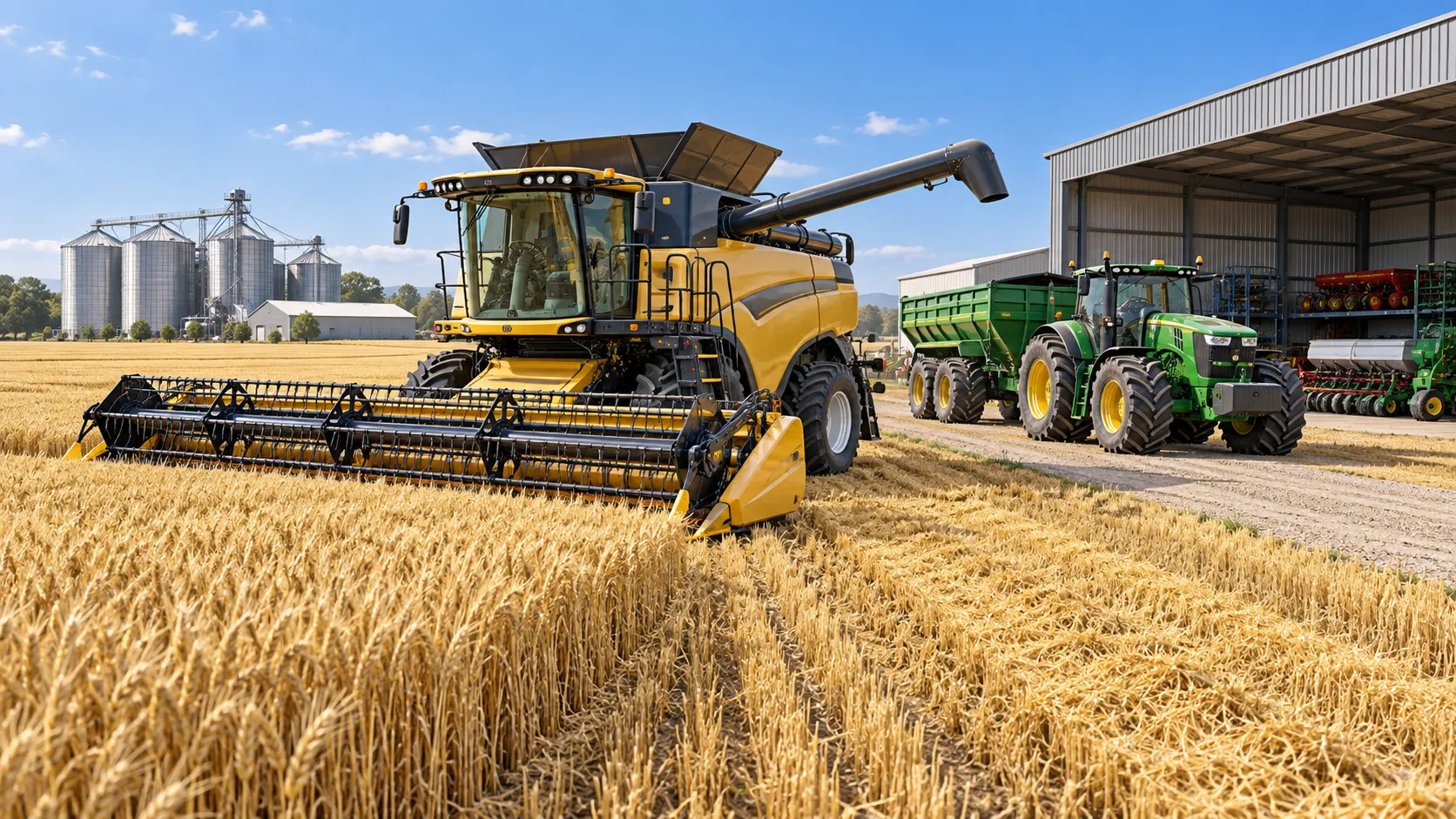
When Does Agricultural Machinery Leasing Cost Less Than Owning Equipment?
Agricultural machinery leasing can lower farm costs when use is seasonal or uncertain. Compare utilization, maintenance, cash flow, and risk to make a smarter equipment decision.
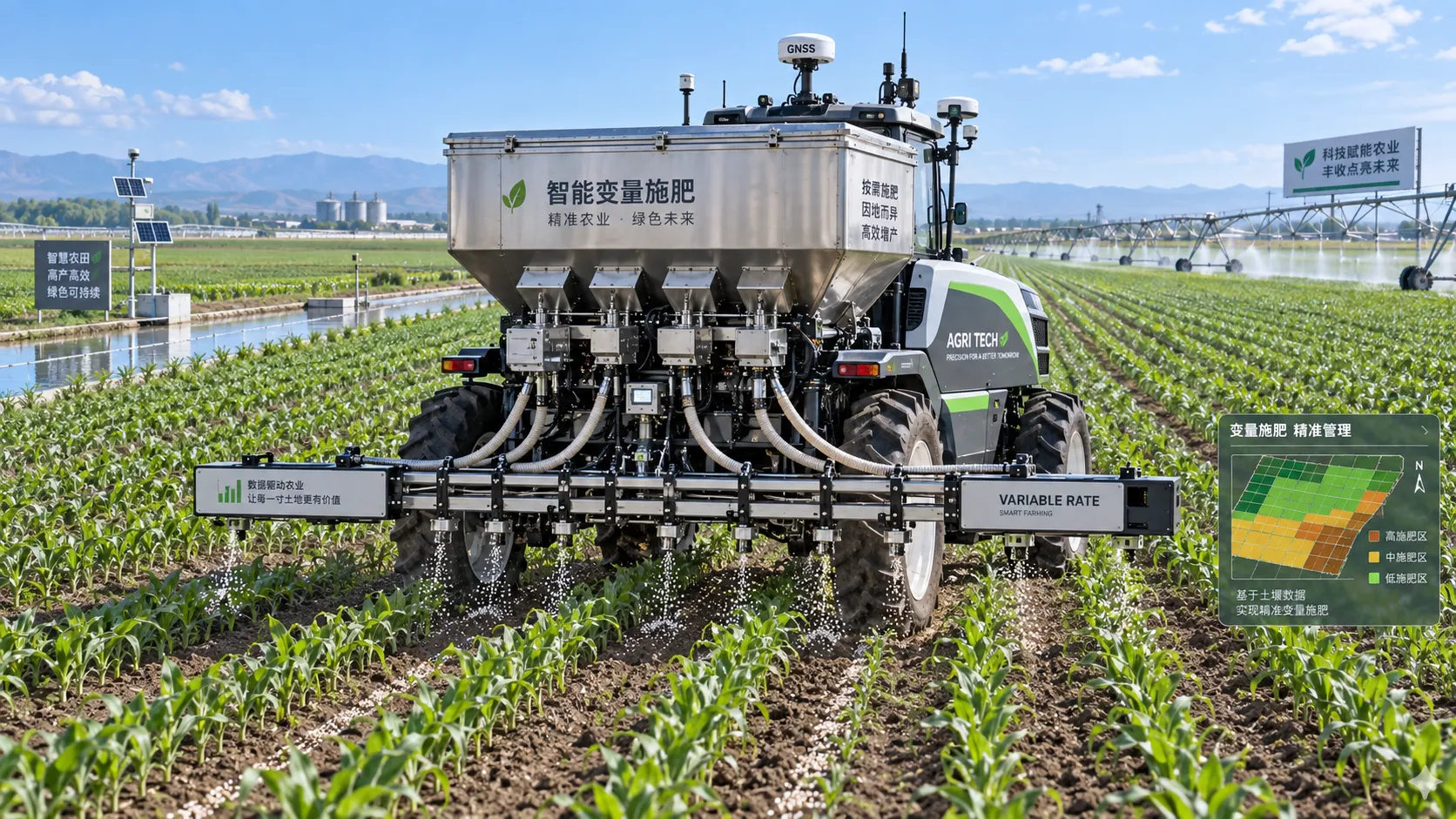
How to Evaluate Precision Fertilization System Suppliers for Farm-Scale Deployment
Precision fertilization systems suppliers: learn how to compare accuracy, integration, uptime, service, and total cost for confident farm-scale deployment.
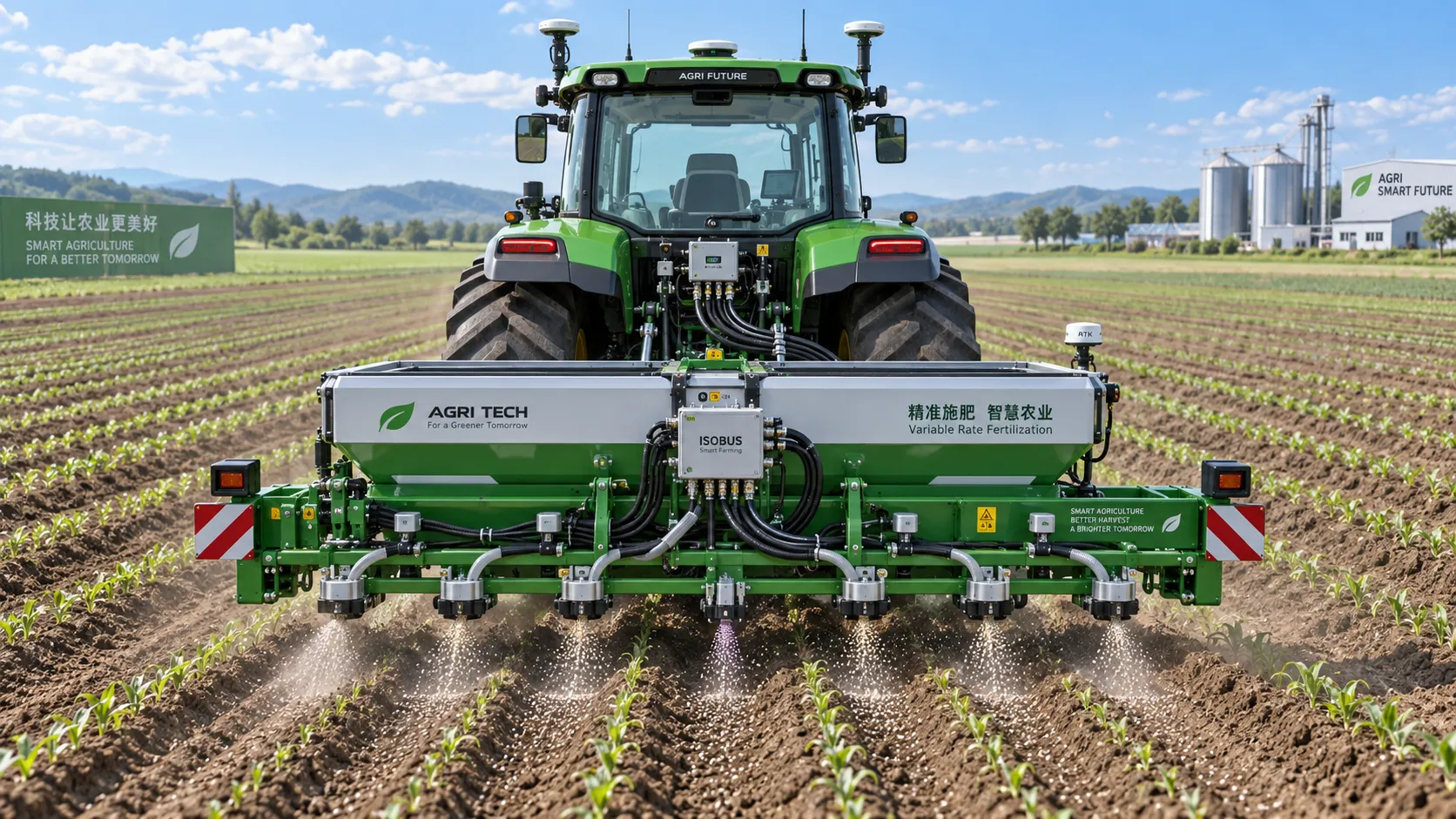
ISOBUS for Smart Agriculture: How It Connects Tractors, Implements, and Farm Data
ISOBUS for smart agriculture connects tractors, implements, terminals, and farm data—helping growers improve precision, documentation, and smarter field decisions.
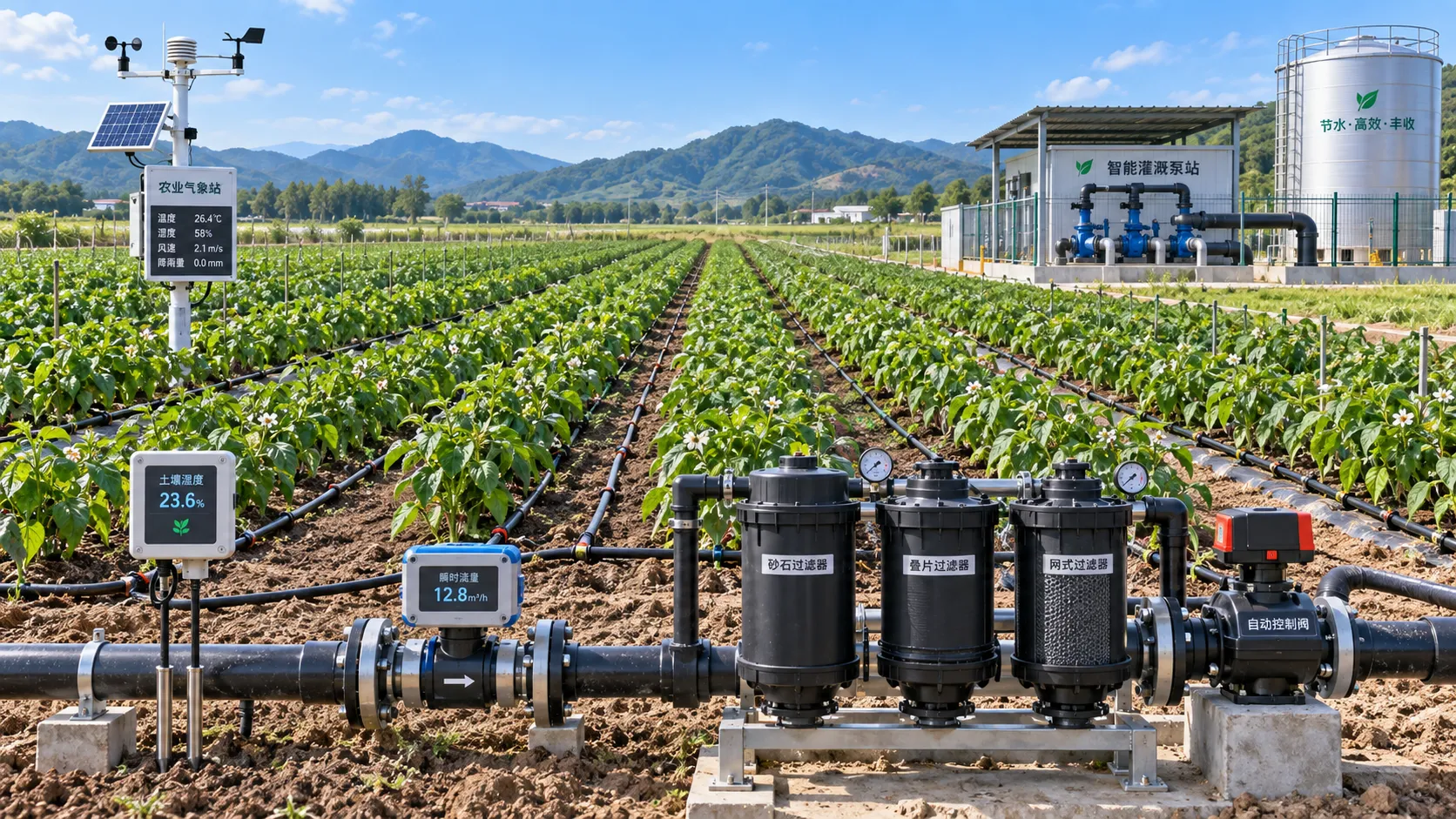
Automated Water-Saving Irrigation: How to Cut Water Use Without Reducing Crop Yields
Automated water-saving irrigation helps farms cut water use, protect crop yields, improve scheduling, and gain reliable control with sensors, flow monitoring, and smart zones.
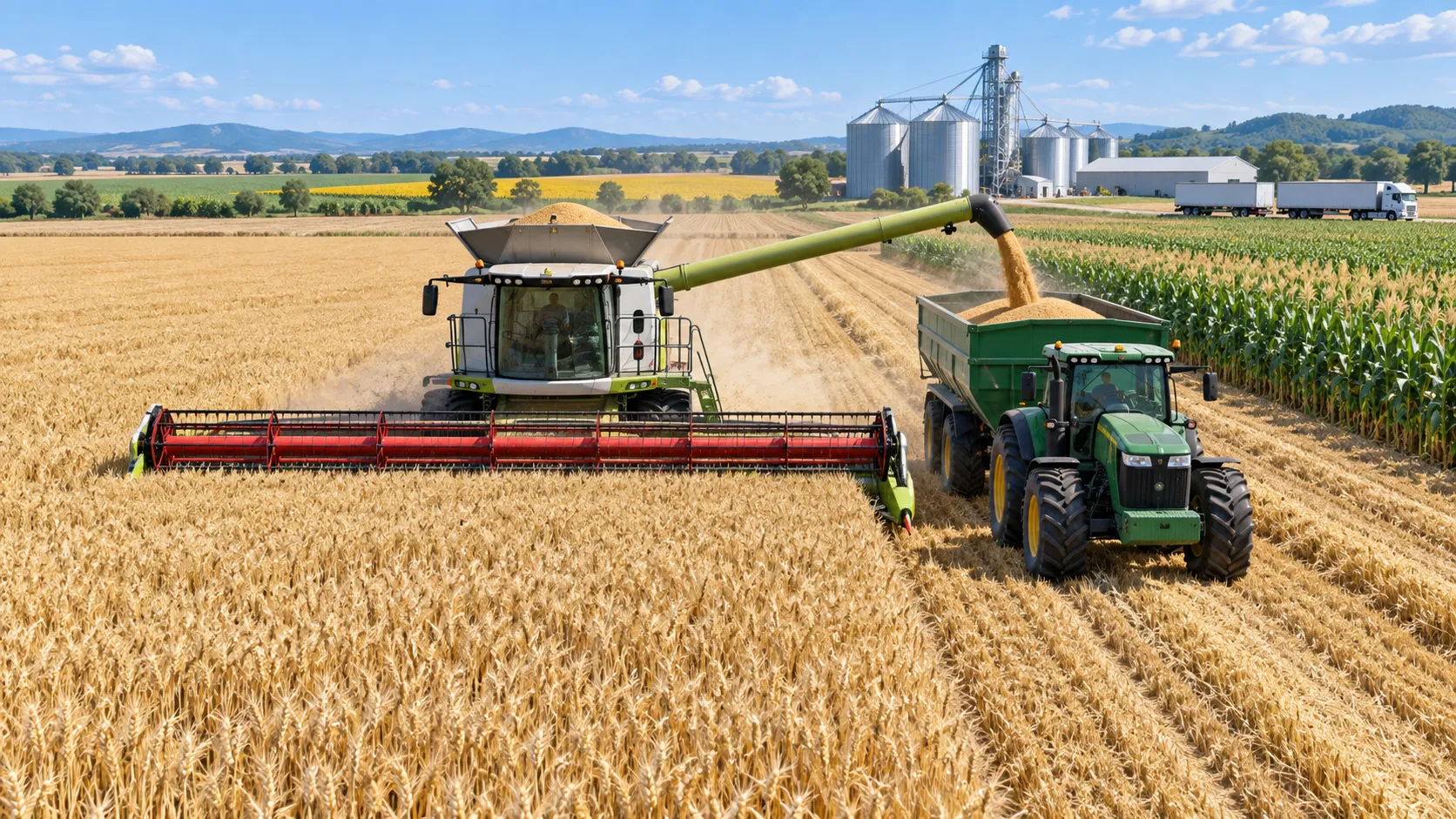
Selecting Grain Farm Equipment by Acreage, Crop Mix, and Harvest Window
Agricultural equipment selection for grain farming: match machinery to acreage, crop mix, and harvest windows to improve uptime, efficiency, and returns.
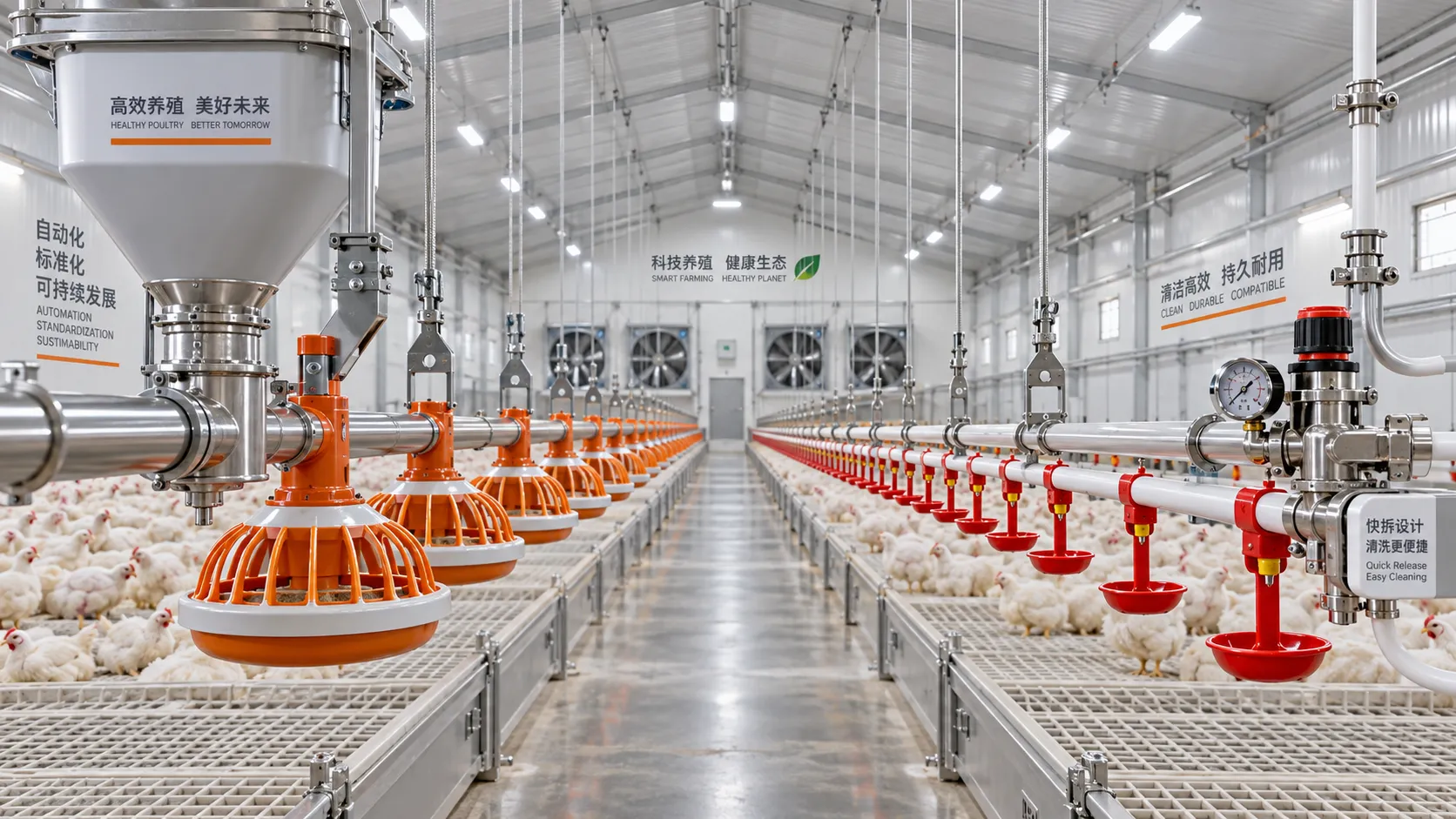
Poultry Equipment Selection: Evaluating Durability, Cleaning, and Compatibility
Poultry equipments selection guide: evaluate durability, cleaning access, and system compatibility to improve hygiene, reduce downtime, and support efficient flock management.
How to Select Heavy-Duty Farm Implements for High-Acreage, High-Horsepower Operations
Heavy duty farm implements: learn how to match draft, hydraulics, hitch capacity, frame strength, and field conditions for reliable high-acreage performance.
Smart Farming Technology for Dairy Farms: Where Automation Delivers Measurable ROI
Smart farming technology for dairy farms delivers measurable ROI through automation, precision feeding, health monitoring, and data-driven cost control.
Related News
- 00
0000-00
Selecting Real-Time Soil Moisture Sensors for Irrigation Zone Control - 00
0000-00
How Does Climate-Smart Farming Reduce Water Use in Semi-Arid Areas? - 00
0000-00
USDA Rule Takes Effect: Dual FCC and NRCS Approval for Soil Moisture Sensors - 00
0000-00
EU Rule Takes Effect: Soil Moisture Sensors Need Revised CE-EMC Certification - 00
0000-00
How to Choose Wireless Smart Irrigation Systems for Better Water Control
Popular Tags
Hydrological Resource Strategist
Weekly Insights
Stay ahead with our curated technology reports delivered every Monday.