
Kerry 2026 China Beverage Flavor Map Highlights Natural Nourishment Trend
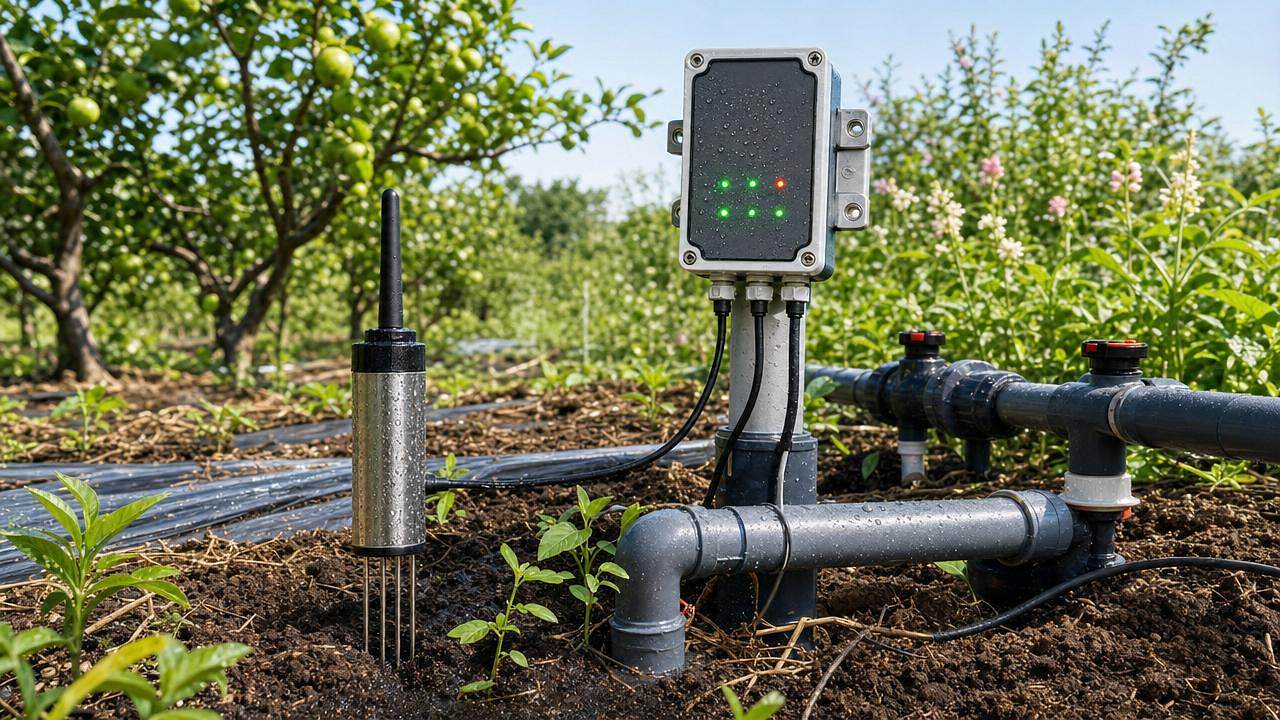




Food and beverage ingredient supplier Kerry has released its 2026 China Beverage Flavor Map, identifying 'Natural Nourishment' as a core innovation driver in soft drinks and functional dairy beverages. The report, published in early 2024 (with forward-looking projections through 2026), signals ripple effects across upstream agriculture and agri-tech supply chains — particularly for soil moisture sensors, drip irrigation logic controllers, and fertigation systems. Companies involved in agricultural equipment trade, precision farming hardware manufacturing, and raw material sourcing should monitor procurement patterns and delivery timelines closely.
Event Overview
Kerry’s 2026 China Beverage Flavor Map identifies 'Natural Nourishment' as the central flavor and functional positioning trend for soft drinks and functional dairy beverages in China. According to the report, this shift is driving annual growth of 12% in cultivated area for traditional Chinese medicinal herbs and organic fruits and vegetables. As a result, demand has increased for soil moisture sensors, drip irrigation logic controllers, and integrated water-fertilizer systems. Overseas agricultural equipment importers report a 37% year-on-year increase in orders for Chinese-made LoRaWAN-based low-power soil moisture terminals in Q2 2024, with lead times extending to 8–10 weeks.
Which Sub-Sectors Are Affected
Direct Trade Enterprises
Export-oriented agricultural equipment traders are experiencing accelerated order volume and longer fulfillment cycles. The 37% YoY order growth in Q2 — specifically for LoRaWAN-enabled soil moisture terminals — reflects tightening capacity and rising logistical coordination complexity. Impact manifests in working capital pressure, shipping schedule volatility, and heightened need for buyer communication on delivery windows.
Raw Material Sourcing Firms
Firms procuring herbs, organic produce, or specialty botanicals for beverage formulation are indirectly affected: the reported 12% annual expansion in cultivation area implies greater regional concentration, stricter certification requirements, and potential yield variability due to scaling. This may affect consistency of supply, traceability documentation demands, and input cost benchmarks over time.
Agri-Tech Manufacturing Companies
Manufacturers of soil sensors, irrigation controllers, and fertigation hardware face increased export demand but also operational strain. Extended lead times (8–10 weeks) suggest production bottlenecks, component shortages, or testing/certification delays — especially for devices requiring wireless protocol compliance (e.g., LoRaWAN stack validation) and agronomic calibration.
Supply Chain Service Providers
Logistics, customs brokerage, and technical compliance support providers must adapt to shifting documentation needs — including CE/RED marking for EU-bound LoRaWAN devices, FCC ID registration for U.S.-bound units, and evolving phytosanitary or electromagnetic compatibility (EMC) requirements across key markets.
What Relevant Companies or Practitioners Should Monitor and Do Now
Track downstream procurement signals, not just headline trends
‘Natural Nourishment’ is a consumer-facing positioning term; its real-world impact lies in measurable upstream shifts — such as the documented 12% annual land-use expansion and the 37% YoY sensor order growth. Focus monitoring on actual purchase behavior (e.g., port shipment data, distributor restocking patterns) rather than conceptual reports alone.
Validate lead-time extensions against specific product categories and destinations
The 8–10 week delivery window applies specifically to LoRaWAN-based soil moisture terminals — not all irrigation hardware. Companies should distinguish between commodity components (e.g., generic microcontrollers) and certified, application-specific endpoints requiring field calibration or wireless regulatory approval.
Prepare for tighter technical compliance coordination with overseas partners
As export volumes rise, so does scrutiny of device-level certifications. Proactively align with importers on required documentation (e.g., test reports, declaration of conformity, firmware version logs) well before shipment — especially where LoRaWAN frequency band allocation differs by region (e.g., EU 868 MHz vs. US 915 MHz).
Assess inventory buffers for critical subcomponents
Extended lead times indicate potential constraints in low-power RF modules, calibrated capacitive soil probes, or specialized battery cells. Review bill-of-materials (BOM) dependencies and consider strategic pre-positioning of long-lead items — without overcommitting to unvalidated demand.
Editorial Perspective / Industry Observation
Observably, this development is less a sudden market shift and more a quantified acceleration of an existing trajectory: the alignment of beverage innovation with verifiable agricultural inputs. Analysis shows that Kerry’s Flavor Map functions primarily as a demand signal amplifier — translating consumer preference into upstream procurement metrics. It does not itself create new policy or regulation, nor does it guarantee sustained growth beyond 2026. From an industry standpoint, the current value lies in its specificity: it names concrete technologies (LoRaWAN sensors), quantifies adoption velocity (37% YoY), and links them to a defined end-market driver (beverage formulation). That makes it actionable — but only if treated as one corroborating data point among others, not as a standalone forecast.
Conclusion
This update is best understood not as a discrete news event, but as a cross-sectoral synchronization indicator: beverage R&D priorities are now visibly shaping hardware procurement rhythms three tiers upstream. For stakeholders across agri-tech trade and manufacturing, the implication is pragmatic — anticipate constrained capacity in certified, low-power soil sensing hardware, and treat extended lead times as a near-term operational reality rather than a temporary bottleneck. Continued relevance depends on whether subsequent reporting confirms sustained YoY growth beyond Q2 2024.
Information Source
Main source: Kerry’s 2026 China Beverage Flavor Map (publicly released in early 2024). Note: The 12% annual land-use growth rate and 37% Q2 YoY order increase are cited figures from the report. The 8–10 week delivery timeline is attributed to feedback from overseas agricultural equipment importers, as reported in the same document. Ongoing verification of these metrics beyond Q2 2024 remains pending.
Related News
When Does Agricultural Machinery Leasing Cost Less Than Owning Equipment?
Agricultural machinery leasing can lower farm costs when use is seasonal or uncertain. Compare utilization, maintenance, cash flow, and risk to make a smarter equipment decision.
How to Evaluate Precision Fertilization System Suppliers for Farm-Scale Deployment
Precision fertilization systems suppliers: learn how to compare accuracy, integration, uptime, service, and total cost for confident farm-scale deployment.
ISOBUS for Smart Agriculture: How It Connects Tractors, Implements, and Farm Data
ISOBUS for smart agriculture connects tractors, implements, terminals, and farm data—helping growers improve precision, documentation, and smarter field decisions.
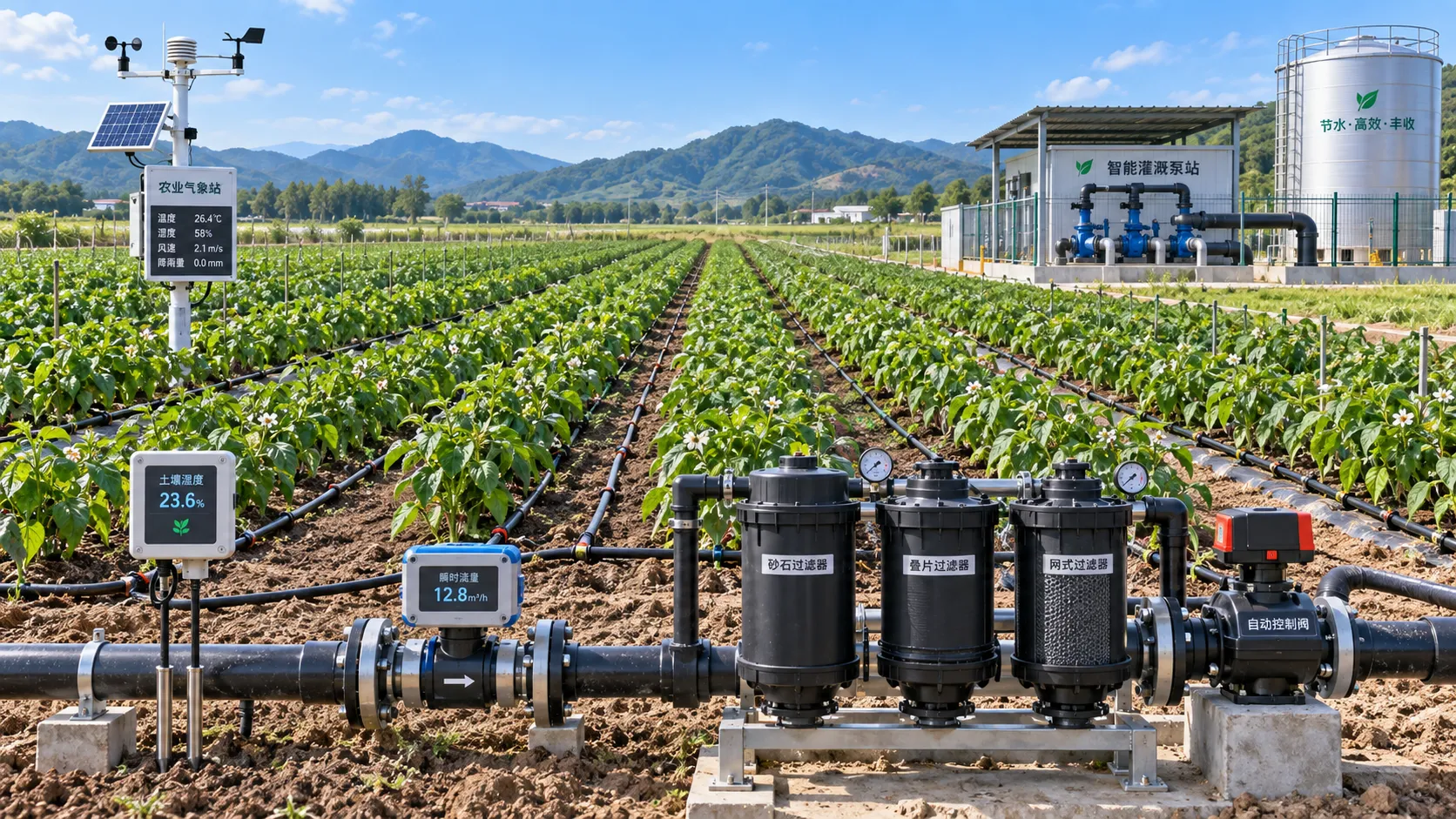
Automated Water-Saving Irrigation: How to Cut Water Use Without Reducing Crop Yields
Automated water-saving irrigation helps farms cut water use, protect crop yields, improve scheduling, and gain reliable control with sensors, flow monitoring, and smart zones.
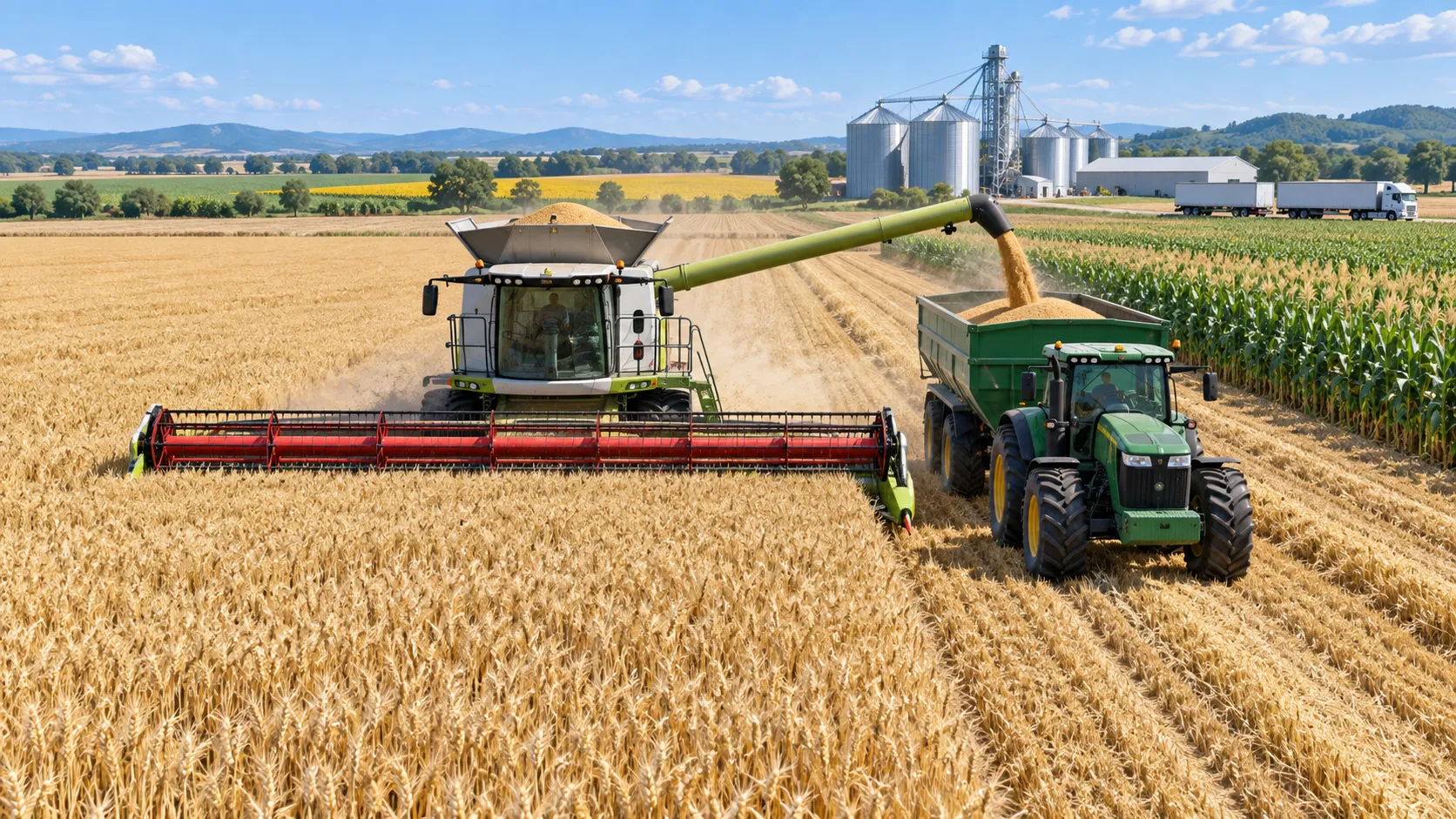
Selecting Grain Farm Equipment by Acreage, Crop Mix, and Harvest Window
Agricultural equipment selection for grain farming: match machinery to acreage, crop mix, and harvest windows to improve uptime, efficiency, and returns.
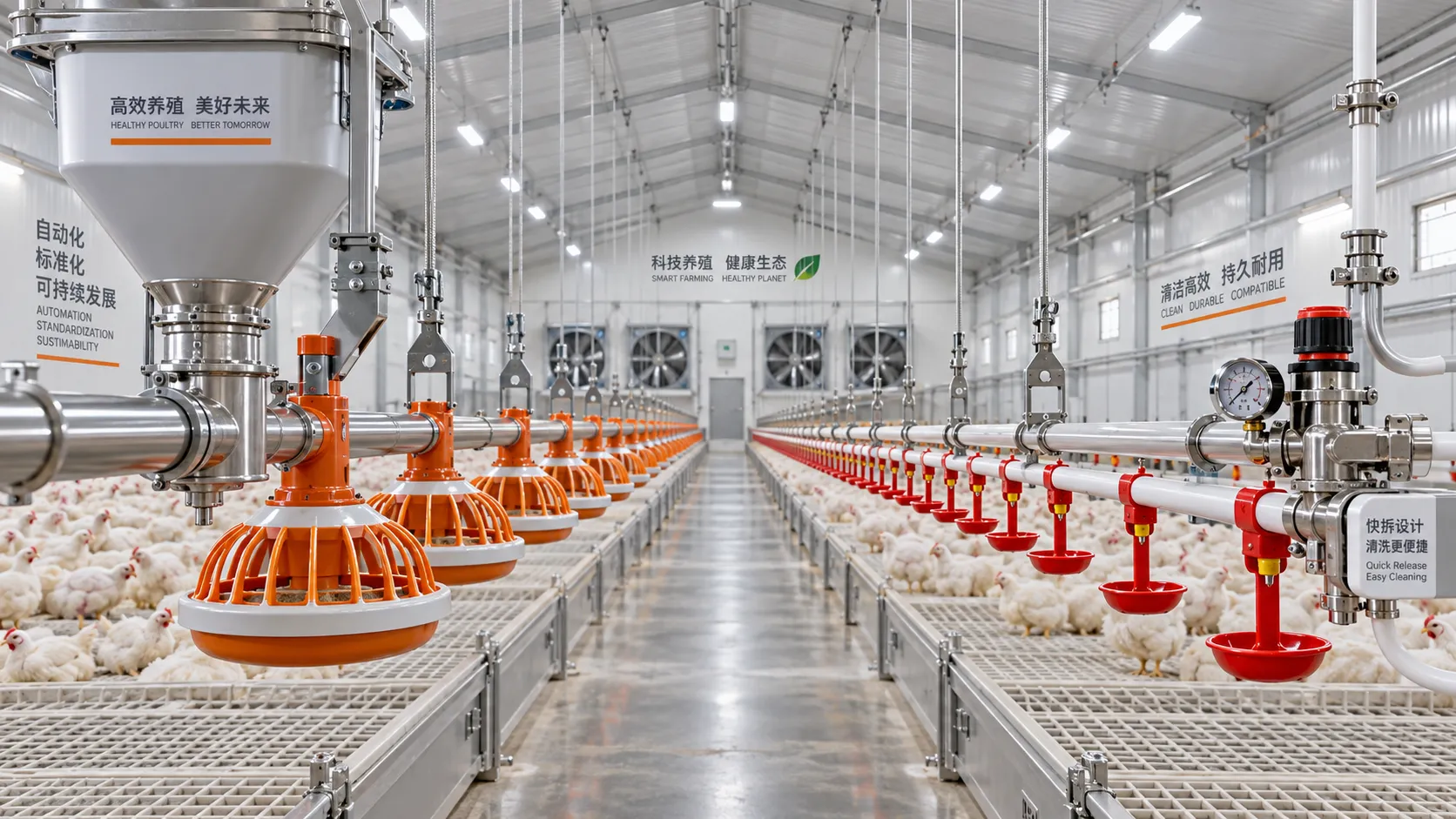
Poultry Equipment Selection: Evaluating Durability, Cleaning, and Compatibility
Poultry equipments selection guide: evaluate durability, cleaning access, and system compatibility to improve hygiene, reduce downtime, and support efficient flock management.
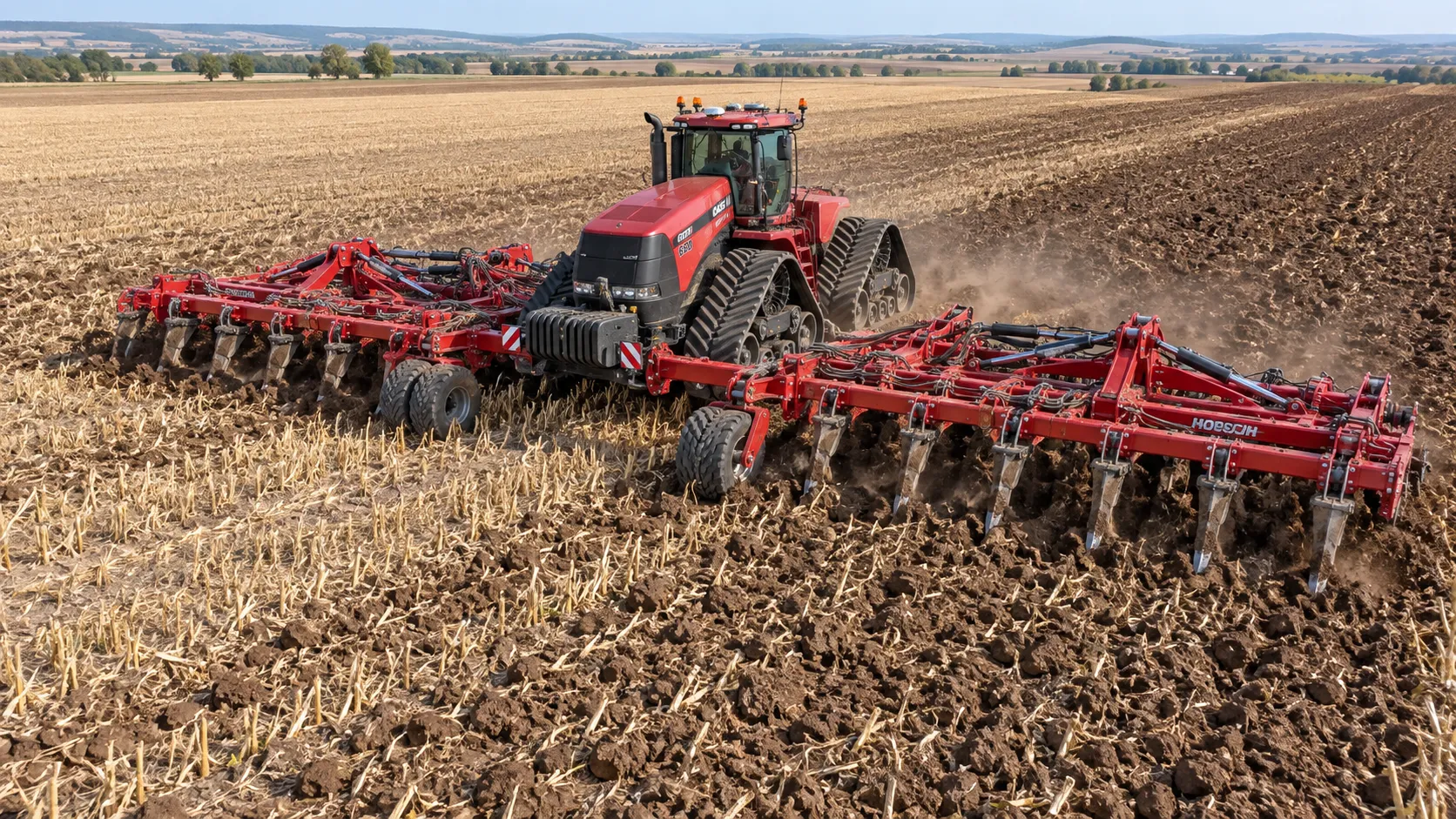
How to Select Heavy-Duty Farm Implements for High-Acreage, High-Horsepower Operations
Heavy duty farm implements: learn how to match draft, hydraulics, hitch capacity, frame strength, and field conditions for reliable high-acreage performance.
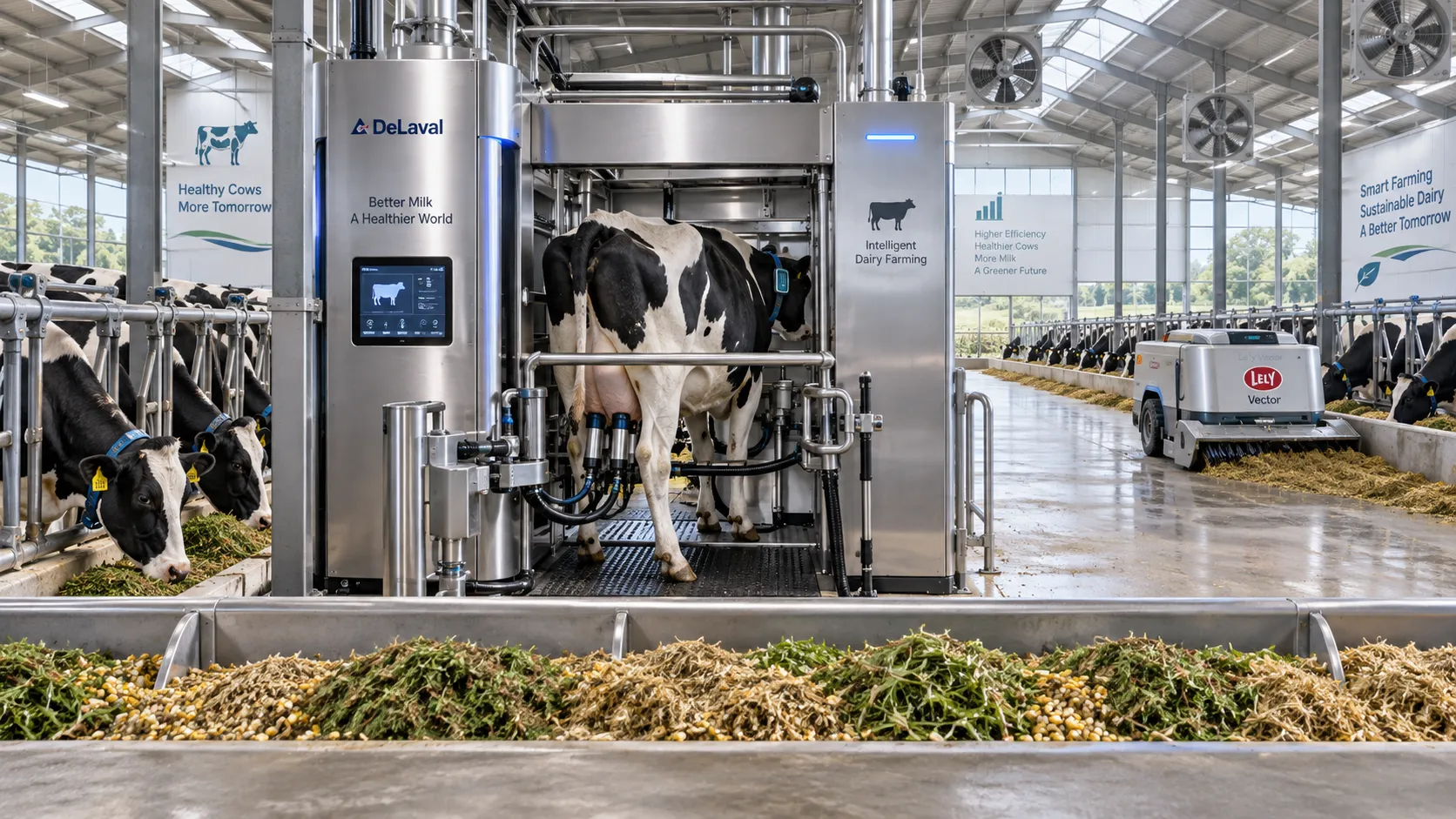
Smart Farming Technology for Dairy Farms: Where Automation Delivers Measurable ROI
Smart farming technology for dairy farms delivers measurable ROI through automation, precision feeding, health monitoring, and data-driven cost control.
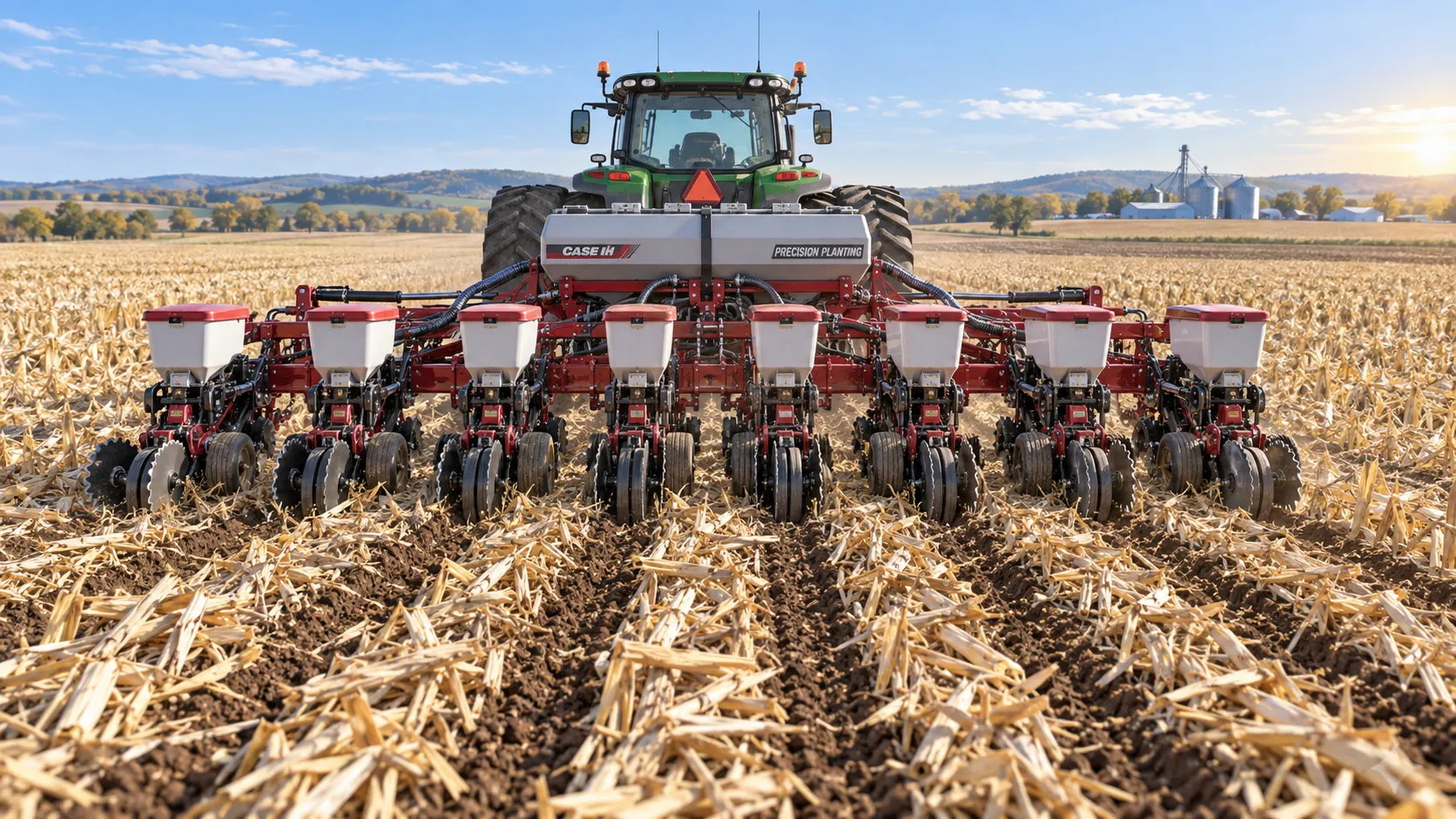
How to Select a Heavy-Duty Seeder for Large Acreage and High-Residue Fields
Heavy duty seeders for large acreage: compare residue handling, depth control, downforce, metering accuracy, and precision features to select the right model.
Related News
- 00
0000-00
Selecting Real-Time Soil Moisture Sensors for Irrigation Zone Control - 00
0000-00
How Does Climate-Smart Farming Reduce Water Use in Semi-Arid Areas? - 00
0000-00
USDA Rule Takes Effect: Dual FCC and NRCS Approval for Soil Moisture Sensors - 00
0000-00
EU Rule Takes Effect: Soil Moisture Sensors Need Revised CE-EMC Certification - 00
0000-00
How to Choose Wireless Smart Irrigation Systems for Better Water Control
Popular Tags
Hydrological Resource Strategist
Weekly Insights
Stay ahead with our curated technology reports delivered every Monday.