
Can Climate-Smart Farming Work Without Sensor-Based Decisions?
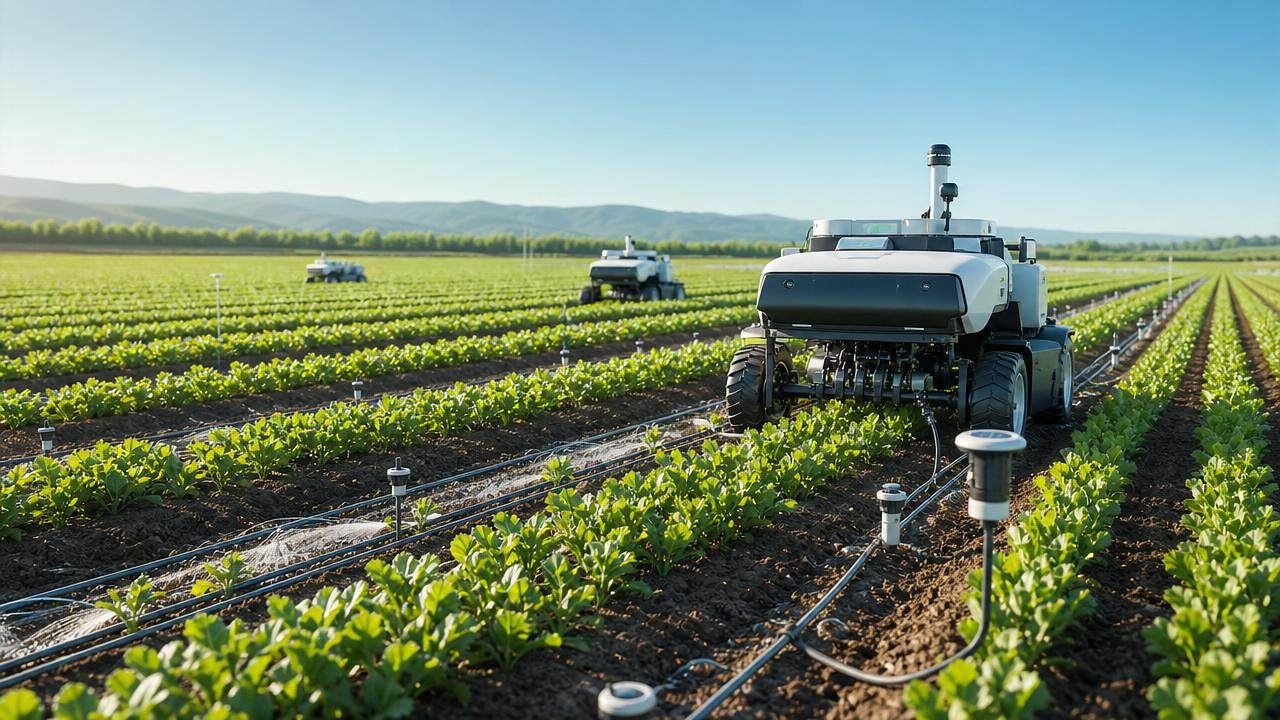




Can climate-smart farming truly scale without sensor-based decisions? For technical evaluators, the answer lies in how data quality shapes machinery efficiency, irrigation precision, and field-level resilience. As large-scale agriculture faces rising climate uncertainty, climate-smart farming increasingly depends on sensor feedback to turn equipment performance and agronomic models into measurable, risk-aware decisions.
Why the debate is shifting from concept to decision architecture
A noticeable change is taking place across large-scale agriculture. A few years ago, climate-smart farming was often discussed as a strategic goal: reduce resource waste, preserve yield stability, and adapt to weather variability. Today, the conversation is becoming more technical. Evaluators, equipment planners, and farm operators are no longer asking only whether climate-smart farming is desirable. They are asking whether it can function reliably without sensor-based decisions embedded into machinery, irrigation control, and field operations.
This shift matters because the operating environment has changed. Rainfall patterns are less predictable, heat stress is more frequent, water allocation is tighter, and input costs remain volatile. In such conditions, static decision rules are losing value. Calendar-based irrigation, uniform field treatment, and fixed machine settings may still work in stable seasons, but they become increasingly risky when crop stress and soil conditions change quickly across zones and hours. Climate-smart farming, in practice, is moving from broad sustainability messaging toward real-time, evidence-based control.
For technical assessment teams, this is not merely a digitalization issue. It is an engineering and systems question: can a farm operation maintain climate resilience, energy efficiency, and yield protection if data inputs remain delayed, sparse, or manually interpreted? In many cases, the answer is no. Without sensor-driven feedback loops, even advanced tractors, combine harvesters, and intelligent irrigation systems may operate below their potential.
The strongest trend signal: precision expectations are rising across the field cycle
The most important trend is that climate-smart farming is no longer evaluated crop by crop alone. It is increasingly judged across the full production cycle, from soil preparation and planting to irrigation, crop protection, and harvesting. As a result, precision expectations are rising at every stage. Decision quality now depends on how well field data can be captured, interpreted, and converted into machine actions.
This trend is especially visible in three areas. First, water management is becoming more dynamic. Irrigation decisions need to respond to soil moisture variability, evapotranspiration patterns, and local weather risk rather than weekly routines. Second, machine performance is being linked more directly to field variability. Tractor traction, implement depth, harvester loss rates, and fuel efficiency all respond to changing crop and soil conditions. Third, compliance and sustainability pressures are increasing the need for traceable decisions. Farms and distributors are being asked to show not just output, but operational efficiency and resource stewardship.
For organizations such as AP-Strategy that monitor Agriculture 4.0, this shift confirms a broader market direction: mechanical excellence remains essential, but standalone equipment advantage is narrowing. The next layer of competitive value comes from decision intelligence built on reliable sensor feedback.
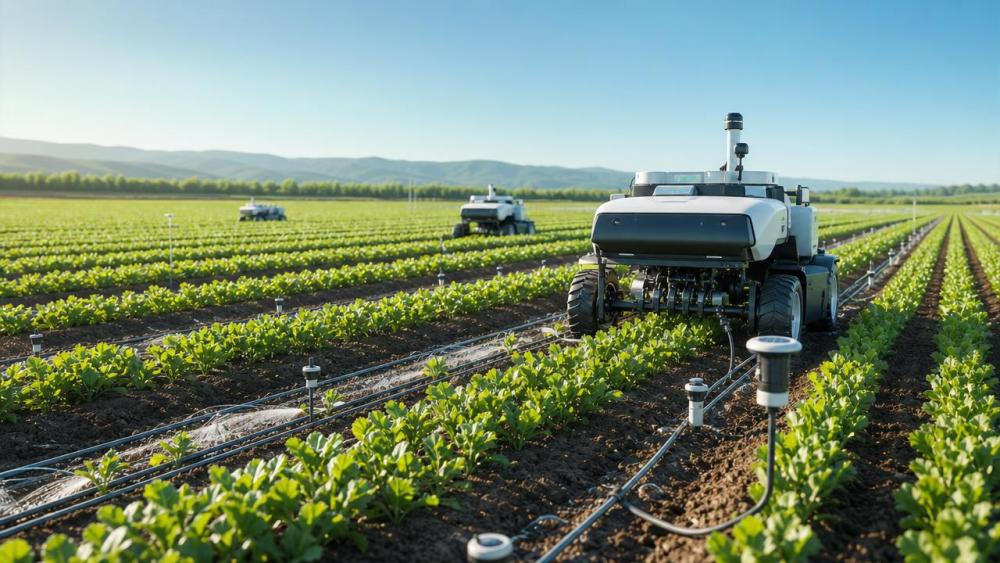
Why sensor-based decisions are becoming central, not optional
Several forces are driving this change. The first is climate volatility itself. Weather uncertainty increases the cost of delayed correction. If soil dries faster than expected or a heat event accelerates crop stress, a decision made one day late may reduce irrigation efficiency, nutrient uptake, or harvest quality. Sensors do not eliminate risk, but they shorten the gap between field reality and operational response.
The second driver is the growing complexity of large-scale farm equipment. Modern tractor chassis, combine harvesters, and intelligent implements already generate or consume operational data. Without a sensor-informed decision layer, farms may own advanced hardware but still manage fields with blunt decision logic. That creates a mismatch between equipment capability and practical field performance.
The third driver is water scarcity and input accountability. Water-saving irrigation systems require accurate timing, pressure management, and zone-level control. In climate-smart farming, the question is not only how much water is applied, but whether the application matches crop need, soil condition, and forecast risk. Similar logic applies to fertilizer placement, spraying windows, and harvesting parameters.
Finally, commercial expectations are changing. Distributors, integrators, and procurement teams increasingly need evidence that technology investments translate into measurable performance. Sensor-based decisions provide a practical path to verify outcomes such as reduced losses, lower water use, improved fuel efficiency, and better adaptation under unstable conditions.
Where climate-smart farming struggles when sensor feedback is weak
Climate-smart farming can begin with agronomic principles, operator experience, and historical field knowledge. But scaling it across larger acreages and mixed climate conditions becomes difficult when sensor feedback is limited. Technical evaluators should pay attention to four recurring weak points.
1. Irrigation becomes reactive rather than predictive
Without dependable soil moisture, weather, or flow data, irrigation tends to follow fixed intervals. That often leads to overwatering in some zones and stress in others. In dry regions, this directly undermines the promise of climate-smart farming.
2. Machinery performance is optimized for average conditions
Harvest loss, traction efficiency, and implement behavior vary with moisture, biomass density, soil resistance, and terrain. If these conditions are not sensed and translated into operating adjustments, machines may perform well only in “normal” sections of the field.
3. Agronomic models remain underused
Many crop and irrigation models are technically sound, but they require field data inputs to stay relevant. When sensor coverage is poor, farms fall back on assumptions, reducing the practical value of predictive tools.
4. Risk evaluation becomes harder to defend
For technical assessors, one of the biggest challenges is proving whether a system truly supports resilience. Without sensor-linked records, it becomes harder to distinguish good outcomes caused by sound decision-making from outcomes caused by favorable weather.
Who feels the impact first
The move toward sensor-based decisions in climate-smart farming does not affect all stakeholders equally. Some groups face stronger operational pressure and must adapt sooner.
In practical terms, the impact is strongest wherever operations are capital-intensive and weather-sensitive. That includes combine harvesting under narrow timing windows, high-value irrigation networks, and mechanized field systems where small efficiency gains compound over large areas.
What technical evaluators should examine next
For decision-makers assessing climate-smart farming solutions, the next step is not to ask whether sensors are present, but whether they improve decisions in a traceable way. This requires a more disciplined evaluation framework.
Start with data relevance. A sensor network may collect large volumes of information, but if it does not support key decisions such as irrigation timing, harvester adjustment, or variable-rate task execution, its strategic value is limited. Then examine signal reliability. Climate-smart farming depends on trustworthy inputs; poor calibration, unstable connectivity, or inconsistent data intervals can weaken confidence in automated or semi-automated actions.
Interoperability is another critical signal. Farms rarely operate a single-brand digital environment. Evaluators should judge how easily sensor outputs connect with tractor control systems, combine analytics, irrigation platforms, and agronomic software. A fragmented stack may increase data ownership risk and slow response during climate stress events.
Lastly, assess whether field decisions can be audited after the season. One of the strongest long-term advantages of sensor-based climate-smart farming is the creation of a decision record. This allows teams to compare assumptions with actual results and refine machine settings, irrigation schedules, and risk models over time.
The market direction: fewer standalone tools, more integrated intelligence
A broader market pattern is becoming visible. Buyers are moving away from evaluating climate-smart farming technologies as isolated upgrades. Instead, they want connected systems that combine machinery, control software, and sensor-informed recommendations. This favors suppliers and intelligence platforms that can link mechanical performance with field-level decision logic.
For sectors covered by AP-Strategy, this means future competitiveness will likely depend on how well large-scale agri-machinery, combine harvesting technology, tractor chassis systems, intelligent tools, and water-saving irrigation platforms exchange usable data. In other words, climate-smart farming is becoming less about adding one smart component and more about building a coordinated response system across the field.
That does not mean every farm must pursue full automation immediately. But it does mean that procurement, product development, and field service strategies should anticipate a growing requirement for sensor-compatible architecture, decision support layers, and measurable adaptation outcomes.
A practical judgment: can climate-smart farming work without sensor-based decisions?
At a basic level, yes. Farms can still adopt parts of climate-smart farming through better crop planning, improved machinery practices, and conservative water management. But at scale, and especially under volatile climate conditions, the model becomes less reliable without sensor-based decisions. The limitation is not philosophical; it is operational. Climate-smart farming needs timely awareness of changing field conditions to protect efficiency and resilience simultaneously.
For technical evaluators, the more useful question is not whether sensors are mandatory in theory, but where the absence of sensor feedback creates unacceptable decision blind spots. In irrigation-heavy systems, the gap appears quickly. In mechanized harvesting and precision input applications, the performance gap grows as field variability increases. Across all of these areas, the trend points in the same direction: better sensing is becoming a prerequisite for better adaptation.
Key questions to confirm before making the next move
If an enterprise wants to judge how climate-smart farming trends will affect its own operations, it should confirm several issues early. Which field decisions currently rely on averages rather than live conditions? Where do machinery losses, irrigation waste, or timing errors increase most under unstable weather? Can existing equipment consume sensor data effectively, or will integration barriers limit value? And can the business measure whether improved decisions actually reduce risk, not just digitize reporting?
Those questions help separate symbolic digital adoption from operational intelligence. In the coming phase of climate-smart farming, the winners are likely to be those that connect field sensing, machine responsiveness, and strategic evaluation into one repeatable system. For technical teams, that is where the most important judgment now begins.
Related News
When Does Agricultural Machinery Leasing Cost Less Than Owning Equipment?
Agricultural machinery leasing can lower farm costs when use is seasonal or uncertain. Compare utilization, maintenance, cash flow, and risk to make a smarter equipment decision.
How to Evaluate Precision Fertilization System Suppliers for Farm-Scale Deployment
Precision fertilization systems suppliers: learn how to compare accuracy, integration, uptime, service, and total cost for confident farm-scale deployment.
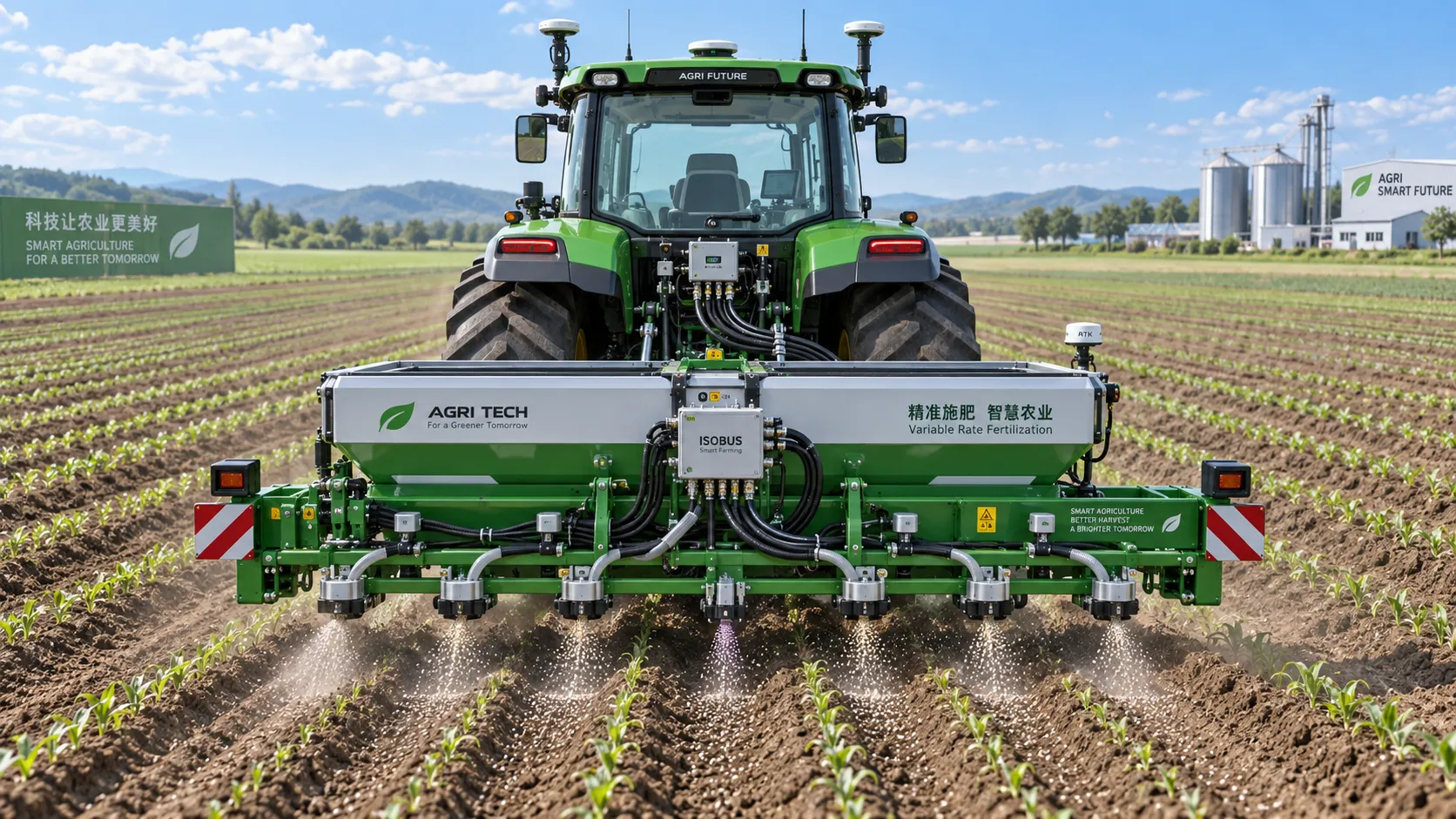
ISOBUS for Smart Agriculture: How It Connects Tractors, Implements, and Farm Data
ISOBUS for smart agriculture connects tractors, implements, terminals, and farm data—helping growers improve precision, documentation, and smarter field decisions.
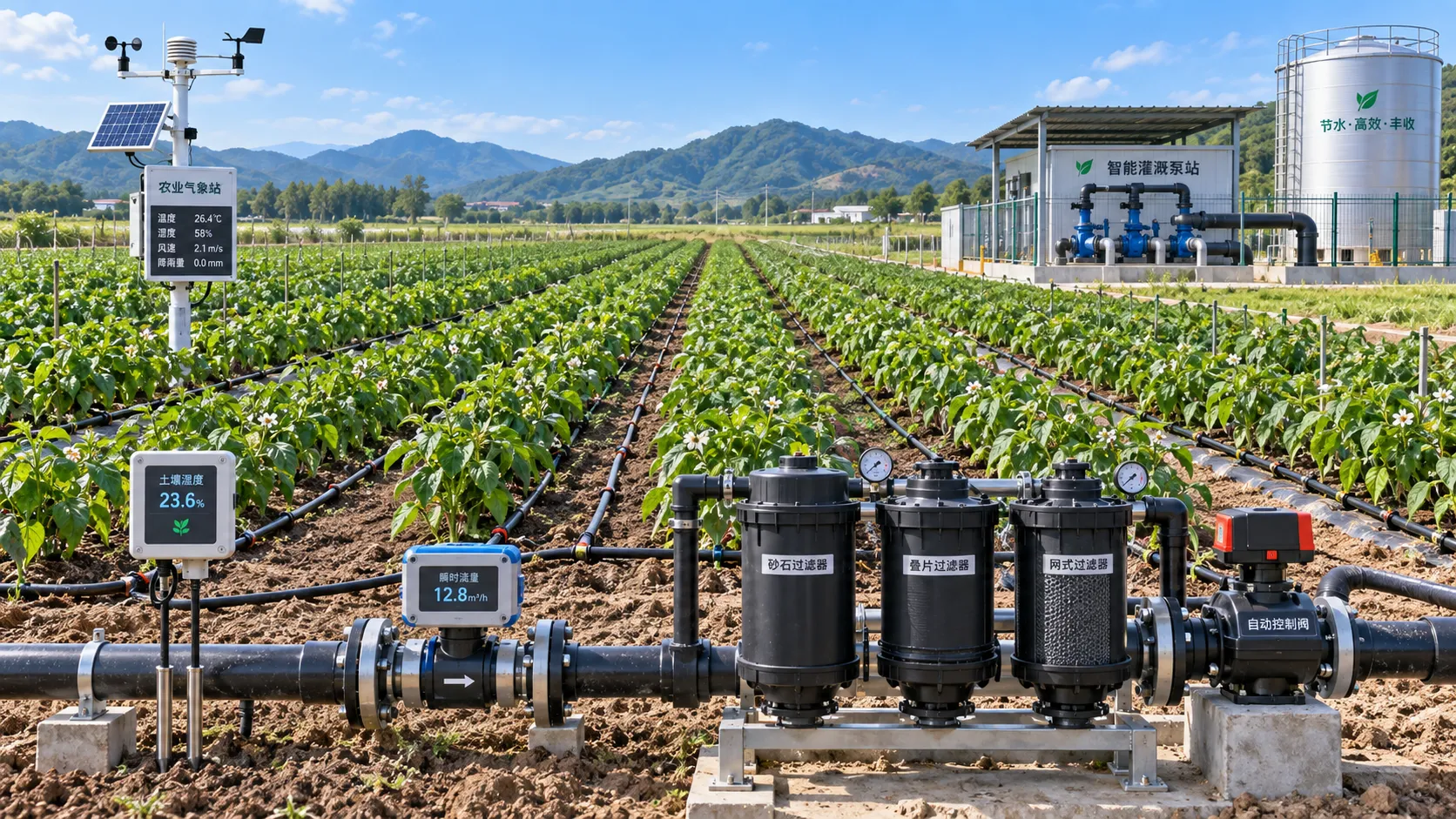
Automated Water-Saving Irrigation: How to Cut Water Use Without Reducing Crop Yields
Automated water-saving irrigation helps farms cut water use, protect crop yields, improve scheduling, and gain reliable control with sensors, flow monitoring, and smart zones.
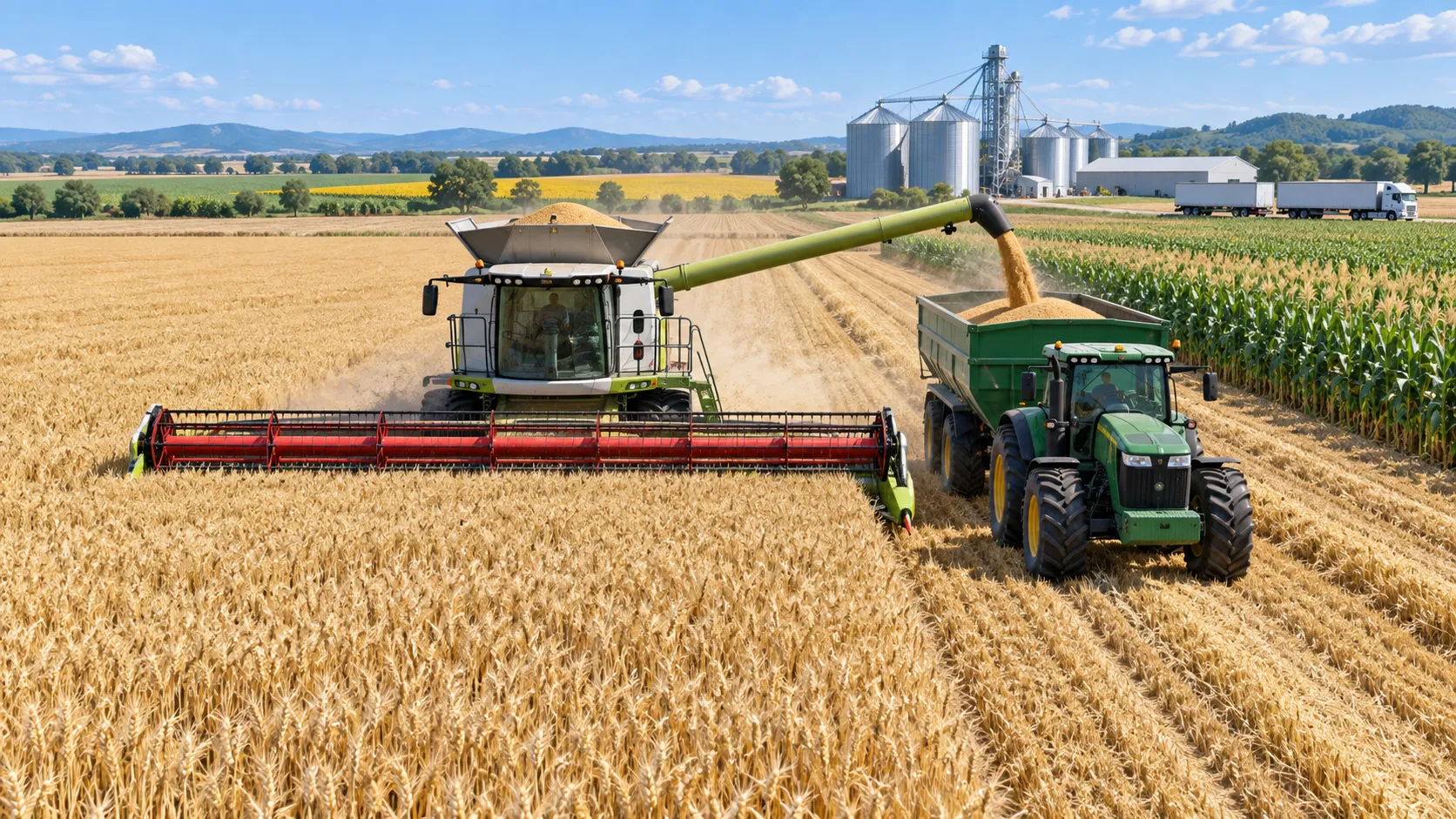
Selecting Grain Farm Equipment by Acreage, Crop Mix, and Harvest Window
Agricultural equipment selection for grain farming: match machinery to acreage, crop mix, and harvest windows to improve uptime, efficiency, and returns.
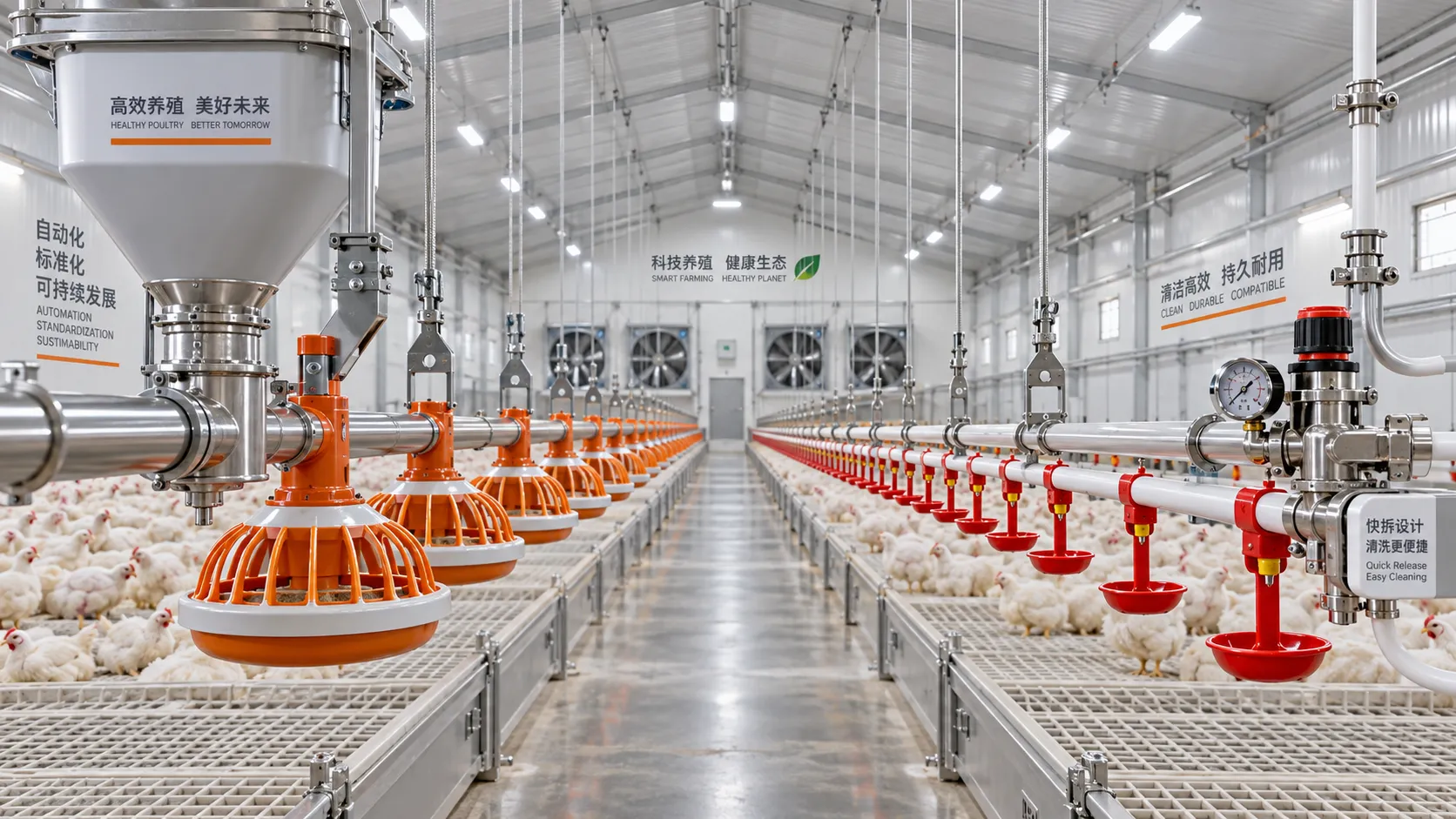
Poultry Equipment Selection: Evaluating Durability, Cleaning, and Compatibility
Poultry equipments selection guide: evaluate durability, cleaning access, and system compatibility to improve hygiene, reduce downtime, and support efficient flock management.
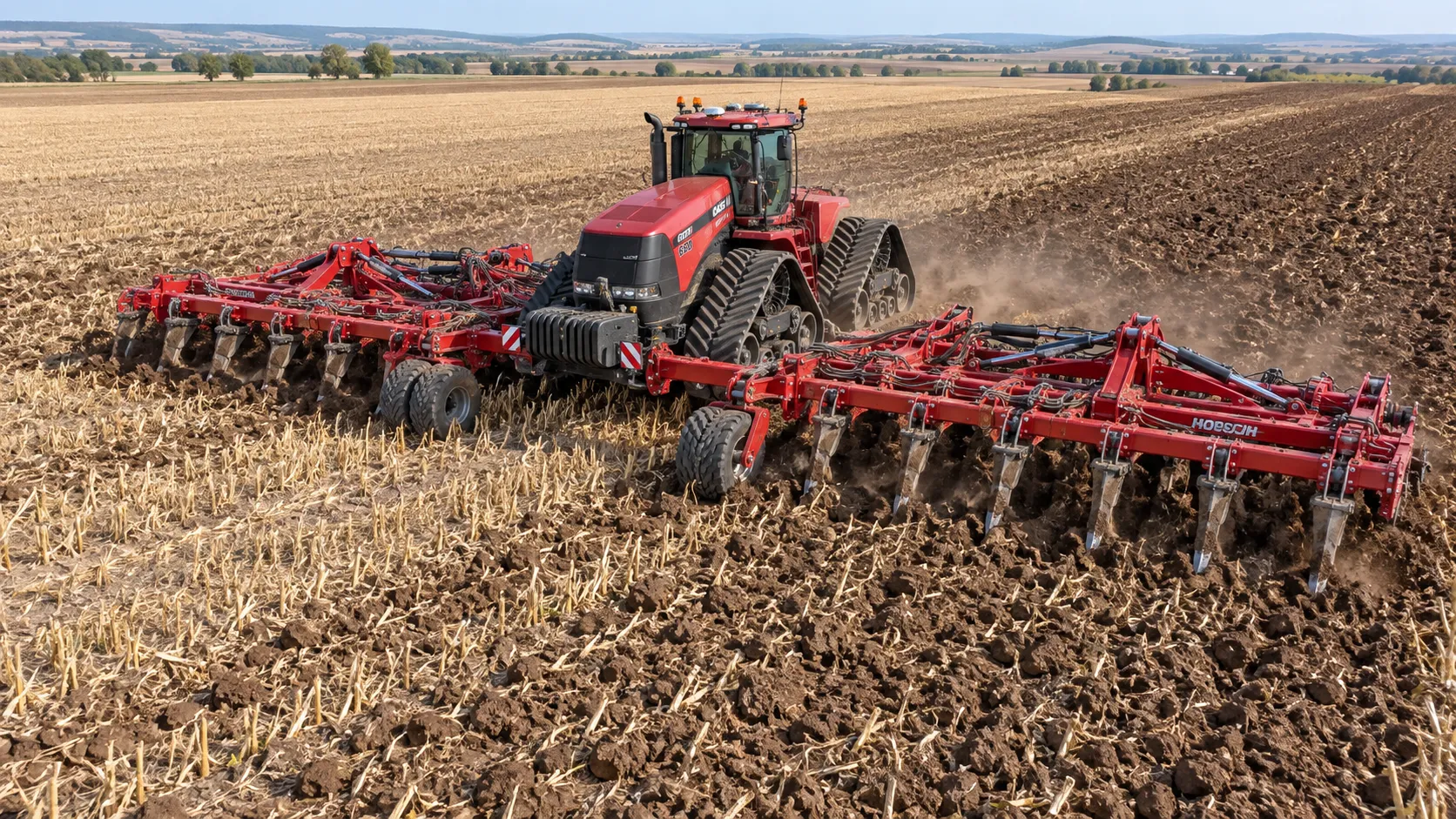
How to Select Heavy-Duty Farm Implements for High-Acreage, High-Horsepower Operations
Heavy duty farm implements: learn how to match draft, hydraulics, hitch capacity, frame strength, and field conditions for reliable high-acreage performance.
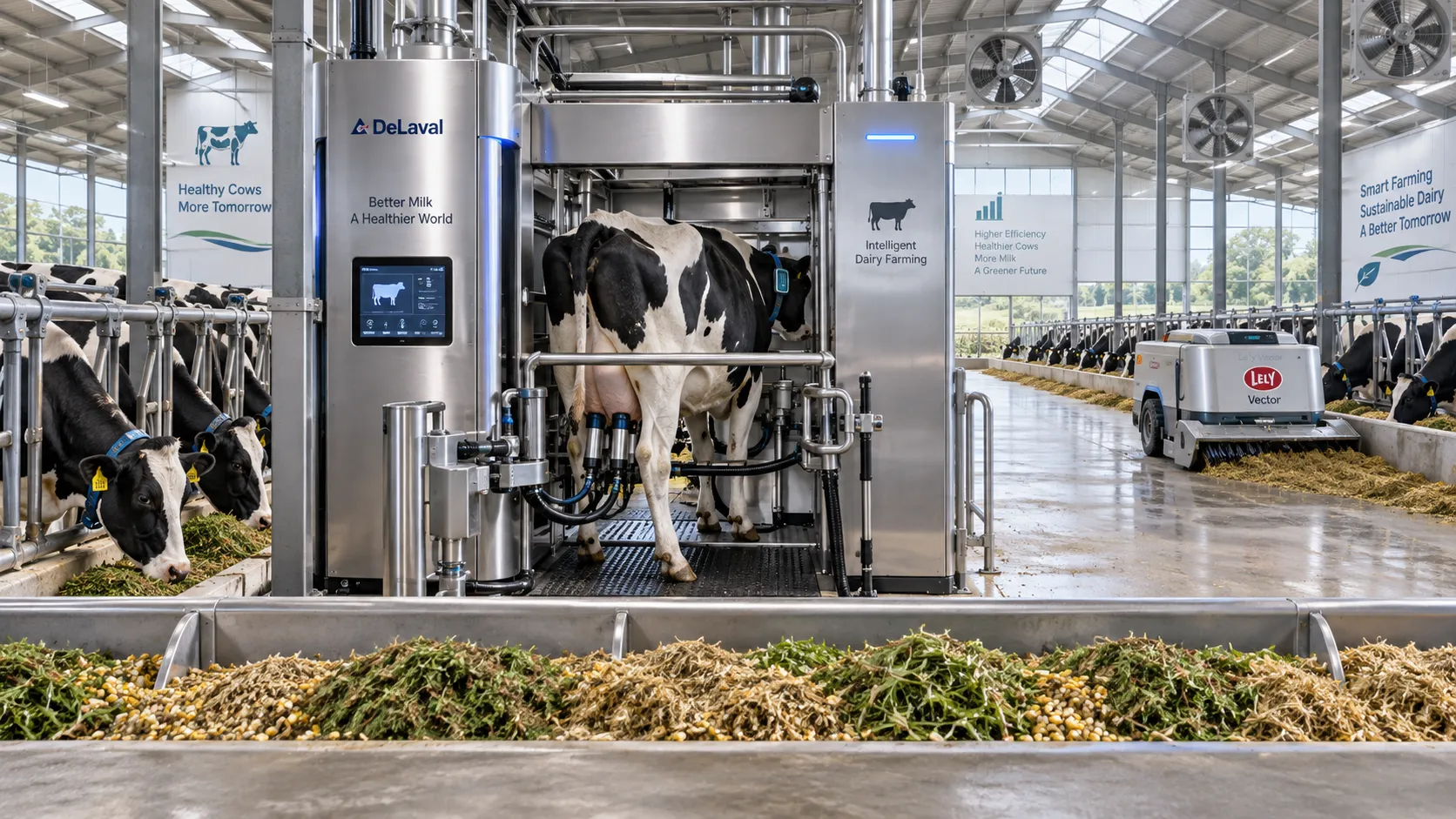
Smart Farming Technology for Dairy Farms: Where Automation Delivers Measurable ROI
Smart farming technology for dairy farms delivers measurable ROI through automation, precision feeding, health monitoring, and data-driven cost control.
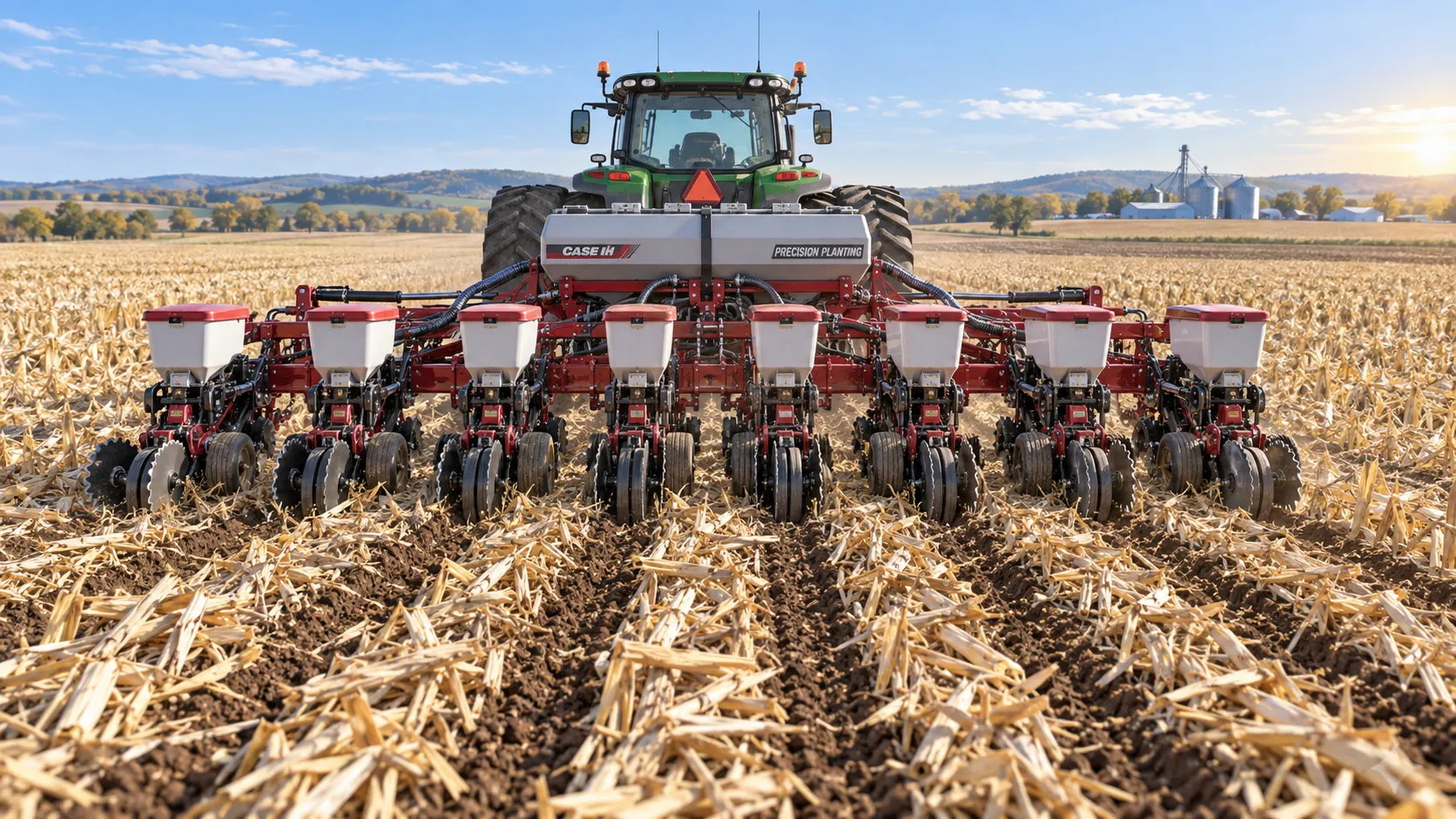
How to Select a Heavy-Duty Seeder for Large Acreage and High-Residue Fields
Heavy duty seeders for large acreage: compare residue handling, depth control, downforce, metering accuracy, and precision features to select the right model.
Related News
- 00
0000-00
Selecting Real-Time Soil Moisture Sensors for Irrigation Zone Control - 00
0000-00
How Does Climate-Smart Farming Reduce Water Use in Semi-Arid Areas? - 00
0000-00
USDA Rule Takes Effect: Dual FCC and NRCS Approval for Soil Moisture Sensors - 00
0000-00
EU Rule Takes Effect: Soil Moisture Sensors Need Revised CE-EMC Certification - 00
0000-00
How to Choose Wireless Smart Irrigation Systems for Better Water Control
Popular Tags
Hydrological Resource Strategist
Weekly Insights
Stay ahead with our curated technology reports delivered every Monday.