
China's New Judicial Interpretation on Traffic Accidents Impacts Autonomous Farm Equipment Insurance
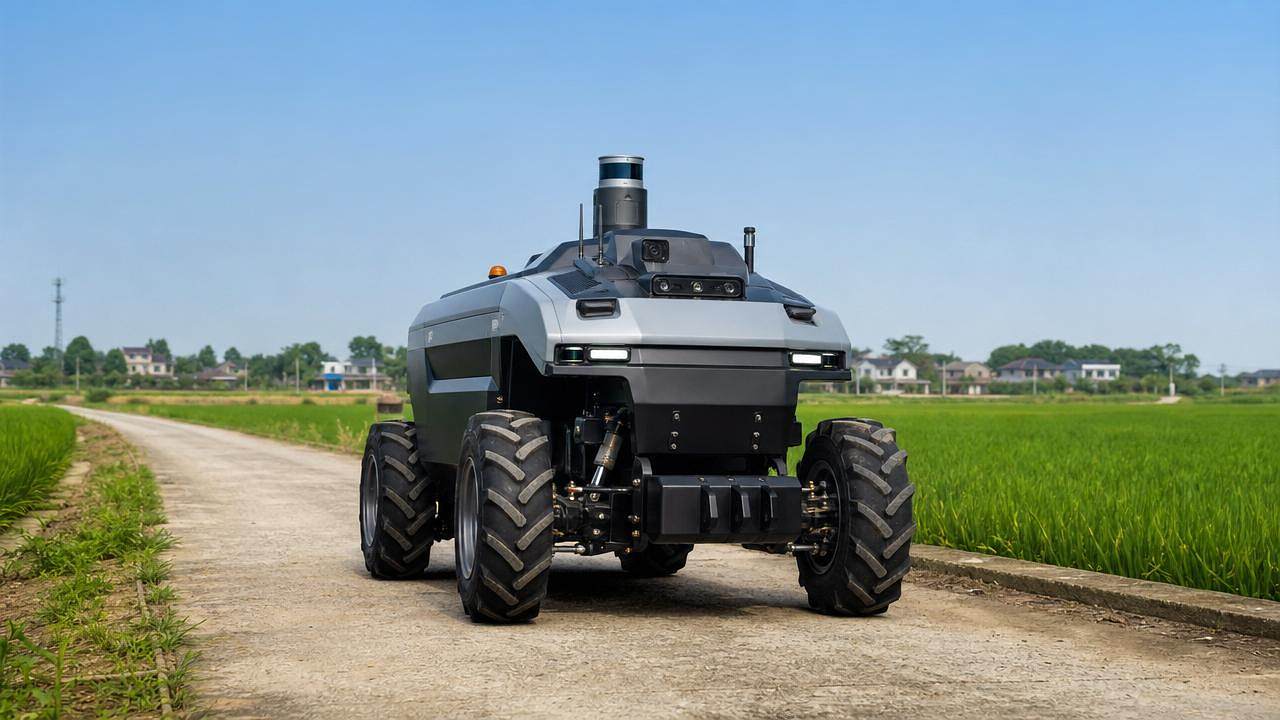




On June 30, 2026, the Supreme People's Court of China will implement the Interpretation (II) on Several Issues Concerning the Trial of Road Traffic Accident Damage Compensation Cases, issued on May 6, 2026. The interpretation introduces novel liability presumptions for side collisions triggered by sudden obstacles during autonomous driving mode — a provision with direct implications for manufacturers and insurers of autonomous agricultural robots and other off-road autonomous mobile platforms.
Event Overview
The Supreme People's Court released the Interpretation (II) on Several Issues Concerning the Trial of Road Traffic Accident Damage Compensation Cases on May 6, 2026. It takes effect on June 30, 2026. For the first time, the interpretation includes 'side collisions caused by sudden obstacles while in autonomous driving mode' within its scope of presumed liability, requiring vehicle manufacturers to bear the burden of proof regarding algorithmic response delays. Although domestically binding as judicial interpretation, it has been formally cited by Swiss SGS and German TÜV Rheinland as a reference for mandatory insurance clause revisions for Chinese-made autonomous robots exported in Q3 2026.
Industries Affected
Autonomous Agricultural Machinery Manufacturers
These manufacturers are directly subject to the new evidentiary burden: they must now document and substantiate real-time algorithmic response performance under obstacle-detection scenarios. The judicial standard may trigger updates to functional safety documentation, validation protocols, and product liability disclosures — especially for vehicles operating in mixed-use rural roads where 'door-opening' (‘opening door kill’) incidents intersect with autonomous path planning.
Export-Oriented Autonomous Robot OEMs
OEMs exporting to EU, Swiss, or other markets adopting third-party certification standards face cascading compliance effects. SGS and TÜV Rheinland’s designation of the interpretation as a Q3 2026 reference implies that export insurance underwriters may require updated technical files — including latency benchmarks, edge-case testing logs, and human-in-the-loop fallback documentation — prior to policy issuance.
Specialty Insurance Providers (Agricultural & Industrial Robotics)
Insurers offering product liability or operational risk coverage for autonomous farm equipment must reassess underwriting criteria. The judicial shift toward manufacturer accountability for algorithmic responsiveness may lead to revised premium structures, exclusions related to unvalidated obstacle-response thresholds, or mandatory integration of telematics-based behavioral data into policy terms.
Aftermarket Sensor & ADAS Component Suppliers
Suppliers of perception modules (e.g., LiDAR, radar, vision systems) used in autonomous tractors or harvesters may see increased contractual scrutiny. Downstream OEMs could extend warranty or performance indemnity clauses to cover algorithmic delay attributable to sensor input latency or fusion inaccuracies — shifting some legal exposure upstream.
What Enterprises and Practitioners Should Monitor and Do Now
Track official guidance from SGS, TÜV Rheinland, and Chinese insurance regulators
SGS and TÜV Rheinland have referenced the interpretation but have not yet published detailed implementation bulletins. Stakeholders should monitor their Q3 2026 technical advisories for concrete requirements on test protocols, documentation formats, and acceptable latency thresholds.
Review export-bound product documentation for obstacle-response benchmarking
Manufacturers preparing shipments for Q3 2026 delivery should verify whether existing validation reports include measurable metrics for lateral collision avoidance latency under dynamic ‘door-opening’-like scenarios — not just static obstacle detection. Gaps may require targeted retesting before certification submission.
Distinguish between judicial presumption and enforceable product standard
Analysis shows this interpretation establishes a procedural evidentiary rule within civil litigation, not a technical safety standard. Its application remains case-specific and court-dependent. Enterprises should avoid conflating judicial burden-shifting with mandatory conformity assessment — though insurers may treat them interchangeably in practice.
Update internal incident response protocols to capture algorithmic timing data
Current more appropriate action is to ensure field-deployed units log timestamped sequences covering sensor input, perception output, planning decision, and actuation command — all aligned to a common clock. This supports both defense in litigation and future insurance audits without requiring hardware changes.
Editorial Perspective / Industry Observation
Observably, this judicial interpretation functions less as an immediate regulatory mandate and more as a signal of evolving liability expectations for autonomy in non-highway environments. Its inclusion of ‘door-opening’-adjacent scenarios suggests courts are recognizing that urban-inspired AV frameworks do not fully map onto agricultural or low-speed logistics use cases — prompting differentiated accountability models. From an industry perspective, the linkage to international certification bodies indicates growing cross-jurisdictional alignment on evidence requirements, even where formal harmonization is absent. Current attention should focus less on whether the rule applies broadly, and more on how insurers and certifiers operationalize it in underwriting and audit workflows over the next 90 days.
This development marks a step toward institutional recognition that algorithmic behavior — not just mechanical failure — constitutes a material risk vector in autonomous mobile equipment. It does not establish new technical obligations per se, but it does raise the evidentiary bar for defending against claims arising from real-world edge cases involving human-vehicle interaction in shared spaces. Stakeholders are advised to treat it as a procedural inflection point rather than a technical compliance deadline — one that rewards preparedness in data governance over reactive redesign.
Information Sources
Primary source: Supreme People's Court of the People's Republic of China — Interpretation (II) on Several Issues Concerning the Trial of Road Traffic Accident Damage Compensation Cases, issued May 6, 2026, effective June 30, 2026.
Secondary references: Public statements from SGS and TÜV Rheinland confirming adoption as Q3 2026 reference for Chinese autonomous robot export insurance clause revisions (as reported in official press releases dated May 2026).
Note: Specific technical requirements from SGS/TÜV remain pending publication and are subject to ongoing monitoring.
Related News
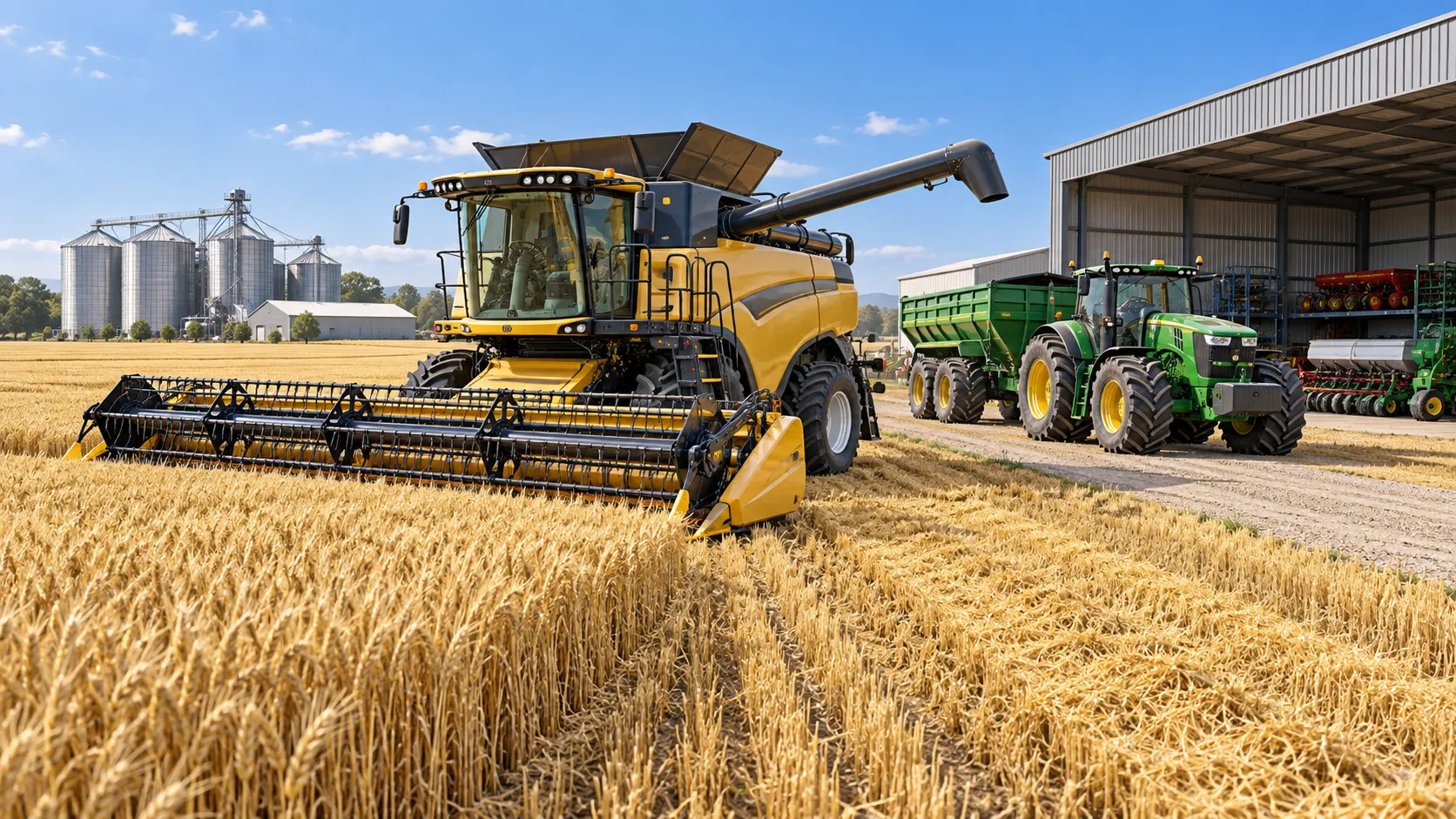
When Does Agricultural Machinery Leasing Cost Less Than Owning Equipment?
Agricultural machinery leasing can lower farm costs when use is seasonal or uncertain. Compare utilization, maintenance, cash flow, and risk to make a smarter equipment decision.
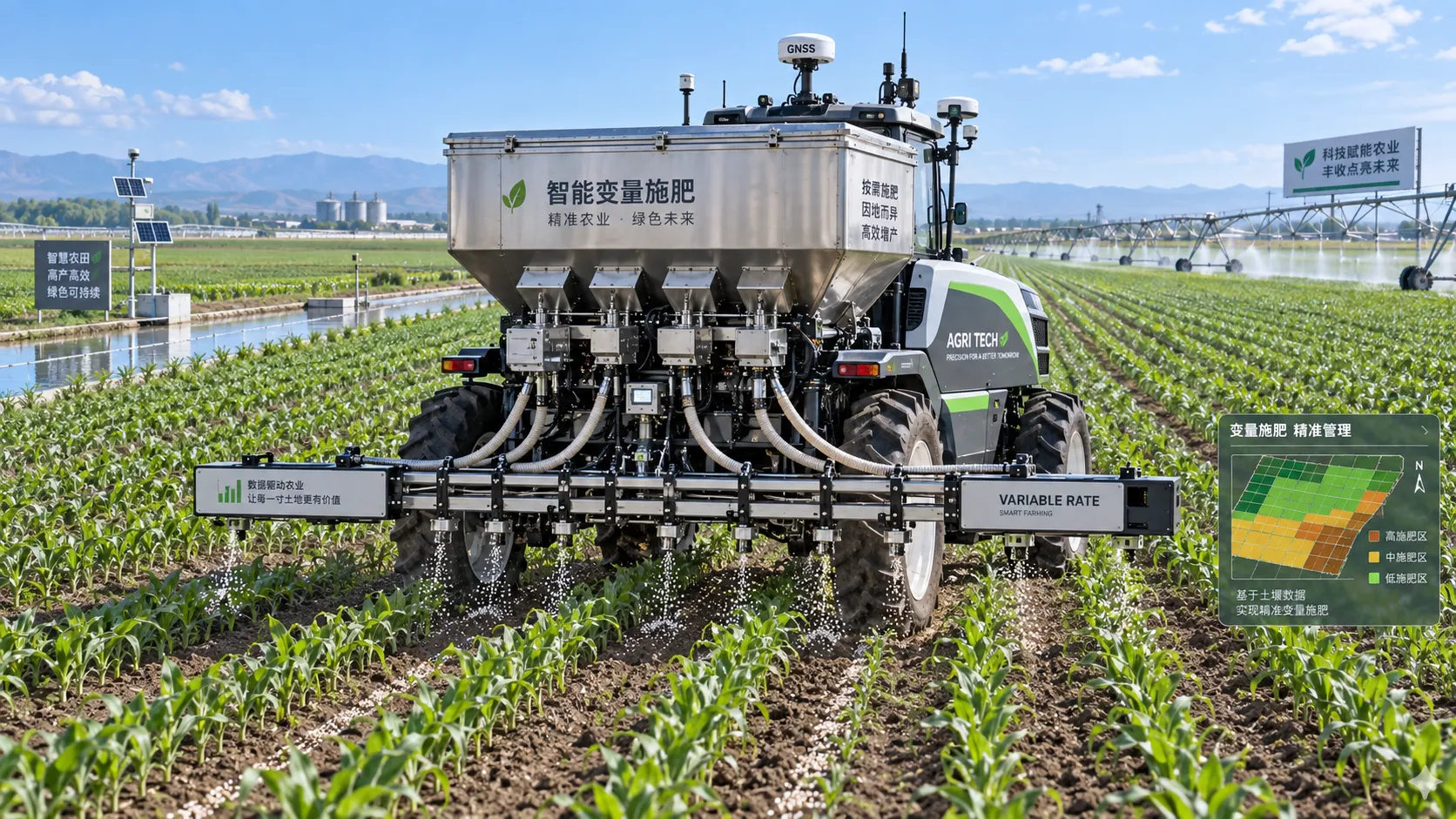
How to Evaluate Precision Fertilization System Suppliers for Farm-Scale Deployment
Precision fertilization systems suppliers: learn how to compare accuracy, integration, uptime, service, and total cost for confident farm-scale deployment.
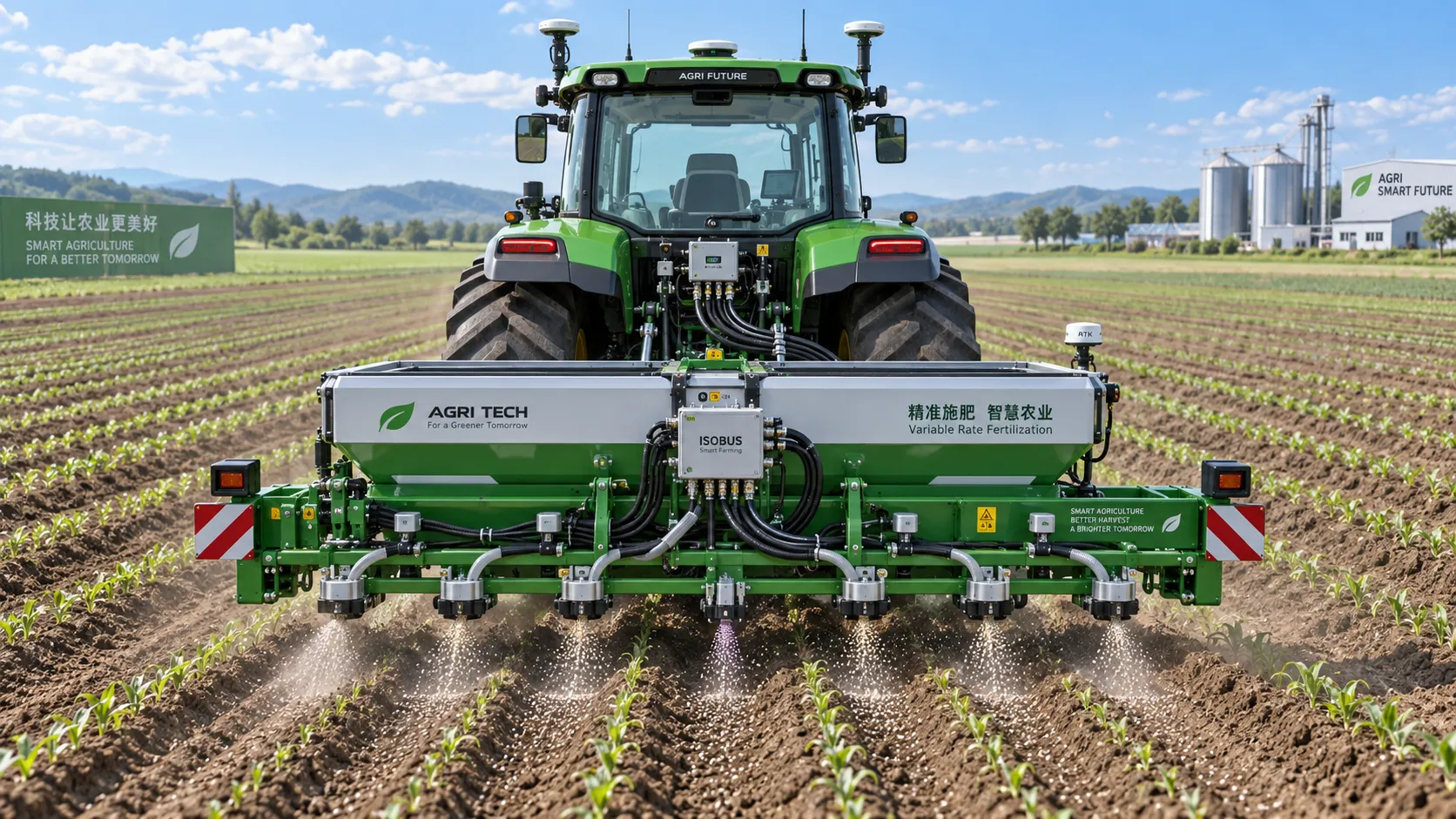
ISOBUS for Smart Agriculture: How It Connects Tractors, Implements, and Farm Data
ISOBUS for smart agriculture connects tractors, implements, terminals, and farm data—helping growers improve precision, documentation, and smarter field decisions.
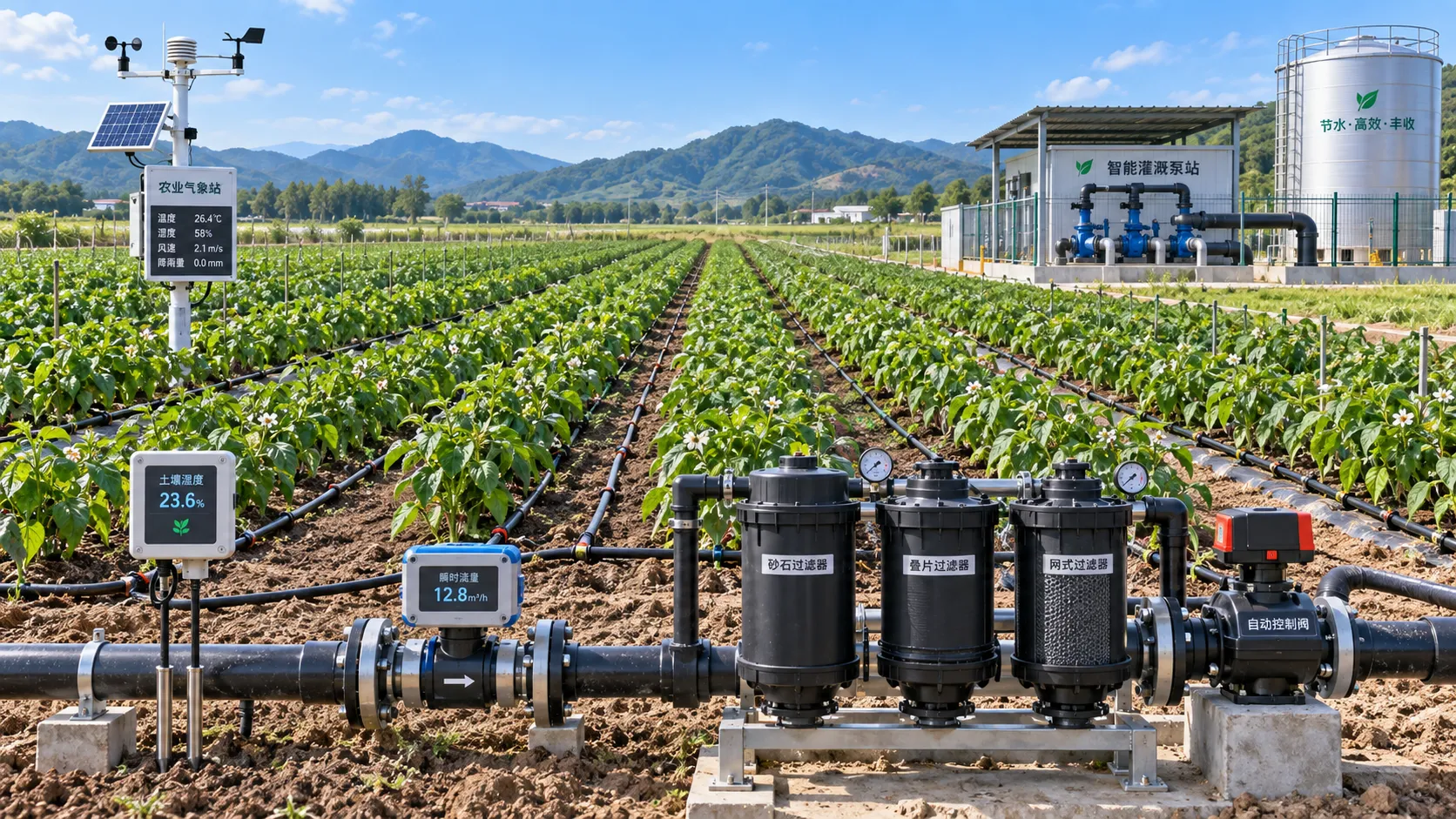
Automated Water-Saving Irrigation: How to Cut Water Use Without Reducing Crop Yields
Automated water-saving irrigation helps farms cut water use, protect crop yields, improve scheduling, and gain reliable control with sensors, flow monitoring, and smart zones.
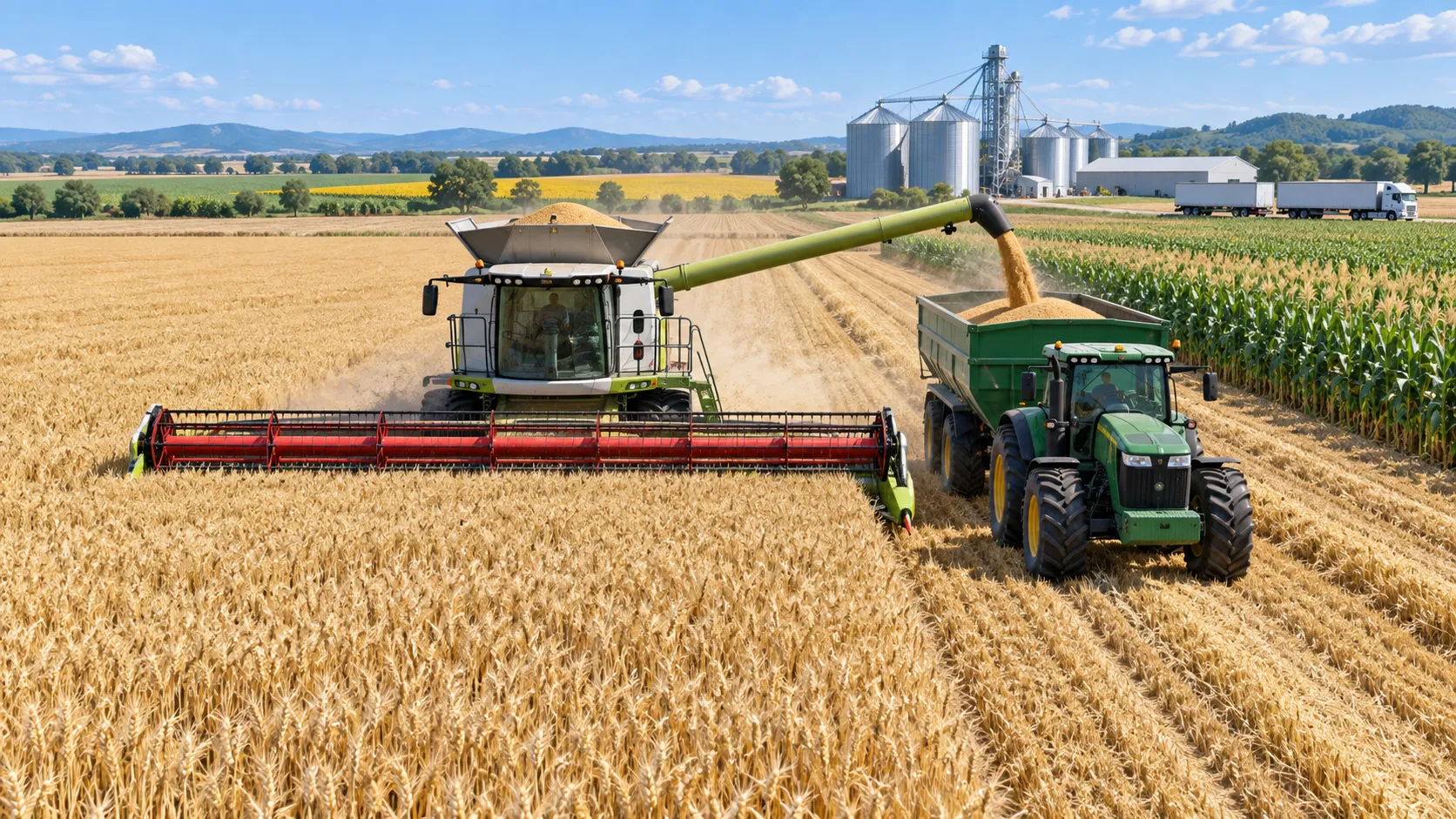
Selecting Grain Farm Equipment by Acreage, Crop Mix, and Harvest Window
Agricultural equipment selection for grain farming: match machinery to acreage, crop mix, and harvest windows to improve uptime, efficiency, and returns.
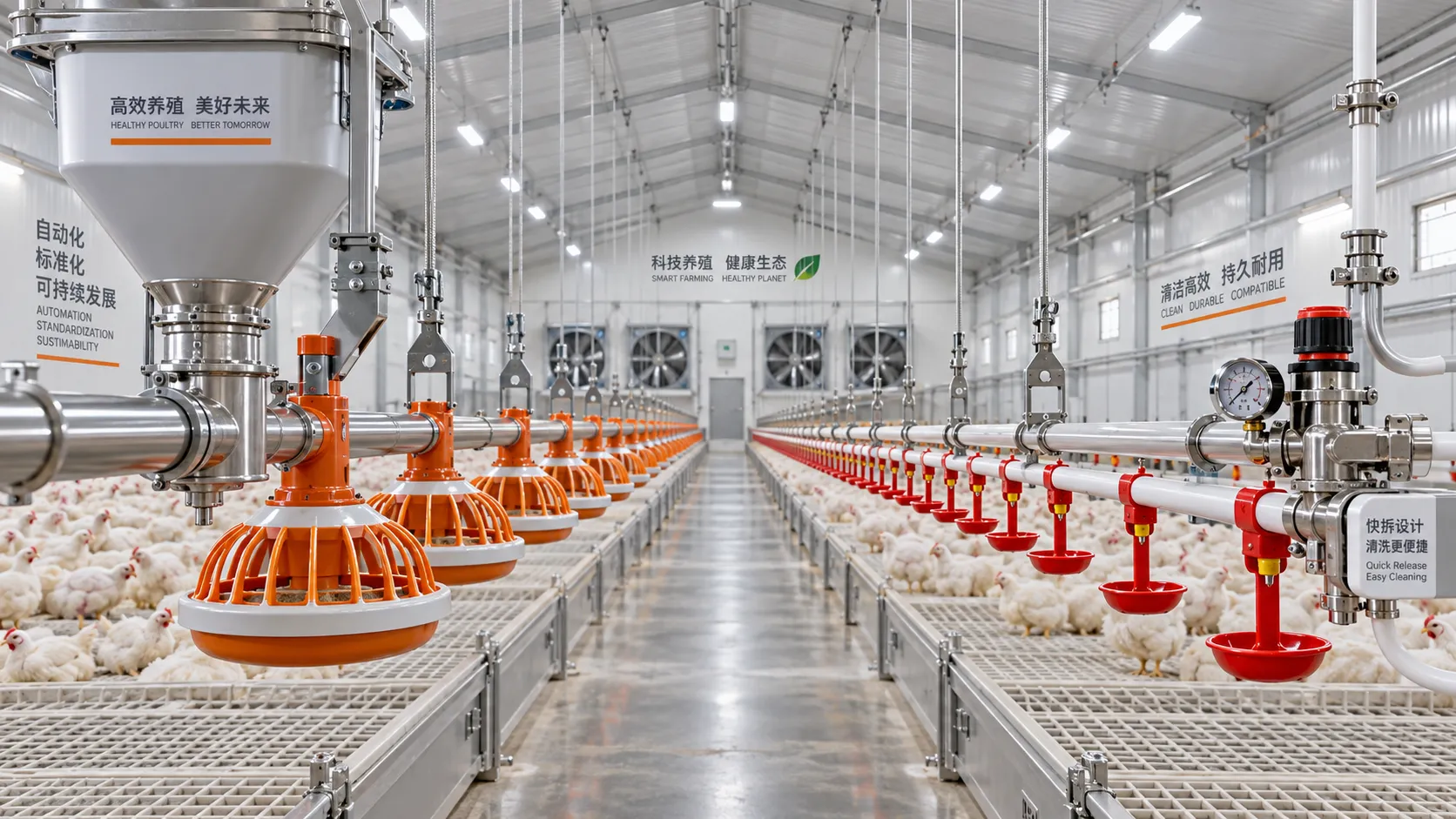
Poultry Equipment Selection: Evaluating Durability, Cleaning, and Compatibility
Poultry equipments selection guide: evaluate durability, cleaning access, and system compatibility to improve hygiene, reduce downtime, and support efficient flock management.
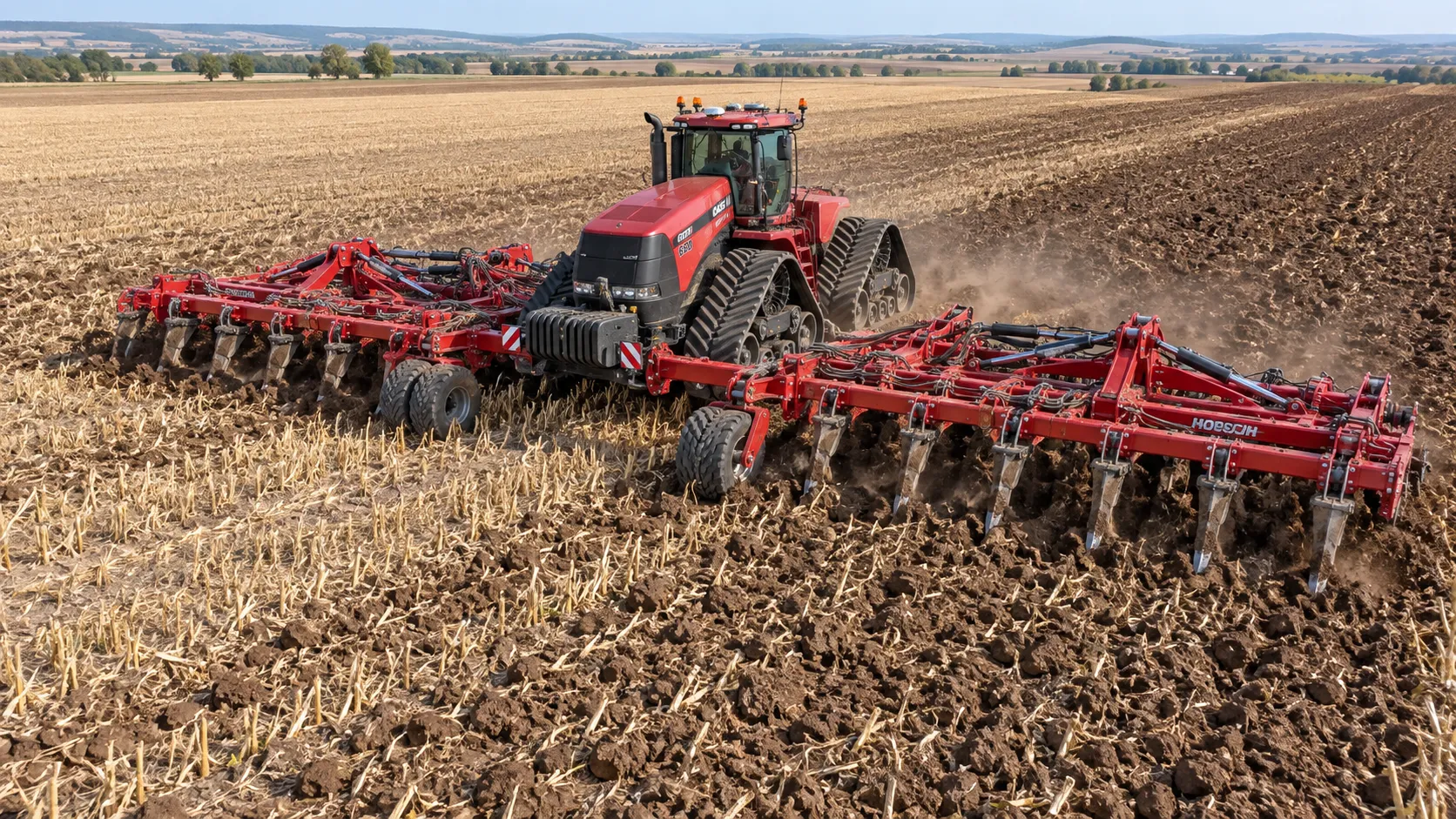
How to Select Heavy-Duty Farm Implements for High-Acreage, High-Horsepower Operations
Heavy duty farm implements: learn how to match draft, hydraulics, hitch capacity, frame strength, and field conditions for reliable high-acreage performance.
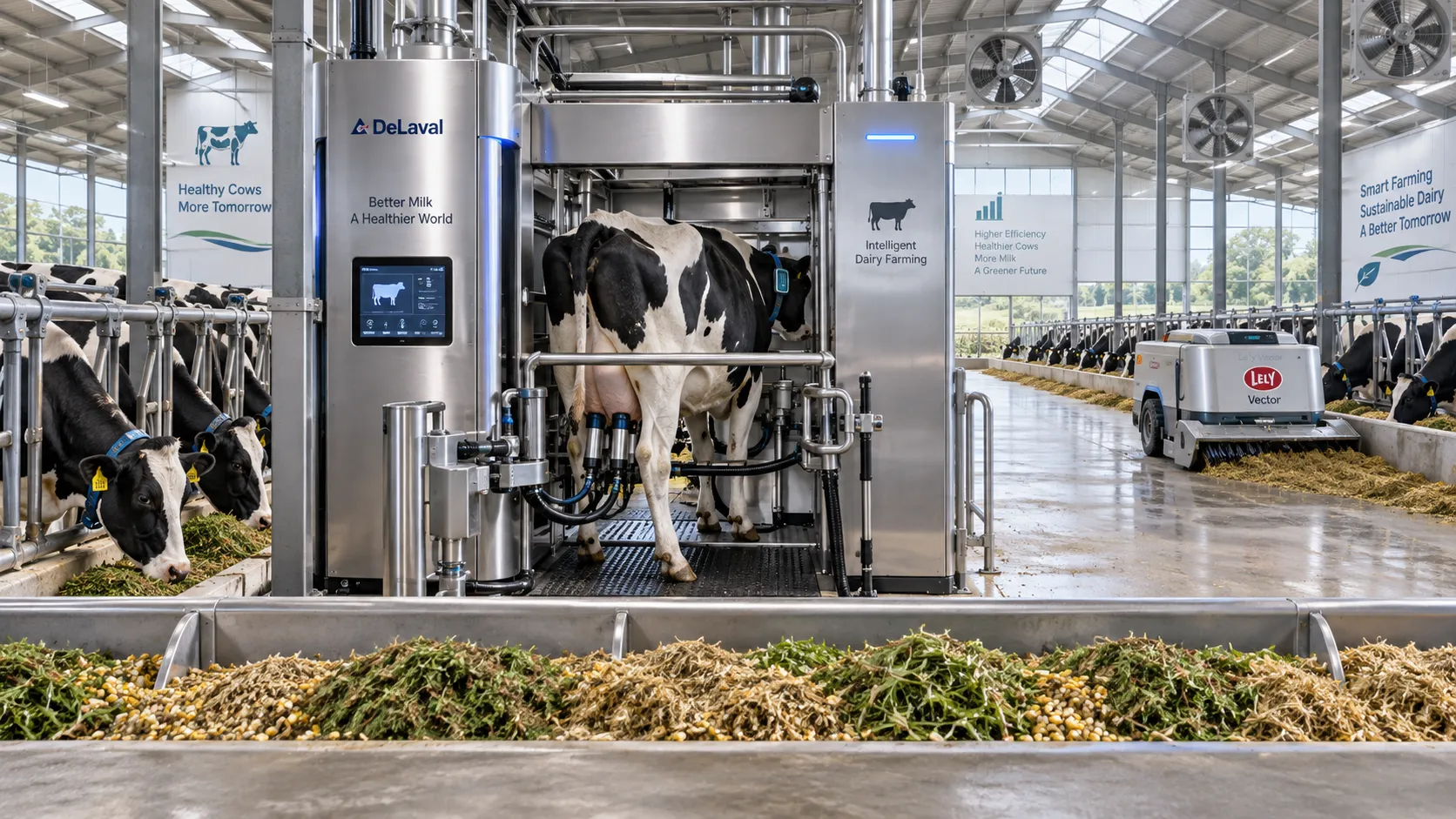
Smart Farming Technology for Dairy Farms: Where Automation Delivers Measurable ROI
Smart farming technology for dairy farms delivers measurable ROI through automation, precision feeding, health monitoring, and data-driven cost control.
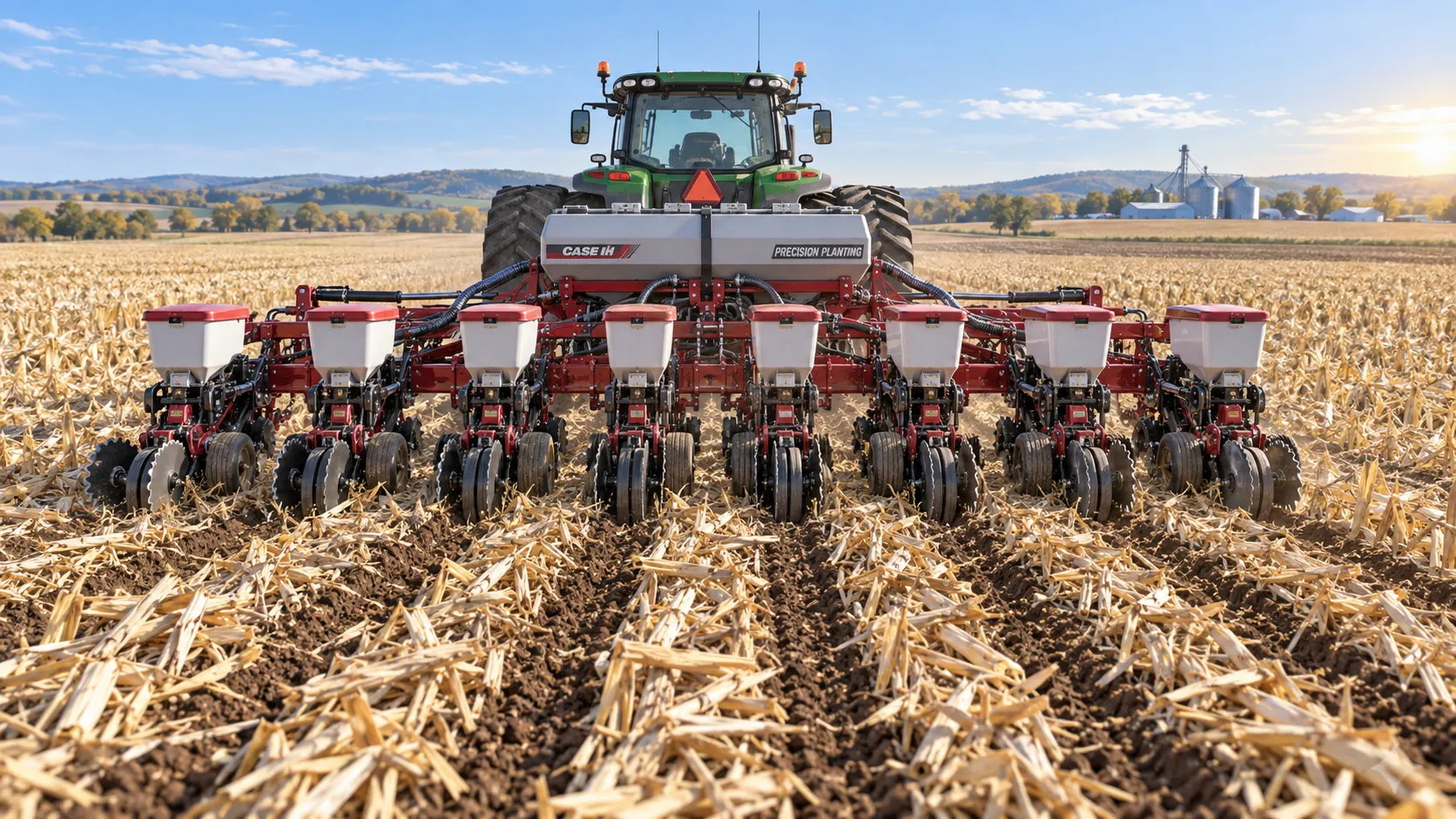
How to Select a Heavy-Duty Seeder for Large Acreage and High-Residue Fields
Heavy duty seeders for large acreage: compare residue handling, depth control, downforce, metering accuracy, and precision features to select the right model.
Related News
- 00
0000-00
What separates robotic automation providers for equipment production? - 00
0000-00
Which field data collection provider fits an agricultural robotics program? - 00
0000-00
How Autonomous Machinery for Crop Scouting Helps Growers Detect Field Issues Earlier - 00
0000-00
How to Evaluate Autonomous Machinery for Vineyards by Terrain, Tasks, and ROI - 00
0000-00
Brazil ANVISA Rule Requires Portuguese Risk Labels for Farm Robots
Popular Tags
Tractor Power Architect
Weekly Insights
Stay ahead with our curated technology reports delivered every Monday.