
CIBF2026 Opens; Global First for Agricultural Battery Swap Interface Standard
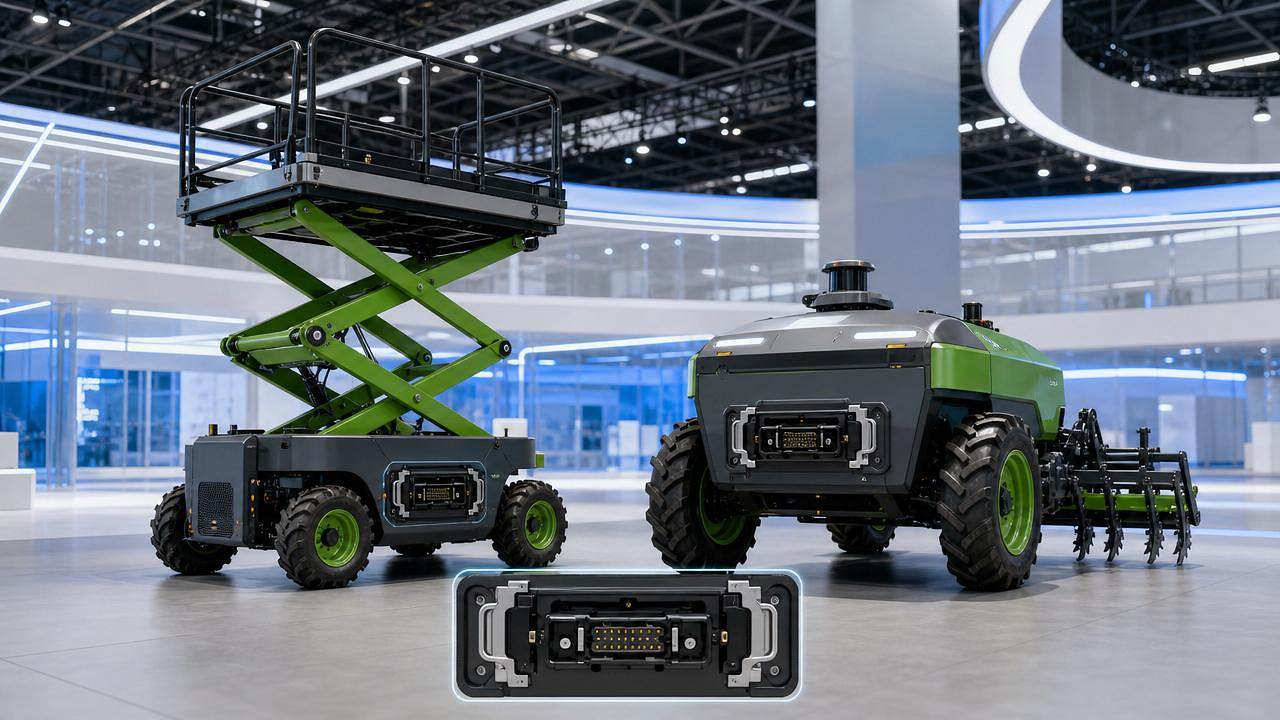




The 18th Shenzhen International Battery Fair (CIBF2026) opened on May 13, 2026. At the event, the China Chemical and Physical Power Sources Association, in collaboration with ISO/TC 22/SC 37, officially released ISO/PAS 25672:2026 — the General Specification for Quick-Swap Interfaces of Power Batteries for Agricultural Electric Machinery. This development signals a foundational shift for manufacturers, exporters, and system integrators serving the global electric agricultural equipment market — particularly those engaged with hydraulic lift systems and autonomous field robots.
Event Overview
On May 13, 2026, during the opening of CIBF2026, ISO/PAS 25672:2026 was publicly launched. The specification defines standardized physical dimensions, communication protocols, and mechanical safety lock mechanisms for modular battery interfaces used in electric agricultural machinery — including hydraulic lift systems and autonomous robots. It has been formally adopted as a mandatory reference standard in public procurement tenders by a three-country purchasing alliance comprising Thailand, Vietnam, and Mexico.
Impact on Specific Industry Segments
Direct Exporters & OEMs of Electric Agricultural Equipment
These entities face immediate implications for product design and certification pathways. Compliance with ISO/PAS 25672:2026 is now a prerequisite for tender eligibility in at least three key emerging markets. Non-compliant models may be excluded from bidding processes, affecting near-term revenue visibility.
Battery Module Manufacturers & Pack Integrators
Interface standardization directly affects mechanical housing design, BMS communication stack implementation, and thermal/electrical interface validation. Suppliers must align cell-to-pack integration workflows with the defined dimensional tolerances and handshake protocols — potentially requiring tooling or firmware updates.
Aftermarket & Service Providers
Standardized quick-swap interfaces reduce part proliferation but increase dependency on certified battery modules. Service networks must verify compatibility across OEM platforms and prepare logistics for region-specific module variants — especially where national procurement rules apply.
Supply Chain & Logistics Operators
Adoption in Thailand, Vietnam, and Mexico introduces new compliance documentation requirements (e.g., interface conformity declarations, protocol verification reports) for cross-border shipments. Customs classification and technical inspection procedures may evolve to include interface verification checks.
What Relevant Enterprises or Practitioners Should Focus On Now
Monitor official adoption timelines and national implementation guidance
While the standard is published and referenced in a trilateral procurement alliance, domestic regulatory transposition — such as national standards bodies issuing formal adoption notices or technical circulars — remains pending in each country. Track announcements from Thailand’s TISI, Vietnam’s TCVCN, and Mexico’s NFC.
Assess exposure across current product families and export destinations
Map existing battery-integrated agricultural products against the interface specifications in ISO/PAS 25672:2026 — especially hydraulic lift systems and autonomous robots shipped to or intended for the three named countries. Identify gaps in mechanical interface, CAN-based communication framing, or locking mechanism certification.
Distinguish between procurement signal and full regulatory enforcement
The standard’s inclusion in procurement tenders represents an early-stage policy signal — not yet a broad-based safety or market access regulation. Its immediate effect is confined to government-led purchases in the three countries; private-sector adoption remains voluntary unless mandated locally at a later stage.
Prepare for interface verification and documentation readiness
Begin compiling test reports and interface compliance statements aligned with Annexes A–C of ISO/PAS 25672:2026. Where applicable, engage accredited labs familiar with ISO/IEC 17025 testing scopes covering mechanical interlock force, contact resistance, and protocol conformance.
Editorial Perspective / Industry Observation
Observably, ISO/PAS 25672:2026 functions primarily as a procurement-level harmonization tool rather than a comprehensive safety or performance regulation. Its release at CIBF2026 reflects growing coordination between industry associations and international standards bodies — but its real-world traction depends on whether additional countries join the purchasing alliance or incorporate it into national standards frameworks. Analysis shows that this standard is best understood not as an immediate compliance deadline, but as a structural indicator: it confirms that interoperability — not just energy density or cycle life — is becoming a non-negotiable requirement for electrified agricultural systems entering institutional markets. The fact that three diverse economies jointly endorsed it suggests demand-side pressure is consolidating around modularity and serviceability.
From an industry perspective, this marks the first globally coordinated interface specification targeting electric farm machinery — making it a reference point for future regional or sectoral standards. However, its PAS (Publicly Available Specification) status means formal ISO standardization (e.g., transition to ISO 25672) is still pending and subject to review cycles through ISO/TC 22/SC 37.
Current observation indicates that while technical alignment is underway, commercial impact will unfold gradually — first via tender requirements, then possibly via OEM platform decisions, and eventually via after-sales service infrastructure planning.
Conclusion
This release establishes the first internationally recognized interface framework for battery-swappable electric agricultural equipment. Its significance lies less in immediate regulatory force and more in signaling a coordinated, demand-driven pivot toward interoperable power systems in precision farming. For stakeholders, it is better interpreted as a strategic inflection point — one that rewards early technical alignment and cross-market documentation discipline, rather than triggering urgent, universal redesign mandates.
Information Source
Main source: Official announcement issued by the China Chemical and Physical Power Sources Association and ISO/TC 22/SC 37 at CIBF2026 on May 13, 2026.
Note: National implementation details in Thailand, Vietnam, and Mexico remain under observation and are not yet publicly documented beyond the procurement alliance’s initial adoption statement.
Related News
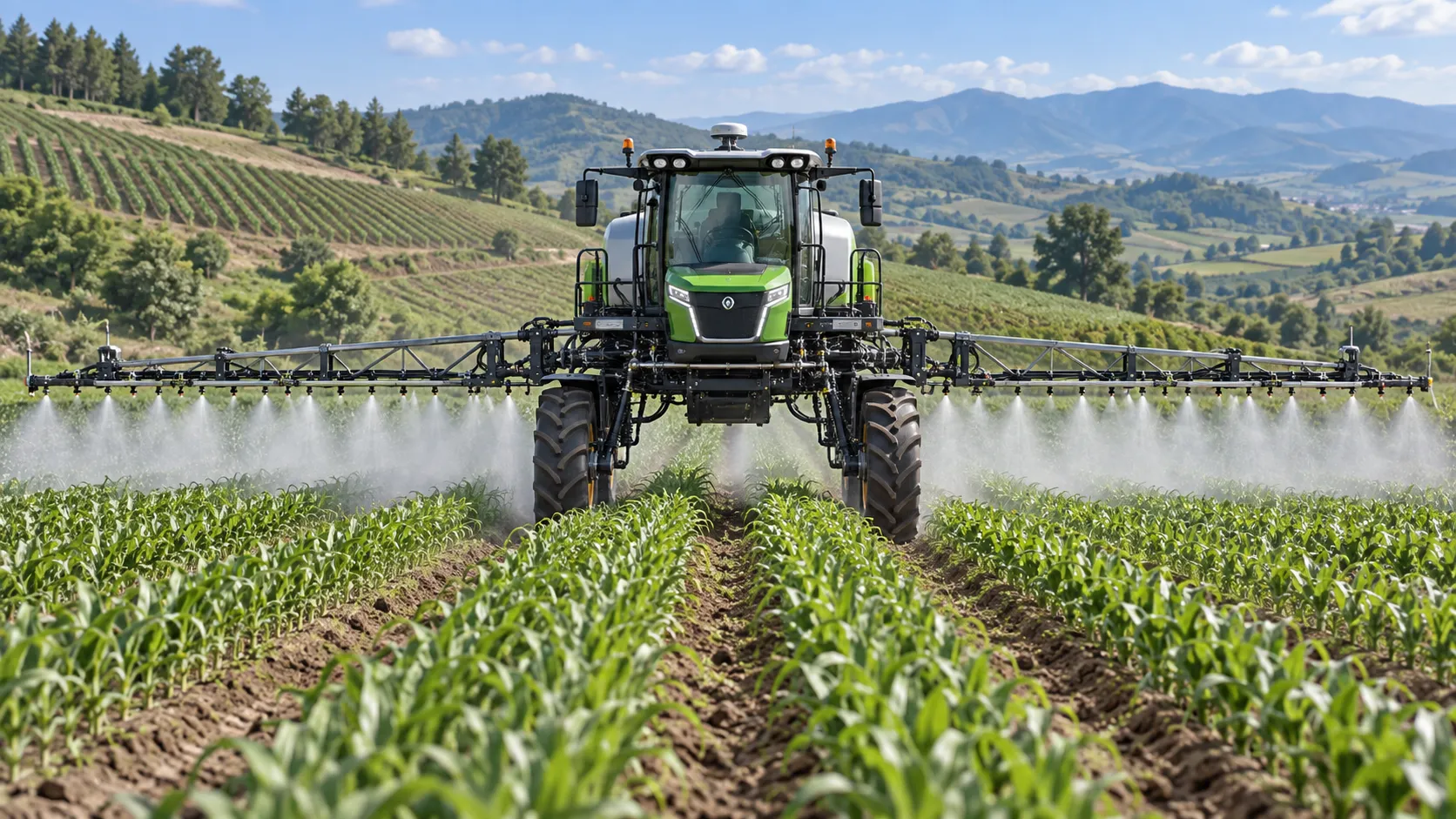
How to Select Precision Crop Protection Equipment for Variable Field Conditions
Precision crop protection equipment selection made simple: compare terrain, canopy, weather, control accuracy, and data workflows for reliable applications.

When Does Agricultural Machinery Leasing Cost Less Than Owning Equipment?
Agricultural machinery leasing can lower farm costs when use is seasonal or uncertain. Compare utilization, maintenance, cash flow, and risk to make a smarter equipment decision.

How to Evaluate Precision Fertilization System Suppliers for Farm-Scale Deployment
Precision fertilization systems suppliers: learn how to compare accuracy, integration, uptime, service, and total cost for confident farm-scale deployment.
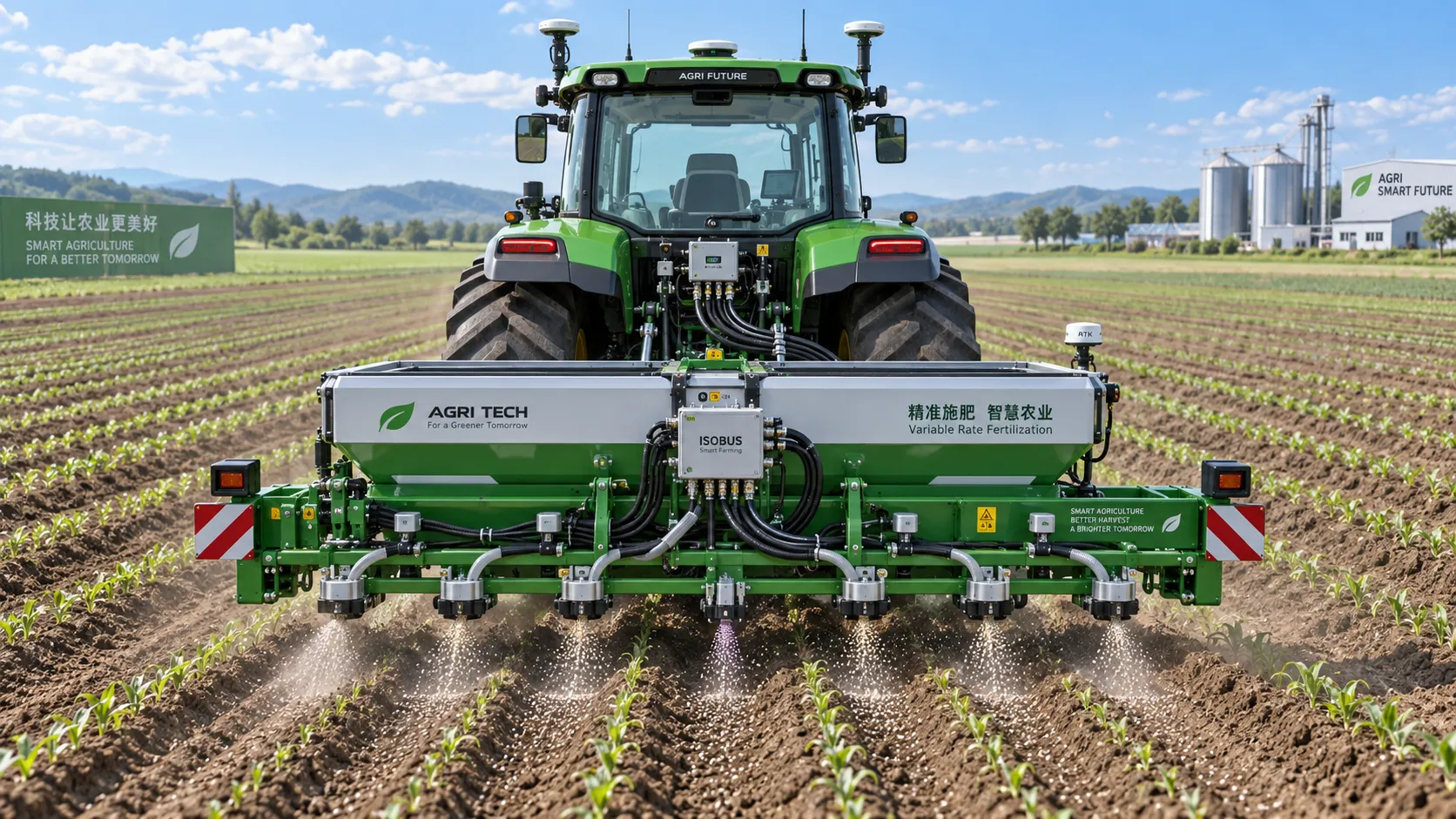
ISOBUS for Smart Agriculture: How It Connects Tractors, Implements, and Farm Data
ISOBUS for smart agriculture connects tractors, implements, terminals, and farm data—helping growers improve precision, documentation, and smarter field decisions.
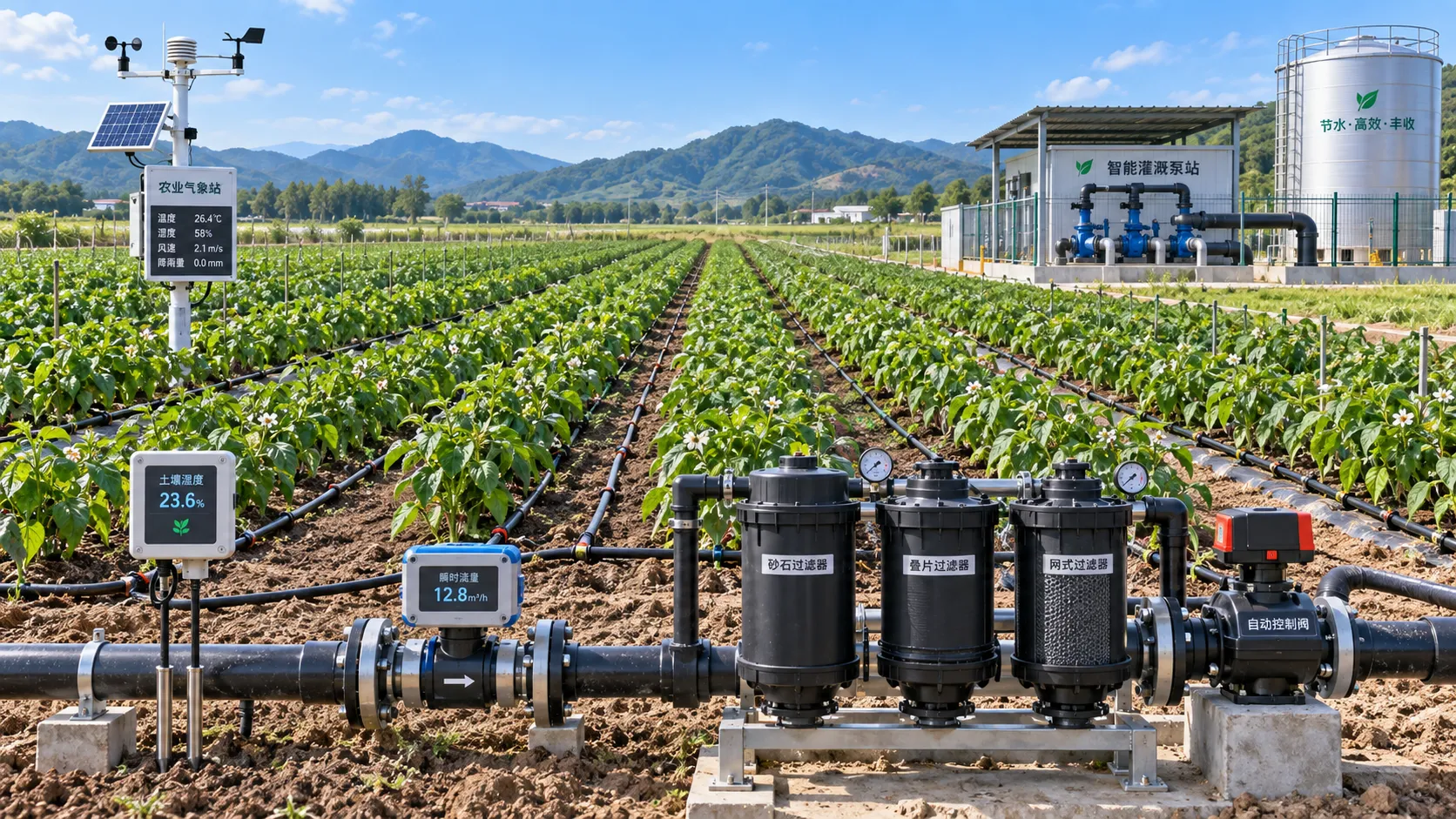
Automated Water-Saving Irrigation: How to Cut Water Use Without Reducing Crop Yields
Automated water-saving irrigation helps farms cut water use, protect crop yields, improve scheduling, and gain reliable control with sensors, flow monitoring, and smart zones.
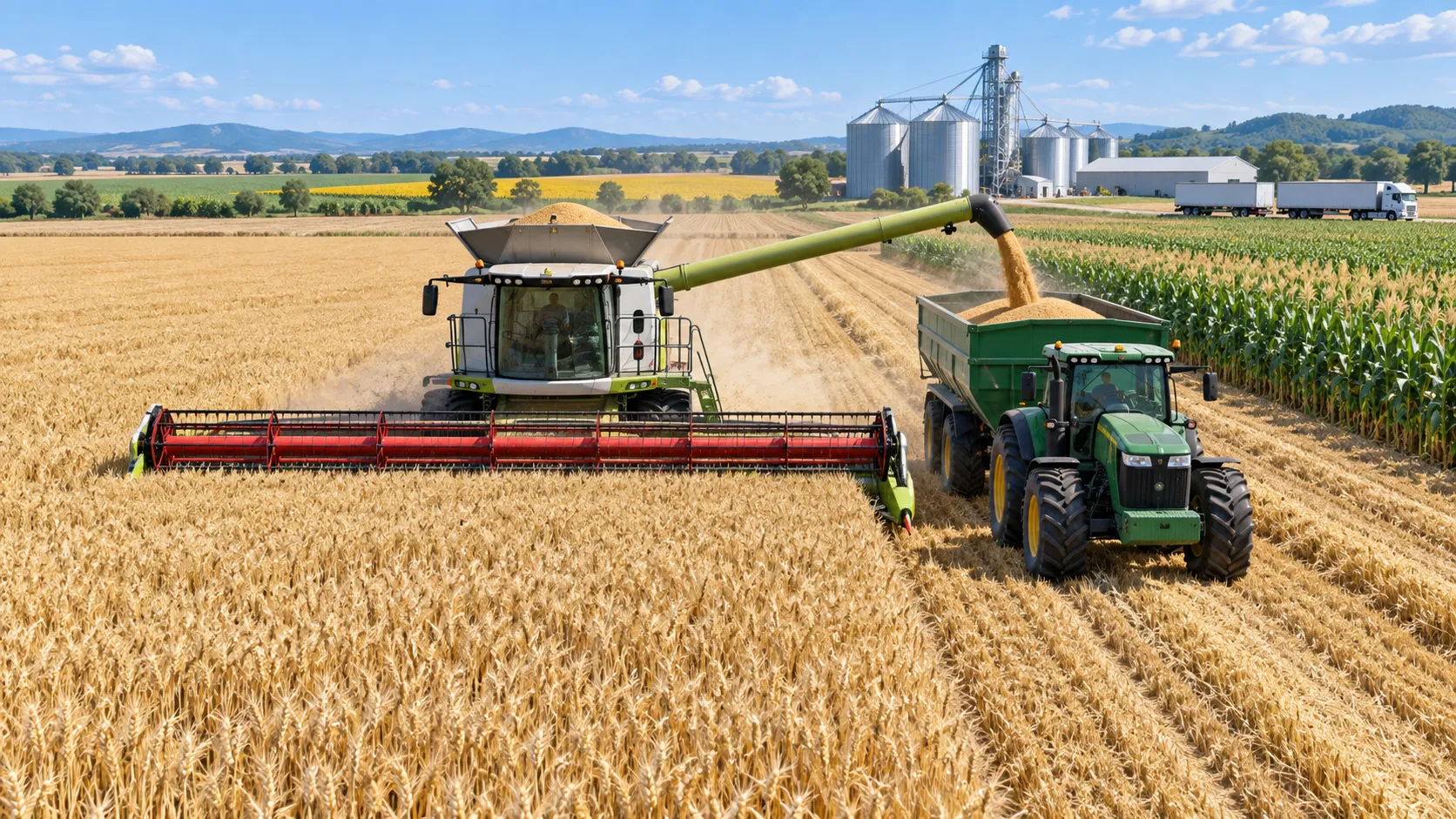
Selecting Grain Farm Equipment by Acreage, Crop Mix, and Harvest Window
Agricultural equipment selection for grain farming: match machinery to acreage, crop mix, and harvest windows to improve uptime, efficiency, and returns.
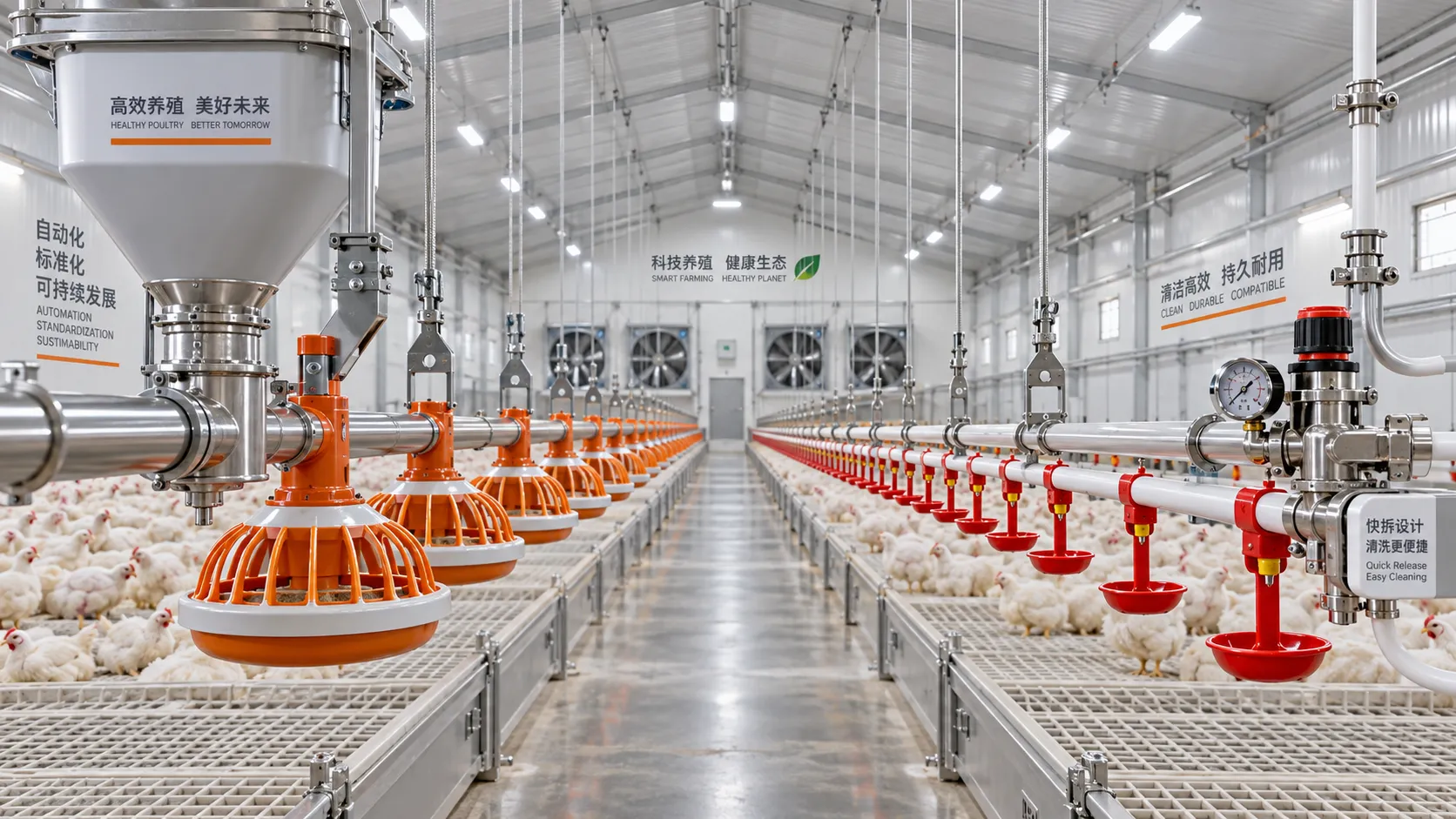
Poultry Equipment Selection: Evaluating Durability, Cleaning, and Compatibility
Poultry equipments selection guide: evaluate durability, cleaning access, and system compatibility to improve hygiene, reduce downtime, and support efficient flock management.
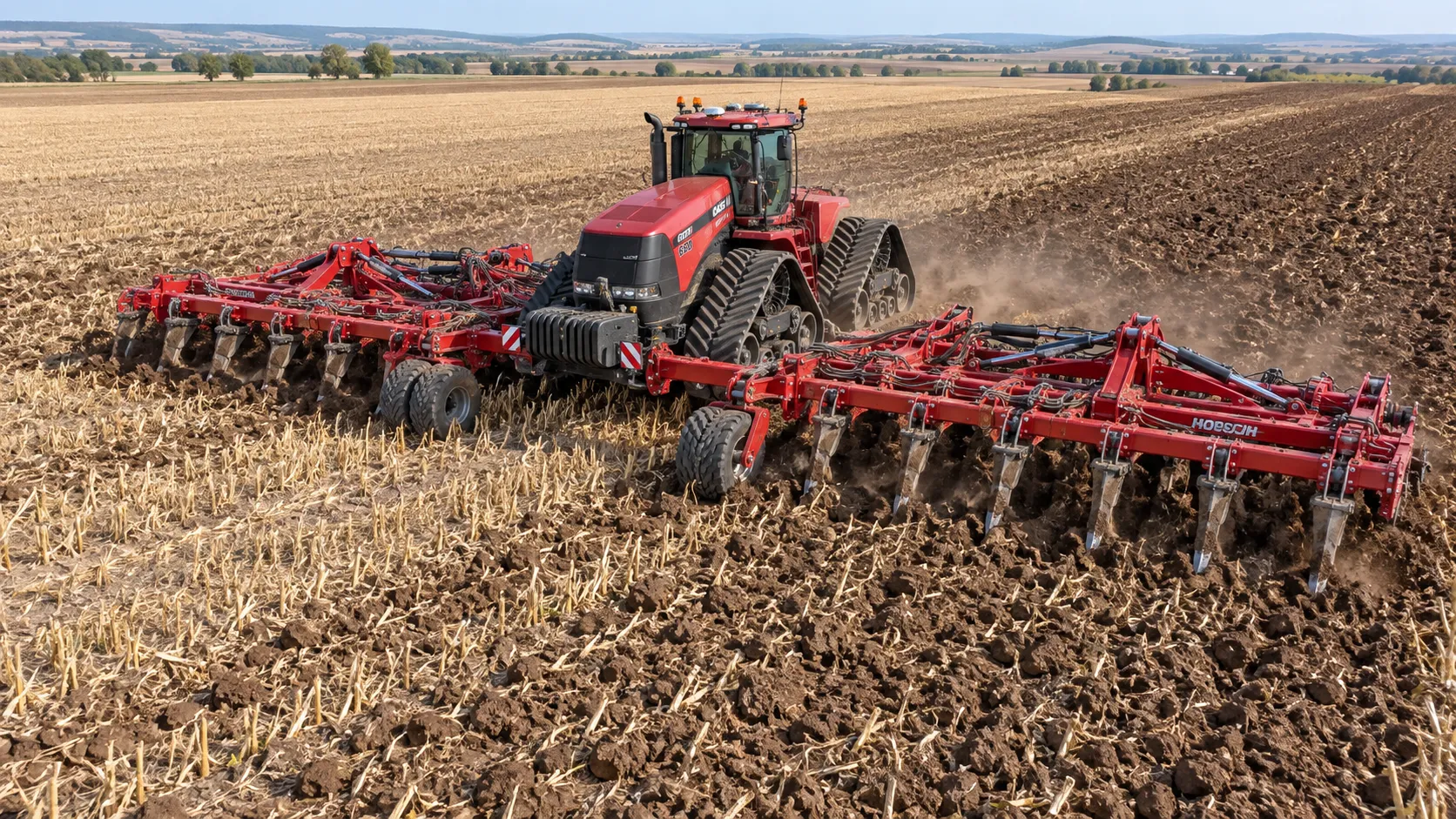
How to Select Heavy-Duty Farm Implements for High-Acreage, High-Horsepower Operations
Heavy duty farm implements: learn how to match draft, hydraulics, hitch capacity, frame strength, and field conditions for reliable high-acreage performance.
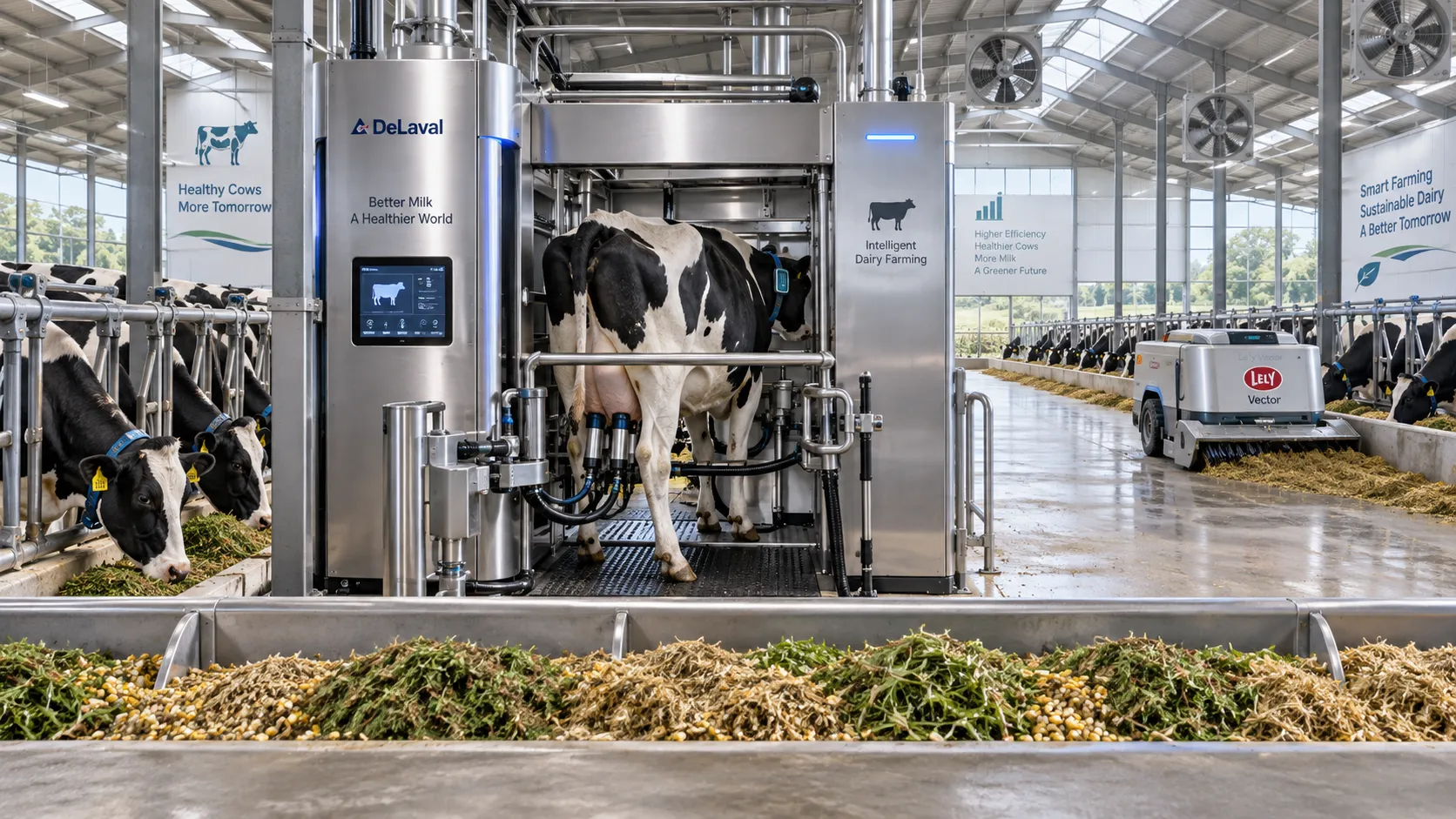
Smart Farming Technology for Dairy Farms: Where Automation Delivers Measurable ROI
Smart farming technology for dairy farms delivers measurable ROI through automation, precision feeding, health monitoring, and data-driven cost control.
Related News
- 00
0000-00
What separates robotic automation providers for equipment production? - 00
0000-00
Which field data collection provider fits an agricultural robotics program? - 00
0000-00
How Autonomous Machinery for Crop Scouting Helps Growers Detect Field Issues Earlier - 00
0000-00
How to Evaluate Autonomous Machinery for Vineyards by Terrain, Tasks, and ROI - 00
0000-00
Brazil ANVISA Rule Requires Portuguese Risk Labels for Farm Robots
Popular Tags
Tractor Power Architect
Weekly Insights
Stay ahead with our curated technology reports delivered every Monday.