
China Launches EV Battery Recycling Enforcement for Agricultural Machinery Exports
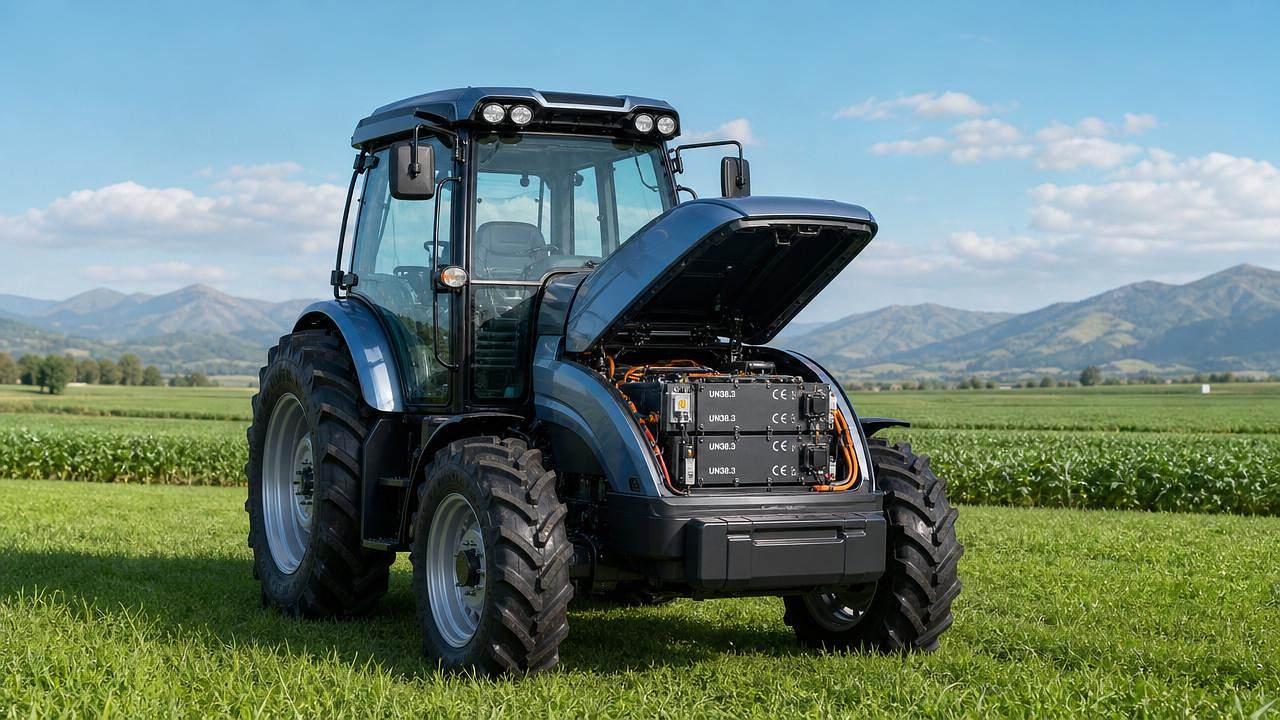




On April 30, 2026, China’s Ministry of Industry and Information Technology (MIIT), the Ministry of Ecology and Environment, and three other departments jointly launched a special law enforcement campaign targeting the recycling and reuse of spent lithium-ion batteries—specifically focusing on their application in electric agricultural tractors and autonomous robotic power systems. This action directly affects exporters of electric farm machinery, especially those supplying to the EU, U.S., and Southeast Asian markets, where battery traceability and compliance with safety certifications (e.g., CE/UN38.3, UL2580 supplements) are now under intensified scrutiny.
Event Overview
On April 30, 2026, MIIT, the Ministry of Ecology and Environment, the Ministry of Commerce, the State Administration for Market Regulation, and the National Development and Reform Commission initiated a nationwide special enforcement action on the recycling and utilization of spent power batteries. The campaign explicitly includes oversight of battery “second-life” (i.e., remanufactured or repurposed) applications in electric agricultural tractors and autonomous robotic power systems. No further operational details—such as inspection scope, timeline, or penalty thresholds—have been publicly released as of the launch date.
Industries Affected
Export-Oriented Electric Farm Machinery Manufacturers: These companies face direct regulatory pressure to implement full-lifecycle battery traceability systems—including procurement, integration, end-of-first-life reporting, and documentation for export certification. Compliance gaps may delay CE, UN38.3, or UL2580-related submissions, particularly where reused or reconditioned cells are deployed without standardized documentation.
Battery Integrators & Pack Assemblers Serving Agri-Machinery OEMs: Firms that source, test, grade, or assemble second-life battery modules for tractor or robotic platforms must now verify upstream chain-of-custody data and validate reuse eligibility per national technical guidelines. Their qualification evidence may be required during customs or market surveillance checks abroad.
Supply Chain Documentation & Certification Service Providers: Third-party traceability platform operators, certification consultants, and lab testing service providers will likely see increased demand for audit-ready battery history records, UN38.3 test reports covering repurposed configurations, and UL2580-compliant safety assessments—including thermal runaway mitigation validation for agritech use cases.
What Enterprises and Practitioners Should Monitor and Do Now
Track official implementation guidance and technical specifications
While the enforcement campaign has launched, supporting documents—including updated standards for second-life battery grading, traceability data fields, and acceptable reuse conditions in mobile agricultural equipment—have not yet been published. Stakeholders should monitor MIIT and SAMR announcements for formal technical notices expected in Q3 2026.
Review battery sourcing and labeling practices for key export markets
For shipments destined to the EU, verify whether reused battery modules require separate CE marking under the new Batteries Regulation (EU 2023/1542); for U.S. exports, confirm whether UL2580 supplement requirements now extend to non-automotive second-life applications. Labeling, material declarations, and state-of-health (SoH) documentation must align with both Chinese enforcement expectations and foreign market entry rules.
Distinguish between policy signals and enforceable obligations
The April 30 action is an enforcement initiative—not a new regulation. Its immediate effect lies in inspection readiness, not automatic noncompliance penalties. Companies should prioritize documenting current battery management workflows (including supplier agreements, SoH verification logs, and disposal records) rather than assuming all second-life use is prohibited.
Prepare internal cross-functional alignment and external communication protocols
Manufacturers should align procurement, R&D, quality assurance, and export compliance teams on battery data collection points. Concurrently, prepare concise technical summaries for overseas customers and certification bodies explaining how battery history meets both Chinese traceability intent and international safety benchmarks.
Editorial Perspective / Industry Observation
Observably, this enforcement action functions primarily as a regulatory signal—not an immediate compliance cutoff. It reflects a tightening of domestic accountability for battery stewardship, with explicit linkage to export market access conditions. Analysis shows that the focus on electric tractors and autonomous robots suggests targeted concern over safety risks in field-deployed, non-automotive second-life applications—where environmental exposure, maintenance variability, and remote operation increase failure consequences. From an industry perspective, this marks a shift from voluntary pilot programs toward enforceable due diligence in battery lifecycle handover. It is not yet a binding standard, but it strongly indicates the direction of upcoming technical regulations and international conformity expectations.
Concluding, this initiative underscores that battery traceability is no longer solely a sustainability metric—it is becoming a prerequisite for market access in regulated jurisdictions. For electric agricultural equipment exporters, the current priority is not wholesale technology replacement, but systematic documentation rigor and proactive alignment with evolving technical interpretations across jurisdictions. It is more accurate to understand this enforcement as a calibration phase: identifying gaps in current practice, rather than enforcing finalized rules.
Source: Official joint announcement issued by MIIT, Ministry of Ecology and Environment, Ministry of Commerce, State Administration for Market Regulation, and NDRC on April 30, 2026. No supplementary implementation guidelines or enforcement thresholds have been published as of May 2026; these remain under observation.
Related News

When Does Agricultural Machinery Leasing Cost Less Than Owning Equipment?
Agricultural machinery leasing can lower farm costs when use is seasonal or uncertain. Compare utilization, maintenance, cash flow, and risk to make a smarter equipment decision.

How to Evaluate Precision Fertilization System Suppliers for Farm-Scale Deployment
Precision fertilization systems suppliers: learn how to compare accuracy, integration, uptime, service, and total cost for confident farm-scale deployment.
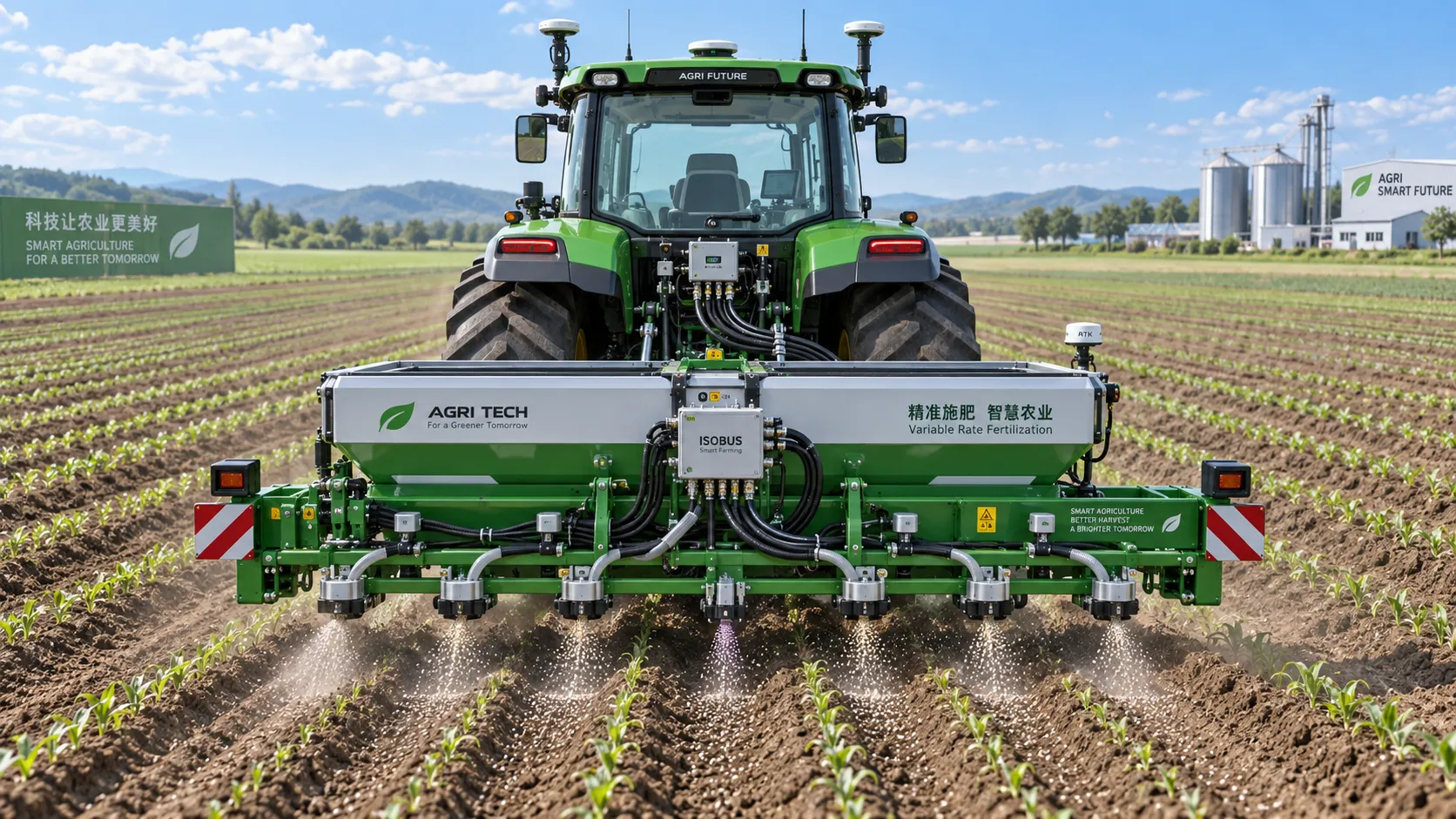
ISOBUS for Smart Agriculture: How It Connects Tractors, Implements, and Farm Data
ISOBUS for smart agriculture connects tractors, implements, terminals, and farm data—helping growers improve precision, documentation, and smarter field decisions.
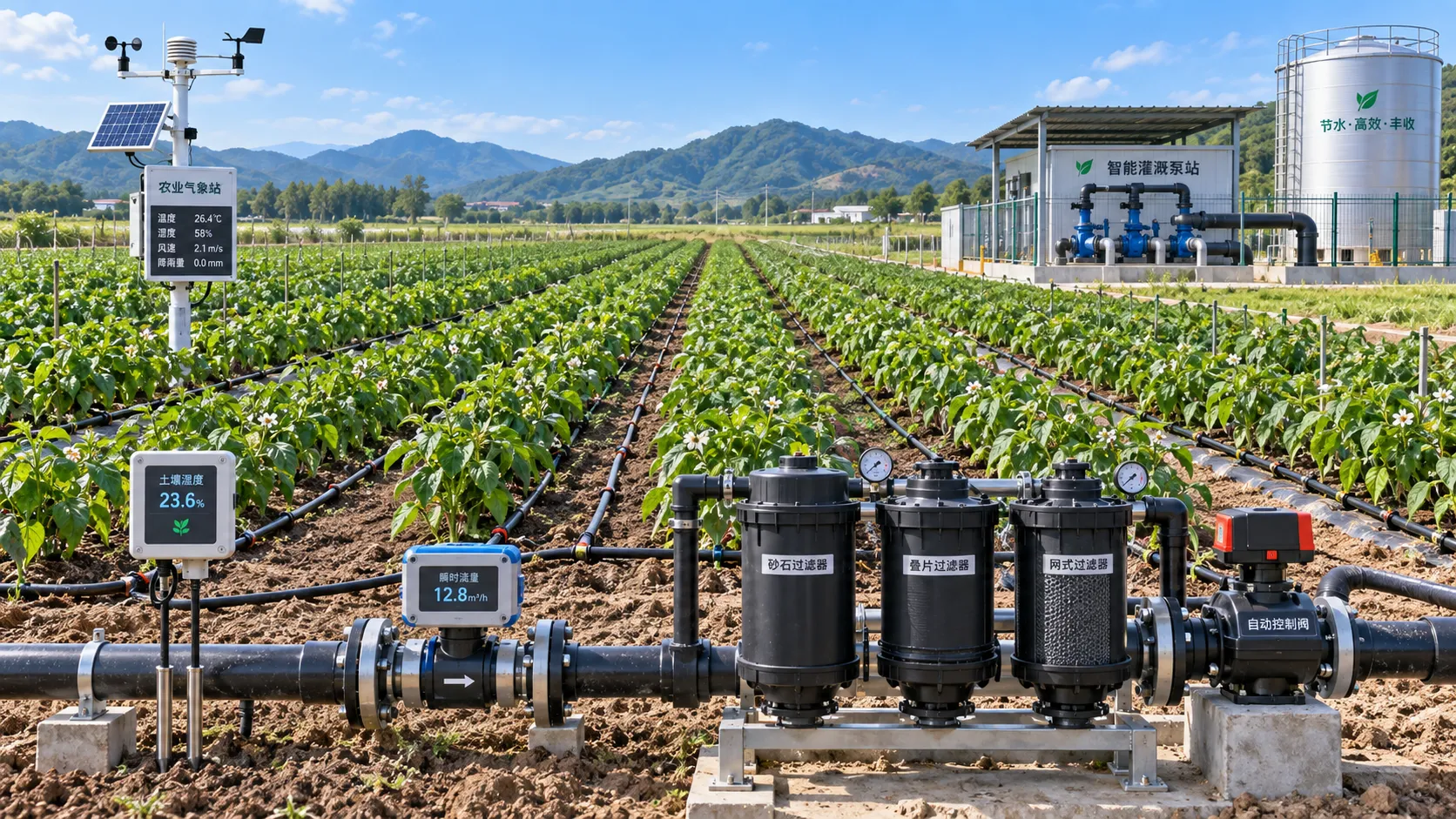
Automated Water-Saving Irrigation: How to Cut Water Use Without Reducing Crop Yields
Automated water-saving irrigation helps farms cut water use, protect crop yields, improve scheduling, and gain reliable control with sensors, flow monitoring, and smart zones.
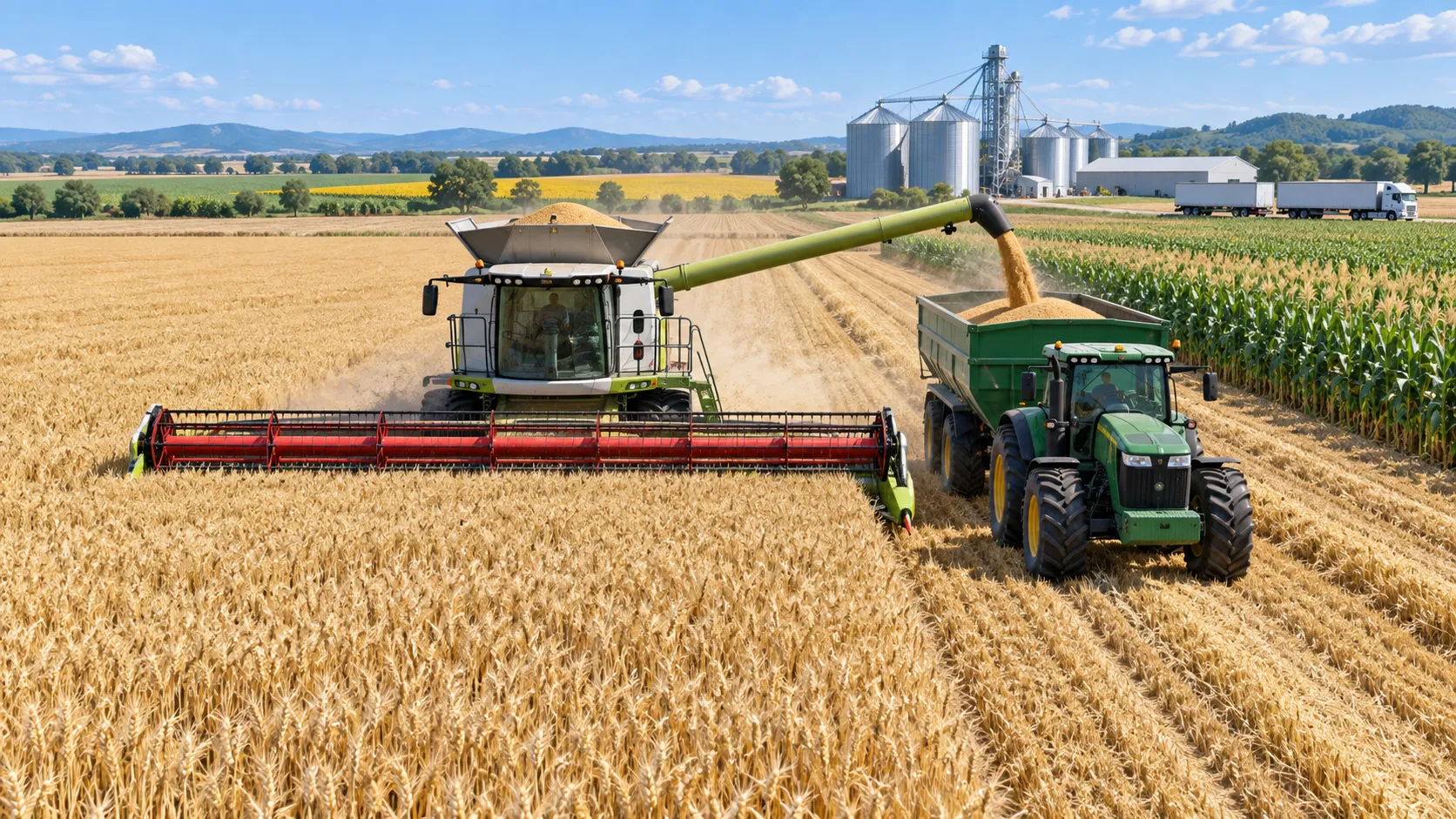
Selecting Grain Farm Equipment by Acreage, Crop Mix, and Harvest Window
Agricultural equipment selection for grain farming: match machinery to acreage, crop mix, and harvest windows to improve uptime, efficiency, and returns.
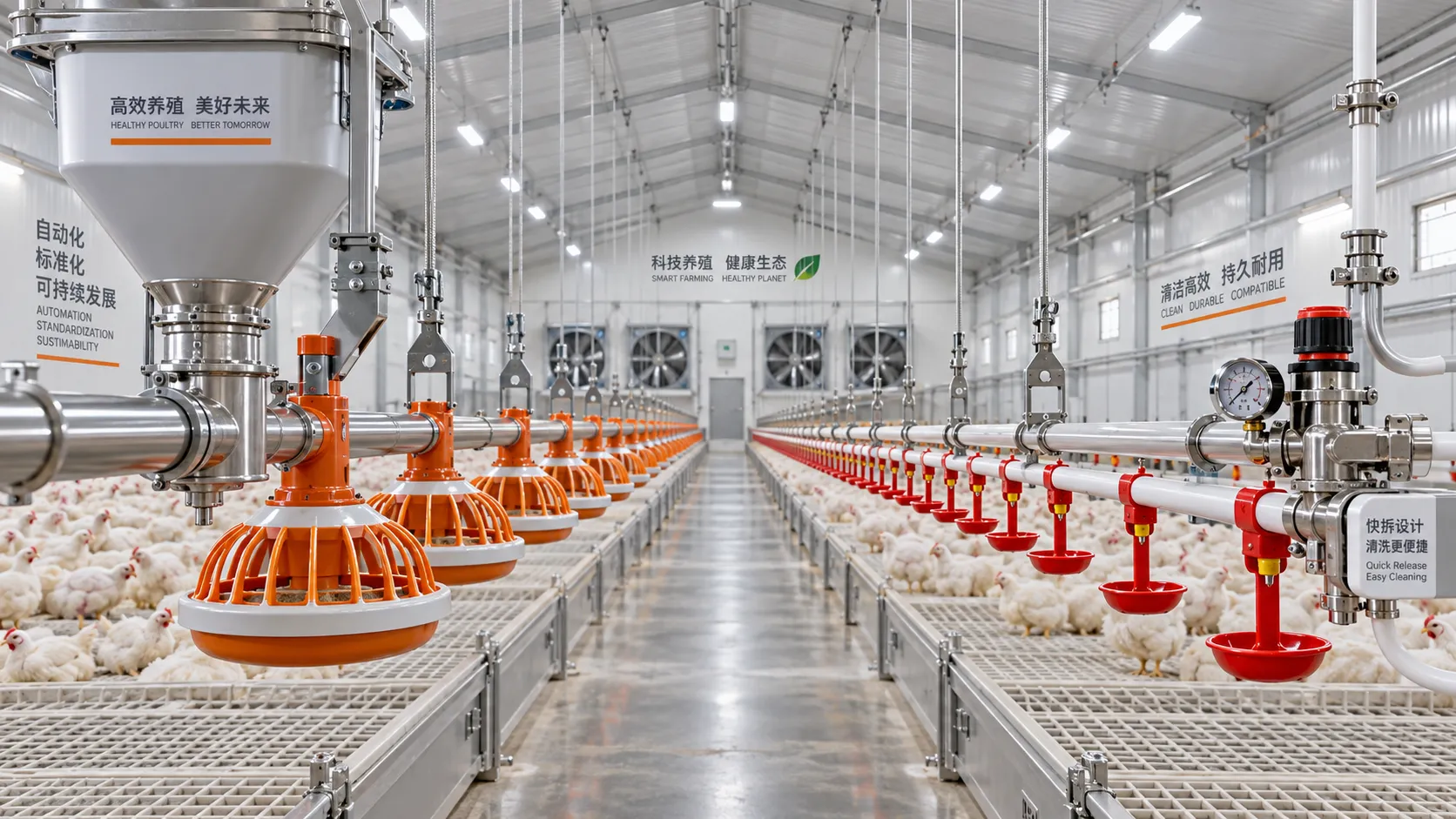
Poultry Equipment Selection: Evaluating Durability, Cleaning, and Compatibility
Poultry equipments selection guide: evaluate durability, cleaning access, and system compatibility to improve hygiene, reduce downtime, and support efficient flock management.
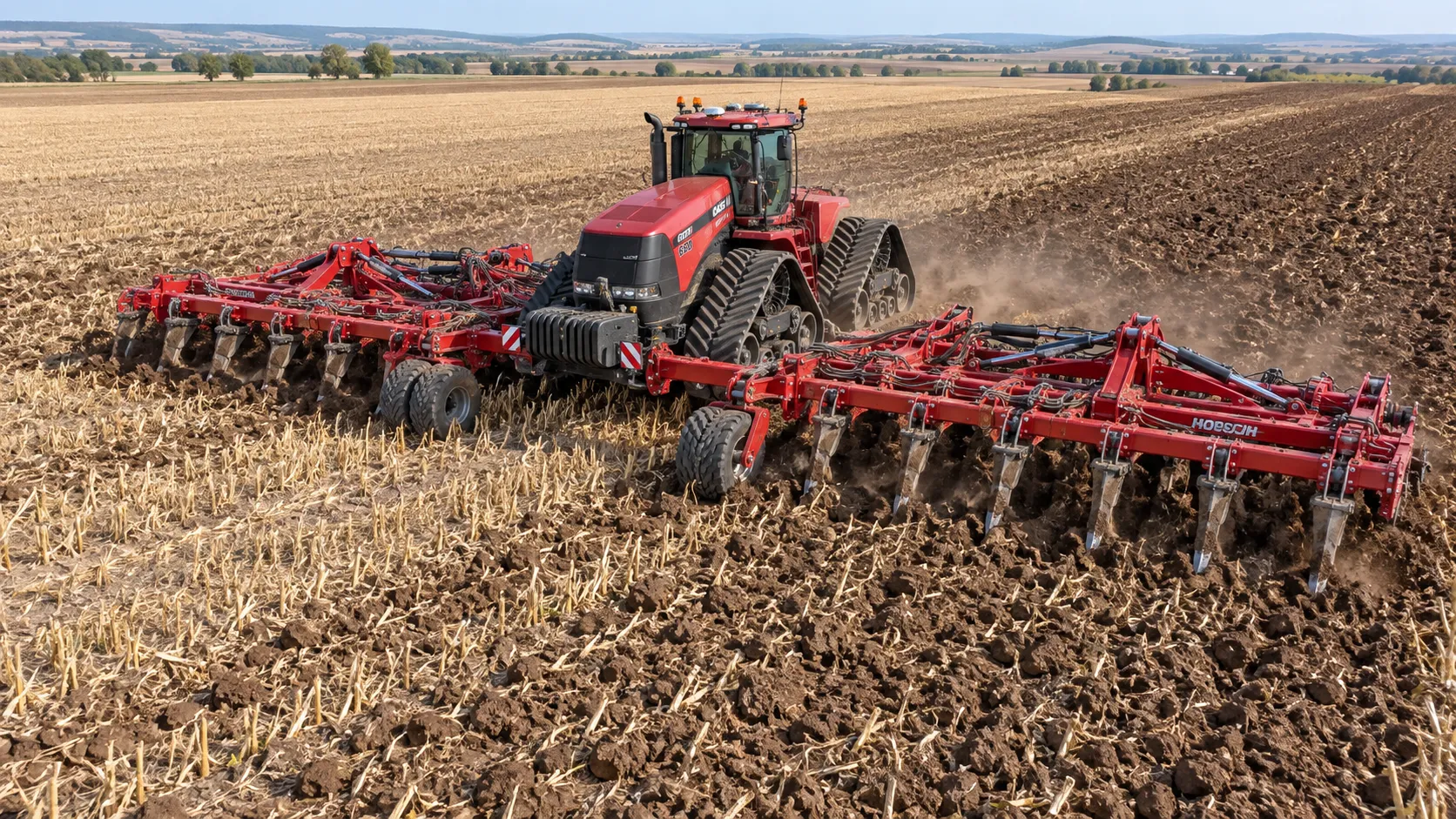
How to Select Heavy-Duty Farm Implements for High-Acreage, High-Horsepower Operations
Heavy duty farm implements: learn how to match draft, hydraulics, hitch capacity, frame strength, and field conditions for reliable high-acreage performance.
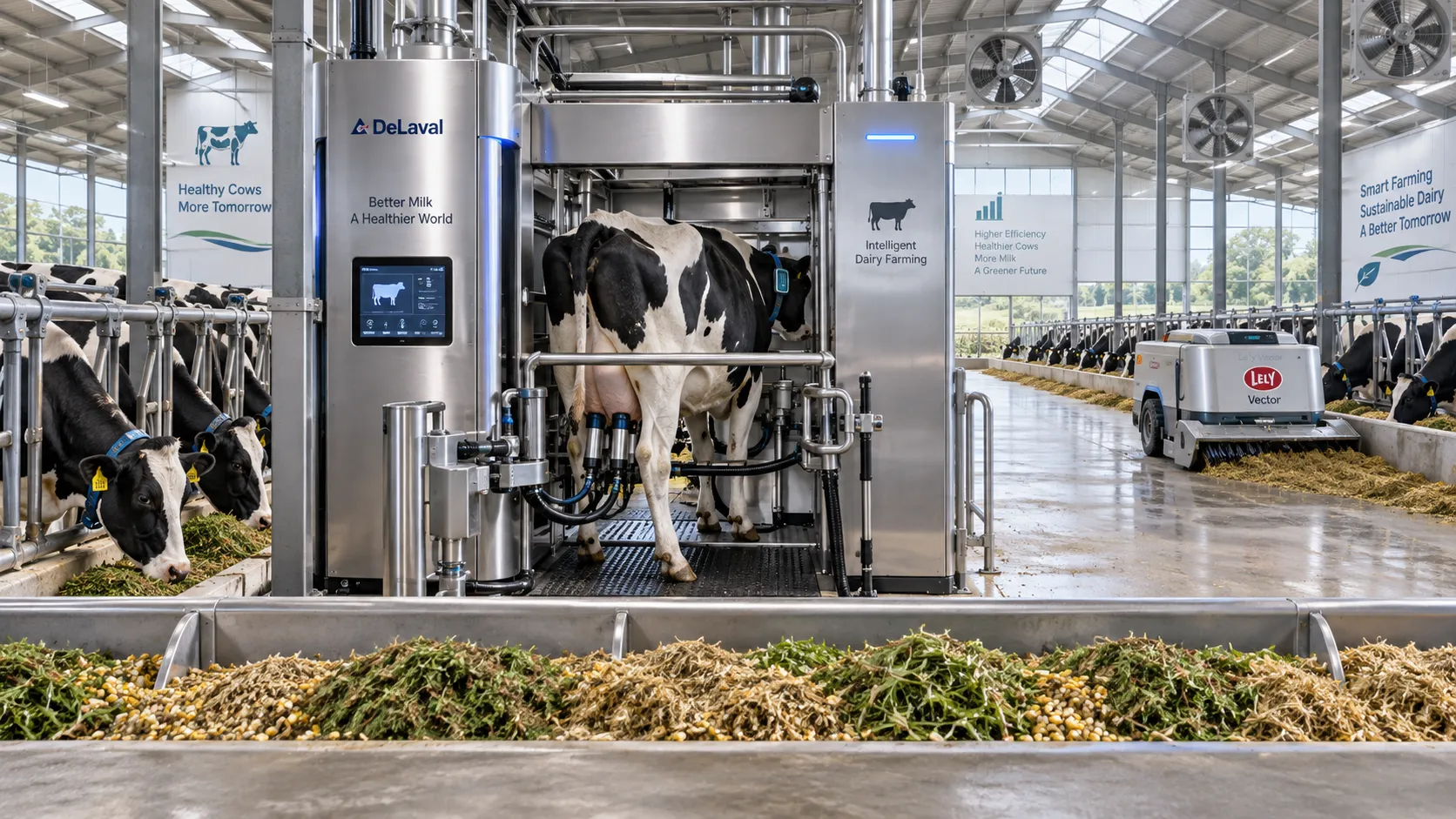
Smart Farming Technology for Dairy Farms: Where Automation Delivers Measurable ROI
Smart farming technology for dairy farms delivers measurable ROI through automation, precision feeding, health monitoring, and data-driven cost control.
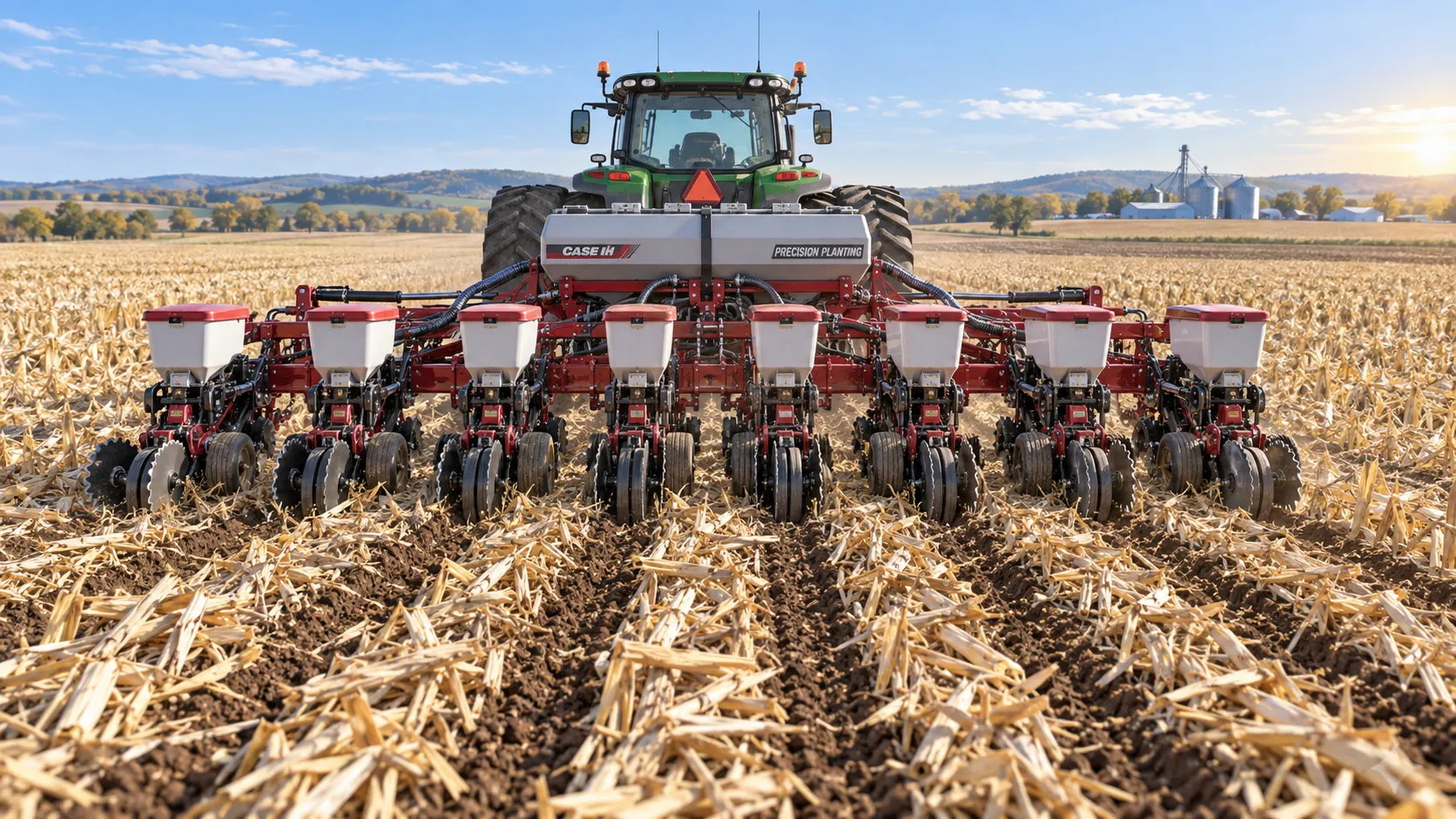
How to Select a Heavy-Duty Seeder for Large Acreage and High-Residue Fields
Heavy duty seeders for large acreage: compare residue handling, depth control, downforce, metering accuracy, and precision features to select the right model.
Related News
- 00
0000-00
What separates robotic automation providers for equipment production? - 00
0000-00
Which field data collection provider fits an agricultural robotics program? - 00
0000-00
How Autonomous Machinery for Crop Scouting Helps Growers Detect Field Issues Earlier - 00
0000-00
How to Evaluate Autonomous Machinery for Vineyards by Terrain, Tasks, and ROI - 00
0000-00
Brazil ANVISA Rule Requires Portuguese Risk Labels for Farm Robots
Popular Tags
Tractor Power Architect
Weekly Insights
Stay ahead with our curated technology reports delivered every Monday.