
Autonomous machinery looks efficient on paper, but where do failures start?
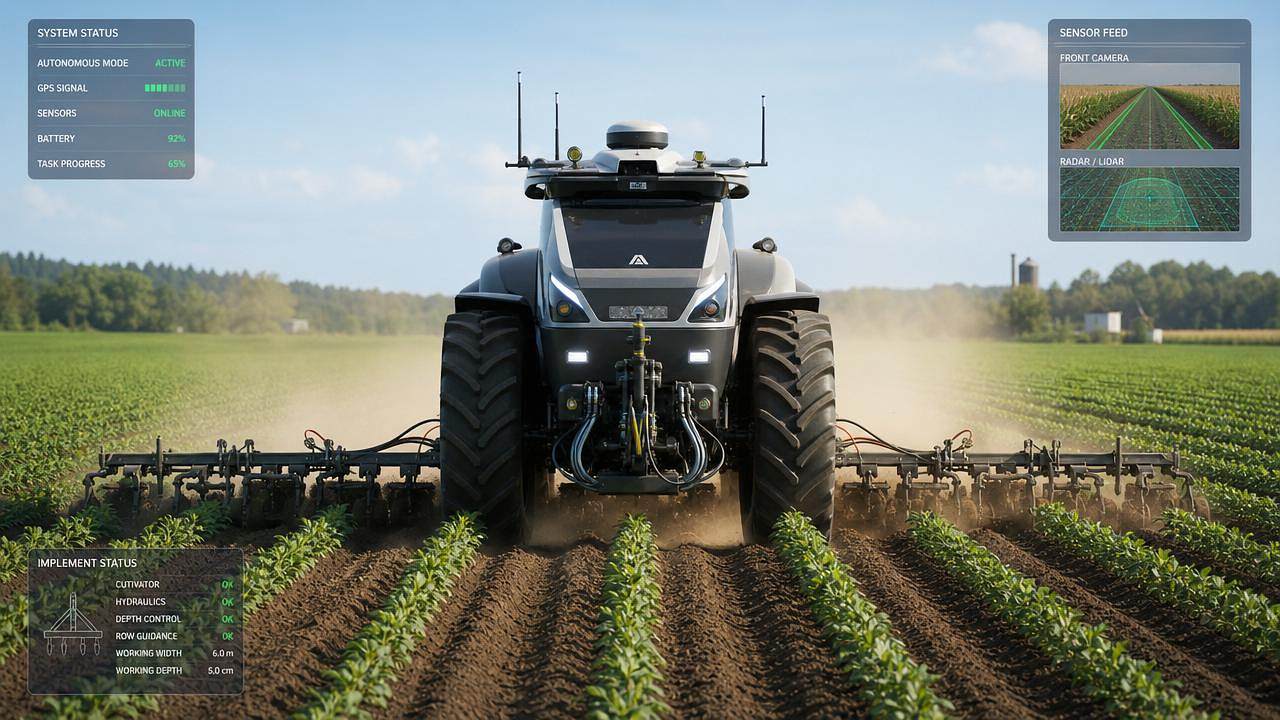




Autonomous machinery promises higher efficiency, lower labor dependence, and tighter operational control—but failures rarely begin at the moment of breakdown. For quality control and safety managers, the real risks often start earlier: in sensor drift, software blind spots, hydraulic inconsistencies, and human-machine misalignment. Understanding where these weak points emerge is essential to preventing costly downtime, safety incidents, and performance losses across modern agricultural operations.
On paper, autonomous machinery often looks like a clean equation: fewer operators, more consistent field performance, tighter input control, and better machine utilization. In practice, however, failures do not usually begin when the machine stops moving or triggers an alarm. They begin upstream, in small deviations that quality and safety teams are expected to detect before they turn into incidents.
For readers responsible for quality control and operational safety, the real question is not whether autonomous systems are efficient in theory. It is where the first cracks appear in real working conditions, how those early weaknesses can be identified, and which controls matter most before a farm, fleet, or contractor scales deployment.
The short answer is this: failures in autonomous machinery usually start at the interfaces. They emerge where sensing meets environment, where software meets edge cases, where hydraulic or mechanical systems meet variable loads, and where human supervision meets misplaced trust. That is why the most effective risk management approach is not to treat autonomy as a single technology, but as a chain of dependent systems that can each drift out of tolerance.
What quality and safety managers are really trying to understand
When professionals search for insights on autonomous machinery failures, they are rarely looking for promotional claims about innovation. They are trying to answer practical questions: What can fail first? Which failures are silent? How do we detect degradation before a stoppage or incident? And how do we decide whether a system is mature enough for large-scale field use?
These concerns are especially relevant in agriculture, where autonomous machinery operates in unstable environments. Dust, crop residue, soil variability, changing moisture, low visibility, GNSS interruptions, and uneven terrain all put pressure on sensors, steering logic, hydraulic response, and machine coordination. A system that appears highly stable in controlled demos can behave very differently during a long harvest day or under mixed field conditions.
That is why quality control personnel tend to focus on repeatability, fault traceability, calibration discipline, and maintenance visibility. Safety managers, meanwhile, prioritize hazard detection reliability, intervention logic, fail-safe performance, operator override clarity, and near-miss reporting. Both groups need to understand not only what breaks, but what drifts quietly before something breaks.
Most failures do not start with a major breakdown
A common mistake in autonomous machinery evaluation is to treat failure as an obvious event: a collision, a missed row, a system shutdown, or a hydraulic loss that takes the machine out of service. In reality, high-cost failures often begin with low-visibility performance degradation.
A camera lens becomes partially obscured by dust. A radar unit still functions, but with reduced confidence in object detection. A wheel angle sensor remains within broad tolerance, yet no longer matches true steering response under load. A machine-learning model handles normal headland turns well, but struggles when standing crop, lodged crop, and reflective surface conditions appear together. None of these issues may immediately stop the machine. But each weakens the autonomy chain.
This is why autonomous machinery should be evaluated more like a layered control system than a standalone product. Small inconsistencies in one subsystem can propagate into timing errors, route deviations, unsafe response delays, increased wear, or false operator confidence. By the time a visible incident occurs, the real failure may have been developing for hours, weeks, or even across an entire maintenance cycle.
Sensor drift is often the earliest and most underestimated problem
In many autonomous platforms, sensing is the first line of decision-making. If the machine cannot reliably perceive position, obstacles, implement status, terrain, or crop conditions, every higher-level control decision becomes less trustworthy. For that reason, sensor drift is one of the earliest and most important sources of failure.
Sensor drift does not always mean total malfunction. It may appear as a gradual reduction in positional accuracy, inconsistent environmental readings, delayed object identification, or unstable signal quality. In agricultural settings, this can be caused by vibration, contamination, heat cycles, connector fatigue, electromagnetic interference, or simple calibration neglect.
For quality teams, the operational challenge is that drift often remains hidden within acceptable averages. A machine may still complete tasks, but with increased row deviation, inconsistent spray spacing, reduced harvest precision, or more frequent micro-corrections in steering. Those symptoms matter because they indicate that autonomy is compensating for uncertainty, often by increasing system workload or reducing its safety margin.
Safety managers should pay close attention to how the system verifies sensor confidence. Redundancy is important, but redundancy alone is not enough. If two sensors fail under similar environmental conditions, the backup may not deliver meaningful protection. What matters is whether the platform can detect degraded confidence, communicate it clearly, and trigger an appropriate operational fallback rather than continuing at nominal settings.
Software blind spots are dangerous because they look like normal operation
Mechanical faults tend to leave physical evidence. Software-related failure modes are more difficult because the machine can continue operating in a way that appears normal until it encounters a condition outside its tested assumptions. This is where software blind spots become a major risk in autonomous machinery.
A blind spot may be a rare terrain pattern, an unexpected obstacle profile, unusual lighting, mixed crop residue, edge-of-field clutter, or a combination of implement behavior and ground resistance not represented well in the control logic. In these cases, the software may not “fail” in the dramatic sense. It may simply classify the situation incorrectly, respond too slowly, or choose a suboptimal action that creates downstream risk.
For safety teams, the key issue is operational design domain discipline. In simple terms, what conditions was the machine truly designed and validated for? Many deployment failures begin when organizations assume that a platform tested in one crop type, soil pattern, or weather profile is ready for another. Expanding use beyond validated conditions is often where incidents begin, especially when commercial pressure pushes utilization faster than the quality system can absorb.
Quality control teams should insist on scenario-based validation records, not just aggregate performance claims. A system that performs well 95 percent of the time can still be unacceptable if the remaining 5 percent includes high-risk edge cases near people, roads, irrigation hardware, drainage zones, or unstable ground conditions.
Hydraulic and mechanical inconsistencies can quietly undermine autonomy
Autonomous decision-making is only as good as the machine’s physical ability to execute commands accurately. In agricultural equipment, that execution depends heavily on hydraulics, driveline response, braking behavior, steering precision, and implement actuation consistency. If these systems do not respond predictably, the control software may appear to be at fault when the real issue is mechanical variation.
Hydraulic lag, pressure fluctuation, valve contamination, hose wear, thermal viscosity changes, and actuator response delay can all reduce the fidelity between command and action. In a manually operated machine, an experienced operator may compensate instinctively. In autonomous machinery, inconsistent actuation creates a mismatch between expected behavior and actual movement.
This mismatch is especially important in tractors, combine harvesters, and intelligent implements working under changing loads. A platform may steer accurately in transit mode yet drift under field load. It may position an implement correctly in dry soil and then overreact when soil resistance changes after irrigation or rainfall. These are not abstract engineering problems. They directly affect path accuracy, obstacle avoidance, crop loss, input placement, and emergency response performance.
For QC and safety leaders, the lesson is clear: autonomy validation must include mechanical repeatability under realistic load ranges. Static calibration checks are not enough. The system must be observed in the field, over time, across heat, dust, residue, slope, and workload variation.
Human-machine misalignment is still one of the biggest causes of operational risk
Even highly advanced autonomous machinery does not remove the human factor. It changes it. Instead of continuous manual control, the human role becomes supervisory, exception-based, and often intermittent. That shift creates new risks, especially when staff misunderstand what the machine can reliably handle.
One common problem is overtrust. Operators, supervisors, or site managers may assume that because the machine can run autonomously for long periods, it can also handle unusual conditions safely. Another problem is underdefined intervention responsibility. If the system signals degraded confidence, who is expected to act, how quickly, and under what protocol? If that chain is unclear, valuable warning time is lost.
Training gaps also matter. Personnel may know how to operate the machine, but not how to interpret autonomy status, confidence indicators, escalation logic, or safe recovery procedures. In many incidents, the issue is not that the alert failed to appear. It is that the alert was not understood, prioritized, or translated into the correct action.
For safety management, this means autonomy is not just a machine capability issue. It is a governance issue. Clear supervision rules, documented intervention thresholds, lockout procedures, geofencing controls, and incident review loops are essential if the technology is to remain safe under real workload pressure.
Where quality control should look first during inspections and audits
If the goal is early failure detection, inspections should focus less on headline autonomy features and more on weak signals of system degradation. A useful audit framework starts with four questions: Is the machine sensing accurately? Is it deciding within its validated domain? Is it executing commands consistently? And is the human oversight model actually functioning as intended?
Under sensing, teams should review calibration records, contamination exposure, connector condition, mounting stability, signal consistency, and environmental error trends. Under software behavior, they should check update control, change logs, exception records, edge-case testing history, and fallback mode activation patterns.
For execution systems, inspection should include hydraulic response consistency, steering variance, actuator lag, brake performance, implement interface stability, and field-load behavior compared with baseline values. For the human layer, audits should review training completion, override use frequency, alarm response time, near-miss documentation, and whether operational staff can clearly explain the machine’s limits.
These checks help identify whether autonomous machinery is operating within a healthy control envelope or merely appearing functional while hidden risk accumulates.
What separates manageable failures from serious incidents
Not every fault leads to a major event. The difference between a manageable failure and a serious incident usually comes down to detectability, response time, and fallback design. Systems fail more safely when they make degradation visible early, reduce functionality in a controlled way, and give supervisors enough time and clarity to intervene.
In contrast, serious incidents often involve latent conditions stacking together: a degraded sensor, an unrecognized software edge case, a slow hydraulic response, and an operator who assumes the system is still within normal limits. Each issue alone may seem minor. Together, they remove the margin that keeps the machine controllable and predictable.
This is why incident prevention in autonomous machinery should focus on barrier quality rather than simple uptime metrics. High utilization can look impressive while masking weak fault containment. For safety-critical operations, a machine that pauses appropriately under uncertainty may actually be better controlled than one that keeps running through degraded conditions.
How to evaluate whether an autonomous platform is mature enough for wider deployment
For organizations deciding whether to scale autonomous machinery across fields, fleets, or regions, maturity should not be judged by marketing claims or isolated pilot success. It should be judged by consistency, transparency, and control under variation.
A mature platform can explain what it sensed, why it made a decision, when confidence dropped, and how it transitioned to a safer state. It has documented limits, repeatable update procedures, stable hardware integration, clear maintenance intervals, and usable diagnostics for field teams. Most importantly, its performance remains understandable when conditions become less ideal.
Quality and safety managers should ask vendors and internal teams for evidence in five areas: validated operating domain, subsystem redundancy logic, field-load repeatability, alarm interpretation clarity, and incident learning process. If those five areas are weak, scale should be slowed. Efficiency gains from autonomous machinery are real, but scaling immature autonomy usually transfers hidden risk into operations, maintenance, and safety exposure.
A practical risk mindset for the Agriculture 4.0 environment
In modern agriculture, the value of autonomous machinery is undeniable. It can improve labor resilience, optimize timing, reduce overlap, support precision fieldwork, and increase consistency across large-scale operations. But these benefits are only sustainable when organizations stop treating autonomy as a single efficiency feature and start managing it as an evolving risk system.
For quality control professionals, that means building inspection and verification routines that catch drift early. For safety managers, it means defining how degraded autonomy should be recognized, communicated, and contained. For both, the objective is the same: detect the beginning of failure before the operation experiences the end of it.
Autonomous machinery does not usually fail first in the place everyone can see. It fails first in the small mismatches between environment, machine response, software assumptions, and human oversight. Those are the starting points that matter most. If they are monitored well, autonomy can deliver real operational value. If they are ignored, paper efficiency can become field-level risk very quickly.
In short, the earliest failures start where confidence exceeds control. The strongest organizations are the ones that know how to measure that gap—and close it before it becomes an incident.
Related News
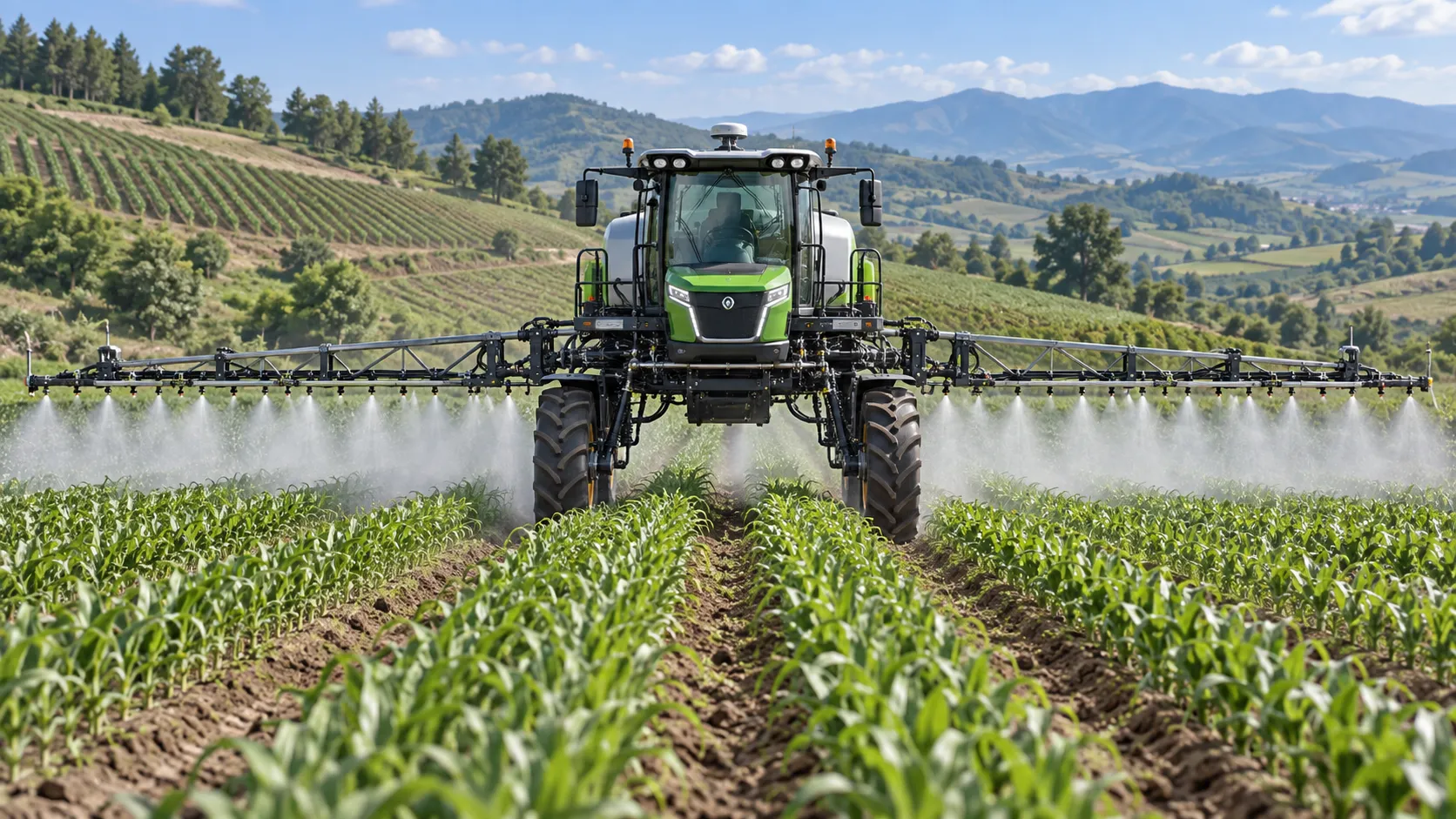
How to Select Precision Crop Protection Equipment for Variable Field Conditions
Precision crop protection equipment selection made simple: compare terrain, canopy, weather, control accuracy, and data workflows for reliable applications.
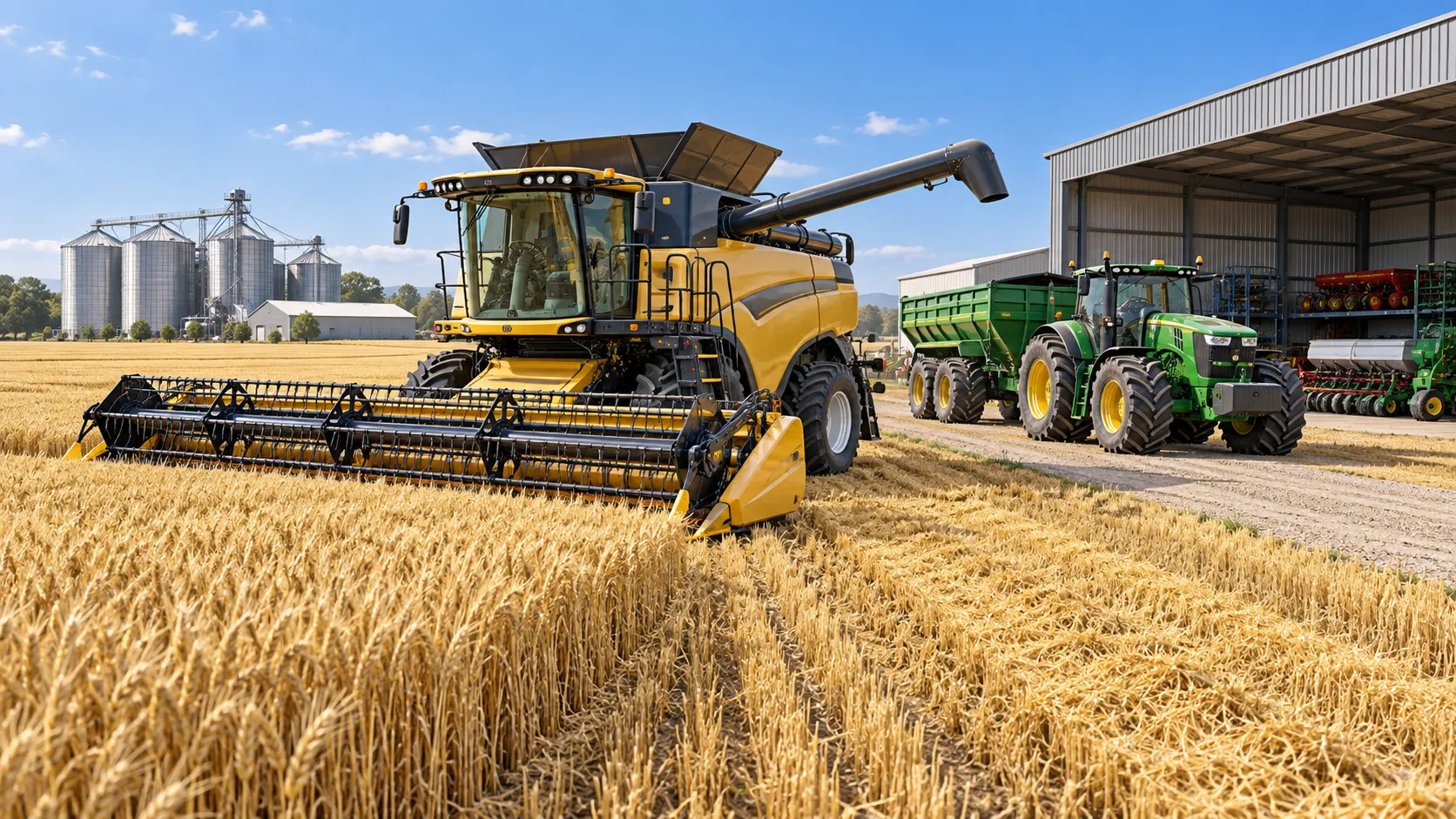
When Does Agricultural Machinery Leasing Cost Less Than Owning Equipment?
Agricultural machinery leasing can lower farm costs when use is seasonal or uncertain. Compare utilization, maintenance, cash flow, and risk to make a smarter equipment decision.
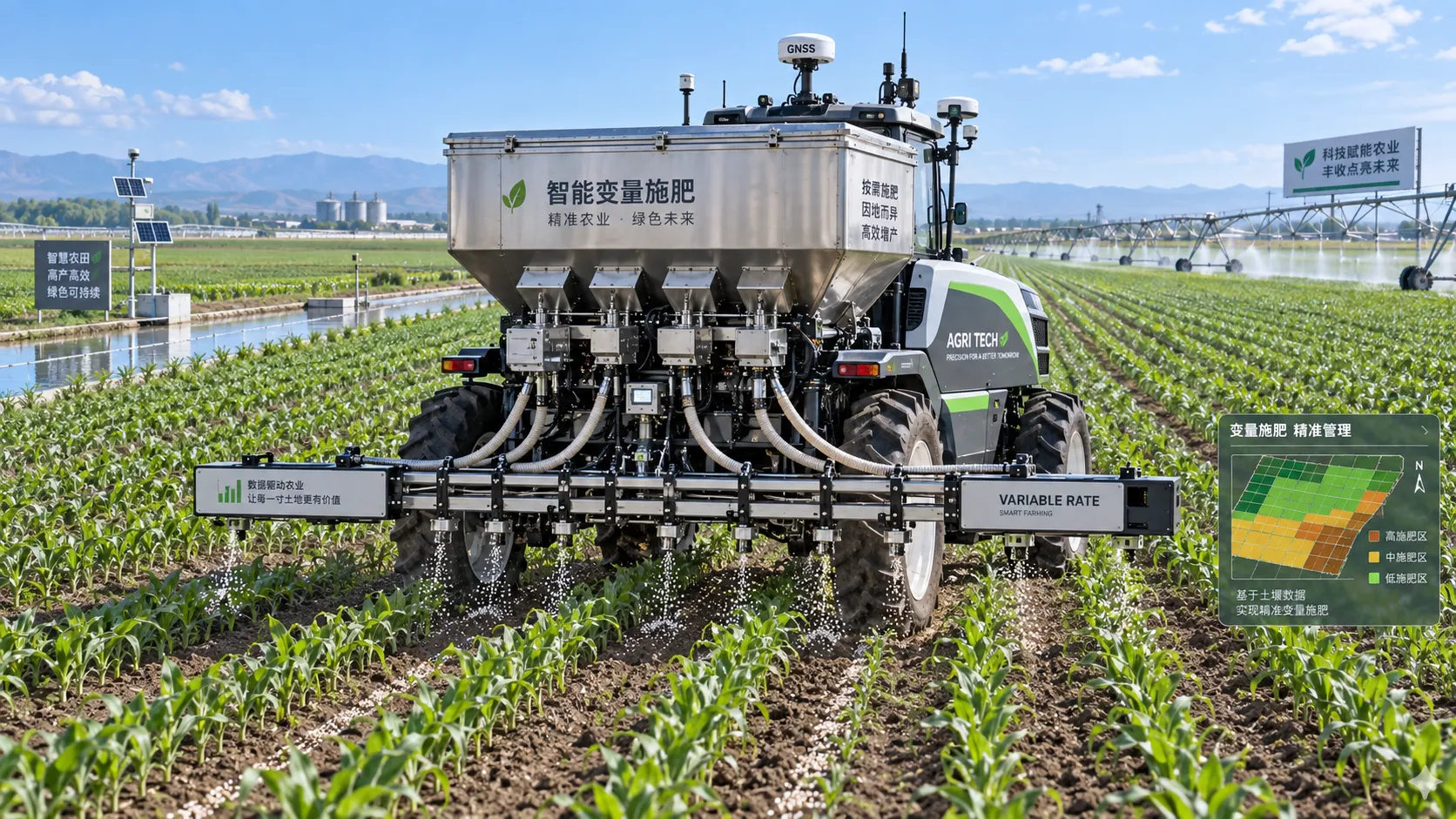
How to Evaluate Precision Fertilization System Suppliers for Farm-Scale Deployment
Precision fertilization systems suppliers: learn how to compare accuracy, integration, uptime, service, and total cost for confident farm-scale deployment.
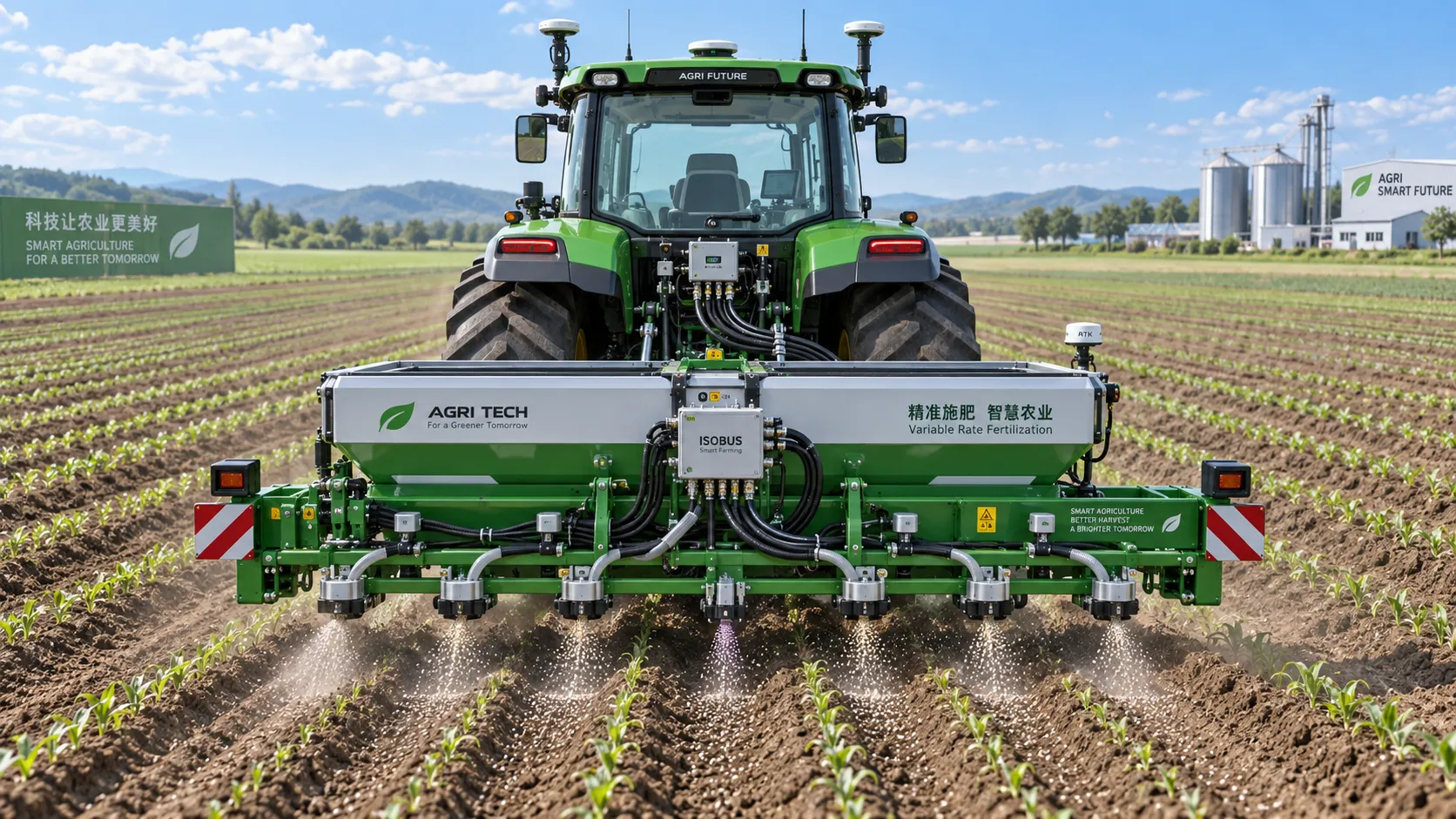
ISOBUS for Smart Agriculture: How It Connects Tractors, Implements, and Farm Data
ISOBUS for smart agriculture connects tractors, implements, terminals, and farm data—helping growers improve precision, documentation, and smarter field decisions.
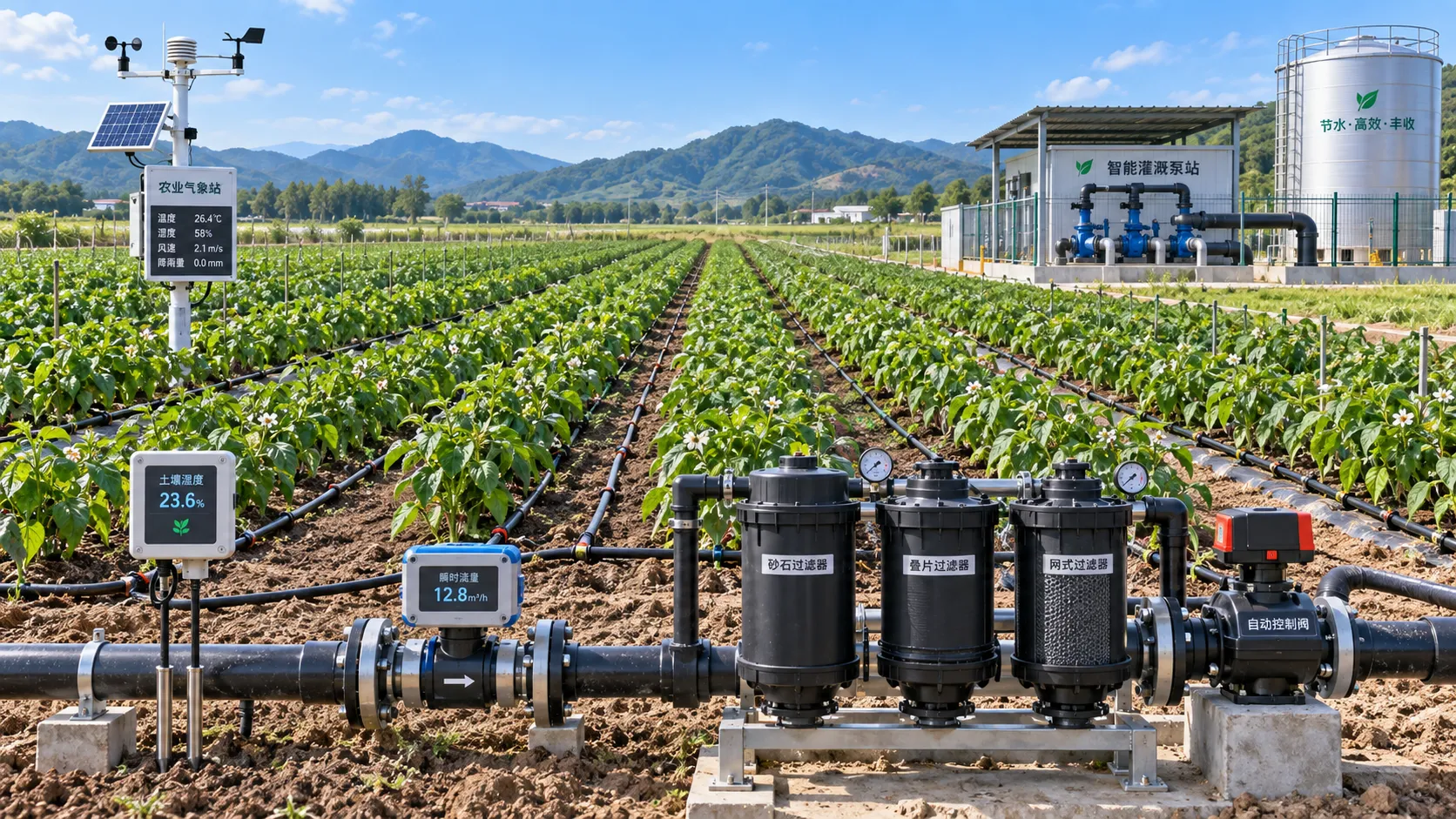
Automated Water-Saving Irrigation: How to Cut Water Use Without Reducing Crop Yields
Automated water-saving irrigation helps farms cut water use, protect crop yields, improve scheduling, and gain reliable control with sensors, flow monitoring, and smart zones.
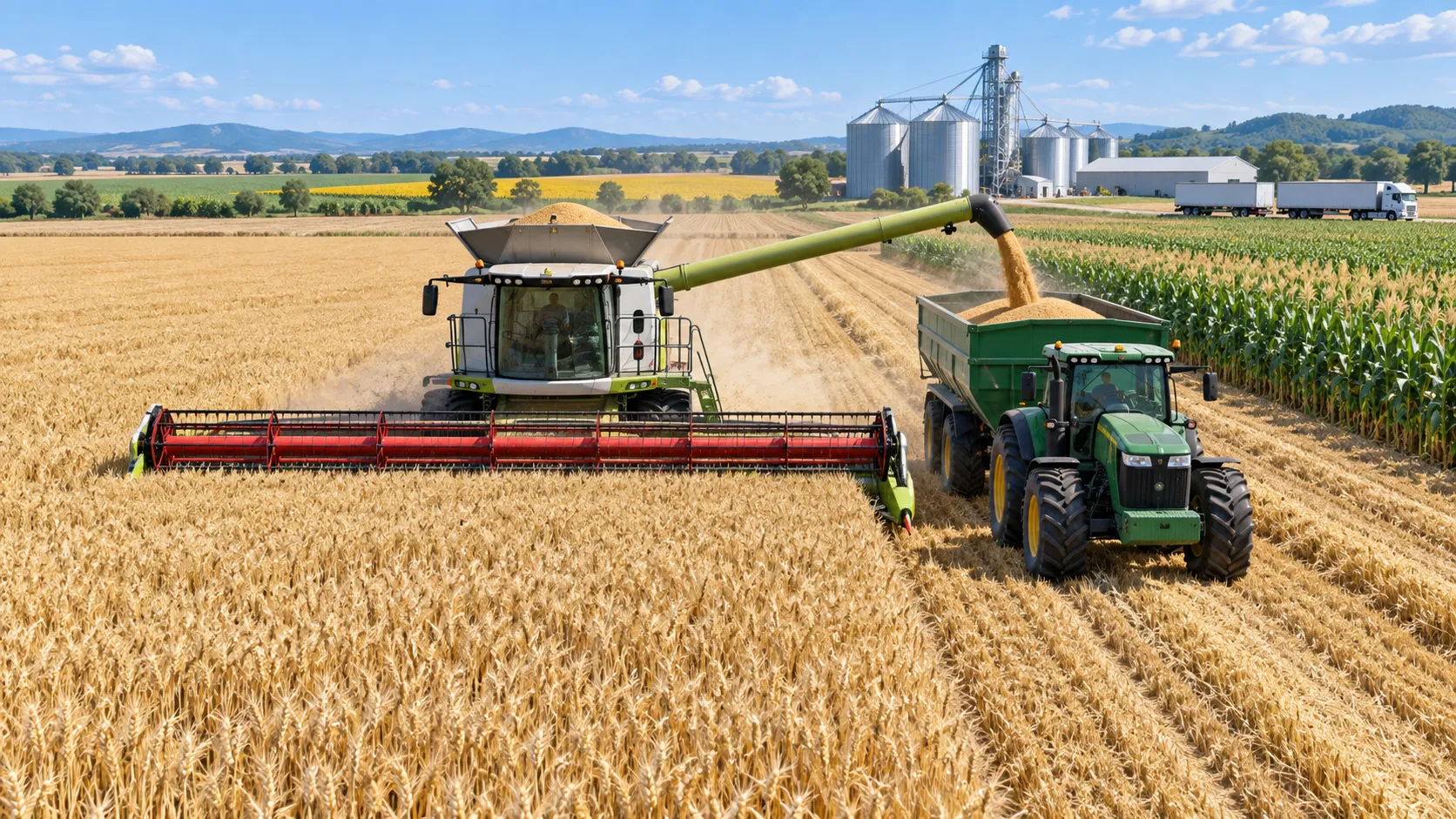
Selecting Grain Farm Equipment by Acreage, Crop Mix, and Harvest Window
Agricultural equipment selection for grain farming: match machinery to acreage, crop mix, and harvest windows to improve uptime, efficiency, and returns.
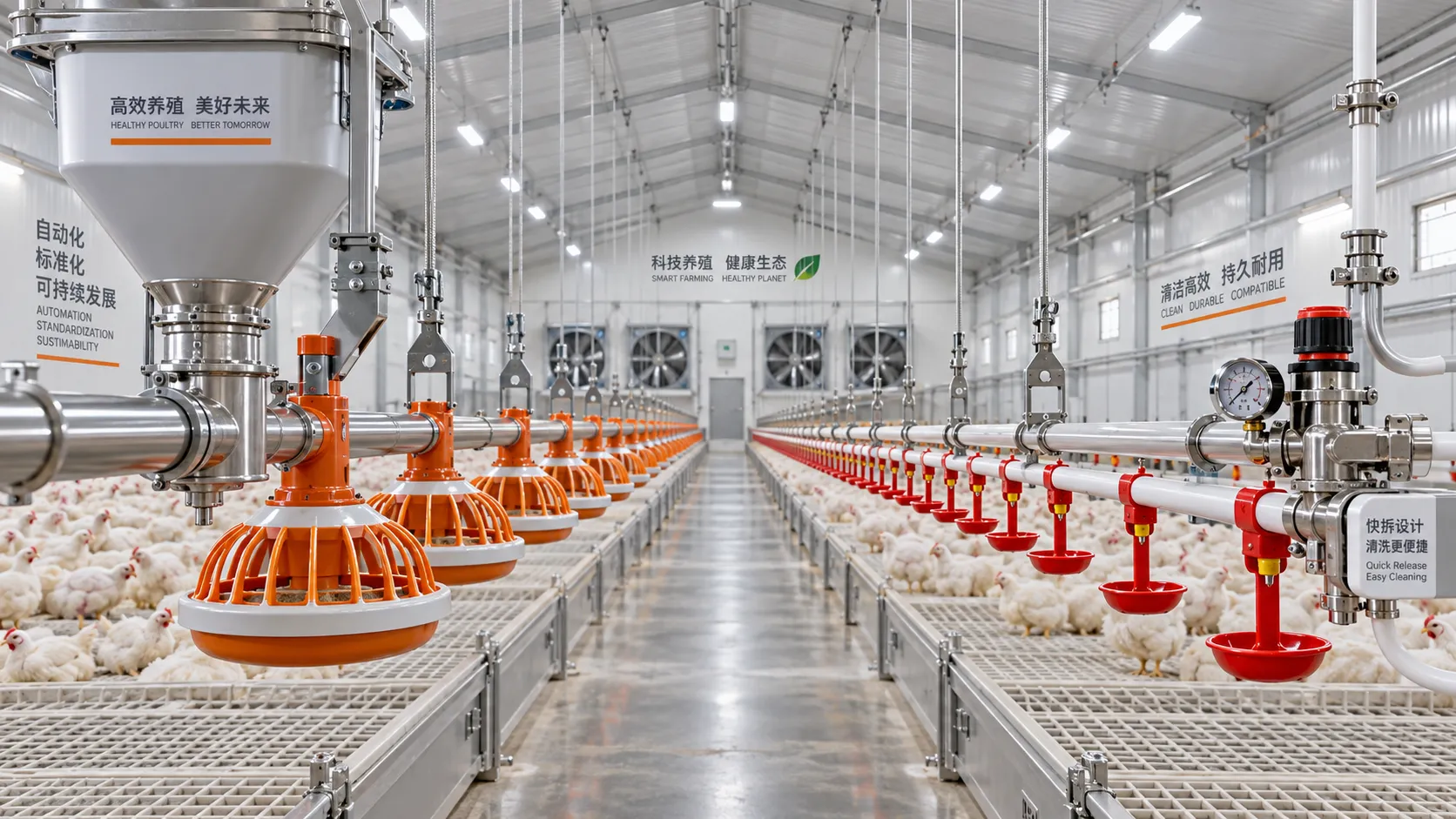
Poultry Equipment Selection: Evaluating Durability, Cleaning, and Compatibility
Poultry equipments selection guide: evaluate durability, cleaning access, and system compatibility to improve hygiene, reduce downtime, and support efficient flock management.
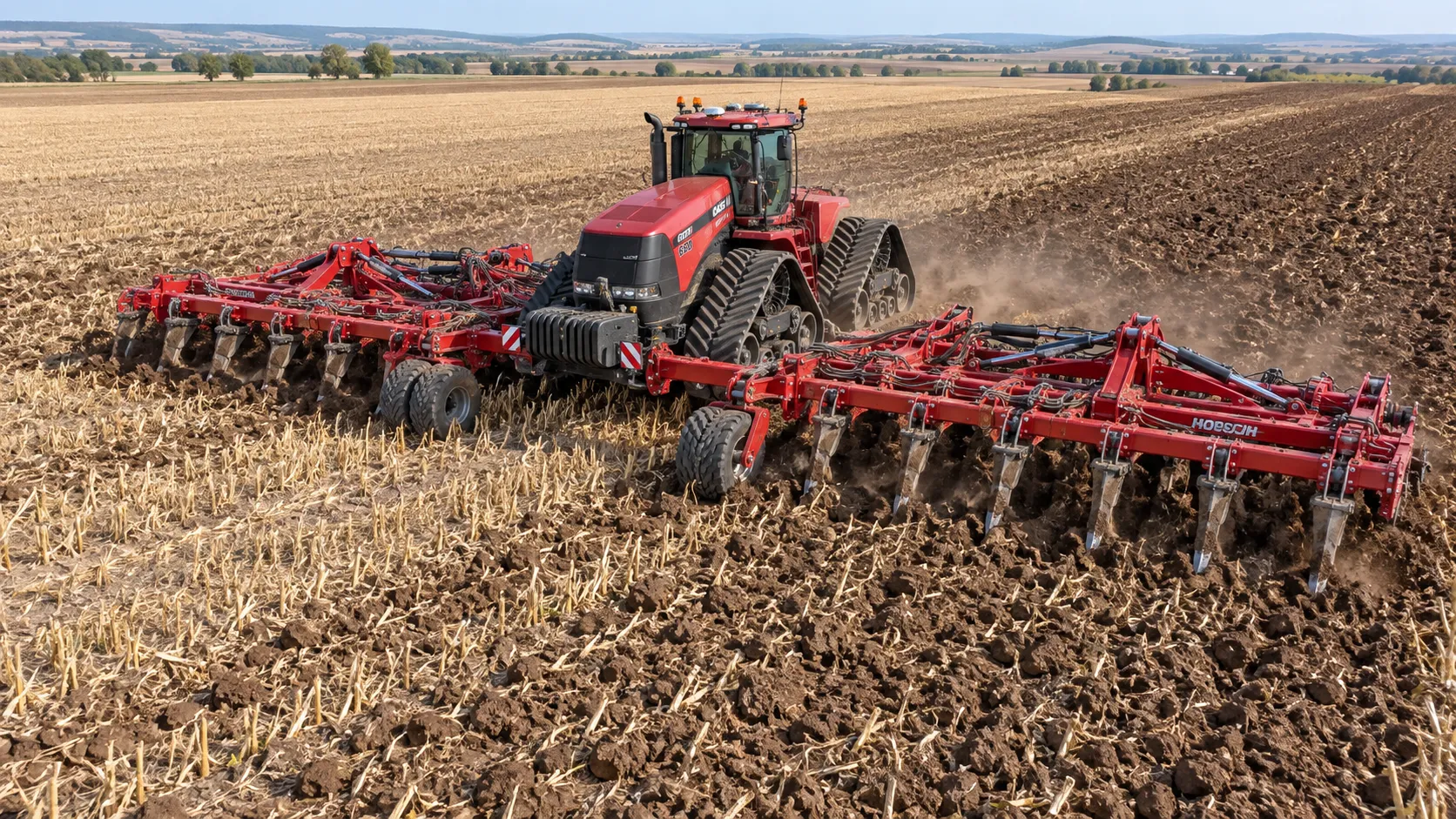
How to Select Heavy-Duty Farm Implements for High-Acreage, High-Horsepower Operations
Heavy duty farm implements: learn how to match draft, hydraulics, hitch capacity, frame strength, and field conditions for reliable high-acreage performance.
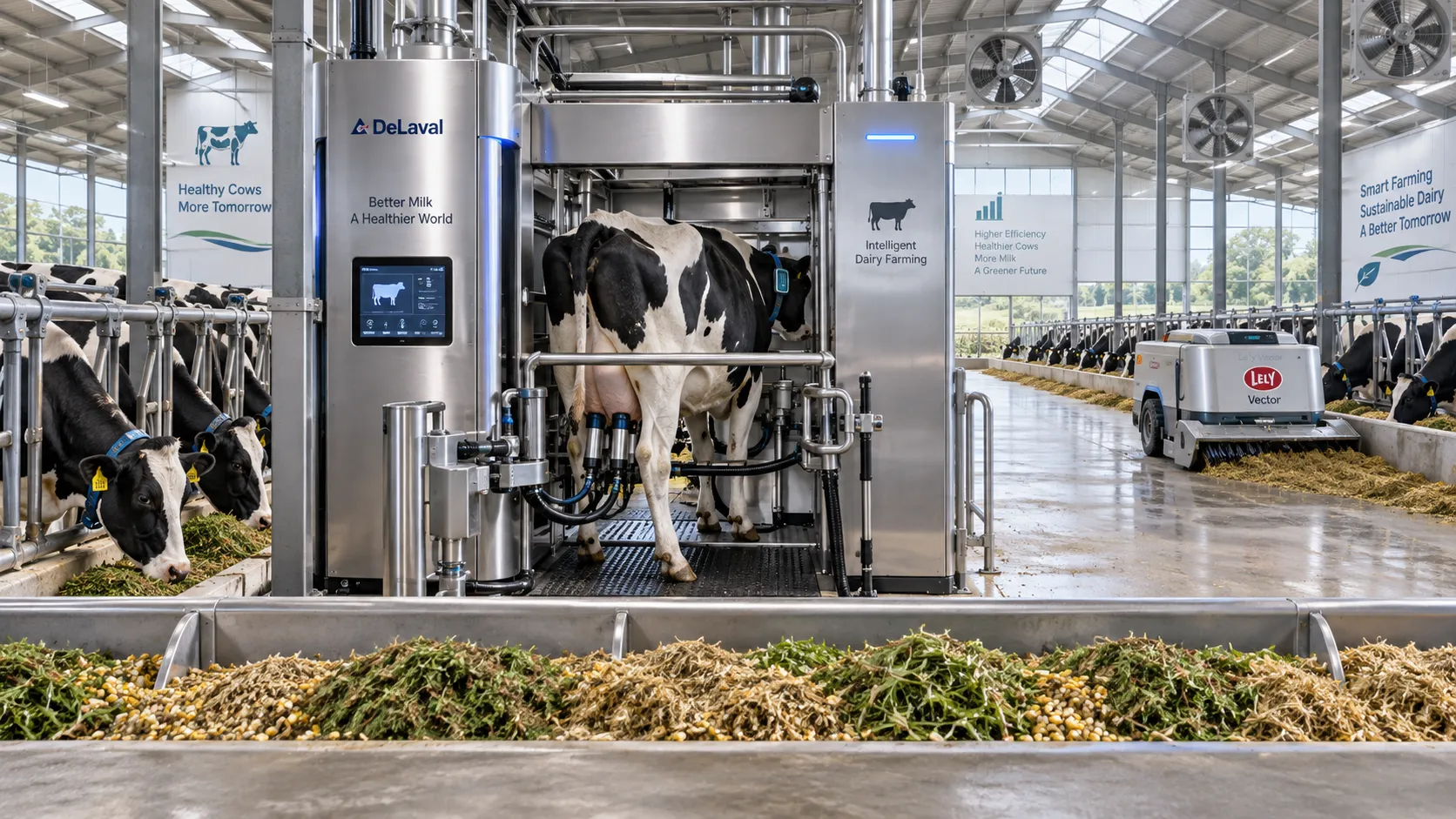
Smart Farming Technology for Dairy Farms: Where Automation Delivers Measurable ROI
Smart farming technology for dairy farms delivers measurable ROI through automation, precision feeding, health monitoring, and data-driven cost control.
Related News
- 00
0000-00
What separates robotic automation providers for equipment production? - 00
0000-00
Which field data collection provider fits an agricultural robotics program? - 00
0000-00
How Autonomous Machinery for Crop Scouting Helps Growers Detect Field Issues Earlier - 00
0000-00
How to Evaluate Autonomous Machinery for Vineyards by Terrain, Tasks, and ROI - 00
0000-00
Brazil ANVISA Rule Requires Portuguese Risk Labels for Farm Robots
Popular Tags
Tractor Power Architect
Weekly Insights
Stay ahead with our curated technology reports delivered every Monday.