
2026 Beijing International Robotics Expo Opens May 14
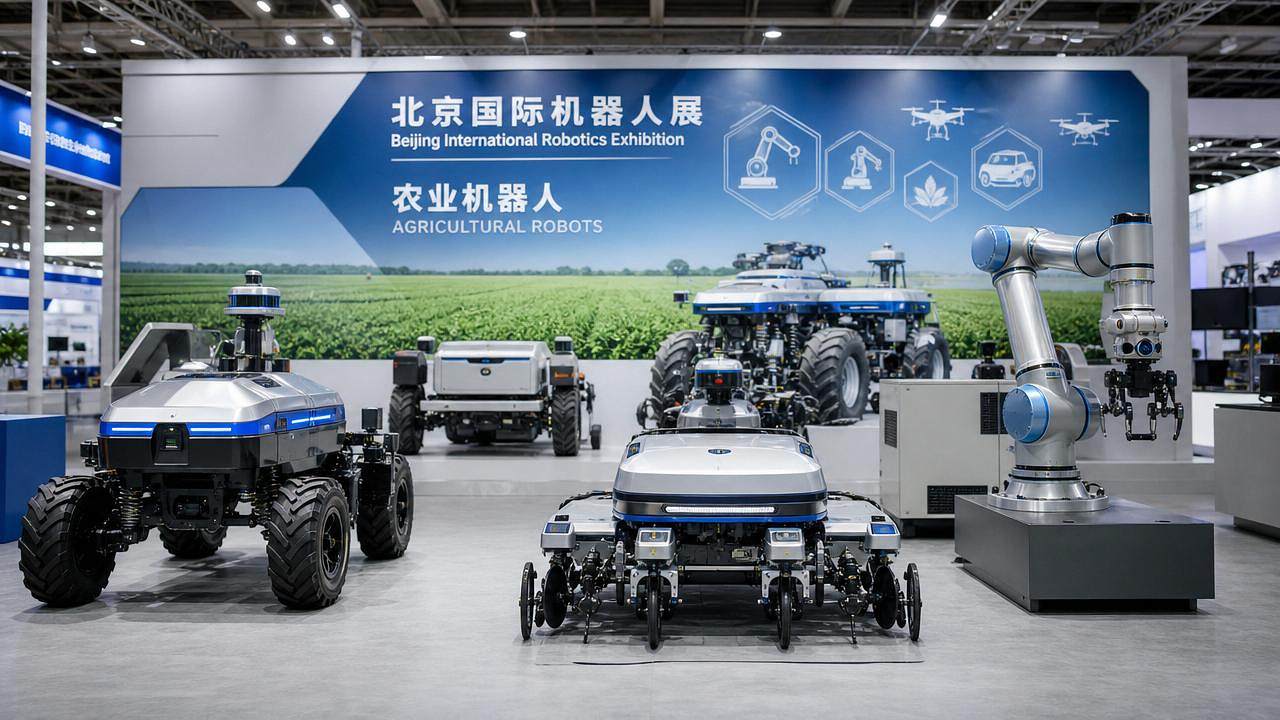




The 2026 Beijing International Robotics Exhibition opens on May 14, 2026, with agricultural autonomous robots confirmed as the fastest-growing segment—its dedicated exhibition area expanding by 40%. This development signals heightened industry focus on field-deployable robotics solutions, particularly for global agri-tech suppliers, certification service providers, and OEM integrators serving regulated markets.
Event Overview
The 2026 Beijing International Robotics Exhibition will open on May 14, 2026. Organizers have confirmed a 40% expansion of the agricultural autonomous robotics exhibition zone. Featured technologies include unmanned farming platforms integrating GPS, IMU, and visual SLAM for positioning; modular robot clusters supporting coordinated sowing, intertillage, and harvesting; and ISO 13482–certified collaborative robotic arms designed for field human-robot interaction. Overseas channel partners may sign on-site for an ‘Export Technical White Paper’, which includes standardized templates for EMC testing, IP67 validation, and EN 61000-6-4 electromagnetic compatibility reports.
Impact on Specific Industry Segments
Direct Export Trading Firms
These firms face immediate implications due to the availability of pre-vetted technical documentation. The on-site signing of the Export Technical White Paper introduces a streamlined reference for regulatory alignment—particularly for shipments targeting EU, UK, and other EN/IEC-compliant jurisdictions. Impact centers on reduced pre-market technical review cycles and potential acceleration in customs clearance timelines for certified subsystems.
OEM & System Integration Manufacturers
Manufacturers supplying core components (e.g., SLAM modules, actuation units, or safety-rated controllers) will encounter increased demand for traceable, test-ready subassemblies. The emphasis on ISO 13482 compliance and EN 61000-6-4 reporting suggests rising expectations for embedded electromagnetic robustness and functional safety evidence—not just at system level, but down to board- and firmware-level documentation.
Certification & Compliance Service Providers
Third-party labs and conformity assessment bodies are likely to see elevated inquiry volume around IP67 validation under dynamic field conditions and EN 61000-6-4 testing for mobile robotic platforms operating near agricultural electronics infrastructure (e.g., irrigation controllers, telemetry gateways). The exhibition’s focus on template-based reporting implies growing client demand for turnkey documentation packages—not just test execution.
Global Channel Distributors & Agri-Tech Resellers
Distributors engaging with Chinese robotics vendors must now assess whether partner-provided white papers meet local import requirements beyond basic CE or UKCA marking. The inclusion of EMC and IP67 templates signals that downstream buyers—especially in high-regulation regions—are shifting from product-centric to documentation-centric procurement criteria.
What Relevant Enterprises or Practitioners Should Focus On Now
Verify alignment between white paper templates and target market requirements
Overseas distributors should cross-check the provided EN 61000-6-4 and IP67 report templates against national transposition documents (e.g., BS EN 61000-6-4:2019 in the UK, DIN EN 61000-6-4:2019 in Germany) before committing to joint marketing or co-branded deployment plans.
Assess readiness of internal technical documentation workflows
OEMs and integrators should audit whether their current test reporting structures (e.g., lab logs, calibration records, environmental stress summaries) can map directly onto the white paper templates. Gaps may require procedural updates—not just reformatting—especially for SLAM-related localization repeatability metrics or collaborative arm force-limiting validations.
Monitor whether ‘ISO 13482 certification’ refers to full system certification or component-level conformance
Since ISO 13482 applies to personal care robots—and its applicability to field-deployed agricultural systems remains interpretive—stakeholders should seek official clarification from exhibitors or organizers regarding scope, test conditions, and notified body involvement before citing it in commercial claims.
Prepare for documentation-driven qualification cycles
Procurement teams in agriculture cooperatives or government-backed farm modernization programs should begin aligning internal evaluation checklists with the white paper’s structure—particularly sections covering EMC resilience during GPS signal loss or vision-SLAM fallback behavior—rather than relying solely on performance demos.
Editorial Perspective / Industry Observation
Observably, this exhibition’s agricultural robotics expansion reflects not just technological maturation, but a structural shift toward documentation standardization as a trade enabler. Analysis shows the white paper initiative functions less as a formal certification and more as a harmonized evidence framework—intended to compress technical due diligence time for international buyers. From an industry perspective, the move signals growing recognition that interoperability and regulatory predictability matter as much as raw capability in robotics adoption. It is currently better understood as a coordination signal among supply chain actors—not yet a de facto compliance benchmark—but one that may influence upcoming national agri-robot guidelines in emerging markets over the next 12–18 months.
This event does not introduce new regulations or certifications, nor does it alter existing conformity routes. Rather, it highlights how technical documentation is increasingly becoming a negotiable, exportable asset—distinct from hardware, yet critical to market access.
Conclusion
The 2026 Beijing International Robotics Exhibition’s agricultural robotics expansion underscores a pivot toward structured, export-ready technical evidence—especially for EMC, environmental resilience, and human-robot collaboration assurance. Its significance lies not in introducing novel standards, but in consolidating and packaging verification practices into reusable formats. Current interpretation should treat this as an early-stage alignment effort: valuable for benchmarking and planning, but requiring careful mapping to jurisdiction-specific implementation rules before operational adoption.
Source Attribution
Main source: Official announcement of the 2026 Beijing International Robotics Exhibition (confirmed exhibition dates, zone expansion rate, technology categories, and white paper scope). Note: Details regarding actual adoption rates of the white paper templates, enforcement status of referenced standards in target markets, and third-party verification of exhibited ISO 13482 claims remain subject to ongoing observation and are not confirmed in the source material.
Related News
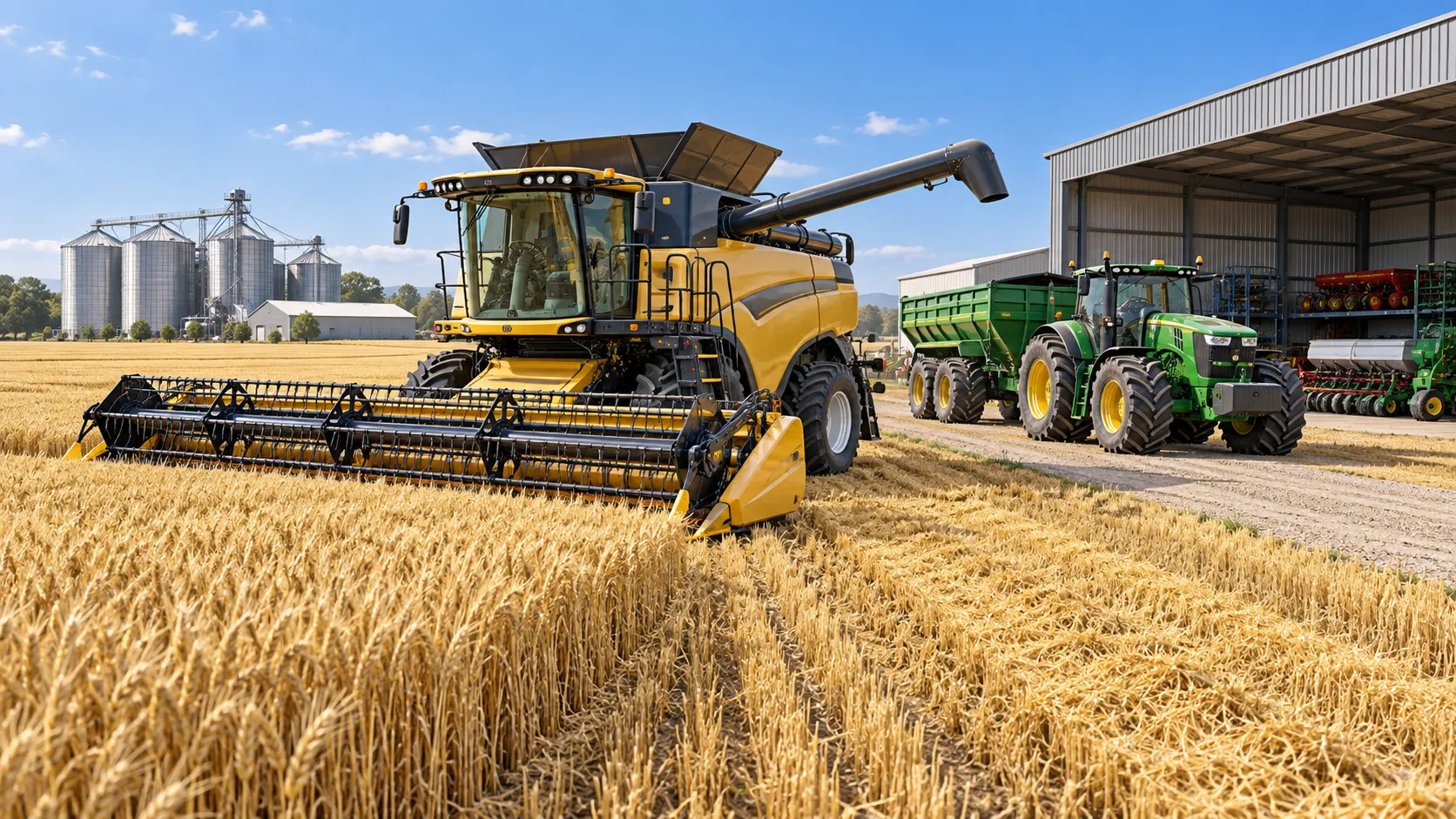
When Does Agricultural Machinery Leasing Cost Less Than Owning Equipment?
Agricultural machinery leasing can lower farm costs when use is seasonal or uncertain. Compare utilization, maintenance, cash flow, and risk to make a smarter equipment decision.
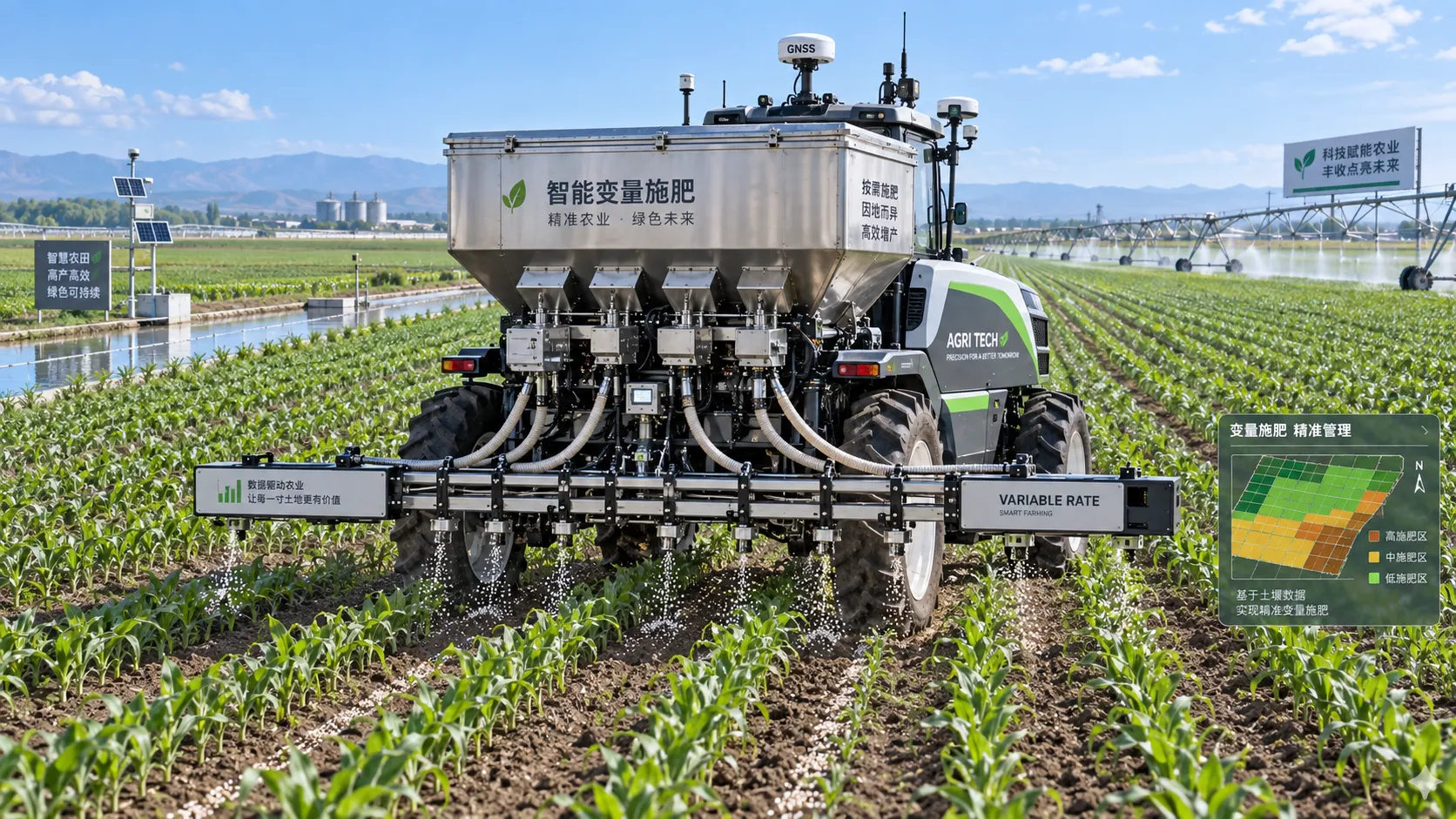
How to Evaluate Precision Fertilization System Suppliers for Farm-Scale Deployment
Precision fertilization systems suppliers: learn how to compare accuracy, integration, uptime, service, and total cost for confident farm-scale deployment.
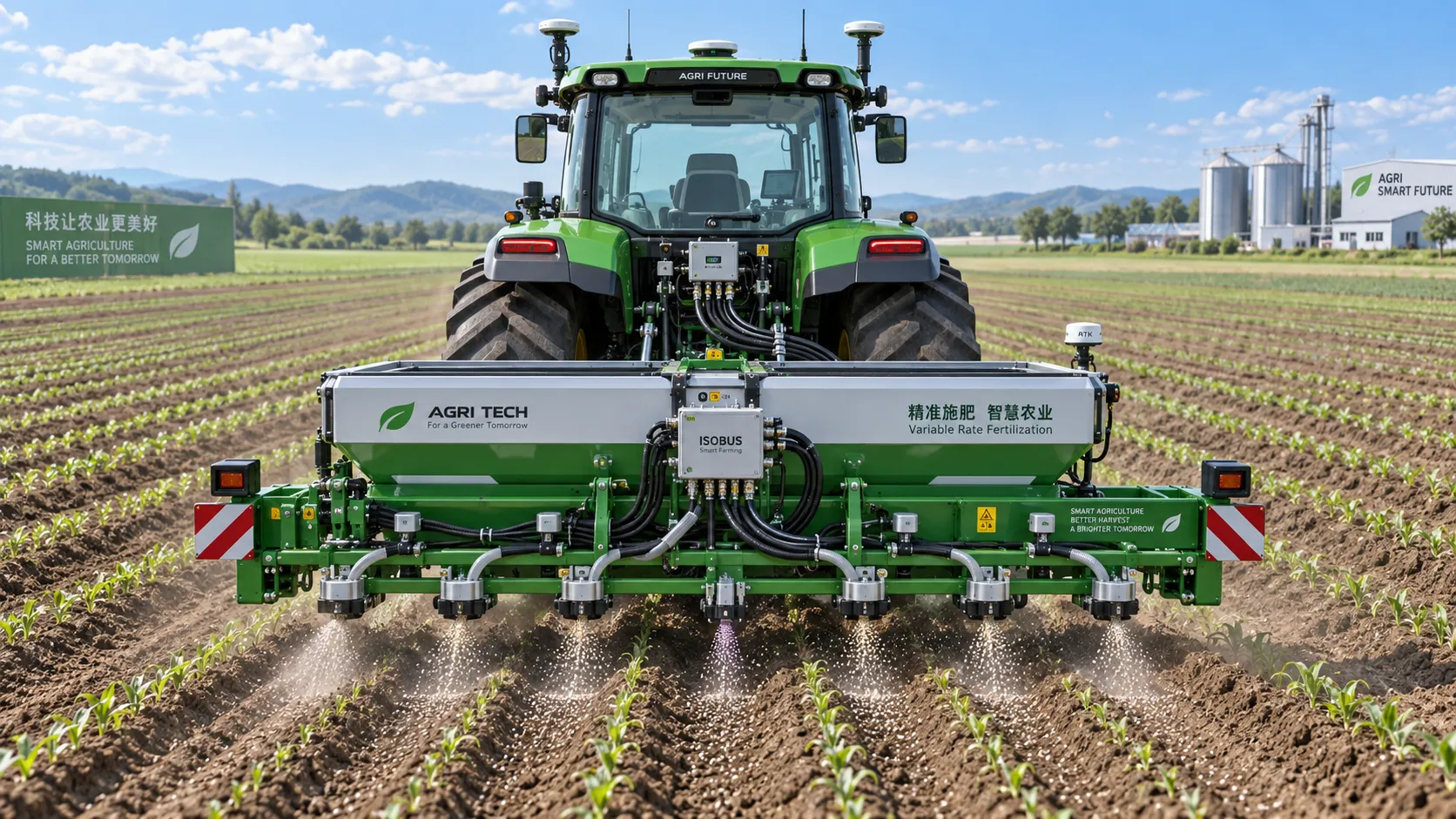
ISOBUS for Smart Agriculture: How It Connects Tractors, Implements, and Farm Data
ISOBUS for smart agriculture connects tractors, implements, terminals, and farm data—helping growers improve precision, documentation, and smarter field decisions.
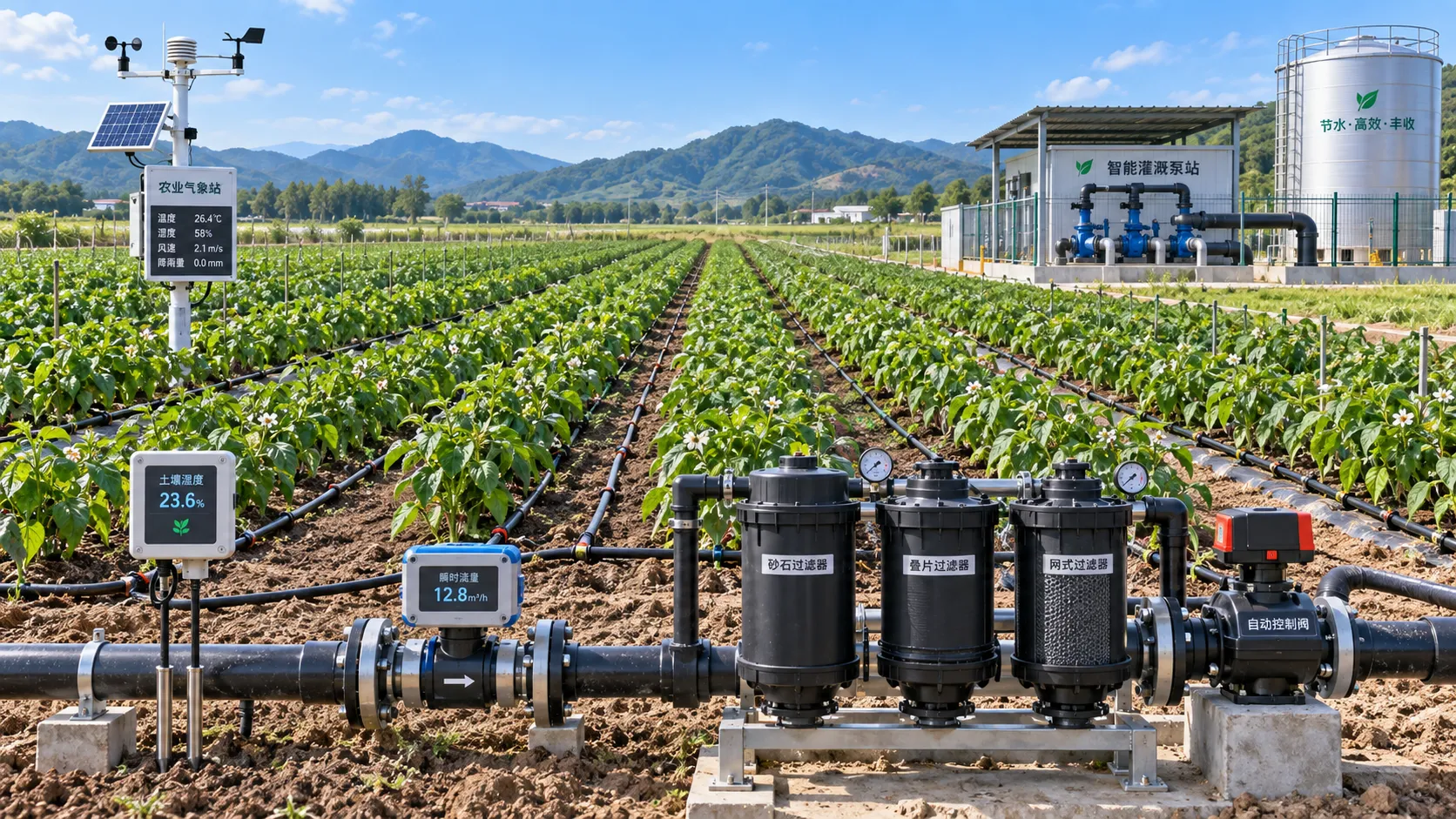
Automated Water-Saving Irrigation: How to Cut Water Use Without Reducing Crop Yields
Automated water-saving irrigation helps farms cut water use, protect crop yields, improve scheduling, and gain reliable control with sensors, flow monitoring, and smart zones.
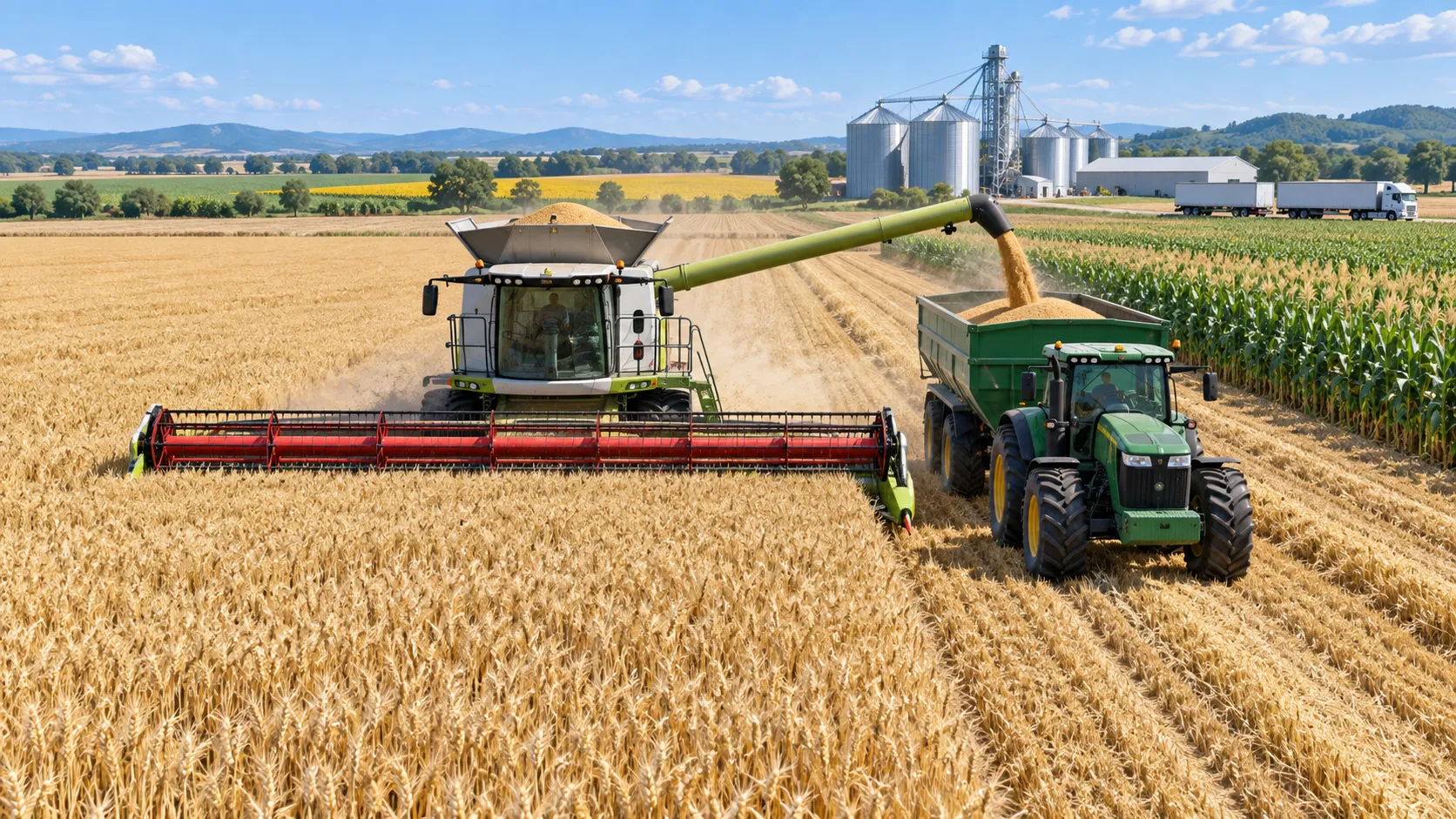
Selecting Grain Farm Equipment by Acreage, Crop Mix, and Harvest Window
Agricultural equipment selection for grain farming: match machinery to acreage, crop mix, and harvest windows to improve uptime, efficiency, and returns.
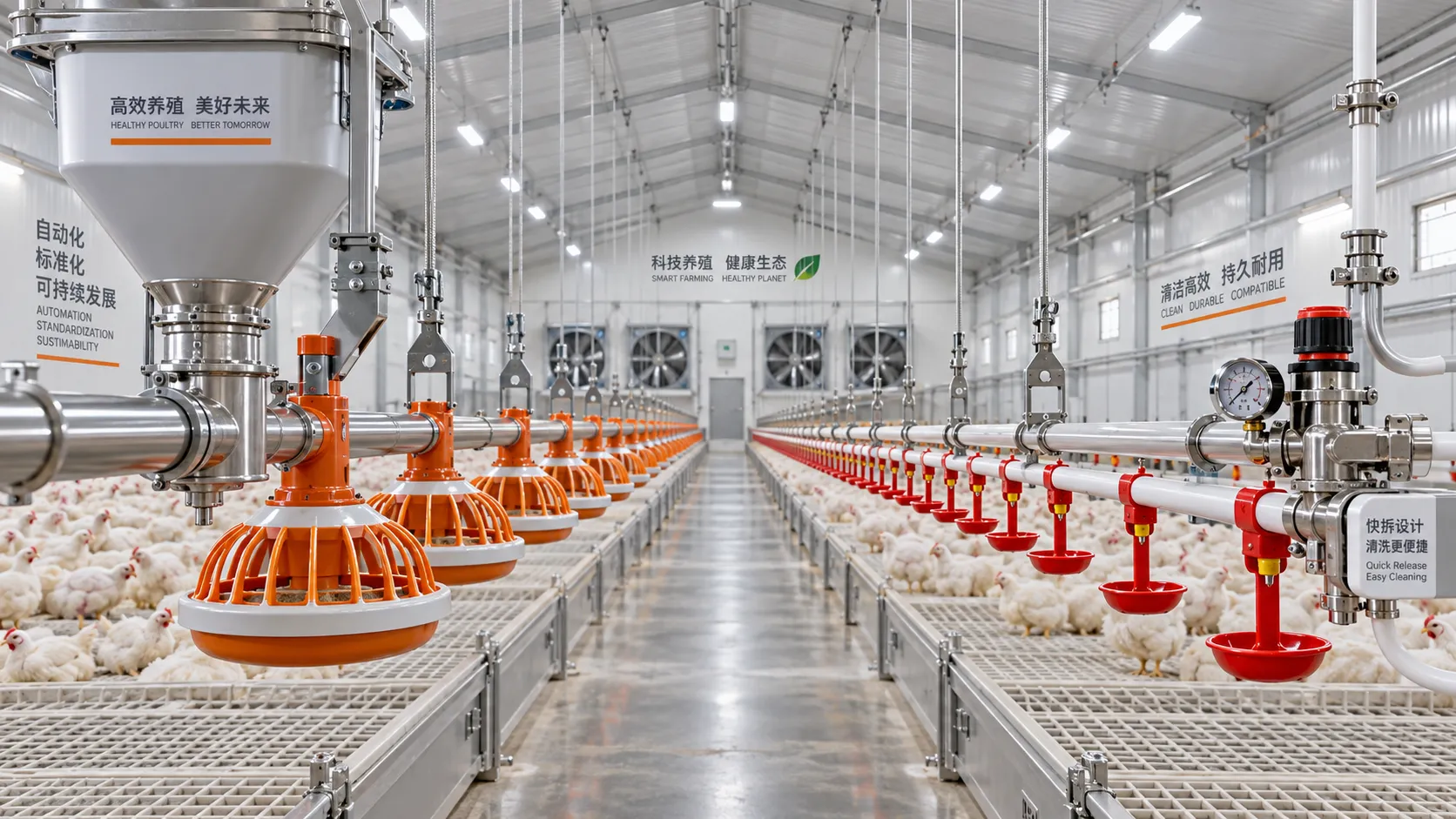
Poultry Equipment Selection: Evaluating Durability, Cleaning, and Compatibility
Poultry equipments selection guide: evaluate durability, cleaning access, and system compatibility to improve hygiene, reduce downtime, and support efficient flock management.
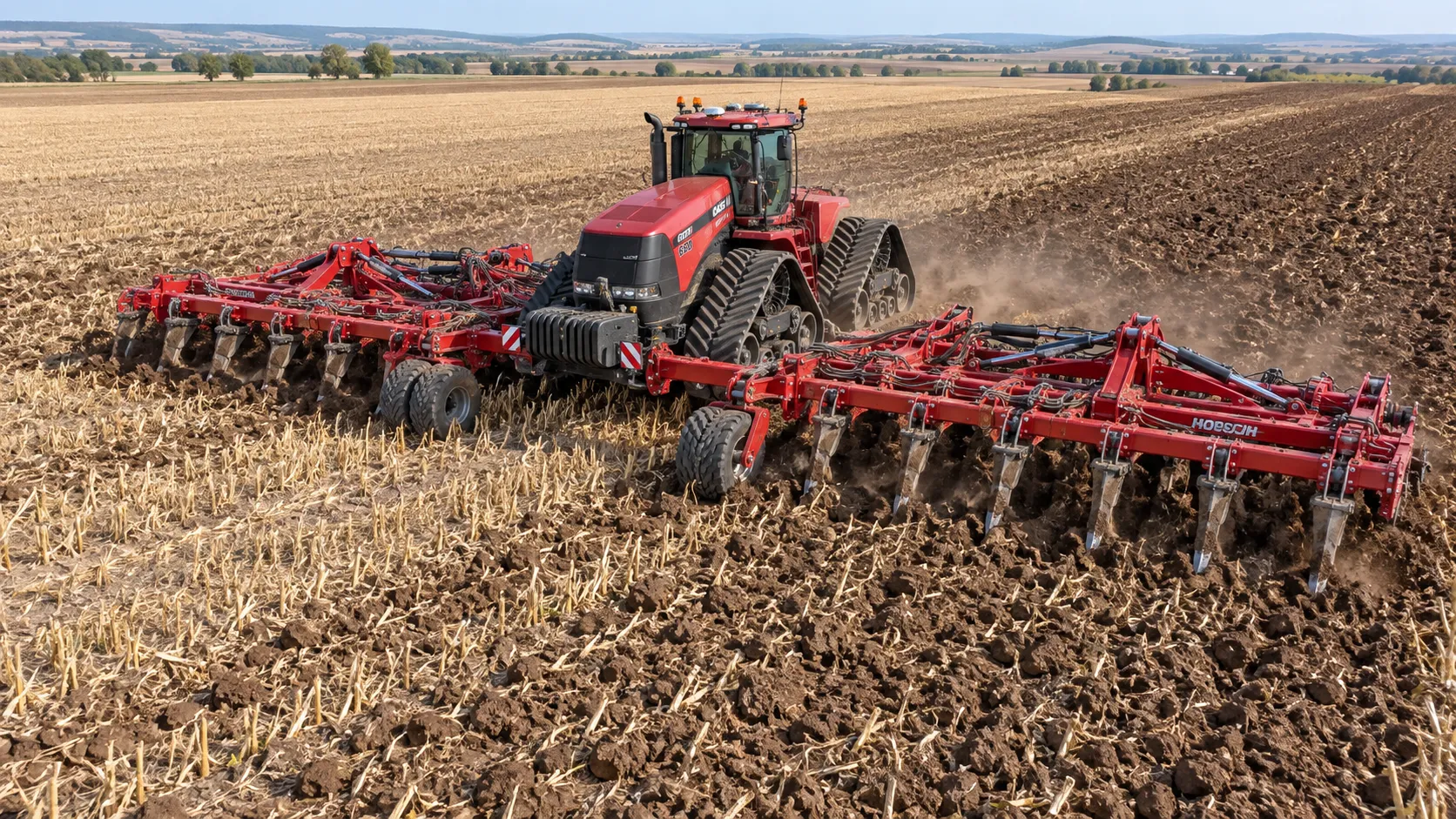
How to Select Heavy-Duty Farm Implements for High-Acreage, High-Horsepower Operations
Heavy duty farm implements: learn how to match draft, hydraulics, hitch capacity, frame strength, and field conditions for reliable high-acreage performance.
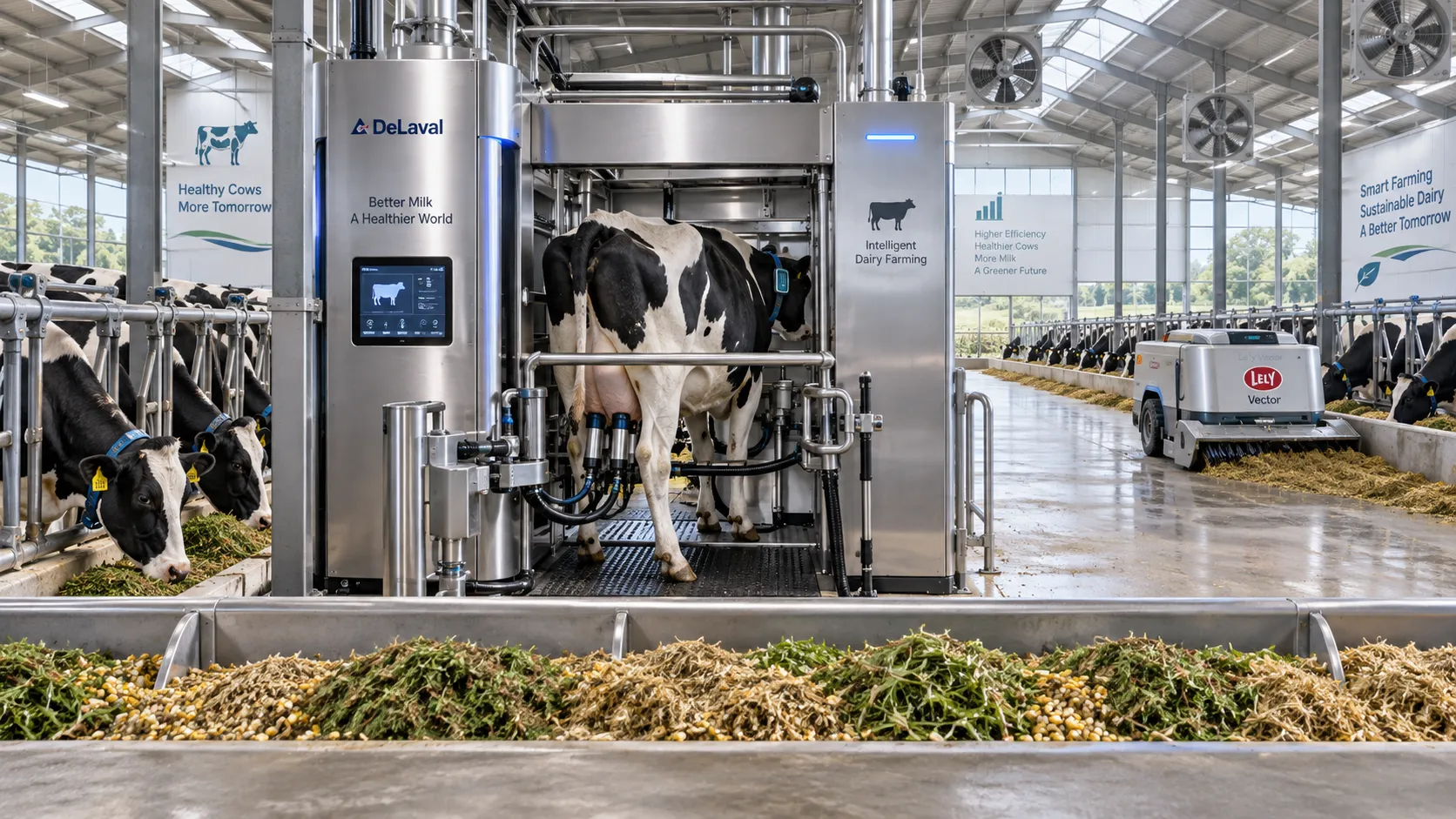
Smart Farming Technology for Dairy Farms: Where Automation Delivers Measurable ROI
Smart farming technology for dairy farms delivers measurable ROI through automation, precision feeding, health monitoring, and data-driven cost control.
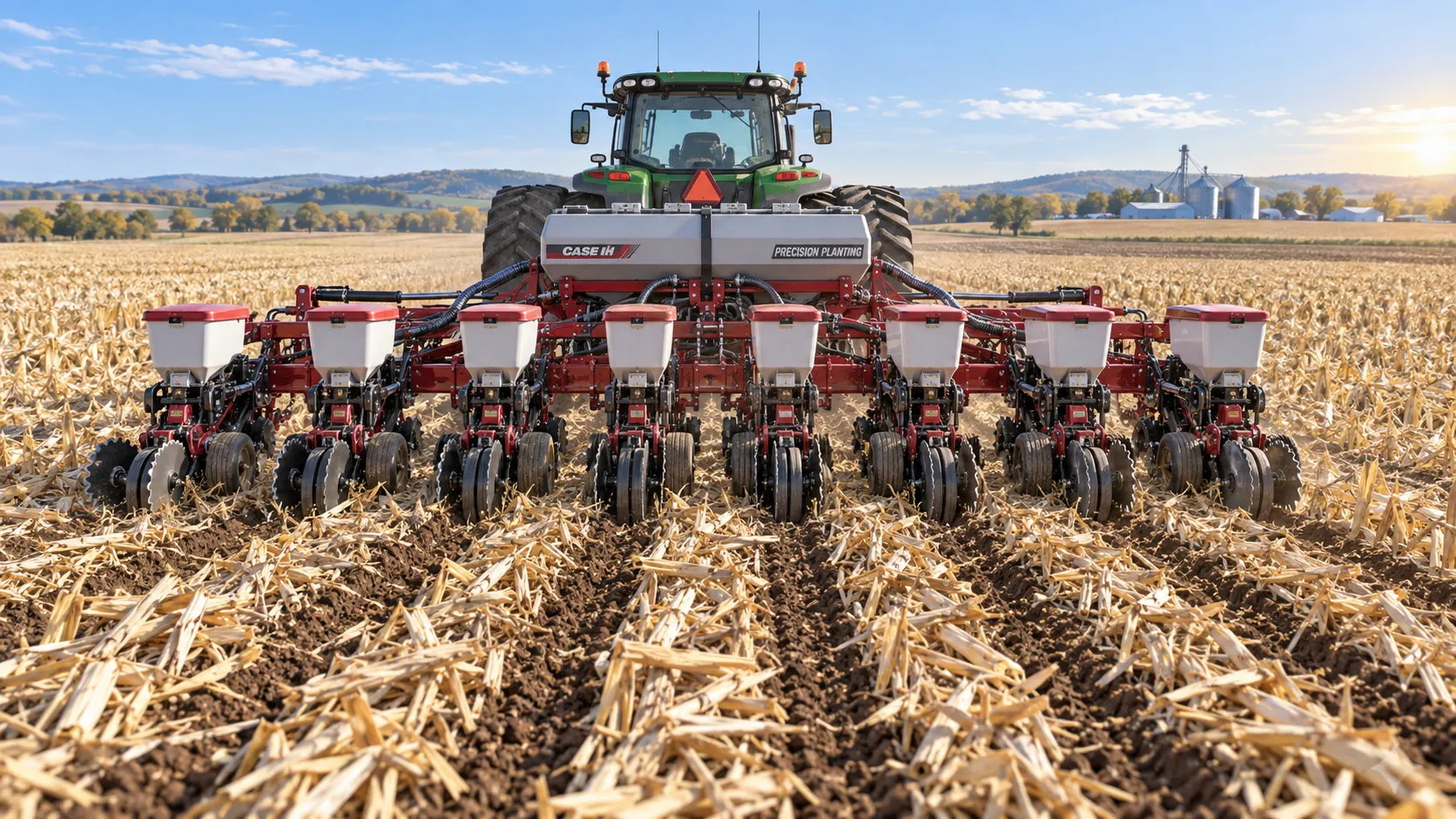
How to Select a Heavy-Duty Seeder for Large Acreage and High-Residue Fields
Heavy duty seeders for large acreage: compare residue handling, depth control, downforce, metering accuracy, and precision features to select the right model.
Related News
- 00
0000-00
What separates robotic automation providers for equipment production? - 00
0000-00
Which field data collection provider fits an agricultural robotics program? - 00
0000-00
How Autonomous Machinery for Crop Scouting Helps Growers Detect Field Issues Earlier - 00
0000-00
How to Evaluate Autonomous Machinery for Vineyards by Terrain, Tasks, and ROI - 00
0000-00
Brazil ANVISA Rule Requires Portuguese Risk Labels for Farm Robots
Popular Tags
Tractor Power Architect
Weekly Insights
Stay ahead with our curated technology reports delivered every Monday.