
Crop Harvesting Solutions That Reduce Grain Loss in the Field
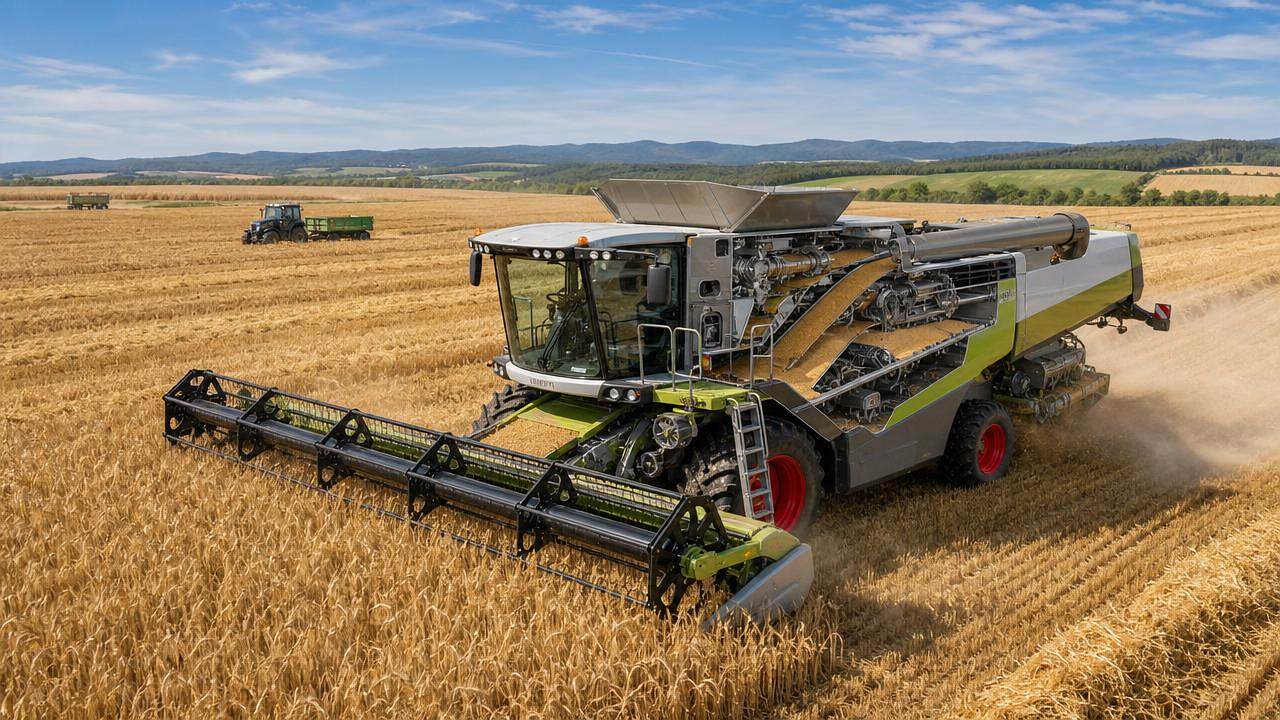




For quality control and safety managers, effective crop harvesting solutions are now a strategic requirement, not only an operational detail.
Across large-scale farming, grain loss in the field increasingly reflects equipment setup, data visibility, weather volatility, and labor coordination.
Well-designed crop harvesting solutions help retain yield, stabilize output quality, lower safety exposure, and support more predictable harvesting windows.
As Agriculture 4.0 expands, harvesting performance is judged by more than speed. It is judged by measurable loss control, machine intelligence, and sustainable resource use.
Field loss is becoming a visible performance indicator
In many regions, harvest efficiency is shifting from simple throughput targets toward total yield retention and operational accountability.
This shift matters because hidden losses often accumulate before grain reaches storage. Header shatter, rotor imbalance, cleaning overload, and delayed timing all reduce final returns.
Modern crop harvesting solutions therefore focus on the entire field system, not just the combine harvester itself.
The strongest programs link machine settings, crop condition assessment, operator consistency, and real-time monitoring into one control framework.
This broader view is especially relevant in wheat, corn, soybean, barley, and rice operations where moisture variability changes loss risk hour by hour.
Several trend signals are reshaping crop harvesting solutions
Three signals appear repeatedly across large farms and equipment intelligence platforms.
- Harvest windows are shorter because weather swings are sharper and less predictable.
- Operators are expected to manage more data, more machine modes, and more safety checks.
- Grain value pressure makes every percentage point of field loss financially visible.
These signals push farms toward crop harvesting solutions that combine mechanical precision with decision support.
The result is a move away from reactive adjustments and toward predictive harvest management.
Why the market is prioritizing lower-loss harvesting systems
The rise of advanced crop harvesting solutions is driven by practical field pressures, not only by technology availability.
This is why crop harvesting solutions now sit at the intersection of agronomy, machinery performance, and risk governance.
Mechanical setup remains the first line of grain loss prevention
Despite rapid digitalization, poor physical setup still causes many avoidable harvest losses.
Header performance decides early retention
Cutting height, reel speed, auger feed, and knife sharpness directly affect shatter loss and crop intake consistency.
Effective crop harvesting solutions begin by matching header settings to plant height, lodging level, and stand uniformity.
Threshing balance prevents kernel damage and escape
Excess rotor speed may crack grain. Insufficient action leaves heads unthreshed. Both conditions reduce marketable output.
Cylinder clearance, rotor load, and feed rate must be treated as linked variables, not isolated numbers.
Cleaning settings often determine hidden loss
Fan speed, sieve opening, and tailings return require continuous review as residue volume changes throughout the day.
Among all crop harvesting solutions, cleaning optimization usually offers the fastest gains in loss reduction.
Digital monitoring is turning crop harvesting solutions into closed-loop systems
The most important shift is not simply adding sensors. It is using sensor data to trigger better decisions quickly.
Modern crop harvesting solutions increasingly integrate loss monitors, yield maps, engine load data, moisture sensing, and telematics dashboards.
This creates a closed loop between field condition, machine response, and operator action.
- Loss spikes can be linked to a specific field zone or crop density change.
- Fuel use can be compared with actual yield retention, not only acres covered.
- Maintenance warnings can be scheduled before quality drifts become severe.
- Shift-to-shift performance can be benchmarked using consistent indicators.
For AP-Strategy observers, this reflects a broader Agriculture 4.0 pattern where machine intelligence supports field-level accountability.
The impact reaches beyond the combine itself
Lower-loss crop harvesting solutions influence multiple business links at the same time.
First, they improve inventory reliability. When field loss falls, production forecasts and storage planning become more accurate.
Second, they strengthen safety performance. Better monitoring reduces rushed adjustments, blocked material handling, and exposure during manual inspection.
Third, they support sustainability reporting. Every ton saved reduces wasted seed, fertilizer, fuel, labor, and water embedded in the crop.
These impacts explain why crop harvesting solutions are increasingly evaluated as whole-operation assets.
The priority is shifting from machine ownership to harvest control capability
A large machine does not guarantee a low-loss harvest. Control capability matters more than nominal capacity.
That capability includes setup discipline, sensor trust, response speed, and the ability to standardize best practices across crews.
High-value crop harvesting solutions therefore include both hardware quality and operational intelligence.
- Pre-harvest calibration routines
- Field entry moisture assessment
- Real-time loss threshold alerts
- Safe cleanout and inspection procedures
- Post-shift performance review records
Key focus areas deserve attention before the next harvest cycle
Several checkpoints can improve the value of crop harvesting solutions without waiting for full fleet replacement.
- Audit current loss points by crop type, field condition, and machine stage.
- Define acceptable loss thresholds for header, threshing, and cleaning zones.
- Review operator guidance tools and simplify critical setup decisions.
- Verify sensor accuracy before peak season begins.
- Integrate safety checks into harvest startup and maintenance routines.
- Compare yield retention against fuel, downtime, and grain quality outcomes.
These steps make crop harvesting solutions measurable and easier to improve year after year.
A practical response framework can reduce uncertainty
The next step is building crop harvesting solutions around evidence
The strongest harvest programs no longer rely on assumptions about performance. They rely on evidence from the field.
That means tracking where losses occur, why settings drift, and which operating patterns actually improve yield retention.
Crop harvesting solutions deliver the greatest value when they connect mechanical setup, digital insight, safety discipline, and continuous review.
For organizations following global mechanization trends, this is the path toward lower grain loss, stronger field resilience, and more dependable harvest outcomes.
A useful next move is to benchmark one harvest cycle, identify the three largest loss drivers, and align future crop harvesting solutions with those findings.
Related News
When Does Agricultural Machinery Leasing Cost Less Than Owning Equipment?
Agricultural machinery leasing can lower farm costs when use is seasonal or uncertain. Compare utilization, maintenance, cash flow, and risk to make a smarter equipment decision.
How to Evaluate Precision Fertilization System Suppliers for Farm-Scale Deployment
Precision fertilization systems suppliers: learn how to compare accuracy, integration, uptime, service, and total cost for confident farm-scale deployment.
ISOBUS for Smart Agriculture: How It Connects Tractors, Implements, and Farm Data
ISOBUS for smart agriculture connects tractors, implements, terminals, and farm data—helping growers improve precision, documentation, and smarter field decisions.
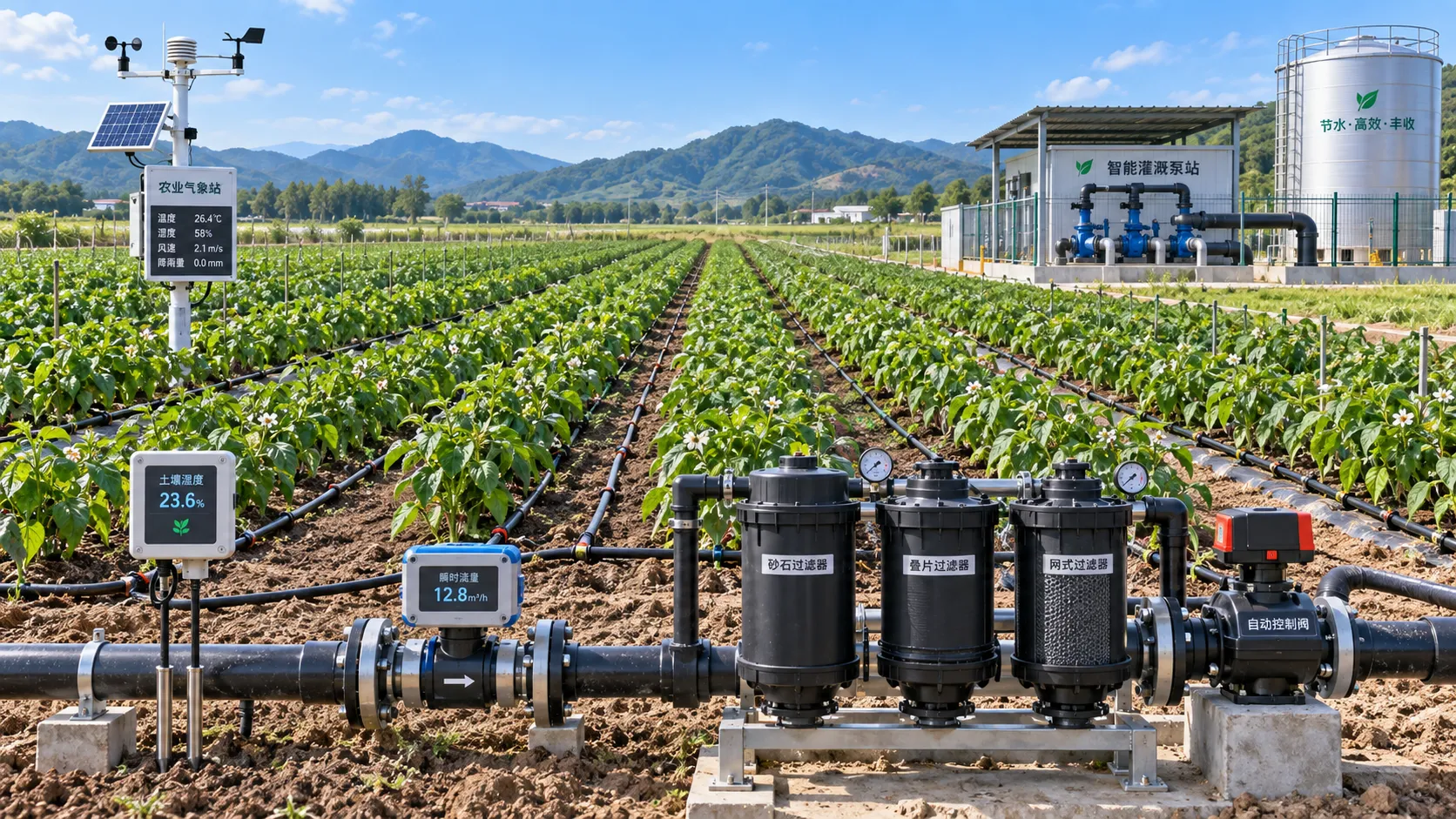
Automated Water-Saving Irrigation: How to Cut Water Use Without Reducing Crop Yields
Automated water-saving irrigation helps farms cut water use, protect crop yields, improve scheduling, and gain reliable control with sensors, flow monitoring, and smart zones.
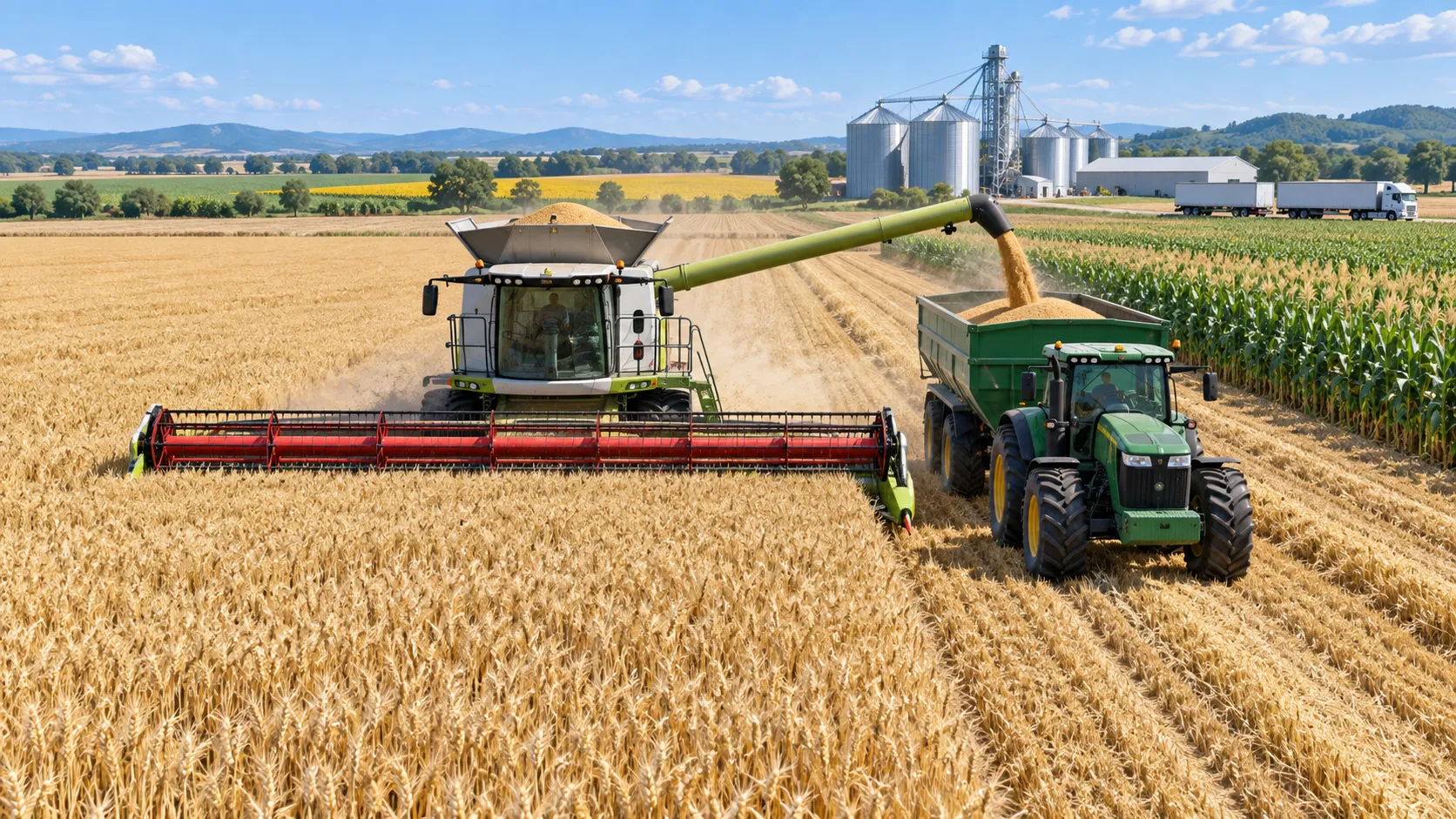
Selecting Grain Farm Equipment by Acreage, Crop Mix, and Harvest Window
Agricultural equipment selection for grain farming: match machinery to acreage, crop mix, and harvest windows to improve uptime, efficiency, and returns.
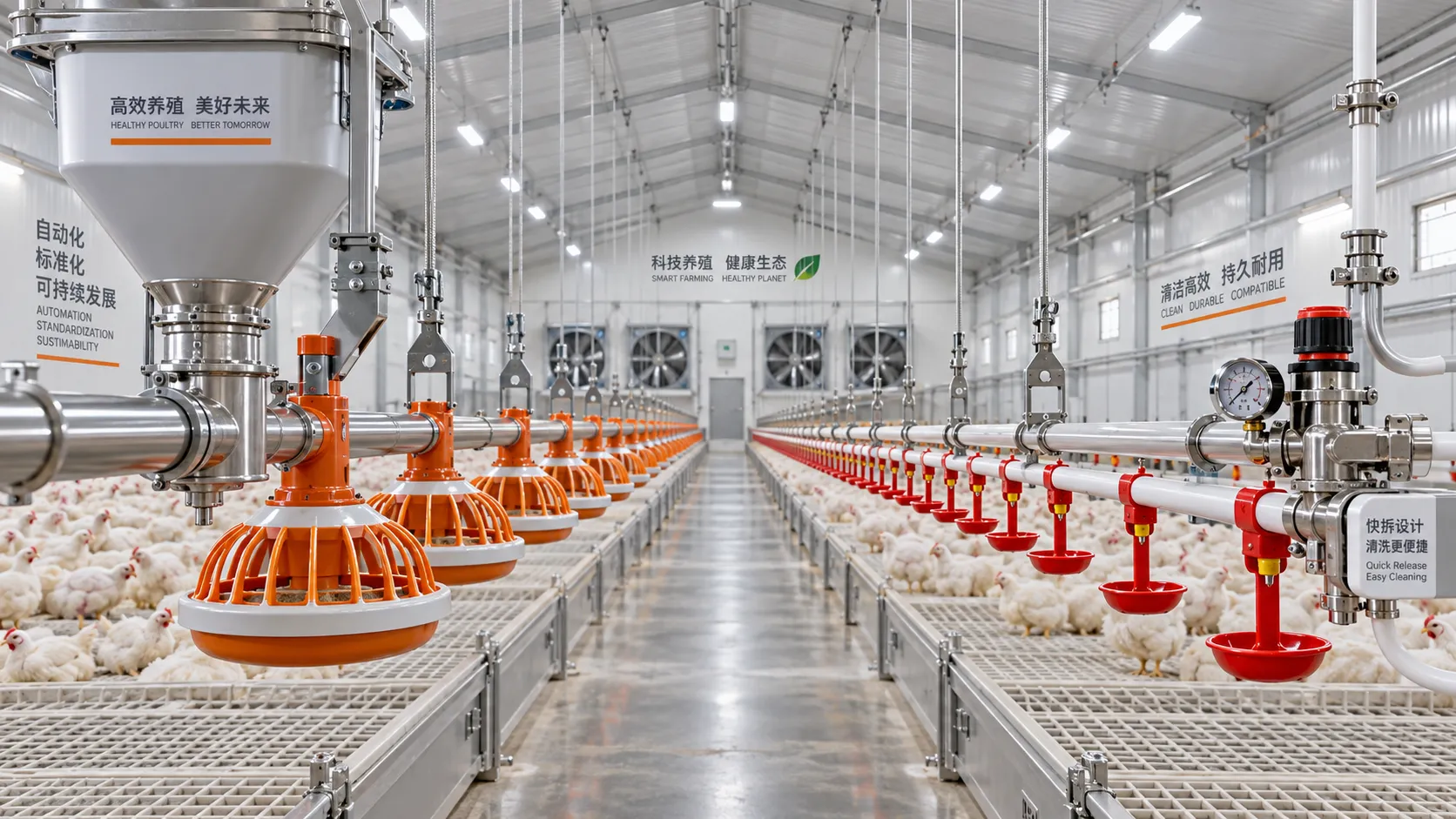
Poultry Equipment Selection: Evaluating Durability, Cleaning, and Compatibility
Poultry equipments selection guide: evaluate durability, cleaning access, and system compatibility to improve hygiene, reduce downtime, and support efficient flock management.
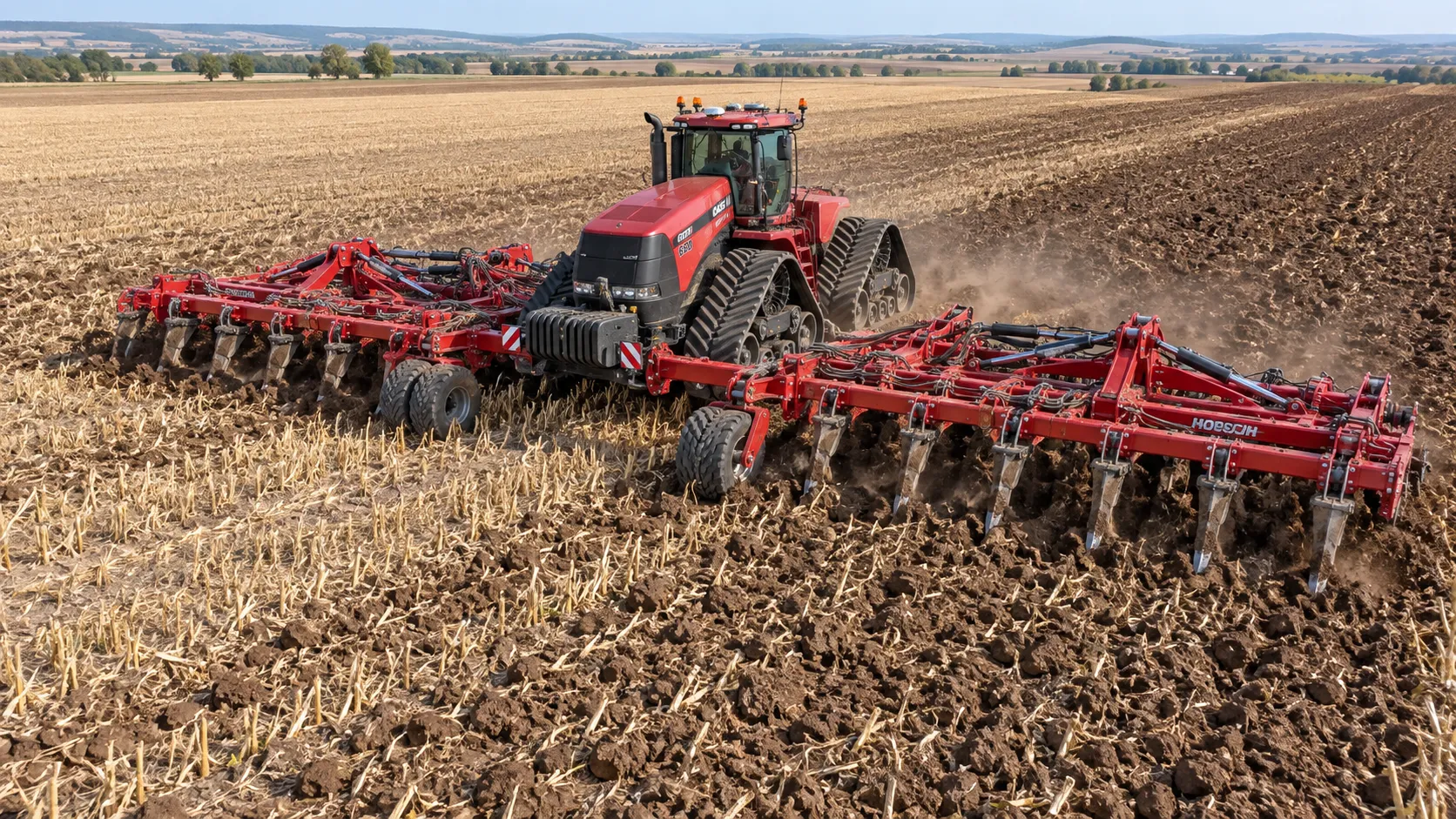
How to Select Heavy-Duty Farm Implements for High-Acreage, High-Horsepower Operations
Heavy duty farm implements: learn how to match draft, hydraulics, hitch capacity, frame strength, and field conditions for reliable high-acreage performance.
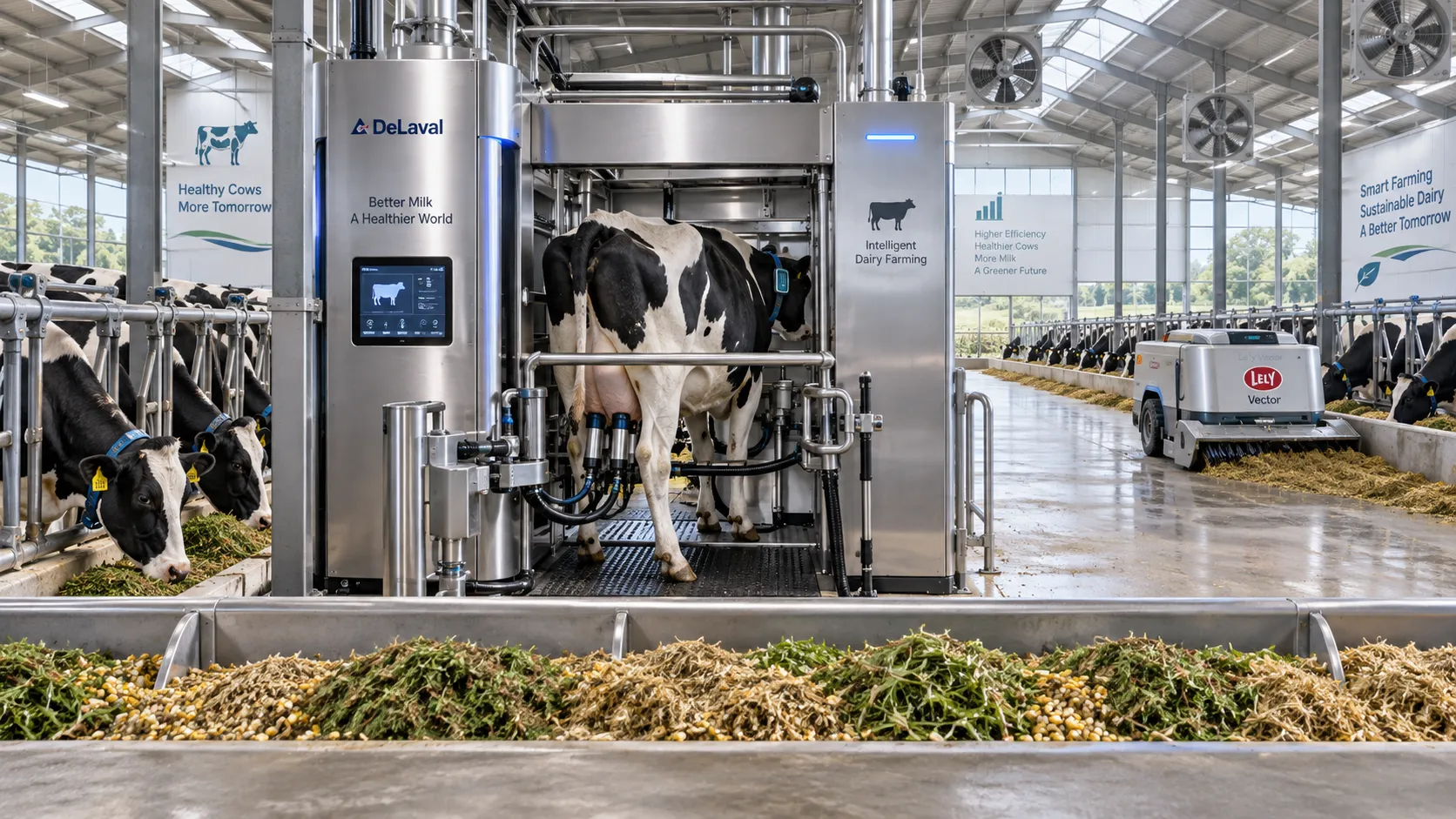
Smart Farming Technology for Dairy Farms: Where Automation Delivers Measurable ROI
Smart farming technology for dairy farms delivers measurable ROI through automation, precision feeding, health monitoring, and data-driven cost control.
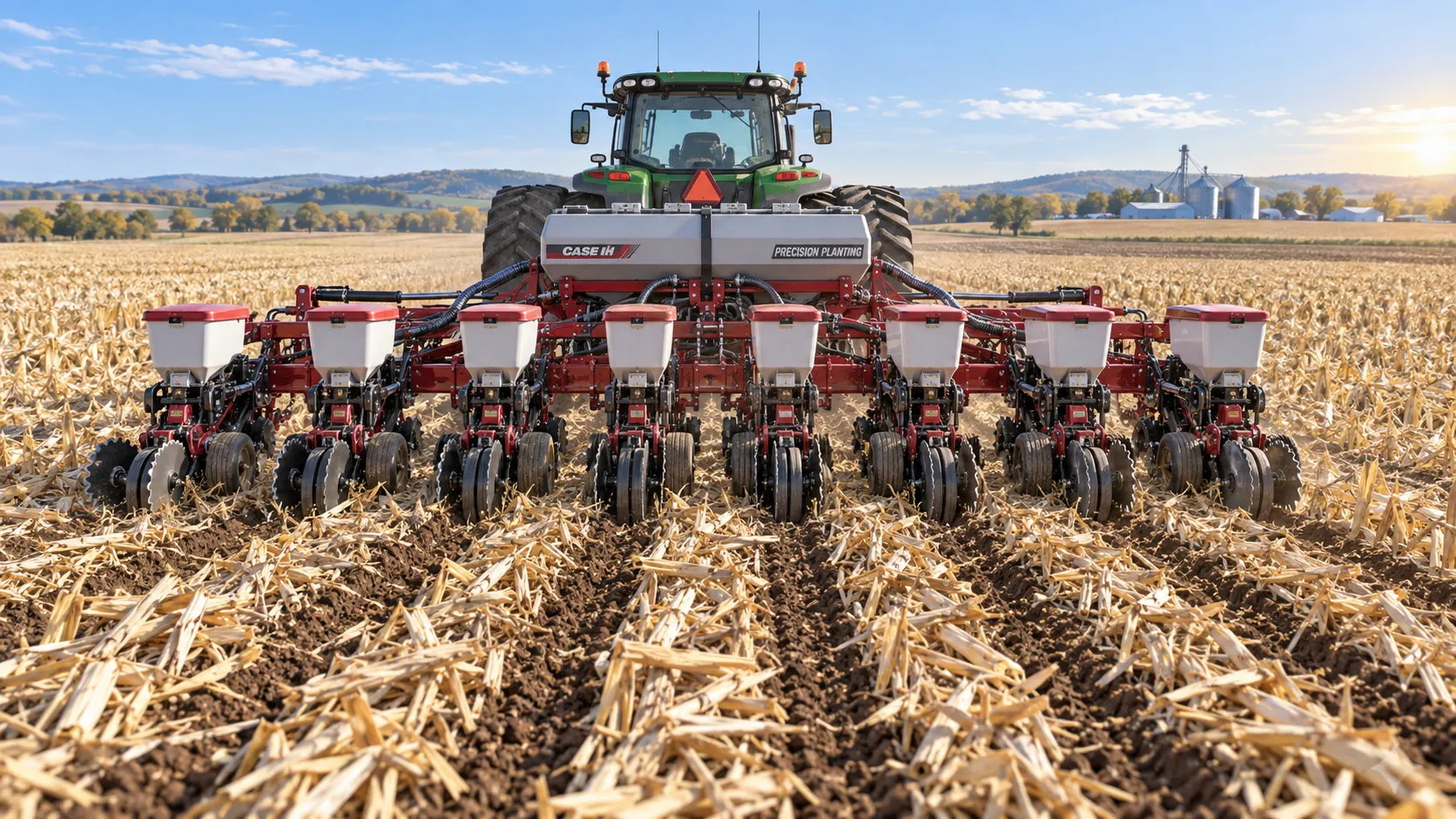
How to Select a Heavy-Duty Seeder for Large Acreage and High-Residue Fields
Heavy duty seeders for large acreage: compare residue handling, depth control, downforce, metering accuracy, and precision features to select the right model.
Related News
- 00
0000-00
What Harvesting Machinery Works Best for Small Grains on Hills? - 00
0000-00
GRIMME Tianjin Signs to Join Changchun Agricultural Machinery Expo Center - 00
0000-00
Vietnam Mandates Vietnamese Energy Labels for Imported Threshing Systems - 00
0000-00
Crop Harvesting Solutions for Wheat: Which System Fits Yield, Moisture, and Field Size? - 00
0000-00
ANVISA Extends Threshing Systems Filing Window
Popular Tags
Harvesting Efficiency Expert
Weekly Insights
Stay ahead with our curated technology reports delivered every Monday.