
What Limits High-Efficiency Harvesting in Wet Season Operations?
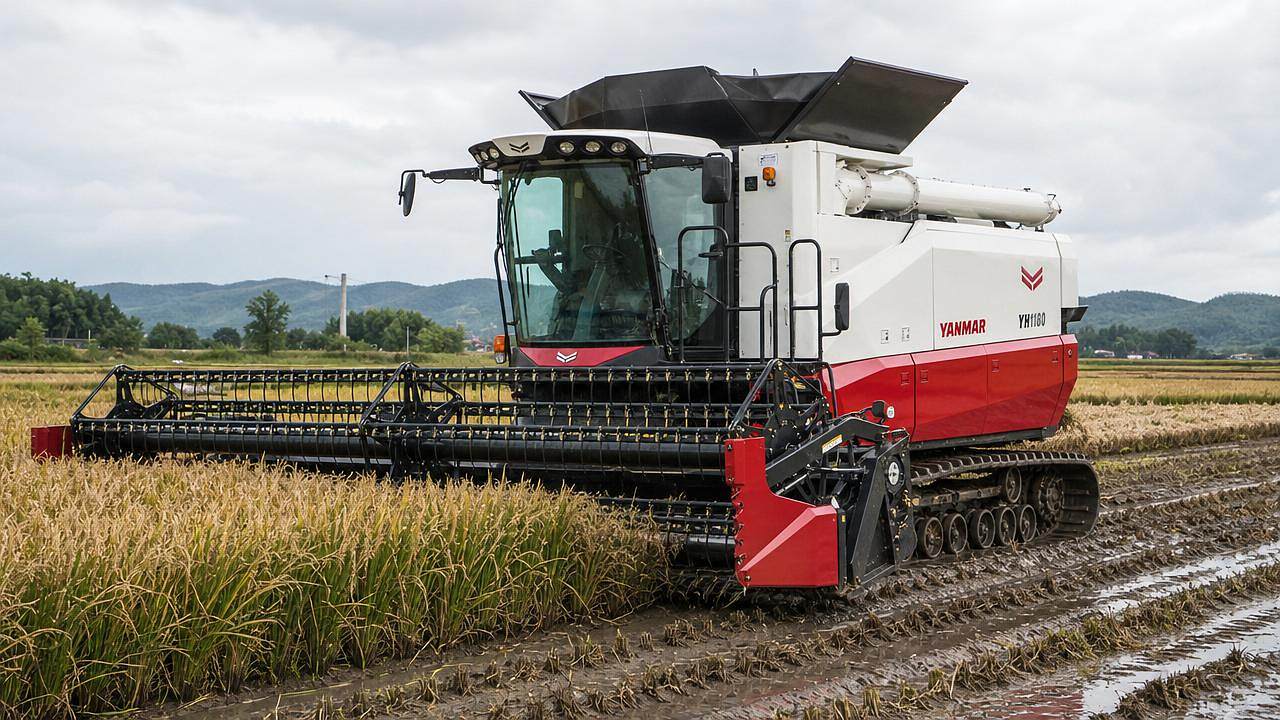




Wet season fieldwork can turn even advanced machines into bottlenecks, raising losses, fuel use, and downtime when operators need speed most. This article explores what really restricts high-efficiency harvesting under muddy, unstable conditions—from traction and crop moisture to threshing balance and cleaning performance—helping users and operators identify practical ways to protect capacity, grain quality, and daily output.
What high-efficiency harvesting means in wet season work
In dry and stable conditions, high-efficiency harvesting usually means moving more hectares per day while keeping grain loss, grain damage, and fuel cost within target levels. In the wet season, however, that definition becomes more demanding. Operators are not only chasing throughput. They are managing a moving balance between machine capacity, soil trafficability, crop condition, unloading logistics, and weather risk.
For users and operators, high-efficiency harvesting in muddy fields is best understood as sustainable output rather than short bursts of speed. A machine may show high feed rates for one hour, yet if it later bogs down, compacts the field, overloads the cleaning shoe, or sends wet grain to storage with quality problems, actual efficiency drops. In other words, wet season productivity is limited by the weakest link in the whole harvesting chain, not by rated engine power alone.
This is why the topic matters across the modern agri-equipment sector. As field windows tighten and rainfall patterns become less predictable, operators need a clearer understanding of what truly controls high-efficiency harvesting. AP-Strategy’s focus on combine harvesting technology, tractor chassis performance, intelligent tools, and field intelligence aligns directly with this challenge: capacity in wet conditions depends on how mechanical systems, crop behavior, and operator decisions interact in real time.
Why the industry pays close attention to wet season limits
Wet season harvesting has become a major operational concern because it exposes hidden limits in the entire harvesting system. Large machines are designed for productivity, but excess moisture changes field physics and crop handling. Tires sink deeper, tracks face higher rolling resistance, residue becomes harder to separate, and grain moisture increases post-harvest handling costs. A field that looked harvest-ready from the road may operate like two different environments in the same day due to drainage variation, shaded areas, and localized rainfall.
The economic impact is also significant. Delays can increase shattering losses, lodging, kernel damage, and drying expenses. Fuel consumption rises when traction is poor and operators repeatedly recover stuck machines. Repair costs climb because wet material places extra stress on belts, chains, bearings, and cleaning components. Even when the combine remains functional, daily output often falls because trailers cannot approach safely, unloading cycles slow down, or operators reduce travel speed to protect soil structure.
From a food security and farm management perspective, the issue is not only about one machine finishing one field. Wet season inefficiency can affect labor planning, transport scheduling, grain quality segregation, and even next-crop establishment. That is why high-efficiency harvesting in wet conditions is no longer just a machine topic. It is an operational intelligence topic involving agronomy, logistics, and equipment setup.
The main limits that reduce harvesting efficiency in wet fields
Several constraints usually work together, and operators often feel them before they can clearly identify them. The first is traction. When the ground loses bearing strength, wheel slip increases, rutting deepens, and travel speed becomes unstable. The combine may still have engine power, but power cannot be translated into forward motion. This reduces header utilization and causes uneven feeding, especially in lodged or patchy crops.
The second limit is crop moisture. Wet straw and damp grain increase resistance inside the feeder, threshing area, and separation system. Material becomes tougher, less brittle, and harder to process cleanly. This often forces operators to lower ground speed or accept higher grain loss. Wet biomass can also wrap around moving parts, leading to stoppages that quickly erase any gains from aggressive settings.
A third limit is threshing and separation balance. In challenging moisture conditions, the machine needs enough threshing action to detach grain, but not so much that it cracks kernels or overloads the cleaning system with fine material. If the rotor or drum setup is too aggressive, grain quality declines. If it is too gentle, unthreshed heads and separation loss increase. Achieving high-efficiency harvesting means finding a narrower operating window than in dry conditions.
The fourth limit is cleaning performance. Cleaning shoes and fans depend on stable material flow and proper air distribution. Wet grain, green material, and uneven feed create a heavier, less uniform mat. That reduces separation efficiency and can lead to dirty samples, grain blowout, or tailings overload. Many operators think throughput loss starts at the header, but in wet season work the cleaning system is often the first major bottleneck.
The fifth limit is unloading and support logistics. A combine cannot maintain high-efficiency harvesting if grain carts, trucks, or field roads cannot keep pace. In many wet season scenarios, field access becomes the hidden constraint. Operators may harvest in short patterns near firm headlands, pause to unload at safer points, or wait for support units. That reduces effective field capacity even when machine systems are performing acceptably.
Operational overview of the most common bottlenecks
How different machine zones behave under wet season stress
The header is the first place where high-efficiency harvesting can fail. In wet crops, cutting quality often declines because stems bend instead of snapping cleanly, lodged plants feed unevenly, and mud contamination rises at low cutting heights. Reel speed, fore-aft position, and knife condition become more important than many operators expect. A poor header setup sends irregular slugs into the feeder, and every downstream system must then compensate.
The feeder and threshing section face a different kind of pressure. Wet, heavy material demands smooth and continuous intake. Sudden feed surges reduce consistency and make setting decisions harder. Operators may be tempted to increase aggressiveness to avoid unthreshed grain, but that can raise power draw and breakage. The better approach is usually a coordinated adjustment of feed rate, threshing clearance, and rotor or drum speed, based on field-specific crop behavior.
The separation and cleaning area often becomes the decisive limit. When material is damp, the machine has less tolerance for overfeeding. Cleaning losses may jump quickly after a threshold is crossed. This is one reason advanced monitoring matters. Loss sensors, grain quality checks, and operator observation should be used together. A screen may show acceptable engine load while the cleaning shoe is already near saturation.
Finally, the chassis and running gear determine whether field performance can be sustained. Tire inflation, track configuration, axle load, and weight distribution influence flotation and stability. In wet season work, the combine is not just processing crop; it is constantly negotiating soil failure risk. Machines with strong mechanical processing capacity still underperform if undercarriage decisions are wrong for local field conditions.
Who gains the most from understanding these limits
The value of understanding high-efficiency harvesting limits is practical for multiple users, but especially for operators. They make the day-to-day choices that determine whether a machine works with the field or against it. Better understanding supports smarter speed control, cleaner setup changes, and more consistent harvesting windows.
Practical steps to protect high-efficiency harvesting performance
The first practical step is to separate “can enter the field” from “can harvest efficiently.” Many delays happen because entry decisions are based only on surface appearance. Operators should assess rut risk, turning zones, unloading access, and soft pockets before starting. A slower but stable route pattern often outperforms an aggressive entry that leads to extraction downtime later.
Second, adjust expectations by crop zone rather than by field average. Wet season conditions are rarely uniform. Low areas, shaded strips, and headlands may require different speeds and different cleaning tolerance. Maintaining high-efficiency harvesting means being willing to harvest at variable pace while protecting grain loss thresholds and machine flow consistency.
Third, tune the machine as a system, not as isolated components. If operators change fan speed without considering sieve load, or increase rotor speed without considering sample quality, results often become unstable. Good setup practice starts with header feeding, then threshing, then separation, and finally cleaning verification. Every change should be checked against actual grain loss and grain tank sample quality.
Fourth, reduce avoidable traffic stress. Correct tire pressure, track use where suitable, controlled unloading points, and disciplined support vehicle movement can preserve field mobility. In many wet operations, high-efficiency harvesting depends as much on where machines travel as on how fast they process crop.
Fifth, use field intelligence and operator feedback loops. Moisture maps, yield variability, weather alerts, and machine telemetry help identify when throughput should be pushed and when it should be protected. AP-Strategy’s broader Agriculture 4.0 perspective is relevant here: intelligent decisions create mechanical efficiency. Data does not replace operator judgment, but it sharpens it.
Common warning signs that capacity is being lost
Operators should watch for a few repeat signals. Frequent steering corrections and visible rut deepening usually indicate traction limits before outright bogging occurs. A sudden rise in tailings, a dirtier grain sample, or material buildup near the cleaning area often shows that the machine has passed its wet-condition capacity threshold. Repeated feeder surges, hard unloading access, or longer-than-normal turnaround time point to system-level inefficiency, not just machine setup problems.
Another warning sign is inconsistent performance between morning, midday, and evening. Wet season harvesting is highly sensitive to hourly moisture changes. If the combine behaves differently without any mechanical fault, the crop environment has changed. Skilled operators treat this as normal and make measured adjustments instead of chasing one fixed setting all day.
A realistic path forward for operators and farm teams
There is no single feature that guarantees high-efficiency harvesting in wet conditions. More horsepower helps only when the soil can carry it. Larger headers help only when feeding remains uniform. Smarter sensors help only when teams act on the information. Real improvement comes from combining machine setup discipline, traffic planning, moisture awareness, and realistic field scheduling.
For users and operators, the most effective strategy is to view wet season harvesting as a controlled capacity management task. Start with ground conditions, confirm crop moisture behavior, tune the machine in sequence, and protect unloading flow. That approach reduces emergency reactions and supports stronger daily output. In a season where every weather window matters, protecting high-efficiency harvesting is less about chasing maximum speed and more about sustaining clean, reliable, low-loss performance across the full operating day.
If your team wants better results in unstable field conditions, focus first on the limits that quietly cut performance: traction, moisture, cleaning load, and logistics. Once those are visible and measurable, improvement becomes practical. That is the foundation of dependable wet season harvesting and the clearest route to preserving grain quality, machine uptime, and operational confidence.
Related News
When Does Agricultural Machinery Leasing Cost Less Than Owning Equipment?
Agricultural machinery leasing can lower farm costs when use is seasonal or uncertain. Compare utilization, maintenance, cash flow, and risk to make a smarter equipment decision.
How to Evaluate Precision Fertilization System Suppliers for Farm-Scale Deployment
Precision fertilization systems suppliers: learn how to compare accuracy, integration, uptime, service, and total cost for confident farm-scale deployment.
ISOBUS for Smart Agriculture: How It Connects Tractors, Implements, and Farm Data
ISOBUS for smart agriculture connects tractors, implements, terminals, and farm data—helping growers improve precision, documentation, and smarter field decisions.
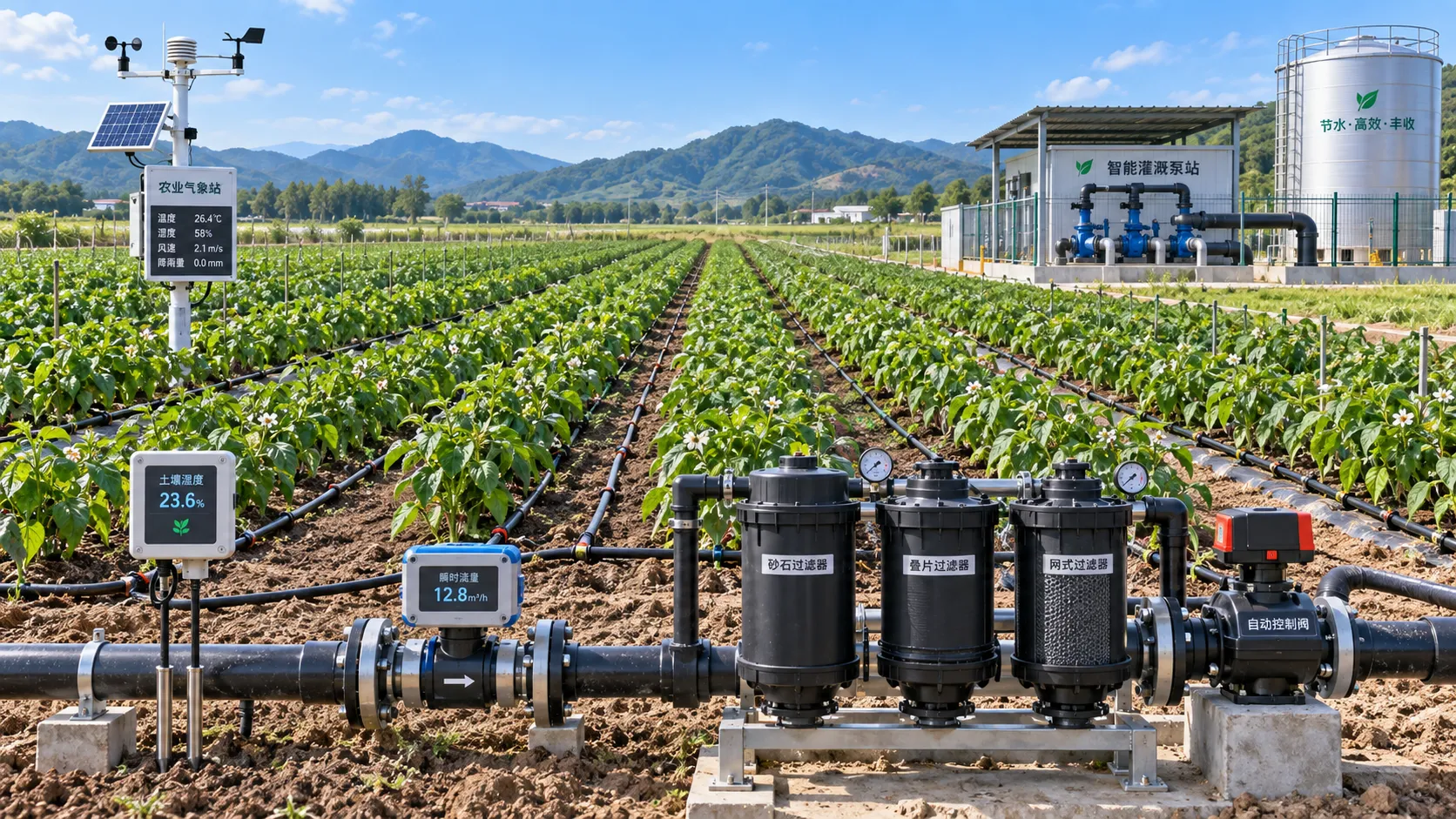
Automated Water-Saving Irrigation: How to Cut Water Use Without Reducing Crop Yields
Automated water-saving irrigation helps farms cut water use, protect crop yields, improve scheduling, and gain reliable control with sensors, flow monitoring, and smart zones.
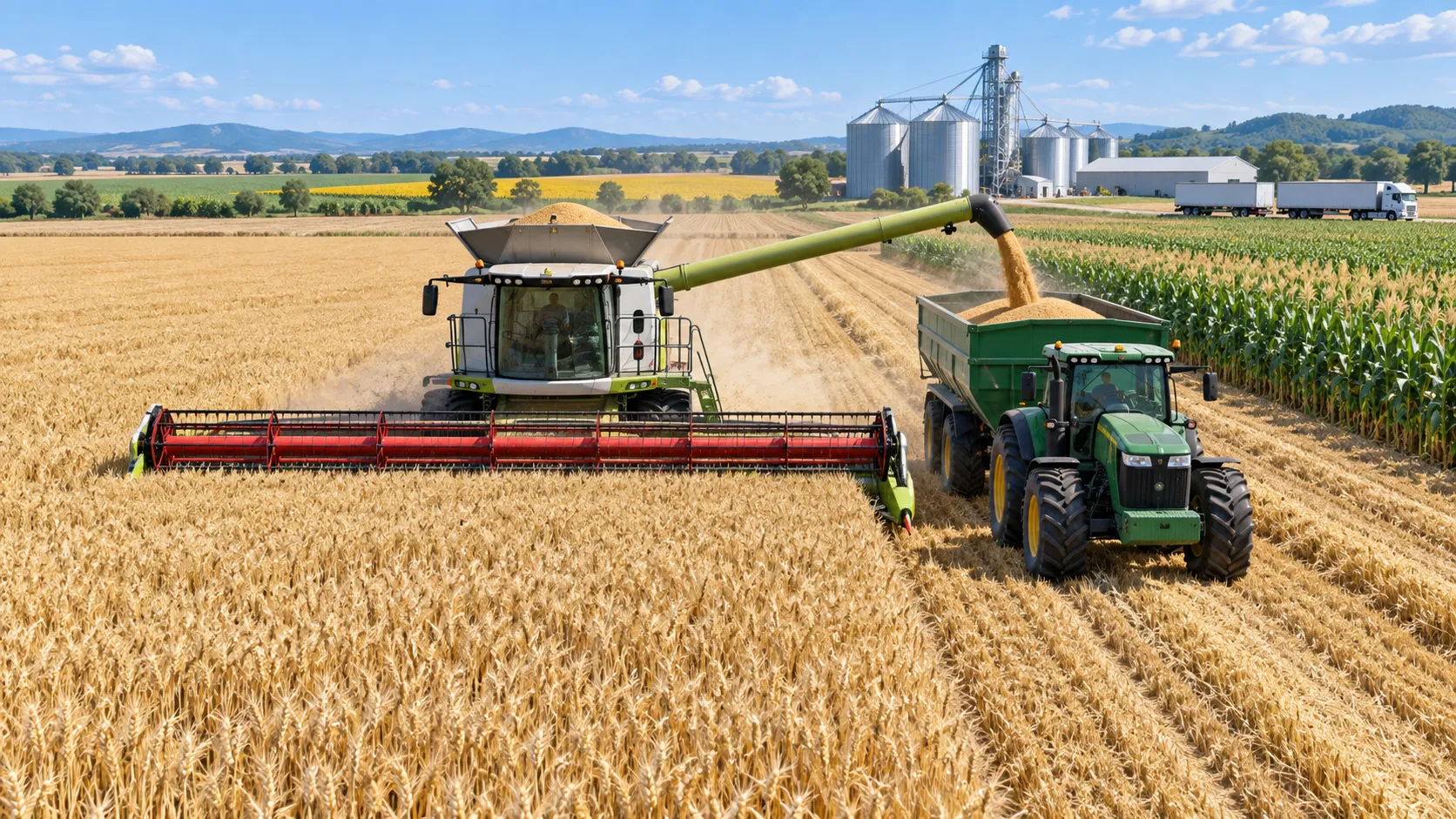
Selecting Grain Farm Equipment by Acreage, Crop Mix, and Harvest Window
Agricultural equipment selection for grain farming: match machinery to acreage, crop mix, and harvest windows to improve uptime, efficiency, and returns.
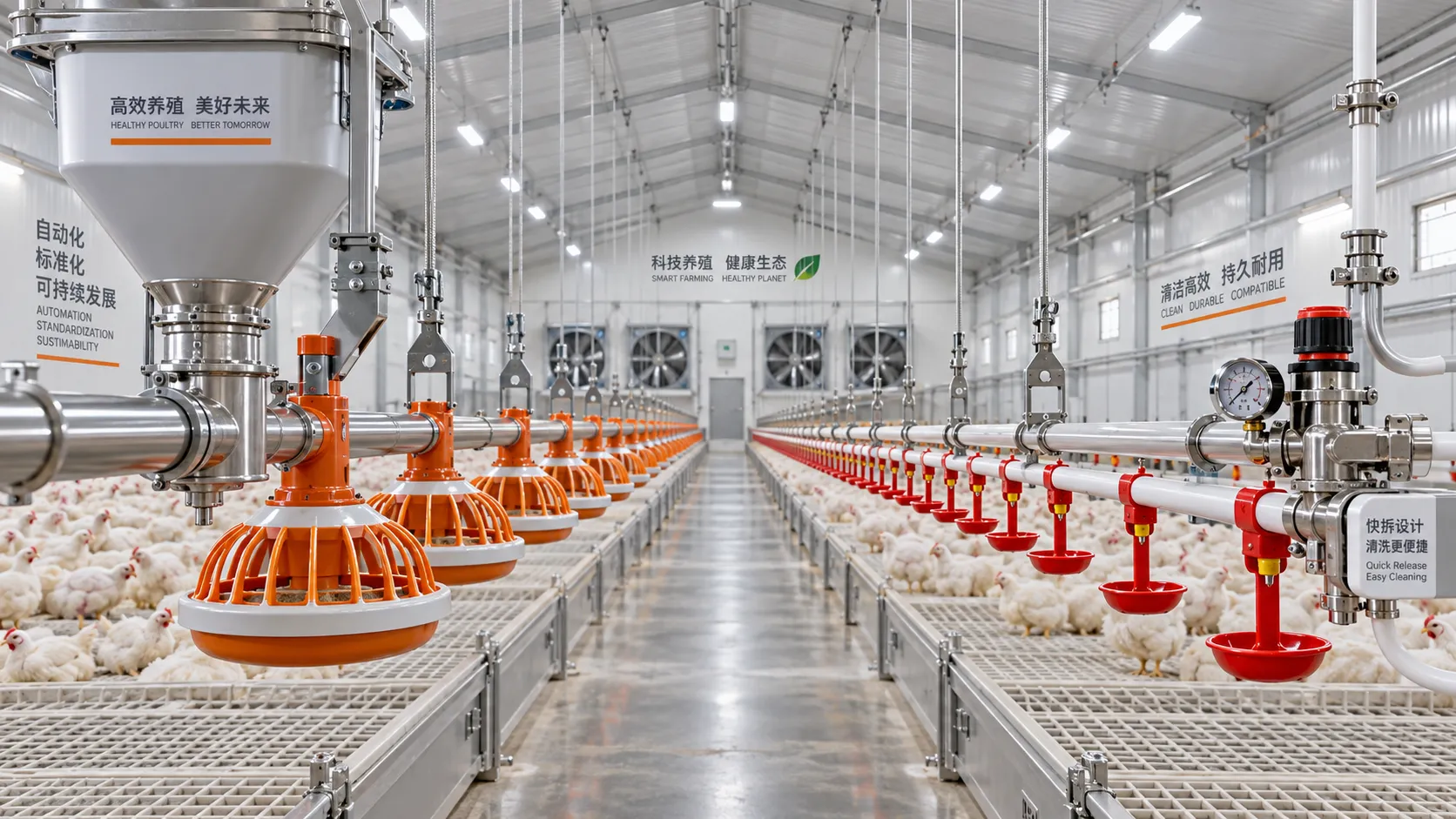
Poultry Equipment Selection: Evaluating Durability, Cleaning, and Compatibility
Poultry equipments selection guide: evaluate durability, cleaning access, and system compatibility to improve hygiene, reduce downtime, and support efficient flock management.
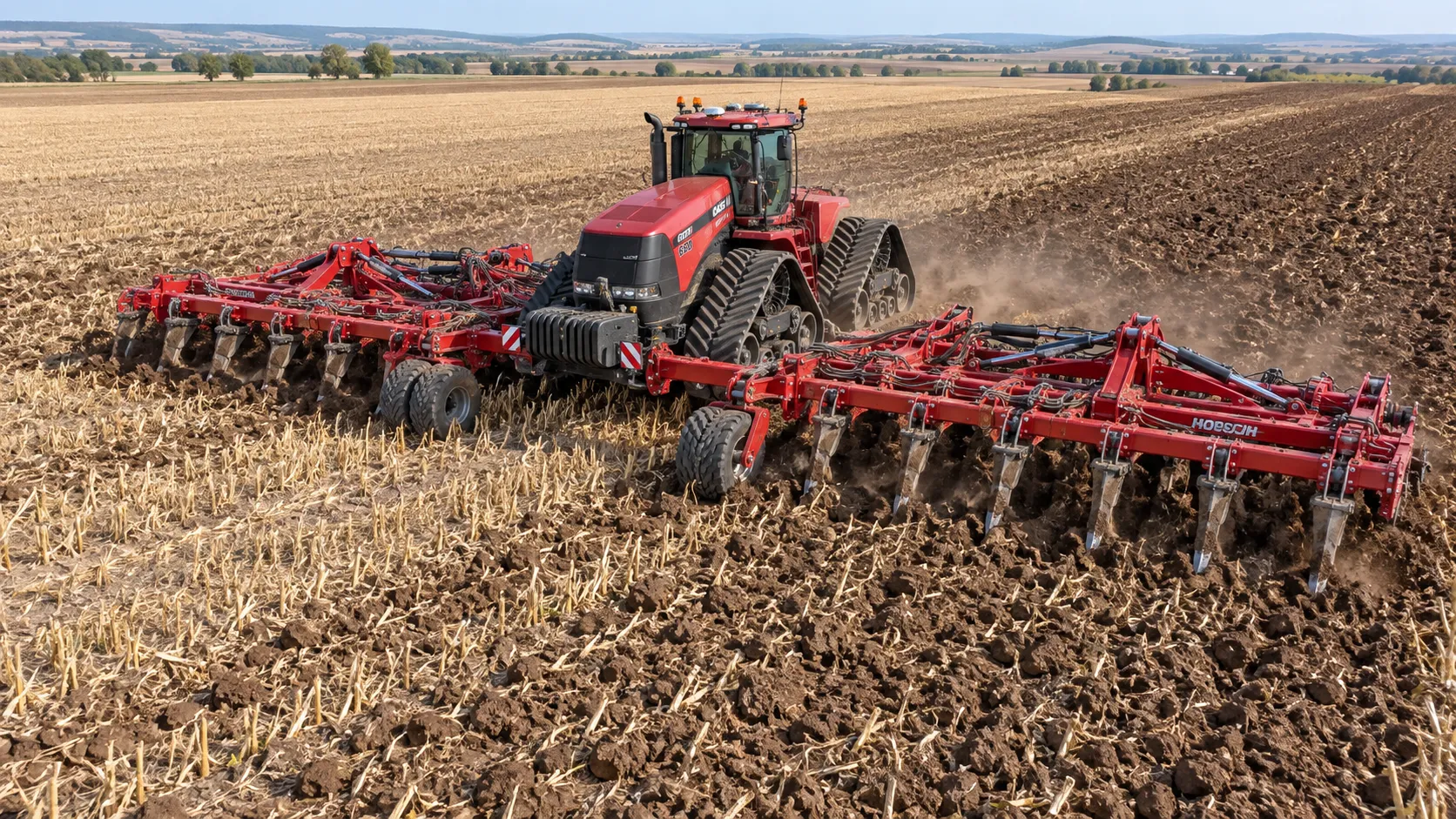
How to Select Heavy-Duty Farm Implements for High-Acreage, High-Horsepower Operations
Heavy duty farm implements: learn how to match draft, hydraulics, hitch capacity, frame strength, and field conditions for reliable high-acreage performance.
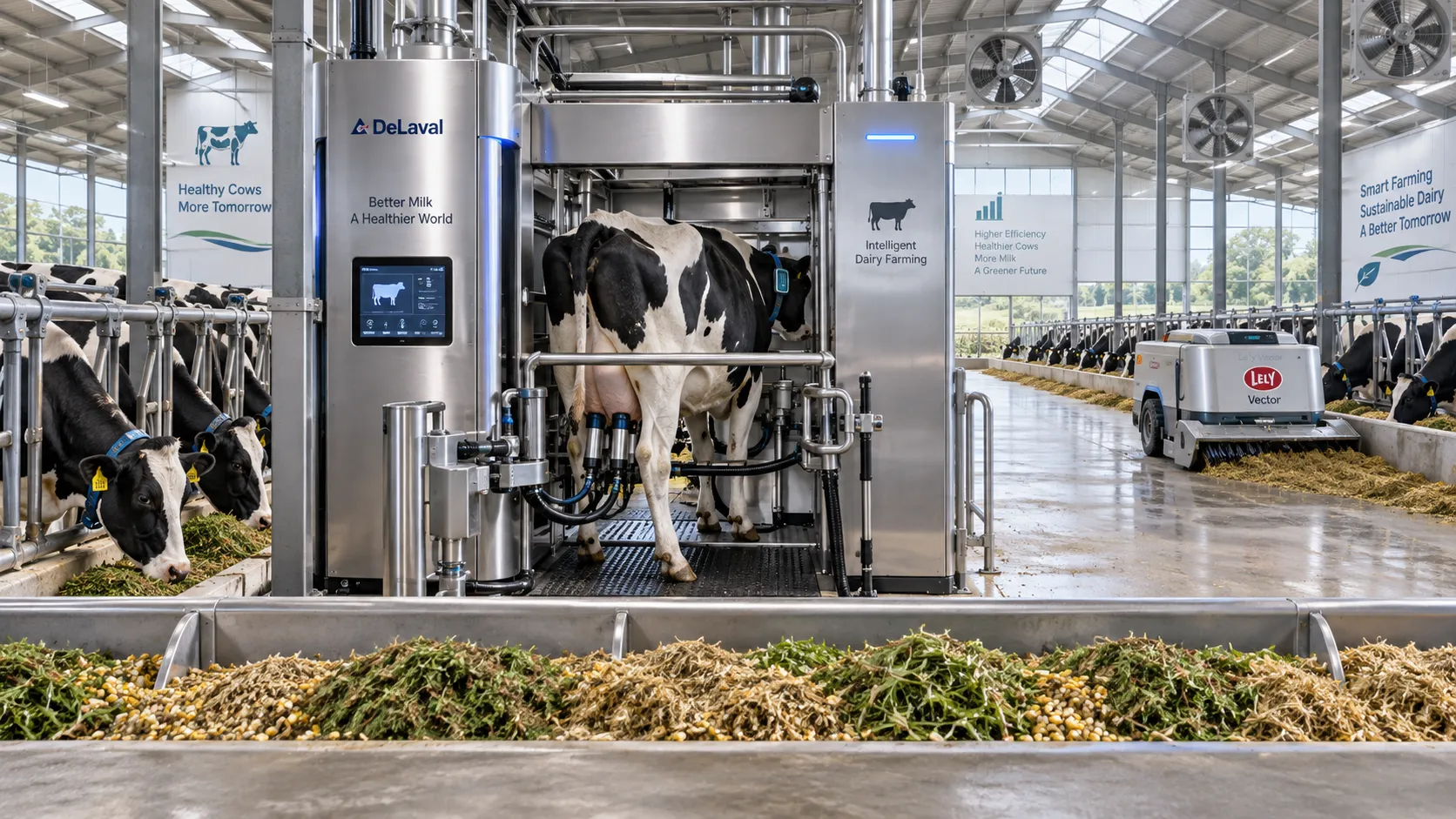
Smart Farming Technology for Dairy Farms: Where Automation Delivers Measurable ROI
Smart farming technology for dairy farms delivers measurable ROI through automation, precision feeding, health monitoring, and data-driven cost control.
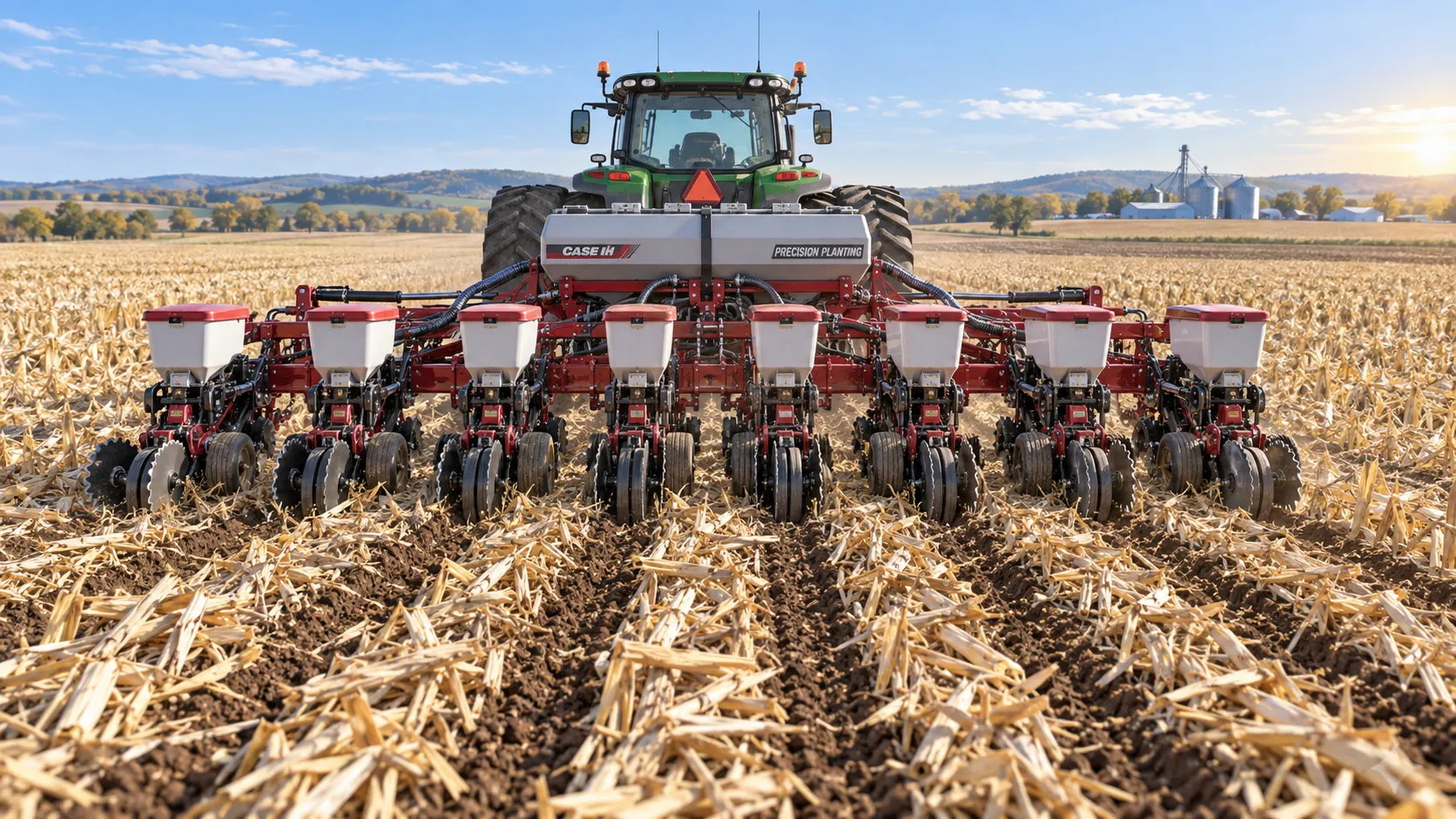
How to Select a Heavy-Duty Seeder for Large Acreage and High-Residue Fields
Heavy duty seeders for large acreage: compare residue handling, depth control, downforce, metering accuracy, and precision features to select the right model.
Related News
- 00
0000-00
What Harvesting Machinery Works Best for Small Grains on Hills? - 00
0000-00
GRIMME Tianjin Signs to Join Changchun Agricultural Machinery Expo Center - 00
0000-00
Vietnam Mandates Vietnamese Energy Labels for Imported Threshing Systems - 00
0000-00
Crop Harvesting Solutions for Wheat: Which System Fits Yield, Moisture, and Field Size? - 00
0000-00
ANVISA Extends Threshing Systems Filing Window
Popular Tags
Harvesting Efficiency Expert
Weekly Insights
Stay ahead with our curated technology reports delivered every Monday.