
What farm equipment intelligence really improves in daily use
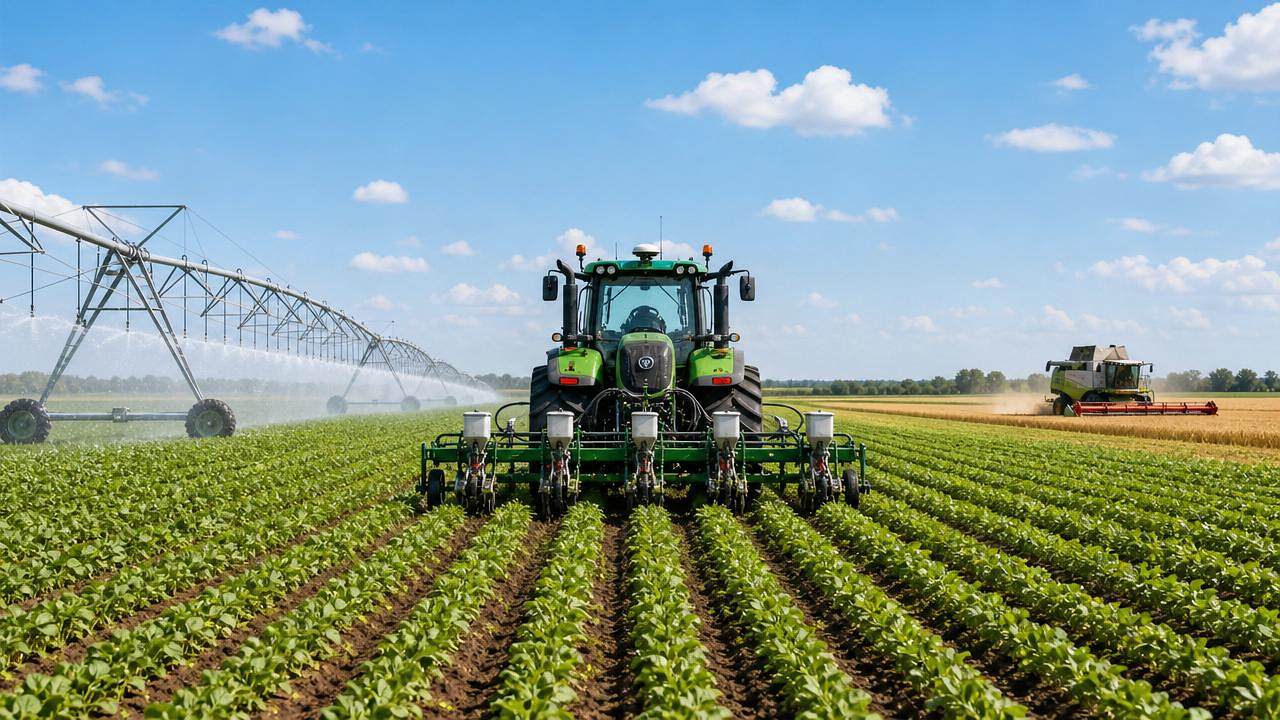




In day-to-day fieldwork, farm equipment intelligence is not just about advanced technology—it is about making every pass smoother, safer, and more productive for operators.
From reducing overlap and fuel waste to improving harvesting accuracy and irrigation timing, intelligent systems improve ordinary work where it matters most: in real field conditions.
For operations following Agriculture 4.0 trends, farm equipment intelligence connects machine performance, sensor feedback, and data-based decisions into practical daily gains.
What does farm equipment intelligence actually mean in daily use?
Farm equipment intelligence means machines can sense, analyze, and assist during field tasks instead of only delivering mechanical power.
This includes GPS guidance, auto-steering, yield monitoring, variable-rate control, machine diagnostics, moisture sensing, and irrigation automation.
In daily use, the value is less about novelty and more about repeatable precision under changing weather, soil, crop, and operator conditions.
A tractor with guidance intelligence can hold straighter lines. A combine can adjust better to crop density. An irrigation system can react faster to field demand.
That is why farm equipment intelligence is increasingly viewed as an operating improvement tool, not only a technology upgrade.
The practical components usually include:
- Positioning systems for accurate path control
- Sensors for soil, crop, pressure, speed, and flow
- Control software for automated adjustments
- Telematics for diagnostics and remote visibility
- Data platforms for analysis across fields and seasons
How does farm equipment intelligence improve field efficiency every day?
The first major gain is efficiency. Intelligent equipment reduces wasted movement, repeated coverage, idle time, and delayed adjustments.
Guidance systems help maintain consistent spacing. That cuts overlap during tillage, seeding, spraying, and fertilizing.
Even a small overlap reduction can save significant input cost over large acreages. Fuel use also drops when machines travel more accurately.
Farm equipment intelligence also shortens decision time. Operators no longer need constant manual corrections for every pass or every changing field zone.
During harvest, smart monitoring can identify losses, throughput changes, and moisture variation faster than visual checks alone.
In irrigation, automated scheduling can deliver water closer to actual plant demand. That avoids both under-watering and unnecessary pumping.
Daily efficiency gains often appear in these areas:
- Less overlap during planting and spraying
- Lower fuel use per hectare or acre
- Fewer stops caused by preventable issues
- Faster setup for repeated field tasks
- Better use of narrow weather windows
Does farm equipment intelligence really improve accuracy and output quality?
Yes, and this is often where the most visible value appears. Accuracy affects not only input use, but also crop performance and final output quality.
With variable-rate technology, seeding and fertilization can match field variability more closely. This supports more uniform emergence and stronger resource efficiency.
On combines, intelligent adjustment systems can reduce grain loss, protect grain quality, and stabilize throughput under different crop conditions.
That matters when moisture, straw load, slope, or crop density changes during the same day.
For water-saving irrigation systems, farm equipment intelligence improves timing, dosage, and distribution. Crops receive water based on actual need, not rough averages.
The result is often better consistency across the field and fewer avoidable stress events during sensitive growth stages.
Examples of quality-related improvements:
- Straighter rows and more even seeding depth support uniform crop stands.
- Smarter sprayer section control reduces misses and double application.
- Adaptive combine settings help lower cleaning and threshing losses.
- Intelligent irrigation improves moisture balance in variable zones.
What safety, maintenance, and operator benefits come from farm equipment intelligence?
Farm equipment intelligence is not only about output. It also reduces fatigue, lowers risk, and supports better equipment care.
Auto-guidance reduces constant steering corrections. Over long field hours, that lowers operator strain and helps maintain focus.
Machine monitoring systems can warn about abnormal temperature, pressure, slippage, or fluid conditions before a failure becomes serious.
This type of predictive support is especially valuable during critical planting and harvesting windows, when downtime is more expensive than repair alone.
Telematics can also improve service response. Fault codes, performance trends, and location data help identify problems earlier and more accurately.
For heavy tractor chassis and hydraulic systems, smart diagnostics help protect high-load components from misuse or unnoticed wear.
Typical operator and maintenance benefits include:
- Lower steering fatigue during long shifts
- Earlier warnings before component failure
- More organized maintenance scheduling
- Improved use of machine history for troubleshooting
- Safer operation in low-visibility or night work
Which daily-use applications benefit most from farm equipment intelligence?
The strongest value usually appears in repetitive, high-cost, or time-sensitive operations. These tasks reward precision and fast adjustments.
Seeding is one leading example. Small placement errors can affect emergence, input use, and final yield potential.
Spraying also benefits strongly. Section control and dose management help avoid chemical waste and uneven treatment.
Harvest is another high-impact area. Intelligent combine systems can maintain better performance when crop conditions change rapidly.
Water-saving irrigation becomes more reliable when flow, pressure, and moisture feedback are integrated into control decisions.
Large-scale operations often see value sooner because small efficiency gains are multiplied across more machines and more working hours.
What are common mistakes when judging farm equipment intelligence?
A common mistake is assuming more features always mean more value. In reality, useful intelligence depends on fit, usability, and reliable field performance.
Another mistake is focusing only on purchase cost. Farm equipment intelligence should be judged against labor savings, input savings, uptime, and output stability.
Some systems underperform because setup is weak. Calibration, connectivity, and operator familiarity strongly affect results.
Data without action is another problem. Yield maps, machine alerts, and moisture data matter only if they guide real operating decisions.
Integration also matters. A smart implement that cannot communicate with the tractor or platform may limit practical value.
Quick judging checklist
How should the next step be planned for better daily results?
The best next step is to begin with the task where waste, variability, or downtime appears most often.
For some operations, that means guidance and section control. For others, it means combine monitoring or smart irrigation scheduling.
Start by measuring current overlap, fuel use, harvesting losses, maintenance interruptions, or water application timing.
Then compare those baseline numbers with the expected gains from farm equipment intelligence in that exact application.
Daily use should remain the main test. If the system saves time, improves consistency, and supports better decisions every week, its value is real.
What farm equipment intelligence really improves is simple: less waste, better timing, steadier quality, safer operation, and more confident work in the field.
For a clearer view of intelligent machinery trends, combine harvesting technology, tractor chassis evolution, and smart irrigation strategy, AP-Strategy offers a strong intelligence base for practical evaluation.
Use that perspective to identify one high-impact process, apply measurable intelligence, and turn daily fieldwork into a more precise and reliable system.
Related News
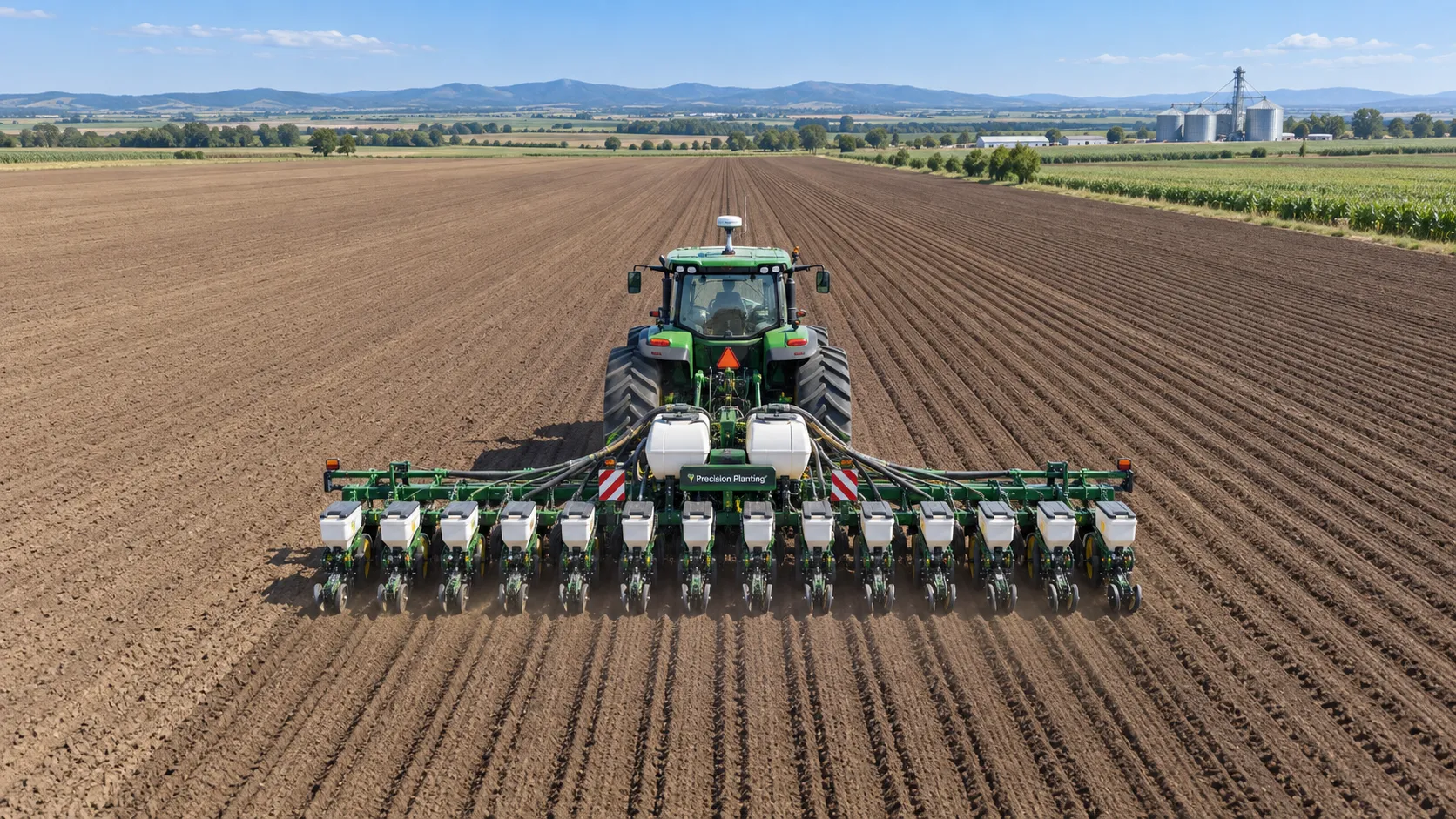
GPS-Guided Farm Machinery: Where It Delivers Measurable Field Efficiency Gains
Agri-mechanization GPS guided systems deliver measurable field efficiency gains through reduced overlap, precise planting, smarter inputs, and reliable farm data.
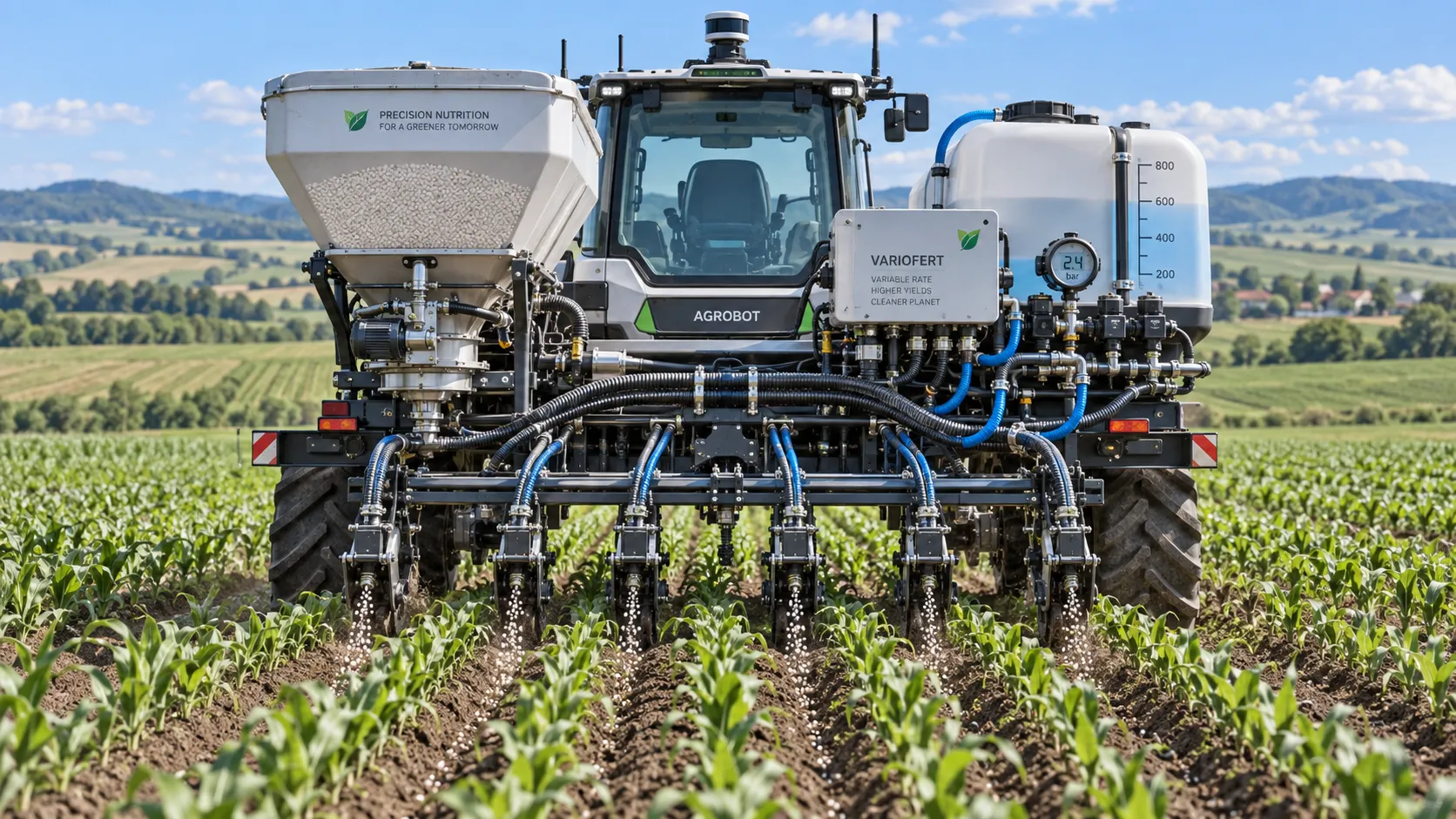
How Sensor Feedback Enables Accurate Variable-Rate Fertilization in Field Conditions
Precision fertilization systems with sensor feedback improve variable-rate accuracy by verifying flow, managing latency, and ensuring reliable field application.
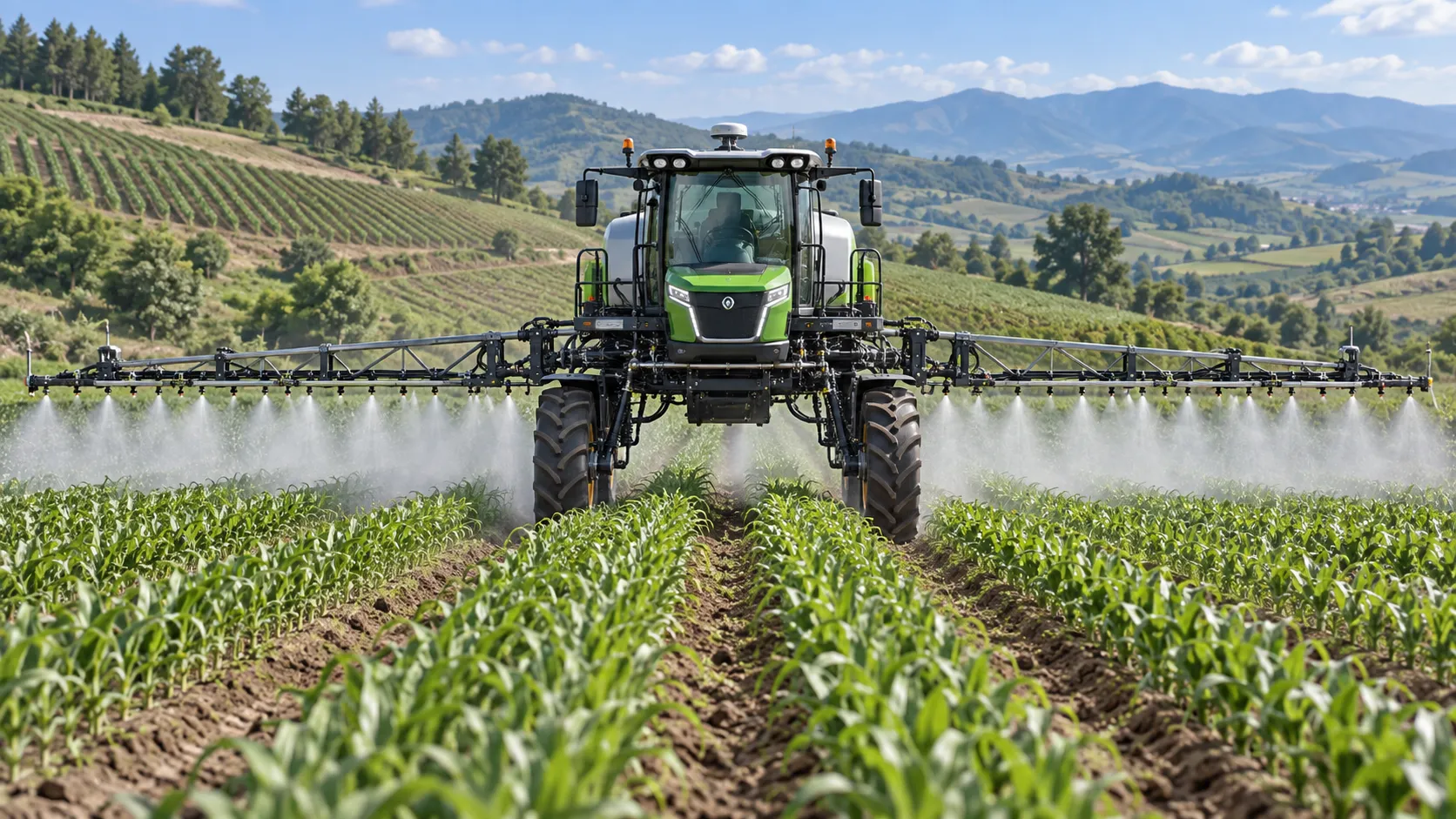
How to Select Precision Crop Protection Equipment for Variable Field Conditions
Precision crop protection equipment selection made simple: compare terrain, canopy, weather, control accuracy, and data workflows for reliable applications.
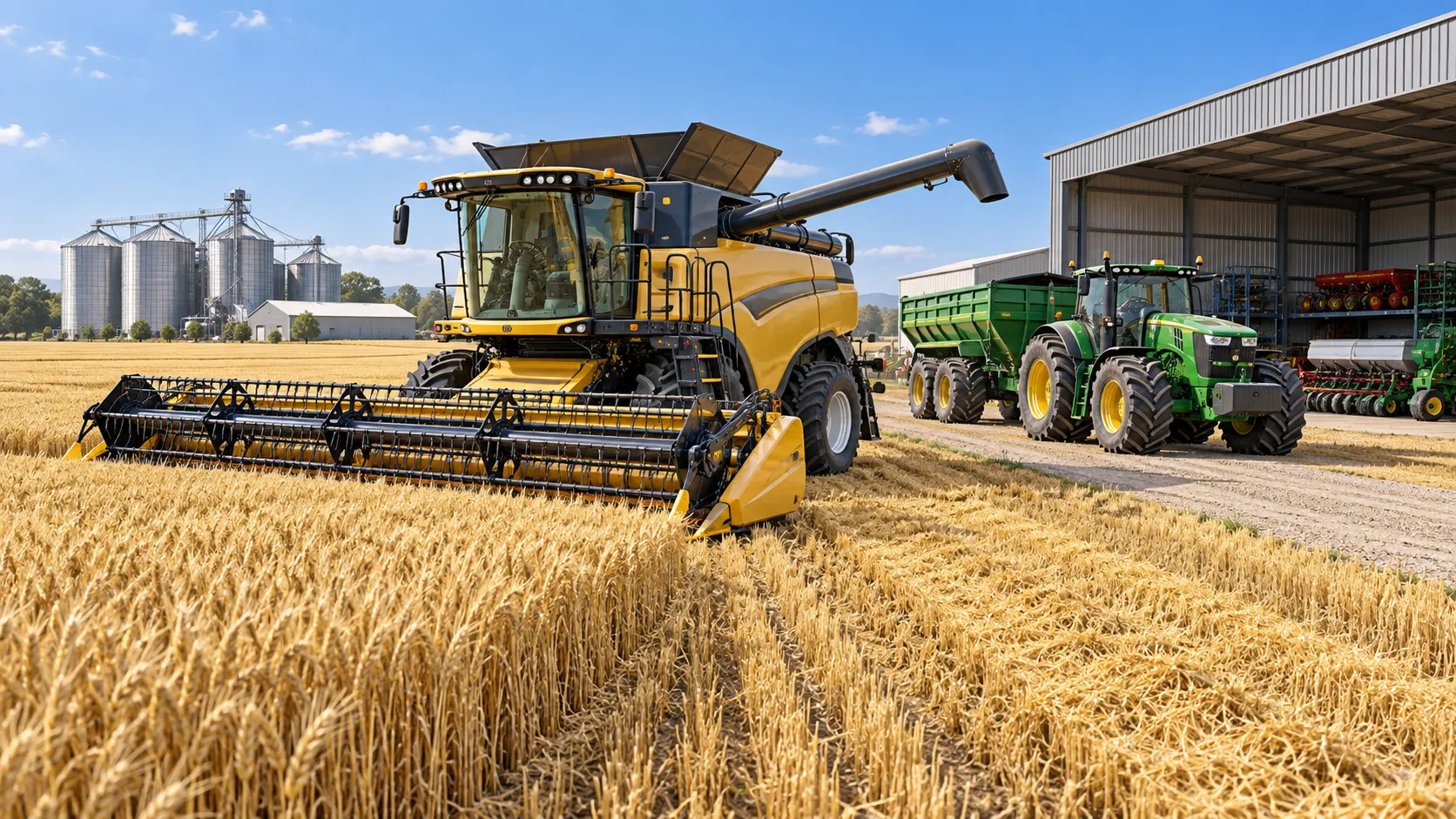
When Does Agricultural Machinery Leasing Cost Less Than Owning Equipment?
Agricultural machinery leasing can lower farm costs when use is seasonal or uncertain. Compare utilization, maintenance, cash flow, and risk to make a smarter equipment decision.
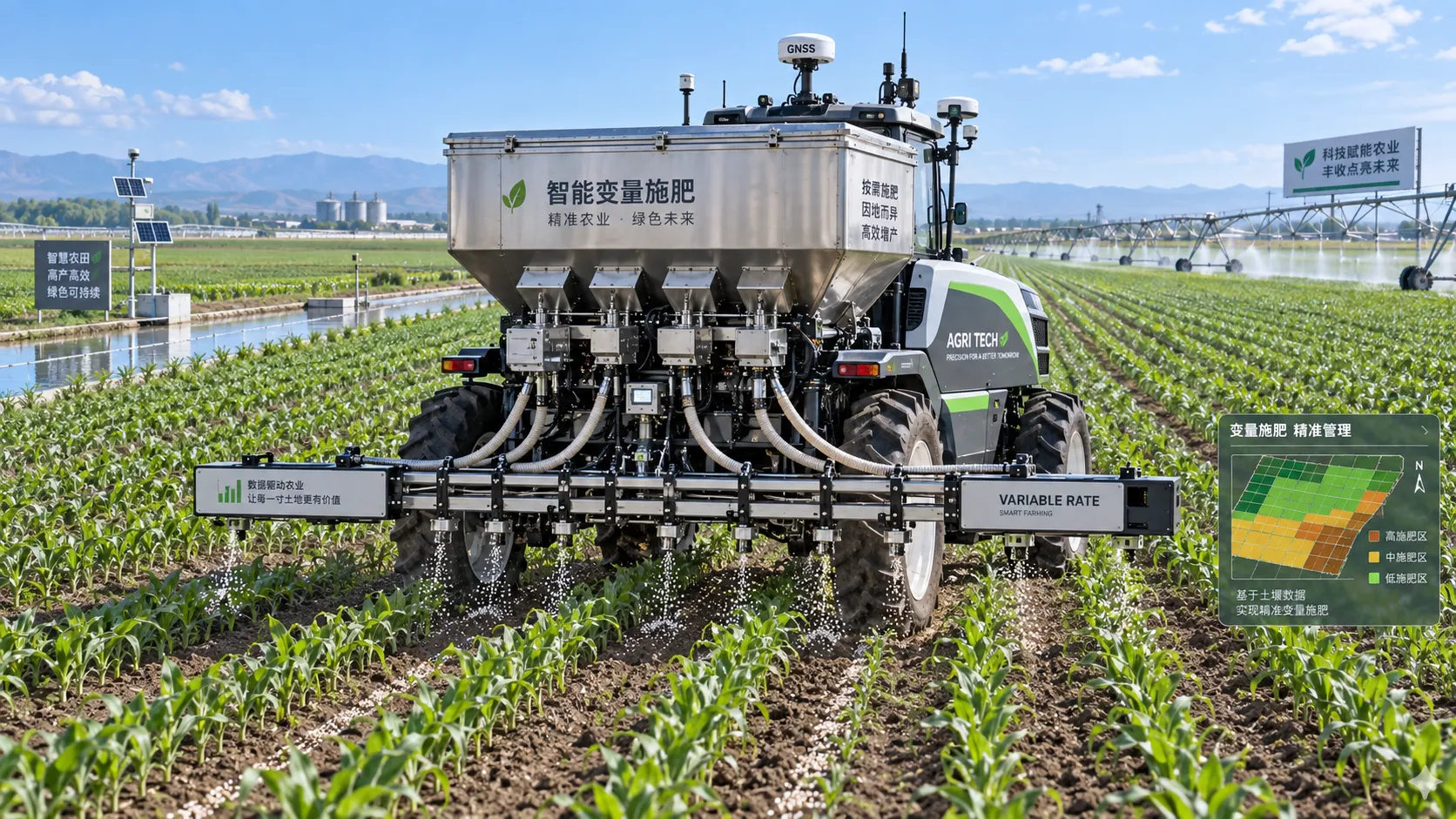
How to Evaluate Precision Fertilization System Suppliers for Farm-Scale Deployment
Precision fertilization systems suppliers: learn how to compare accuracy, integration, uptime, service, and total cost for confident farm-scale deployment.
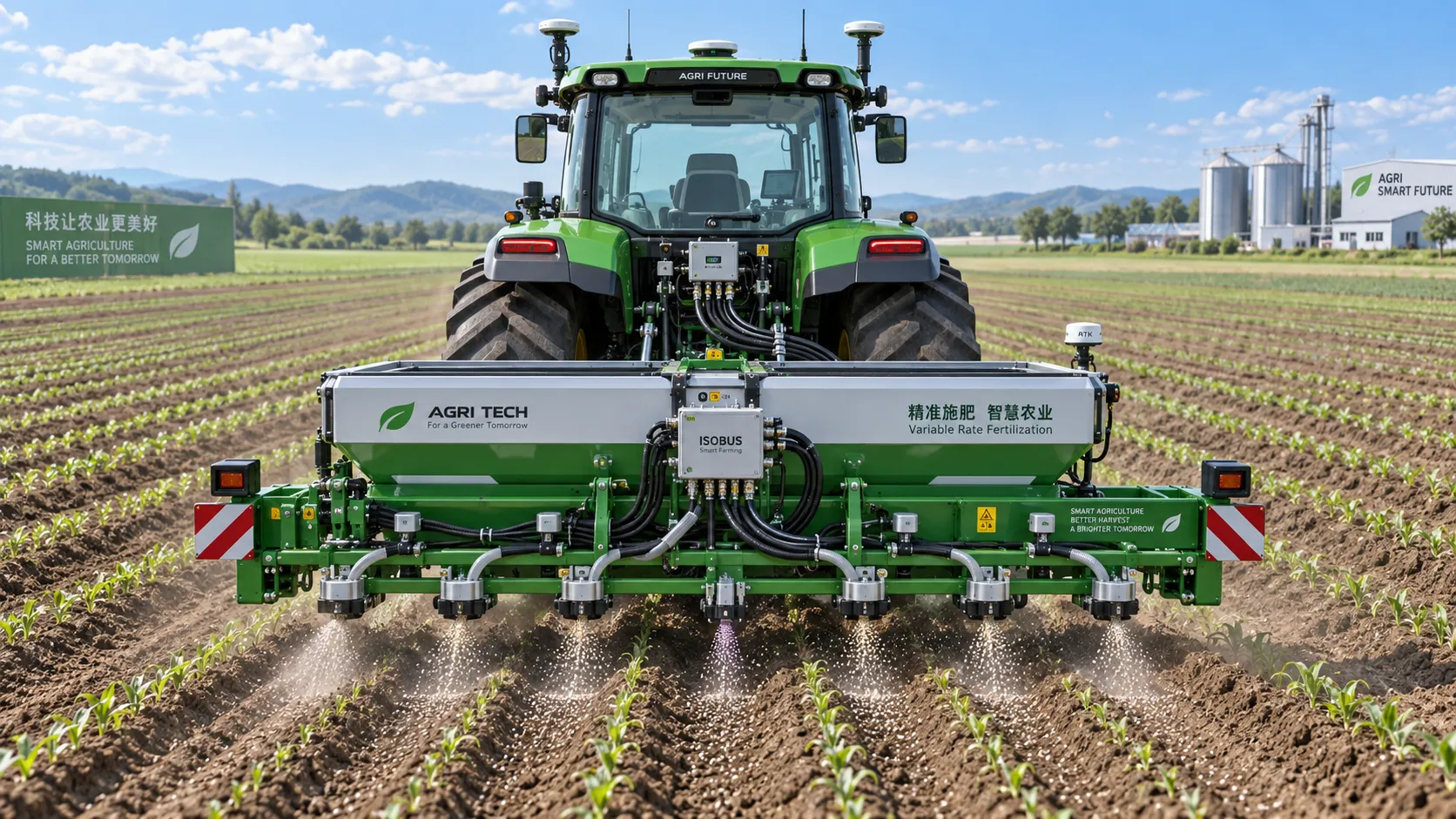
ISOBUS for Smart Agriculture: How It Connects Tractors, Implements, and Farm Data
ISOBUS for smart agriculture connects tractors, implements, terminals, and farm data—helping growers improve precision, documentation, and smarter field decisions.
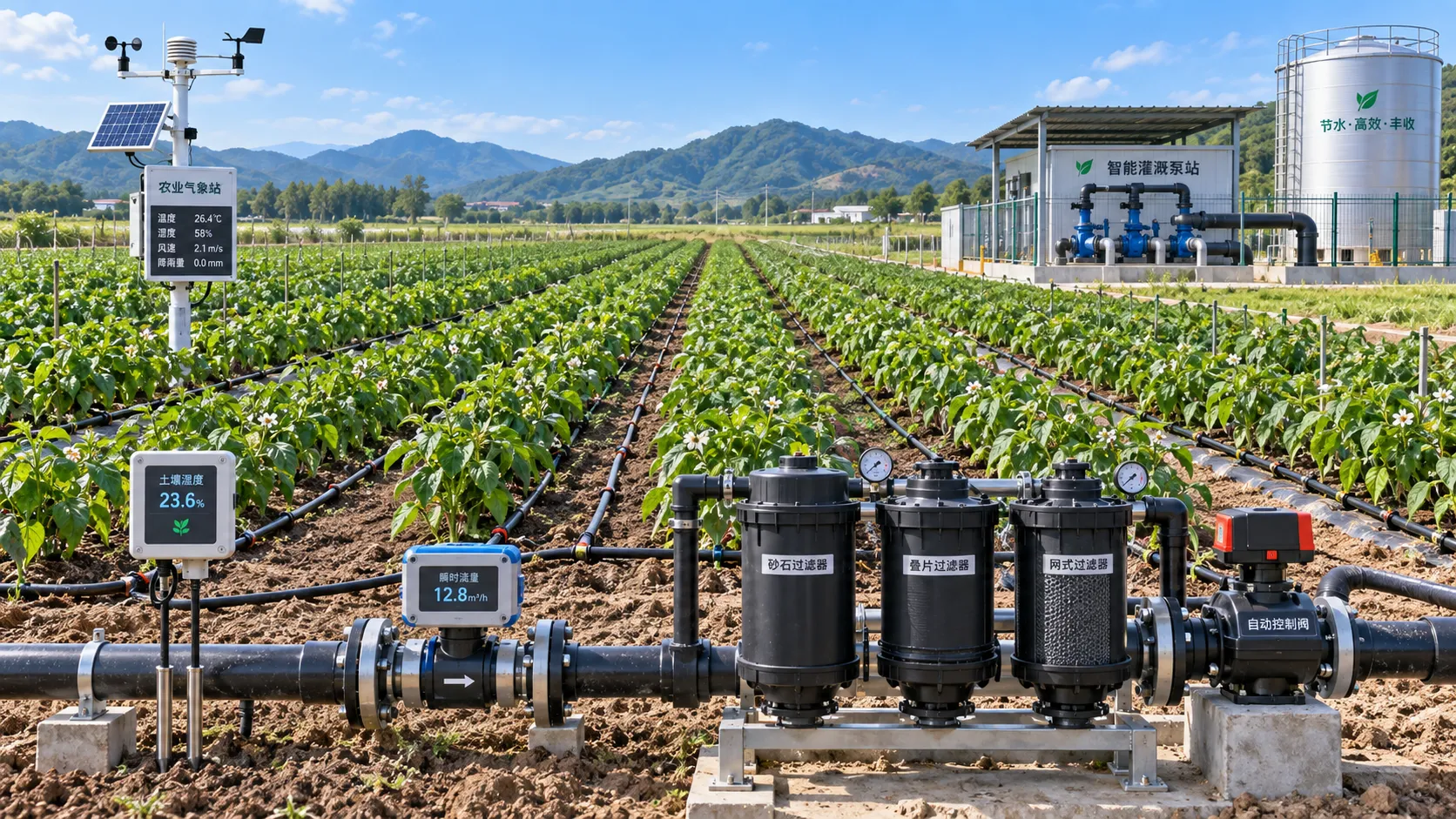
Automated Water-Saving Irrigation: How to Cut Water Use Without Reducing Crop Yields
Automated water-saving irrigation helps farms cut water use, protect crop yields, improve scheduling, and gain reliable control with sensors, flow monitoring, and smart zones.
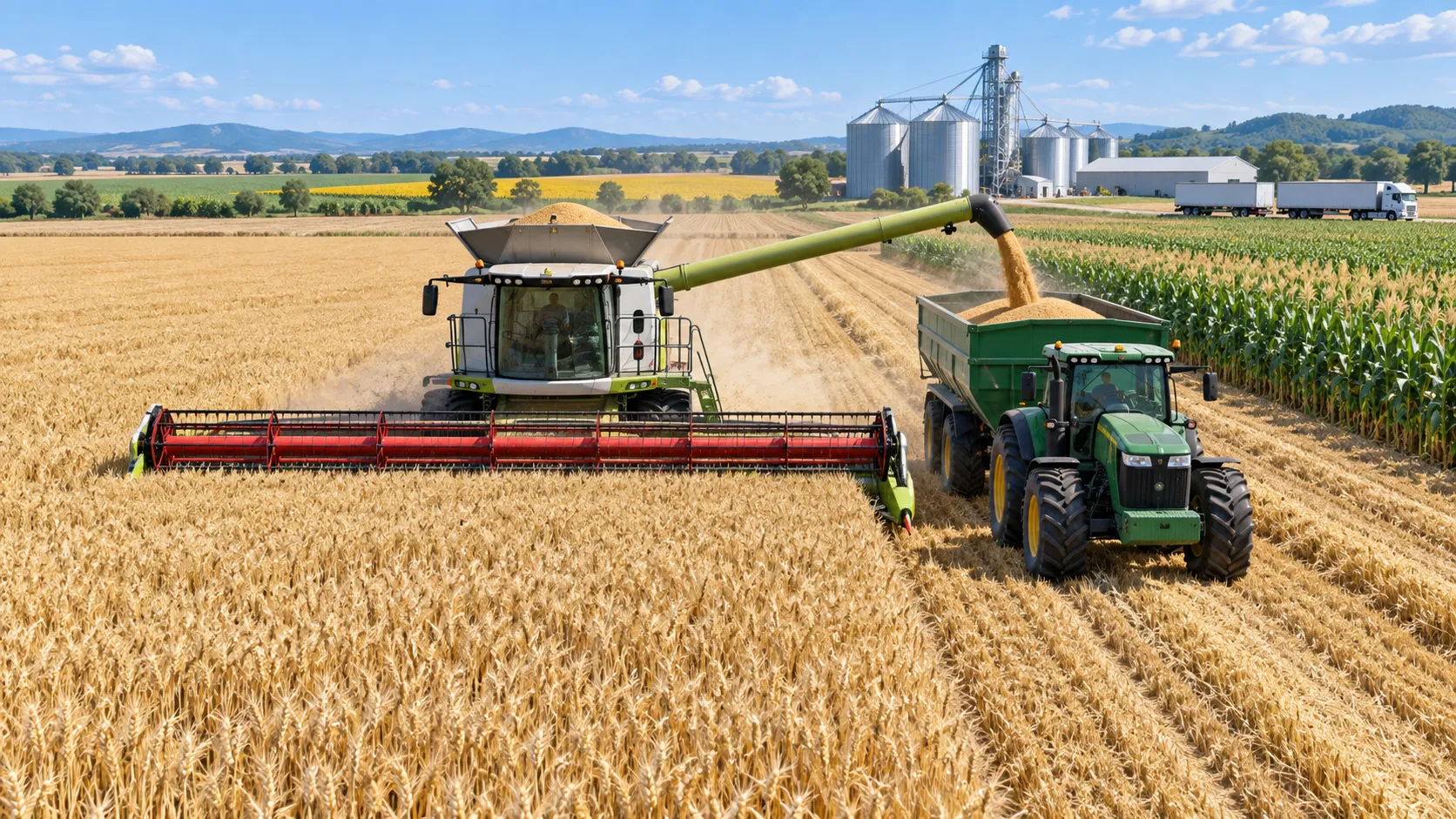
Selecting Grain Farm Equipment by Acreage, Crop Mix, and Harvest Window
Agricultural equipment selection for grain farming: match machinery to acreage, crop mix, and harvest windows to improve uptime, efficiency, and returns.
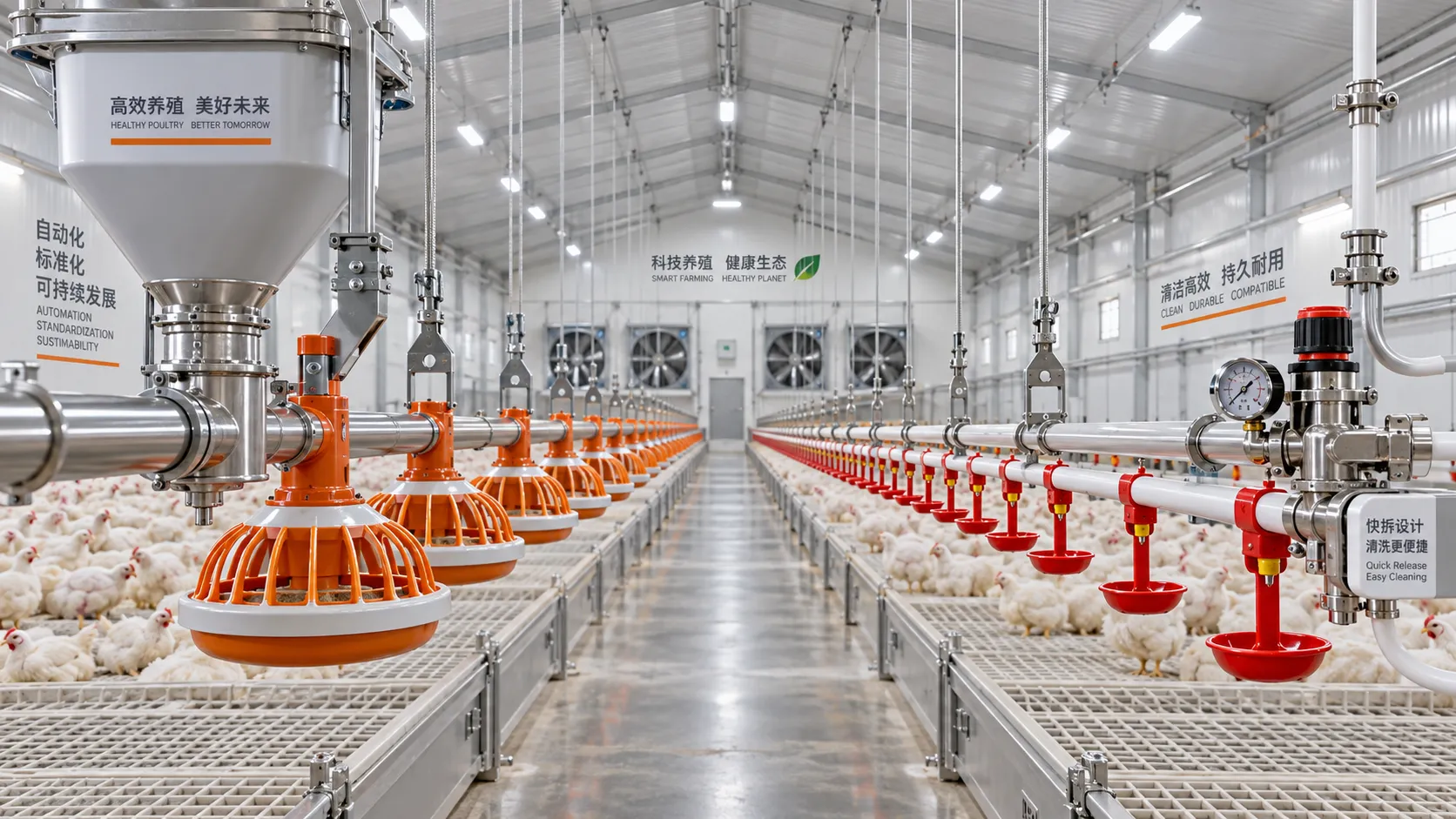
Poultry Equipment Selection: Evaluating Durability, Cleaning, and Compatibility
Poultry equipments selection guide: evaluate durability, cleaning access, and system compatibility to improve hygiene, reduce downtime, and support efficient flock management.
Related News
- 00
0000-00
When Does Agricultural Machinery Leasing Cost Less Than Owning Equipment? - 00
0000-00
Selecting Grain Farm Equipment by Acreage, Crop Mix, and Harvest Window - 00
0000-00
Poultry Equipment Selection: Evaluating Durability, Cleaning, and Compatibility - 00
0000-00
How to Select Heavy-Duty Farm Implements for High-Acreage, High-Horsepower Operations - 00
0000-00
Smart Farming Technology for Dairy Farms: Where Automation Delivers Measurable ROI
Popular Tags
Ms. Elena Rodriguez
Weekly Insights
Stay ahead with our curated technology reports delivered every Monday.