
Resource-saving standards are becoming a bid requirement
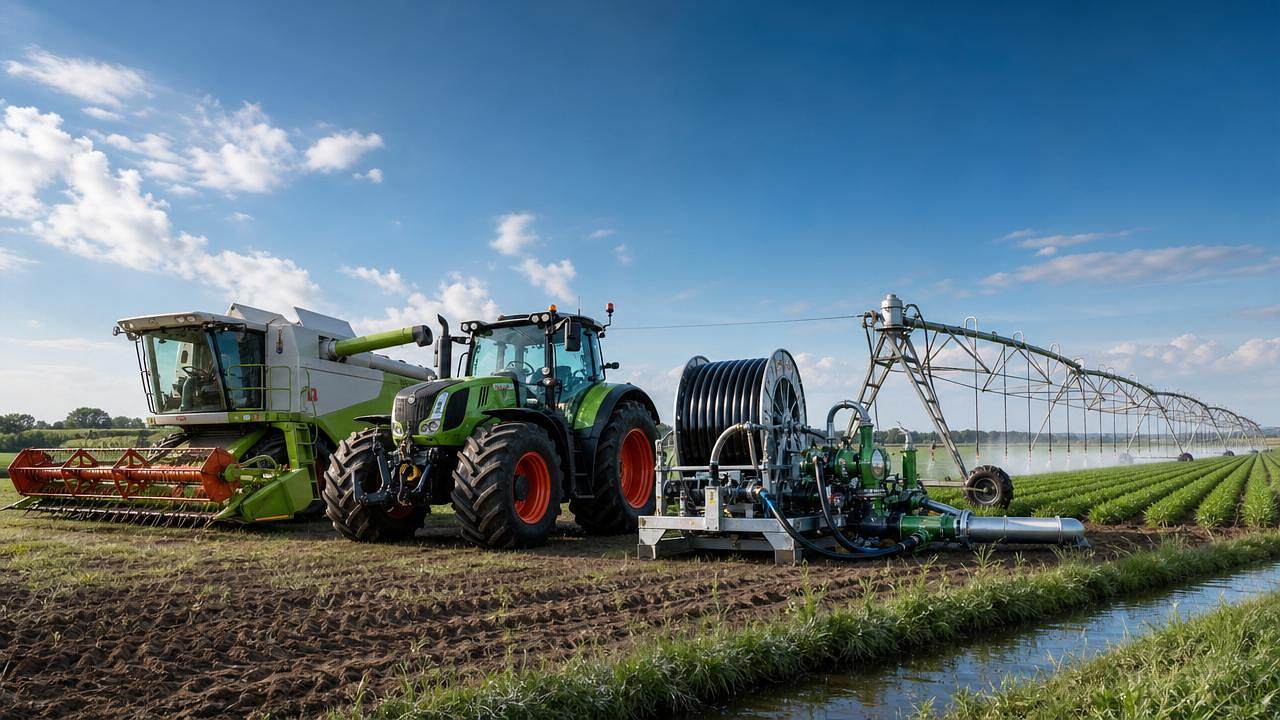




As global procurement shifts from price-only comparisons to lifecycle value, resource-saving standards are becoming a bid requirement across modern agriculture projects. For buyers evaluating large-scale machinery, harvesters, tractor systems, and smart irrigation solutions, understanding how efficiency, compliance, and long-term operating costs intersect is now essential. This article explores why these standards matter, how they influence supplier selection, and what procurement teams should prioritize to reduce risk and improve return on investment.
Why procurement teams now treat resource-saving standards as a commercial requirement
The core search intent behind resource-saving standards is practical, not theoretical. Procurement teams want to know why these standards are entering tenders, how they affect supplier eligibility, and what this means for project cost and risk.
For buyers, the answer is clear: standards that reduce fuel, water, energy, chemical input, and operating waste are no longer optional product advantages. In many agricultural bids, they are becoming baseline conditions for participation.
This shift is happening because project owners are under pressure from regulators, lenders, insurers, and investors. They must prove that purchased equipment supports efficiency targets, environmental compliance, and long-term operational resilience.
In large-scale farming and irrigation projects, capital equipment influences cost performance for years. A lower purchase price can quickly become a weak decision if the machine consumes more fuel, wastes water, or creates avoidable maintenance burdens.
That is why resource-saving standards are increasingly written into tender documents. They help purchasers compare suppliers on measurable performance rather than marketing claims, and they create a more defensible basis for award decisions.
What buyers are really trying to evaluate in a tender
Most procurement professionals are not simply searching for a definition of resource-saving standards. They want a workable evaluation lens that helps them identify qualified suppliers and avoid costly post-award surprises.
Their main questions are usually straightforward. Which standards matter for this equipment category? What proof should suppliers provide? How do efficiency claims translate into actual savings? Which bid terms reduce performance risk after delivery?
For agricultural machinery, buyers often focus on fuel efficiency, field productivity, hydraulic and transmission performance, emissions compliance, and maintenance intervals. For irrigation systems, the priority shifts toward water-use efficiency, pressure management, leak control, and automation accuracy.
In combine harvesting technology, standards tied to grain loss, cleaning efficiency, engine load management, and operating consistency can directly affect revenue. In tractor chassis and power systems, transmission efficiency and hydraulic response influence both output and resource consumption.
Smart farm tools add another layer. Buyers increasingly assess whether satellite guidance, sensor feedback, variable-rate control, and data integration actually reduce overlap, compaction, input waste, and operator error in field conditions.
Why resource-saving standards are moving from nice-to-have to bid threshold
Three forces are accelerating this trend. The first is policy. Many governments now connect public procurement, agricultural modernization programs, and water management investments to measurable sustainability and efficiency outcomes.
The second force is financing. Development banks, green lenders, and institutional funding partners increasingly expect projects to document resource efficiency in purchased systems. Standards provide a structured way to demonstrate compliance and justify investment.
The third force is economics. Input costs remain volatile across fuel, fertilizer, labor, electricity, and water. When operating conditions are uncertain, equipment that uses fewer resources becomes more attractive from a total-cost perspective.
As a result, bid teams are rewriting technical specifications. Instead of requesting only horsepower, capacity, or basic dimensions, they now ask for verified efficiency indicators, control logic, service life assumptions, and performance under realistic operating loads.
In practice, this means a supplier can lose competitiveness even with a strong brand and acceptable price if it cannot document how its solution reduces resource consumption throughout the asset lifecycle.
How these standards affect supplier shortlisting and scoring
For procurement personnel, the most important implication is procedural. Resource-saving standards influence not only final supplier selection, but also prequalification, technical scoring, contract negotiation, and post-installation acceptance.
At the shortlisting stage, standards help eliminate bids that cannot meet baseline operational requirements. This saves time and reduces the risk of evaluating proposals that appear cost-effective but fail under long-term use.
During technical scoring, efficiency metrics can be weighted alongside output, reliability, and support capability. This is especially useful when multiple suppliers offer similar capacity but differ sharply in water use, fuel burn, or precision control performance.
In negotiation, standards can shape warranty terms, testing obligations, spare parts commitments, software support, and operator training. A supplier that promises resource savings should be prepared to link those claims to contractual obligations.
After award, those same standards support acceptance testing and performance review. Buyers gain a clearer basis for determining whether the installed machinery or irrigation network performs as promised in the tender response.
What evidence procurement teams should request from suppliers
One of the biggest buying mistakes is accepting generic sustainability language instead of performance evidence. If resource-saving standards are becoming a bid requirement, documentation quality matters as much as the claims themselves.
Start with formal certifications and test reports relevant to the product category and target market. These should come from recognized bodies and clearly describe testing conditions, measurement methods, and pass criteria.
Next, ask for model-specific performance data rather than company-level brochures. A supplier may have a strong environmental reputation overall, but buyers need proof tied to the exact tractor, harvester, implement, or irrigation system being offered.
Request case studies from comparable climates, crop types, field sizes, and operating patterns. A machine that performs efficiently in one region may not deliver the same result in heavy soils, high heat, or water-stressed environments.
It is also wise to ask for lifecycle cost assumptions. If a bid claims lower fuel use or water savings, suppliers should explain the operating profile behind those numbers, including maintenance schedules, wear-part replacement, and required operator practices.
How to compare bids beyond purchase price
When procurement teams evaluate agricultural equipment, price remains important, but price alone is a poor predictor of long-term value. Resource-saving standards become useful when they are converted into comparable commercial metrics.
For machinery, estimate annual fuel use, labor hours, maintenance costs, downtime exposure, and expected field output. For irrigation, calculate water consumption, pumping energy, repair frequency, and crop impact linked to control precision.
Then model a total cost of ownership view over the expected service life. In many cases, a bid with a higher upfront price produces a better financial outcome because it lowers variable operating costs year after year.
This is especially relevant for large fleets, harvesting campaigns, and irrigation networks where small percentage gains create large cumulative savings. Even modest efficiency improvements can materially change cost per hectare or cost per ton harvested.
Buyers should also account for residual value. Equipment aligned with recognized resource-saving standards may retain stronger resale appeal as regulations tighten and secondary market buyers seek compliant, efficient assets.
Category-specific priorities in agricultural procurement
Not all standards create equal value across equipment types. Procurement teams should adapt evaluation criteria to the actual resource profile of the asset being purchased rather than using one generic sustainability checklist.
For tractors and power chassis, fuel efficiency under load, transmission optimization, hydraulic responsiveness, and service accessibility are often decisive. These factors affect daily operating cost and determine how well the machine supports precision fieldwork.
For combine harvesters, grain loss control, separation efficiency, engine management, and adaptability to changing crop conditions deserve close attention. A machine that saves fuel but increases crop loss may fail the true resource-efficiency test.
For intelligent implements, the emphasis should be on application accuracy. Variable-rate capability, section control, guidance precision, and sensor-driven feedback can reduce overlap and save seeds, chemicals, and fertilizer without sacrificing performance.
For smart irrigation systems, buyers should prioritize water distribution uniformity, leak detection, automated pressure control, filtration stability, and evapotranspiration-based scheduling. These directly influence both water savings and crop consistency.
Common risks when standards are included in tenders
Including resource-saving standards in bid documents improves discipline, but it does not remove risk automatically. Poorly designed criteria can still lead to confusion, weak competition, or difficult contract management later.
One common problem is using vague language such as eco-friendly, low-consumption, or sustainable design without measurable thresholds. Suppliers may respond with broad claims that are hard to compare and harder to enforce.
Another risk is copying standards from unrelated sectors or markets. Agricultural operating conditions vary widely, and criteria that fit municipal procurement or light industrial equipment may not reflect field realities.
Buyers should also watch for unrealistic savings promises. If efficiency claims seem unusually strong, verify the assumptions carefully. Some results depend on ideal operating behavior that may not be achievable across actual crews and seasonal pressures.
Finally, procurement teams must align technical criteria with service capability. A highly efficient machine can still become a poor purchase if local parts supply, software support, or technician availability is weak.
How to write better bid requirements and reduce selection risk
Strong tender design starts with clarity. Define which resource-saving outcomes matter most for the project, then connect them to measurable indicators, accepted evidence, and contractually relevant operating conditions.
Separate mandatory requirements from scored advantages. For example, minimum compliance thresholds may be non-negotiable, while superior fuel efficiency, precision capability, or lower water loss can earn additional technical points.
Use field-relevant performance language wherever possible. Ask how the equipment performs per hectare, per hour, per ton, or per irrigation cycle instead of relying only on laboratory-style technical descriptions.
Specify documentation requirements early. Bidders should know whether they must provide certifications, performance curves, digital monitoring capability, references, operator training plans, and post-installation verification methods.
It also helps to include acceptance and remedy clauses. If resource-saving standards influence the award, the contract should state how performance will be checked and what happens if delivered results fall below committed levels.
Why this matters strategically for modern agricultural buyers
For procurement teams serving large farms, cooperatives, distributors, or project developers, the rise of resource-saving standards is not just a compliance issue. It is a strategic shift in how asset value is defined.
In the Agriculture 4.0 environment, equipment is increasingly judged by how intelligently it converts fuel, water, data, and labor into reliable output. Efficiency is no longer separate from productivity; it is part of productivity.
This is particularly true in markets shaped by climate pressure, resource volatility, and tighter margin control. Buyers who understand resource-saving standards are better positioned to select assets that remain competitive over time.
They also gain stronger internal justification for procurement decisions. When selection is based on verified lifecycle value rather than initial price alone, it becomes easier to defend the purchase to management, finance, and project stakeholders.
For intelligence-driven platforms such as AP-Strategy, this trend confirms a larger industry reality: the future of agricultural procurement belongs to solutions that combine mechanical performance, precision control, and measurable resource efficiency.
Conclusion: what procurement teams should do next
Resource-saving standards are becoming a bid requirement because agricultural buyers now need more than capacity and price. They need equipment and systems that meet compliance demands, protect operating margins, and perform reliably across the asset lifecycle.
The most useful response is not to treat these standards as paperwork. Treat them as a decision framework. Ask for verified evidence, compare bids on total cost of ownership, and tailor evaluation criteria to the equipment category and project reality.
For procurement professionals, that approach reduces selection risk and improves return on investment. It also helps ensure that tractors, harvesters, intelligent implements, and irrigation systems deliver measurable value long after the contract is signed.
In a market where efficiency, resilience, and accountability are converging, resource-saving standards are no longer peripheral specifications. They are increasingly central to winning bids, making sound purchases, and building future-ready agricultural operations.
Related News
How Sensor Feedback Enables Accurate Variable-Rate Fertilization in Field Conditions
Precision fertilization systems with sensor feedback improve variable-rate accuracy by verifying flow, managing latency, and ensuring reliable field application.
How to Select Precision Crop Protection Equipment for Variable Field Conditions
Precision crop protection equipment selection made simple: compare terrain, canopy, weather, control accuracy, and data workflows for reliable applications.
When Does Agricultural Machinery Leasing Cost Less Than Owning Equipment?
Agricultural machinery leasing can lower farm costs when use is seasonal or uncertain. Compare utilization, maintenance, cash flow, and risk to make a smarter equipment decision.
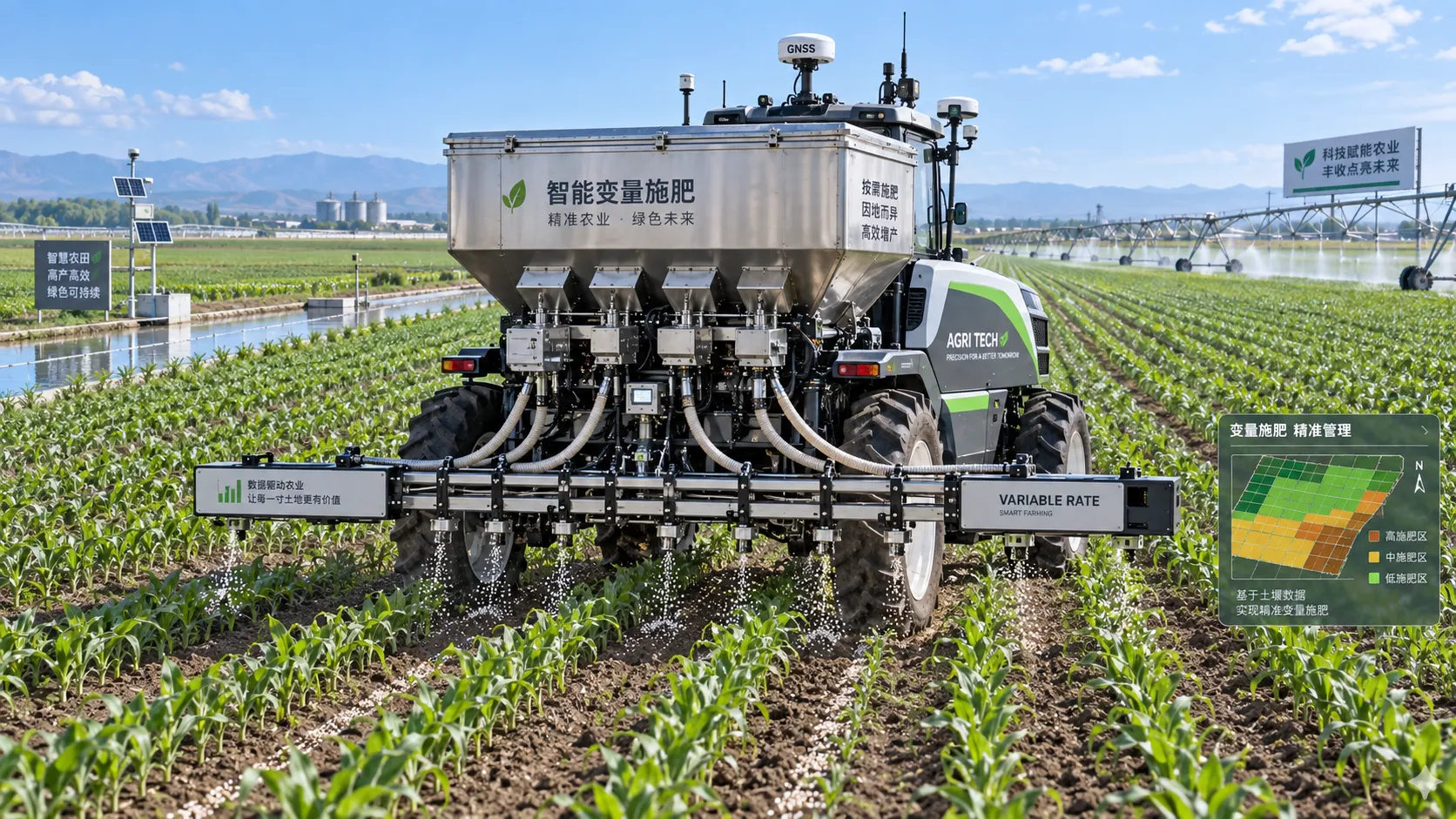
How to Evaluate Precision Fertilization System Suppliers for Farm-Scale Deployment
Precision fertilization systems suppliers: learn how to compare accuracy, integration, uptime, service, and total cost for confident farm-scale deployment.
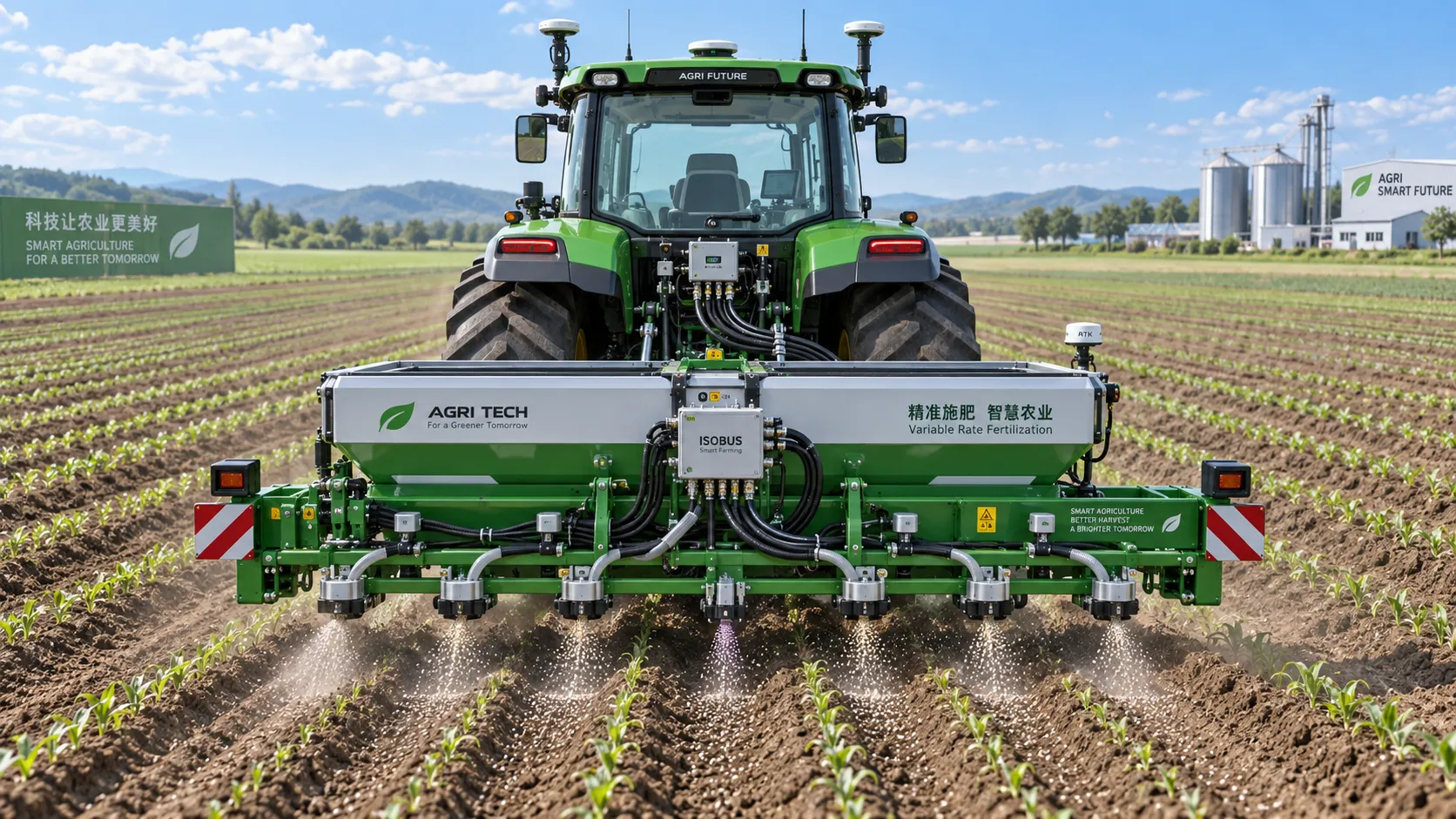
ISOBUS for Smart Agriculture: How It Connects Tractors, Implements, and Farm Data
ISOBUS for smart agriculture connects tractors, implements, terminals, and farm data—helping growers improve precision, documentation, and smarter field decisions.
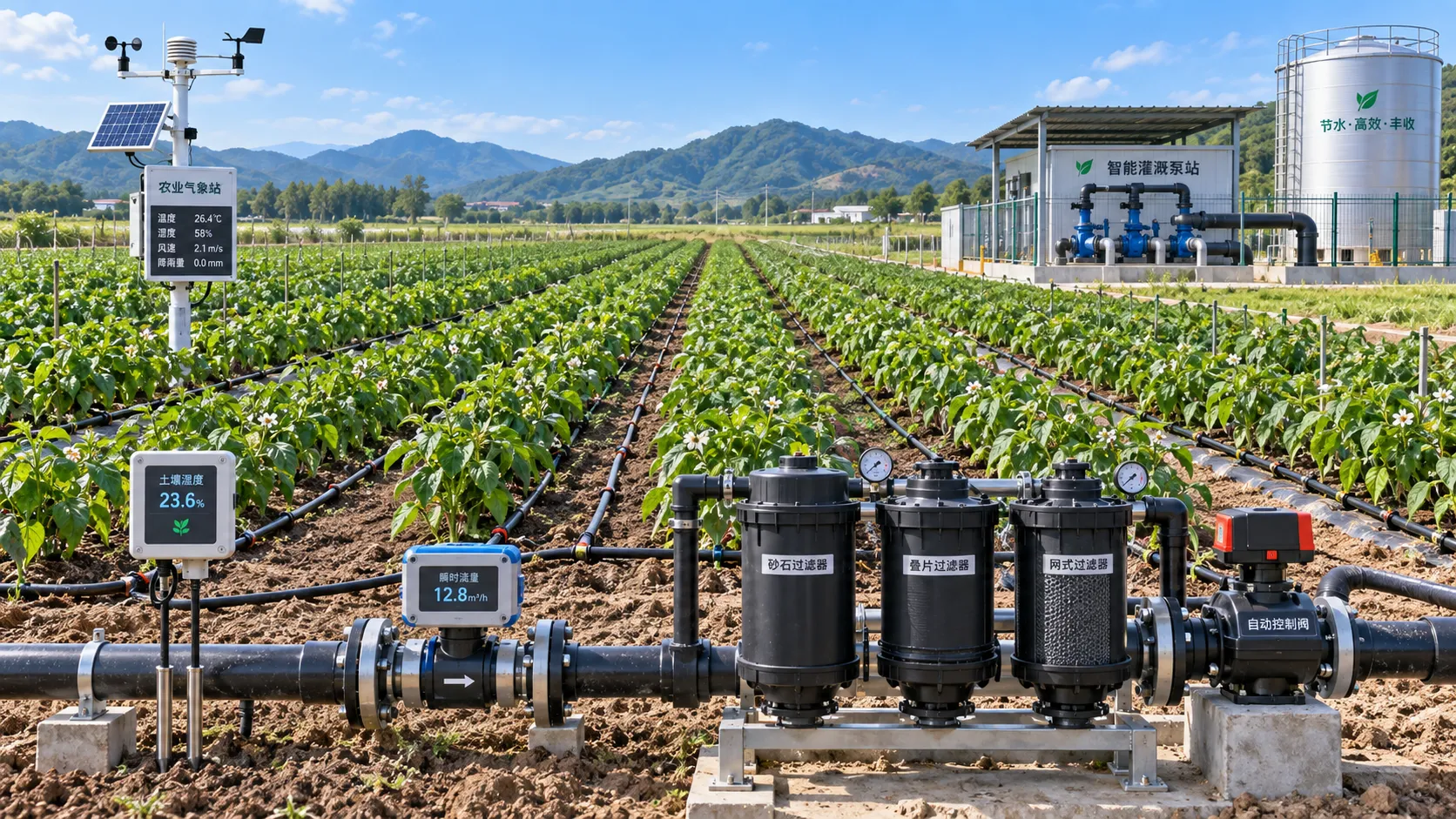
Automated Water-Saving Irrigation: How to Cut Water Use Without Reducing Crop Yields
Automated water-saving irrigation helps farms cut water use, protect crop yields, improve scheduling, and gain reliable control with sensors, flow monitoring, and smart zones.
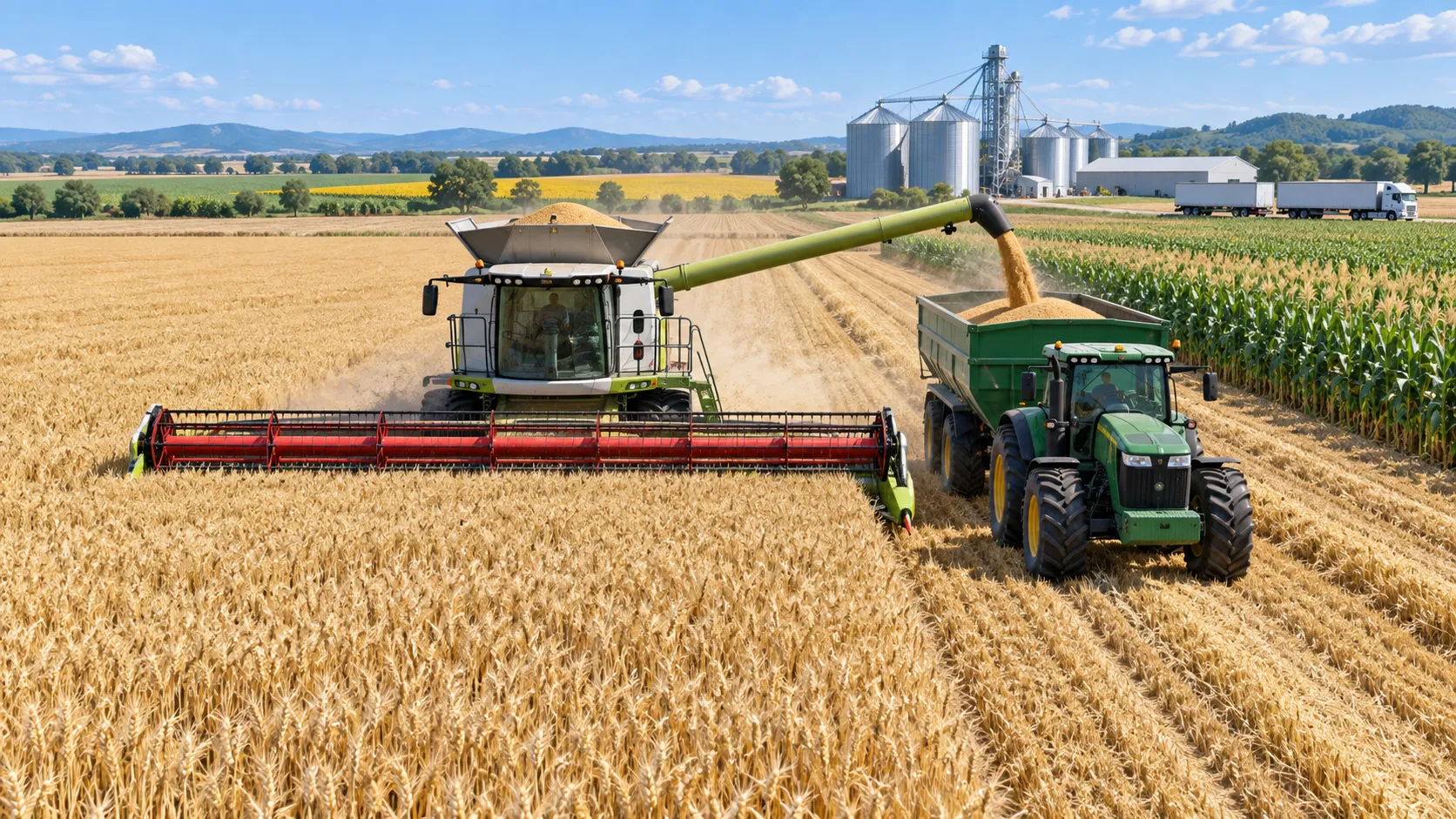
Selecting Grain Farm Equipment by Acreage, Crop Mix, and Harvest Window
Agricultural equipment selection for grain farming: match machinery to acreage, crop mix, and harvest windows to improve uptime, efficiency, and returns.
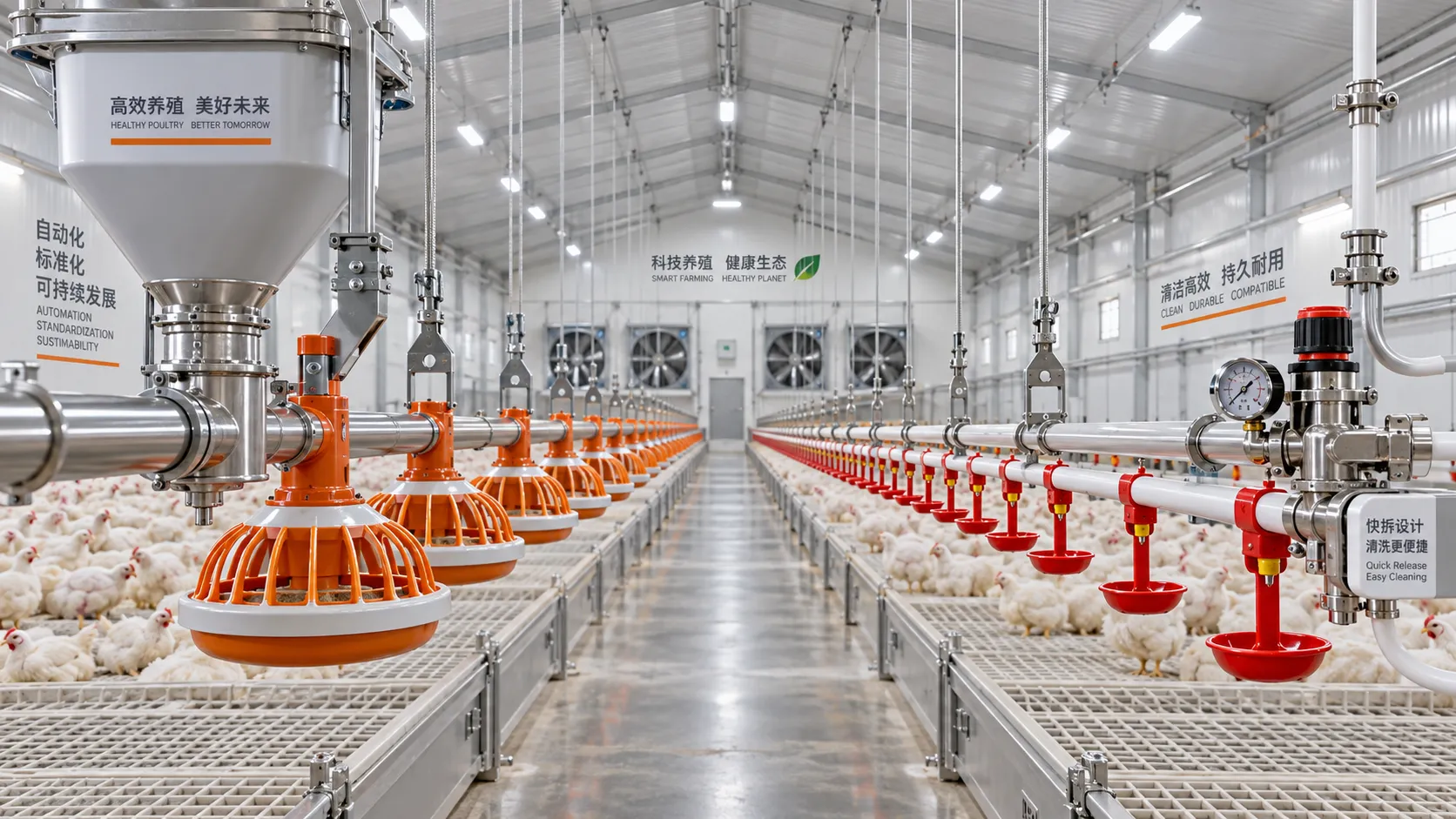
Poultry Equipment Selection: Evaluating Durability, Cleaning, and Compatibility
Poultry equipments selection guide: evaluate durability, cleaning access, and system compatibility to improve hygiene, reduce downtime, and support efficient flock management.
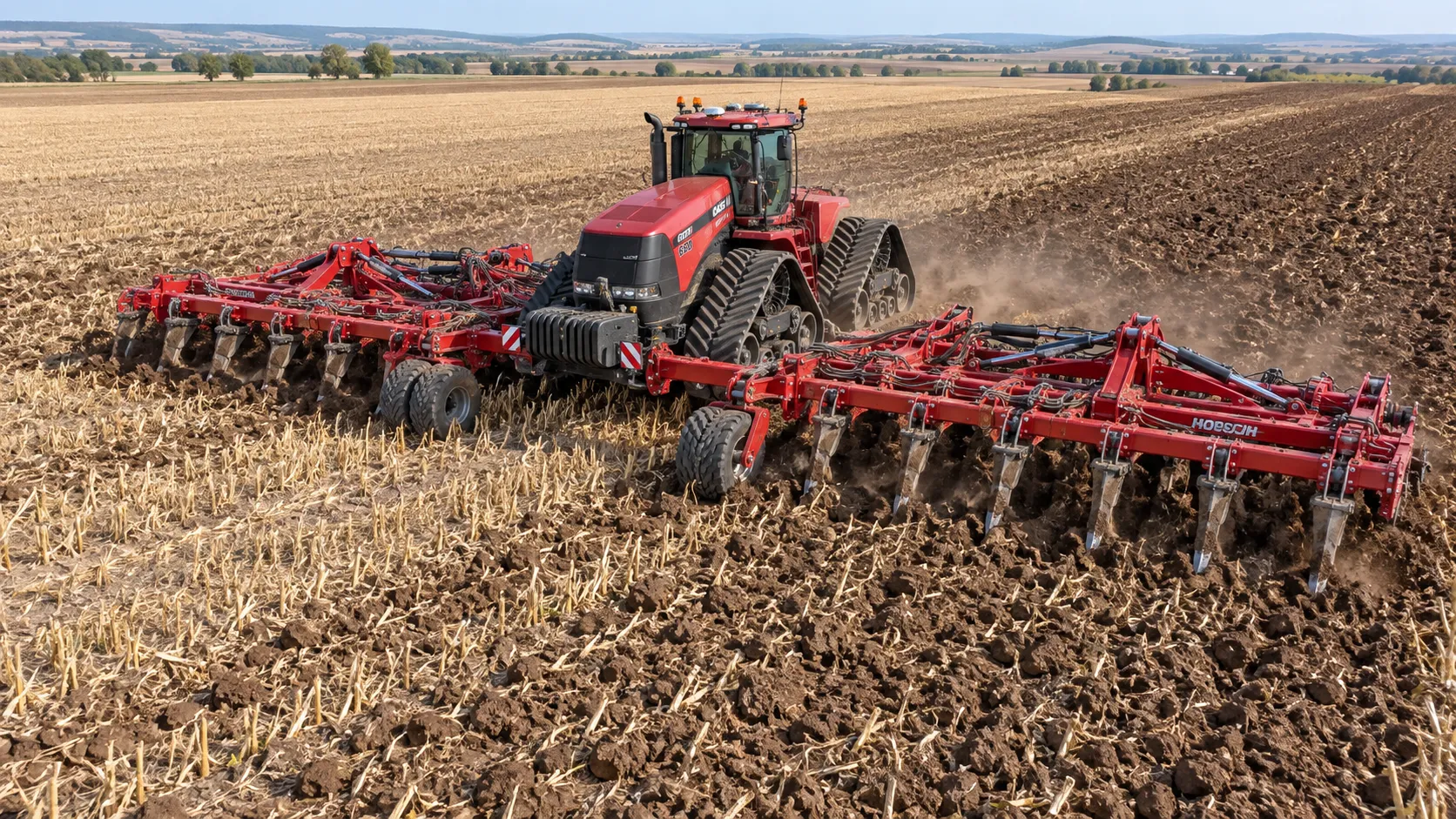
How to Select Heavy-Duty Farm Implements for High-Acreage, High-Horsepower Operations
Heavy duty farm implements: learn how to match draft, hydraulics, hitch capacity, frame strength, and field conditions for reliable high-acreage performance.
Related News
- 00
0000-00
When Does Agricultural Machinery Leasing Cost Less Than Owning Equipment? - 00
0000-00
Selecting Grain Farm Equipment by Acreage, Crop Mix, and Harvest Window - 00
0000-00
Poultry Equipment Selection: Evaluating Durability, Cleaning, and Compatibility - 00
0000-00
How to Select Heavy-Duty Farm Implements for High-Acreage, High-Horsepower Operations - 00
0000-00
Smart Farming Technology for Dairy Farms: Where Automation Delivers Measurable ROI
Popular Tags
Ms. Elena Rodriguez
Weekly Insights
Stay ahead with our curated technology reports delivered every Monday.