
When dynamic feedback algorithms improve spray accuracy
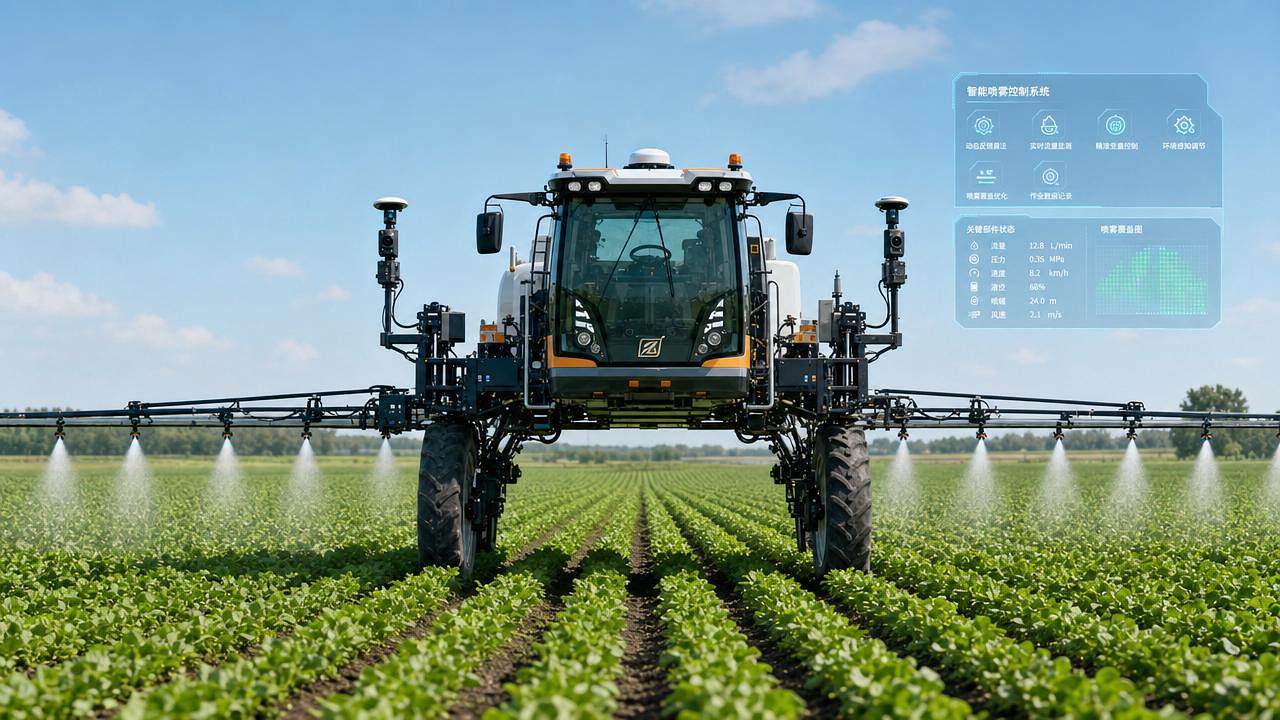




Dynamic feedback algorithms are reshaping spray accuracy expectations
For after-sales maintenance teams, spray accuracy is no longer just a hardware issue—it increasingly depends on dynamic feedback algorithms that turn sensor data into real-time correction.
As agricultural equipment faces tighter efficiency and sustainability goals, software logic now influences every droplet placement, pressure shift, and nozzle response.
This change matters across the broader equipment industry, where performance is judged by output stability, field uniformity, chemical savings, and serviceability.
When dynamic feedback algorithms improve spray accuracy, they also improve diagnosis speed, maintenance planning, and long-term machine reliability.
That makes them a strategic topic for intelligent farm tools, self-propelled sprayers, tractor-linked systems, and integrated Agriculture 4.0 platforms.
The shift is visible in how spraying systems are evaluated
Spray systems were once assessed mainly by pump size, boom design, nozzle selection, and mechanical durability.
Today, evaluation increasingly includes response speed, correction quality, signal stability, and adaptation under varying field conditions.
That is why dynamic feedback algorithms have moved from a niche engineering topic into a mainstream operational concern.
In practical use, spray accuracy changes constantly with ground speed, terrain vibration, wind influence, liquid pressure, and valve lag.
Static calibration alone cannot handle these fast-changing variables across large-scale operations.
Dynamic feedback algorithms solve this by reading sensors continuously and adjusting output before deviation grows into visible application error.
This trend is especially relevant in broadacre farming, where even small inaccuracy can multiply into large chemical waste or crop stress.
Trend signals becoming harder to ignore
- Higher expectations for chemical use efficiency.
- Greater demand for drift reduction in sensitive zones.
- More sensor-rich machines generating actionable data streams.
- Faster troubleshooting needs during narrow spraying windows.
- Growing integration with telematics and precision farming software.
Why dynamic feedback algorithms are gaining importance now
The rise of dynamic feedback algorithms is not random. Several operational and technological forces are pushing them forward at the same time.
In short, the hardware still matters, but the intelligence layer now decides how well that hardware performs under pressure.
How dynamic feedback algorithms improve spray accuracy in the field
At the field level, dynamic feedback algorithms work as continuous correction engines.
They compare target output with actual output, then issue adjustments to valves, pumps, or section controls.
This loop repeats rapidly, helping the system stay near intended application rates.
Key correction functions typically include
- Compensating for speed changes during acceleration or turning.
- Stabilizing pressure when boom sections open or close.
- Reducing overshoot after sudden command changes.
- Balancing flow distribution during uneven terrain movement.
- Supporting drift management through smarter output control.
When these corrections happen quickly, spray accuracy improves not only on average, but also during the most unstable operating moments.
That distinction is important because many costly errors appear during transitions rather than steady-state spraying.
Common data inputs behind better correction
Dynamic feedback algorithms usually depend on combined signal sources instead of one isolated reading.
- Vehicle speed sensors
- Flow meters
- Pressure transducers
- Boom height and tilt sensors
- GNSS positioning data
- Weather-linked inputs in advanced systems
The real value comes from fusing these inputs into decisions fast enough to matter in motion.
The impact extends beyond application quality alone
Better spray accuracy creates ripple effects across several business and service layers.
It affects equipment uptime, parts wear, service workflows, seasonal readiness, and documentation confidence.
This is why dynamic feedback algorithms should be viewed as operational infrastructure, not merely optional software refinement.
What deserves close attention during inspection and service
As these systems become more common, maintenance quality depends on understanding where algorithm-driven spray accuracy can break down.
Priority checkpoints include
- Sensor calibration stability across temperature and vibration changes.
- Signal delay between measurement and corrective action.
- Valve response consistency under partial load conditions.
- Software version alignment across machine controllers.
- Data logging quality for fault tracing after field events.
- Interaction between nozzle condition and algorithm assumptions.
A common mistake is treating recurring spray irregularity as a purely hydraulic fault.
In many cases, the root issue involves delayed feedback, noisy signals, or unstable correction thresholds.
That makes cross-checking mechanical health with control logic increasingly necessary.
The next stage will combine feedback control with predictive intelligence
The current generation of dynamic feedback algorithms focuses on real-time correction.
The next stage will add prediction, allowing systems to prepare for change before error appears.
This may include anticipating boom movement, terrain transitions, speed variation, or wind-linked drift risk.
As Agriculture 4.0 matures, spray accuracy will rely on both reactive and predictive layers working together.
Practical response ideas for the near term
- Review whether field complaints correlate with speed transitions or section switching.
- Use logged sensor data to separate hardware faults from algorithm behavior.
- Check software updates that affect correction speed or filtering logic.
- Track nozzle wear because degraded flow changes algorithm performance assumptions.
- Build service protocols that include both mechanical and control-system verification.
A sharper view of dynamic feedback algorithms supports better decisions
When dynamic feedback algorithms improve spray accuracy, they also improve the quality of maintenance judgment and operational planning.
For the wider agri-equipment landscape, this is part of a larger movement toward intelligent, measurable, and resource-aware machine performance.
AP-Strategy continues to track these shifts across large-scale machinery, intelligent farm tools, and precision control systems.
Following the evolution of dynamic feedback algorithms now can support faster troubleshooting, better field consistency, and stronger long-term equipment value.
The most useful next step is simple: review spraying issues through both hydraulic performance and feedback logic, then align service practice with that dual perspective.
Related News
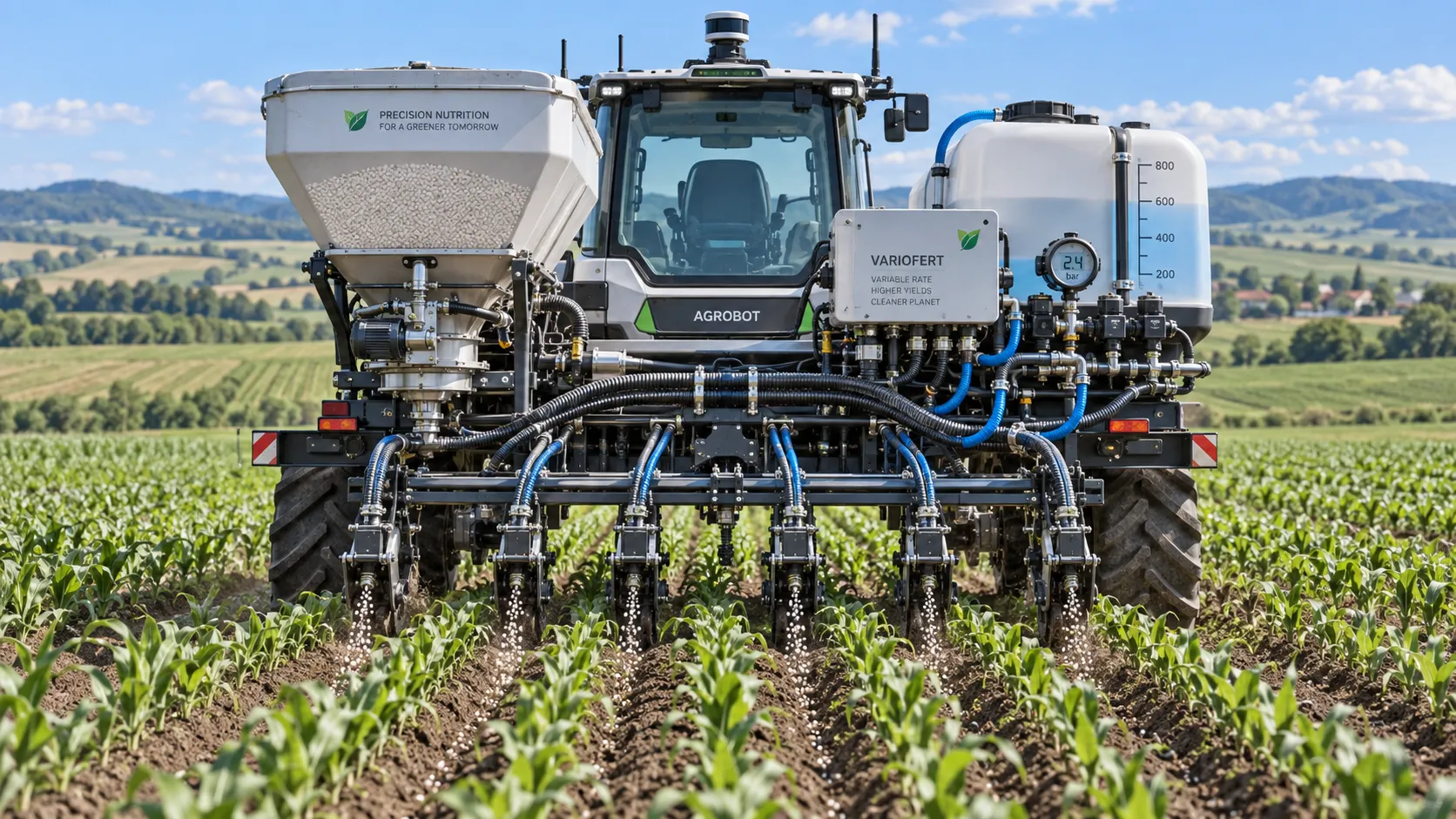
How Sensor Feedback Enables Accurate Variable-Rate Fertilization in Field Conditions
Precision fertilization systems with sensor feedback improve variable-rate accuracy by verifying flow, managing latency, and ensuring reliable field application.
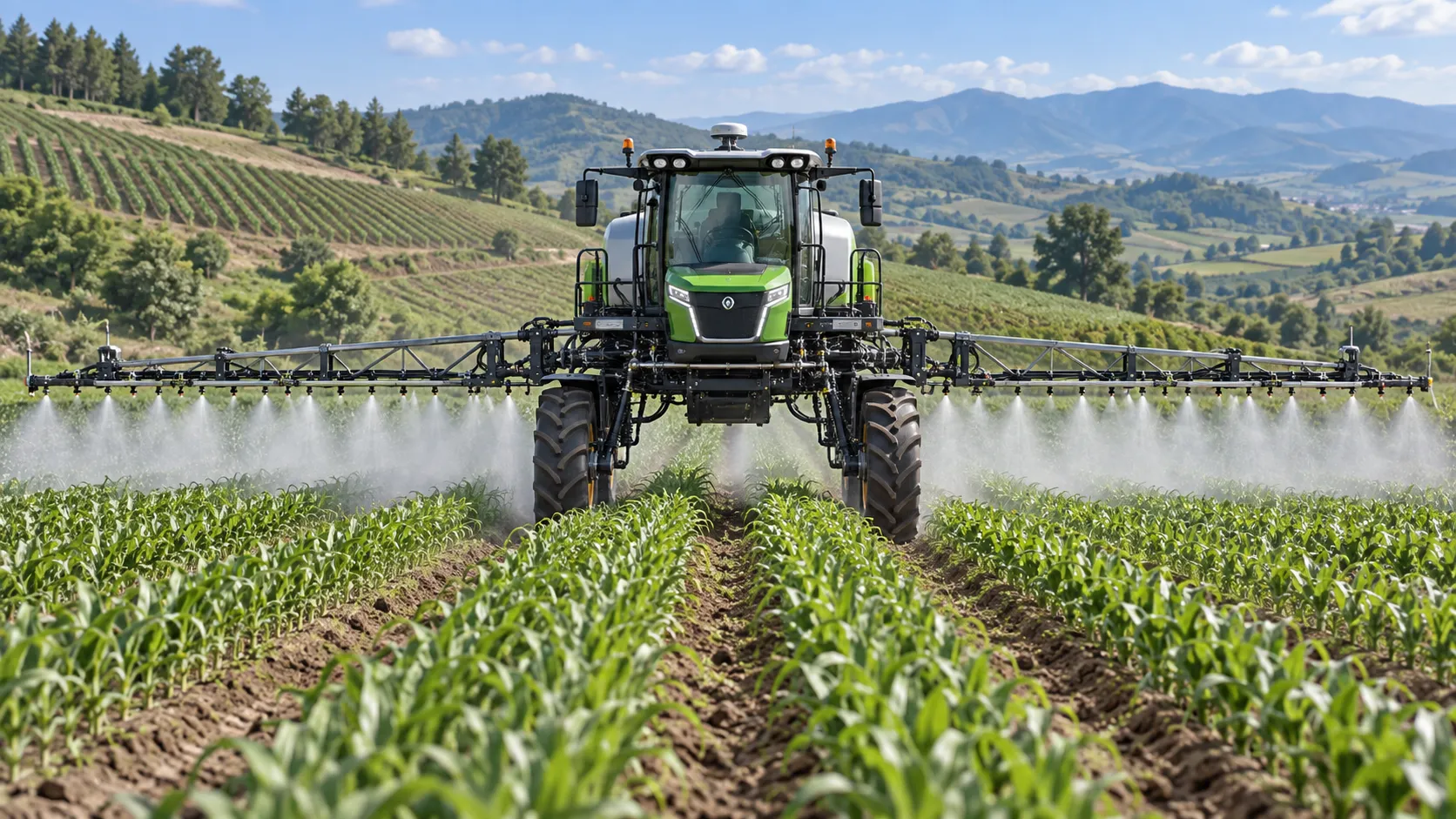
How to Select Precision Crop Protection Equipment for Variable Field Conditions
Precision crop protection equipment selection made simple: compare terrain, canopy, weather, control accuracy, and data workflows for reliable applications.

When Does Agricultural Machinery Leasing Cost Less Than Owning Equipment?
Agricultural machinery leasing can lower farm costs when use is seasonal or uncertain. Compare utilization, maintenance, cash flow, and risk to make a smarter equipment decision.
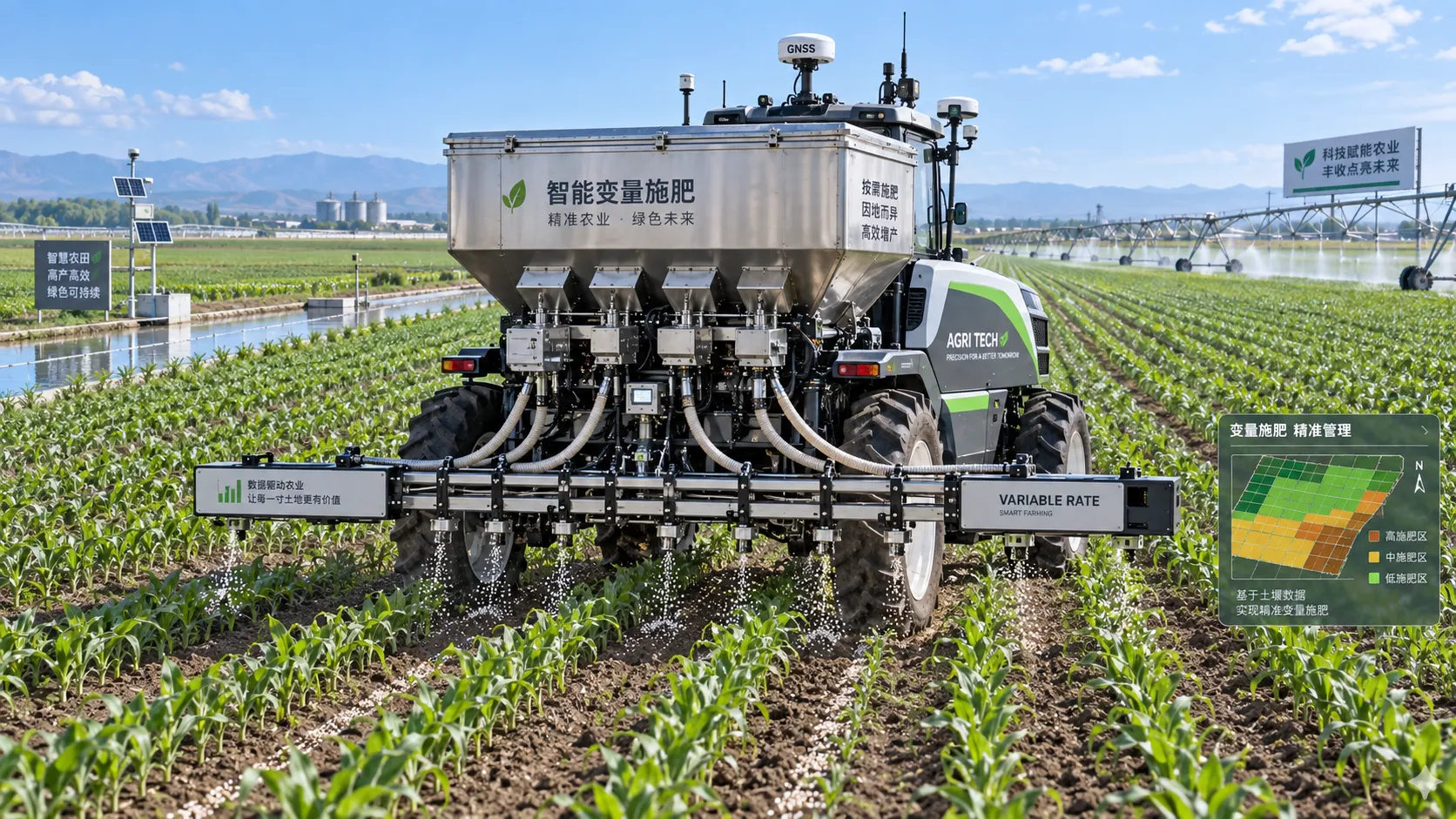
How to Evaluate Precision Fertilization System Suppliers for Farm-Scale Deployment
Precision fertilization systems suppliers: learn how to compare accuracy, integration, uptime, service, and total cost for confident farm-scale deployment.
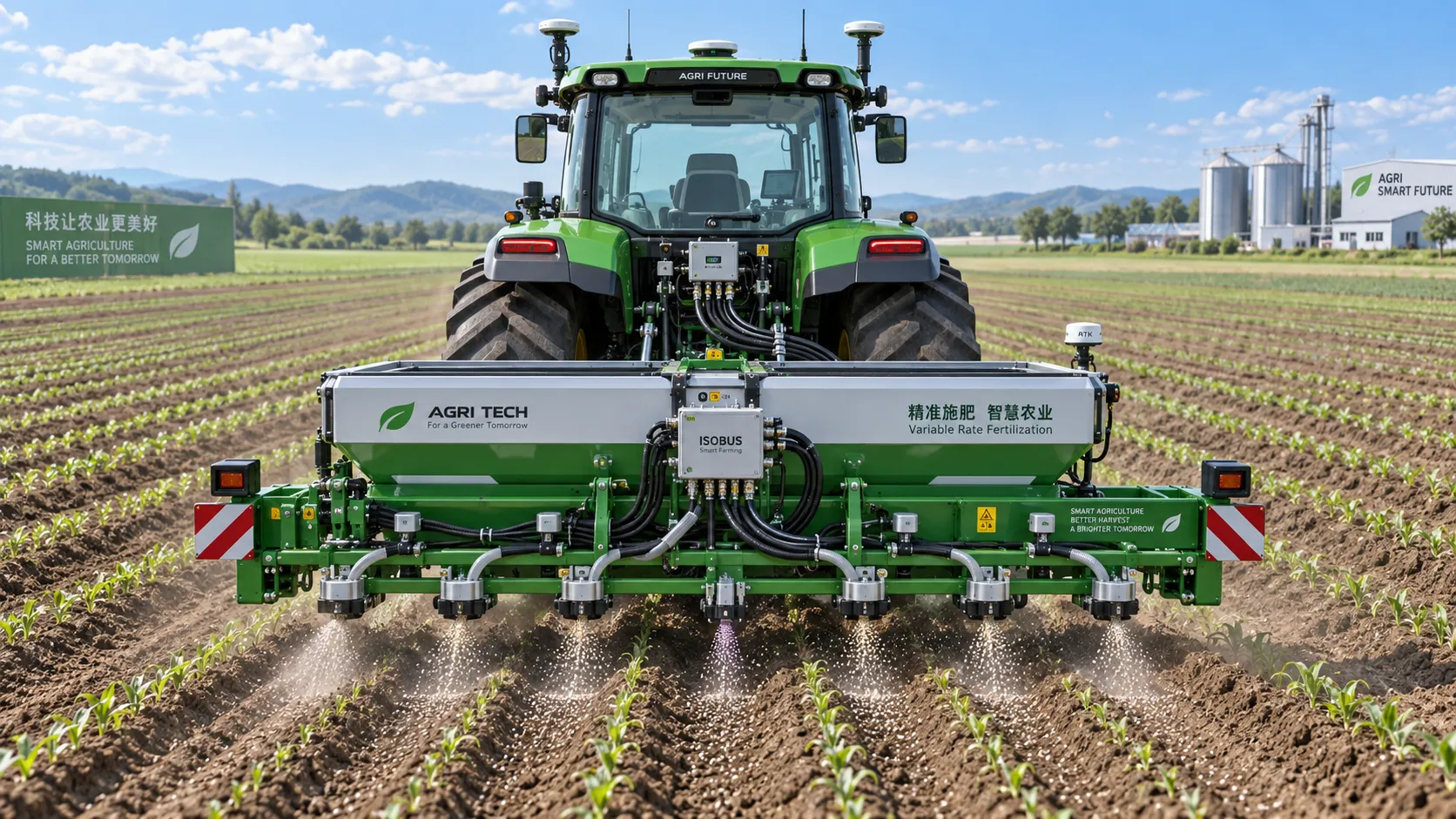
ISOBUS for Smart Agriculture: How It Connects Tractors, Implements, and Farm Data
ISOBUS for smart agriculture connects tractors, implements, terminals, and farm data—helping growers improve precision, documentation, and smarter field decisions.
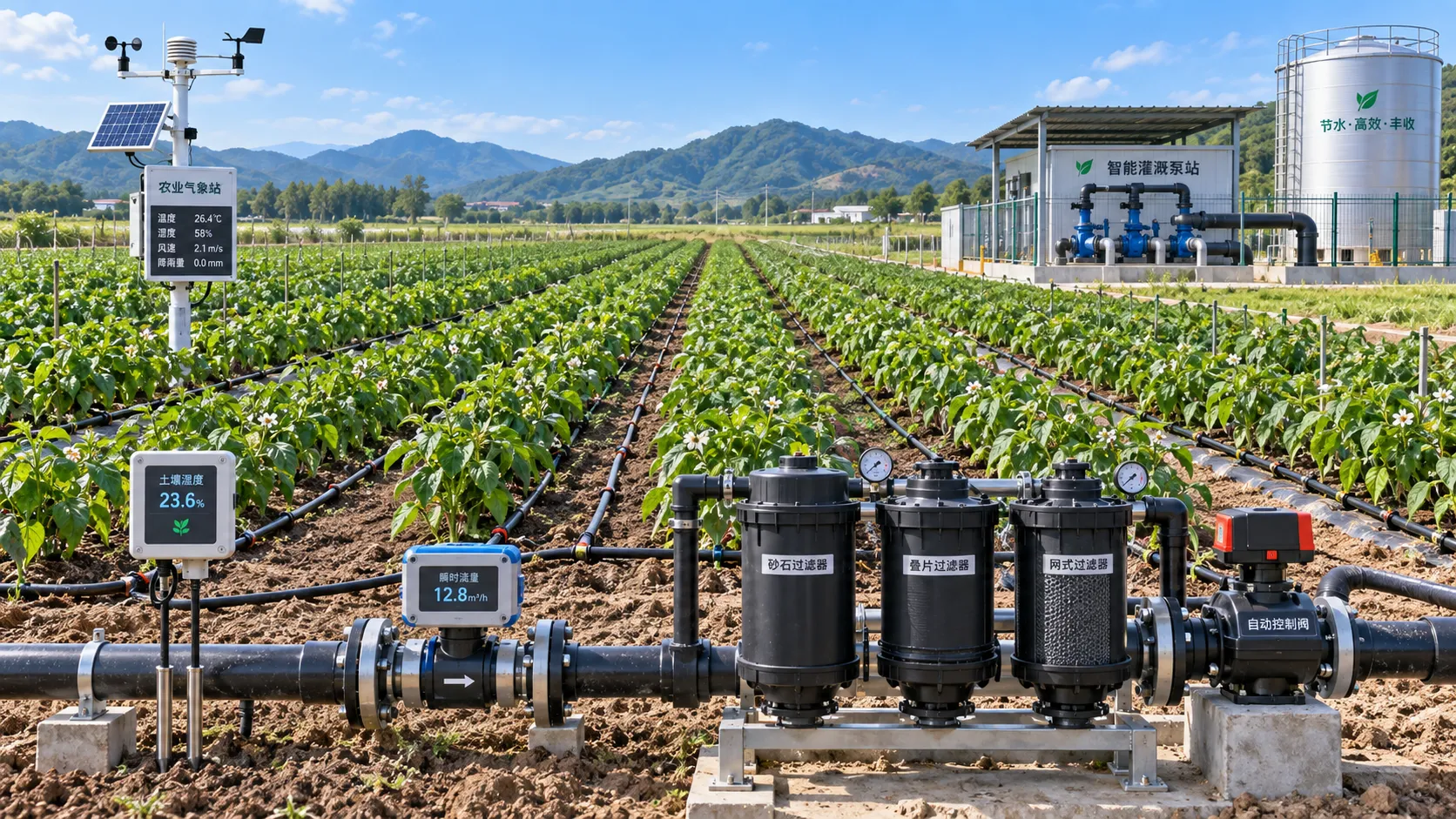
Automated Water-Saving Irrigation: How to Cut Water Use Without Reducing Crop Yields
Automated water-saving irrigation helps farms cut water use, protect crop yields, improve scheduling, and gain reliable control with sensors, flow monitoring, and smart zones.
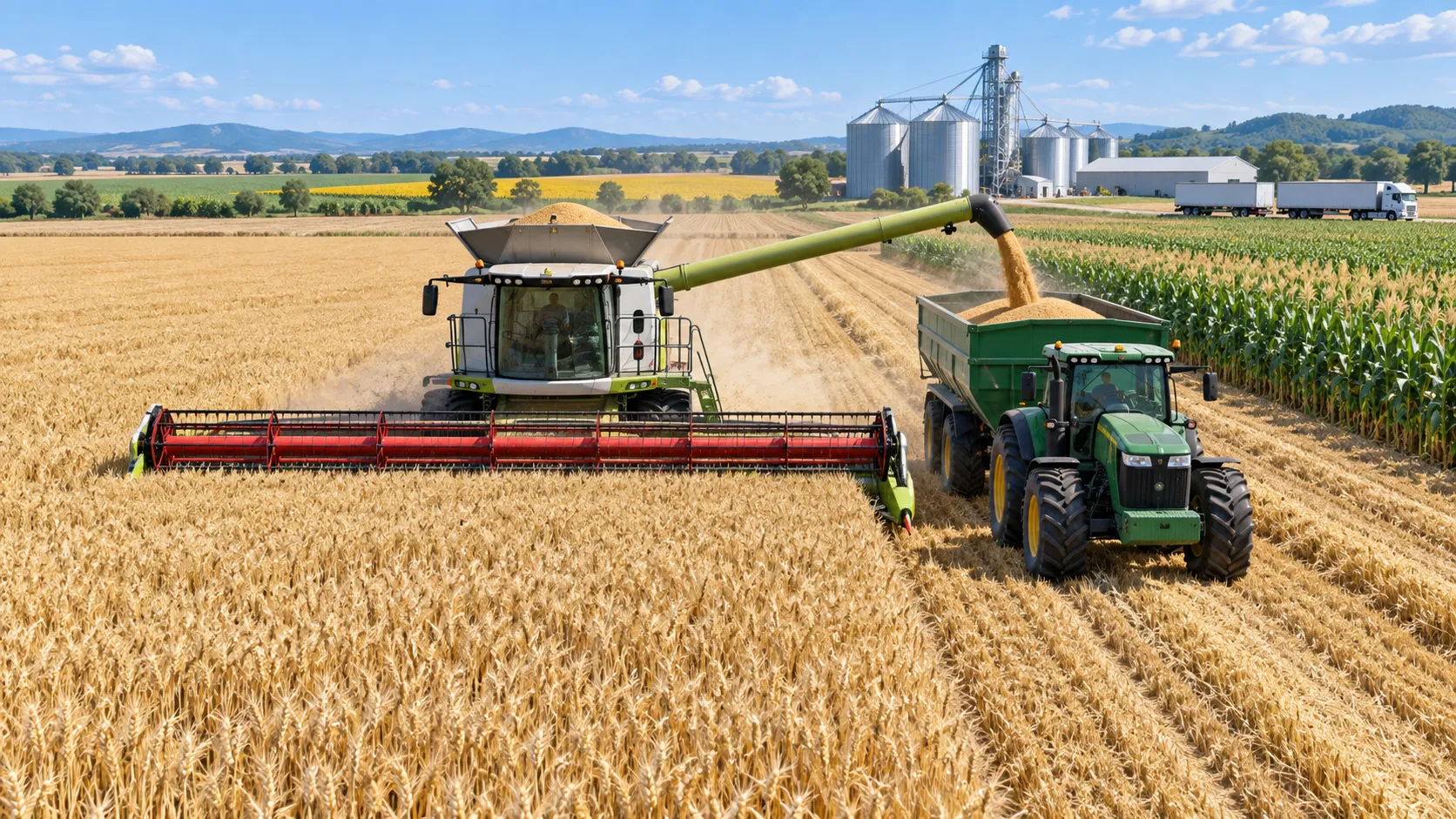
Selecting Grain Farm Equipment by Acreage, Crop Mix, and Harvest Window
Agricultural equipment selection for grain farming: match machinery to acreage, crop mix, and harvest windows to improve uptime, efficiency, and returns.
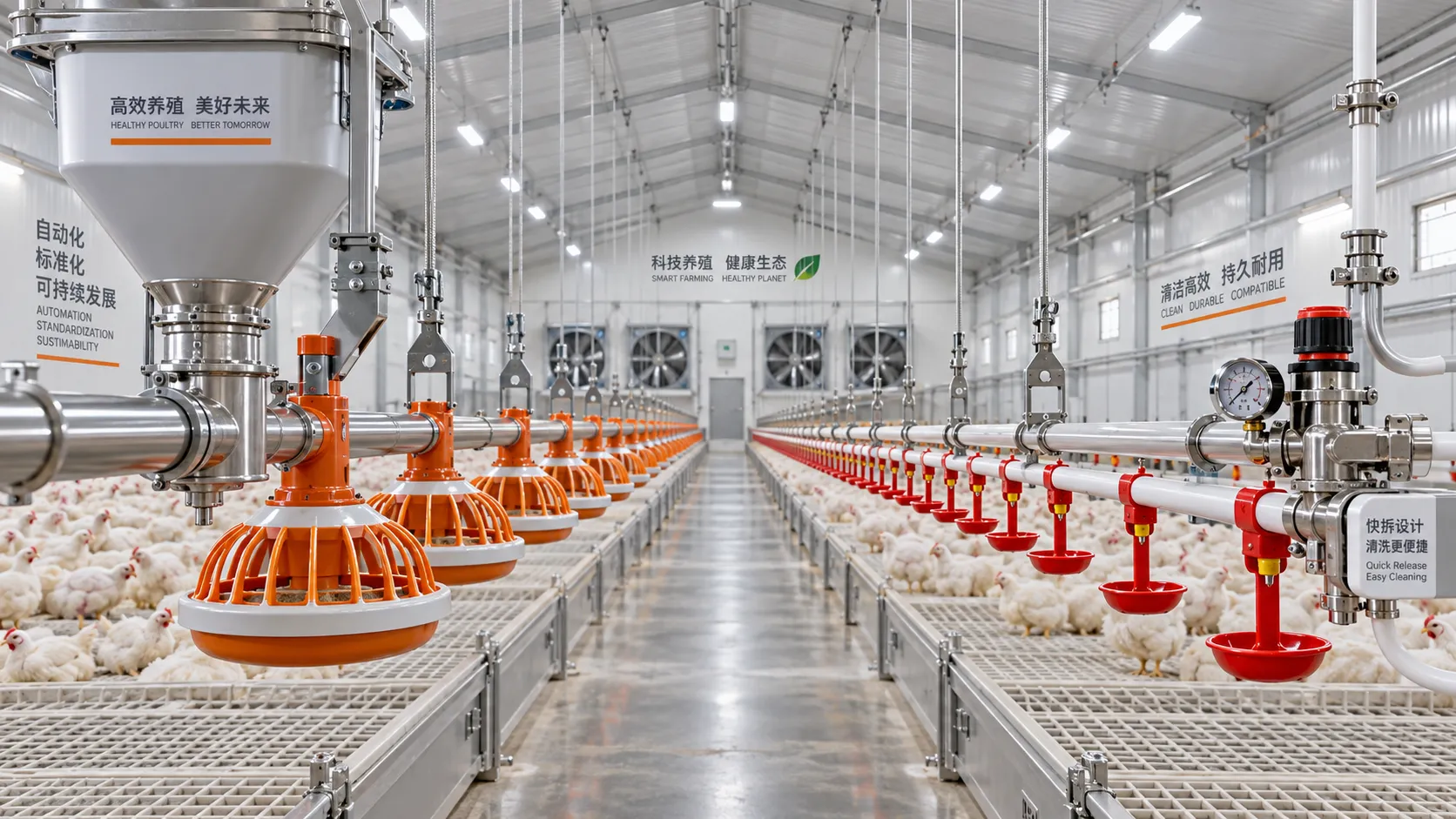
Poultry Equipment Selection: Evaluating Durability, Cleaning, and Compatibility
Poultry equipments selection guide: evaluate durability, cleaning access, and system compatibility to improve hygiene, reduce downtime, and support efficient flock management.
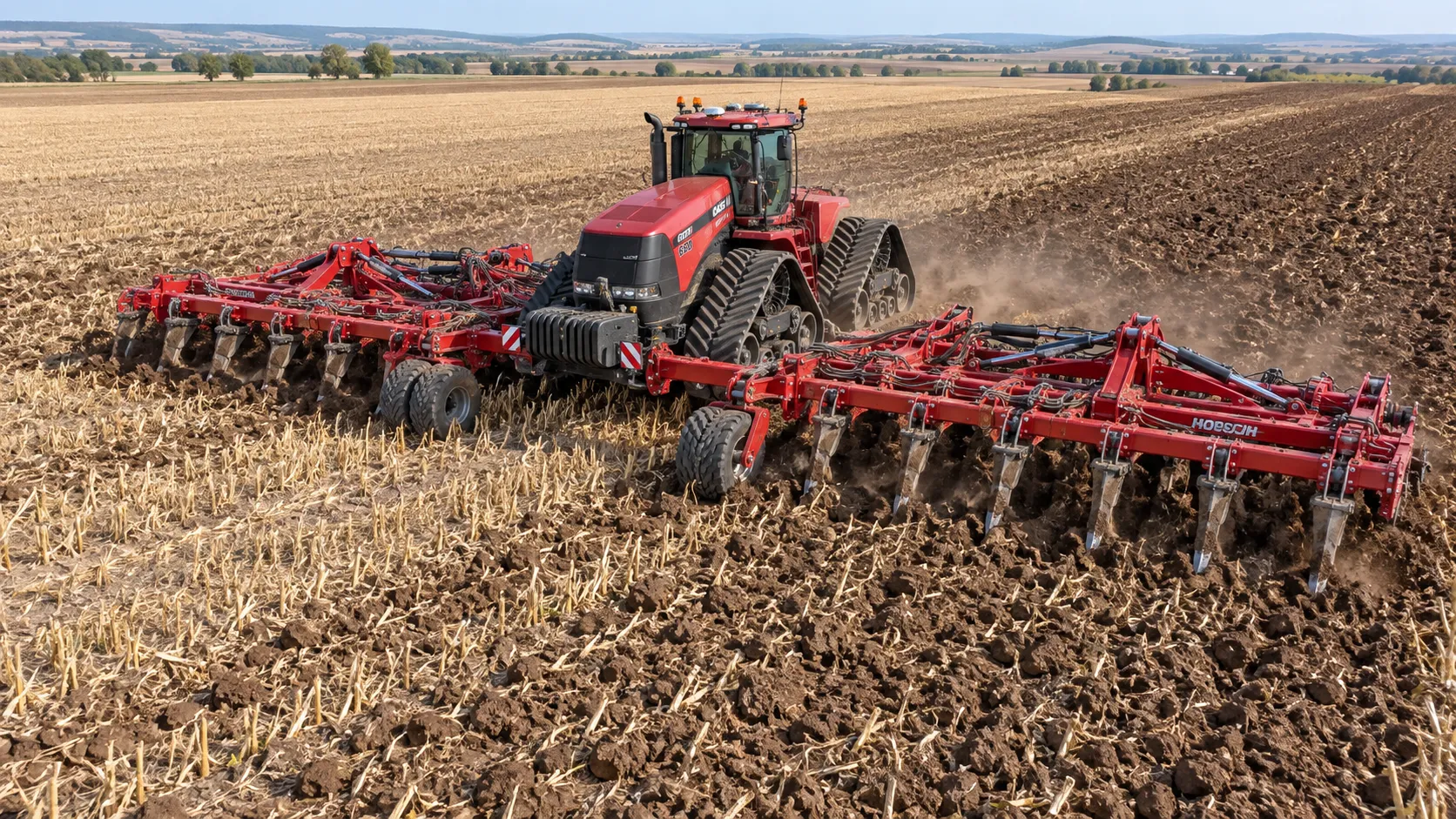
How to Select Heavy-Duty Farm Implements for High-Acreage, High-Horsepower Operations
Heavy duty farm implements: learn how to match draft, hydraulics, hitch capacity, frame strength, and field conditions for reliable high-acreage performance.
Related News
- 00
0000-00
How to Choose Plant Protection Equipment for Vineyard Pests - 00
0000-00
How to Read Agricultural Equipment Specifications for Sprayers Before You Compare Models - 00
0000-00
BIS Extends Fast-Track Approval for Self-Propelled Sprayers - 00
0000-00
Intelligent Sprayer Technology: Which Functions Matter Most for Field Efficiency? - 00
0000-00
How to Choose Plant Protection Equipment for Orchards by Tree Height, Row Spacing, and Spray Drift
Popular Tags
Agri-Mechanization Fellow
Weekly Insights
Stay ahead with our curated technology reports delivered every Monday.