
Plant Protection Technology Gaps That Hurt Sustainable Yields
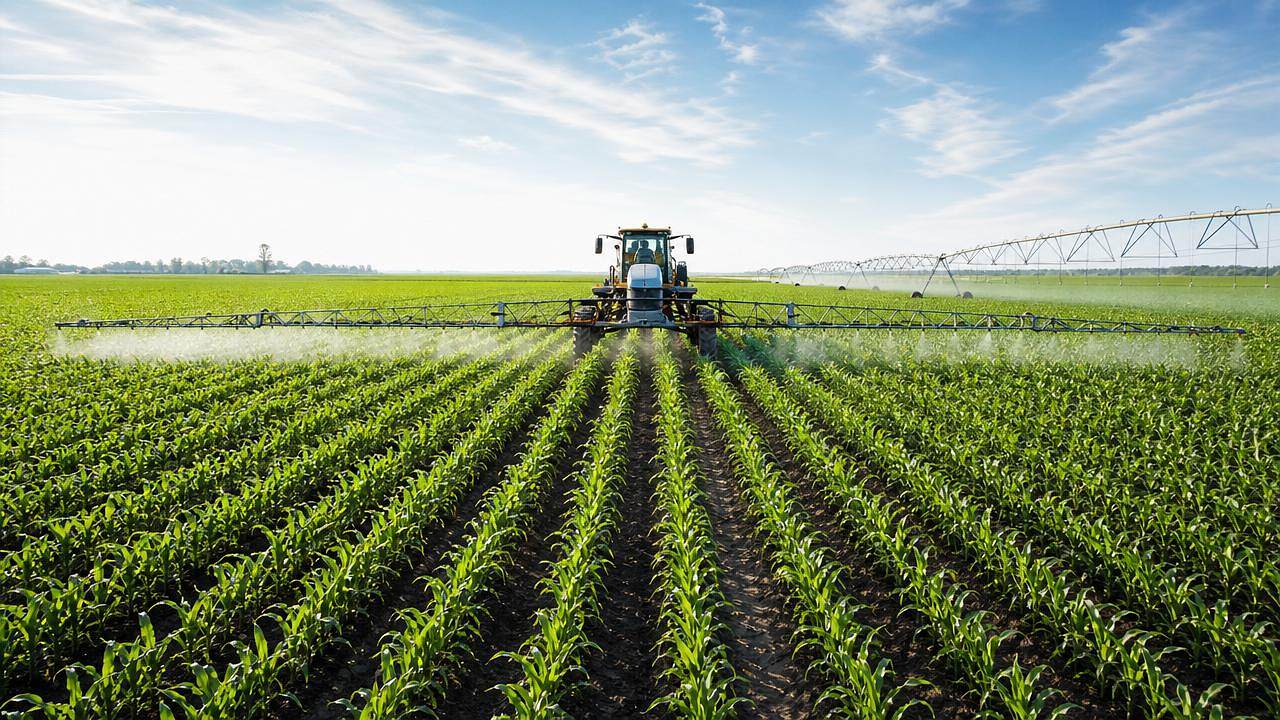




Invisible protection gaps are becoming a direct yield risk
For technical evaluators, the biggest threat to stable output is not always visible in the field—it often lies in overlooked plant protection technology gaps that weaken efficiency, resilience, and long-term profitability.
This article examines how plant protection technology for sustainable agriculture can close those gaps by connecting mechanization, precision data, and smarter intervention strategies.
Across broadacre farming, orchards, and irrigated systems, protection failures now emerge from timing errors, uneven coverage, resistance pressure, and fragmented decision tools.
These gaps do more than reduce pest control. They increase fuel use, labor waste, crop stress, residue risk, and preventable losses at harvest.
That is why plant protection technology for sustainable agriculture has shifted from a support function to a strategic pillar of yield security.
Field signals show that protection systems are under new pressure
Several trend signals explain why conventional protection programs are losing reliability under modern operating conditions.
Weather volatility now compresses spray windows. Resistant weeds and pests demand more precise action. Labor constraints reduce scouting quality. Input prices punish every inefficient pass.
At the same time, larger machines cover more hectares per day, but scale can amplify mistakes when calibration, sensor logic, or application maps are weak.
In this context, plant protection technology for sustainable agriculture is increasingly judged by consistency, traceability, and integration with the broader machinery ecosystem.
What the change looks like on the ground
- More spray drift concerns near water, settlements, and sensitive crops.
- Rising demand for site-specific treatment rather than blanket application.
- Greater dependence on telemetry, positioning, and sensor feedback.
- Closer links between crop protection, irrigation timing, and harvester outcomes.
- Stronger pressure to document every intervention for compliance and performance review.
Why these gaps are widening instead of shrinking
The problem is not a single missing machine or chemical. It is a system gap between field biology, equipment capability, and digital decision quality.
Plant protection technology for sustainable agriculture often underperforms when one layer advances faster than the others.
A core pattern behind poor outcomes
Many operations invest in larger sprayers or newer tools, yet still lack closed-loop verification. Coverage is assumed, not measured. Timing is scheduled, not dynamically optimized.
That is where plant protection technology for sustainable agriculture must evolve from equipment ownership to performance intelligence.
The impact extends far beyond crop loss
Protection gaps affect multiple business layers at once. Their cost is cumulative, often hidden until harvest, storage, or market delivery.
Operational impact
- Extra passes increase fuel use, machine wear, and labor hours.
- Poor application uniformity creates patchy crop development.
- Weak synchronization with irrigation can intensify disease pressure.
Financial impact
- Input inefficiency reduces gross margin even when yields look acceptable.
- Downgraded crop quality may lower contract value or processing suitability.
- Late-season rescue treatments are usually more expensive and less effective.
Sustainability impact
- Drift, runoff, and overuse weaken environmental performance claims.
- Resistance pressure rises when treatment quality is inconsistent.
- Carbon efficiency declines when machinery passes are repeated unnecessarily.
This is why plant protection technology for sustainable agriculture matters in a comprehensive industry context, not only within crop chemistry decisions.
Where stronger plant protection technology creates measurable progress
The strongest gains come from combining machinery precision, agronomic intelligence, and timing control into one field-ready protection architecture.
1. Smarter application accuracy
Section control, pulse-width modulation, variable-rate logic, and drift-aware nozzles improve placement while reducing unnecessary overlap.
This version of plant protection technology for sustainable agriculture lowers waste without reducing responsiveness.
2. Better diagnosis before intervention
Satellite imagery, in-field sensors, machine vision, and weather-linked forecasting support earlier detection and more selective action.
Instead of reacting after visible spread, teams can prioritize risk zones and protect yield potential sooner.
3. Closer linkage with irrigation and harvest systems
Disease pressure, canopy humidity, and residue behavior often depend on water management and crop maturity patterns.
When plant protection technology for sustainable agriculture is linked with intelligent irrigation and harvest data, intervention timing becomes more reliable.
4. Continuous learning from machine data
Applied rate logs, travel speed, pressure variation, and field completion records create a performance feedback loop.
That loop allows calibration improvements, treatment comparison, and season-over-season refinement.
The next priority is not more inputs, but better system discipline
Closing technology gaps requires attention to a few high-value disciplines rather than a broad chase for every new tool.
Key points that deserve immediate attention
- Verify actual spray quality under field speeds, not only in static tests.
- Link scouting records with machine execution data and weather history.
- Review irrigation schedules when disease or residue issues repeat.
- Use resistance management logic as part of application planning.
- Audit field variability after harvest to trace protection blind spots.
- Train around calibration, nozzle choice, pressure stability, and data interpretation.
These steps strengthen plant protection technology for sustainable agriculture by making it measurable, repeatable, and better aligned with overall farm system performance.
A practical framework for judging the next move
This framework turns plant protection technology for sustainable agriculture into a decision process, not a marketing phrase.
The most resilient yields will come from connected protection intelligence
The future of stable production will depend on how well protection systems connect agronomy, machinery, and environmental control.
AP-Strategy tracks this shift across large-scale agri-machinery, combine harvesting technology, intelligent farm tools, and water-saving irrigation systems.
The central lesson is clear: yield loss often begins where protection data, machine execution, and field biology stop speaking to each other.
To strengthen plant protection technology for sustainable agriculture, start by identifying one weak link in coverage, timing, or integration, then measure improvement through the full season.
That next step can reduce waste, improve resilience, and protect sustainable yields when operating pressure keeps rising.
Related News
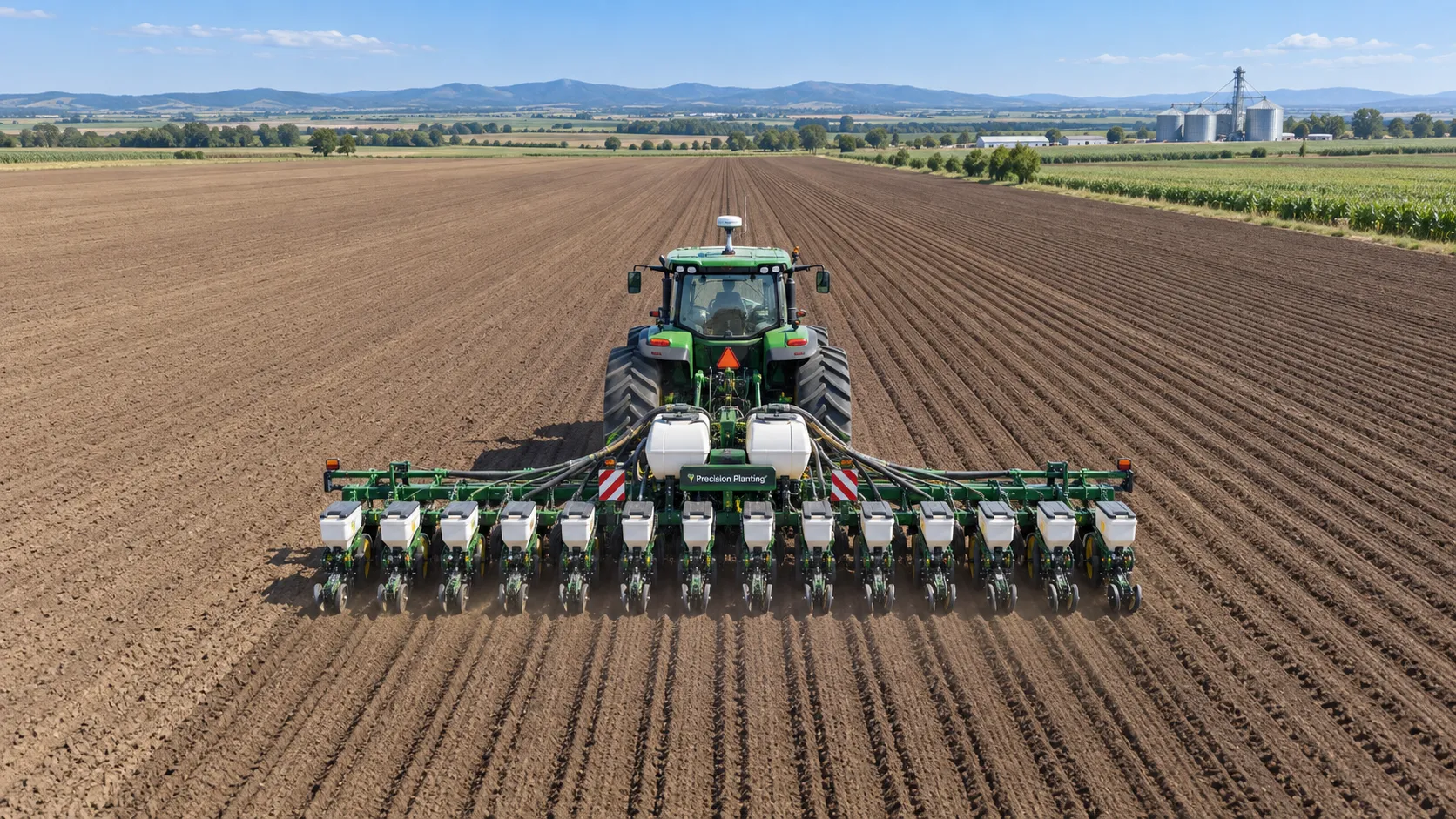
GPS-Guided Farm Machinery: Where It Delivers Measurable Field Efficiency Gains
Agri-mechanization GPS guided systems deliver measurable field efficiency gains through reduced overlap, precise planting, smarter inputs, and reliable farm data.
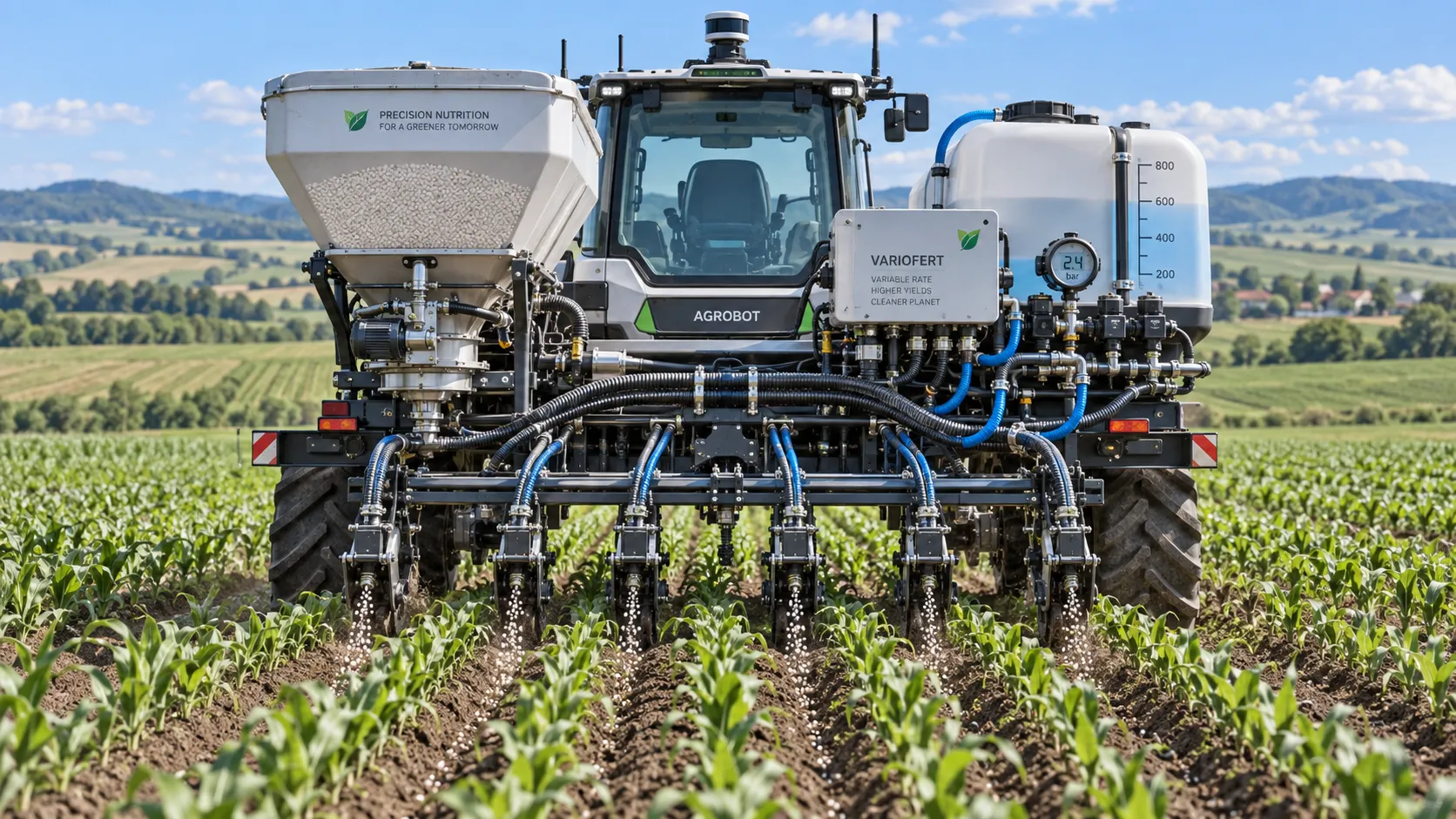
How Sensor Feedback Enables Accurate Variable-Rate Fertilization in Field Conditions
Precision fertilization systems with sensor feedback improve variable-rate accuracy by verifying flow, managing latency, and ensuring reliable field application.
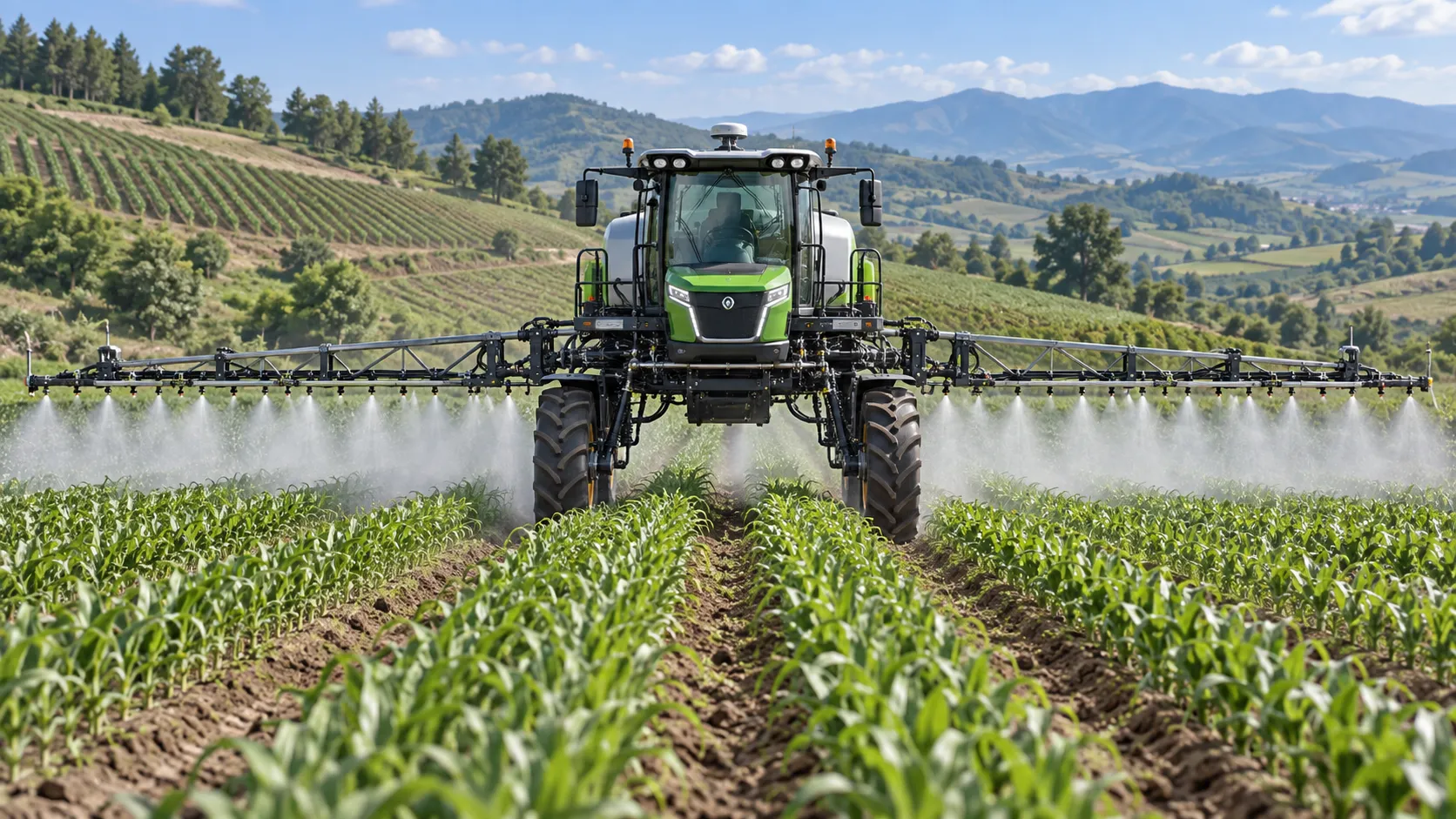
How to Select Precision Crop Protection Equipment for Variable Field Conditions
Precision crop protection equipment selection made simple: compare terrain, canopy, weather, control accuracy, and data workflows for reliable applications.
When Does Agricultural Machinery Leasing Cost Less Than Owning Equipment?
Agricultural machinery leasing can lower farm costs when use is seasonal or uncertain. Compare utilization, maintenance, cash flow, and risk to make a smarter equipment decision.
How to Evaluate Precision Fertilization System Suppliers for Farm-Scale Deployment
Precision fertilization systems suppliers: learn how to compare accuracy, integration, uptime, service, and total cost for confident farm-scale deployment.
ISOBUS for Smart Agriculture: How It Connects Tractors, Implements, and Farm Data
ISOBUS for smart agriculture connects tractors, implements, terminals, and farm data—helping growers improve precision, documentation, and smarter field decisions.
Automated Water-Saving Irrigation: How to Cut Water Use Without Reducing Crop Yields
Automated water-saving irrigation helps farms cut water use, protect crop yields, improve scheduling, and gain reliable control with sensors, flow monitoring, and smart zones.
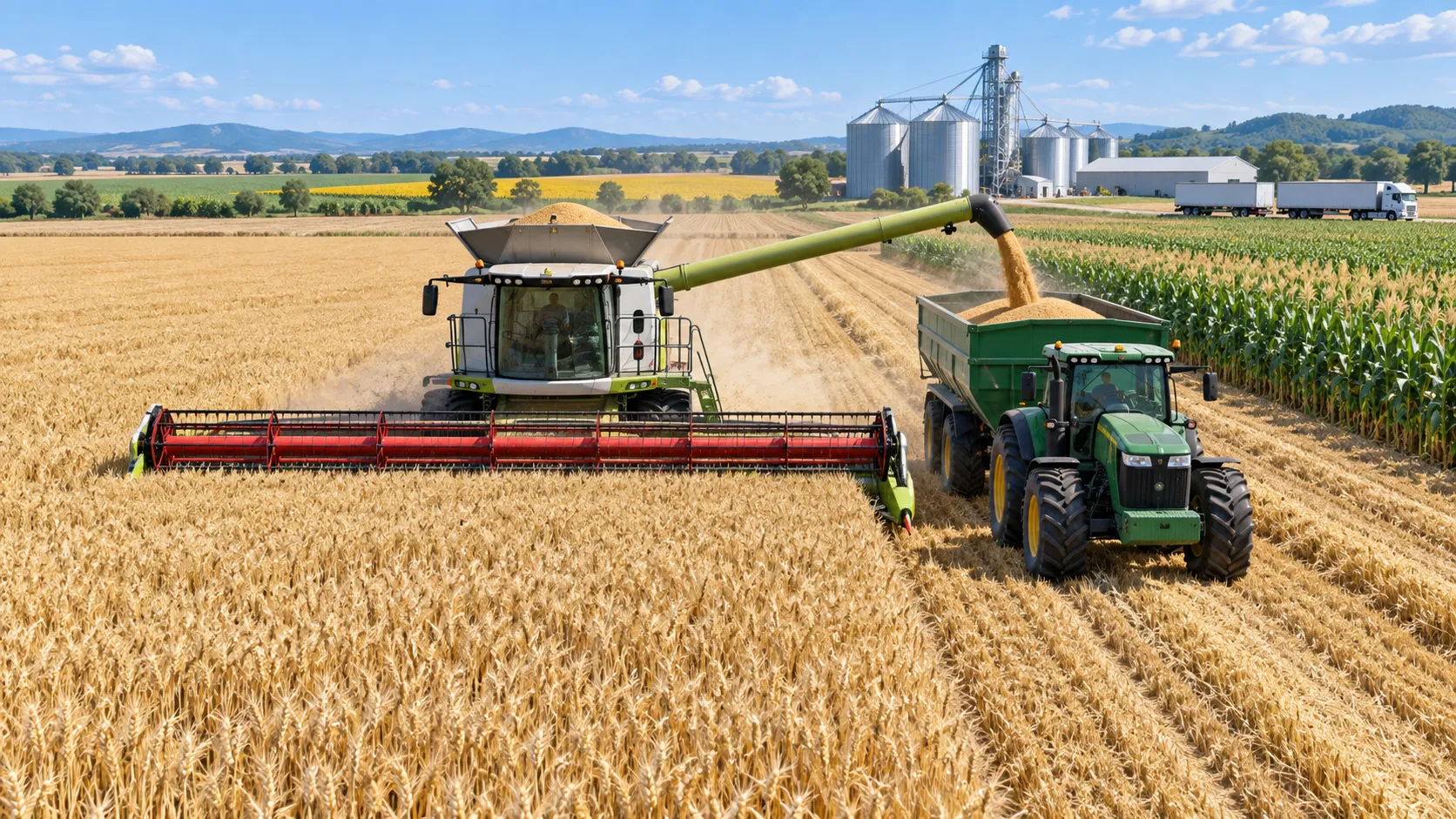
Selecting Grain Farm Equipment by Acreage, Crop Mix, and Harvest Window
Agricultural equipment selection for grain farming: match machinery to acreage, crop mix, and harvest windows to improve uptime, efficiency, and returns.
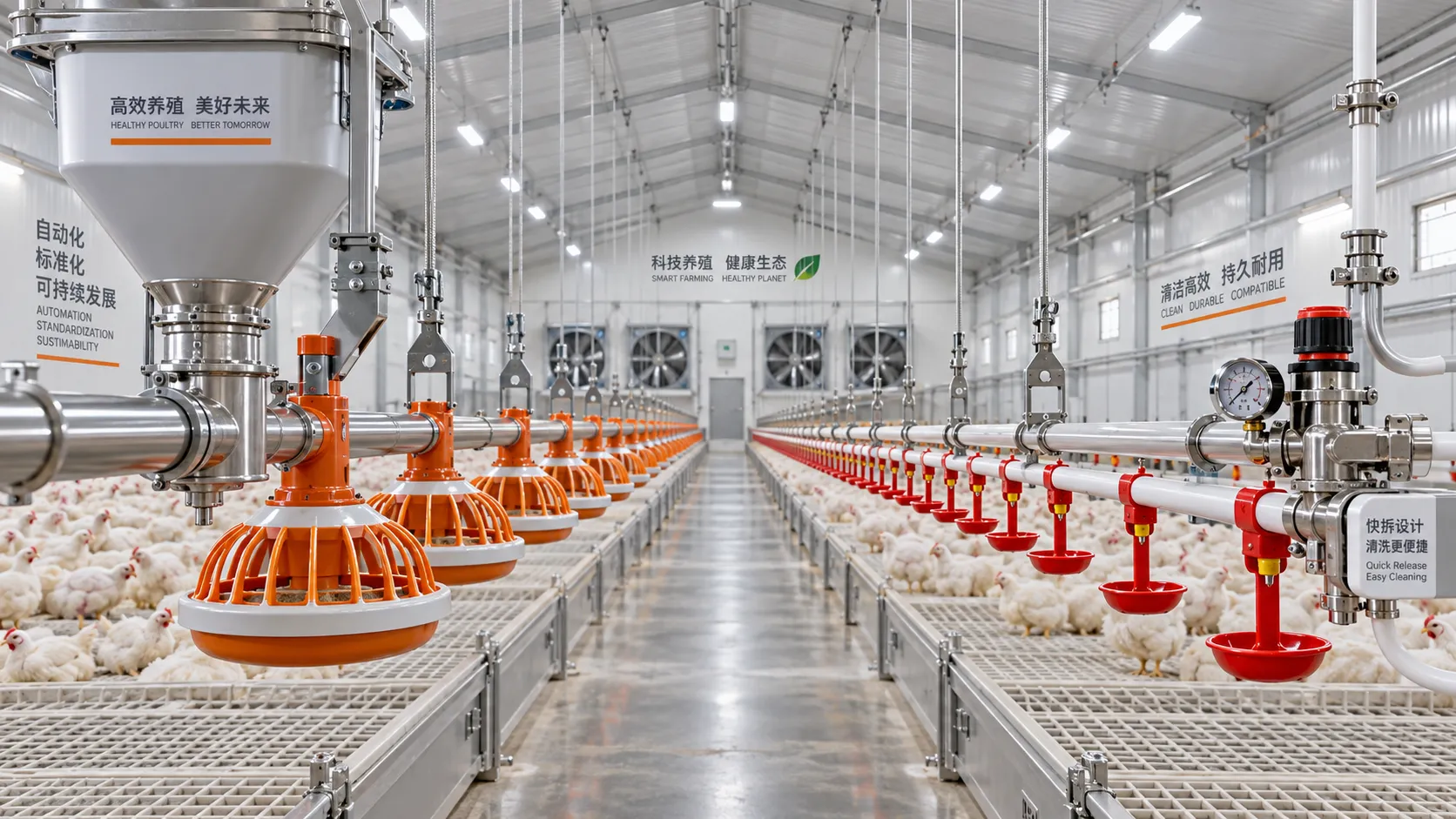
Poultry Equipment Selection: Evaluating Durability, Cleaning, and Compatibility
Poultry equipments selection guide: evaluate durability, cleaning access, and system compatibility to improve hygiene, reduce downtime, and support efficient flock management.
Related News
- 00
0000-00
How to Choose Plant Protection Equipment for Vineyard Pests - 00
0000-00
How to Read Agricultural Equipment Specifications for Sprayers Before You Compare Models - 00
0000-00
BIS Extends Fast-Track Approval for Self-Propelled Sprayers - 00
0000-00
Intelligent Sprayer Technology: Which Functions Matter Most for Field Efficiency? - 00
0000-00
How to Choose Plant Protection Equipment for Orchards by Tree Height, Row Spacing, and Spray Drift
Popular Tags
Agri-Mechanization Fellow
Weekly Insights
Stay ahead with our curated technology reports delivered every Monday.