
CIBF2026 Launches Global First Agricultural Battery Swap Interface Standard




CIBF2026 Launches Global First Agricultural Battery Swap Interface Standard
On May 10, 2026, the 18th Shenzhen International Battery Fair (CIBF2026) opened in Shenzhen. At the event, the China Chemical and Physical Power Sources Association, in collaboration with IEC TC21, officially launched the IEC/PAS 62987:2026 — Agricultural Electric Machinery Quick-Swap Battery Interface Standard. This marks the world’s first internationally aligned specification for battery interchangeability across autonomous and self-propelled agricultural machinery — a development poised to reshape interoperability, supply chain coordination, and product certification pathways across global agri-tech markets.
Event Overview
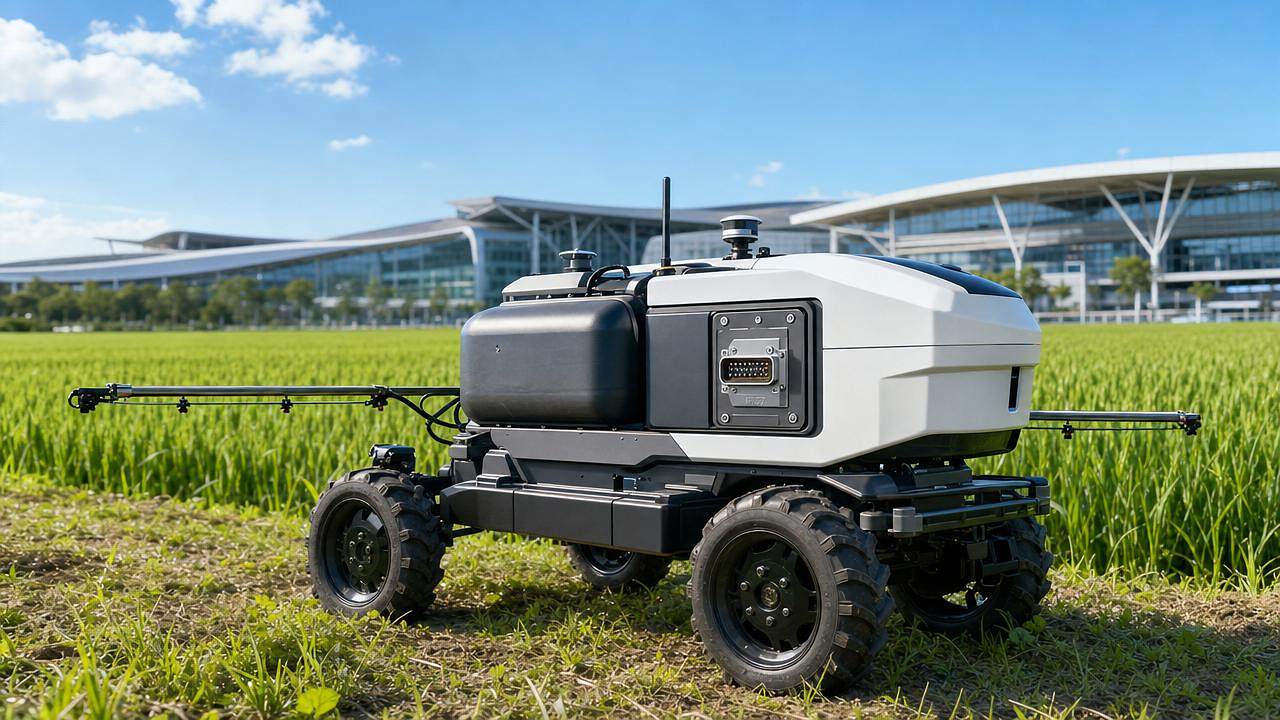
On May 10, 2026, the 18th Shenzhen International Battery Fair (CIBF2026) opened. The China Chemical and Physical Power Sources Association and IEC TC21 jointly published IEC/PAS 62987:2026, titled Agricultural Electric Machinery Quick-Swap Battery Interface Standard. The standard defines a universal quick-swap interface protocol for self-propelled sprayers, autonomous field robots, and similar mobile agricultural equipment. It specifies technical requirements for 200A high-current capability, IP67 ingress protection, and CAN-FD communication support.
Industries Impacted
Direct Trade Enterprises
Export-oriented battery pack integrators and OEMs supplying agricultural machinery to EU, ASEAN, or Latin American markets now face revised conformity expectations. Prior to this standard, many manufacturers relied on proprietary interfaces; compliance with IEC/PAS 62987:2026 will likely become a de facto requirement for market access in jurisdictions adopting IEC-aligned regulations — particularly where public procurement or subsidy programs mandate interoperability. Impact manifests in revised documentation packages, updated CE/UKCA declarations, and potential re-engineering of export SKUs.
Raw Material Procurement Enterprises
Suppliers of copper busbars, high-reliability connectors, and thermally stable housing materials may experience demand shifts toward components rated for continuous 200A operation and IP67-compliant sealing solutions. While no immediate volume surge is confirmed, procurement teams should monitor design win announcements from Tier-1 battery module makers — especially those targeting autonomous sprayer platforms — as early indicators of material qualification timelines.
Manufacturing Enterprises
Battery pack assemblers and agricultural equipment OEMs must assess compatibility of existing mechanical and electrical architectures with the new interface dimensions, thermal management provisions, and CAN-FD message structure defined in the PAS. Manufacturing impact includes tooling adjustments for connector mounting, validation of contact resistance under vibration, and integration of standardized diagnostic message sets. Notably, the standard does not mandate cell chemistry or BMS firmware — leaving room for differentiated performance within the interface envelope.
Supply Chain Service Providers
Third-party testing labs, certification bodies, and logistics providers specializing in battery transport must update service scopes. For example, accredited labs will need to expand test capabilities to include dynamic current cycling at 200A under IP67-simulated conditions; freight forwarders handling battery modules may revise packaging specifications to preserve interface integrity during transit. Certification timelines may lengthen temporarily as accreditation bodies align internal procedures with the new PAS.
Key Considerations and Recommended Actions
Review Interface Specifications Against Current Product Roadmaps
Manufacturers should cross-map the mechanical footprint, pin assignment, and CAN-FD frame definitions in IEC/PAS 62987:2026 against upcoming 2027–2028 platform releases — especially for robotic mowers, grain harvesters, and precision spraying systems. Early alignment avoids late-stage redesign penalties.
Engage with Certification Bodies on Transitional Pathways
Since IEC/PAS documents are publicly available specifications (not full IEC standards), formal adoption into national regulatory frameworks remains pending. Companies should proactively consult with notified bodies such as TÜV Rheinland or SGS to clarify whether voluntary conformance can be leveraged for pre-market validation or accelerated type approval.
Evaluate Interoperability Testing Protocols
While the standard defines physical and data-layer requirements, it does not prescribe interoperability test cases. Firms developing battery modules or host equipment should co-develop joint verification protocols — particularly around handshake sequences, state-of-charge handover, and fault propagation behavior — to reduce integration risk ahead of broader industry adoption.
Editorial Perspective / Industry Observation
Observably, IEC/PAS 62987:2026 functions less as a rigid compliance barrier and more as a coordination signal — one that incentivizes ecosystem convergence without prescribing underlying technology. Analysis shows its timing coincides with accelerating deployments of autonomous farm robots in North America and Australia, suggesting it responds to real-world integration friction rather than anticipatory regulation. From an industry standpoint, the choice to publish via PAS (rather than full IEC standard) reflects deliberate pragmatism: it enables rapid iteration while retaining technical credibility. That said, current more critical questions center on how national regulators — particularly the U.S. EPA and EU Commission — will reference the PAS in upcoming sustainability or circular economy rules for agricultural equipment.
Conclusion
The release of IEC/PAS 62987:2026 represents a foundational step toward modular, serviceable, and vendor-agnostic power systems for next-generation agricultural machinery. It does not resolve battery lifetime, recycling logistics, or grid charging infrastructure challenges — but it creates a necessary baseline for scalable hardware interoperability. A rational interpretation is that this standard lowers the barrier to entry for specialized battery developers while raising the bar for system-level integration rigor — a dual effect likely to accelerate consolidation among mid-tier agricultural OEMs over the next 3–5 years.
Source Attribution
Official publication: IEC/PAS 62987:2026, issued jointly by the China Chemical and Physical Power Sources Association and IEC Technical Committee 21 (Secondary Cells and Batteries). Full text available via the IEC Webstore (Document ID: 62987).
Status note: As a Publicly Available Specification (PAS), IEC/PAS 62987:2026 is subject to review and potential conversion to full IEC standard status after two years. Stakeholders should monitor IEC TC21 working group updates and national committee adoptions (e.g., ANSI, DIN, JISC) for implementation signals.
Related News
When Does Agricultural Machinery Leasing Cost Less Than Owning Equipment?
Agricultural machinery leasing can lower farm costs when use is seasonal or uncertain. Compare utilization, maintenance, cash flow, and risk to make a smarter equipment decision.
How to Evaluate Precision Fertilization System Suppliers for Farm-Scale Deployment
Precision fertilization systems suppliers: learn how to compare accuracy, integration, uptime, service, and total cost for confident farm-scale deployment.
ISOBUS for Smart Agriculture: How It Connects Tractors, Implements, and Farm Data
ISOBUS for smart agriculture connects tractors, implements, terminals, and farm data—helping growers improve precision, documentation, and smarter field decisions.
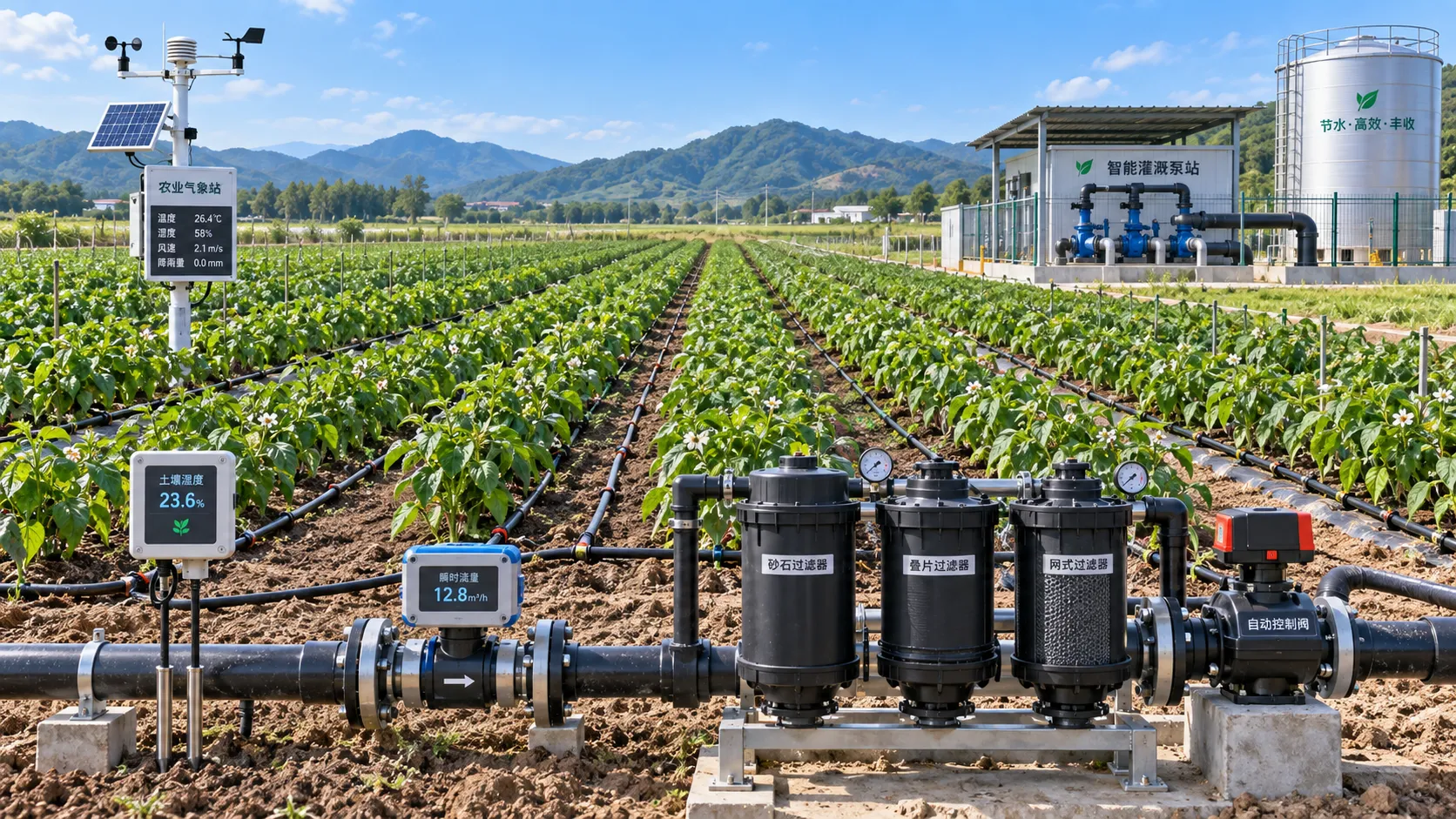
Automated Water-Saving Irrigation: How to Cut Water Use Without Reducing Crop Yields
Automated water-saving irrigation helps farms cut water use, protect crop yields, improve scheduling, and gain reliable control with sensors, flow monitoring, and smart zones.
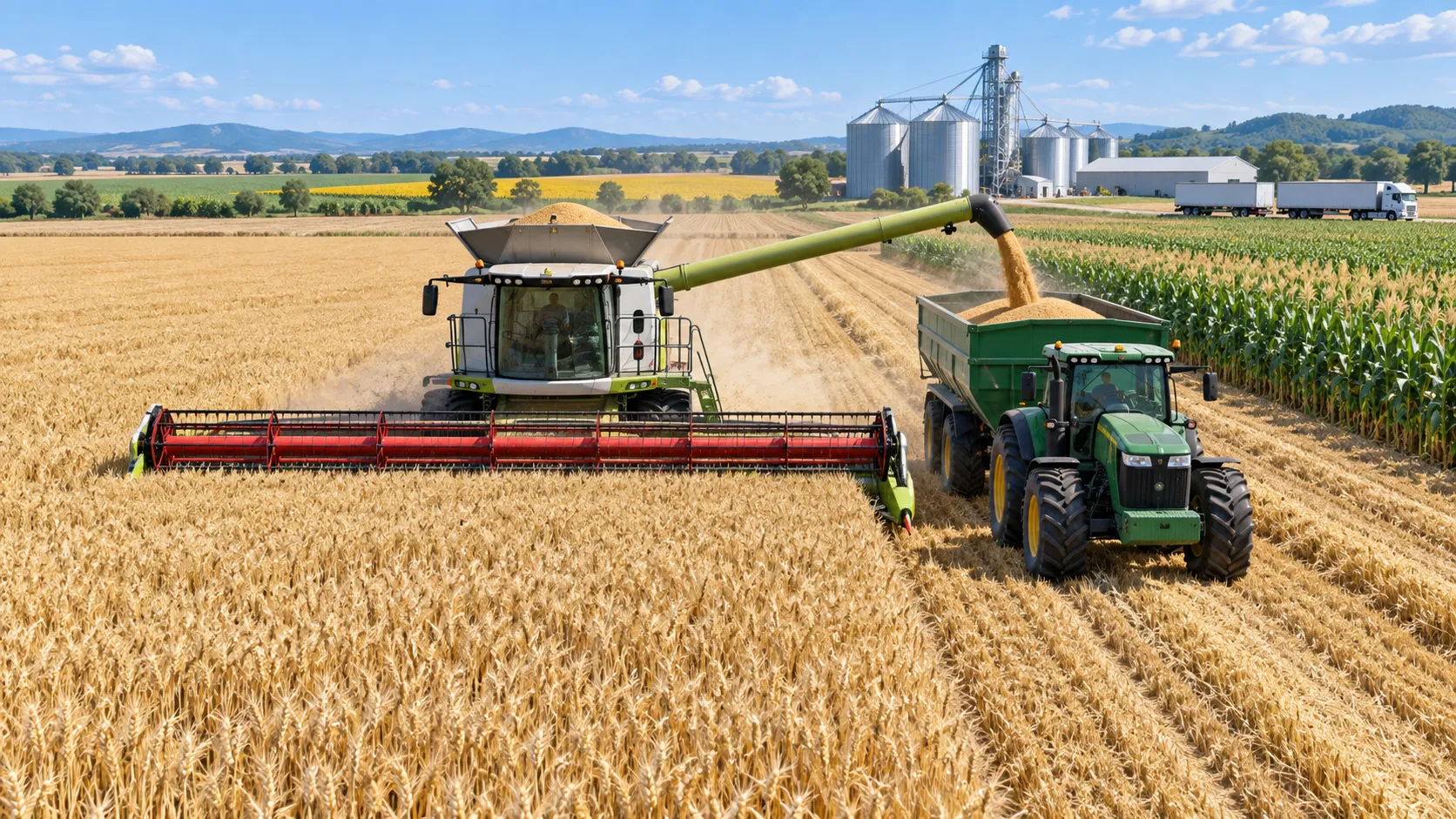
Selecting Grain Farm Equipment by Acreage, Crop Mix, and Harvest Window
Agricultural equipment selection for grain farming: match machinery to acreage, crop mix, and harvest windows to improve uptime, efficiency, and returns.
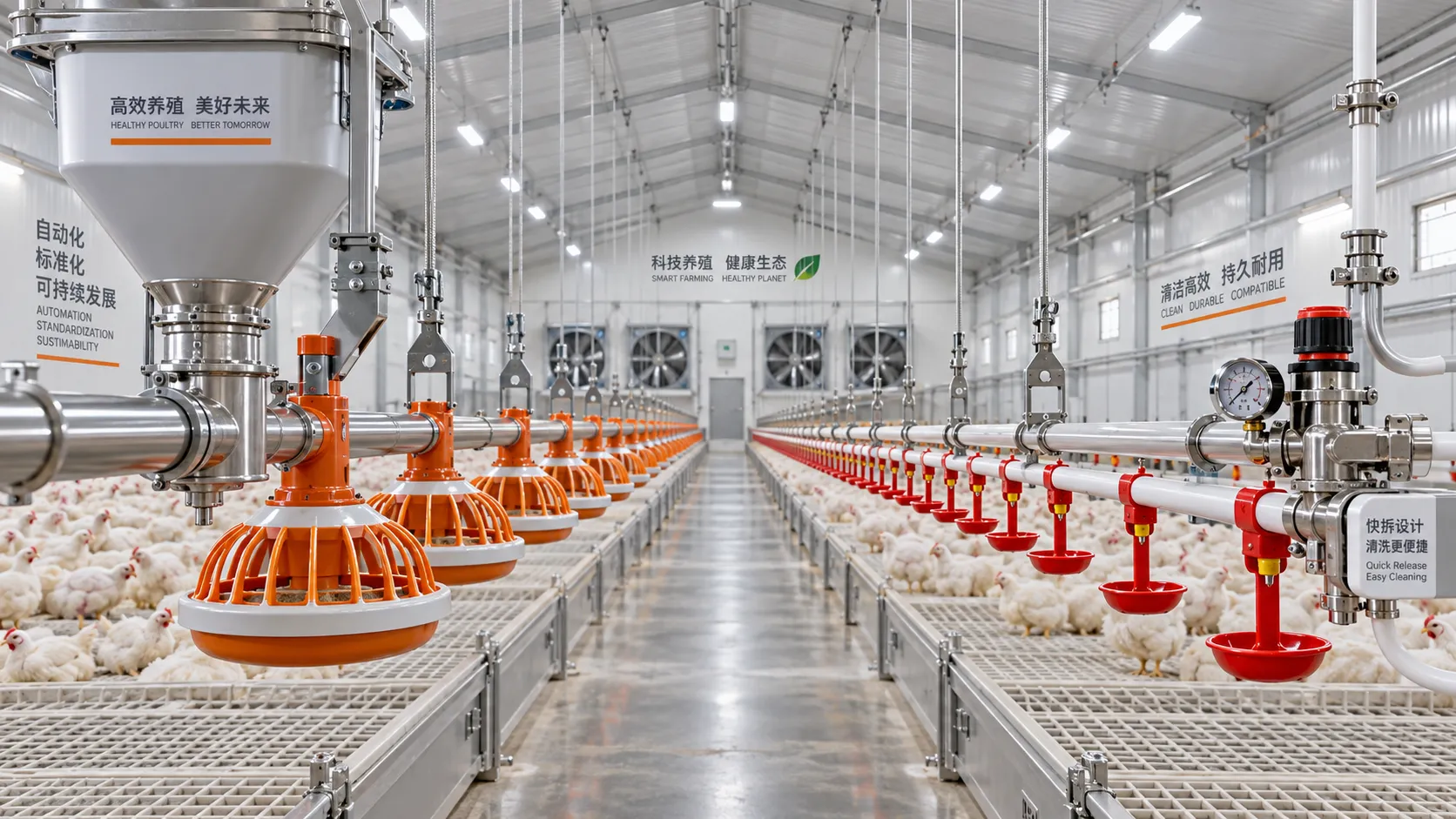
Poultry Equipment Selection: Evaluating Durability, Cleaning, and Compatibility
Poultry equipments selection guide: evaluate durability, cleaning access, and system compatibility to improve hygiene, reduce downtime, and support efficient flock management.
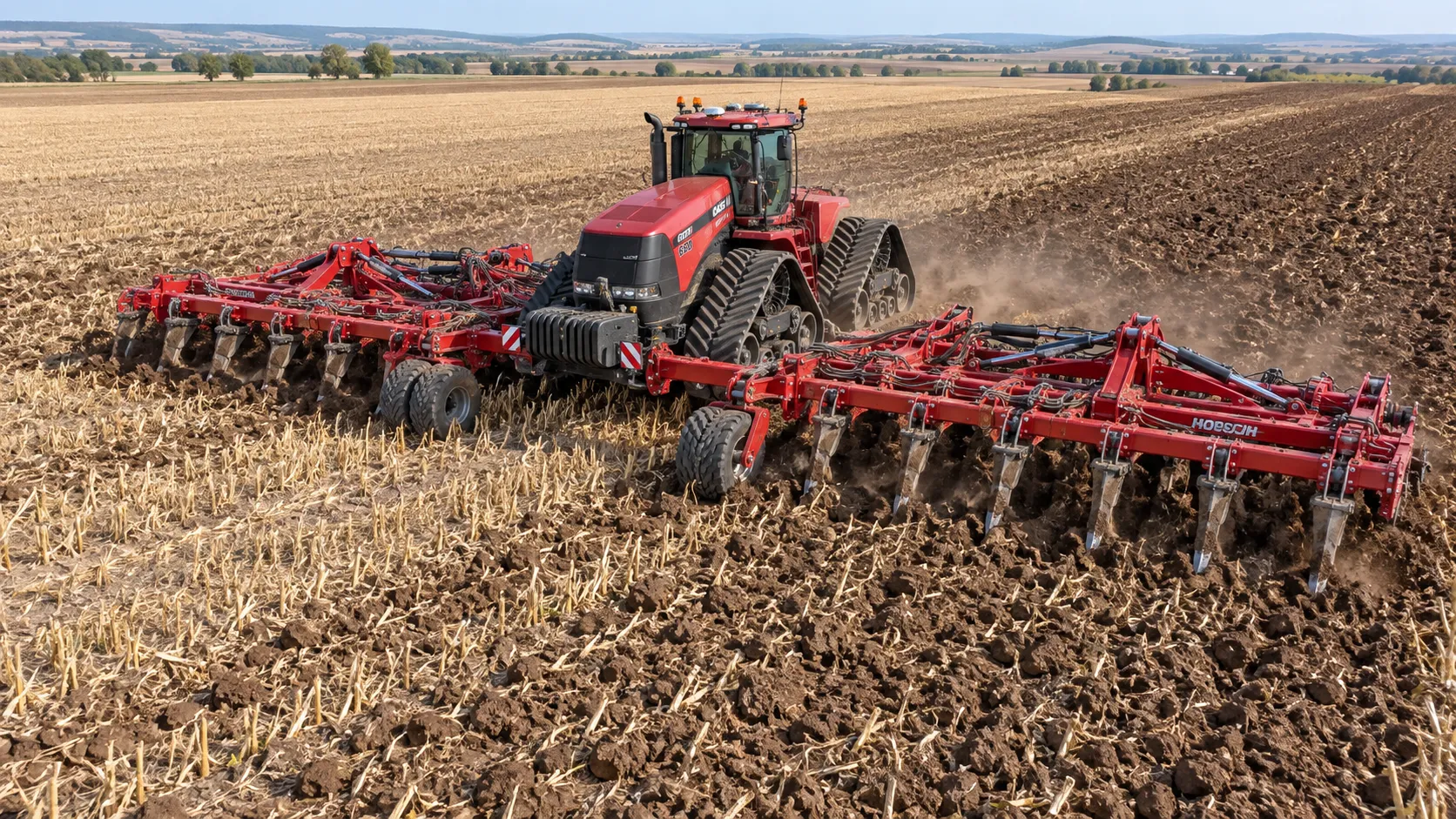
How to Select Heavy-Duty Farm Implements for High-Acreage, High-Horsepower Operations
Heavy duty farm implements: learn how to match draft, hydraulics, hitch capacity, frame strength, and field conditions for reliable high-acreage performance.
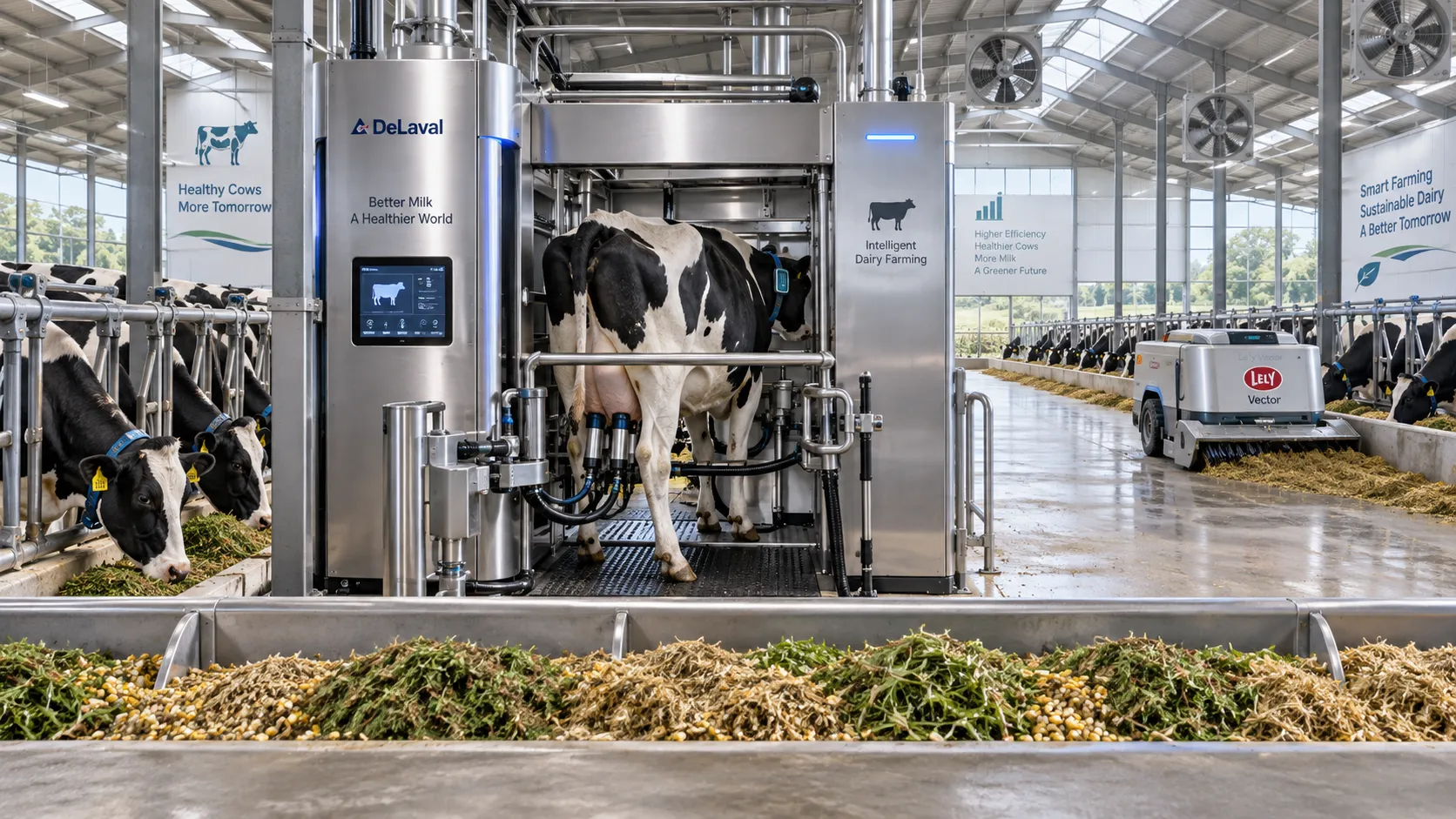
Smart Farming Technology for Dairy Farms: Where Automation Delivers Measurable ROI
Smart farming technology for dairy farms delivers measurable ROI through automation, precision feeding, health monitoring, and data-driven cost control.
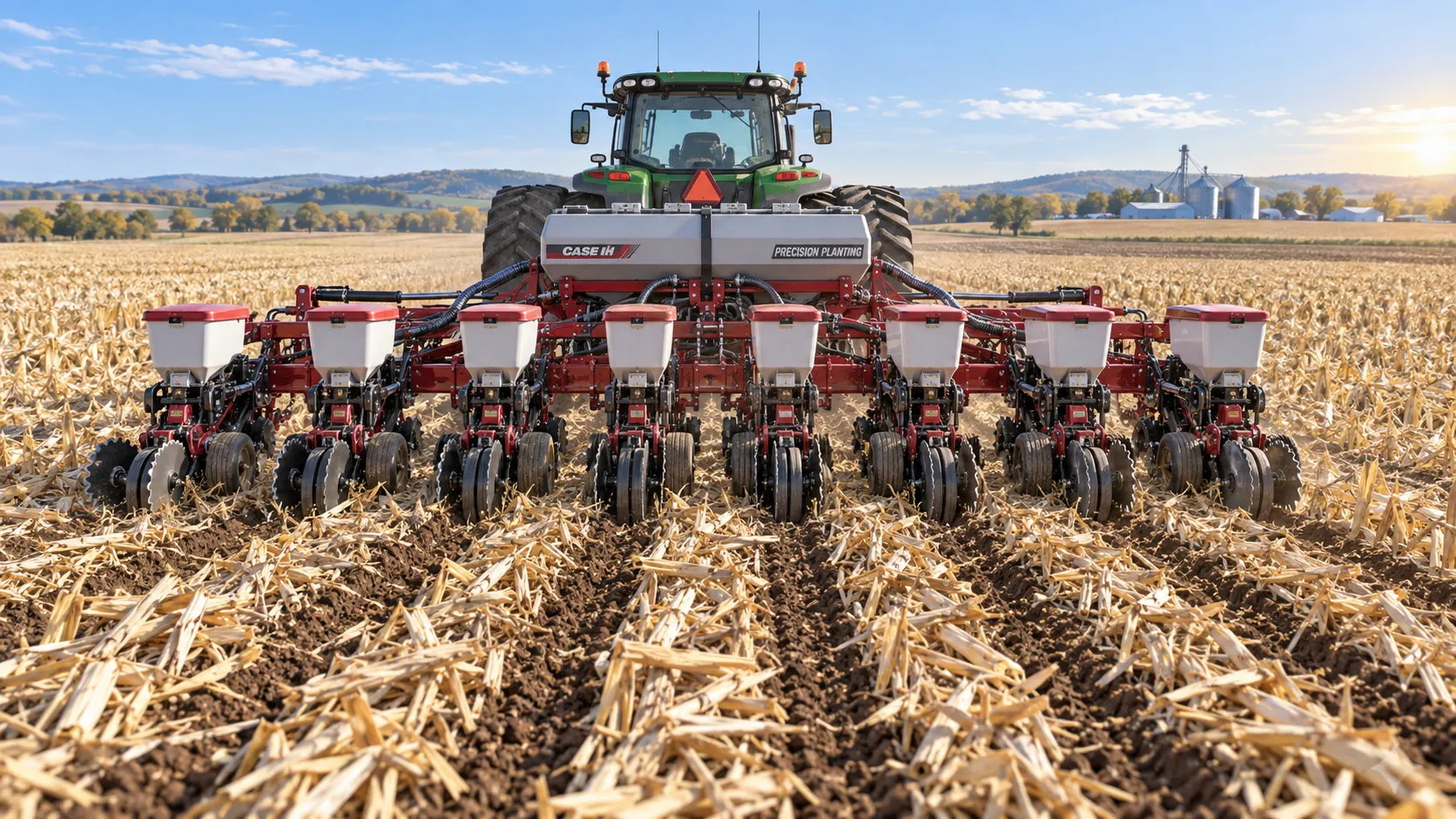
How to Select a Heavy-Duty Seeder for Large Acreage and High-Residue Fields
Heavy duty seeders for large acreage: compare residue handling, depth control, downforce, metering accuracy, and precision features to select the right model.
Related News
- 00
0000-00
How to Choose Plant Protection Equipment for Vineyard Pests - 00
0000-00
How to Read Agricultural Equipment Specifications for Sprayers Before You Compare Models - 00
0000-00
BIS Extends Fast-Track Approval for Self-Propelled Sprayers - 00
0000-00
Intelligent Sprayer Technology: Which Functions Matter Most for Field Efficiency? - 00
0000-00
How to Choose Plant Protection Equipment for Orchards by Tree Height, Row Spacing, and Spray Drift
Popular Tags
Agri-Mechanization Fellow
Weekly Insights
Stay ahead with our curated technology reports delivered every Monday.