
Soil preparation equipment gaps that hurt precision results
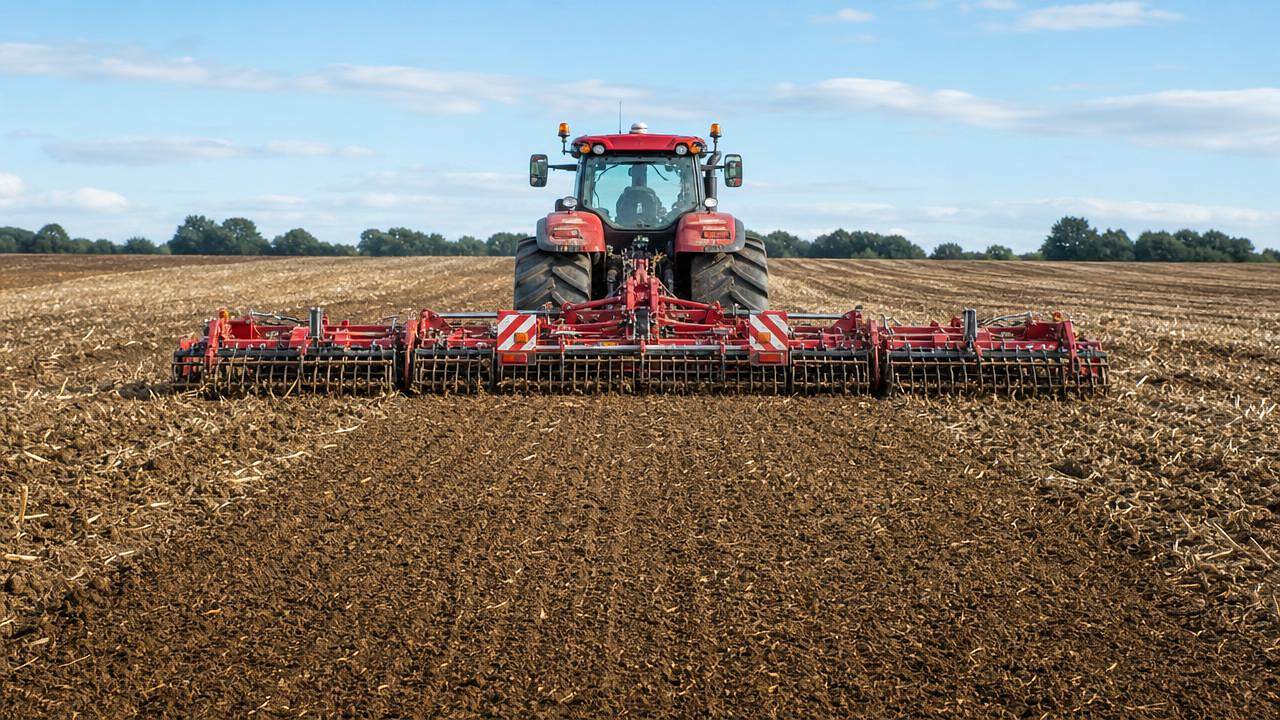




Even advanced field plans can fail when soil preparation equipment for precision agriculture leaves hidden gaps in depth control, leveling, or residue handling. For operators, these small misses often turn into uneven emergence, wasted inputs, and lower field efficiency. This article highlights the equipment blind spots that quietly reduce precision results and shows what to watch, adjust, and evaluate before those losses spread across the season.
Why small soil preparation equipment gaps create big precision losses
In precision farming, operators often focus on seed placement, variable-rate inputs, and guidance accuracy. Yet the field pass before planting can decide whether those downstream technologies work as intended. If the seedbed is inconsistent, every later decision becomes less reliable.
Soil preparation equipment for precision agriculture must do more than move soil. It must maintain stable working depth, preserve the right aggregate structure, manage residue without hairpinning, and leave a level surface that supports uniform planting and controlled traffic.
When operators miss these details, the losses are rarely dramatic on day one. They appear as delayed emergence in one zone, poor infiltration in another, extra planter bounce on rough ground, and unnecessary fuel burn across the season.
- Depth inconsistency creates uneven root-zone conditions, making seed placement less predictable even when the planter is well calibrated.
- Poor leveling increases row-unit vibration, opens the door to skips and doubles, and can reduce effective field speed later.
- Weak residue flow leaves strips of damp residue or buried mats that disrupt soil warming, emergence timing, and early nutrient access.
- Compaction from the wrong setup narrows the performance window for irrigation, fertilization, and crop protection operations.
The operator problem is usually not one major defect
Most disappointing results come from stacked tolerances: worn points, uneven tire pressure, shallow frame float adjustment, residue tools set too aggressively, or travel speed beyond what the implement can stabilize. Precision losses often begin as setup losses.
Which blind spots in soil preparation equipment for precision agriculture matter most?
Operators need a practical way to rank the blind spots that hurt field uniformity. The table below helps identify which equipment gaps most often translate into poor precision outcomes and what visible symptoms to check during operation.
These issues are especially important in large-scale operations where small errors repeat across hundreds of hectares. AP-Strategy consistently tracks how mechanical setup, traction behavior, and field conditions interact, because precision agriculture depends on that full-system view, not on a single machine specification.
Depth control is often the first hidden failure point
A machine may be rated for a certain working depth, but actual performance depends on frame stability, worn wearing parts, gang angle, soil hardness, and tractor ballast. Operators should verify true in-field depth with repeated checks across the width, not just one stop at the field edge.
Surface finish affects the planter more than many teams expect
If the field is too rough or too loose, the planter spends energy recovering from vertical movement instead of maintaining depth and seed-to-soil contact. That means the precision performance of later passes is already compromised before planting begins.
How should operators evaluate equipment before the season starts?
Pre-season evaluation should be operational, not only mechanical. The goal is to confirm that soil preparation equipment for precision agriculture matches soil type, residue load, tractor power, and target travel speed under real field conditions.
- Inspect wear parts carefully. Blades, shanks, sweeps, points, and leveling components that look acceptable in the yard can still create uneven depth in the field.
- Check frame level front-to-rear and side-to-side. A slight tilt can produce visible depth differences and inconsistent residue flow.
- Match tractor ballast, tire pressure, and hydraulic response to the implement. A stable implement depends on a stable pulling platform.
- Run a short field validation at target speed. Dig, measure, and inspect the finish behind the machine rather than relying on cab impressions.
- Compare results in different residue zones. Uniformity in heavy trash areas matters as much as average performance in easy ground.
What to measure instead of guessing
Many operators rely on experience, which is valuable, but structured checks improve repeatability. AP-Strategy often recommends focusing on a small set of field metrics that directly influence precision outcomes and later machine passes.
The next table can serve as a practical evaluation guide before committing to a setup, replacement part order, or broader machine investment.
This approach improves procurement judgment. Instead of comparing machines by brochure claims alone, operators can compare them by field behavior, setup sensitivity, and the workload they place on the tractor and labor team.
Which machine choices fit different field scenarios?
No single setup fits every operation. Soil preparation equipment for precision agriculture should be selected around residue conditions, moisture timing, pass strategy, and the level of precision expected from the planter and input program.
High-residue cereal or corn ground
In heavy residue, the priority is clean flow and controlled sizing without creating smeared layers or buried mats. Operators should pay close attention to trash clearance, spacing between working elements, and the ability of leveling attachments to finish the pass without plugging.
Variable-texture soils across large farms
Where sand, loam, and heavier zones mix in the same block, a machine with narrow setup tolerance can quickly become inconsistent. Adjustable depth control, balanced weight transfer, and responsive hitch management become more important than simple maximum width.
Fields managed for reduced tillage efficiency
In reduced tillage systems, every pass must justify itself. Overworking the surface may waste moisture and undermine soil structure. Operators need a setup that solves compaction or residue issues precisely, without turning one correction pass into a broad disturbance event.
- Choose for field variability, not just average conditions.
- Select based on the next operation in the chain, especially planting accuracy.
- Ask whether the implement performs well at the speed your team actually runs.
- Consider maintenance access and wear-part replacement intervals before peak season.
Common operator mistakes that reduce precision even with good equipment
A capable implement can still deliver weak results if operation discipline is inconsistent. Many precision failures come from rushed seasonal decisions rather than from unsuitable machine architecture.
- Running too fast for field conditions. Higher speed may increase output, but it can also reduce depth stability and leave a rougher finish.
- Ignoring side-to-side variation. One wing working shallower than the other is enough to create visible crop response differences later.
- Treating residue as a visual issue only. Residue position influences temperature, moisture, and opener behavior.
- Delaying wear-part replacement to save short-term cost. This often raises fuel use and lowers precision at the same time.
AP-Strategy’s value in this area is not limited to machine descriptions. Its intelligence model connects tillage mechanics, planter response, tractor chassis behavior, and wider Agriculture 4.0 decision logic, giving operators and buyers a more realistic basis for action.
What standards, compatibility, and long-term costs should buyers review?
For large-scale operations, machine choice should include compatibility and lifecycle questions, not just acquisition cost. Soil preparation equipment for precision agriculture must fit hydraulic capacity, tractor drawbar behavior, transport constraints, local service access, and the farm’s digital workflow.
Key review areas before purchase
- Confirm tractor and implement compatibility, including hitch category, hydraulic requirements, ballast needs, and operating speed range.
- Review maintenance intervals and wear-part sourcing. Downtime during narrow planting windows can cost more than a higher purchase price.
- Check for practical alignment with precision systems such as guidance, section logic, pass repeatability, and operator monitoring routines.
- Ask about transport, folding safety, and field-to-field movement if the operation spans dispersed land blocks.
Where regulations or export channels matter, buyers may also review general machinery safety documentation and standard service records. Even when a specific certification is not mandatory for local use, documented maintenance and setup practices support better fleet management and resale clarity.
FAQ: practical questions operators ask before investing
How do I know if my current setup is the problem, not the machine itself?
Start with repeatable field checks: actual depth across width, residue distribution, surface finish, and tractor slip at working speed. If these vary significantly between passes or fields, setup is likely the first issue to correct before replacing the implement.
Is wider equipment always better for precision agriculture?
Not necessarily. Greater width can improve output, but it also increases the challenge of maintaining uniform depth and frame stability across changing soils. A slightly narrower machine that holds settings consistently may deliver stronger precision results over the season.
What should I prioritize if budget is limited?
Prioritize the factors that affect uniformity most directly: stable depth control, residue handling suited to your crop system, reliable leveling, and access to wear parts. Avoid paying for features that do not solve your main field limitation.
How does this connect to other precision systems on the farm?
Soil preparation shapes the operating environment for planters, irrigation efficiency, nutrient placement, and traffic management. If the seedbed is inconsistent, advanced mapping and prescription tools have less stable conditions to work with, reducing their practical return.
Why choose us for equipment intelligence and next-step planning
AP-Strategy supports operators, fleet managers, and agri-equipment decision teams by linking machine performance with real operating outcomes. Our coverage spans large-scale agri-machinery, tractor chassis behavior, intelligent farm tools, combine technology, and water-saving systems, so soil preparation is evaluated within the full field system.
If you are reviewing soil preparation equipment for precision agriculture, you can consult us for parameter confirmation, scenario-based equipment selection, compatibility with tractor power and hydraulic systems, likely delivery-cycle considerations, and practical evaluation points before a quote discussion.
You can also ask for support in comparing alternative soil preparation strategies, refining your checklist for field demonstrations, or identifying the setup risks most likely to reduce emergence uniformity and field efficiency. That makes the conversation more useful than a simple price-first inquiry.
When your operation needs clearer decision support on equipment choice, working parameters, service planning, or precision-oriented implementation, AP-Strategy is ready to help you frame the right technical questions before small field gaps become season-long losses.
Related News
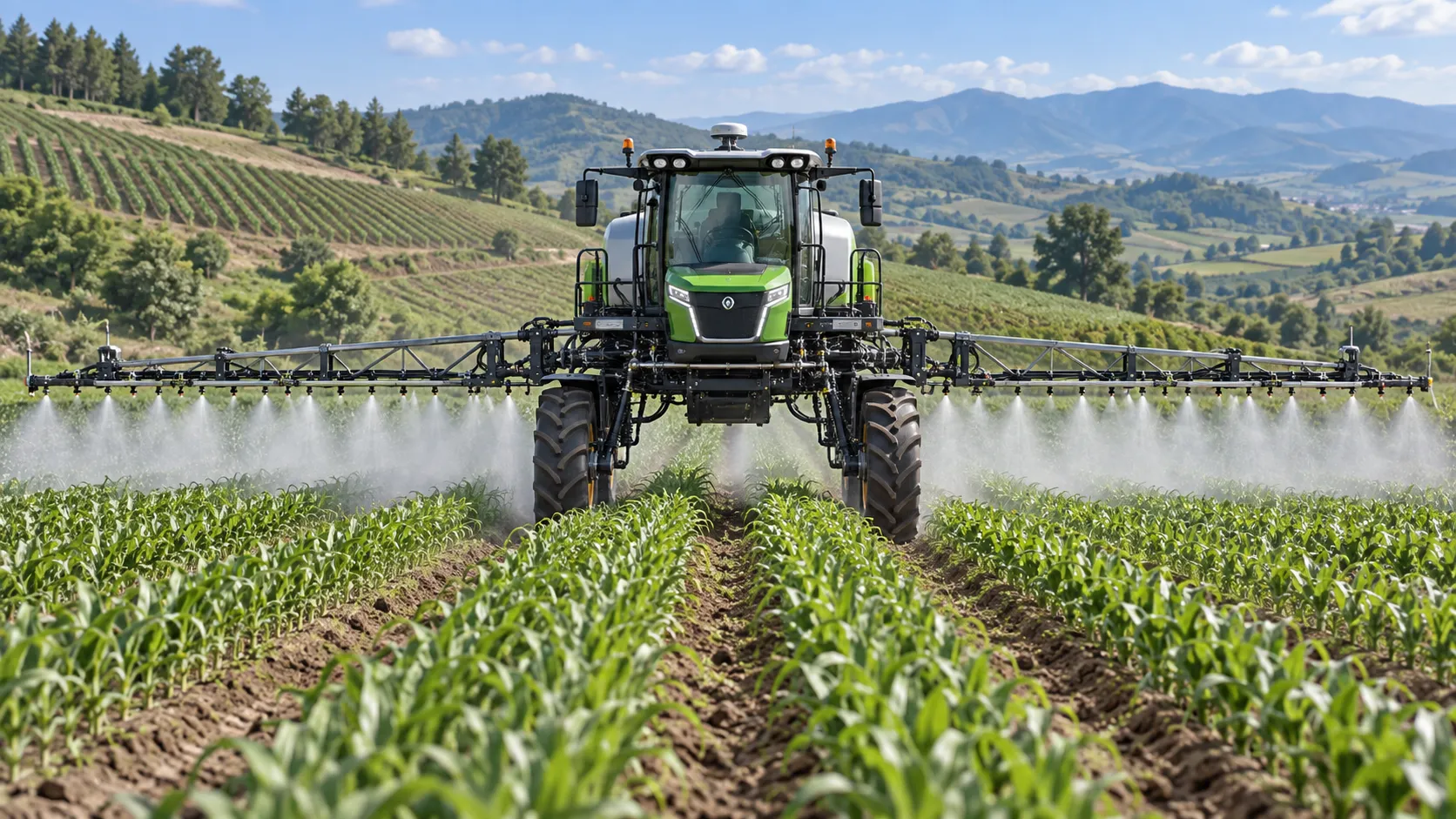
How to Select Precision Crop Protection Equipment for Variable Field Conditions
Precision crop protection equipment selection made simple: compare terrain, canopy, weather, control accuracy, and data workflows for reliable applications.
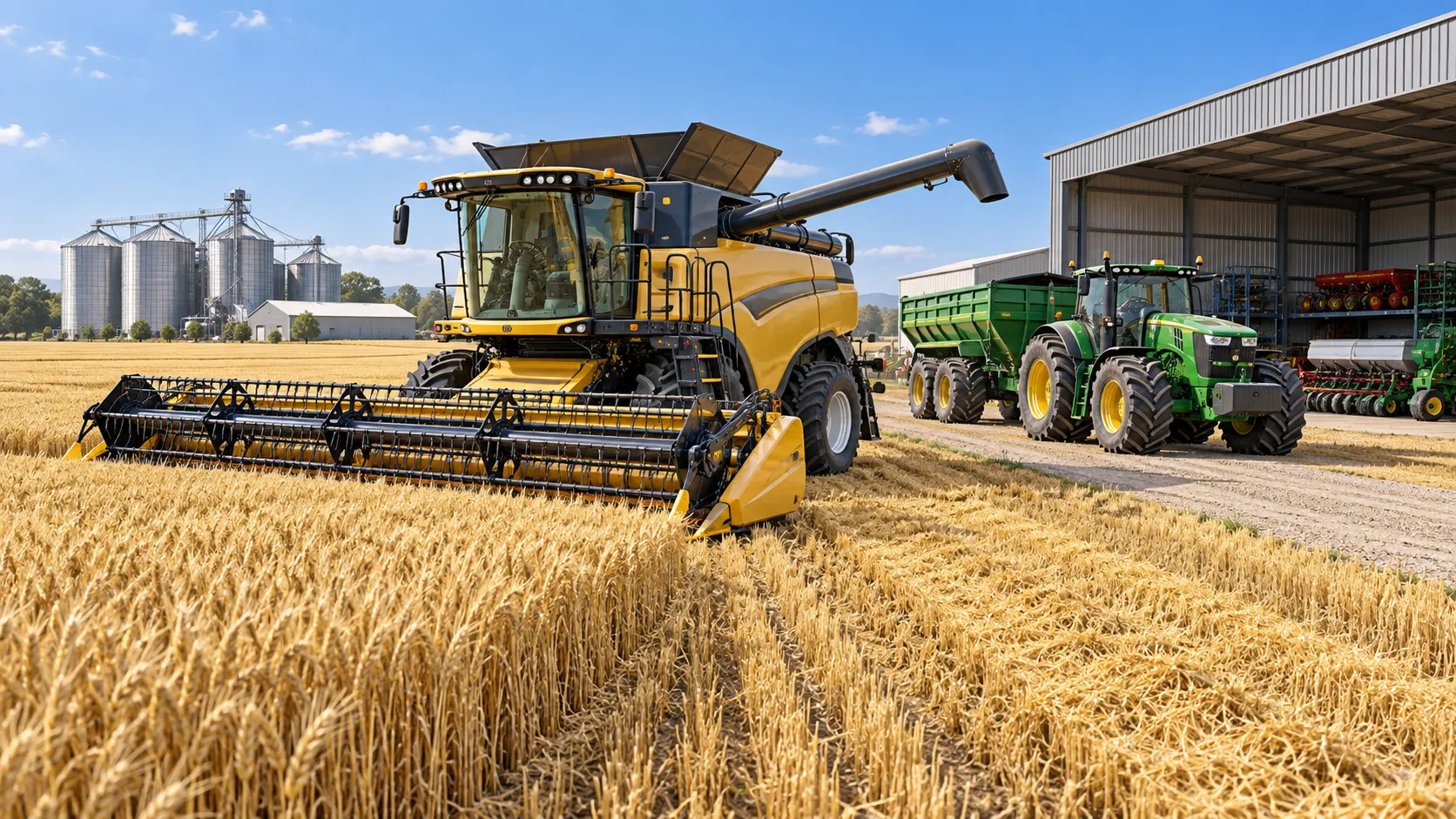
When Does Agricultural Machinery Leasing Cost Less Than Owning Equipment?
Agricultural machinery leasing can lower farm costs when use is seasonal or uncertain. Compare utilization, maintenance, cash flow, and risk to make a smarter equipment decision.
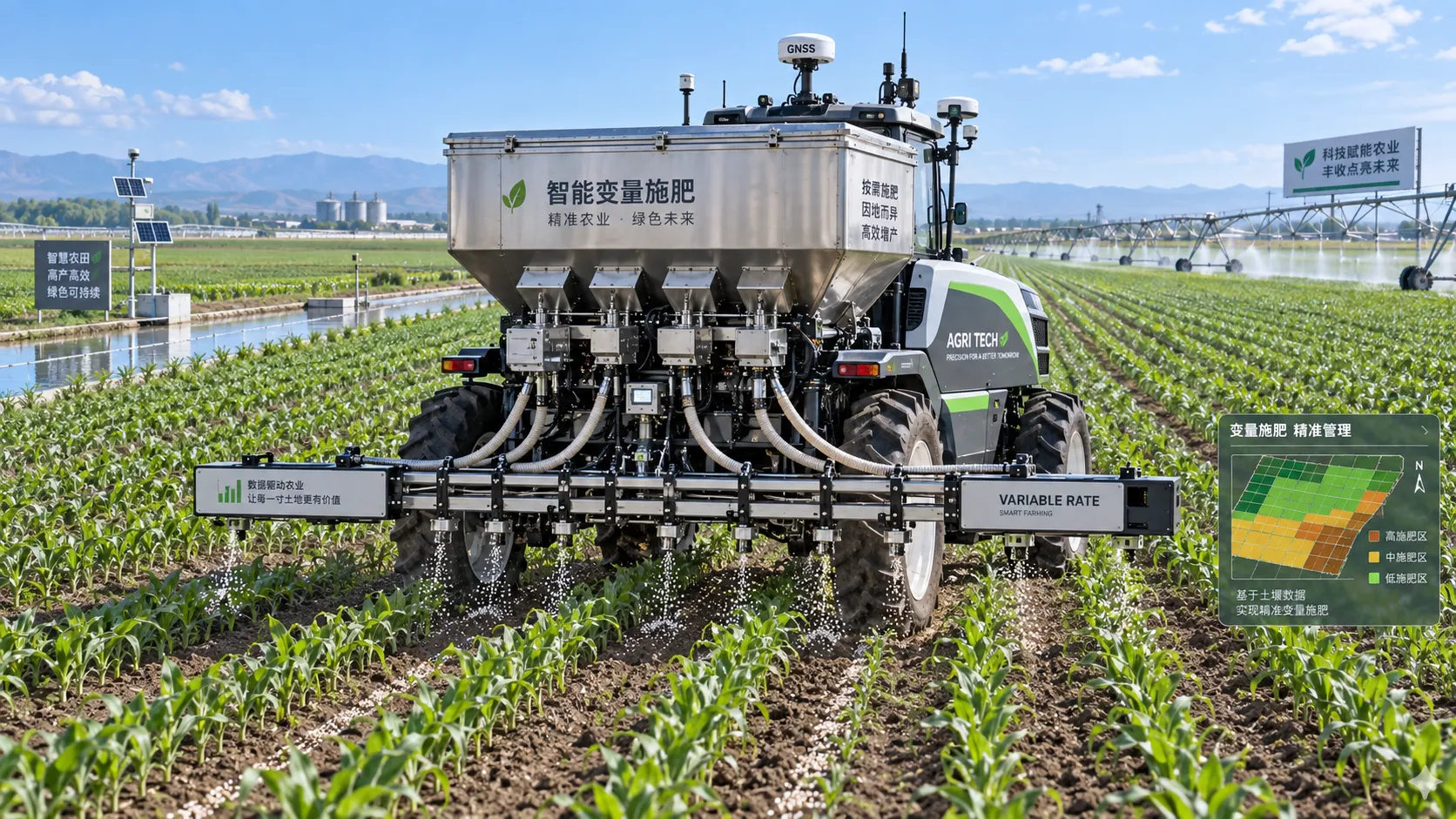
How to Evaluate Precision Fertilization System Suppliers for Farm-Scale Deployment
Precision fertilization systems suppliers: learn how to compare accuracy, integration, uptime, service, and total cost for confident farm-scale deployment.
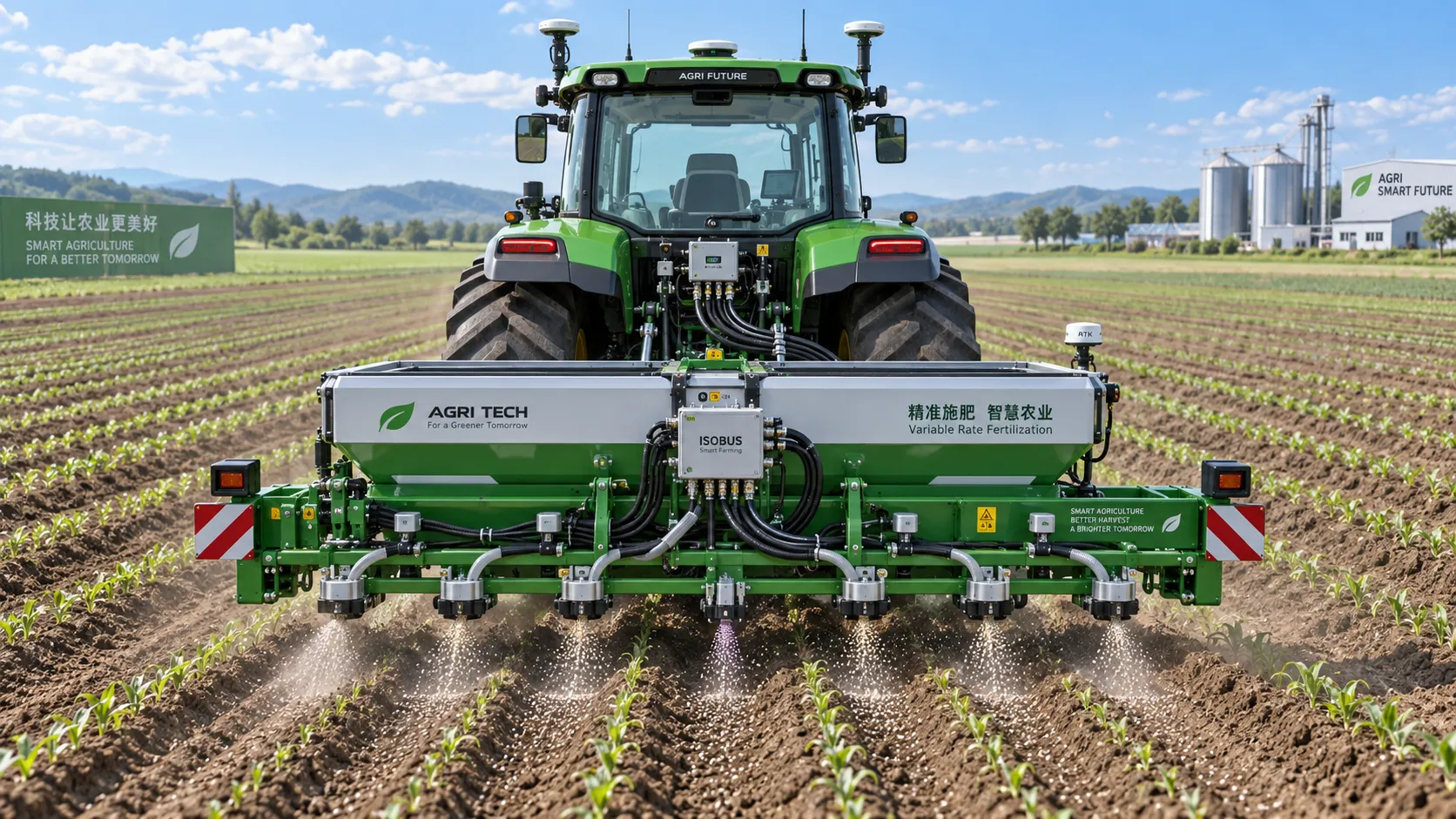
ISOBUS for Smart Agriculture: How It Connects Tractors, Implements, and Farm Data
ISOBUS for smart agriculture connects tractors, implements, terminals, and farm data—helping growers improve precision, documentation, and smarter field decisions.
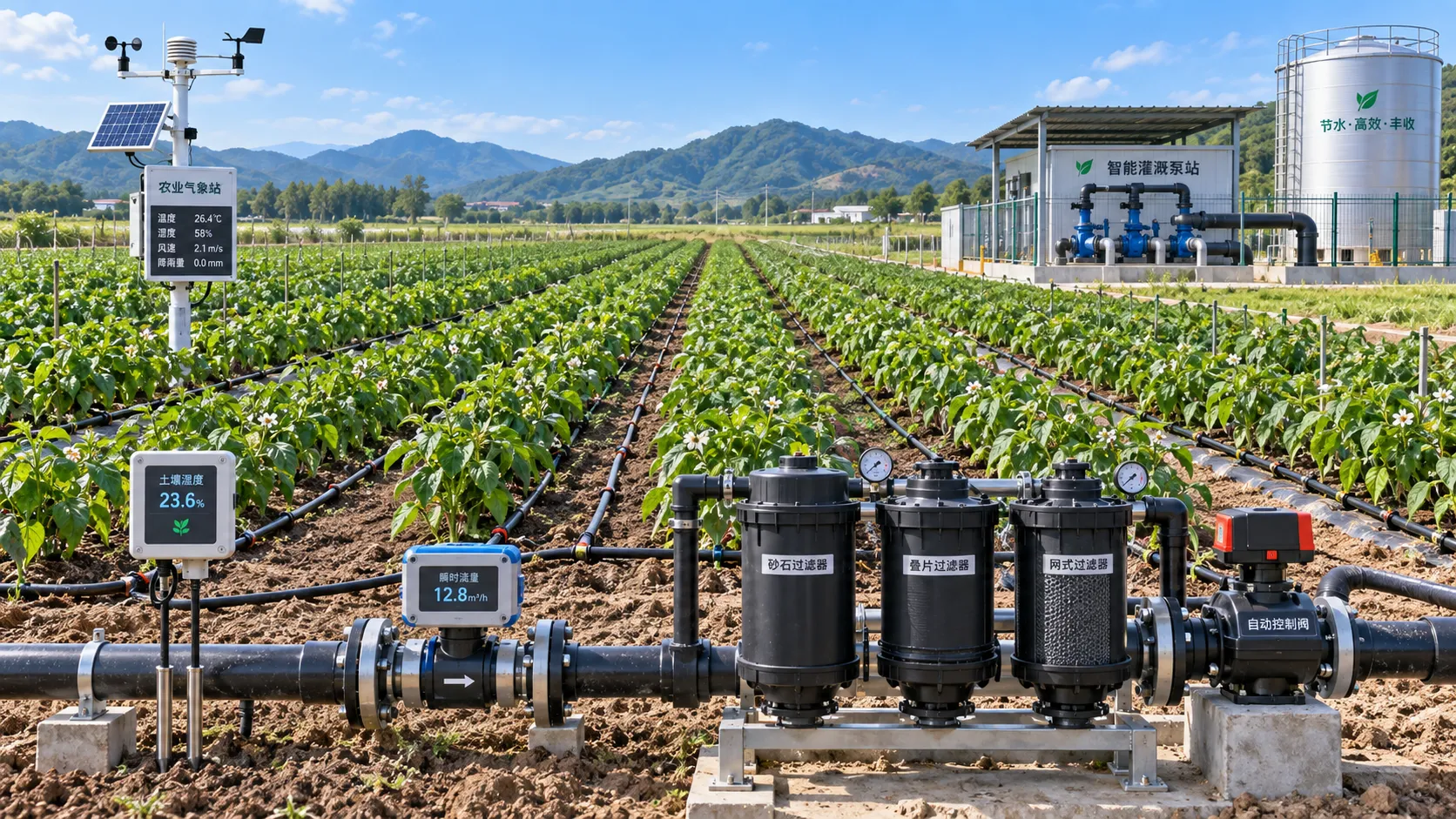
Automated Water-Saving Irrigation: How to Cut Water Use Without Reducing Crop Yields
Automated water-saving irrigation helps farms cut water use, protect crop yields, improve scheduling, and gain reliable control with sensors, flow monitoring, and smart zones.
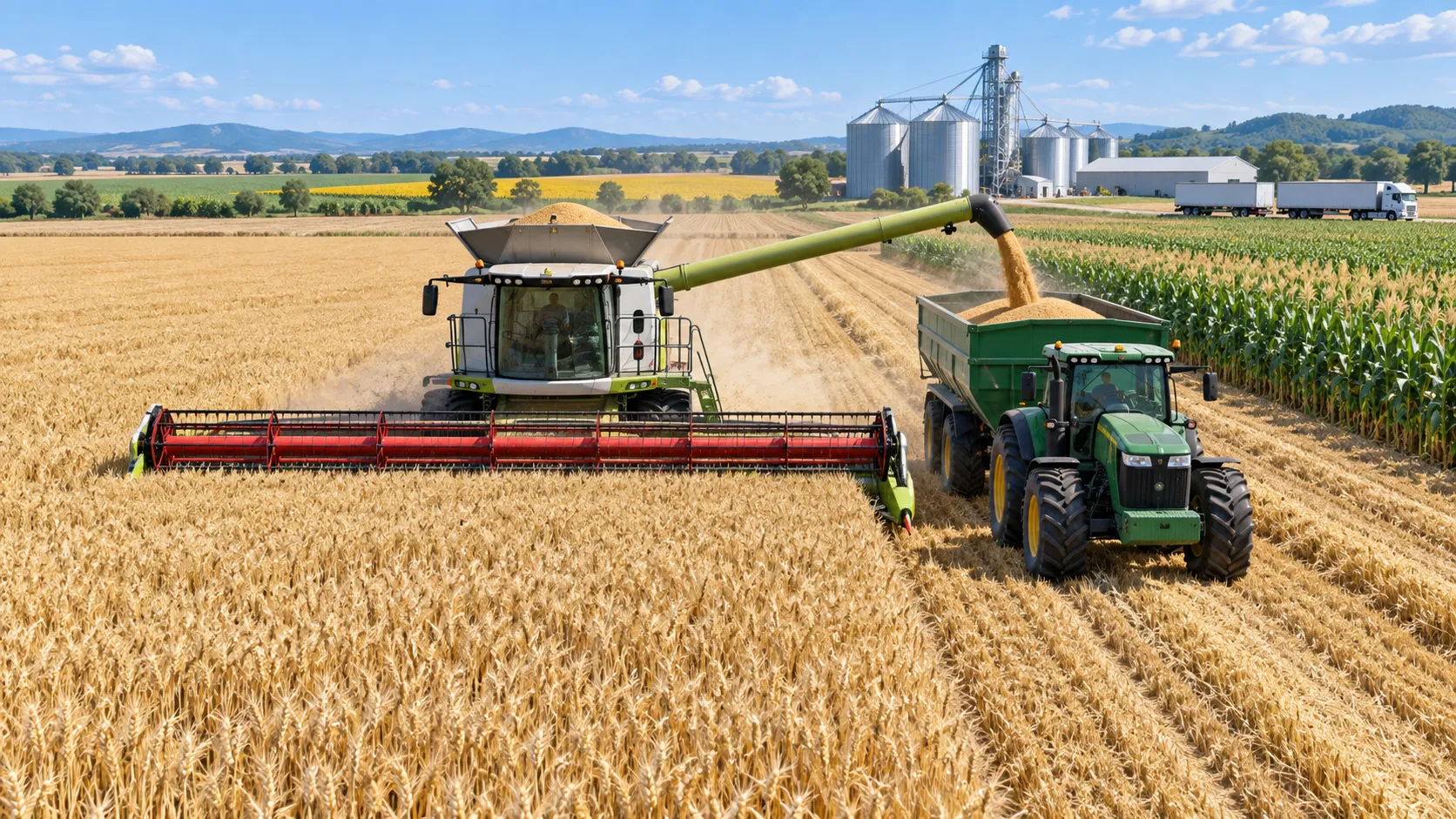
Selecting Grain Farm Equipment by Acreage, Crop Mix, and Harvest Window
Agricultural equipment selection for grain farming: match machinery to acreage, crop mix, and harvest windows to improve uptime, efficiency, and returns.
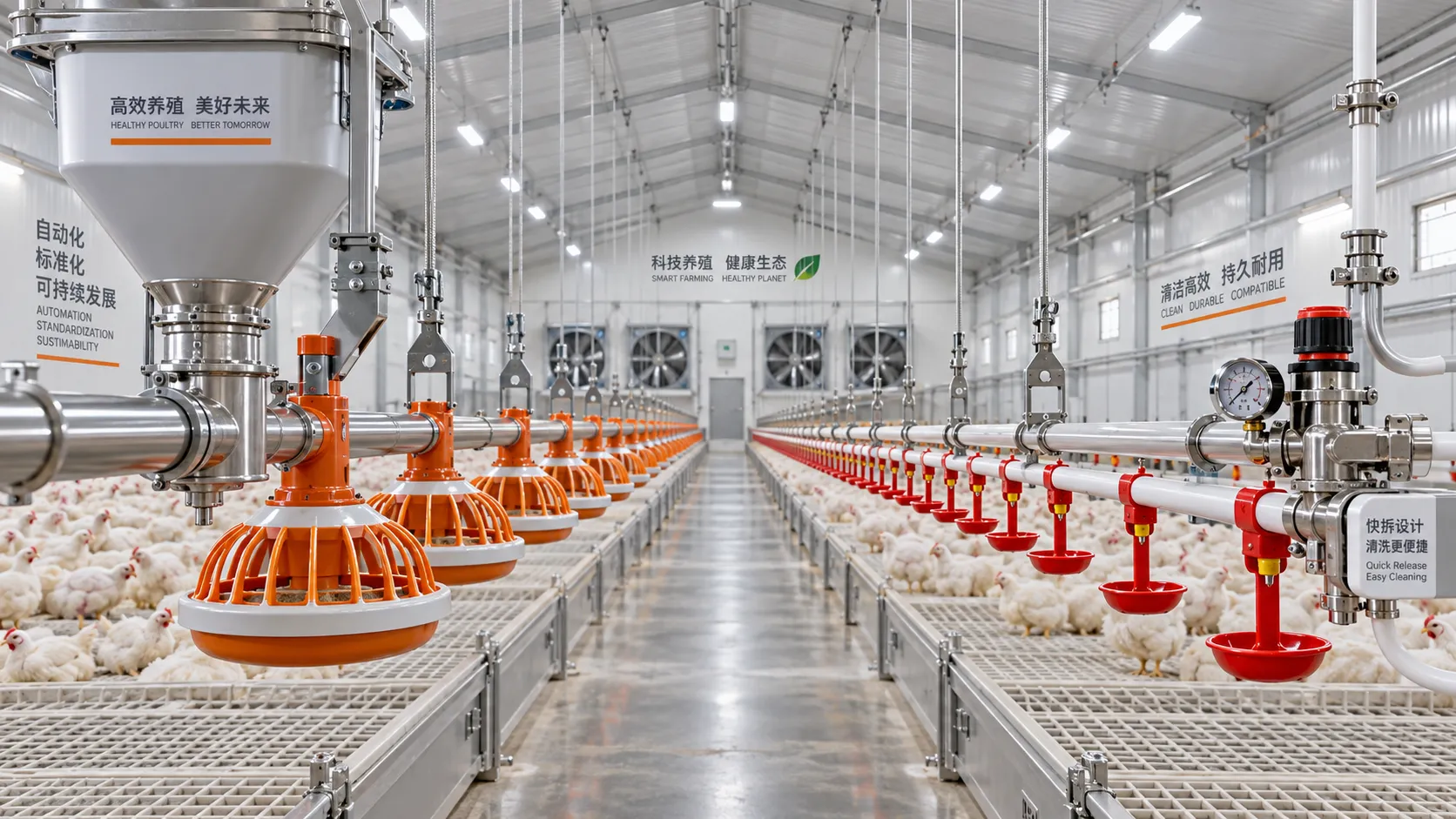
Poultry Equipment Selection: Evaluating Durability, Cleaning, and Compatibility
Poultry equipments selection guide: evaluate durability, cleaning access, and system compatibility to improve hygiene, reduce downtime, and support efficient flock management.
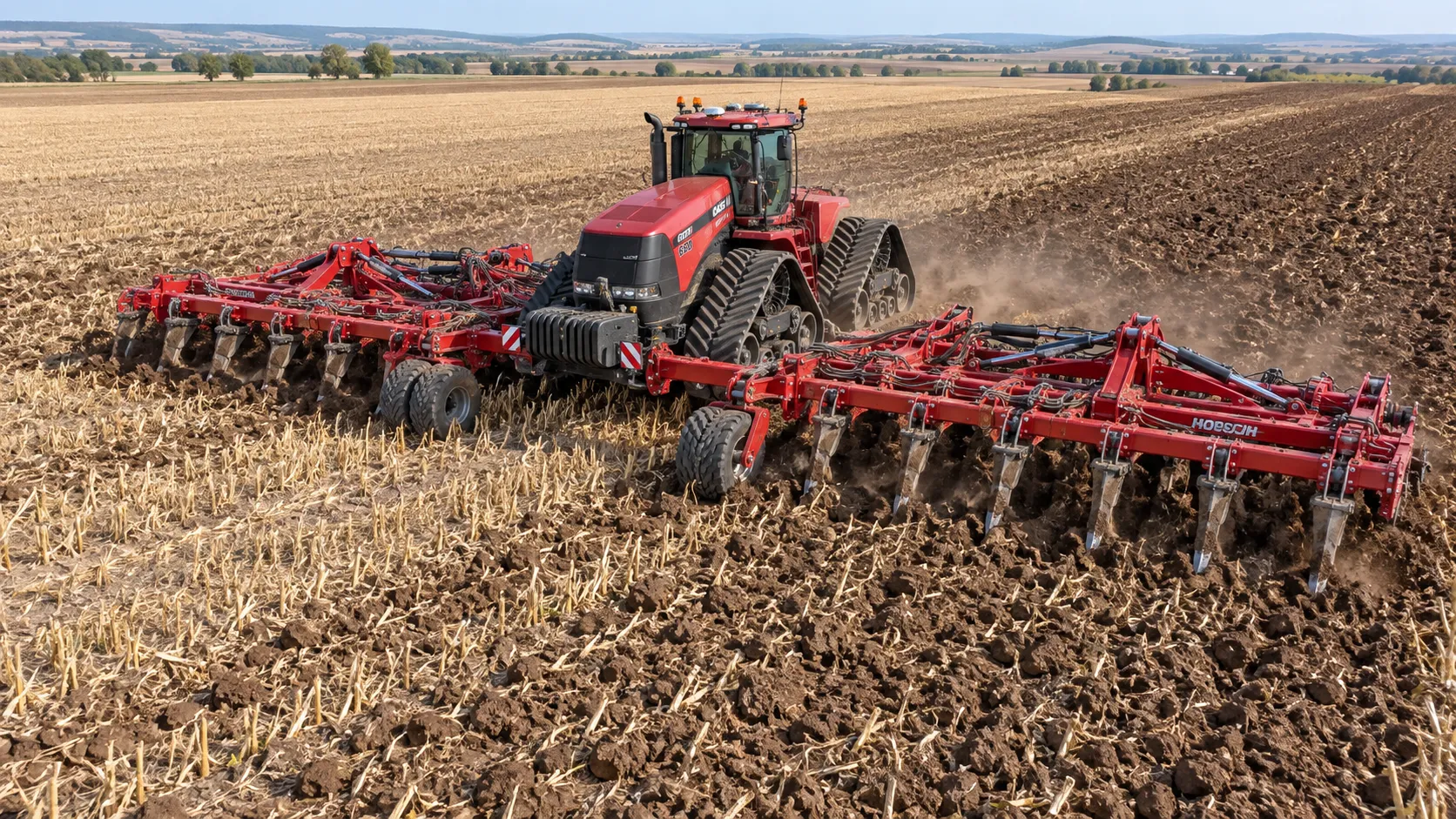
How to Select Heavy-Duty Farm Implements for High-Acreage, High-Horsepower Operations
Heavy duty farm implements: learn how to match draft, hydraulics, hitch capacity, frame strength, and field conditions for reliable high-acreage performance.
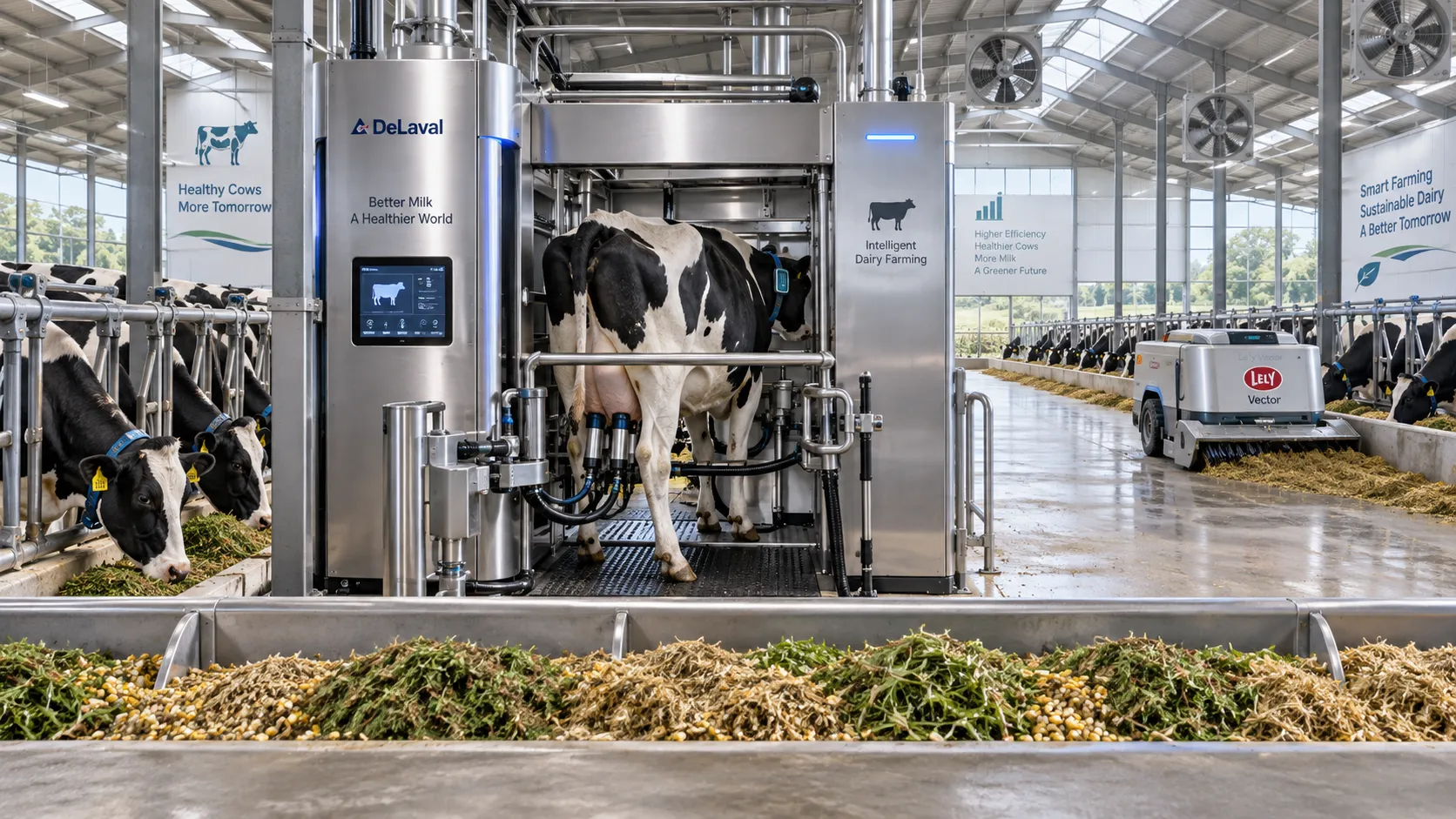
Smart Farming Technology for Dairy Farms: Where Automation Delivers Measurable ROI
Smart farming technology for dairy farms delivers measurable ROI through automation, precision feeding, health monitoring, and data-driven cost control.
Related News
- 00
0000-00
What Tractor Horsepower Is Needed for a Three-Bottom Moldboard Plow? - 00
0000-00
What Is the Difference Between No-Till and Conventional Tillage? - 00
0000-00
Does No-Till Farming Reduce Erosion on Hilly Farmland? - 00
0000-00
India BIS Tightens Soil Tiller Labeling for Imports - 00
0000-00
Vietnam Requires Vietnamese Warning Labels for Imported Soil Tillers
Popular Tags
Agri-Mechanization Fellow
Weekly Insights
Stay ahead with our curated technology reports delivered every Monday.