
Soil Preparation Mistakes That Still Hurt Seedbed Quality
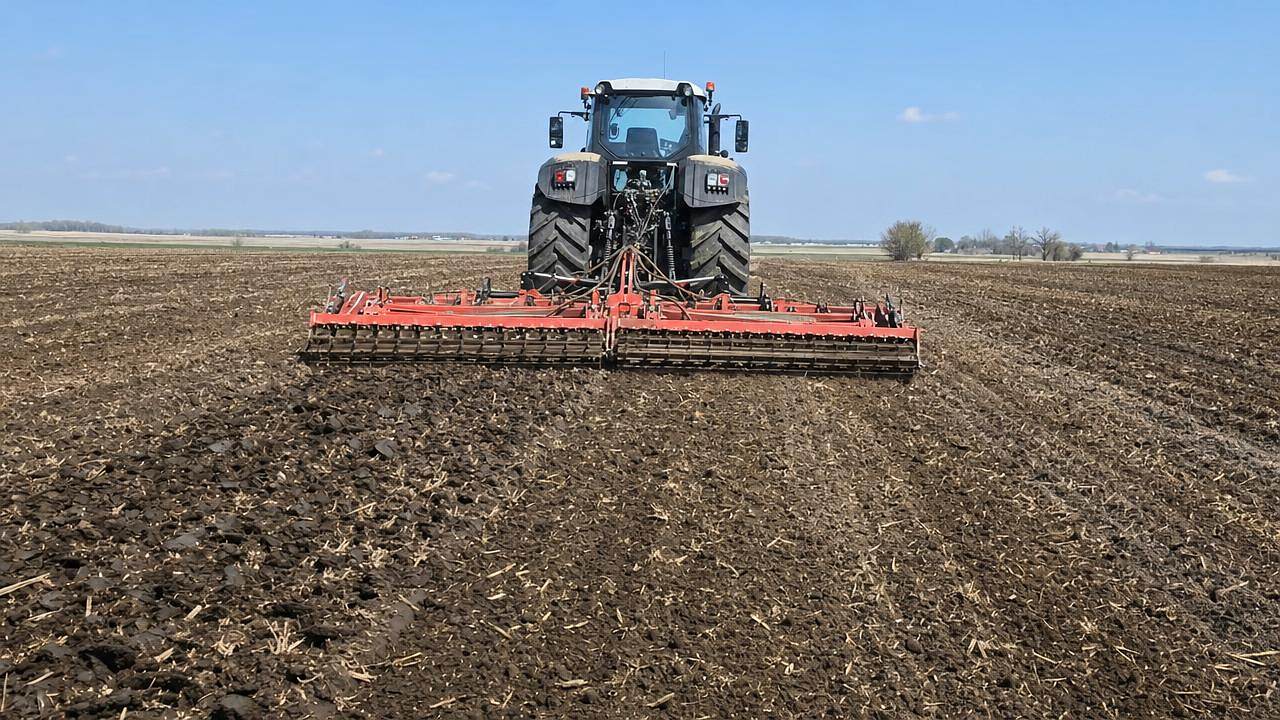




Even with advanced machinery and precision ag tools, poor soil preparation can quietly undermine seedbed quality, crop emergence, and field safety. For quality control and safety management teams, identifying hidden errors in tillage timing, moisture handling, residue management, and equipment setup is essential. This article explores the soil preparation mistakes that still reduce consistency, efficiency, and long-term operational performance across modern farming systems.
Why does soil preparation still matter so much when farms already use advanced equipment?
Modern tractors, high-capacity tillage tools, and precision guidance systems have improved field efficiency, but they do not automatically guarantee a high-quality seedbed. Soil preparation remains a foundational process because it shapes seed-to-soil contact, root penetration, water infiltration, residue distribution, and machine stability during planting. If this stage is handled poorly, even a highly accurate planter or intelligent farm tool may simply place seed into an inconsistent environment.
For quality control personnel, the issue is repeatability. A field can look visually acceptable from the road and still contain uneven tilth, compaction zones, wet pockets, sidewall smearing, or buried residue mats that disrupt emergence. For safety management teams, poor soil preparation also affects traction, implement stability, rollover exposure on uneven surfaces, and maintenance risks caused by overloading machinery in unsuitable conditions.
In large-scale operations, the hidden cost of weak soil preparation is rarely limited to one pass. It often appears later as non-uniform stands, increased rework, lower field efficiency, extra fuel use, planter bounce, delayed emergence, irrigation inefficiency, and harvesting inconsistency. That is why soil preparation is not just an agronomic topic; it is also a quality assurance and operational risk topic.
What are the most common soil preparation mistakes that still hurt seedbed quality?
Several mistakes continue to appear across both conventional and technology-rich farming systems. The first is working the field at the wrong moisture level. Tillage in overly wet soil often creates clods, smearing, and compacted layers, while tillage in excessively dry conditions can leave large aggregates that reduce uniform seed placement. The second mistake is assuming one pass solves variability across the entire field. Soil texture, slope, traffic history, and residue load can differ sharply within a single block, so a uniform setup may produce non-uniform results.
Another common problem is poor residue management. Residue that is not evenly sized or distributed can create cold, damp strips, interfere with opener performance, and reduce consistent depth control. Over-aggressive tillage is also a frequent error. In trying to create a “clean” seedbed, operators may destroy soil structure, expose the surface to erosion, and increase moisture loss. On the other side, under-tillage or shallow correction of compacted layers can leave root-restricting zones untouched.
Equipment misadjustment is equally damaging. Worn blades, uneven downforce, incorrect gang angles, unlevel frames, or poor tire pressure can all produce uneven working depth. Finally, rushed field entry after rainfall remains one of the most expensive mistakes in soil preparation because it combines agronomic damage with safety risk and machine stress.
How can quality control teams tell whether soil preparation problems are real or just cosmetic?
The most reliable way is to move beyond visual impressions and use field verification checkpoints. A smooth-looking surface does not always indicate good seedbed quality. QC teams should inspect working depth, aggregate size distribution, residue mixing, firmness beneath the top layer, wheel-track density, and moisture consistency across representative zones. Seedbed quality should be judged by function, not appearance alone.
A practical approach is to divide evaluation into three layers: surface condition, subsurface condition, and machine-effect pattern. Surface checks include residue cover, cloddiness, leveling, and erosion exposure. Subsurface checks focus on compaction, smearing, moisture retention, and root-zone openness. Machine-effect pattern means looking for repeating issues tied to equipment, such as striping, alternating depth, or compaction exactly where traffic occurred.
For safety managers, quality review should also ask whether the field condition raises operational hazards during planting. Rutted ground, hidden hard spots, unstable turns, and residue bunching can increase the risk of implement plugging, sudden draft variation, or loss of machine control on slopes and headlands. Good soil preparation supports both agronomic precision and safer field movement.
Which soil preparation mistakes create the biggest long-term risk, not just short-term emergence issues?
The most damaging long-term mistake is repeated compaction from operating in poor field conditions or using heavy machinery without traffic discipline. Unlike a visible surface defect, compaction can persist for seasons, limiting root growth, infiltration, nutrient uptake, and biological activity. In operations focused on large-scale agri-machinery, this risk increases when productivity pressure leads crews to prioritize calendar timing over soil readiness.
Another long-term issue is excessive tillage intensity. Repeated aggressive soil preparation can break down aggregate stability, accelerate organic matter decline, and make the field more vulnerable to crusting, runoff, and moisture loss. This may temporarily improve visual smoothness, but it weakens resilience over time. In irrigation-managed systems, poor structure can also distort water movement, causing uneven wetting patterns and reducing the performance of water-saving irrigation strategies.
Residue mismanagement is also more serious than many teams assume. Residue that remains uneven year after year can contribute to colder seed zones, disease pressure, and inconsistent decomposition. If harvest distribution from combine operations is poor and not corrected during soil preparation, the next crop starts with a built-in variability problem. For AP-Strategy’s target sectors, this is a clear example of how harvesting quality and seedbed quality are operationally linked.
How do tillage timing and moisture decisions affect both quality and safety?
Timing is often the hidden driver behind most soil preparation failures. When managers push equipment into the field too early after rain, the soil may shear rather than fracture. That leads to smeared sidewalls, dense layers below the worked zone, and unstable clod formation after drying. If teams wait too long under dry, windy conditions, the field may become difficult to size properly, resulting in rough seedbeds and higher draft loads.
From a safety perspective, wrong timing also increases operator exposure. Wet fields reduce traction, increase slipping on slopes, and make transport from field to headland less predictable. Implements can plug suddenly in damp residue, and attempts to clear blockages can create maintenance hazards. Dry, hard soils bring different concerns: elevated vibration, greater component wear, and fatigue-related performance decline for operators during long shifts.
The best practice is to define “go/no-go” field entry criteria before the season becomes urgent. These criteria may include moisture checks at working depth, rut threshold limits, weather forecast windows, and documented inspection sign-off from field supervisors. Soil preparation improves when timing becomes a managed decision rather than a rushed reaction.
What should teams check on machinery before blaming the soil?
Not every seedbed problem originates in the ground. Many soil preparation failures are partly equipment failures. QC and safety teams should review whether the implement is level front to rear and side to side, whether wear parts have reached replacement limits, whether hydraulic settings are stable, and whether tire inflation and ballast are appropriate for field conditions. A well-designed tillage system cannot perform correctly if one wing runs shallower, one section carries extra residue, or the tractor transfers weight unevenly.
Downstream equipment should be included in the review. Planters often reveal mistakes made during soil preparation. Row-unit bounce, variable closing, residue hairpinning, or uneven depth can indicate that the seedbed is too loose, too rough, or too wet. In a mature quality system, teams do not inspect soil preparation in isolation. They connect tillage results with planting performance, irrigation behavior, and eventual harvest uniformity.
This systems view is especially important in Agriculture 4.0 environments. Sensor data, guidance logs, machine load records, and yield maps should support field diagnosis. However, digital tools should validate physical inspection, not replace it. A map can show variability; it cannot by itself explain whether the cause was timing, depth, residue, compaction, or machine setup.
How can organizations reduce soil preparation mistakes across multiple crews or large farm sites?
The biggest improvement usually comes from standardization. Multi-crew operations should define a soil preparation checklist that covers field readiness, implement settings, moisture assessment, residue targets, pass depth, traffic lanes, and post-pass inspection. Without shared standards, one experienced operator may produce a strong seedbed while another leaves hidden defects in the next field under similar conditions.
Training should emphasize cause and effect, not just operating instructions. Operators need to understand why entering a field too wet can affect emergence weeks later, why residue distribution from the combine matters during tillage, and why uneven ballast can change depth consistency. Safety teams should also incorporate field-condition risk triggers into toolbox talks and shift start reviews.
A useful governance method is to treat soil preparation as a measurable quality stage with acceptance criteria. For example, organizations may require documented checks for surface leveling, residue spread consistency, compaction signs, and machine calibration before planting approval. This creates accountability and reduces the chance that schedule pressure overrides agronomic and safety judgment.
Quick decision guide for teams managing soil preparation
What should quality and safety managers confirm before approving the next field operation?
Before moving from soil preparation to planting or the next pass, managers should confirm five practical points. First, the field condition should be functionally uniform enough to support consistent depth control and seed-to-soil contact. Second, no major compaction or smear layer should be present in the active root zone. Third, residue should be distributed in a way that supports opener performance rather than hinders it. Fourth, machinery settings and wear conditions should be verified, not assumed. Fifth, the field should be safe for the next operation, especially at headlands, slopes, wet spots, and traffic transition points.
Soil preparation is often judged by speed and finish, but the better standard is whether it enables reliable downstream performance. A high-quality seedbed is not simply smooth soil. It is a controlled operating environment that supports emergence, protects structure, reduces avoidable machine stress, and helps the entire production chain perform more predictably.
If you need to further confirm a specific soil preparation strategy, equipment setup, operating window, inspection protocol, or cross-team responsibility model, it is best to first discuss field moisture criteria, residue load, traffic intensity, implement configuration, planting requirements, and the safety thresholds that should trigger a delay or corrective action.
Related News
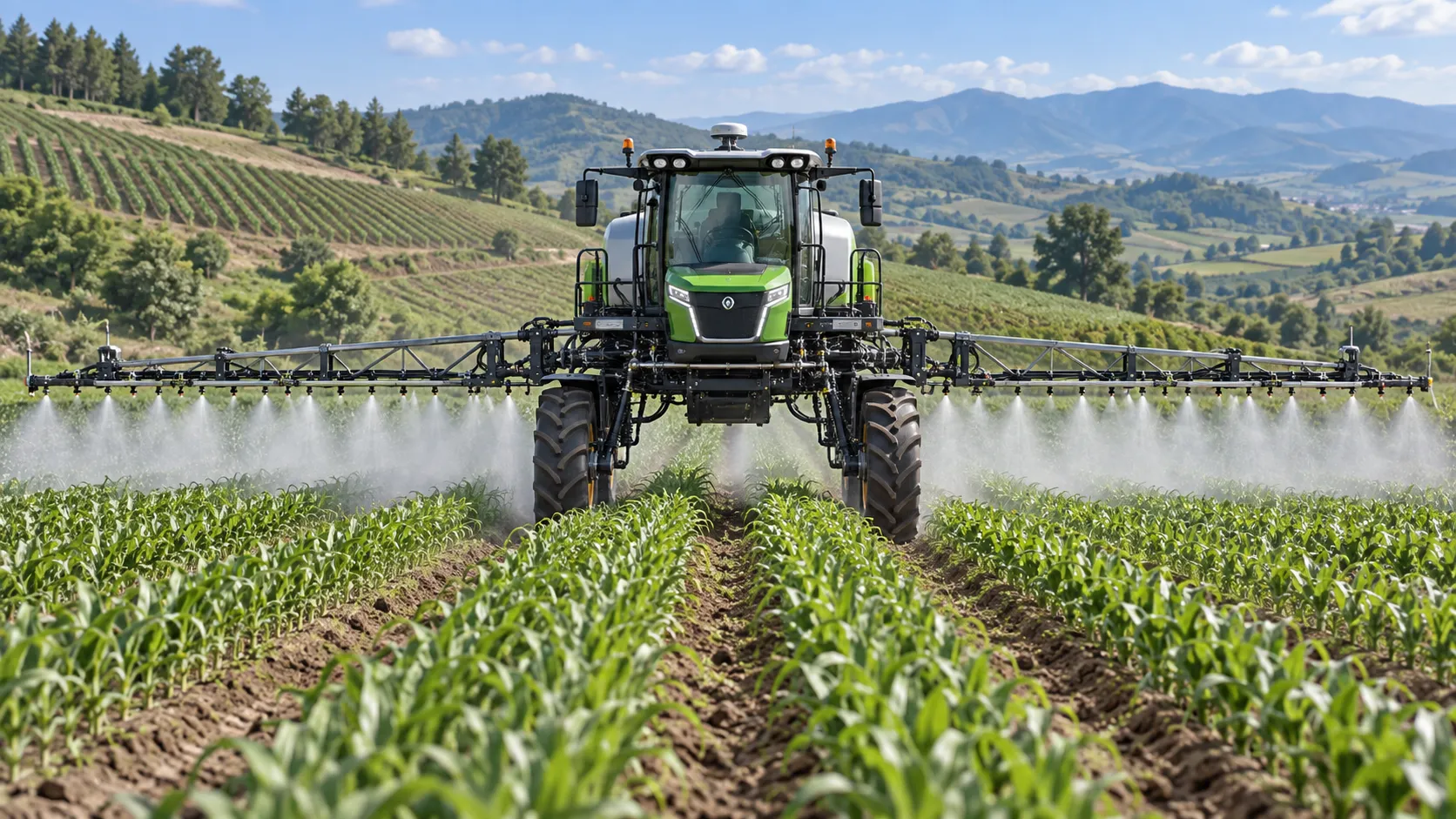
How to Select Precision Crop Protection Equipment for Variable Field Conditions
Precision crop protection equipment selection made simple: compare terrain, canopy, weather, control accuracy, and data workflows for reliable applications.

When Does Agricultural Machinery Leasing Cost Less Than Owning Equipment?
Agricultural machinery leasing can lower farm costs when use is seasonal or uncertain. Compare utilization, maintenance, cash flow, and risk to make a smarter equipment decision.

How to Evaluate Precision Fertilization System Suppliers for Farm-Scale Deployment
Precision fertilization systems suppliers: learn how to compare accuracy, integration, uptime, service, and total cost for confident farm-scale deployment.
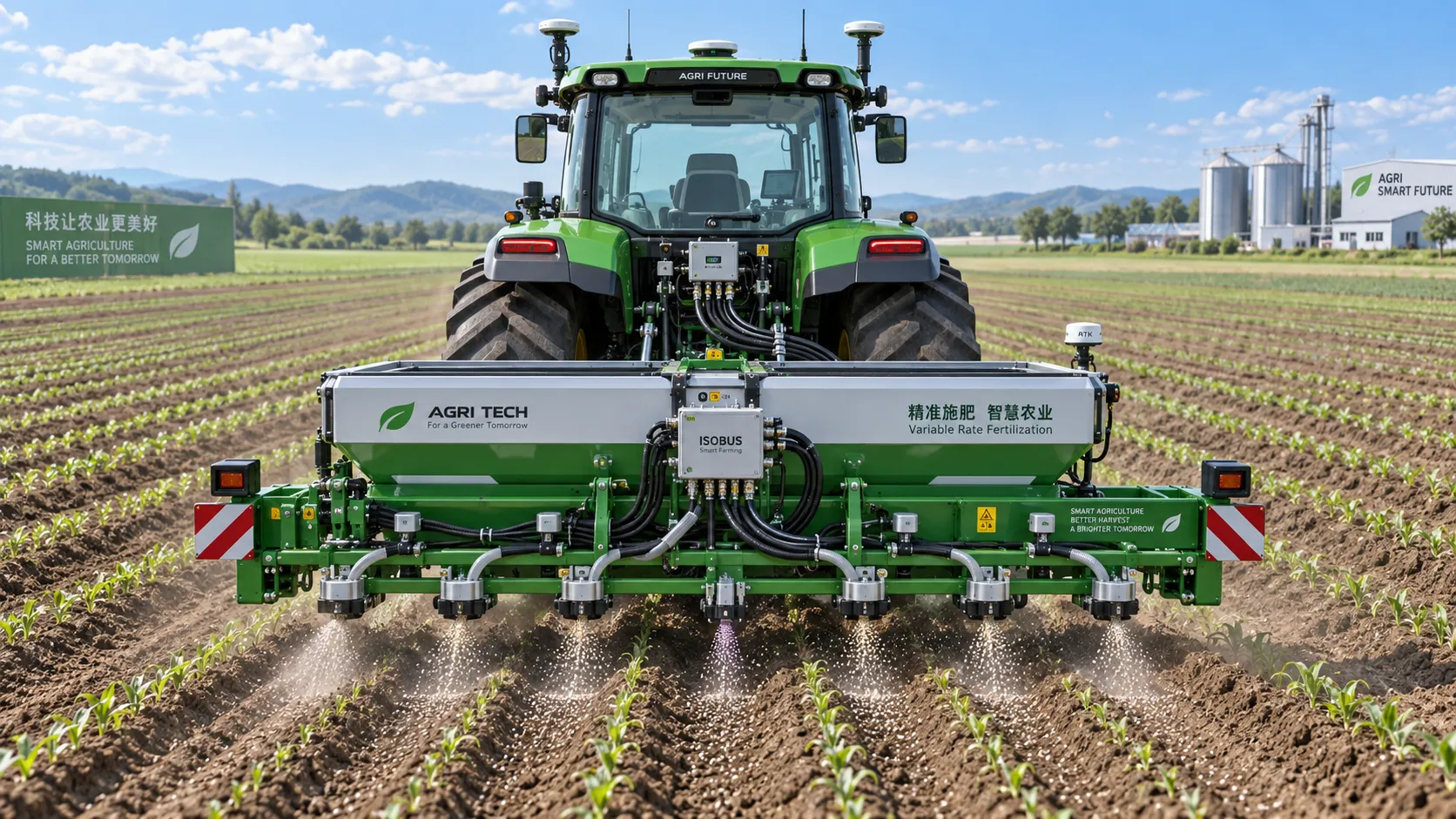
ISOBUS for Smart Agriculture: How It Connects Tractors, Implements, and Farm Data
ISOBUS for smart agriculture connects tractors, implements, terminals, and farm data—helping growers improve precision, documentation, and smarter field decisions.
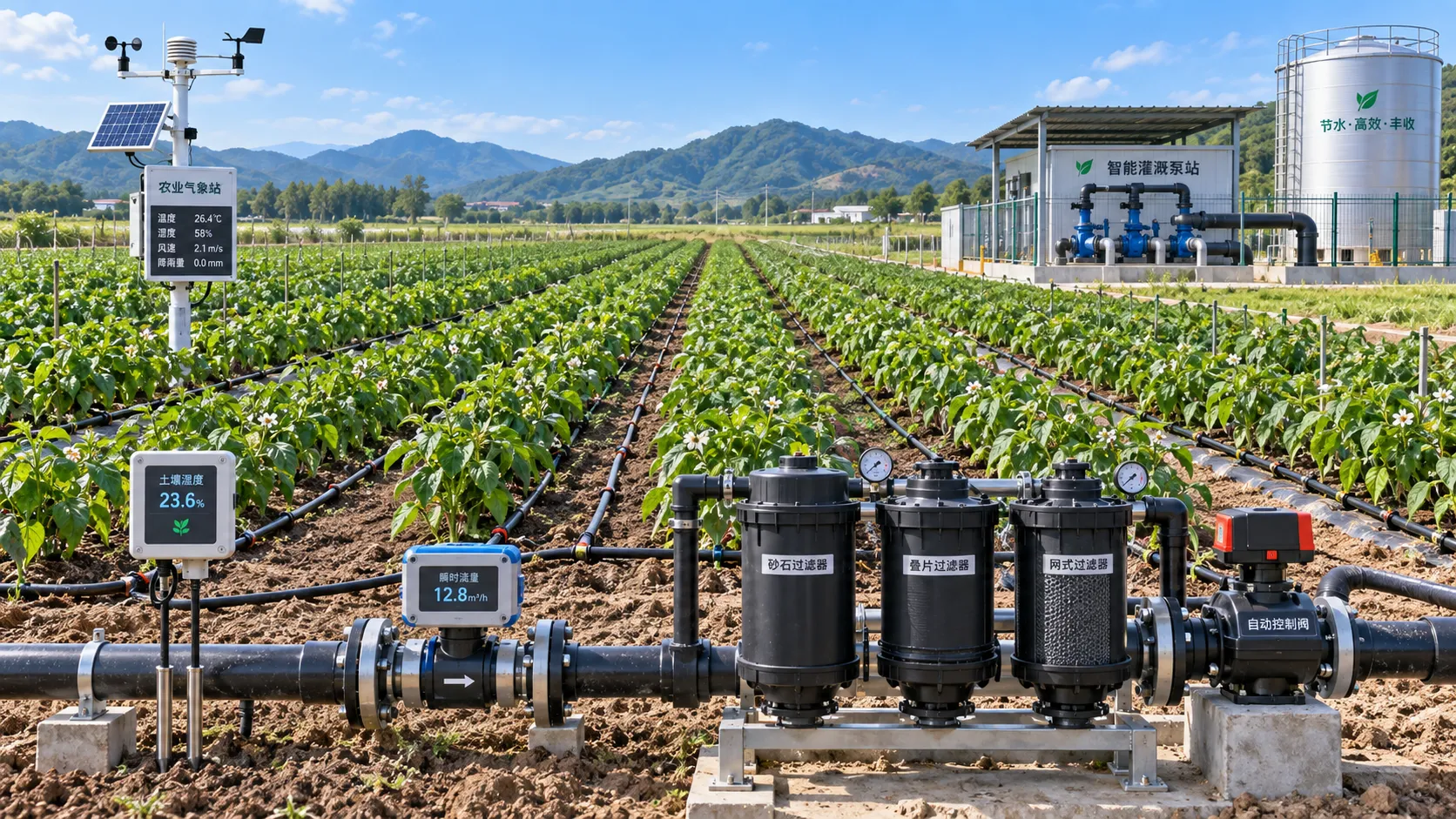
Automated Water-Saving Irrigation: How to Cut Water Use Without Reducing Crop Yields
Automated water-saving irrigation helps farms cut water use, protect crop yields, improve scheduling, and gain reliable control with sensors, flow monitoring, and smart zones.
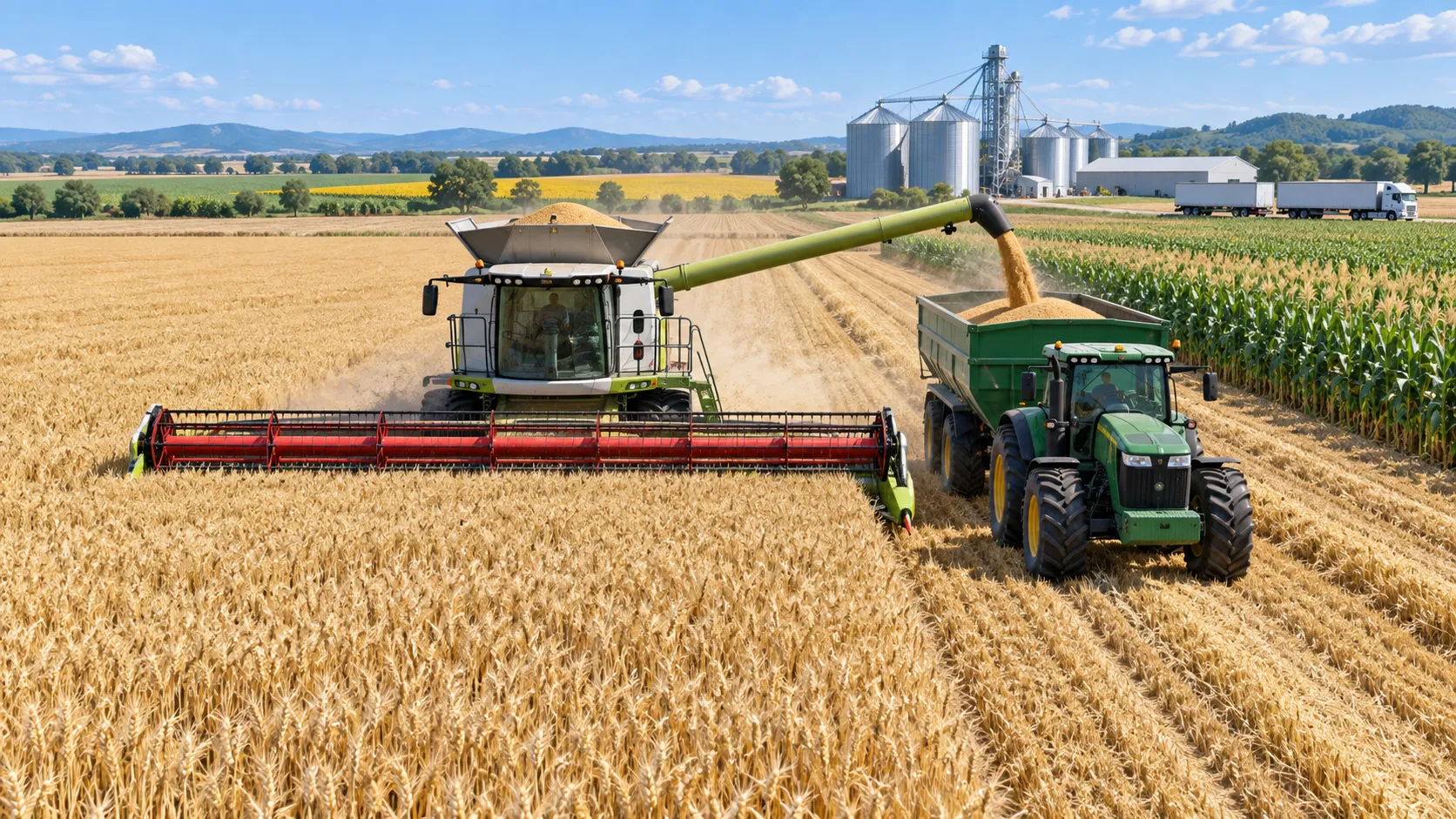
Selecting Grain Farm Equipment by Acreage, Crop Mix, and Harvest Window
Agricultural equipment selection for grain farming: match machinery to acreage, crop mix, and harvest windows to improve uptime, efficiency, and returns.
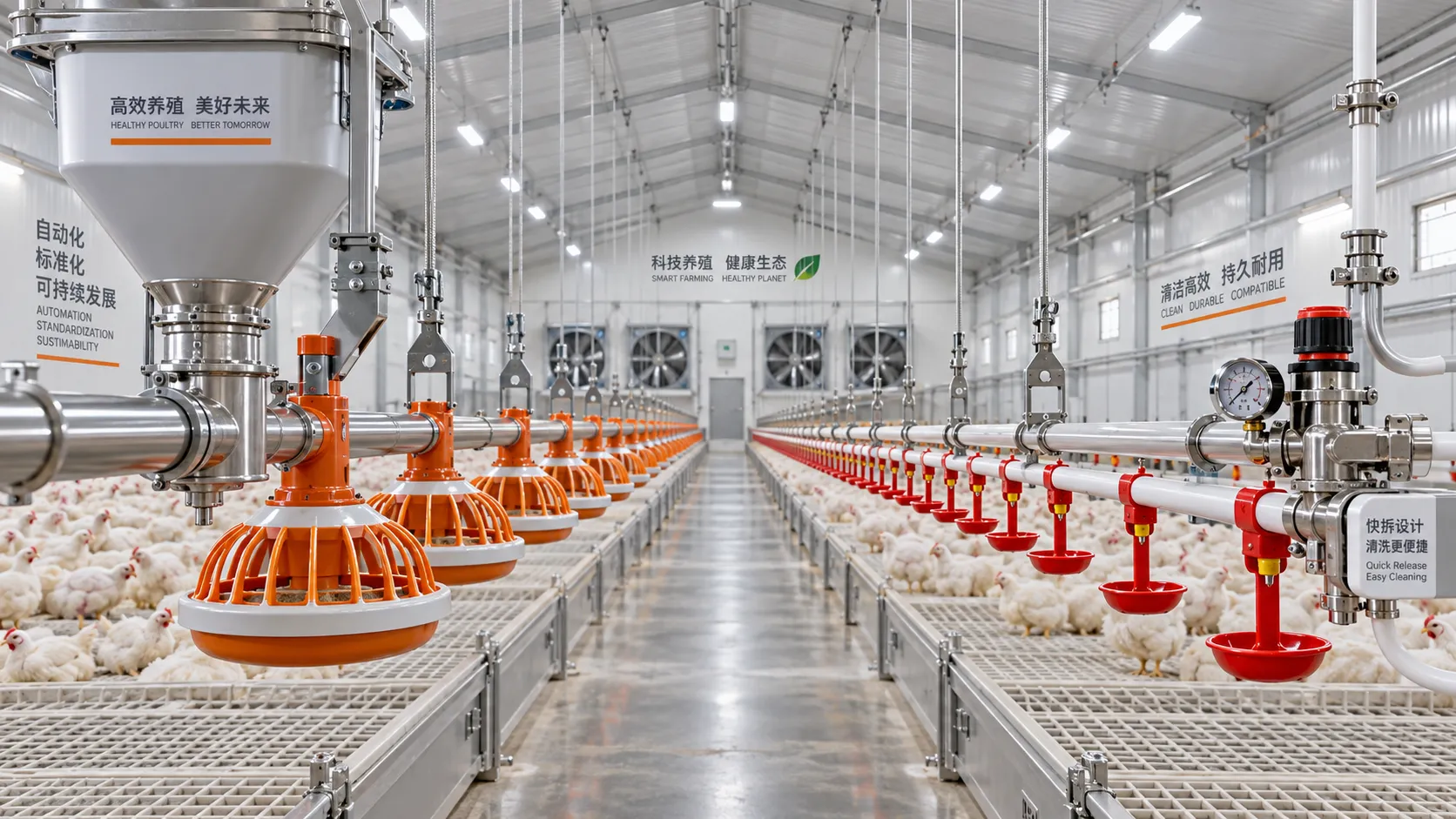
Poultry Equipment Selection: Evaluating Durability, Cleaning, and Compatibility
Poultry equipments selection guide: evaluate durability, cleaning access, and system compatibility to improve hygiene, reduce downtime, and support efficient flock management.
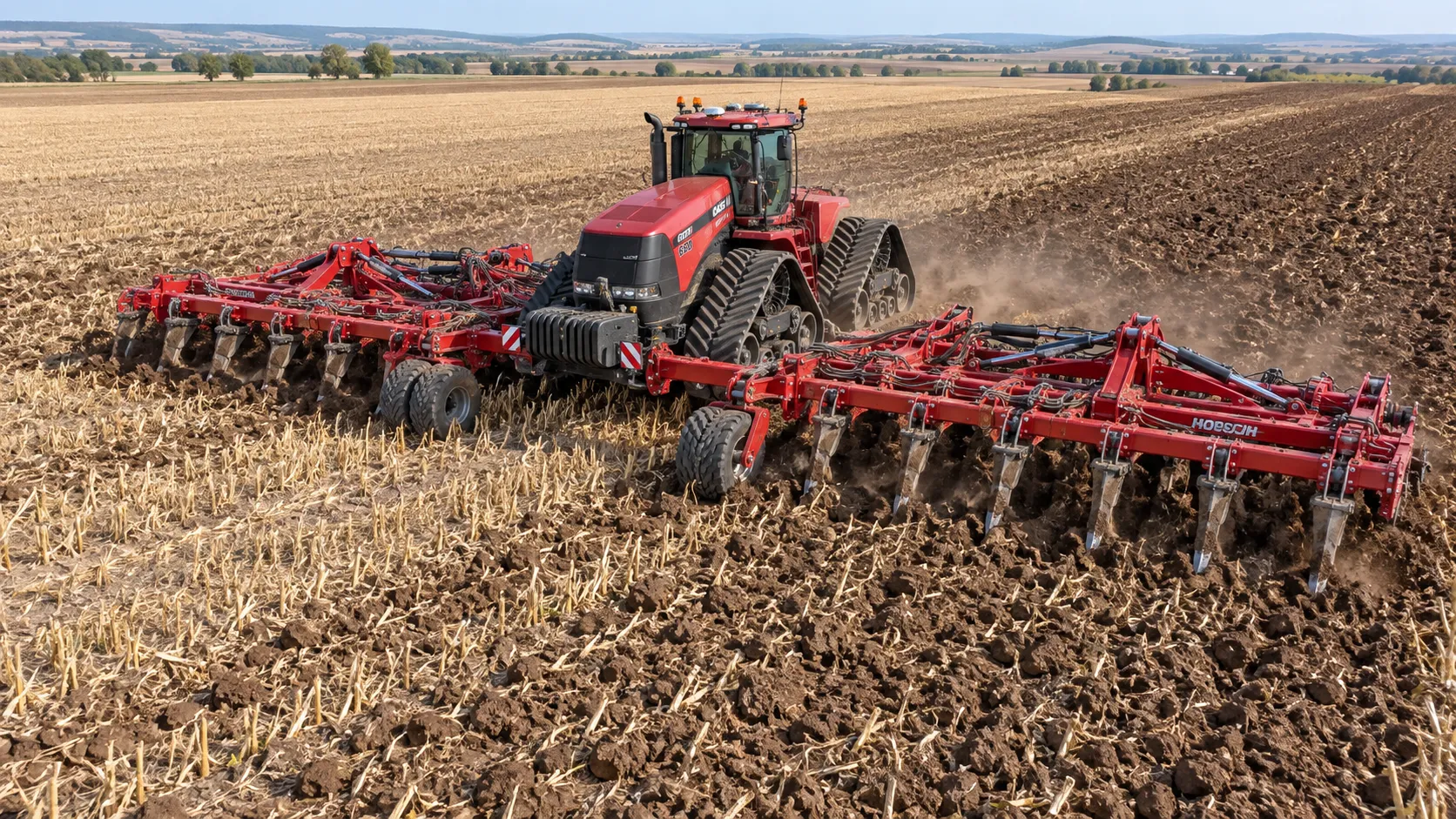
How to Select Heavy-Duty Farm Implements for High-Acreage, High-Horsepower Operations
Heavy duty farm implements: learn how to match draft, hydraulics, hitch capacity, frame strength, and field conditions for reliable high-acreage performance.
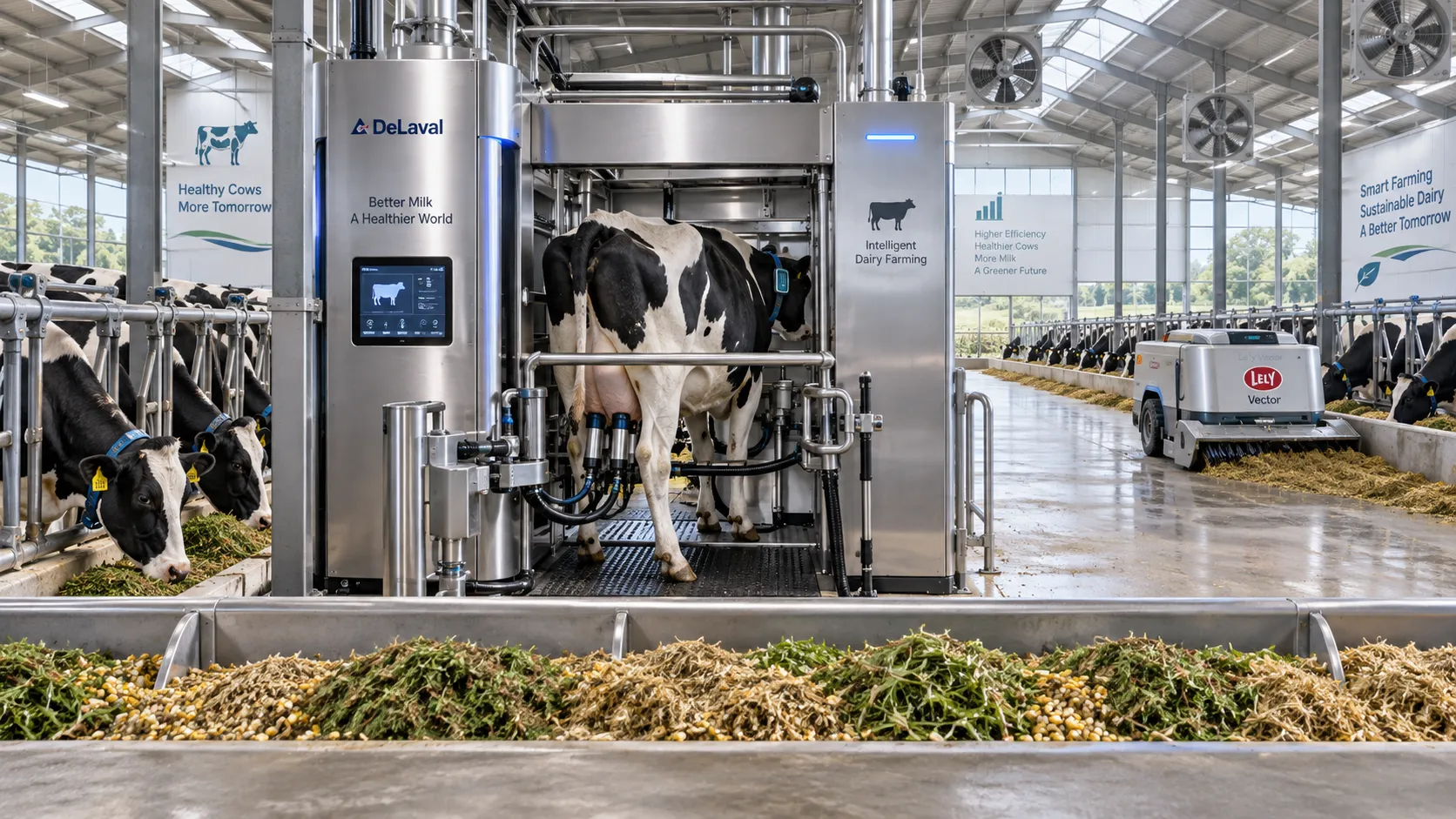
Smart Farming Technology for Dairy Farms: Where Automation Delivers Measurable ROI
Smart farming technology for dairy farms delivers measurable ROI through automation, precision feeding, health monitoring, and data-driven cost control.
Related News
- 00
0000-00
What Tractor Horsepower Is Needed for a Three-Bottom Moldboard Plow? - 00
0000-00
What Is the Difference Between No-Till and Conventional Tillage? - 00
0000-00
Does No-Till Farming Reduce Erosion on Hilly Farmland? - 00
0000-00
India BIS Tightens Soil Tiller Labeling for Imports - 00
0000-00
Vietnam Requires Vietnamese Warning Labels for Imported Soil Tillers
Popular Tags
Agri-Mechanization Fellow
Weekly Insights
Stay ahead with our curated technology reports delivered every Monday.