
Soil Preparation Mistakes That Reduce Yield Before Planting
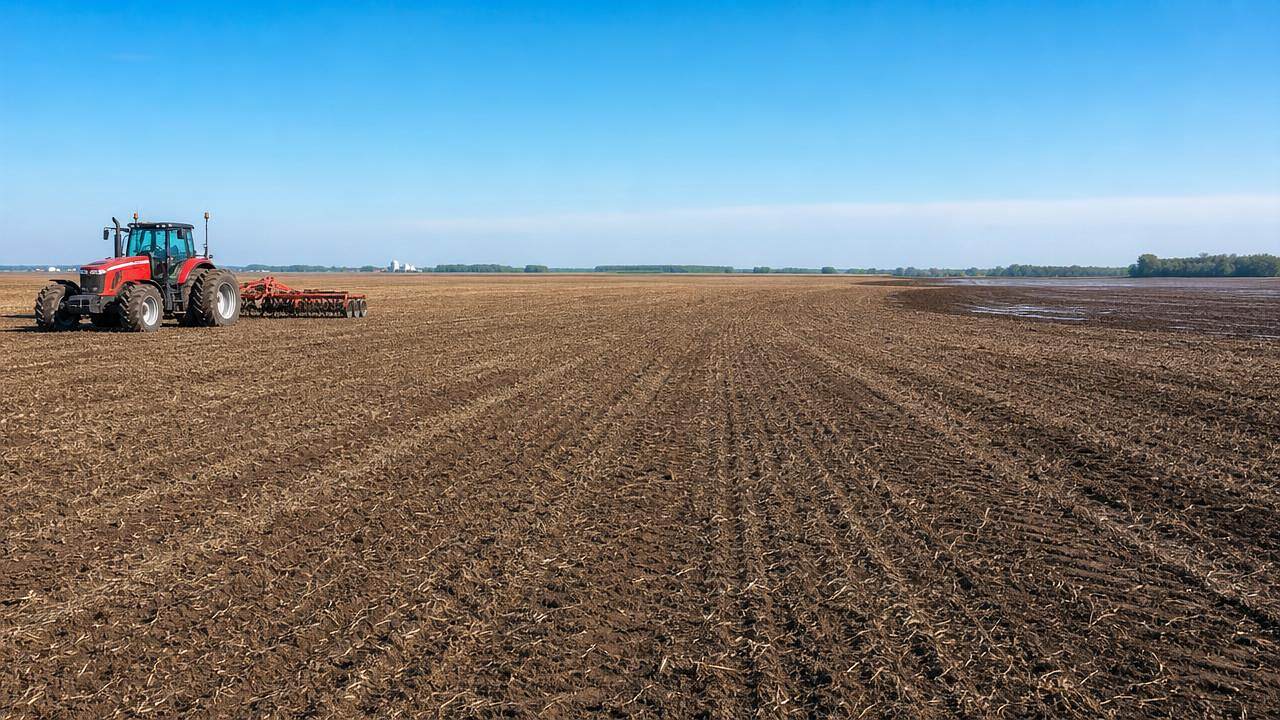




Even advanced machinery and precision inputs cannot compensate for soil preparation mistakes made before the first seed enters the ground. For quality control and safety management professionals, weak compaction control, uneven residue handling, and poor moisture assessment can quietly reduce yield, raise operating risks, and undermine field consistency. Understanding the most common soil preparation failures is the first step toward building safer, more productive, and data-driven planting systems.
Why a checklist approach works better for soil preparation
In large-scale farming, poor results rarely come from one dramatic mistake. More often, yield loss starts with several small soil preparation failures that pass unnoticed during busy pre-planting windows. A field may look ready from the road, yet still contain compaction layers, wet spots, residue mats, clod zones, or uneven seedbed depth. These issues affect root development, planter performance, fertilizer placement, and early crop uniformity.
For quality control personnel, the value of a checklist is consistency. It turns field readiness into measurable checkpoints rather than assumptions. For safety management teams, it also reduces rushed decisions, unstable machine operation, and avoidable passes that increase fuel use and operator exposure. In other words, disciplined soil preparation is both a yield issue and a risk-control issue.
Priority checklist: the soil preparation mistakes that most often reduce yield
Before planting begins, these are the first items that should be checked, documented, and verified across fields, operators, and equipment setups.
- Working soil when it is too wet. This is one of the most damaging soil preparation errors. Wet tillage smears sidewalls, creates dense layers, and forms hard clods after drying. The field may appear fine initially, but root restriction and poor emergence often follow.
- Ignoring subsurface compaction. Surface conditions can be misleading. A smooth top layer does not mean the root zone is open. Traffic pans and tillage pans can block drainage, limit rooting depth, and reduce nutrient uptake.
- Leaving residue unevenly distributed. Heavy residue concentration causes variable soil temperature, uneven moisture retention, and inconsistent seed placement. It can also interfere with opener contact and row cleaner performance.
- Creating an overly fine seedbed. Excessive secondary tillage may look neat, but it often increases crusting risk, wind erosion, and moisture loss. Fine powdery soil can seal quickly after rainfall.
- Failing to match tillage depth to the actual problem. Deep tillage without verified compaction wastes fuel and may bring up wet or less fertile soil. Shallow passes on a deeply compacted field solve little.
- Skipping field-level moisture variability checks. One part of the field may be ready while another is not. Treating the whole area the same can create inconsistent emergence and stand establishment.
- Using incorrect tractor ballast, tire pressure, or axle load. Even strong equipment can damage soil structure if ground pressure is poorly managed during soil preparation operations.
- Not verifying final seedbed uniformity. If planting depth varies because the prepared surface is uneven, seed-to-soil contact and early vigor decline quickly.
Field inspection standards: what quality control teams should verify first
A useful soil preparation inspection process should focus on observable and repeatable standards. The goal is not to collect data for its own sake, but to identify whether the field is truly ready for reliable planting performance.
1. Soil moisture readiness
Check soil at working depth, not just on the surface. If soil forms slick ribbons, sticks excessively to tools, or smears when compressed, operations should be delayed. Moisture should allow fracture, not plastic deformation. This single check prevents many downstream soil preparation problems.
2. Compaction profile
Use a probe, penetrometer, or spade assessment to identify resistance zones. Pay attention to repetitive traffic lanes, headlands, and loading areas. Headlands are often overlooked, yet they commonly show the strongest compaction and the greatest emergence variability.
3. Residue coverage and distribution
Residue should be spread evenly enough to avoid cold, wet strips and bare, erosion-prone areas. Quality teams should compare rows, wheel tracks, and transitions between operators or machine settings. Uneven residue management is a classic soil preparation weakness in high-residue systems.
4. Surface levelness and clod size
A field can be too rough or too pulverized. Large clods reduce seed placement precision, while overly broken soil may crust and lose moisture. The correct standard is a stable, uniform seedbed that supports planter depth control and safe machine travel.
5. Drainage and infiltration signs
Ponding marks, gray soil zones, and repeated wet patches signal that drainage or internal structure problems remain unresolved. Planting into those areas without corrective action often leads to weak stands and localized yield penalties.
Equipment-related soil preparation mistakes that safety managers should flag
In many operations, soil preparation quality is linked directly to machine setup. AP-Strategy’s focus on large-scale agri-machinery and tractor chassis performance is especially relevant here: field outcomes depend not only on agronomy, but on the interaction between power, traction, weight distribution, hydraulic control, and implement adjustment.
- Excessive travel speed: high speed often increases bounce, uneven depth, and residue disturbance inconsistency. It may improve short-term productivity figures while quietly reducing soil preparation quality.
- Poor implement leveling: if front-to-back or side-to-side leveling is off, tillage depth becomes inconsistent, creating variable seedbed conditions across the machine width.
- Worn tools and uneven wear patterns: blades, points, shanks, or rolling components that are not replaced on time create irregular soil movement and draft imbalance.
- Improper tire inflation or track setup: this raises compaction risk and can compromise operator control in marginal field conditions.
- Too many field passes: each additional trip may refine the surface visually, but often worsens structure, increases operating cost, and exposes crews to more safety events.
How the checklist changes by field scenario
Not every field should be judged the same way. Soil preparation decisions must be adapted to residue load, soil texture, drainage condition, and machinery traffic history.
High-residue cereal or corn ground
Prioritize residue sizing, even spreading, and opener path cleanliness. Watch for hair-pinning risk and cold-strip effects. In these systems, aggressive tillage is not automatically the answer; the better approach is targeted residue management with preserved structure.
Heavy clay soils
Timing is critical. Heavy soils are highly vulnerable to wet-working damage. Safety and quality teams should be stricter on go/no-go moisture decisions, because the penalty from poor timing can remain visible through the whole season.
Sandy or lighter soils
Avoid overworking the surface and losing moisture. Wind erosion, loose seedbeds, and poor closure become the main concerns. Here, the best soil preparation is often the least disruptive option that still meets seed placement needs.
Controlled traffic or high-axle-load operations
Pay special attention to transition zones outside permanent lanes. Large machinery systems improve efficiency, but when traffic discipline slips, compaction can spread rapidly. Quality audits should compare trafficked and non-trafficked strips before final planting approval.
Commonly ignored warning signs before planting starts
Some of the most expensive soil preparation mistakes are not dramatic enough to trigger immediate concern. These warning signs deserve early attention:
Execution advice: how to improve soil preparation without adding unnecessary complexity
The best improvements usually come from better timing, better verification, and fewer unnecessary passes rather than from more aggressive intervention. A practical execution plan should include the following:
- Define field readiness criteria before equipment enters the field.
- Assign moisture, compaction, and residue checks to named personnel.
- Use machine setup sheets for tractor ballast, tire pressure, working depth, and speed range.
- Inspect headlands separately from the main field area.
- Document exceptions by zone instead of accepting whole-field averages.
- Review planting performance data afterward to connect emergence issues back to soil preparation decisions.
This type of closed-loop process aligns well with precision agriculture practice. Sensor feedback, satellite positioning, and machine telemetry are useful, but only when paired with clear field standards. Data should confirm judgment, not replace basic agronomic discipline.
FAQ for quality and safety teams
How early should soil preparation checks begin?
Begin before the first tillage pass. Harvest residue patterns, traffic damage, and drainage issues from the previous season often determine which soil preparation strategy is actually appropriate.
Is deeper tillage always better when emergence was poor last year?
No. Deep intervention should follow verified compaction or drainage diagnosis. Without that, deeper tillage may only increase cost and structural disturbance.
What is the most overlooked safety connection?
Rushed operations in marginal soil conditions. When teams push to maintain schedule despite wet ground or poor visibility of field variability, both machine risk and soil damage increase.
Final decision guide before approving planting
A field is not ready simply because it has been worked. It is ready when soil preparation has produced a uniform, stable, and verifiable planting environment with acceptable moisture, manageable residue, controlled compaction, and consistent seedbed conditions. For organizations focused on yield protection, operational safety, and machinery efficiency, that distinction matters.
If your team needs to further evaluate soil preparation standards, machinery setup, field variability, operating windows, or technology fit, prioritize discussion around five items: current soil constraints, equipment configuration, traffic patterns, moisture decision thresholds, and the data sources used to validate field readiness. Those answers will determine whether the next planting campaign starts on a strong foundation or carries hidden yield loss from day one.
Related News
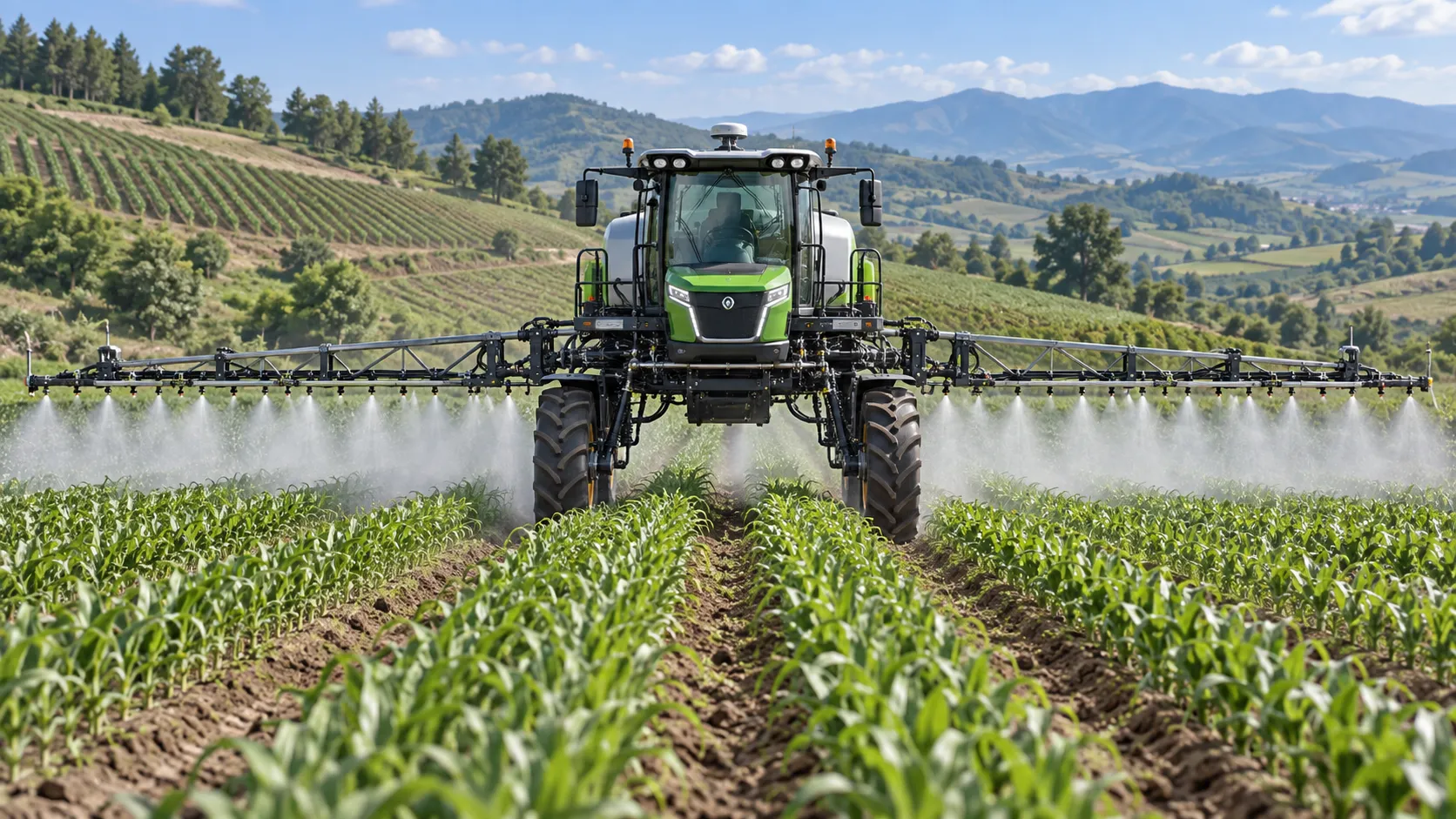
How to Select Precision Crop Protection Equipment for Variable Field Conditions
Precision crop protection equipment selection made simple: compare terrain, canopy, weather, control accuracy, and data workflows for reliable applications.
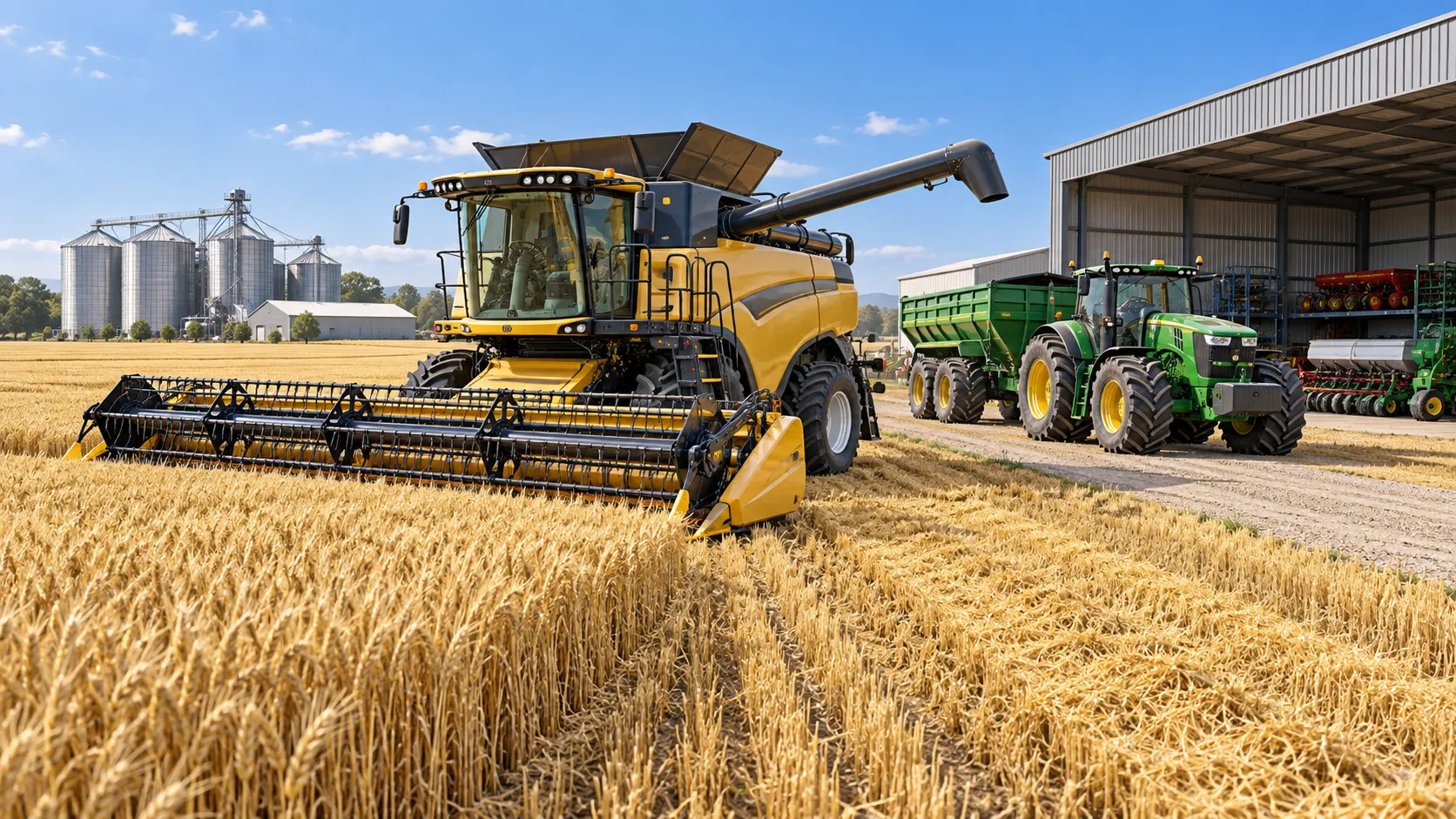
When Does Agricultural Machinery Leasing Cost Less Than Owning Equipment?
Agricultural machinery leasing can lower farm costs when use is seasonal or uncertain. Compare utilization, maintenance, cash flow, and risk to make a smarter equipment decision.
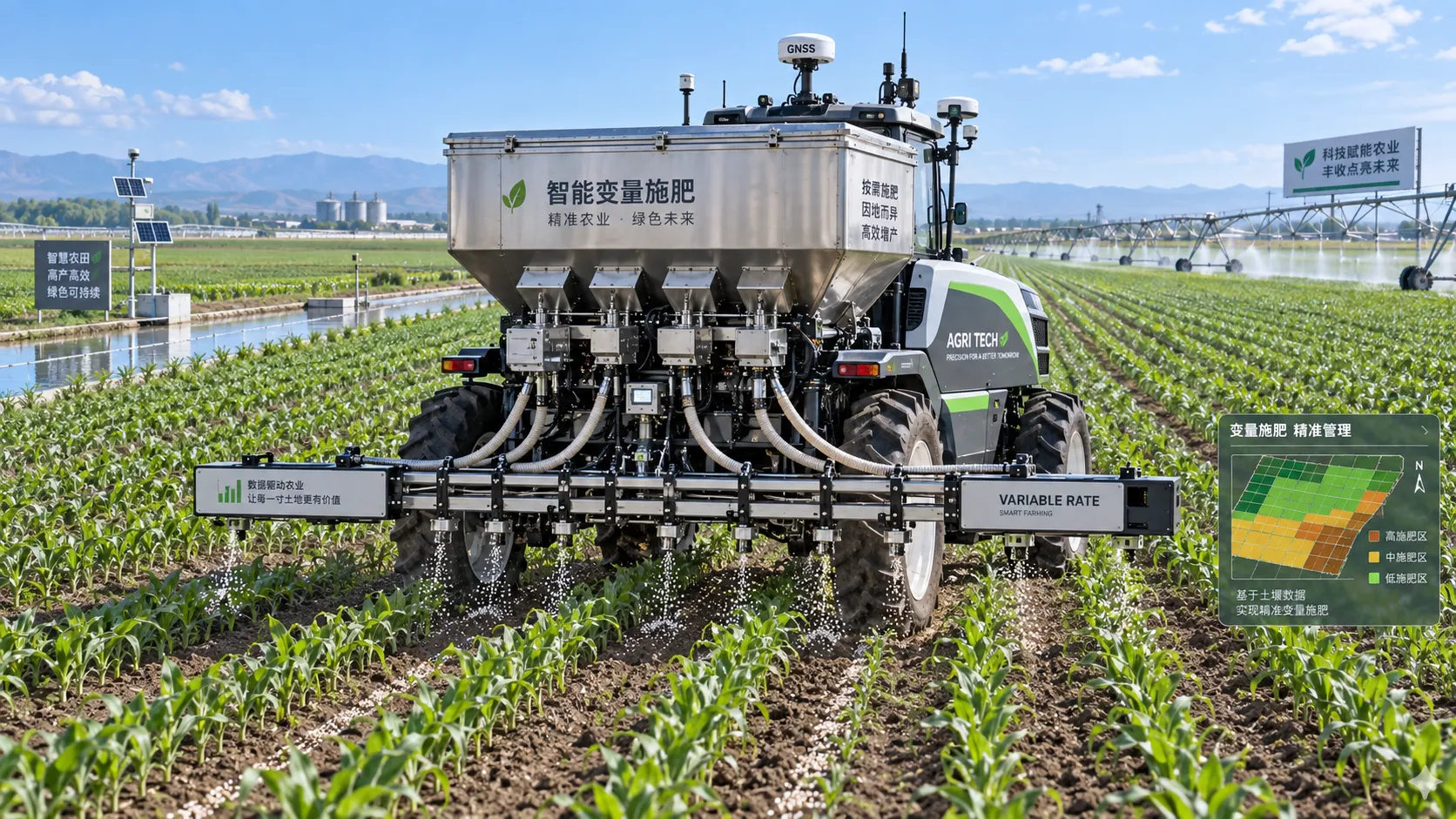
How to Evaluate Precision Fertilization System Suppliers for Farm-Scale Deployment
Precision fertilization systems suppliers: learn how to compare accuracy, integration, uptime, service, and total cost for confident farm-scale deployment.
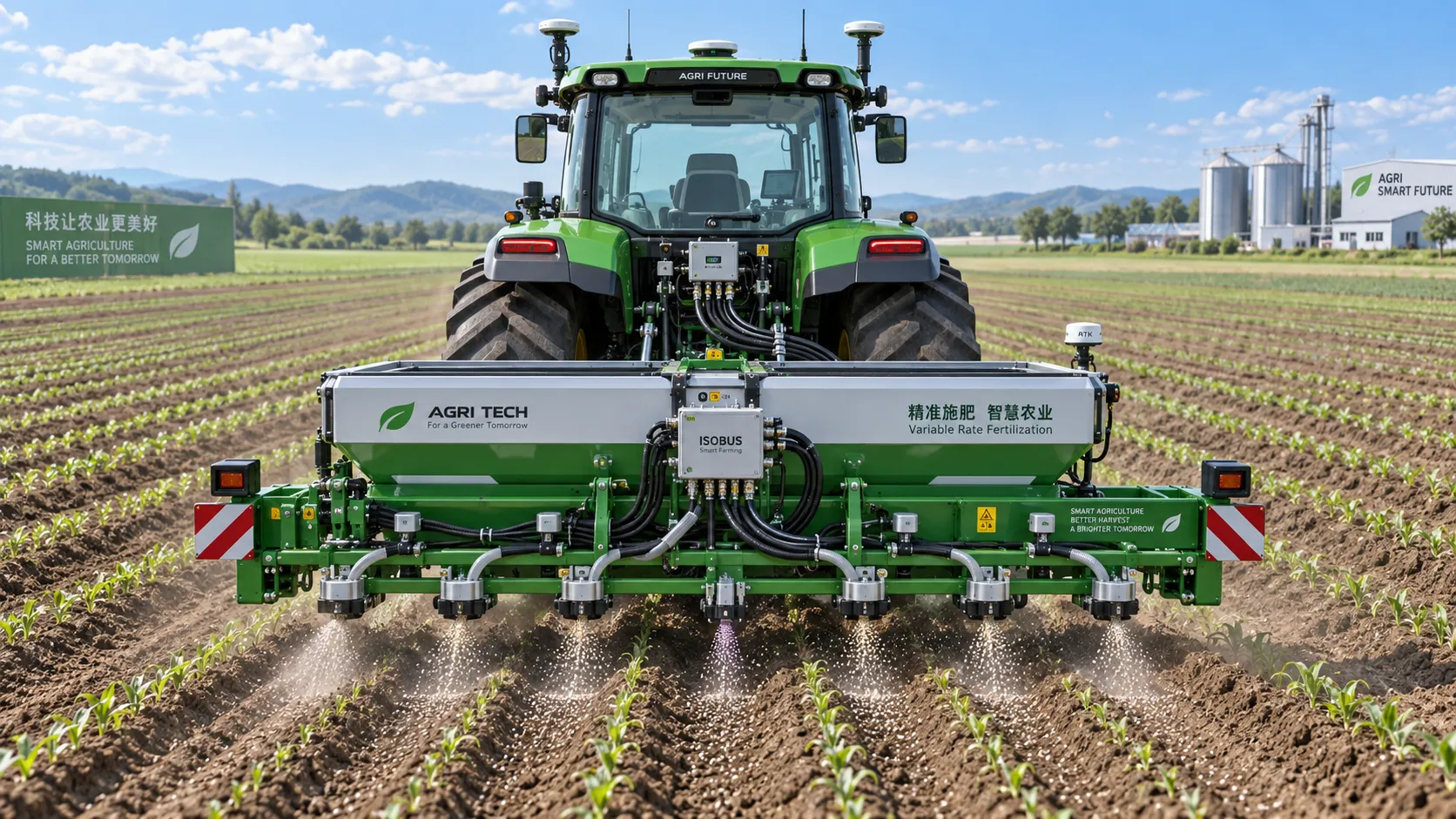
ISOBUS for Smart Agriculture: How It Connects Tractors, Implements, and Farm Data
ISOBUS for smart agriculture connects tractors, implements, terminals, and farm data—helping growers improve precision, documentation, and smarter field decisions.
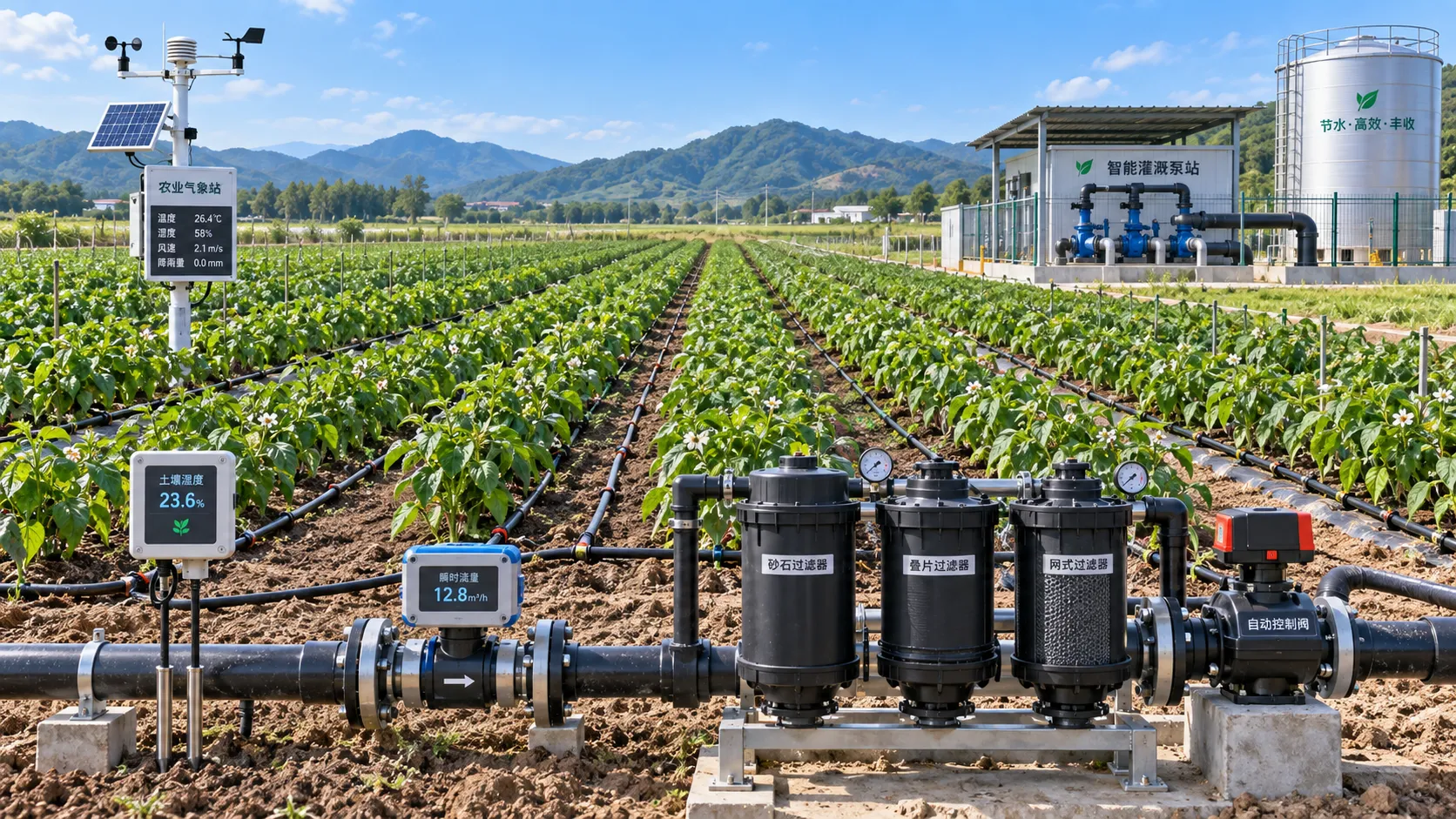
Automated Water-Saving Irrigation: How to Cut Water Use Without Reducing Crop Yields
Automated water-saving irrigation helps farms cut water use, protect crop yields, improve scheduling, and gain reliable control with sensors, flow monitoring, and smart zones.
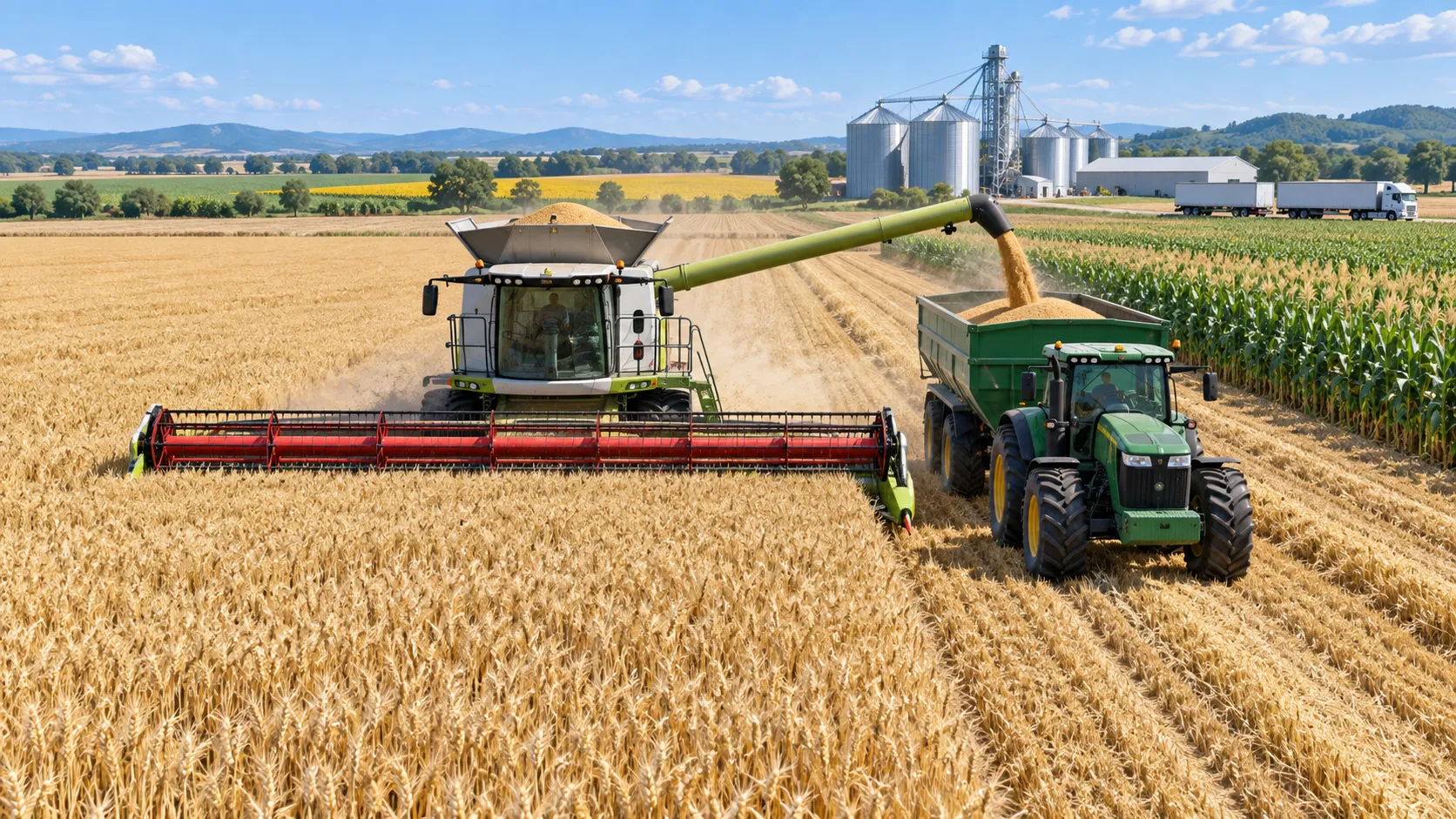
Selecting Grain Farm Equipment by Acreage, Crop Mix, and Harvest Window
Agricultural equipment selection for grain farming: match machinery to acreage, crop mix, and harvest windows to improve uptime, efficiency, and returns.
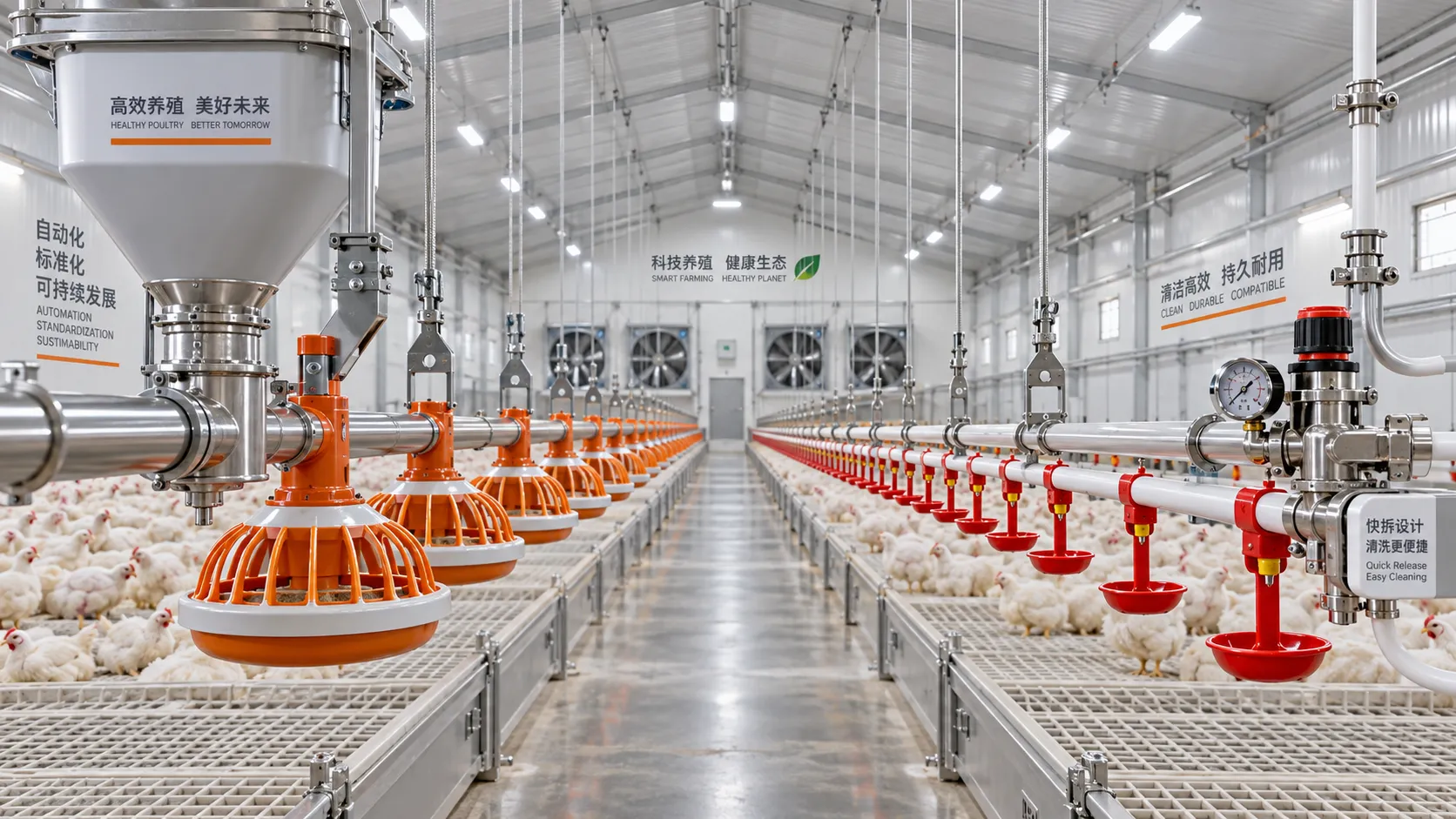
Poultry Equipment Selection: Evaluating Durability, Cleaning, and Compatibility
Poultry equipments selection guide: evaluate durability, cleaning access, and system compatibility to improve hygiene, reduce downtime, and support efficient flock management.
How to Select Heavy-Duty Farm Implements for High-Acreage, High-Horsepower Operations
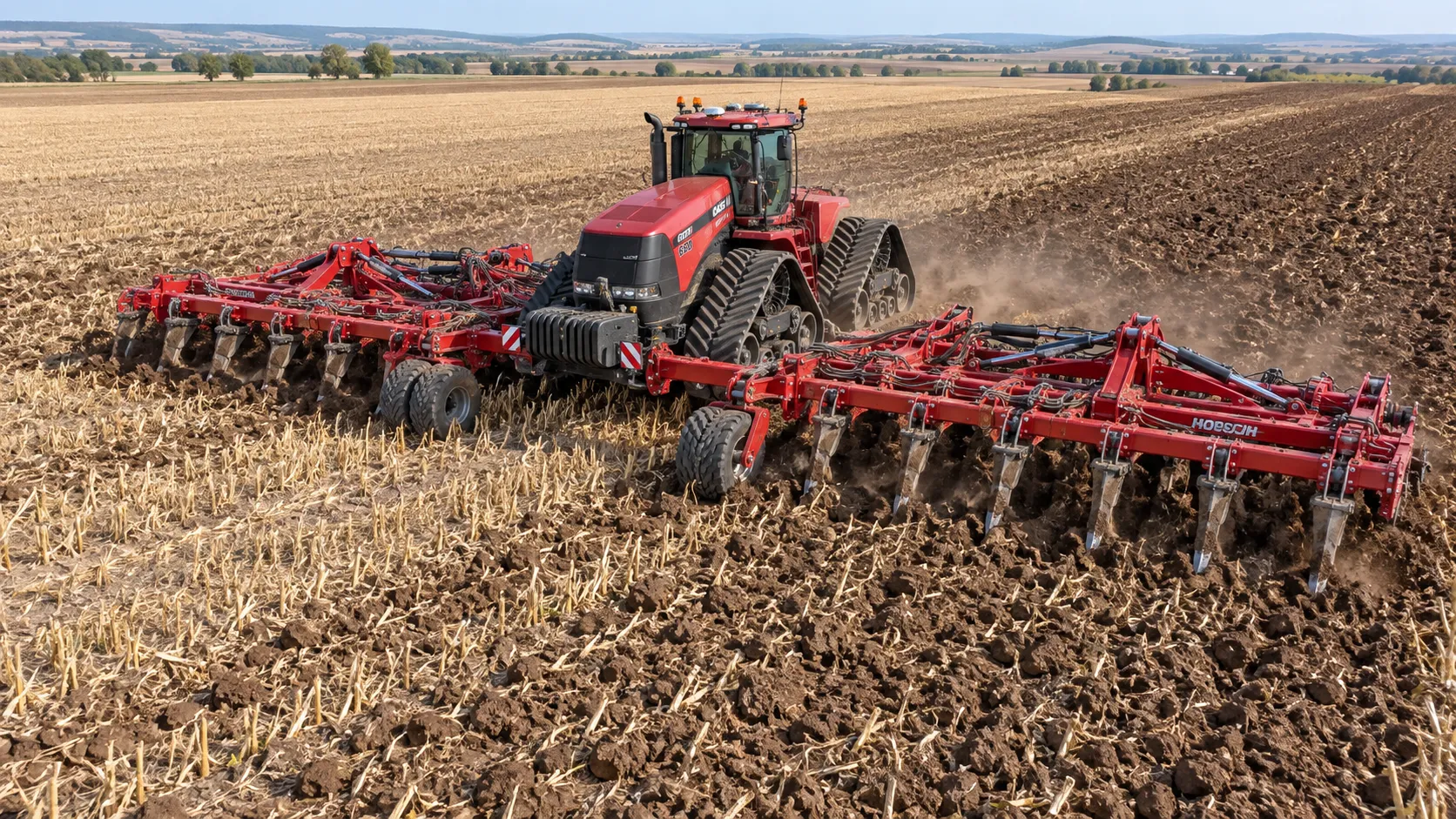
Heavy duty farm implements: learn how to match draft, hydraulics, hitch capacity, frame strength, and field conditions for reliable high-acreage performance.
Smart Farming Technology for Dairy Farms: Where Automation Delivers Measurable ROI
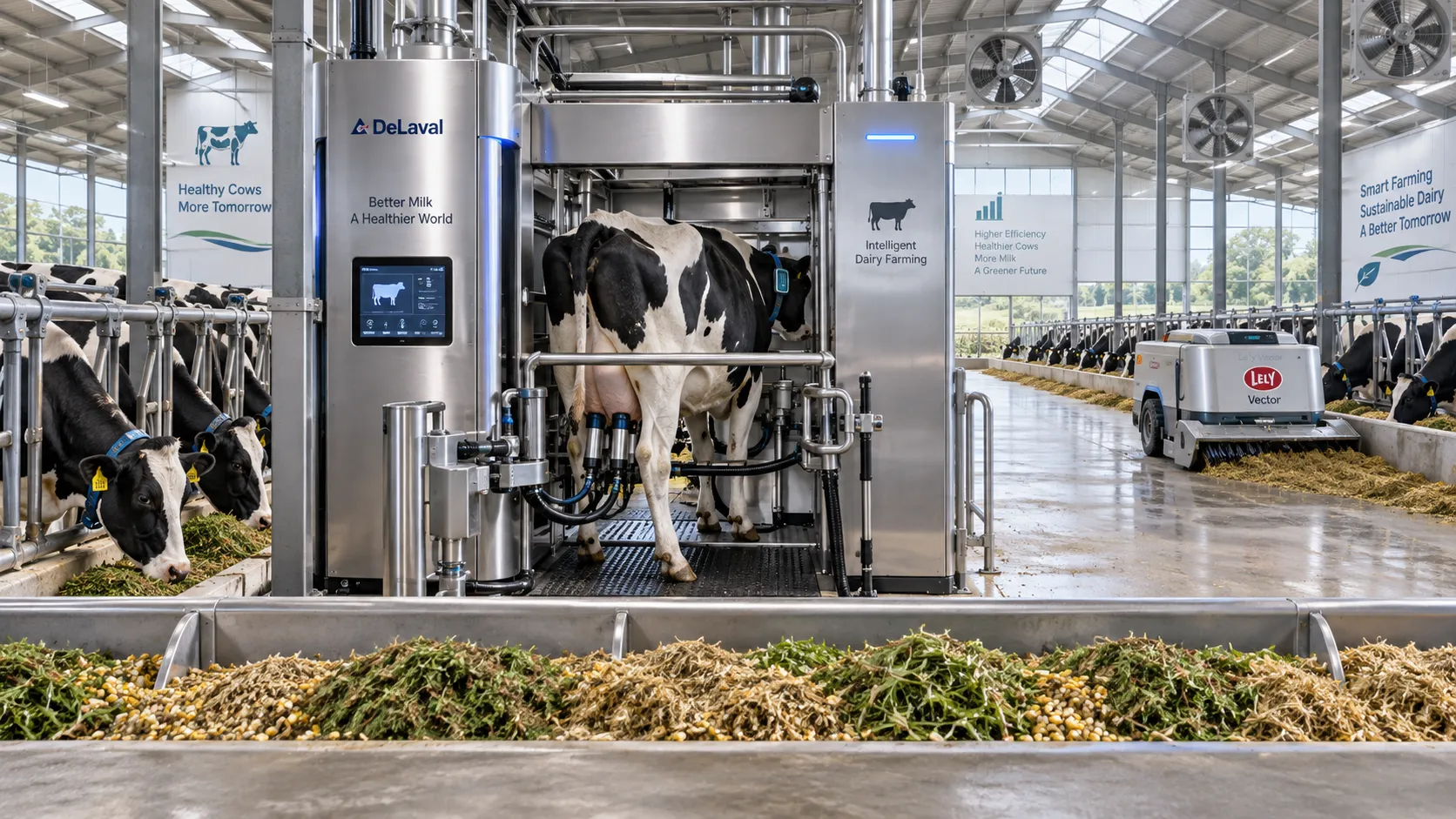
Smart farming technology for dairy farms delivers measurable ROI through automation, precision feeding, health monitoring, and data-driven cost control.
Related News
- 00
0000-00
What Tractor Horsepower Is Needed for a Three-Bottom Moldboard Plow? - 00
0000-00
What Is the Difference Between No-Till and Conventional Tillage? - 00
0000-00
Does No-Till Farming Reduce Erosion on Hilly Farmland? - 00
0000-00
India BIS Tightens Soil Tiller Labeling for Imports - 00
0000-00
Vietnam Requires Vietnamese Warning Labels for Imported Soil Tillers
Popular Tags
Agri-Mechanization Fellow
Weekly Insights
Stay ahead with our curated technology reports delivered every Monday.