
When Soil Preparation Goes Wrong, Yield Problems Show Up Early
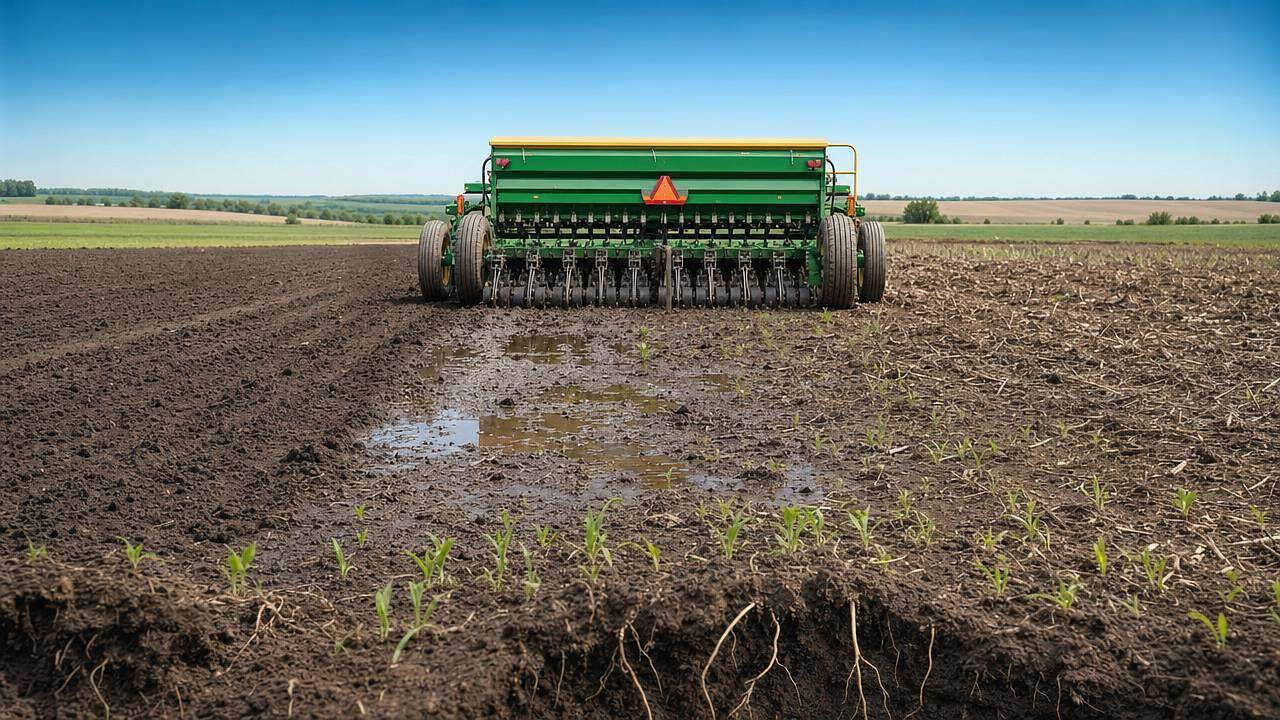




When soil preparation is rushed or poorly matched to actual field conditions, yield loss rarely waits until harvest to reveal itself. Operators usually see the first warnings much earlier: uneven emergence, sidewall smearing, water ponding, poor residue flow, shallow rooting, and inconsistent machine performance across the field. In most cases, these are not isolated planting issues. They are signs that soil preparation created a weak foundation.
For equipment operators and field users, the practical question is not whether soil preparation matters. It is how to recognize mistakes early enough to correct them before they become full-season yield penalties. The good news is that many early problems follow recognizable patterns. If you can connect those patterns to what happened during tillage, leveling, residue management, and moisture handling, you can make better decisions on the next pass and protect both crop establishment and machine efficiency.
This article focuses on the real search intent behind this topic: understanding why yield problems show up early when soil preparation goes wrong, what field signs matter most, how operators should diagnose the cause, and which corrective actions are worth taking. Rather than repeating general agronomy theory, the goal here is to help field users identify practical risks, improve pass quality, and avoid compounding mistakes from pre-plant work into planting, irrigation, and harvest.
Why early yield problems usually start with the seedbed, not the seed
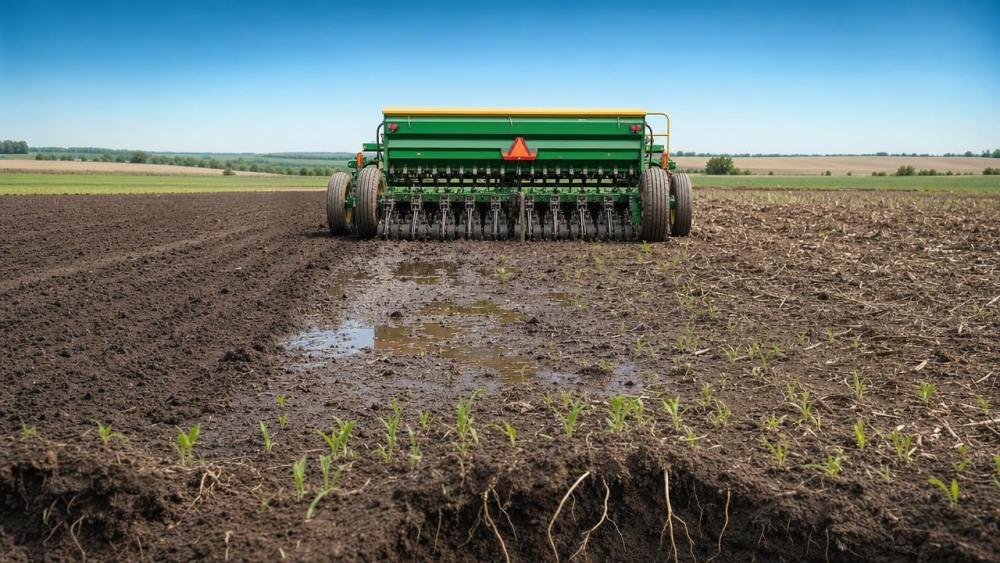
Many operators are blamed when emergence is uneven or early crop vigor looks weak, but the root cause often starts before the planter enters the field. A poorly prepared seedbed creates unequal conditions from row to row and from one part of the field to another. Even when seed quality is strong and planting depth is set correctly, crops cannot emerge uniformly if the soil profile is inconsistent.
The most common early issue is variability. One part of the field may be loose and dry, another compacted and wet, and another covered with residue that prevents good seed-to-soil contact. This leads to staggered emergence, which is one of the earliest signals that soil preparation did not match field conditions. Once plants emerge at different times, competition for light, nutrients, and moisture begins immediately, and final yield potential drops before the crop canopy even closes.
Operators should remember a simple rule: the crop responds to the condition of the rooting zone, not just the appearance of the surface. A field can look smooth from the cab and still contain compaction layers, cloddy zones, smeared strips, or hidden moisture inconsistency. Those problems limit root penetration and reduce the crop’s ability to recover from stress later in the season.
What operators care about most: the field signs that show soil preparation went wrong
For users and machine operators, the most valuable information is not abstract explanation. It is a list of visible, actionable symptoms. When soil preparation fails, several warning signs tend to appear early and repeatedly.
Uneven emergence is usually the first. If some rows emerge quickly while others lag several days behind, suspect inconsistent seedbed firmness, residue interference, or variable moisture caused by poor tillage timing or uneven pass depth. Emergence gaps are often blamed on planter settings, but the planter may simply be reacting to a bad field surface and unstable sub-surface conditions.
Surface crusting is another major sign. If the soil seals after rainfall and seedlings struggle to break through, the seedbed may have been overworked. Excessive secondary tillage can pulverize aggregates and leave the surface vulnerable to crusting. This is especially common when operators chase visual smoothness instead of structural stability.
Ponding and slow drying zones suggest poor leveling, compaction, or blocked residue flow. Low areas or wheel-track compaction often become obvious after the first rain or irrigation cycle. These wet spots delay emergence, reduce oxygen availability, and create ideal conditions for root stress and disease pressure.
Clods and uneven tilth point to wrong timing. If tillage is done when soil is too wet, heavy chunks and smeared layers can form at the same time. Large clods dry out quickly on the outside while holding moisture inside, creating inconsistent germination conditions across short distances.
Shallow or restricted roots become visible when young plants are dug up. If roots turn sideways, flatten, or stop at a hard layer, the field likely has compaction caused by traffic, repeated tillage at the same depth, or operations performed in poor moisture conditions. Yield risk rises quickly because restricted roots reduce access to water and nutrients during the first stress event.
Residue hairpinning or trash concentration can also trace back to weak preparation. If residue was not sized, distributed, or incorporated properly, openers may push it into the seed slot instead of cutting through it cleanly. That reduces seed-to-soil contact and creates uneven temperature and moisture conditions along the row.
Where soil preparation mistakes usually happen in real field operations
Most failures in soil preparation are not caused by one dramatic error. They come from several smaller decisions that seem efficient in the moment but create a poor seedbed. Understanding these decision points helps operators prevent repeat problems.
The first mistake is working by calendar instead of field condition. A field may be scheduled for tillage, but if moisture is too high, entering with heavy equipment can create deep compaction and smearing that lasts the entire season. Tight schedules are real, especially in large-scale operations, but soil that is not fit to work rarely rewards impatience.
The second mistake is using one tillage approach across very different zones. Large fields often contain variable texture, drainage, residue levels, and traffic history. A single depth or pass strategy may leave one area too rough and another overworked. Precision agriculture tools, yield maps, and compaction records can help identify where variable management is more effective than uniform treatment.
The third mistake is chasing appearance over function. A visually smooth field does not always support better emergence. Operators sometimes add extra finishing passes to improve the look of the surface, but each pass can dry the seed zone, destroy soil structure, and increase the risk of crusting. The right target is a stable, uniform seedbed, not a polished one.
The fourth mistake is poor residue management. Residue must be handled as part of the total field system, not as an afterthought. Uneven spread behind the combine, improper chopping, or shallow mixing before planting can create cool, wet strips and uneven opener performance. In reduced tillage systems especially, residue strategy has to begin at harvest, not just before planting.
The fifth mistake is traffic without protection of the root zone. Heavy tractors, grain carts, and tillage units can cause significant damage when axle load and tire pressure are not matched to conditions. A field may be “worked” on the surface yet still carry a compacted layer below the seed zone. Once that layer exists, roots and water movement both suffer.
How poor soil preparation affects machinery efficiency as well as crop performance
Operators do not experience bad soil preparation only through the crop. They feel it through the machine. This matters because poor field conditions reduce performance long before yield data confirms the problem.
In rough or inconsistent seedbeds, planters ride unevenly and depth control becomes less stable. Gauge wheels may lose consistent contact, row units can bounce, and downforce systems work harder to respond. The result is variable seed placement, which compounds the original soil issue.
Tillage and planting fuel use also increases when soil structure is wrong. Compacted zones require more draft force. Cloddy fields increase vibration and wear. Wet areas reduce traction and can force slower operating speeds. These are direct operating costs, but they also signal that the field foundation was not prepared correctly.
Later in the season, irrigation efficiency may decline as well. Water does not infiltrate evenly in compacted or crusted fields, so operators may see runoff in one area and moisture stress in another. In smart irrigation systems, sensor feedback can expose these inconsistencies, but the technology cannot fully compensate for a root zone damaged during preparation.
At harvest, early soil mistakes often return as variable maturity, inconsistent plant height, weak stalks, and difficult machine feeding conditions. In that sense, bad soil preparation is not just a pre-plant problem. It is a season-long machinery performance problem.
How to diagnose the real cause instead of treating the wrong symptom
One reason yield problems continue from year to year is misdiagnosis. Operators see poor emergence and adjust planter settings. They see yellow patches and increase fertilizer. They see standing water and blame weather. Sometimes those responses help, but they do not fix the underlying cause if soil preparation is the real issue.
A better diagnosis starts with field comparison. Look at good and bad zones side by side. Check emergence timing, residue cover, surface firmness, moisture, and rooting depth. Use a shovel, not just a screen. Dig below the surface where the crop is actually responding.
Pay attention to depth transitions. If roots stop at a uniform depth across a problem area, suspect tillage pan or traffic compaction. If wet zones line up with equipment paths, suspect axle load and timing. If emergence variation follows residue bands, focus on spreading and seed slot conditions. The pattern across the field usually tells the story.
Operators should also connect machine records with crop symptoms. Guidance logs, tillage depth records, tire pressure practices, weather around operation timing, and harvest residue distribution all help explain why a field behaves the way it does. On advanced operations, combining agronomic scouting with machine data is one of the most effective ways to improve next-season decisions.
If available, simple penetration testing, infiltration checks, and root digs provide much more value than assumptions made from the road. A field diagnosis does not need to be highly complex. It needs to be honest, repeatable, and tied to actual operating conditions.
What to do next: practical correction strategies for operators
When early problems appear, the first goal is to avoid making them worse. If the field is too wet, additional passes can increase damage instead of solving it. If crusting is the issue, aggressive disturbance may help in some cases but can also destroy already fragile seedlings. Correction should match the cause.
For compaction-related problems, focus on whether the issue is shallow, deep, localized, or field-wide. A shallow sidewall or near-surface layer may be corrected with different future timing, lower traffic intensity, better tire management, or targeted tillage. A deeper compaction layer may require strategic deep loosening, but only when soil conditions allow proper shatter rather than smear.
For overworked seedbeds, the key correction is usually restraint. Reduce unnecessary finishing passes, preserve aggregates, and avoid turning the surface into powder. In many cases, a less aggressive final pass improves both moisture retention and emergence consistency.
For residue-driven issues, correction starts earlier in the system. Improve combine residue spread, verify chopping quality, and match residue tools to crop volume. At planting, ensure row cleaners, coulters, or opener systems are adjusted for actual field conditions rather than standard settings.
For moisture imbalance and poor leveling, revisit land forming, drainage pathways, and pass overlap. Some wet spots are not simply weather events; they are field-shape or traffic problems that repeat every season. Mapping those areas gives operators a better basis for targeted correction rather than broad treatment.
For fields with strong variability, consider zone-based preparation strategies. Not every part of the field needs the same tillage depth or intensity. With modern positioning, machine control, and field history data, variable soil preparation is becoming more practical in larger operations and can prevent both overworking and under-treating.
How to build a better soil preparation routine before the next season
The best operators treat soil preparation as a system, not a single field pass. They connect harvest residue management, traffic planning, tillage timing, planter setup, and irrigation behavior into one chain of decisions. That systems view is what reduces repeat yield loss.
Start with a post-harvest review. Where was residue uneven? Where did traffic concentrate? Which zones showed ponding, delayed emergence, or shallow roots this year? Those answers should shape next season’s preparation plan more than habit or tradition.
Next, define field-entry rules based on moisture rather than schedule pressure alone. This is difficult in narrow operating windows, but it remains one of the highest-return disciplines in soil management. A delayed pass is often cheaper than a season of restricted rooting.
Then review equipment setup. Tillage depth consistency, leveling components, tire inflation, ballast, and residue tools all influence the final seedbed. Precision hardware cannot deliver full value if the base mechanical setup is wrong. Good agronomy still depends on good machine fundamentals.
Finally, make validation part of the routine. After soil preparation and again after planting, inspect fields on foot. Confirm tilth, firmness, residue flow, moisture preservation, and root zone condition. The earlier you verify performance, the easier it is to correct small problems before they become yield losses.
Final takeaway: early crop problems are often field-foundation problems
When yield problems show up early, operators should resist the urge to blame only seed, weather, or planter settings. In many cases, the real issue began with soil preparation that was mistimed, too aggressive, too uniform for variable ground, or poorly integrated with residue and traffic management.
The most useful mindset is practical and direct: if emergence is uneven, roots are shallow, moisture is inconsistent, or machinery struggles to maintain stable performance, inspect the seedbed and root zone first. Early signs matter because they reveal structural weaknesses while there is still time to learn from them.
Good soil preparation is not about creating a perfect-looking surface. It is about building a field condition that supports uniform emergence, healthy rooting, efficient machine operation, and stable yield potential from the start. When operators understand that connection, they can make better pass decisions, reduce hidden losses, and protect the crop long before harvest proves the outcome.
Related News

When Does Agricultural Machinery Leasing Cost Less Than Owning Equipment?
Agricultural machinery leasing can lower farm costs when use is seasonal or uncertain. Compare utilization, maintenance, cash flow, and risk to make a smarter equipment decision.

How to Evaluate Precision Fertilization System Suppliers for Farm-Scale Deployment
Precision fertilization systems suppliers: learn how to compare accuracy, integration, uptime, service, and total cost for confident farm-scale deployment.
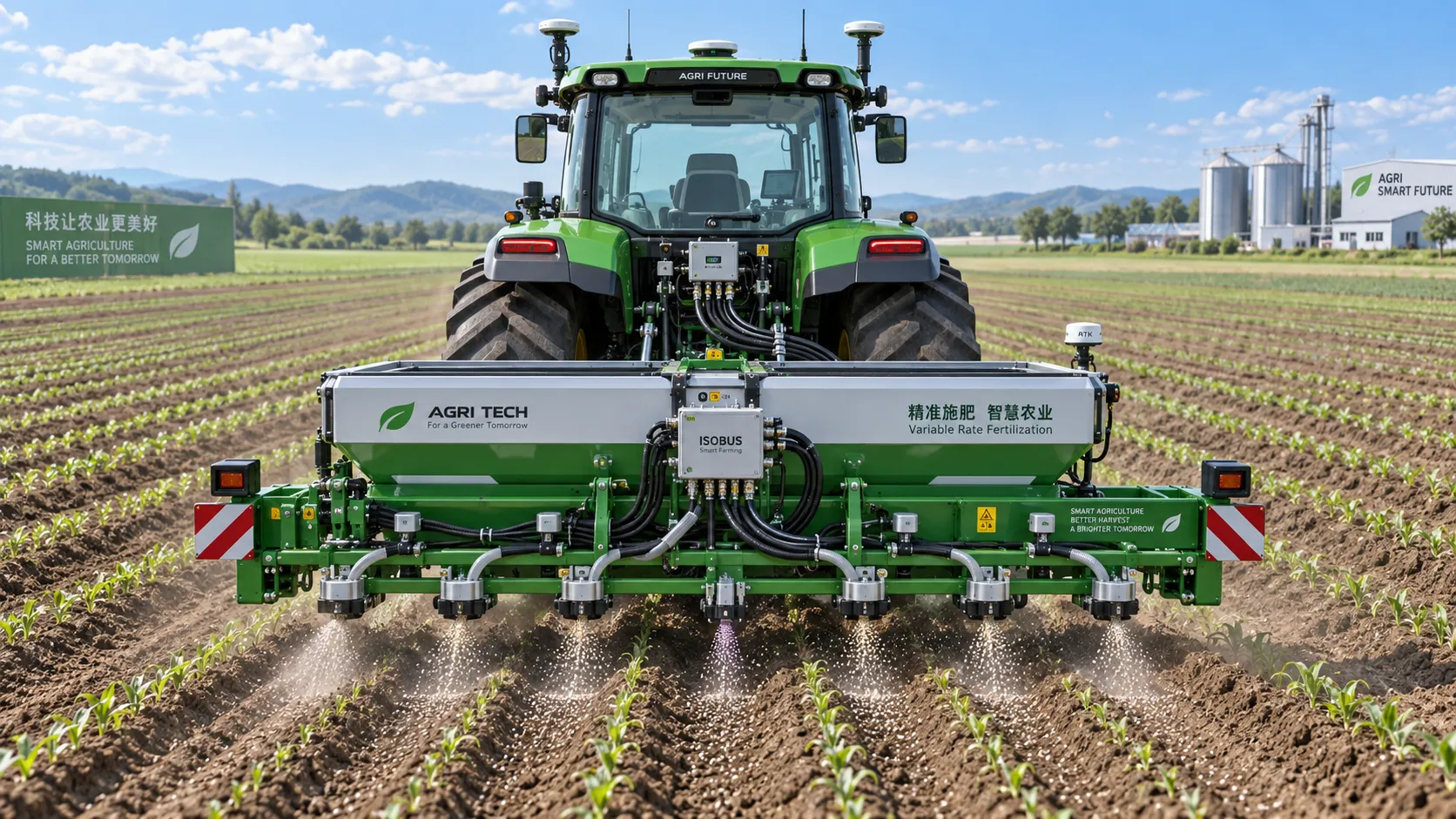
ISOBUS for Smart Agriculture: How It Connects Tractors, Implements, and Farm Data
ISOBUS for smart agriculture connects tractors, implements, terminals, and farm data—helping growers improve precision, documentation, and smarter field decisions.
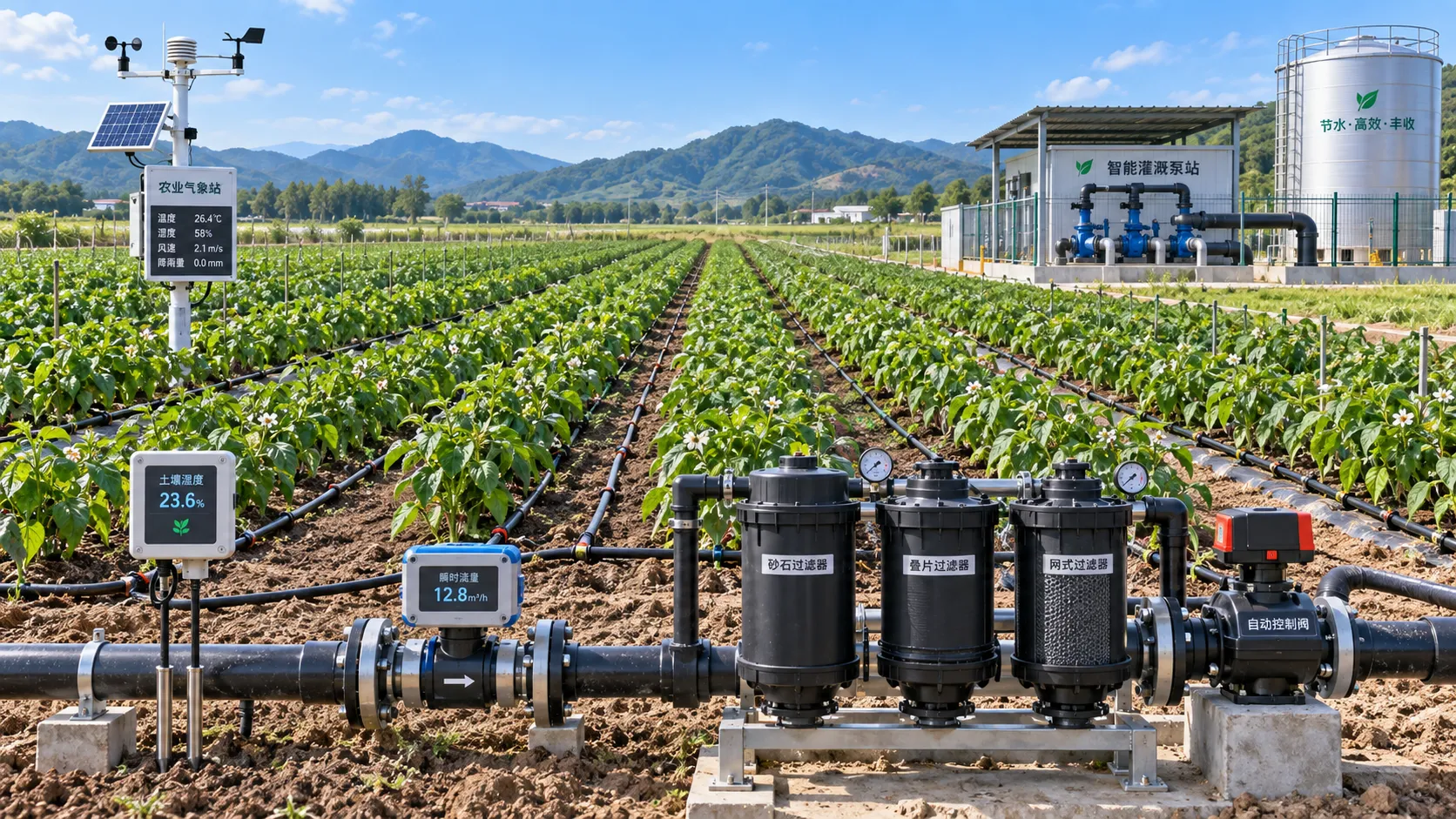
Automated Water-Saving Irrigation: How to Cut Water Use Without Reducing Crop Yields
Automated water-saving irrigation helps farms cut water use, protect crop yields, improve scheduling, and gain reliable control with sensors, flow monitoring, and smart zones.
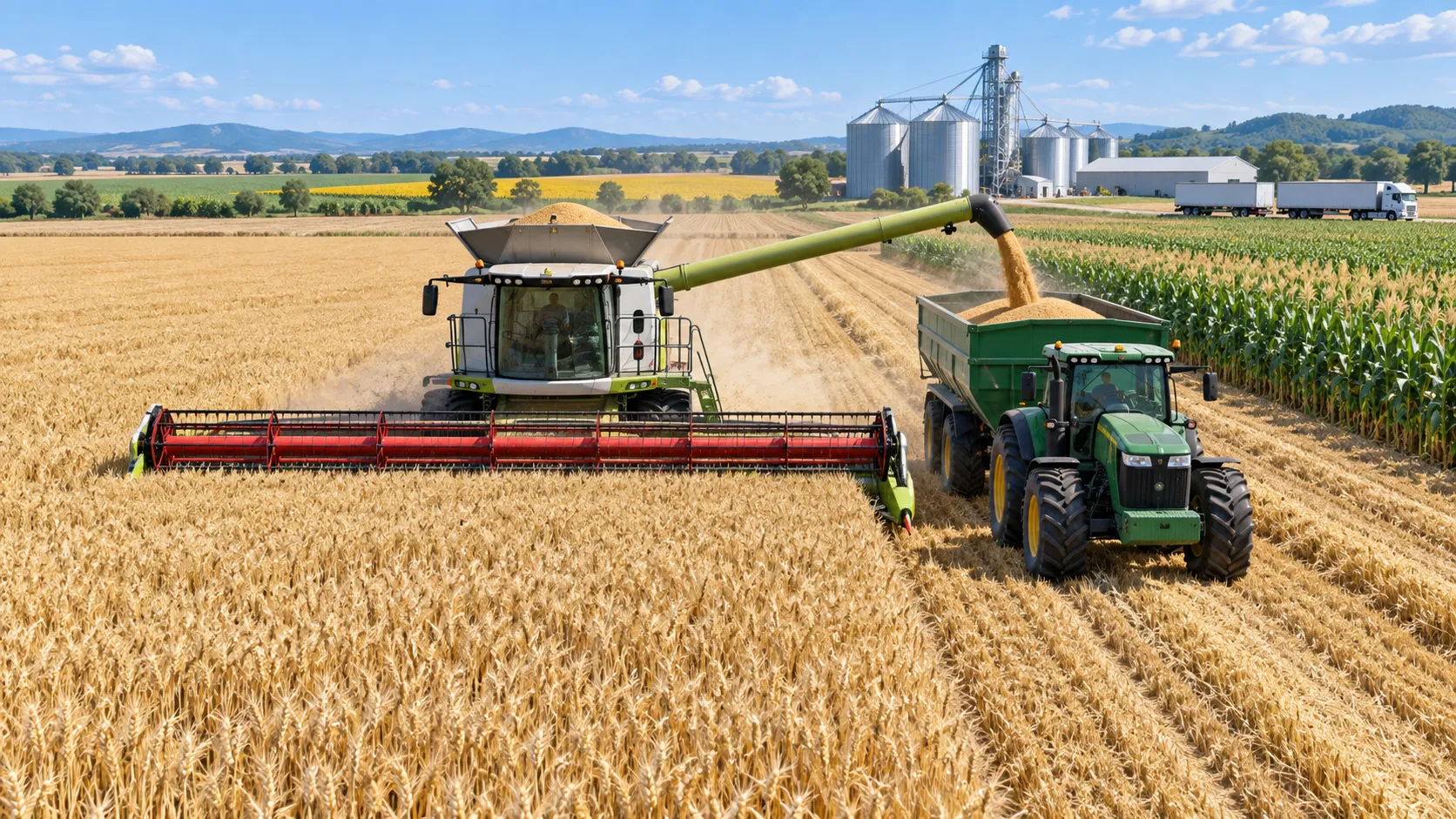
Selecting Grain Farm Equipment by Acreage, Crop Mix, and Harvest Window
Agricultural equipment selection for grain farming: match machinery to acreage, crop mix, and harvest windows to improve uptime, efficiency, and returns.
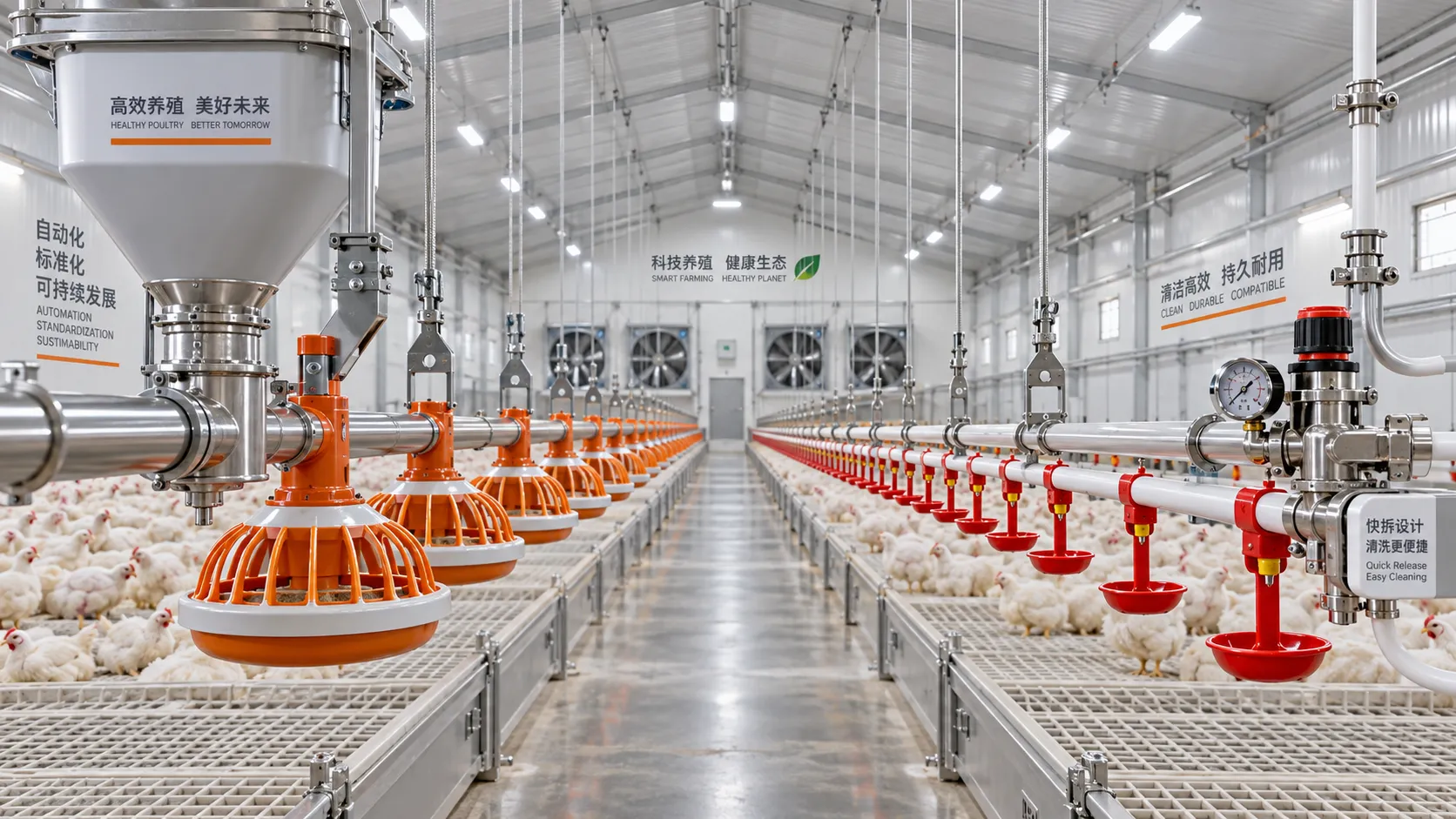
Poultry Equipment Selection: Evaluating Durability, Cleaning, and Compatibility
Poultry equipments selection guide: evaluate durability, cleaning access, and system compatibility to improve hygiene, reduce downtime, and support efficient flock management.
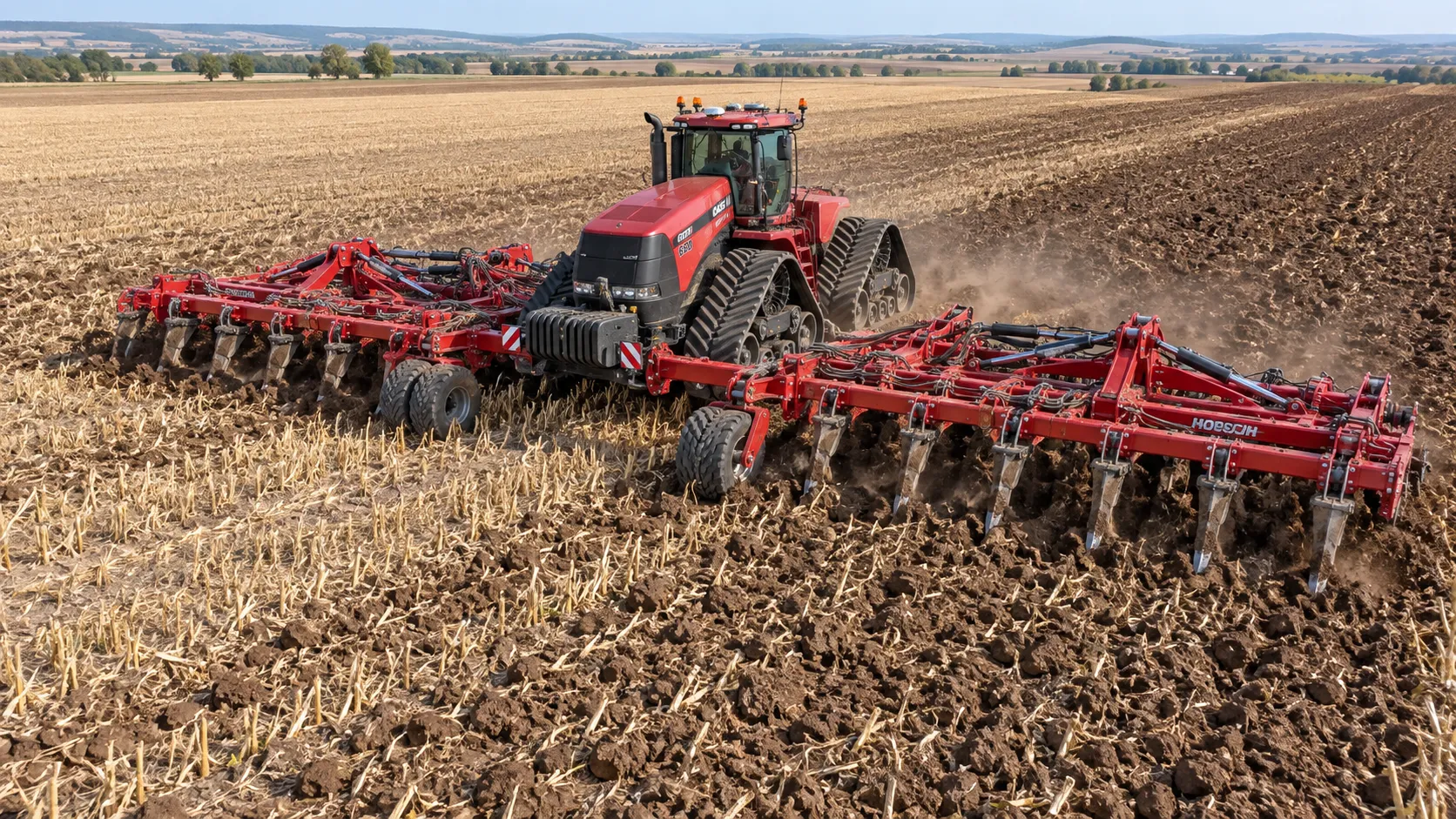
How to Select Heavy-Duty Farm Implements for High-Acreage, High-Horsepower Operations
Heavy duty farm implements: learn how to match draft, hydraulics, hitch capacity, frame strength, and field conditions for reliable high-acreage performance.
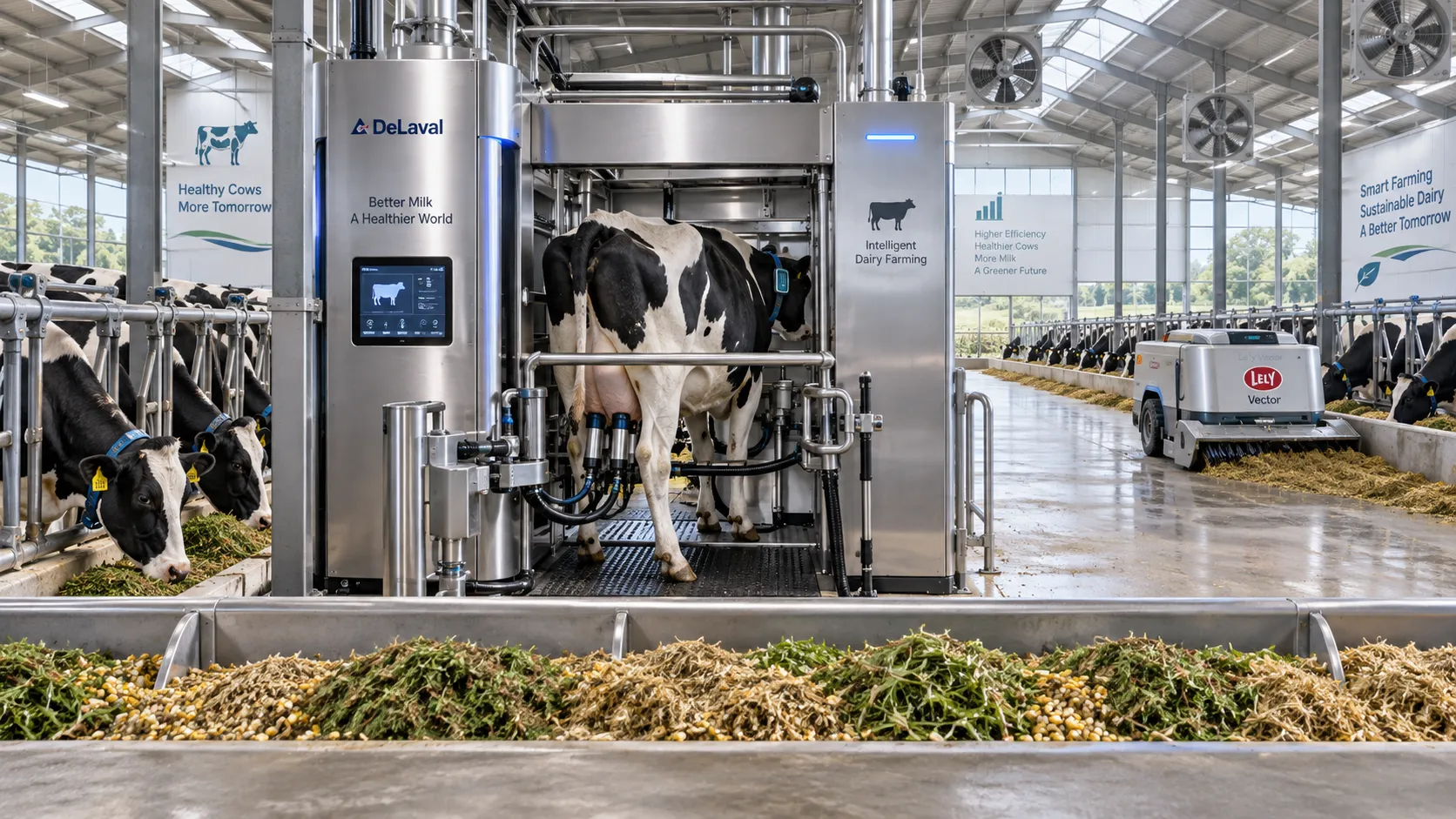
Smart Farming Technology for Dairy Farms: Where Automation Delivers Measurable ROI
Smart farming technology for dairy farms delivers measurable ROI through automation, precision feeding, health monitoring, and data-driven cost control.
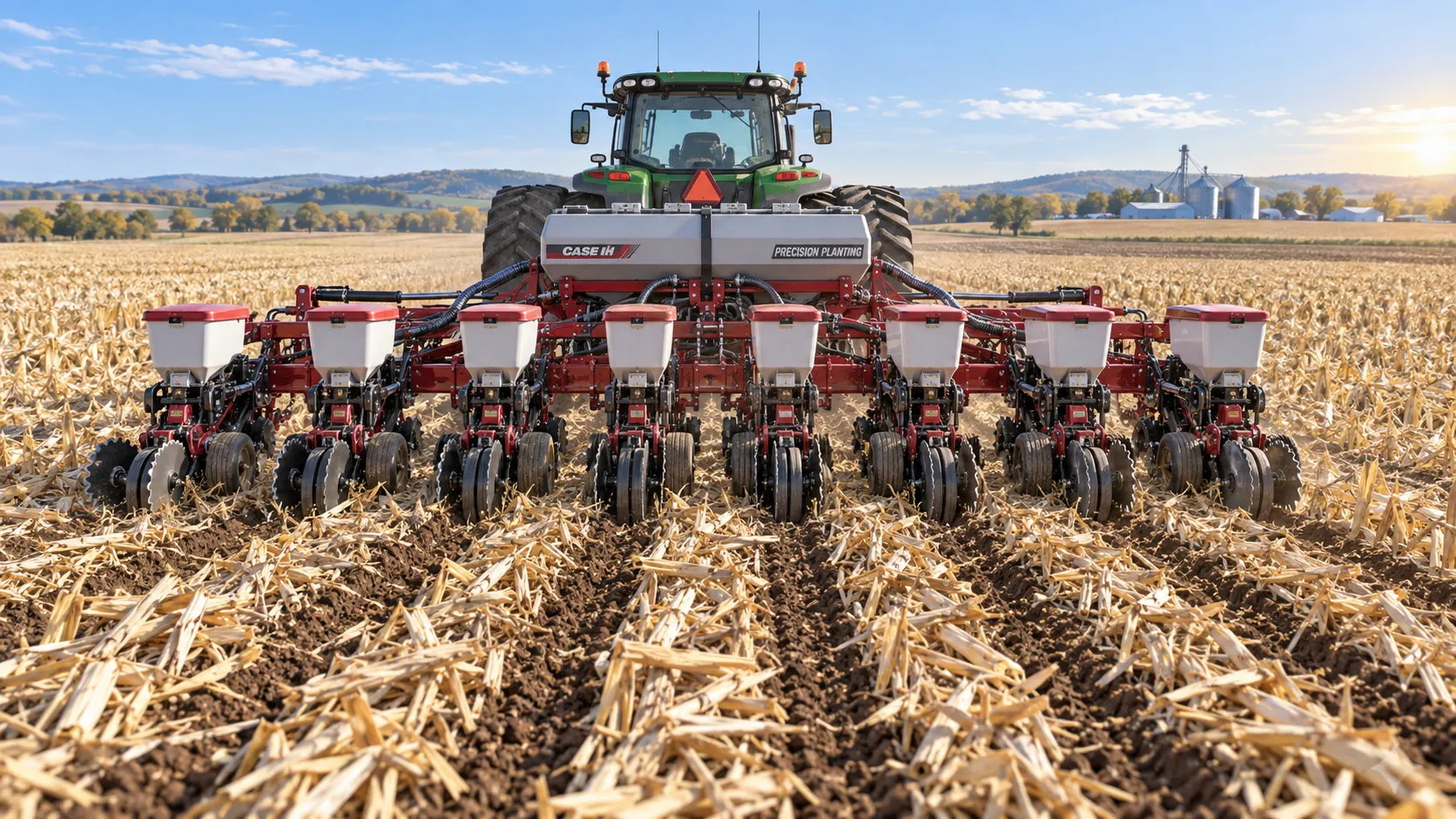
How to Select a Heavy-Duty Seeder for Large Acreage and High-Residue Fields
Heavy duty seeders for large acreage: compare residue handling, depth control, downforce, metering accuracy, and precision features to select the right model.
Related News
- 00
0000-00
What Tractor Horsepower Is Needed for a Three-Bottom Moldboard Plow? - 00
0000-00
What Is the Difference Between No-Till and Conventional Tillage? - 00
0000-00
Does No-Till Farming Reduce Erosion on Hilly Farmland? - 00
0000-00
India BIS Tightens Soil Tiller Labeling for Imports - 00
0000-00
Vietnam Requires Vietnamese Warning Labels for Imported Soil Tillers
Popular Tags
Agri-Mechanization Fellow
Weekly Insights
Stay ahead with our curated technology reports delivered every Monday.