
Where climate-smart agriculture technologies pay off first
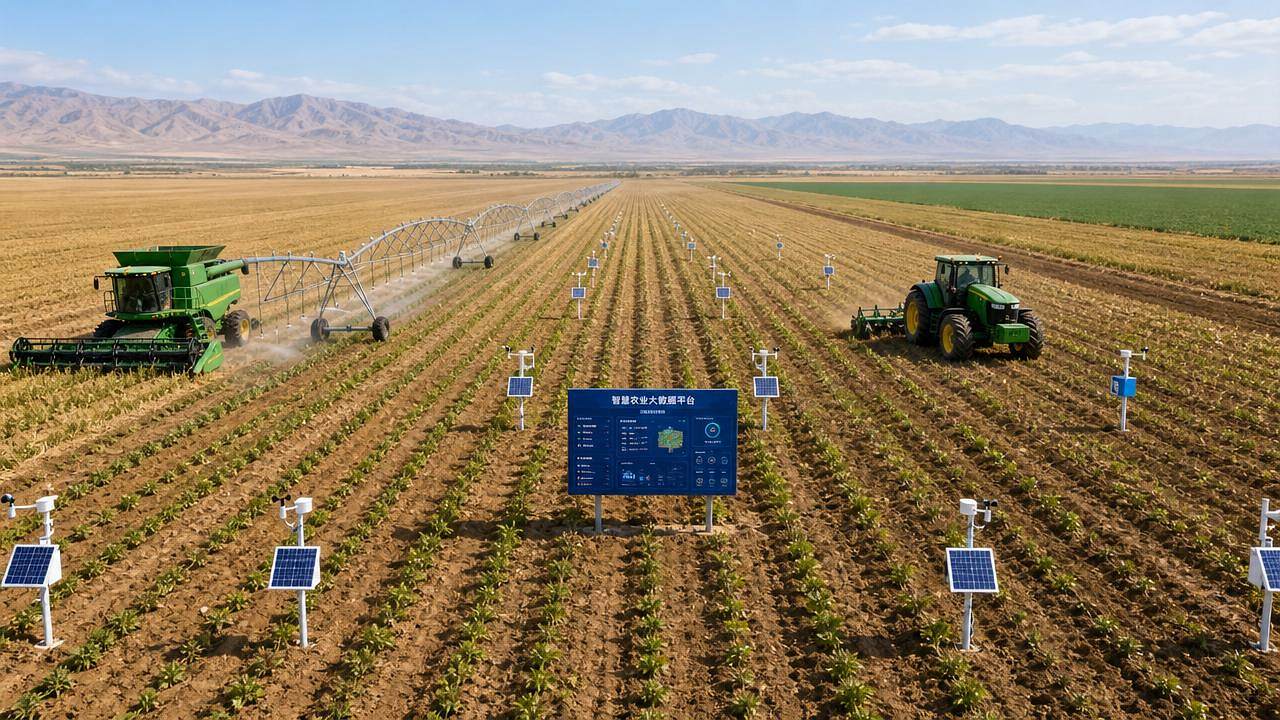




For enterprise decision-makers, the real issue is timing and placement.
Climate-smart agriculture technologies matter most where returns appear early, repeatably, and at operational scale.
In practice, first payback usually comes from reducing water waste, stabilizing yields, lowering input loss, and improving machine efficiency.
That is why climate-smart agriculture technologies often pay off first in water-stressed regions, large-acreage farms, and high-cost production systems.
For platforms such as AP-Strategy, the priority is clear: connect equipment intelligence, agronomic data, and field economics into actionable investment logic.
What does “pay off first” mean for climate-smart agriculture technologies?
It does not always mean the shortest purchase cycle alone.
It means the earliest visible combination of savings, resilience, and operational control.
For climate-smart agriculture technologies, first-value signals usually include measurable water savings, lower fuel use, fewer field passes, and reduced harvest loss.
Another strong indicator is risk reduction during weather volatility.
A system that prevents one season of severe loss can outperform a cheaper tool with weaker protection.
This matters across the broader agriculture value chain.
Large-scale machinery, combine harvesters, tractor chassis, and intelligent irrigation all create returns differently.
The best early investment depends on the farm’s bottleneck, not just the newest technology category.
Key signs of early payback
- High irrigation cost per hectare
- Frequent drought or uneven rainfall
- Expensive fertilizer, chemicals, or fuel
- Large fields with repeatable machine routes
- Noticeable grain loss during harvesting
- Weak field data for decisions
Where do climate-smart agriculture technologies usually deliver returns first?
The first returns usually appear where environmental pressure meets operational scale.
That intersection creates enough savings to justify technology adoption quickly.
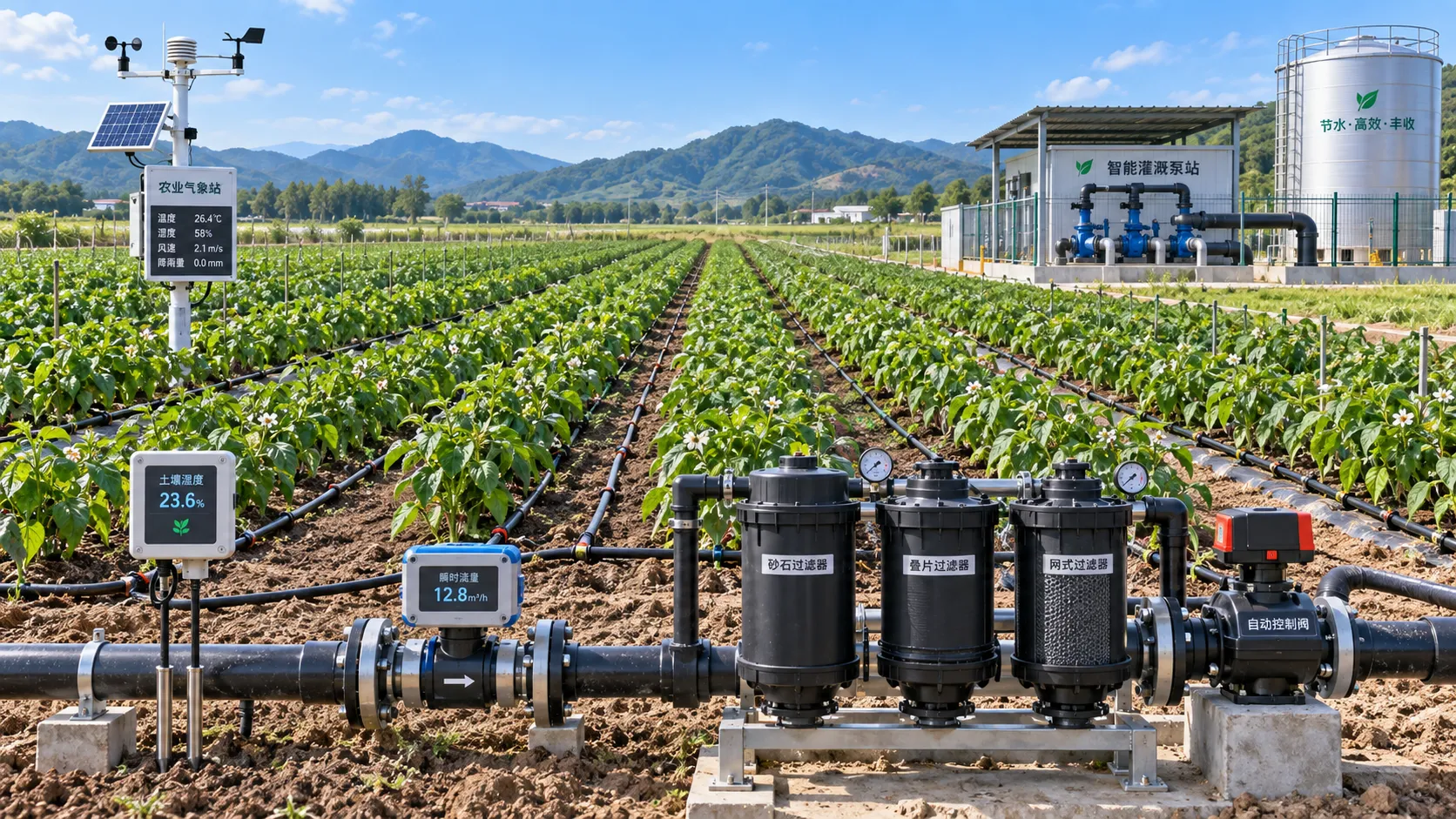
Intelligent irrigation is often the earliest winner.
When water is scarce or energy-intensive, sensor-based scheduling, flow monitoring, and variable irrigation improve both cost and crop consistency.
Precision application tools also rank high.
Satellite guidance, rate control, and sensor feedback reduce overlap and unnecessary inputs.
The savings become more visible when fertilizer and chemical prices are unstable.
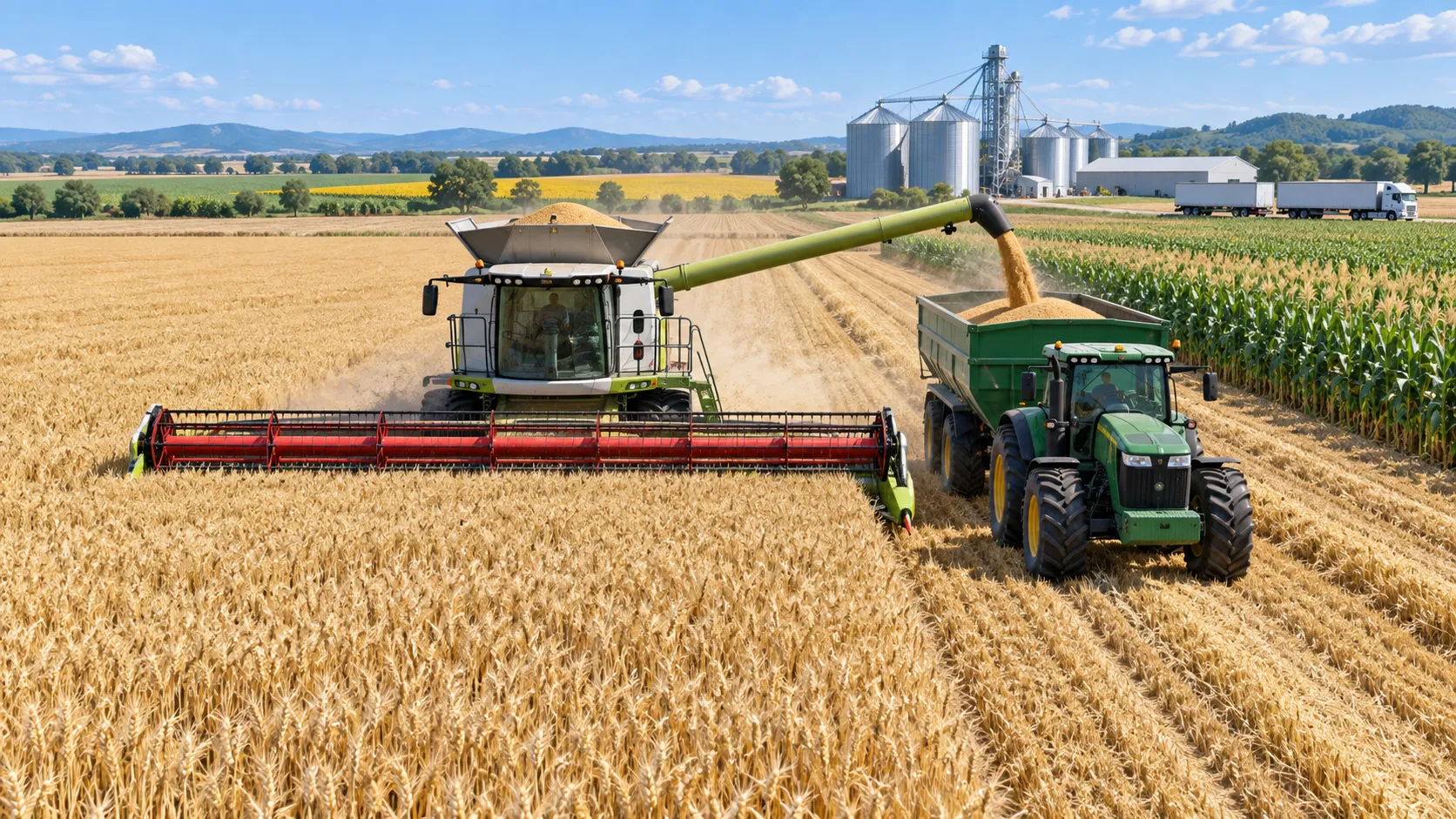
High-efficiency harvest systems are another strong first-payback area.
In short harvest windows, improved threshing, cleaning, and loss monitoring protect yield that would otherwise disappear.
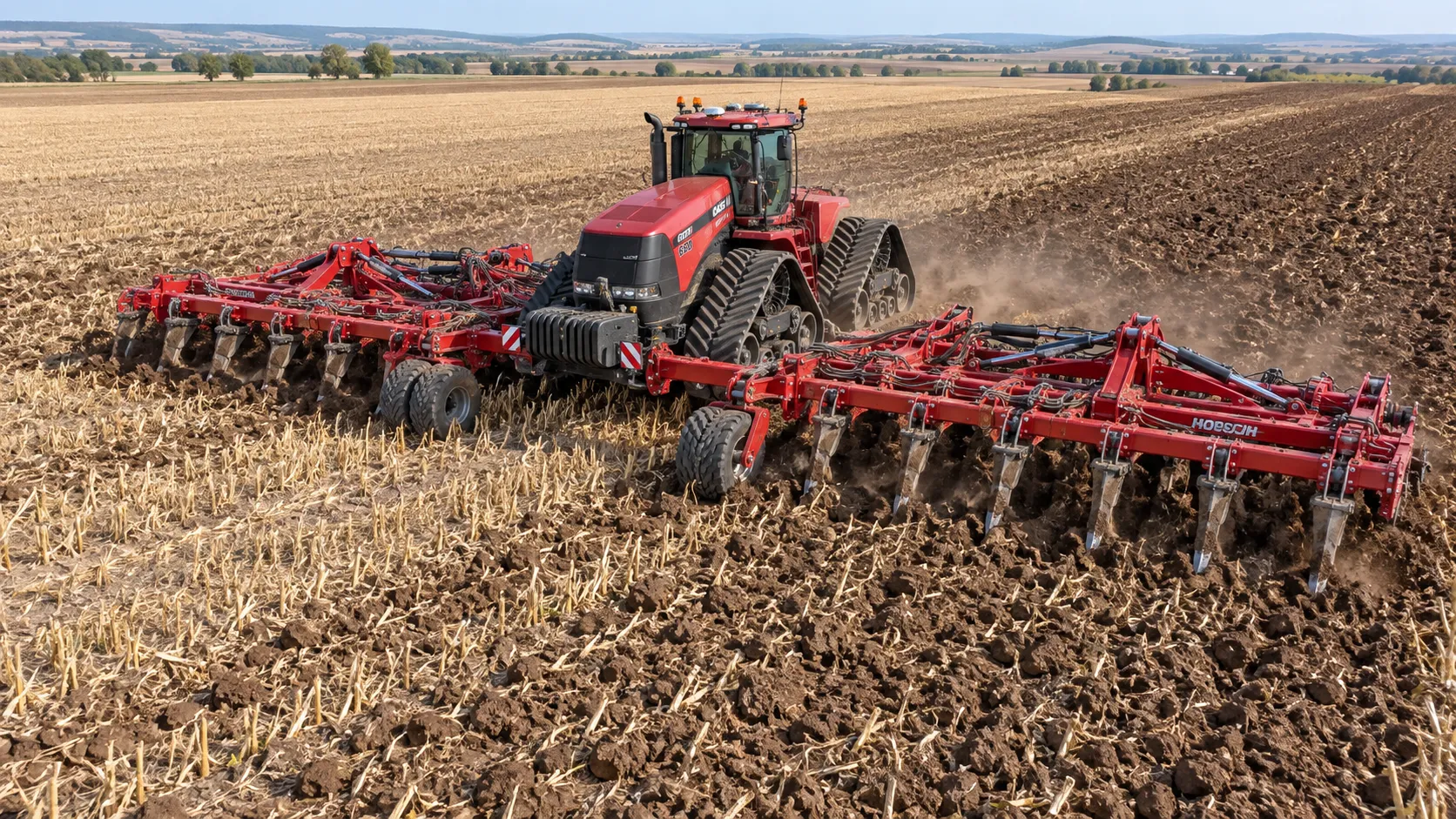
Tractor and chassis optimization also matters.
Better transmission efficiency, hydraulic control, and traction management lower fuel consumption and improve field productivity.
First-value scenarios by field condition
Which climate-smart agriculture technologies should be prioritized first?
The first priority should target the largest and most measurable loss point.
That sounds obvious, yet many organizations begin with highly visible tools instead of financially dominant problems.
If irrigation drives cost and risk, start there.
If harvesting losses are persistent, modern combine intelligence may create faster returns than broader digital platforms.
If machine traffic, fuel, and overlap are major issues, precision guidance and implement control deserve earlier attention.
A practical sequence often looks like this:
- Fix resource leakage first.
- Stabilize weather-sensitive operations second.
- Add decision intelligence after operational data improves.
This sequence keeps climate-smart agriculture technologies tied to business value rather than abstract sustainability messaging.
It also aligns with AP-Strategy’s focus on mechanical performance plus precision algorithms.
A simple prioritization checklist
- Can the technology reduce a cost already tracked monthly?
- Can it protect output during climate stress?
- Can field teams use it without heavy workflow disruption?
- Can results be measured within one season?
- Can the system scale across multiple farms or regions?
What mistakes delay returns from climate-smart agriculture technologies?
The biggest mistake is treating all climate-smart agriculture technologies as equal in timing and purpose.
Some tools create direct savings quickly.
Others mainly improve long-term planning and need stronger data maturity first.
Another mistake is buying disconnected systems.
If irrigation data, machinery telematics, and agronomic decisions remain isolated, value is diluted.
Operational fit is just as important as technical capability.
A sophisticated platform fails when maintenance support, operator training, or field calibration are weak.
There is also a measurement problem.
If baseline water use, fuel intensity, application overlap, or grain loss are unknown, payback becomes hard to prove.
That uncertainty slows future investment.
Common implementation risks
How should enterprises compare climate-smart agriculture technologies across regions and operations?
Comparison should begin with variability, not averages.
A region with moderate annual rainfall may still have severe in-season water stress.
A crop system with strong yields may still lose value through inefficient harvesting or excessive input overlap.
That is why climate-smart agriculture technologies should be compared through a four-part lens:
- Climate exposure
- Cost intensity
- Operational scale
- Data readiness
Regions with high climate exposure and high water cost usually favor irrigation intelligence first.
Large mechanized operations often benefit earlier from guidance, chassis efficiency, and smart implements.
Areas with unstable harvest conditions may prioritize combine optimization and loss analytics.
The best investment path is rarely universal.
It should reflect local weather patterns, crop economics, field size, and service capability.
What is the most practical next step before investing?
Start with one measurable bottleneck and one operating season.
This approach reduces risk and creates a credible benchmark for expansion.
For example, compare smart irrigation against existing water use, or compare new harvester settings against historical grain loss.
Track direct cost savings, output protection, machine hours, and labor efficiency.
Then evaluate whether those results can repeat across more acres, crops, or geographies.
This is where strategic intelligence becomes essential.
AP-Strategy’s strength lies in linking field-level equipment performance with broader market, policy, and sustainability signals.
That connection helps climate-smart agriculture technologies move from concept to disciplined capital planning.
Quick FAQ summary table
The strongest case for climate-smart agriculture technologies starts with disciplined sequencing.
Invest first where loss is visible, recurring, and expensive.
In many operations, that means water management, precision input control, or harvest efficiency.
When technology choice follows field economics, climate resilience becomes a practical growth strategy.
Use that logic to build a phased roadmap, validate one-season results, and scale only what proves value.
Related News
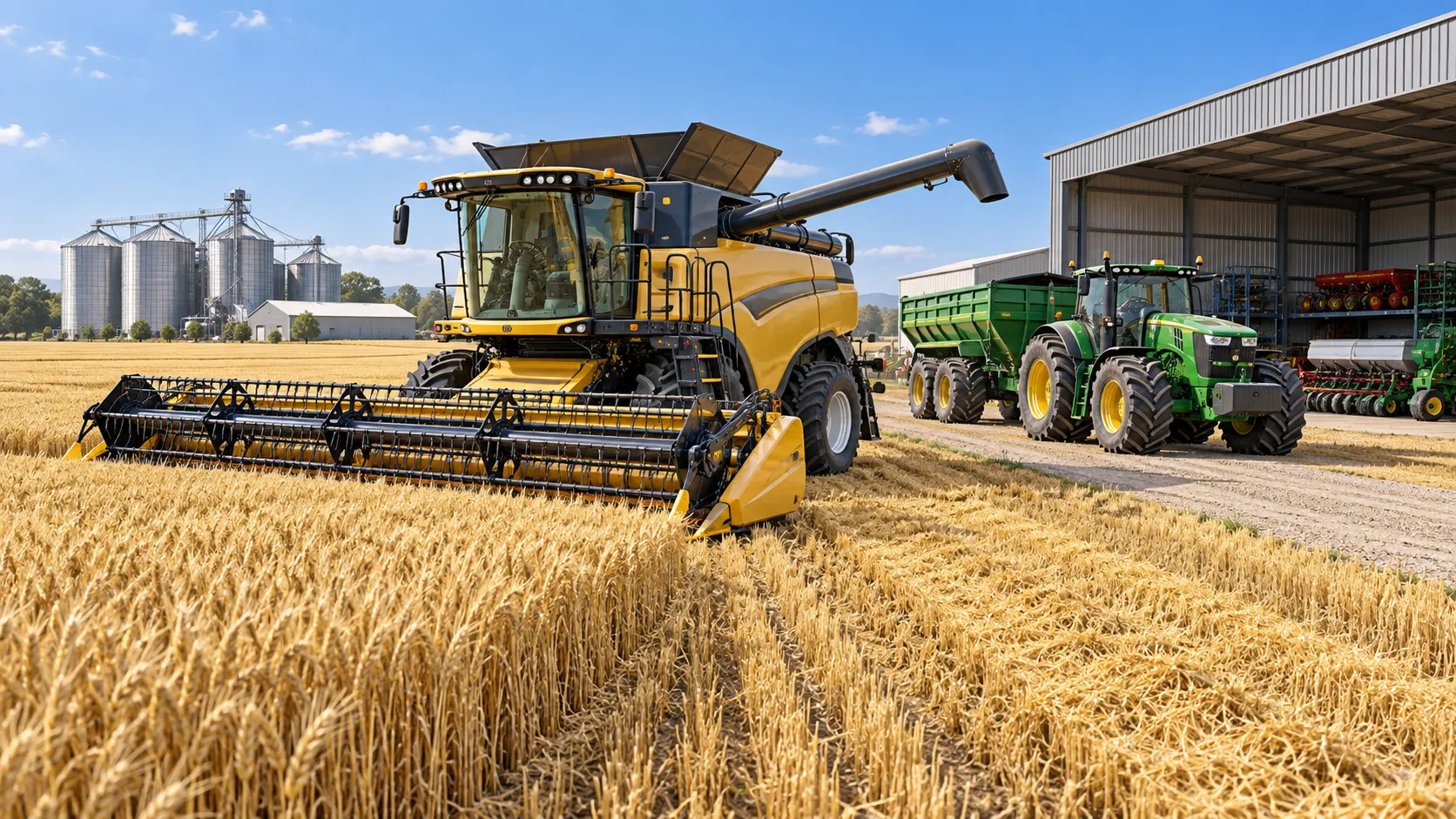
When Does Agricultural Machinery Leasing Cost Less Than Owning Equipment?
Agricultural machinery leasing can lower farm costs when use is seasonal or uncertain. Compare utilization, maintenance, cash flow, and risk to make a smarter equipment decision.
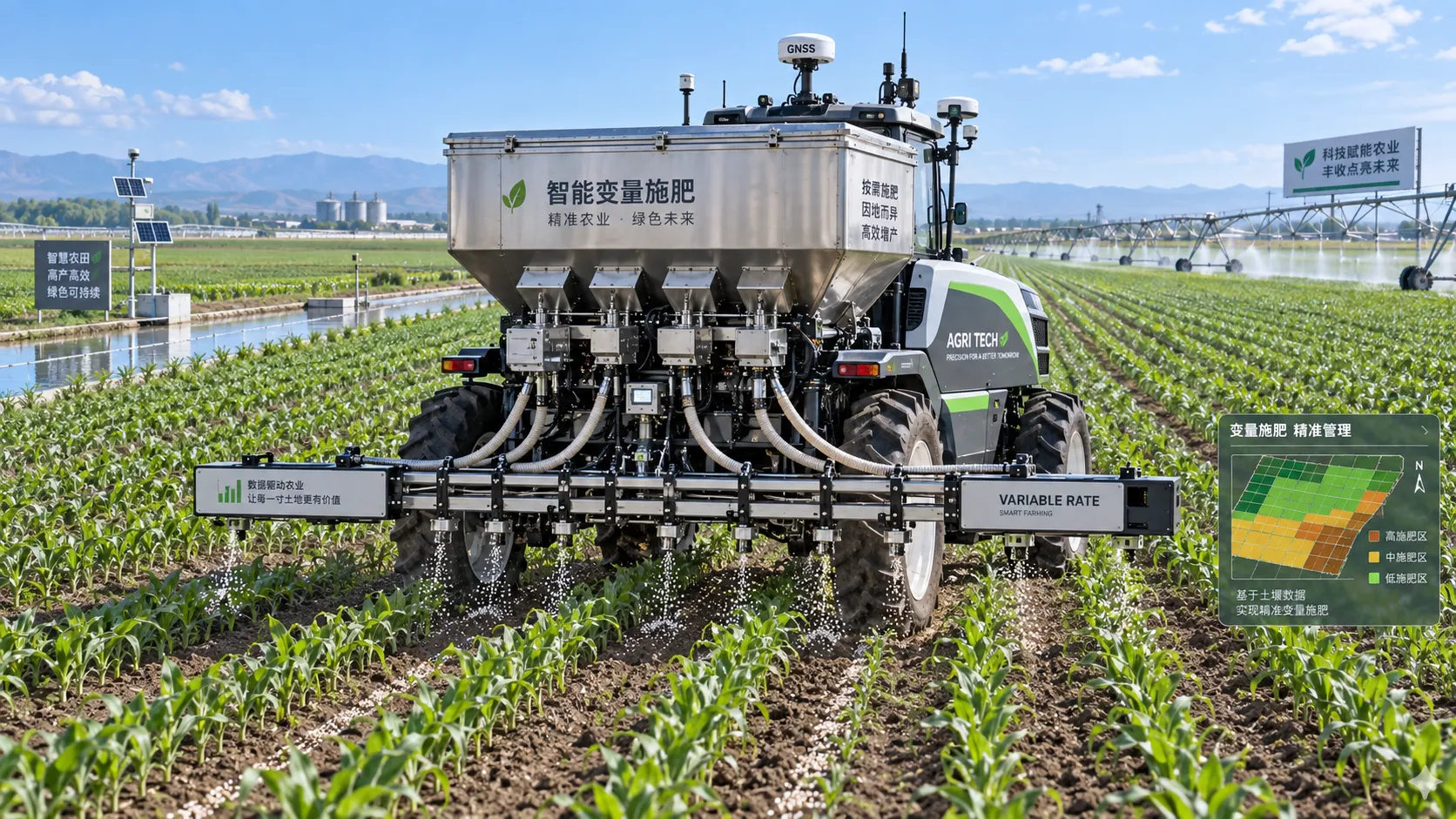
How to Evaluate Precision Fertilization System Suppliers for Farm-Scale Deployment
Precision fertilization systems suppliers: learn how to compare accuracy, integration, uptime, service, and total cost for confident farm-scale deployment.
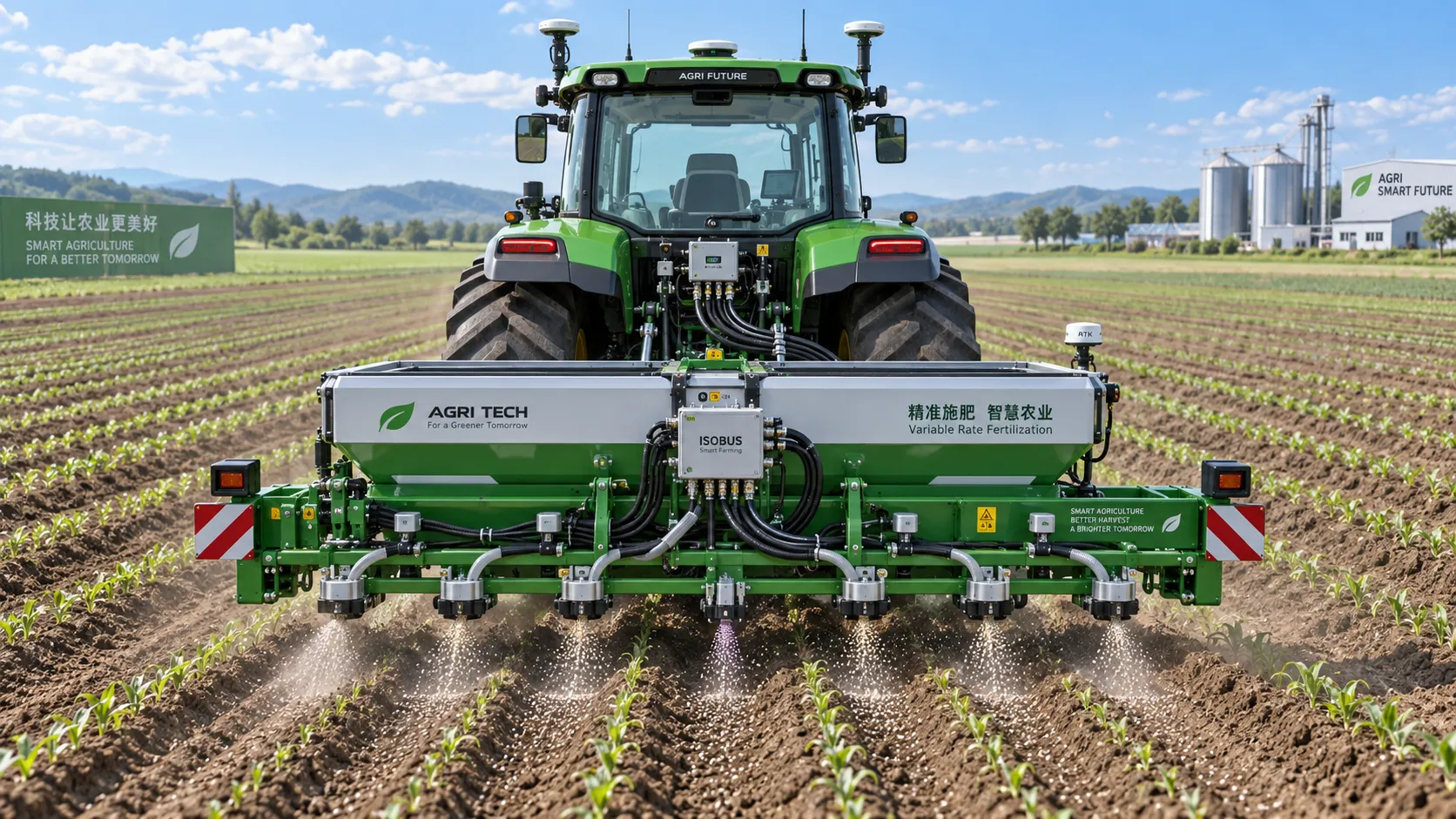
ISOBUS for Smart Agriculture: How It Connects Tractors, Implements, and Farm Data
ISOBUS for smart agriculture connects tractors, implements, terminals, and farm data—helping growers improve precision, documentation, and smarter field decisions.
Automated Water-Saving Irrigation: How to Cut Water Use Without Reducing Crop Yields
Automated water-saving irrigation helps farms cut water use, protect crop yields, improve scheduling, and gain reliable control with sensors, flow monitoring, and smart zones.
Selecting Grain Farm Equipment by Acreage, Crop Mix, and Harvest Window
Agricultural equipment selection for grain farming: match machinery to acreage, crop mix, and harvest windows to improve uptime, efficiency, and returns.
Poultry Equipment Selection: Evaluating Durability, Cleaning, and Compatibility
Poultry equipments selection guide: evaluate durability, cleaning access, and system compatibility to improve hygiene, reduce downtime, and support efficient flock management.
How to Select Heavy-Duty Farm Implements for High-Acreage, High-Horsepower Operations
Heavy duty farm implements: learn how to match draft, hydraulics, hitch capacity, frame strength, and field conditions for reliable high-acreage performance.
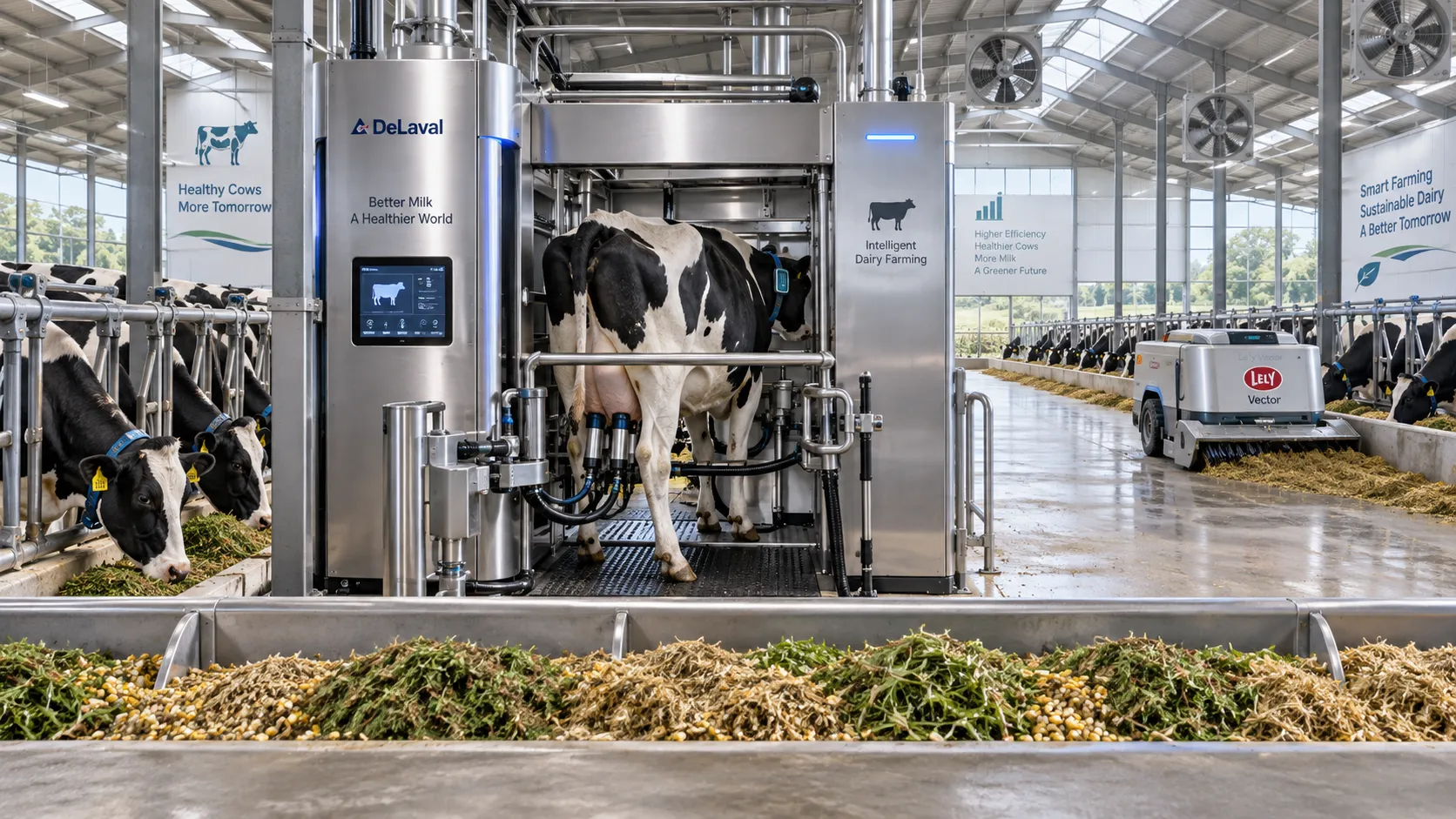
Smart Farming Technology for Dairy Farms: Where Automation Delivers Measurable ROI
Smart farming technology for dairy farms delivers measurable ROI through automation, precision feeding, health monitoring, and data-driven cost control.
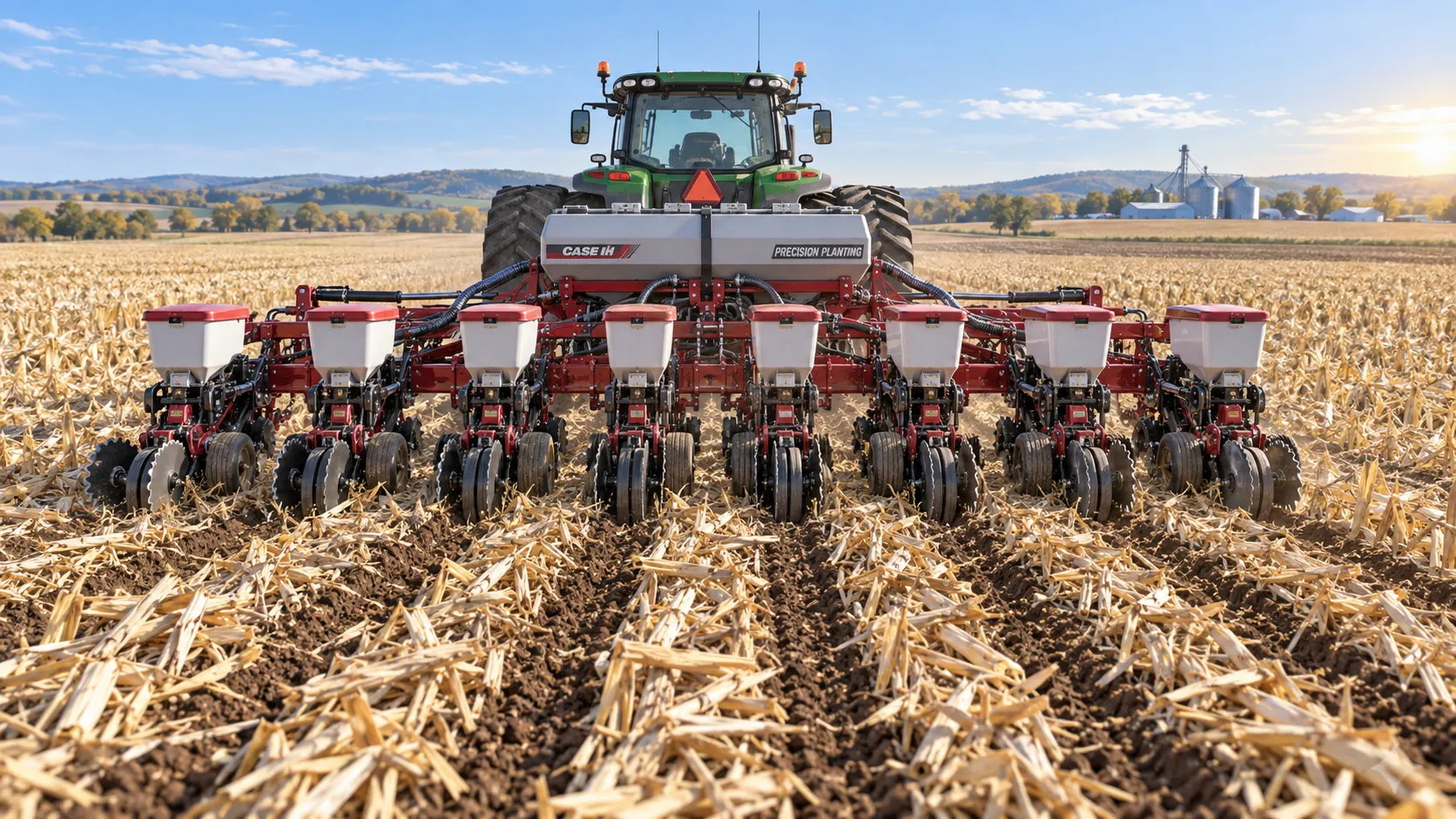
How to Select a Heavy-Duty Seeder for Large Acreage and High-Residue Fields
Heavy duty seeders for large acreage: compare residue handling, depth control, downforce, metering accuracy, and precision features to select the right model.
Related News
- 00
0000-00
How Does Farm Mechanization Affect Food Security in Developing Regions? - 00
0000-00
Agricultural Technology Insights by Region: Where Adoption Is Growing Fastest - 00
0000-00
How Climate-Smart Agriculture Technology Improves Yield, Soil Health, and Risk Resilience - 00
0000-00
Smart Farming Solutions in Latin America: Which Technologies Fit Large Farms Best? - 00
0000-00
Long-Cycle Agri-Trade Price Trends: How to Read Supply, Freight, and Currency Signals
Popular Tags
Prof. Marcus Chen
Weekly Insights
Stay ahead with our curated technology reports delivered every Monday.