
Can precision agriculture really improve food security?
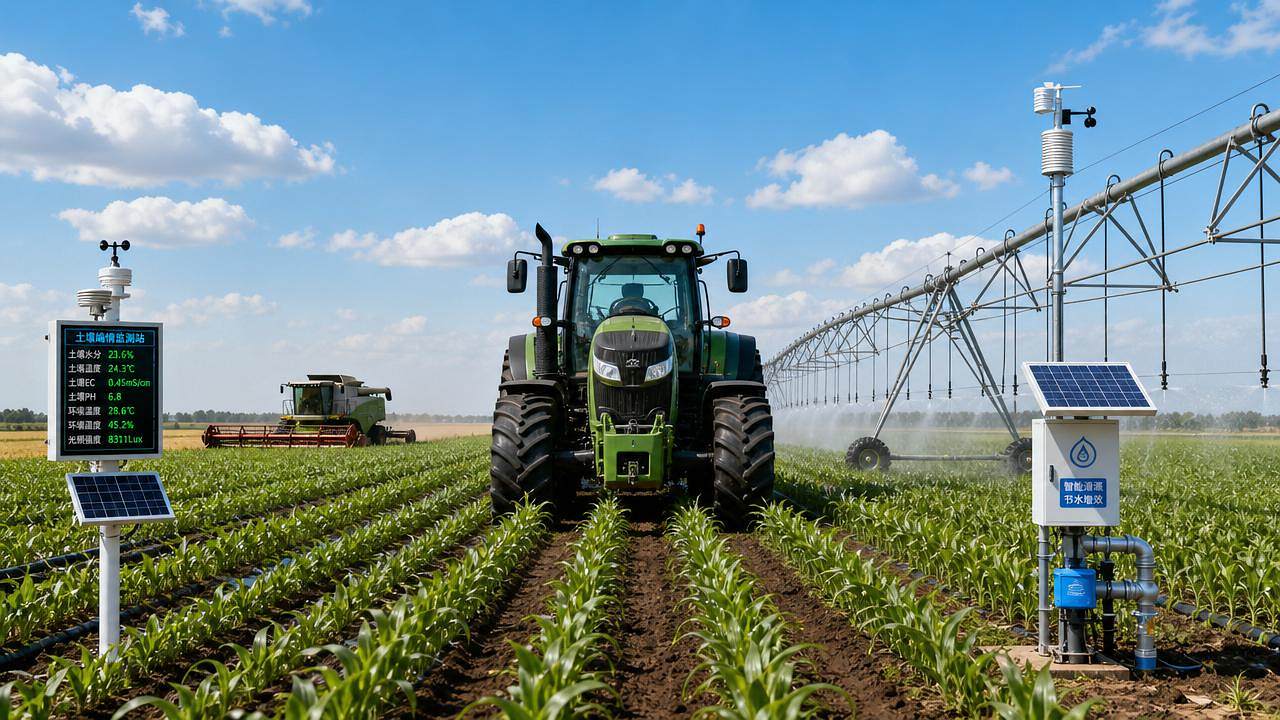




As climate pressure, resource scarcity, and yield volatility reshape global farming, the debate around food security through precision agriculture is becoming impossible to ignore. From intelligent irrigation and sensor-guided fieldwork to data-driven harvesting efficiency, precision farming promises more resilient output with fewer inputs. But can it truly scale across regions, crops, and investment realities? This article explores the technologies, trade-offs, and strategic implications behind that question.
What does food security through precision agriculture really mean?
Food security through precision agriculture is not a single machine, platform, or software license. It is a management approach that uses field-level data, automation, and equipment coordination to improve yield stability, reduce avoidable losses, and use water, fertilizer, fuel, and labor more efficiently.
For information researchers, the key question is not whether precision tools look advanced. It is whether they solve the practical bottlenecks that weaken supply reliability: uneven field conditions, delayed operations, water stress, input waste, harvest losses, and poor decision timing.
In large-scale agriculture, food security depends on more than biological yield potential. It also depends on operational precision across the full cycle:
- Correct soil preparation and seeding depth to support uniform emergence.
- Timely irrigation scheduling based on crop stress rather than fixed calendar routines.
- Variable input application to avoid overuse in low-response zones and underuse in high-potential zones.
- Low-loss harvesting supported by machine settings, real-time monitoring, and stable field logistics.
When those points improve together, the contribution to food security becomes tangible. It appears as more predictable tonnage, lower post-input waste, and stronger resilience during weather or market disruption.
Why is the topic gaining urgency across global agriculture?
The urgency comes from a hard reality: agricultural systems are being asked to produce more under tighter resource limits. Water basins are under stress, labor is less predictable, fuel and fertilizer costs fluctuate, and climate variability is shortening the margin for operational mistakes.
The pressure points behind current adoption
- Rainfall variability increases the value of irrigation control and stress detection.
- Rising machinery costs push buyers to demand clearer return-on-use rather than broad claims.
- Land consolidation makes equipment coordination and telematics more important.
- Policy pressure around sustainability creates demand for measurable reductions in water and input waste.
This is where AP-Strategy’s intelligence model becomes relevant. Its focus on large-scale agri-machinery, combine harvesters, tractor chassis, intelligent farm tools, and water-saving irrigation systems aligns directly with the operational pillars that influence food security through precision agriculture.
Instead of looking at farming technology in isolation, decision-makers need connected analysis. A smart irrigation system may underperform if field traffic damages soil structure. A high-capacity combine may still lose grain if cleaning settings are poorly managed. Food security improves when equipment, data, and timing work as one system.
Which technologies matter most for food security outcomes?
Not every precision tool has the same impact. Some deliver direct gains in yield protection or resource conservation, while others improve management visibility. For researchers comparing solutions, it helps to separate core food-security technologies from secondary optimization layers.
The table below highlights where food security through precision agriculture tends to produce the clearest operational value.
The strongest pattern is clear: technologies that prevent water stress, reduce harvest loss, and improve field accuracy often have the most direct relationship with food supply reliability. This is why AP-Strategy’s coverage of irrigation, harvesting technology, and machine intelligence is strategically significant.
Where does precision agriculture work best, and where does it struggle?
Precision farming is not equally effective in every context. Researchers should assess fit by crop value, operational scale, infrastructure quality, and management capability. The promise of food security through precision agriculture rises or falls on local execution conditions.
High-fit scenarios
- Large cereal and oilseed operations where small efficiency gains scale across many hectares.
- Water-constrained regions where irrigation timing has a direct effect on yield retention.
- Areas with high harvest urgency, where combine optimization reduces field losses during short weather windows.
- Farms with uneven soils or topography, where zone-based application improves resource allocation.
Low-fit or difficult scenarios
- Very small fragmented plots where machinery efficiency and data collection economics are weak.
- Regions with unstable connectivity, limited technical support, or low spare-parts availability.
- Operations that buy digital tools before standardizing agronomy and machine maintenance.
- Projects that expect immediate transformation without operator training or workflow redesign.
In other words, precision agriculture can strengthen food security, but it does not remove structural constraints. It performs best when embedded in a disciplined operational system supported by training, maintenance, and data interpretation.
How should researchers compare precision solutions before procurement?
A common procurement mistake is comparing technology by feature count instead of risk reduction. For food security through precision agriculture, the better method is to ask which system best protects output under real farm constraints.
The comparison table below is designed for buyers, distributors, and analysts evaluating solutions across machinery, irrigation, and data systems.
This kind of framework shifts the conversation from technology hype to decision quality. It also reflects AP-Strategy’s role as a strategic intelligence center, where machine performance, field algorithms, and commercial timing are analyzed together rather than separately.
What are the main cost barriers and realistic alternatives?
The biggest barrier is rarely the concept. It is investment sequencing. Farms and distributors often agree on the logic of precision farming but struggle with capital intensity, training demands, and uncertain short-term returns.
Typical cost pressure areas
- Upfront hardware costs for guidance systems, sensors, telematics modules, or variable-rate implements.
- Infrastructure needs such as reliable power, connectivity, and water control networks.
- Operator training and support contracts that are often underestimated in procurement budgets.
- Integration costs when legacy machinery cannot easily share data with newer systems.
A realistic path is phased adoption. Many operations start with one pressure point that most directly affects output: irrigation scheduling in arid zones, guidance and overlap reduction in broadacre cropping, or combine loss management in harvest-sensitive regions.
This phased logic matters because food security through precision agriculture does not require full digital transformation on day one. It requires disciplined prioritization of interventions with the clearest operational leverage.
Which standards, data, and compliance issues should not be ignored?
Procurement decisions increasingly involve more than performance claims. Buyers also need to consider interoperability, equipment safety, water-use governance, and documentation standards demanded by lenders, distributors, or cross-border supply chains.
Key compliance checkpoints
- Confirm whether machinery and control systems can exchange operational data through commonly used agricultural interfaces or export formats.
- Review safety and operating documentation for hydraulic systems, autonomous functions, and electrical components where relevant.
- Assess whether irrigation solutions align with local water allocation rules, metering needs, and environmental restrictions.
- Check data ownership terms, cloud access conditions, and service continuity obligations before signing platform contracts.
For information researchers, compliance is not a side issue. It directly affects scalability. A precision solution that performs well in a trial but fails in data integration or regulatory documentation will struggle to support real food security outcomes at regional scale.
What implementation model gives the best chance of success?
Successful implementation usually follows a staged model rather than a technology-first rollout. The most effective programs identify one measurable bottleneck, align tools to that bottleneck, train operators, then expand after operational proof.
A practical rollout sequence
- Map the main source of production risk: water stress, timing delay, harvest loss, input inefficiency, or machine downtime.
- Select equipment and digital tools that directly address that risk instead of buying broad platforms with weak field relevance.
- Define baseline metrics such as water per hectare, harvest loss, overlap rate, fuel use, or yield variability.
- Train operators and supervisors together so machine settings and agronomic decisions stay aligned.
- Review results after one season and expand only where measurable value is proven.
AP-Strategy adds value in this stage because implementation choices should be informed by both equipment evolution and market intelligence. A distributor may need to know not only which irrigation model performs better, but also how policy, spare-parts access, and crop economics will affect adoption over the next few seasons.
Common misconceptions about food security through precision agriculture
“More data automatically means better food security.”
Not necessarily. Data only matters when it changes field actions. If a platform produces maps that no operator trusts or uses, output reliability does not improve.
“Only autonomous machinery can deliver meaningful results.”
Autonomy can help, but many strong gains come earlier from guidance accuracy, irrigation control, and better harvester settings. Full autonomy is not the only path to food security through precision agriculture.
“Precision systems are only for wealthy farms.”
Large capital budgets certainly help, yet phased adoption can still create value. Starting with the most loss-sensitive stage of production is often more practical than buying a full digital stack.
“Harvest technology matters less than irrigation or seeding.”
That is a costly misconception. Grain lost in harvesting never enters the food chain. In many regions, combine performance and cleaning-loss control are as important as in-season agronomy.
FAQ for researchers evaluating adoption potential
How do I judge whether a precision solution is suitable for a specific region?
Start with agronomic and infrastructure constraints, not vendor claims. Review crop type, field size, water availability, connectivity, technical service reach, and seasonal risk windows. A system that performs well in one geography may be uneconomic or difficult to maintain in another.
Which metric best reflects food security value?
There is no single metric. The most useful set combines yield stability, water productivity, harvest loss reduction, input efficiency, and downtime avoidance. Together, these show whether the operation is becoming more resilient.
What should buyers prioritize when budgets are limited?
Prioritize the stage where the farm loses the most output or wastes the most resources. In dry areas, that may be irrigation intelligence. In large grain systems, it may be guidance and harvest optimization. Budget discipline improves when procurement is tied to one measurable bottleneck.
Can precision agriculture help even without full automation?
Yes. Many farms achieve meaningful gains from partial precision systems such as GNSS steering, sensor-based irrigation scheduling, yield mapping, or smart input application. Food security through precision agriculture is often built step by step rather than through a single transformation.
Why decision-makers turn to AP-Strategy for deeper evaluation
Food security questions cannot be answered by general commentary alone. They require close reading of machinery capability, agronomic variability, water constraints, and commercial timing. AP-Strategy is positioned around that exact intersection.
- Its coverage of large-scale agri-machinery helps assess mechanization limits from soil preparation to plant protection.
- Its combine harvester intelligence supports evaluation of throughput, grain retention, and low-loss harvesting under complex crop conditions.
- Its tractor chassis and smart implement focus helps buyers judge traction, transmission behavior, hydraulic control, and prescription-task suitability.
- Its irrigation and hydrological perspective strengthens analysis of water-saving networks and climate-response strategies.
For anyone researching food security through precision agriculture, this integrated view is more useful than isolated product promotion. It supports better selection, better timing, and better alignment between field needs and investment decisions.
Why choose us for your next precision agriculture assessment?
If you are comparing technologies, regions, or supplier strategies, AP-Strategy can help you narrow the decision with intelligence that connects machinery performance, precision farming algorithms, irrigation logic, and market direction.
You can consult us on practical topics such as parameter confirmation for large-scale equipment, combine harvester evaluation priorities, irrigation system selection logic, delivery-cycle considerations, fleet integration questions, data-compatibility risks, and scenario-based solution planning.
For distributors and strategic buyers, we also support deeper conversations around long-cycle procurement judgment, structural demand shifts, and how to align precision investment with food security goals and commercial reality. If your team needs a clearer path from technology promise to field-ready decision-making, AP-Strategy is ready to help you assess the options with precision.
Related News
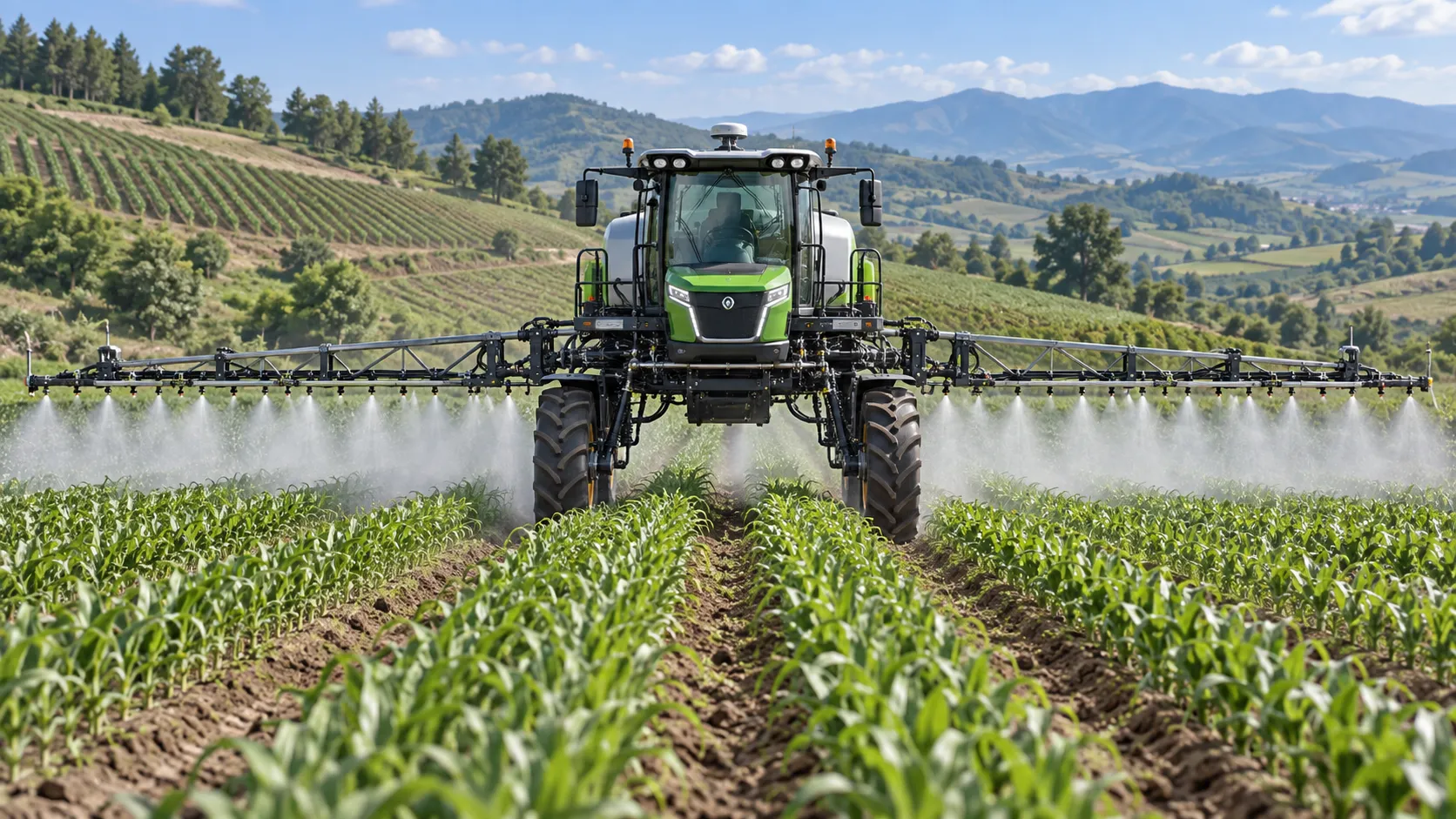
How to Select Precision Crop Protection Equipment for Variable Field Conditions
Precision crop protection equipment selection made simple: compare terrain, canopy, weather, control accuracy, and data workflows for reliable applications.

When Does Agricultural Machinery Leasing Cost Less Than Owning Equipment?
Agricultural machinery leasing can lower farm costs when use is seasonal or uncertain. Compare utilization, maintenance, cash flow, and risk to make a smarter equipment decision.
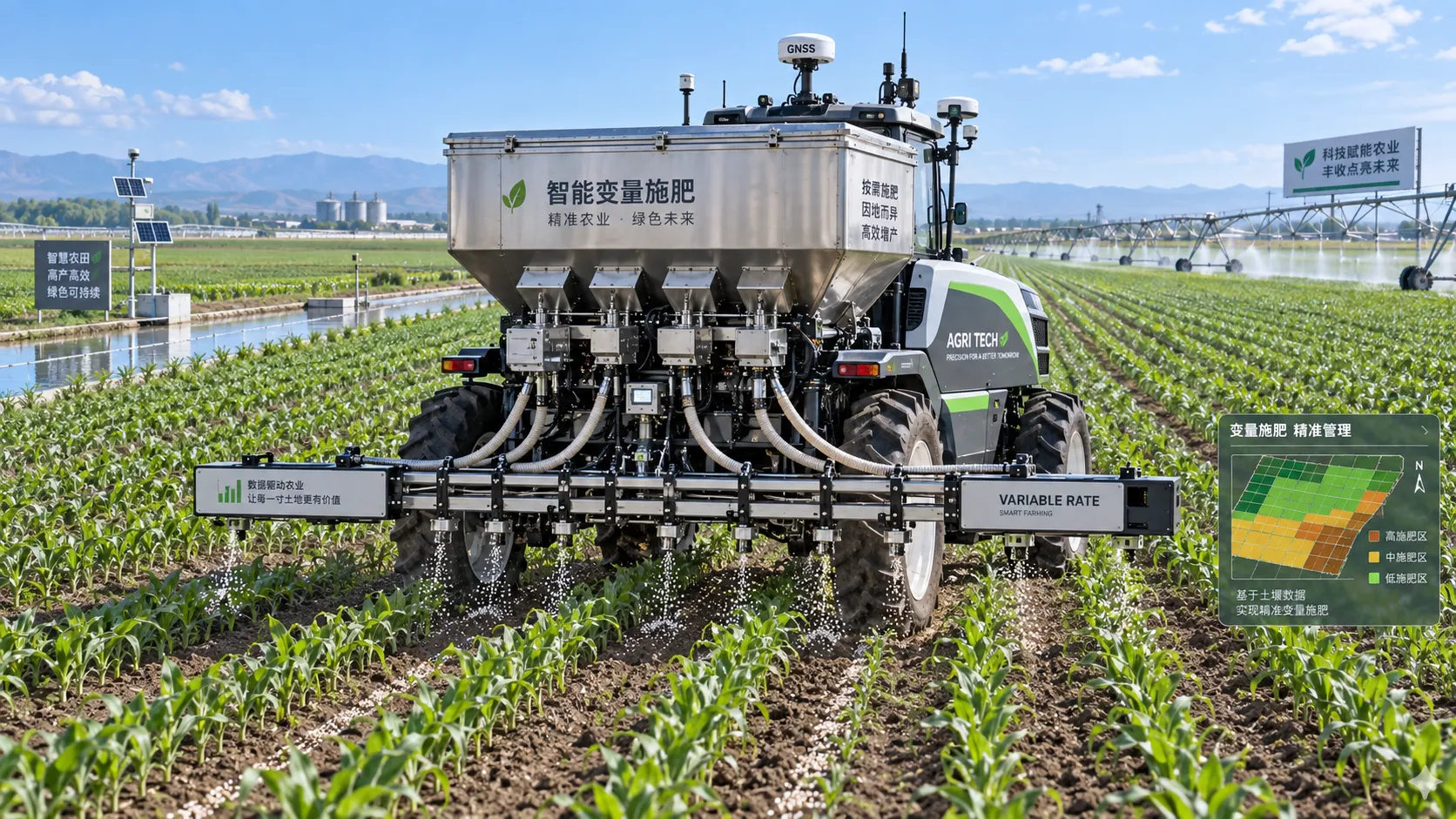
How to Evaluate Precision Fertilization System Suppliers for Farm-Scale Deployment
Precision fertilization systems suppliers: learn how to compare accuracy, integration, uptime, service, and total cost for confident farm-scale deployment.
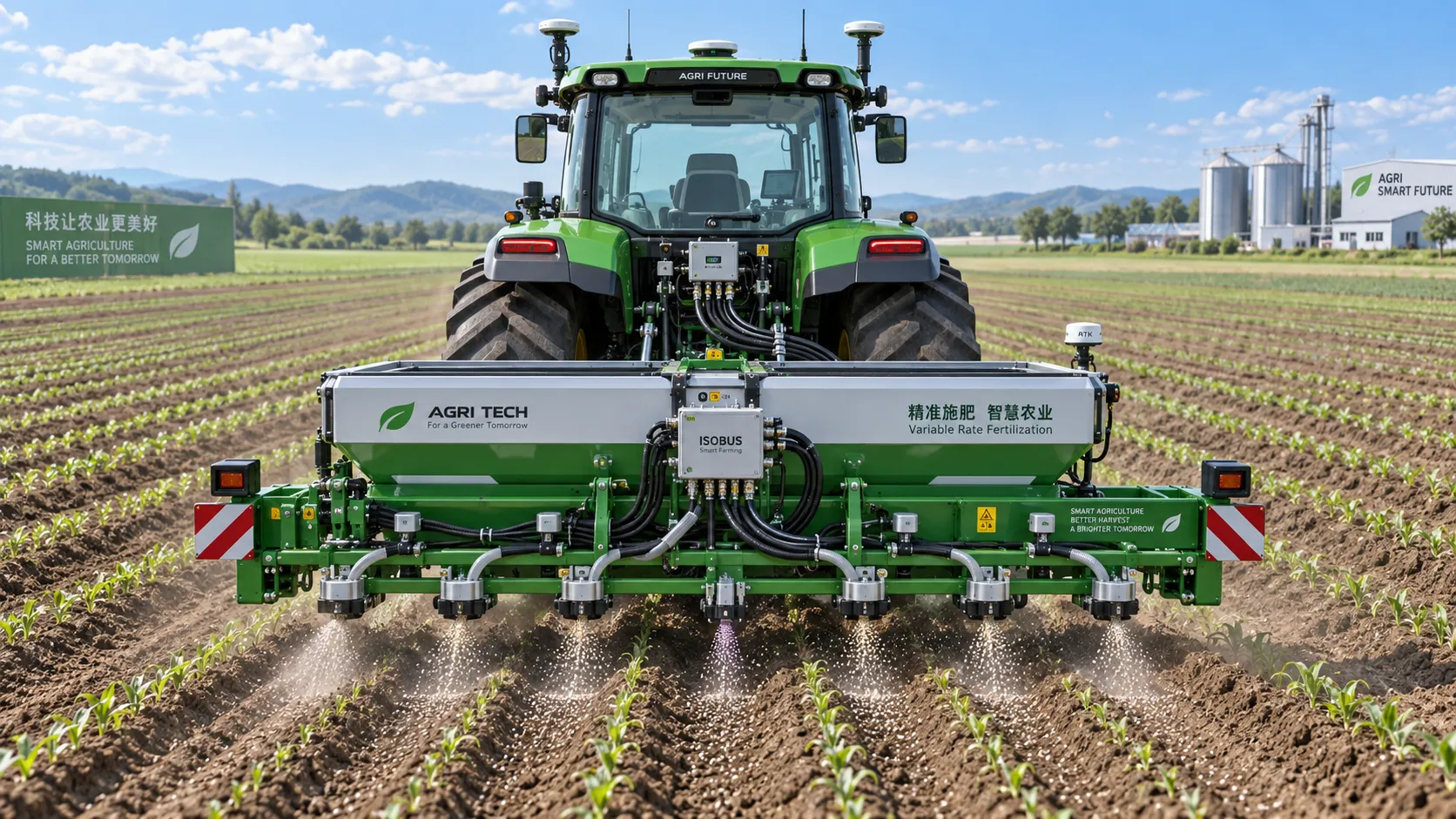
ISOBUS for Smart Agriculture: How It Connects Tractors, Implements, and Farm Data
ISOBUS for smart agriculture connects tractors, implements, terminals, and farm data—helping growers improve precision, documentation, and smarter field decisions.
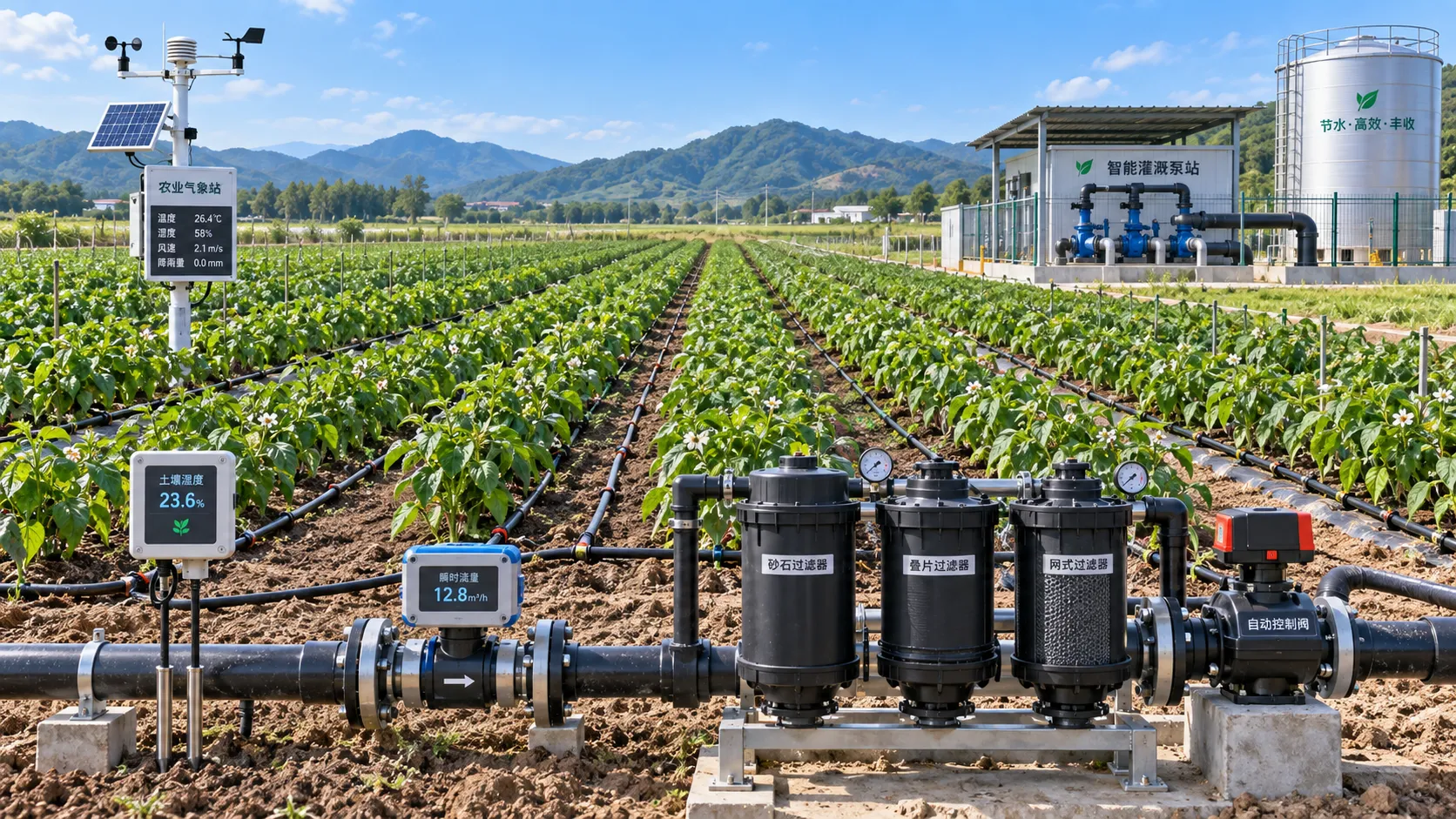
Automated Water-Saving Irrigation: How to Cut Water Use Without Reducing Crop Yields
Automated water-saving irrigation helps farms cut water use, protect crop yields, improve scheduling, and gain reliable control with sensors, flow monitoring, and smart zones.
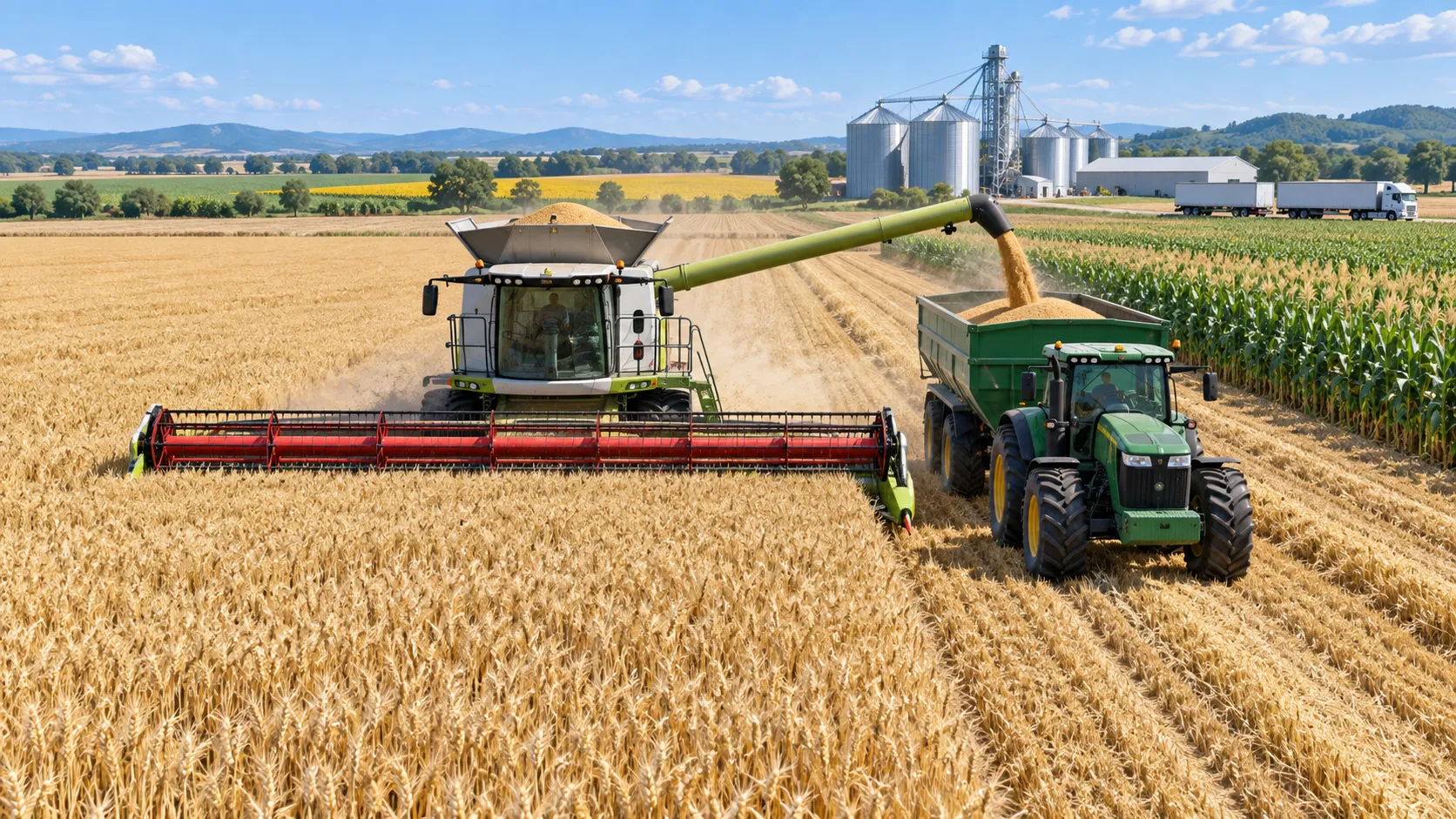
Selecting Grain Farm Equipment by Acreage, Crop Mix, and Harvest Window
Agricultural equipment selection for grain farming: match machinery to acreage, crop mix, and harvest windows to improve uptime, efficiency, and returns.
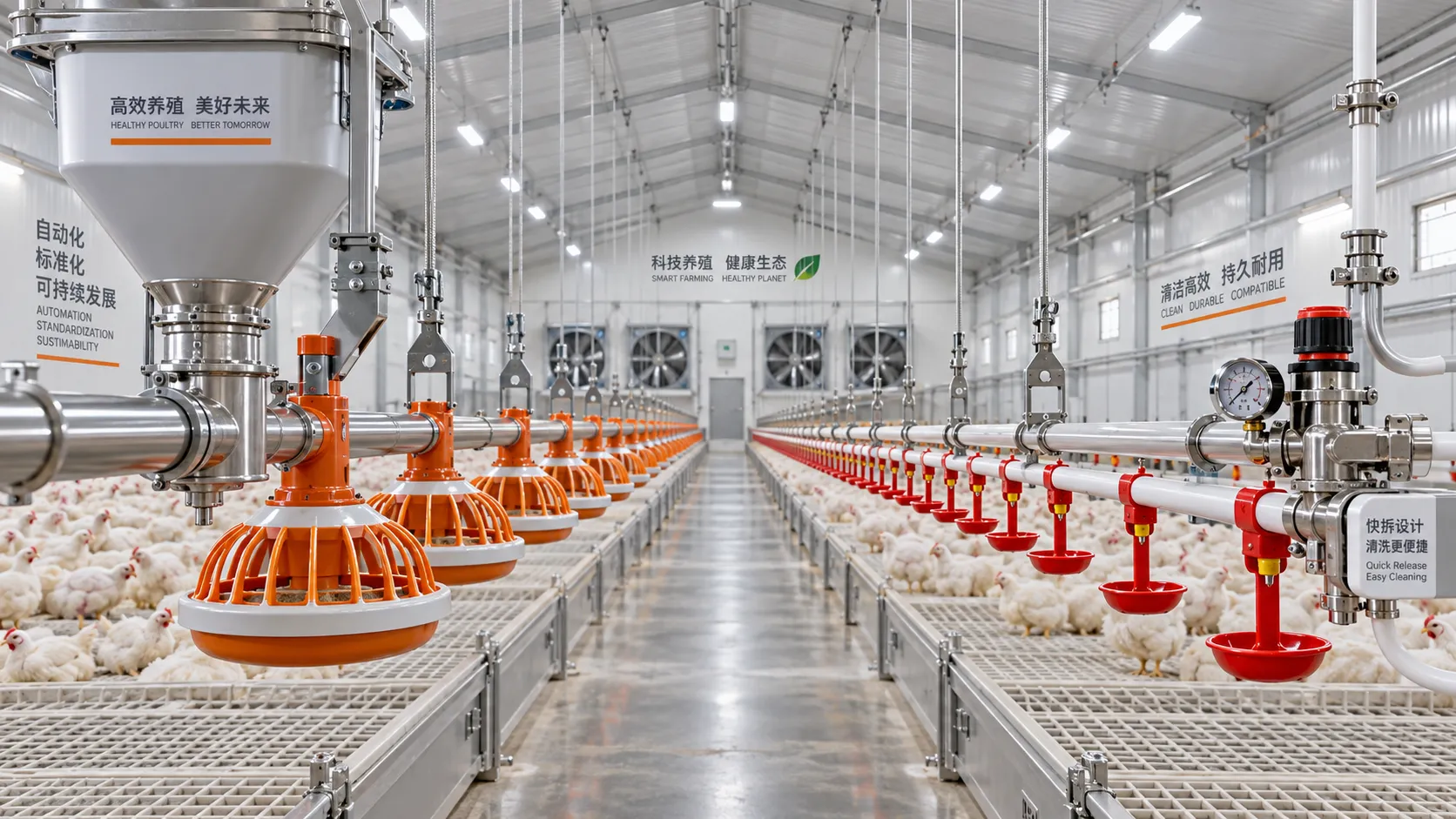
Poultry Equipment Selection: Evaluating Durability, Cleaning, and Compatibility
Poultry equipments selection guide: evaluate durability, cleaning access, and system compatibility to improve hygiene, reduce downtime, and support efficient flock management.
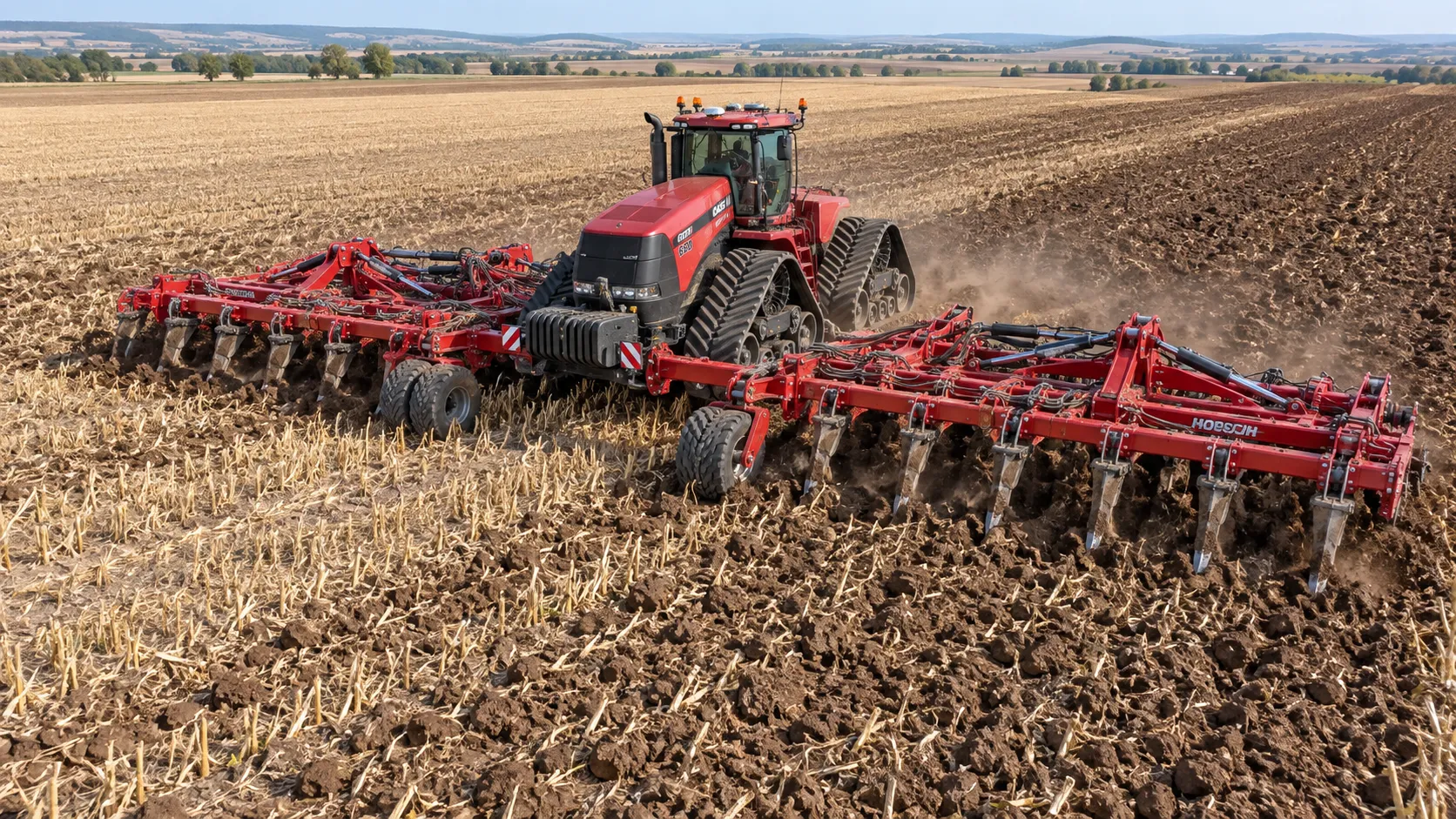
How to Select Heavy-Duty Farm Implements for High-Acreage, High-Horsepower Operations
Heavy duty farm implements: learn how to match draft, hydraulics, hitch capacity, frame strength, and field conditions for reliable high-acreage performance.
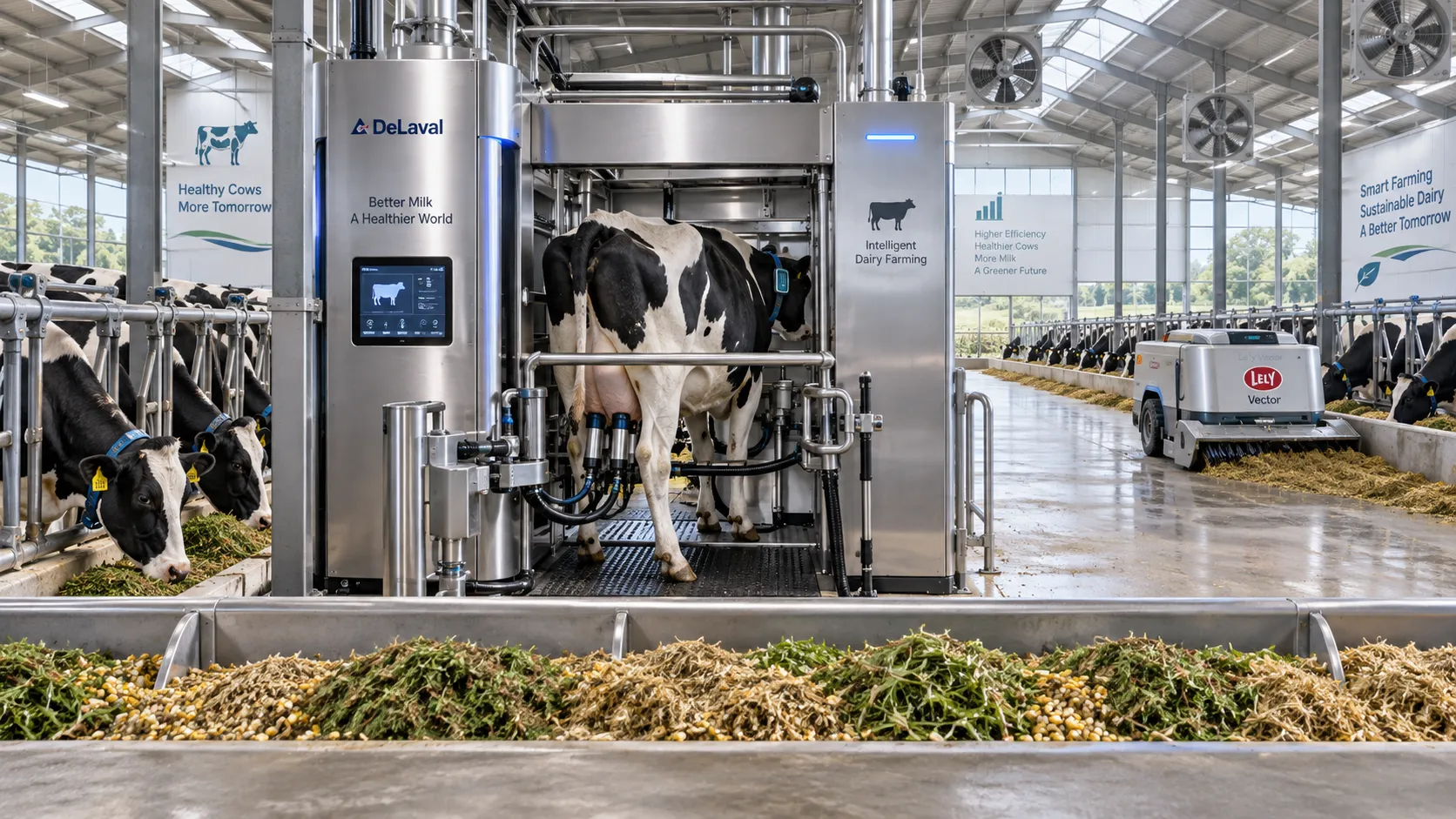
Smart Farming Technology for Dairy Farms: Where Automation Delivers Measurable ROI
Smart farming technology for dairy farms delivers measurable ROI through automation, precision feeding, health monitoring, and data-driven cost control.
Related News
- 00
0000-00
When Does Agricultural Machinery Leasing Cost Less Than Owning Equipment? - 00
0000-00
Selecting Grain Farm Equipment by Acreage, Crop Mix, and Harvest Window - 00
0000-00
Poultry Equipment Selection: Evaluating Durability, Cleaning, and Compatibility - 00
0000-00
How to Select Heavy-Duty Farm Implements for High-Acreage, High-Horsepower Operations - 00
0000-00
Smart Farming Technology for Dairy Farms: Where Automation Delivers Measurable ROI
Popular Tags
Ms. Elena Rodriguez
Weekly Insights
Stay ahead with our curated technology reports delivered every Monday.