
Sustainable farming practices that hold up in extreme weather
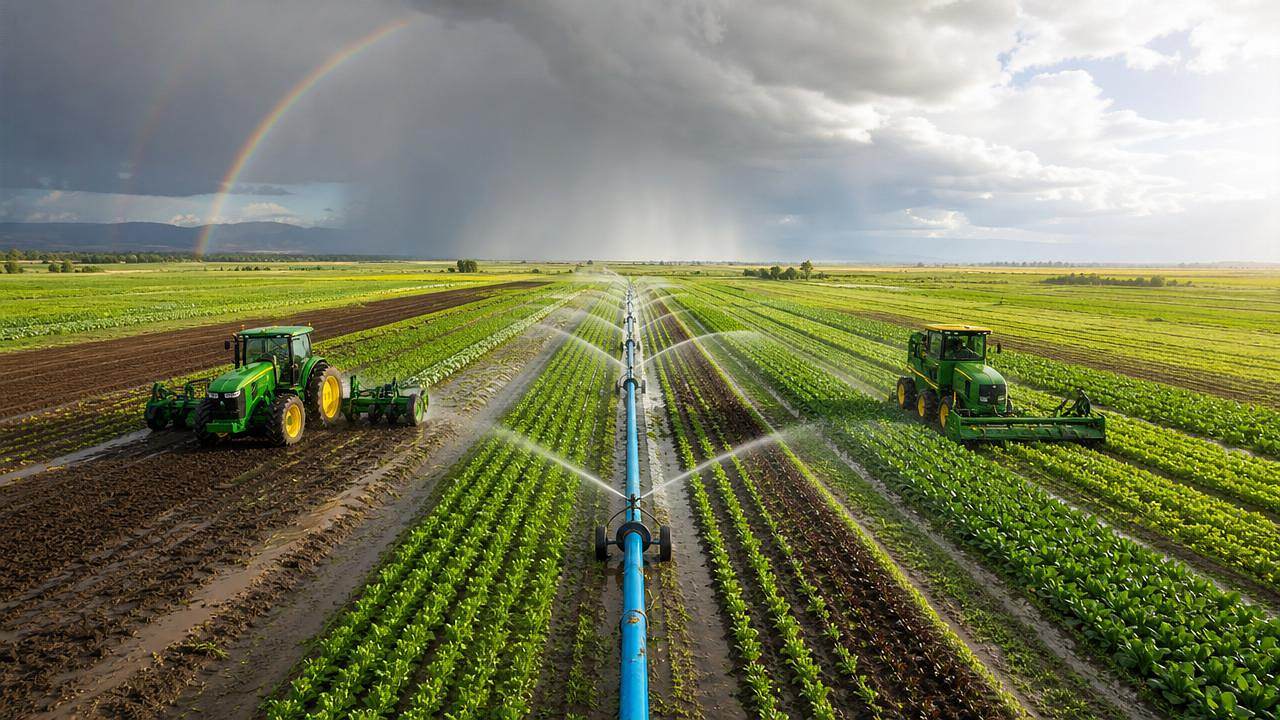




Extreme weather is reshaping farm investment priorities, making sustainable farming practices for climate resilience a strategic necessity rather than a niche choice.
Across modern agriculture, resilience now depends on how well machinery, irrigation, data systems, and soil management work together under stress.
Heat waves, erratic rainfall, flooding, wind damage, and harvest disruption can quickly erase efficiency gains built during stable seasons.
The most durable response is not a single technology.
It is an operating model that combines agronomic discipline, equipment readiness, water control, and precise decision support.
For intelligence-led agriculture platforms such as AP-Strategy, this shift is especially relevant because resilience is now tied to both asset performance and field-level adaptability.
Understanding sustainable farming practices for climate resilience
Sustainable farming practices for climate resilience are methods that protect yields, conserve resources, and keep operations functional during weather volatility.
They reduce exposure to climatic shocks while improving recovery speed after drought, storms, or temperature extremes.
In practical terms, resilience means a farm can absorb stress without losing essential productivity, soil health, or long-term profitability.
These practices usually combine five dimensions:
- soil structure protection and organic matter improvement
- efficient irrigation and drainage control
- crop diversity and timing flexibility
- machine reliability in difficult field conditions
- data-driven operational planning
This definition matters because climate risk is rarely isolated.
A dry season influences irrigation loads, tractor traffic, nutrient availability, and harvest timing at the same time.
That is why sustainable farming practices for climate resilience must be evaluated as a system, not as disconnected upgrades.
Current industry signals shaping resilient agriculture
The agricultural sector is changing its priorities as extreme weather increases uncertainty across input costs, equipment utilization, and crop scheduling.
Several signals now shape resilient farm planning.
These signals show why sustainable farming practices for climate resilience are now linked to financial control and operational continuity.
Core practices that hold up in extreme weather
Soil management that stabilizes water and roots
Healthy soil is often the first defense against both drought and heavy rain.
Reduced tillage, cover crops, residue retention, and balanced traffic patterns help maintain pore space and infiltration capacity.
Better structure improves water storage during dry periods and reduces erosion during downpours.
Precision irrigation and water-saving systems
Water resilience depends on timing, distribution uniformity, and feedback-based control.
Drip systems, low-pressure pivots, soil moisture probes, and evapotranspiration models reduce waste and improve stress response.
For regions facing alternating drought and sudden storms, irrigation plans should also coordinate with drainage and runoff capture.
Crop diversity and flexible rotations
Diverse rotations spread climate risk across rooting depth, planting windows, and nutrient demand.
Including stress-tolerant varieties or secondary crops can prevent total performance collapse in abnormal seasons.
This is one of the most practical sustainable farming practices for climate resilience because it adds biological flexibility without requiring constant capital expansion.
Equipment readiness for shorter field windows
Extreme weather often reduces the number of workable field days.
That makes machine uptime, fuel efficiency, traction performance, and cleaning capacity critical.
Large-scale machinery and combine harvesters must perform reliably in wet, lodged, or heat-stressed crop conditions.
Preventive maintenance, spare parts planning, telematics, and operator guidance reduce losses when timing is tight.
Data-led field decisions
Resilience improves when farms shift from reactive judgment to measured response.
Satellite imagery, field sensors, weather alerts, and machine data create a faster feedback loop for irrigation, traffic, and harvest choices.
This is where Agriculture 4.0 directly supports sustainable farming practices for climate resilience.
Business value and operational significance
Climate resilience is often discussed as a sustainability goal, but its value is deeply operational.
Farms that apply resilient methods usually gain more predictable output and better control over seasonal disruptions.
- Lower yield volatility across abnormal seasons
- Reduced fuel, water, and nutrient waste
- Higher machinery utilization within narrow working windows
- Better grain quality protection at harvest
- Stronger alignment with sustainability metrics and compliance demands
For intelligence-centered platforms, the key insight is that resilience investments should be compared by system impact, not only unit cost.
A more efficient irrigation network, for example, can improve crop stability, energy use, and labor planning at the same time.
That broader return explains why sustainable farming practices for climate resilience now influence equipment strategy and infrastructure design.
Typical scenarios and technology focus areas
Different climate pressures require different combinations of practices and equipment priorities.
These scenarios confirm that sustainable farming practices for climate resilience should be adapted to local constraints, crop systems, and machine capabilities.
Implementation priorities and practical cautions
Successful implementation usually starts with diagnosis rather than purchasing.
Before changing tools or field routines, identify where weather stress causes the largest operational losses.
- Map climate-sensitive bottlenecks such as irrigation gaps, drainage failures, or harvest delays.
- Rank interventions by combined agronomic and operational return.
- Use measurable indicators like moisture variability, field access days, fuel use, and loss rates.
- Pilot changes in representative zones before scaling across all hectares.
- Link machine data with agronomic data for continuous adjustment.
A common mistake is treating resilience as an isolated sustainability project.
In reality, resilient performance depends on coordinated design across soil, water, machinery, and timing.
Another mistake is focusing on average-year efficiency only.
The stronger benchmark is how the system performs during the worst weeks of the season.
A practical next step for resilient farm systems
The most effective next move is a resilience audit that connects field performance with equipment and water infrastructure.
Review soil stability, irrigation efficiency, machine uptime, and harvest loss data together instead of separately.
That integrated view reveals where sustainable farming practices for climate resilience can deliver the fastest operational gains.
For organizations tracking Agriculture 4.0 trends, this approach also supports smarter investment in combine harvesting technology, tractor power systems, precision tools, and water-saving irrigation networks.
Extreme weather will continue to test agricultural systems.
The farms that hold up best will be those that turn resilience into a measurable operating standard, not a seasonal reaction.
Related News
How to Select Precision Crop Protection Equipment for Variable Field Conditions
Precision crop protection equipment selection made simple: compare terrain, canopy, weather, control accuracy, and data workflows for reliable applications.

When Does Agricultural Machinery Leasing Cost Less Than Owning Equipment?
Agricultural machinery leasing can lower farm costs when use is seasonal or uncertain. Compare utilization, maintenance, cash flow, and risk to make a smarter equipment decision.

How to Evaluate Precision Fertilization System Suppliers for Farm-Scale Deployment
Precision fertilization systems suppliers: learn how to compare accuracy, integration, uptime, service, and total cost for confident farm-scale deployment.

ISOBUS for Smart Agriculture: How It Connects Tractors, Implements, and Farm Data
ISOBUS for smart agriculture connects tractors, implements, terminals, and farm data—helping growers improve precision, documentation, and smarter field decisions.
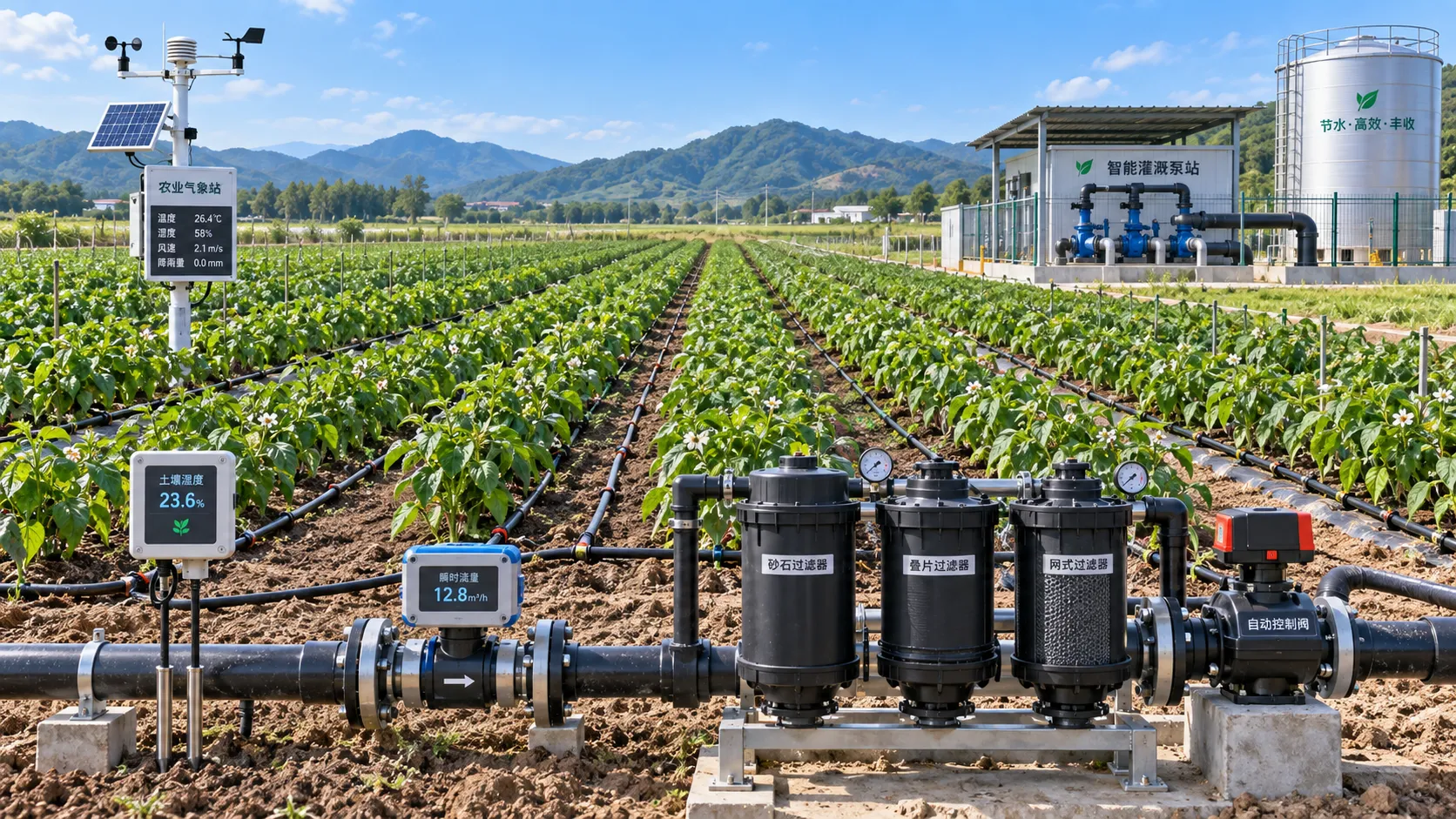
Automated Water-Saving Irrigation: How to Cut Water Use Without Reducing Crop Yields
Automated water-saving irrigation helps farms cut water use, protect crop yields, improve scheduling, and gain reliable control with sensors, flow monitoring, and smart zones.
Selecting Grain Farm Equipment by Acreage, Crop Mix, and Harvest Window
Agricultural equipment selection for grain farming: match machinery to acreage, crop mix, and harvest windows to improve uptime, efficiency, and returns.
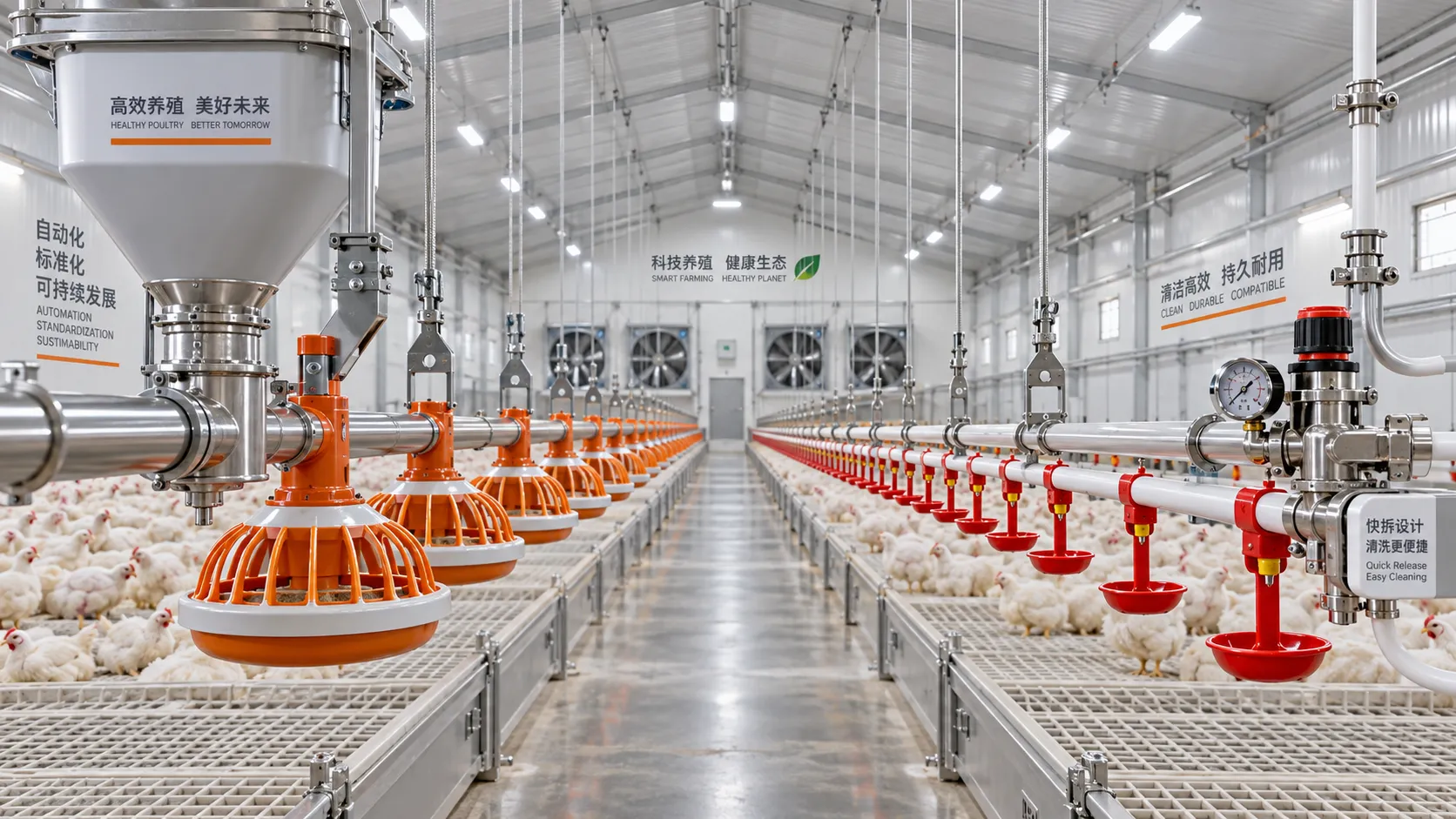
Poultry Equipment Selection: Evaluating Durability, Cleaning, and Compatibility
Poultry equipments selection guide: evaluate durability, cleaning access, and system compatibility to improve hygiene, reduce downtime, and support efficient flock management.
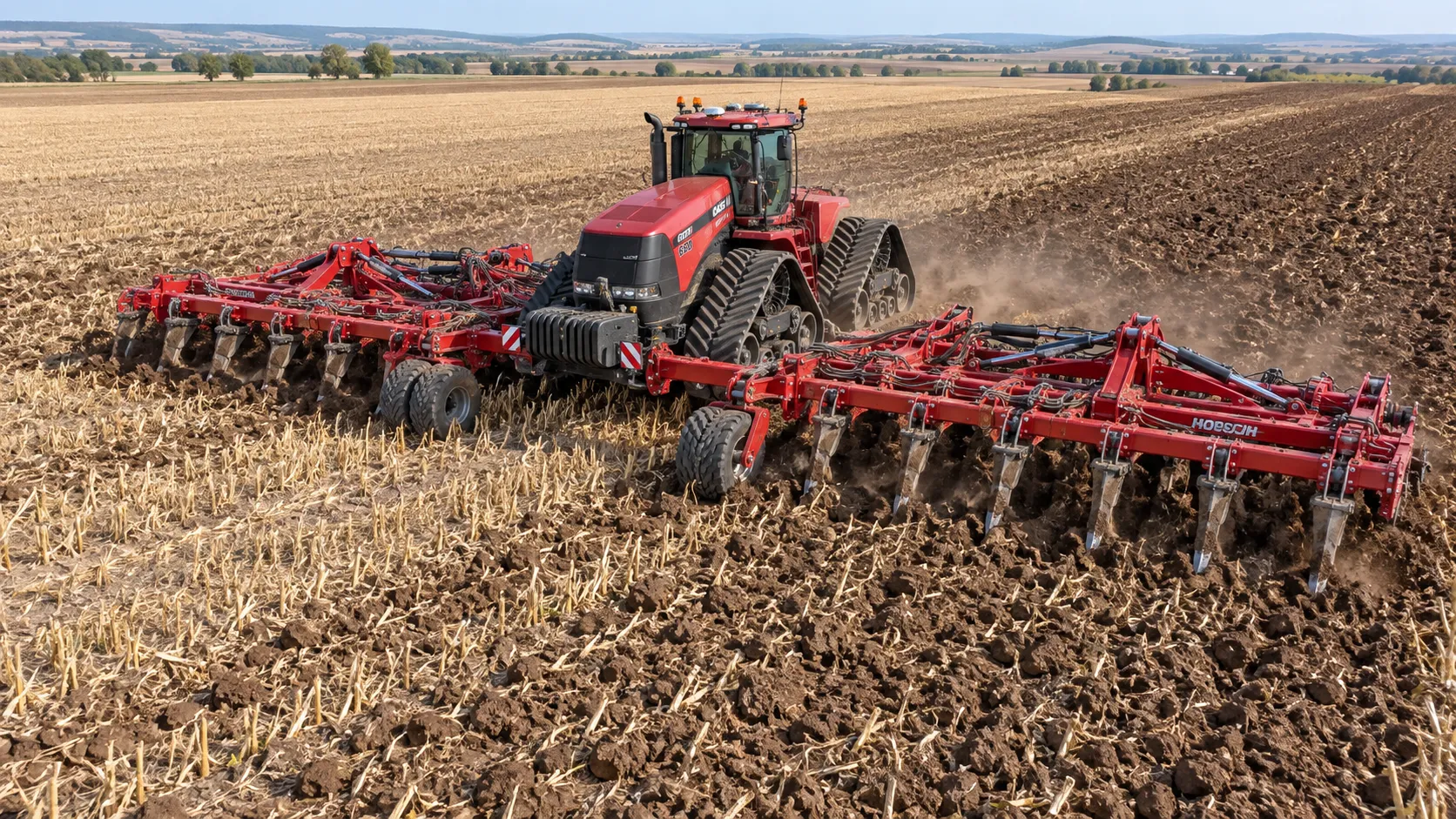
How to Select Heavy-Duty Farm Implements for High-Acreage, High-Horsepower Operations
Heavy duty farm implements: learn how to match draft, hydraulics, hitch capacity, frame strength, and field conditions for reliable high-acreage performance.
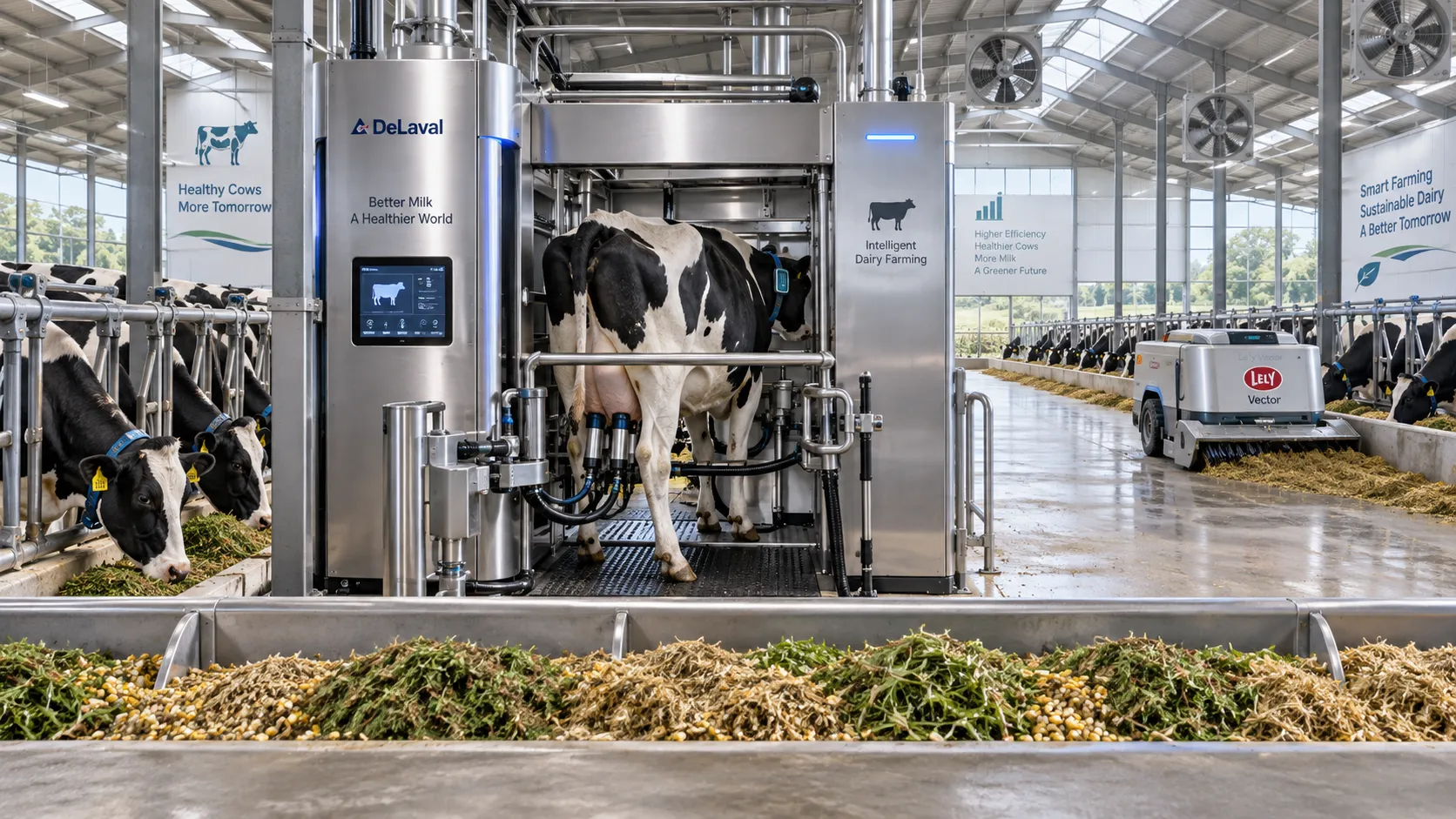
Smart Farming Technology for Dairy Farms: Where Automation Delivers Measurable ROI
Smart farming technology for dairy farms delivers measurable ROI through automation, precision feeding, health monitoring, and data-driven cost control.
Related News
- 00
0000-00
How Does Farm Mechanization Affect Food Security in Developing Regions? - 00
0000-00
Agricultural Technology Insights by Region: Where Adoption Is Growing Fastest - 00
0000-00
How Climate-Smart Agriculture Technology Improves Yield, Soil Health, and Risk Resilience - 00
0000-00
Smart Farming Solutions in Latin America: Which Technologies Fit Large Farms Best? - 00
0000-00
Long-Cycle Agri-Trade Price Trends: How to Read Supply, Freight, and Currency Signals
Popular Tags
Prof. Marcus Chen
Weekly Insights
Stay ahead with our curated technology reports delivered every Monday.