
Climate-resilient agriculture practices with measurable field gains
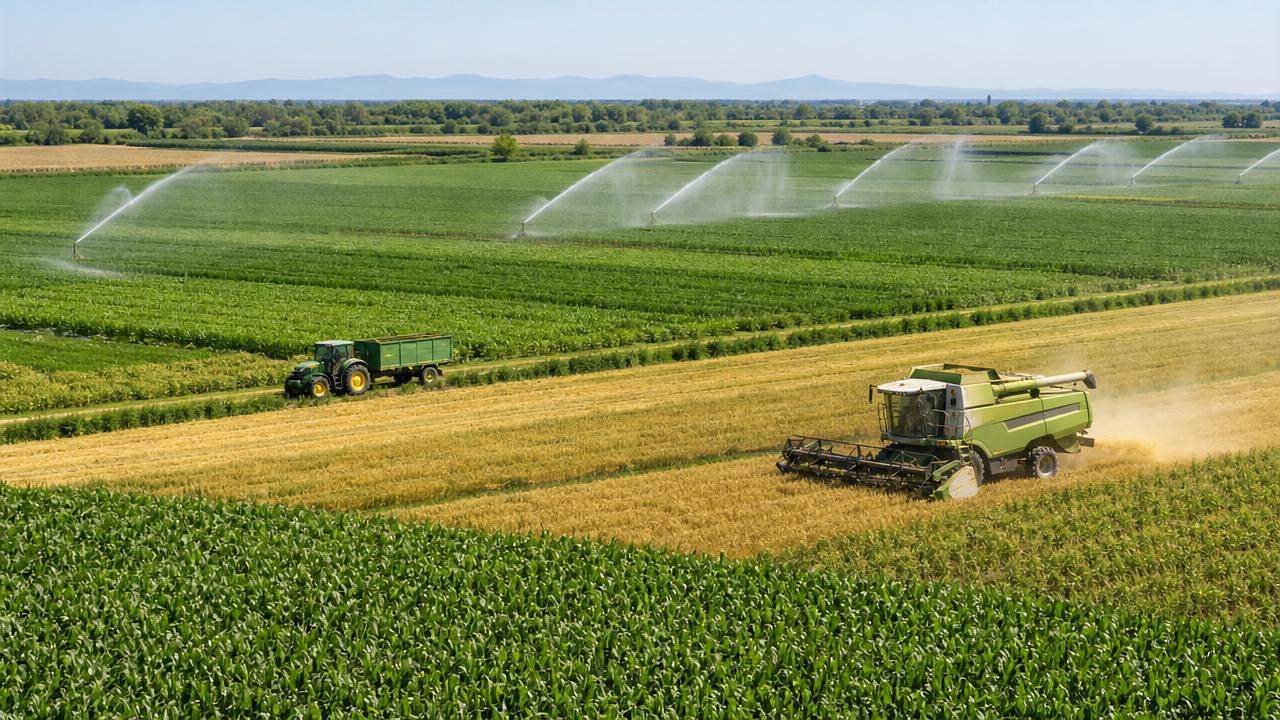




For finance decision-makers, climate-resilient agriculture practices now function as a capital discipline, not a side program. They improve yield stability, reduce resource shocks, and strengthen equipment utilization across volatile seasons.
In modern field systems, measurable gains come from linking machinery performance, irrigation intelligence, and precision operations. That is where climate-resilient agriculture practices turn from theory into operational value.
Across broad-acre farming, weather risk no longer appears only as drought. It also shows up as uneven emergence, nutrient loss, delayed harvest windows, higher fuel use, and faster wear on field assets.
AP-Strategy tracks these shifts through the lens of Agriculture 4.0. The practical question is simple: which climate-resilient agriculture practices produce measurable field gains under different operating conditions?
Why field context changes the value of climate-resilient agriculture practices
Not every farm system faces the same climate stress. Rainfed cereals, irrigated row crops, mixed soil zones, and short harvest windows each reward different resilience investments.
That makes scenario judgment essential. The best climate-resilient agriculture practices are those matched to local water pressure, machinery timing, soil variability, and harvest-loss sensitivity.
For example, an intelligent irrigation upgrade may outperform a machinery investment in water-scarce regions. In contrast, high-capacity combine optimization may generate faster returns where storm-driven harvest delays dominate risk.
The financial advantage comes from measurable outcomes. These include lower input volatility, more stable output quality, reduced field passes, and improved asset productivity across climate-disrupted seasons.
Scenario 1: Water-stressed zones where irrigation efficiency decides resilience
In dry and semi-dry regions, climate-resilient agriculture practices often begin with water management. The biggest gains appear when irrigation moves from fixed schedules to sensor-based, crop-responsive control.
Smart irrigation networks can reduce overwatering, energy waste, and nutrient leaching. They also support more consistent plant development during heat spikes and irregular rainfall patterns.
Core judgment points in this scenario
- Water cost as a share of total production expense
- Yield losses linked to moisture stress timing
- Field variability requiring zone-based irrigation decisions
- Energy use per irrigation cycle
In this context, climate-resilient agriculture practices should combine evapotranspiration modeling, flow monitoring, and pressure-stable delivery systems. Measurable field gains usually appear in water-use efficiency and yield consistency first.
Scenario 2: Short harvest windows where equipment speed protects value
Some operations lose margin not during crop growth, but at harvest. Storms, humidity, and lodging can sharply narrow the safe harvesting period.
Here, climate-resilient agriculture practices center on high-efficiency combine systems, cleaning-loss control, grain handling speed, and traction reliability under unstable field conditions.
What measurable gains look like
- Lower header and separation losses in wet or lodged crops
- Fewer weather-related harvest delays
- Improved fuel efficiency per harvested hectare
- Higher throughput without grain quality penalties
This is where machinery intelligence matters. Dynamic settings, operator guidance, and robust chassis performance convert climate-resilient agriculture practices into lower loss rates and stronger season-end revenue capture.
Scenario 3: Variable soils where precision tools outperform uniform treatment
Fields with mixed textures, drainage patterns, or fertility history rarely respond well to blanket applications. Climate variability increases this mismatch.
In these systems, climate-resilient agriculture practices rely on precision seeding, variable-rate input placement, and machine guidance linked to satellite and sensor feedback.
The goal is not just saving inputs. It is aligning plant population, moisture use, and nutrient timing with actual field potential under changing weather conditions.
Key signs this scenario applies
- Large yield variation within the same field
- Repeated input overuse without proportional output gains
- Uneven emergence after heat or moisture stress
- Frequent rework caused by operator inconsistency
Among climate-resilient agriculture practices, this scenario often delivers some of the clearest ROI signals. Better zone management can improve both agronomic response and machine efficiency.
Scenario 4: Heavy-duty operations where chassis and traction shape resilience
Climate stress also affects mobility. Excess moisture, delayed entry, and changing soil strength can disrupt planting, spraying, and transport windows.
That makes tractor chassis performance a resilience factor, not just a mechanical specification. Transmission response, hydraulic control, load balance, and soil impact all influence field timing.
In this scenario, climate-resilient agriculture practices include controlled traffic logic, lower compaction strategies, and equipment matching that preserves traction while reducing avoidable passes.
How scenario needs differ across modern agricultural systems
How to choose climate-resilient agriculture practices with stronger ROI signals
A practical selection process starts with the largest avoidable loss. That may be water overuse, harvest inefficiency, input mismatch, or weather-driven downtime.
Then compare resilience options using field-level indicators rather than broad claims. Climate-resilient agriculture practices should be screened against operational data.
Recommended evaluation metrics
- Yield variability across seasons
- Water, fuel, and input cost per hectare
- Harvest loss percentage
- Machine downtime during peak windows
- Payback period under stress-year assumptions
This approach helps separate visible innovation from durable performance. It also supports better asset allocation across irrigation systems, combines, chassis platforms, and intelligent farm tools.
Common misjudgments that weaken resilience gains
A frequent mistake is treating climate-resilient agriculture practices as isolated upgrades. In reality, resilience often depends on coordination between equipment, data, and field timing.
Another error is measuring success only in normal seasons. Resilience value becomes visible during stress events, when operational continuity protects margin and market timing.
- Installing smart irrigation without flow validation or maintenance planning
- Buying larger harvest equipment without addressing grain logistics bottlenecks
- Using precision tools without reliable field-zone data
- Ignoring compaction costs when expanding machine weight and pass frequency
The strongest climate-resilient agriculture practices are system-aware. They preserve productivity through linked decisions, not isolated technology purchases.
A practical next step for building measurable resilience
Start with one field scenario and one measurable constraint. Map where climate exposure causes the highest recurring economic loss across water, timing, or machinery performance.
Next, prioritize climate-resilient agriculture practices that improve both agronomic response and asset efficiency. That dual effect usually creates the clearest long-term value signal.
AP-Strategy’s intelligence framework supports this by connecting combine harvesting technology, tractor chassis evolution, intelligent farm tools, and water-saving irrigation systems into one decision view.
When resilience is judged by measurable field gains, smarter investment follows. That is how climate-resilient agriculture practices move from sustainability language to operational advantage.
Related News
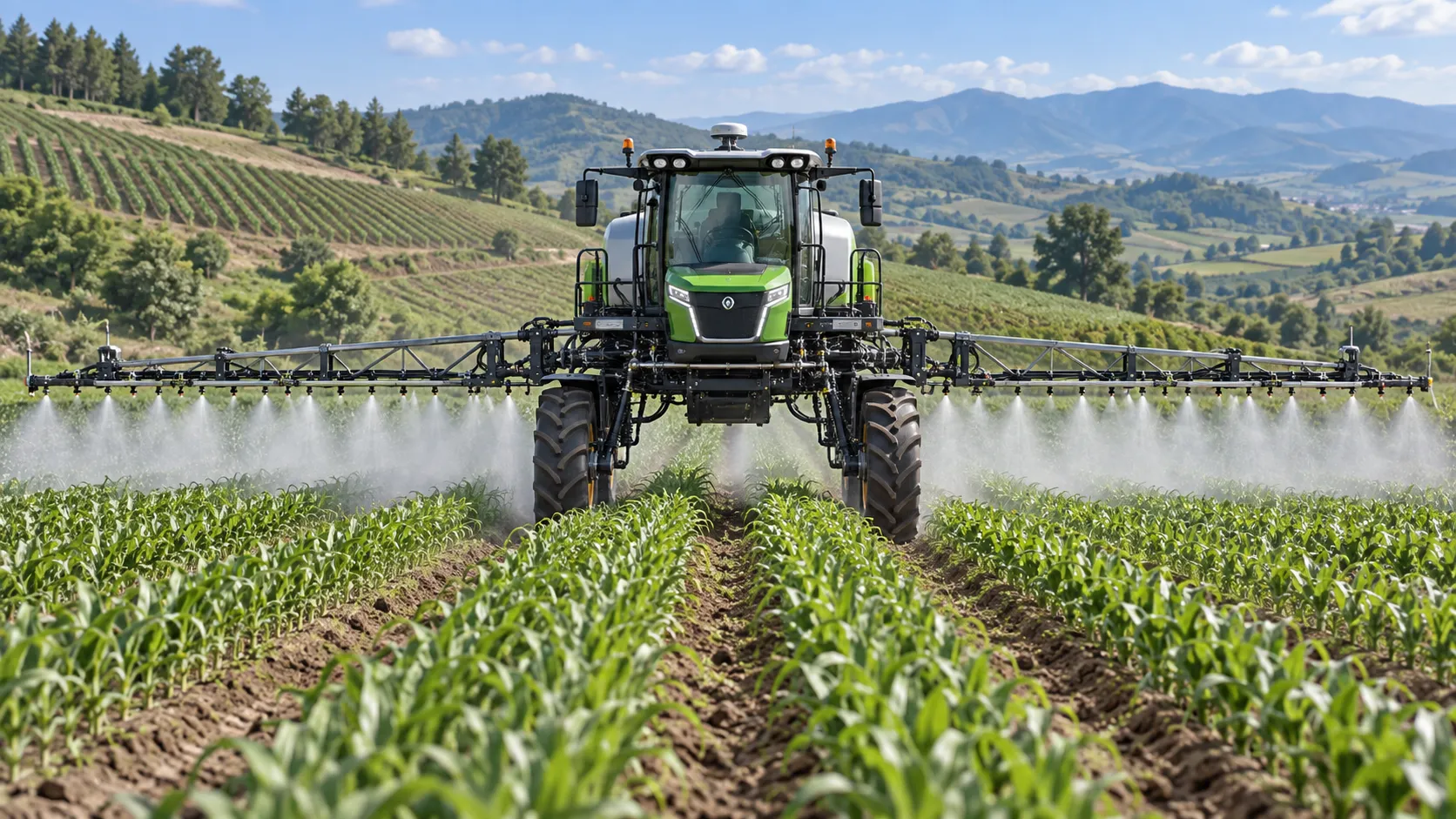
How to Select Precision Crop Protection Equipment for Variable Field Conditions
Precision crop protection equipment selection made simple: compare terrain, canopy, weather, control accuracy, and data workflows for reliable applications.
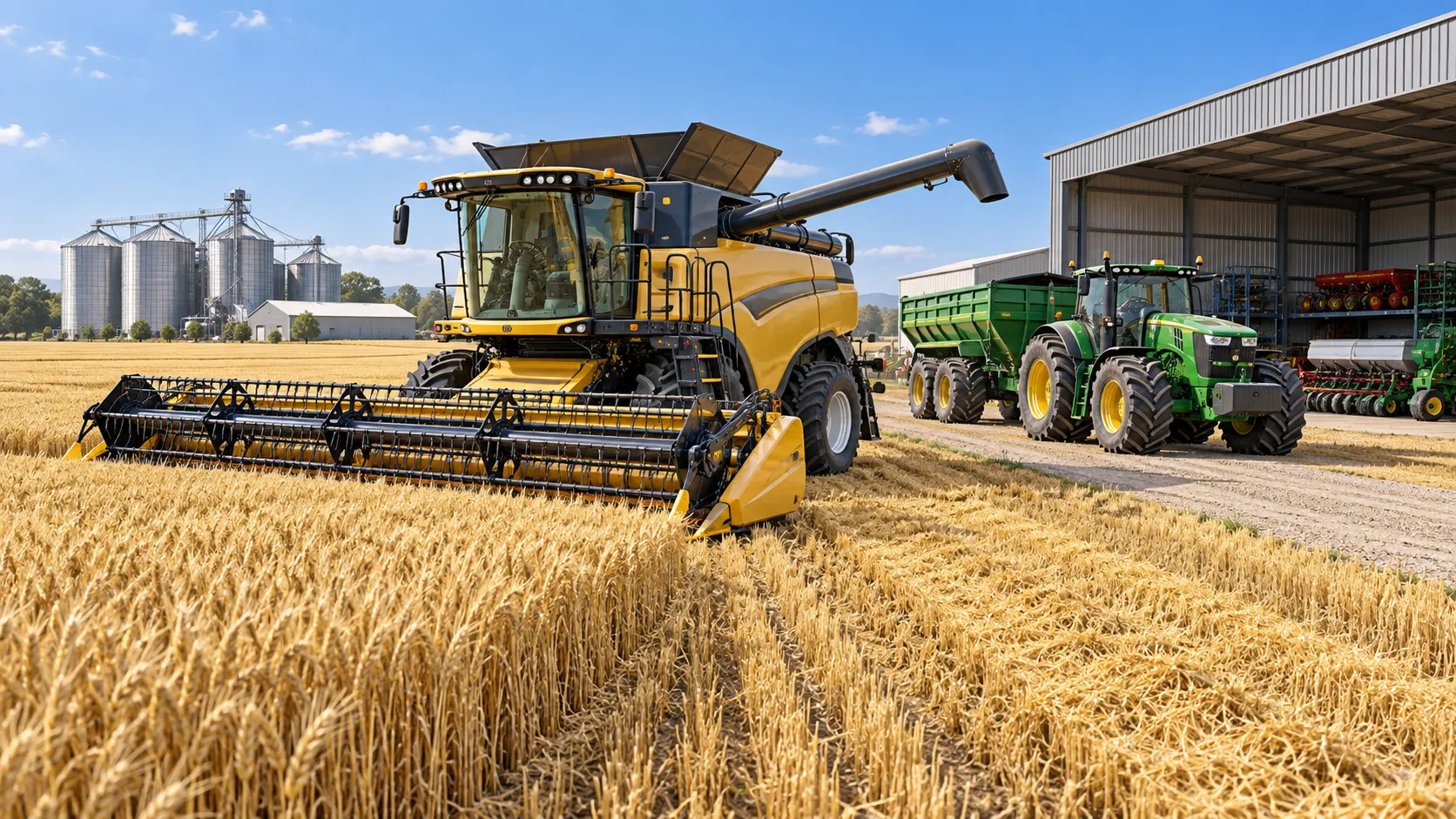
When Does Agricultural Machinery Leasing Cost Less Than Owning Equipment?
Agricultural machinery leasing can lower farm costs when use is seasonal or uncertain. Compare utilization, maintenance, cash flow, and risk to make a smarter equipment decision.
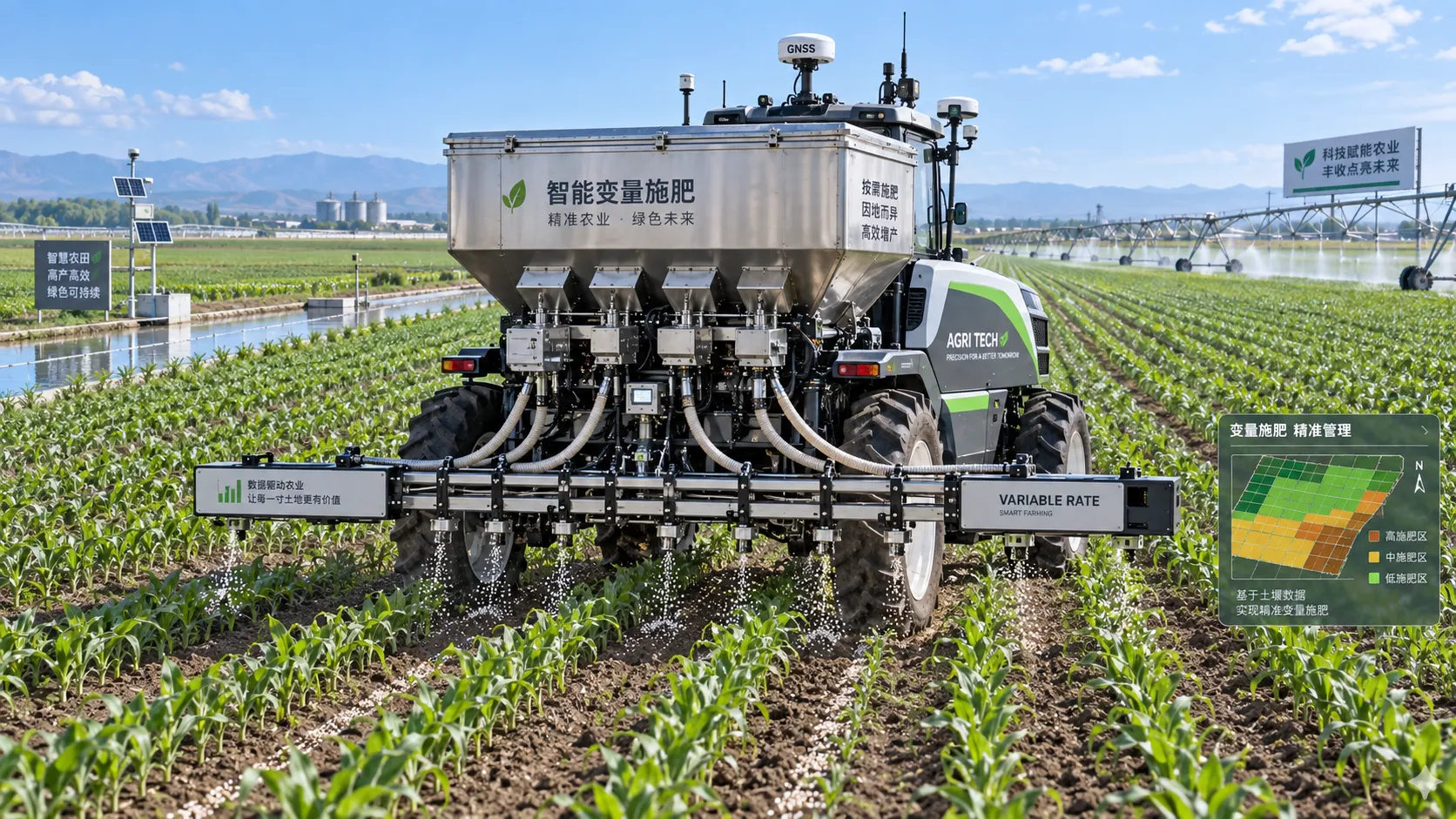
How to Evaluate Precision Fertilization System Suppliers for Farm-Scale Deployment
Precision fertilization systems suppliers: learn how to compare accuracy, integration, uptime, service, and total cost for confident farm-scale deployment.
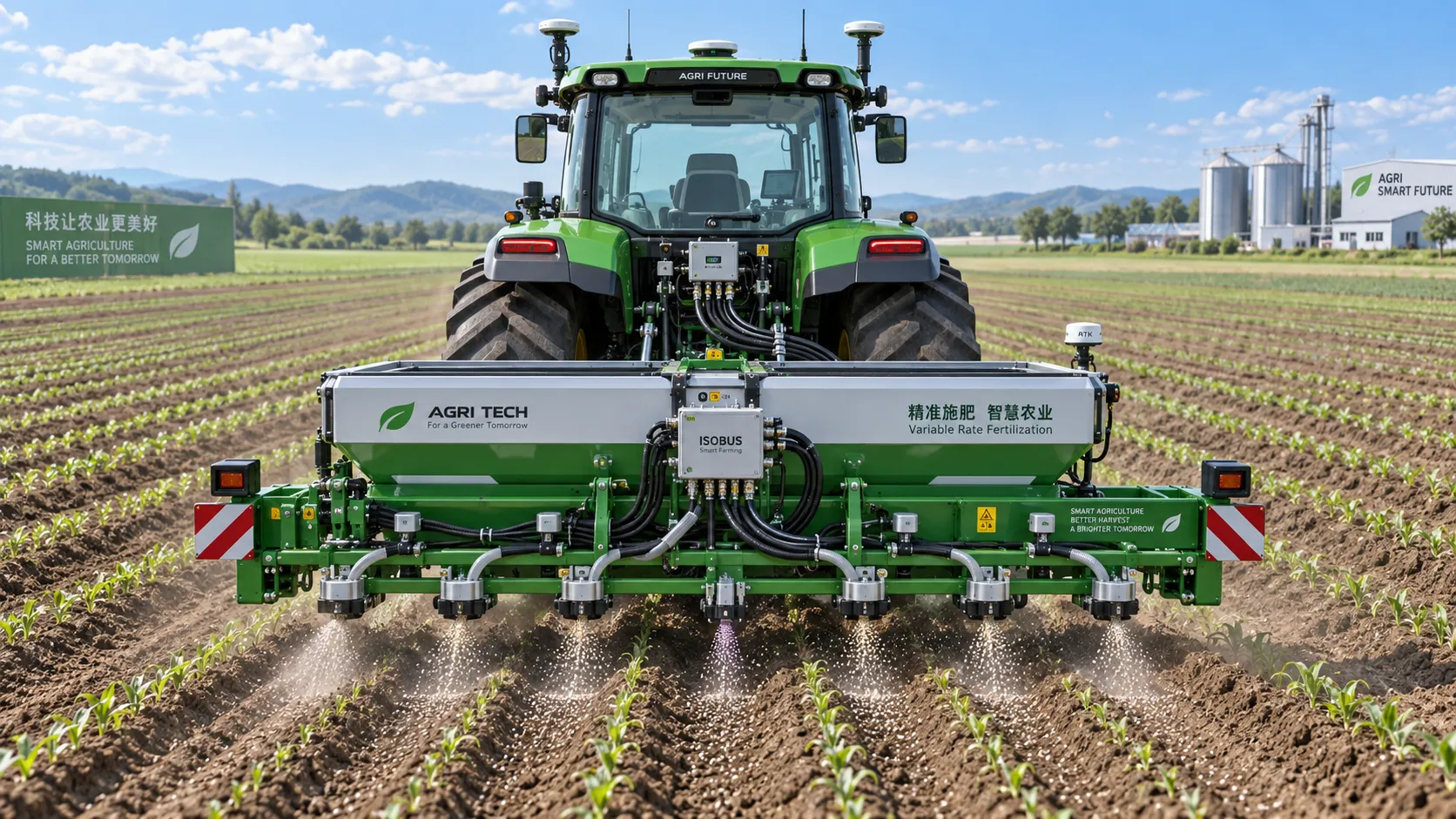
ISOBUS for Smart Agriculture: How It Connects Tractors, Implements, and Farm Data
ISOBUS for smart agriculture connects tractors, implements, terminals, and farm data—helping growers improve precision, documentation, and smarter field decisions.
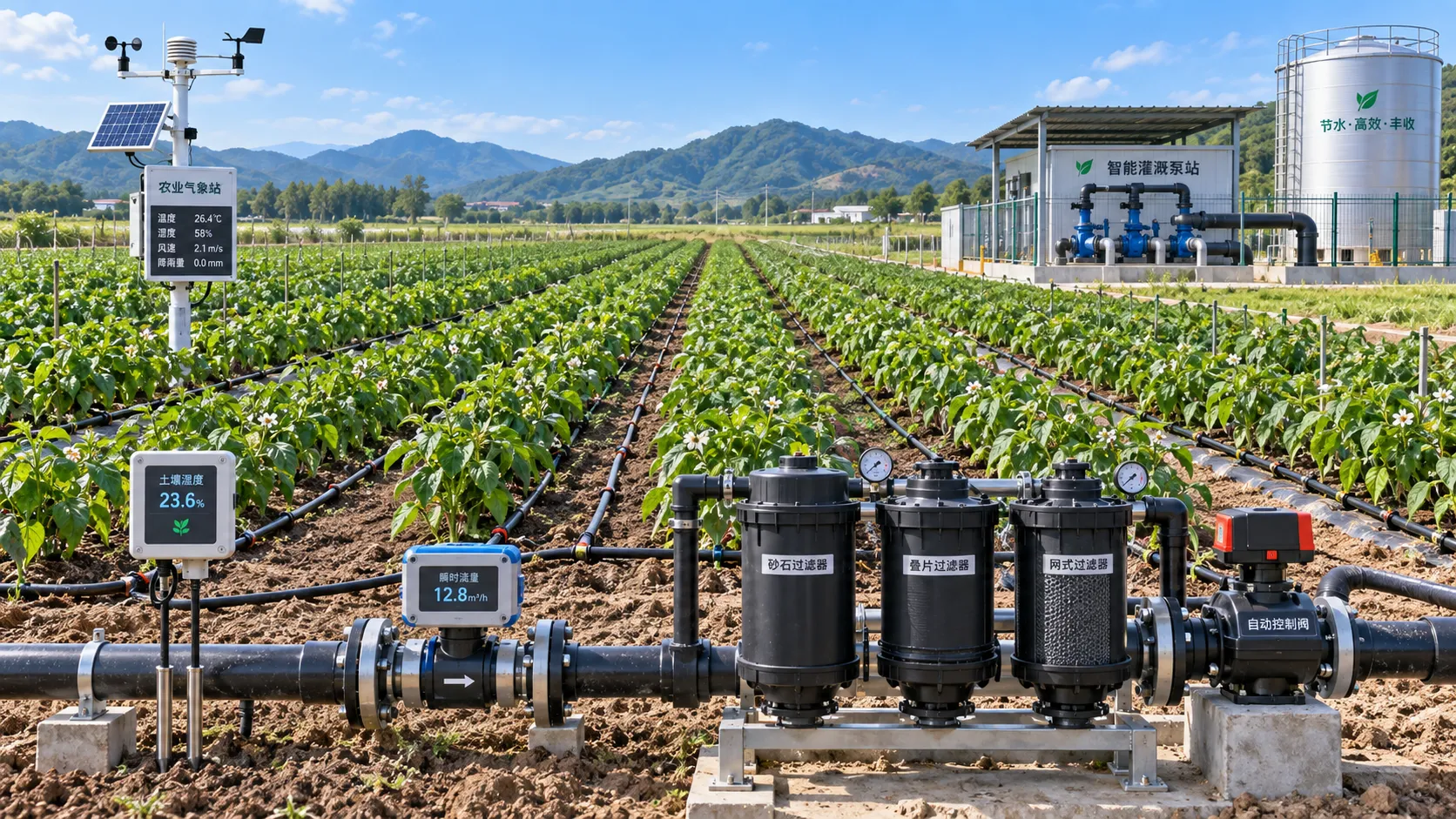
Automated Water-Saving Irrigation: How to Cut Water Use Without Reducing Crop Yields
Automated water-saving irrigation helps farms cut water use, protect crop yields, improve scheduling, and gain reliable control with sensors, flow monitoring, and smart zones.
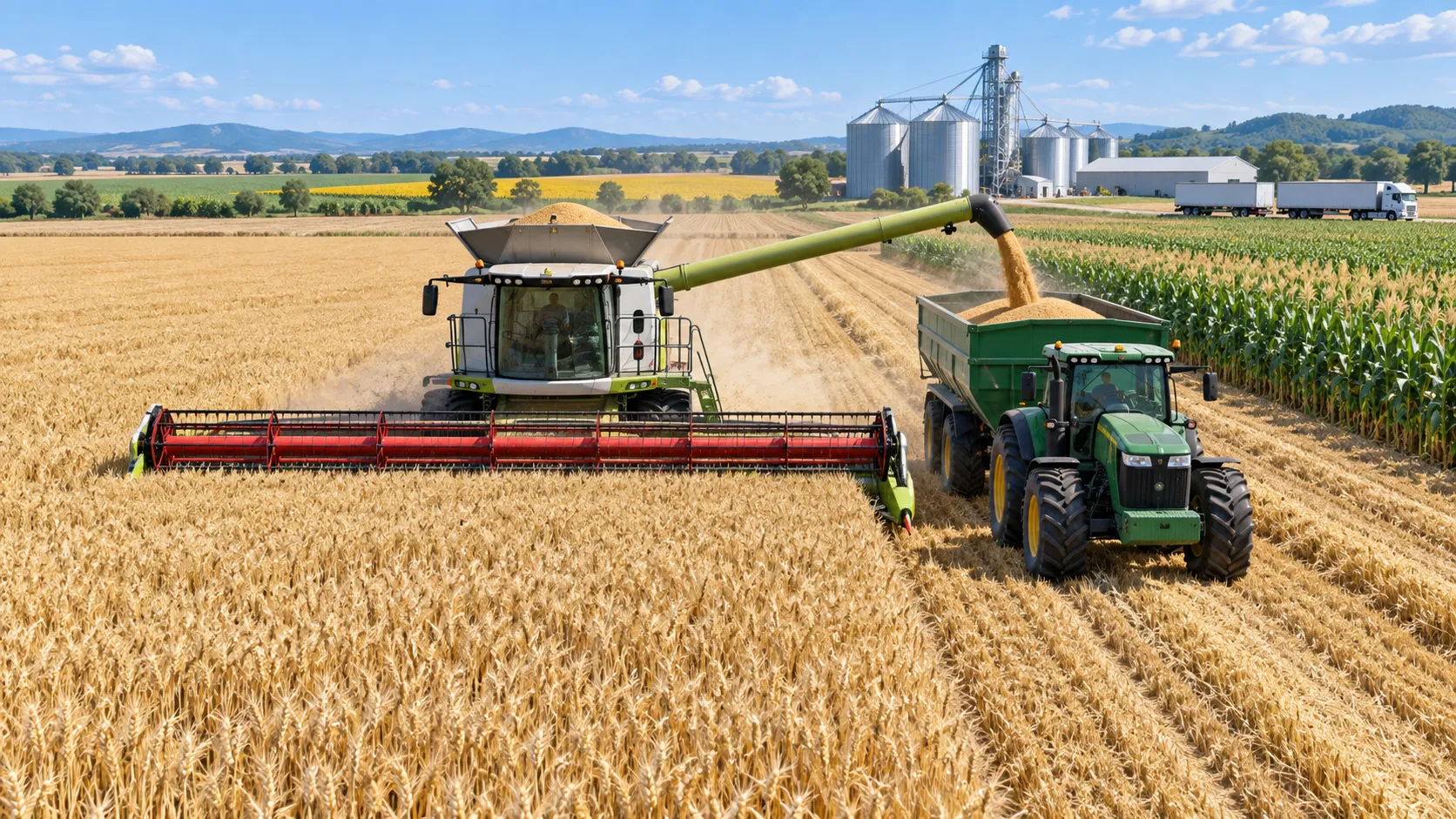
Selecting Grain Farm Equipment by Acreage, Crop Mix, and Harvest Window
Agricultural equipment selection for grain farming: match machinery to acreage, crop mix, and harvest windows to improve uptime, efficiency, and returns.
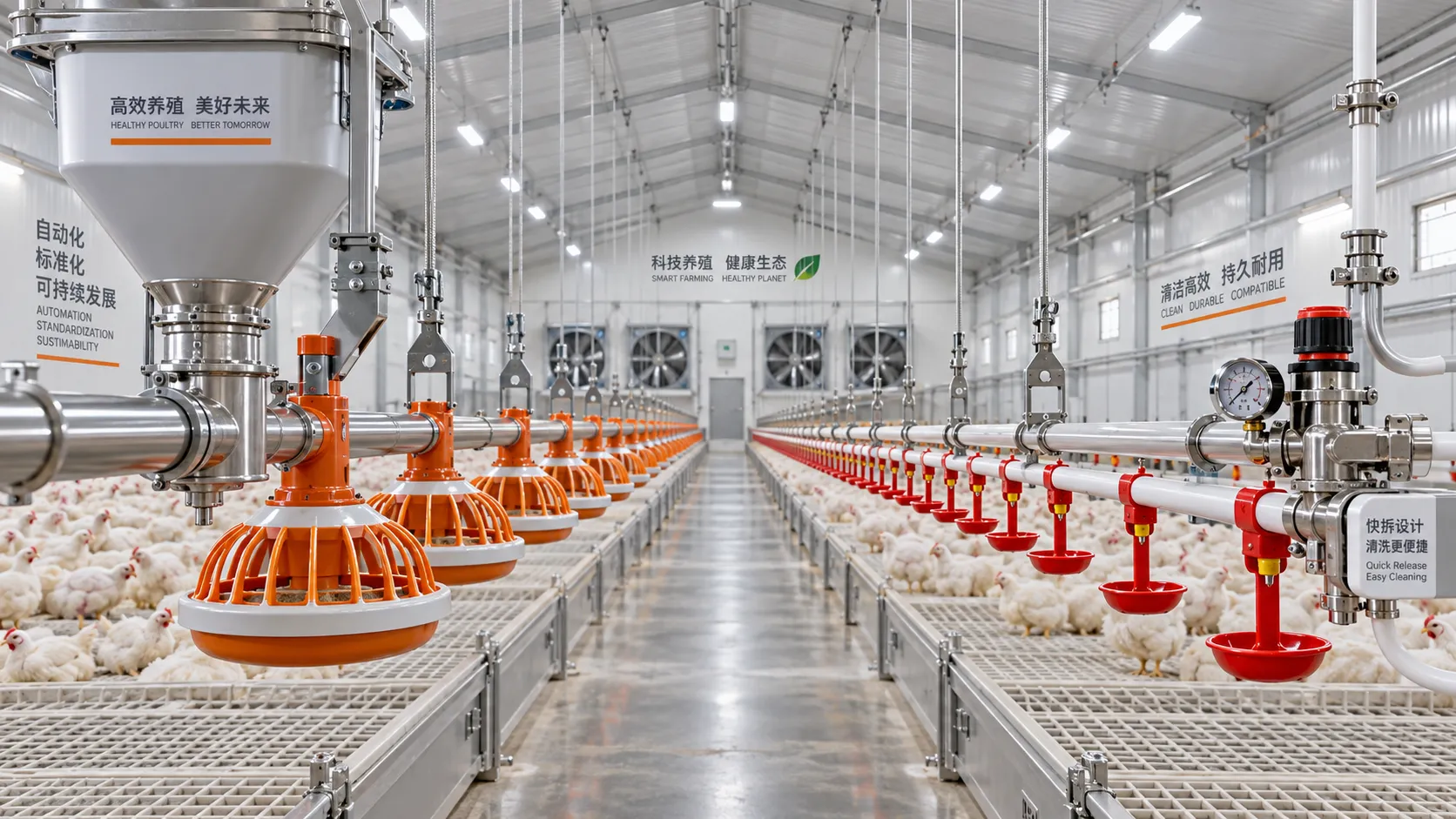
Poultry Equipment Selection: Evaluating Durability, Cleaning, and Compatibility
Poultry equipments selection guide: evaluate durability, cleaning access, and system compatibility to improve hygiene, reduce downtime, and support efficient flock management.
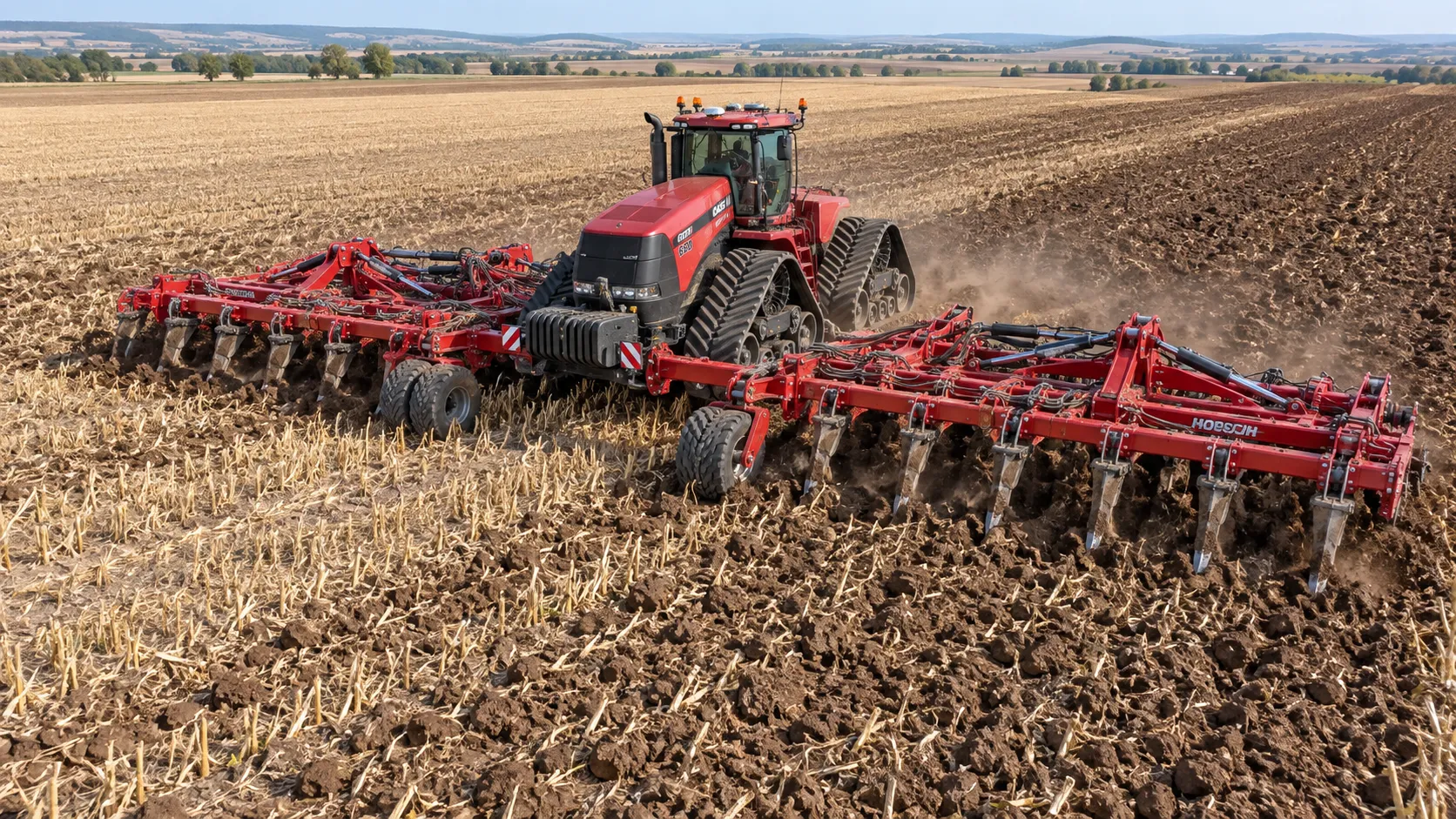
How to Select Heavy-Duty Farm Implements for High-Acreage, High-Horsepower Operations
Heavy duty farm implements: learn how to match draft, hydraulics, hitch capacity, frame strength, and field conditions for reliable high-acreage performance.
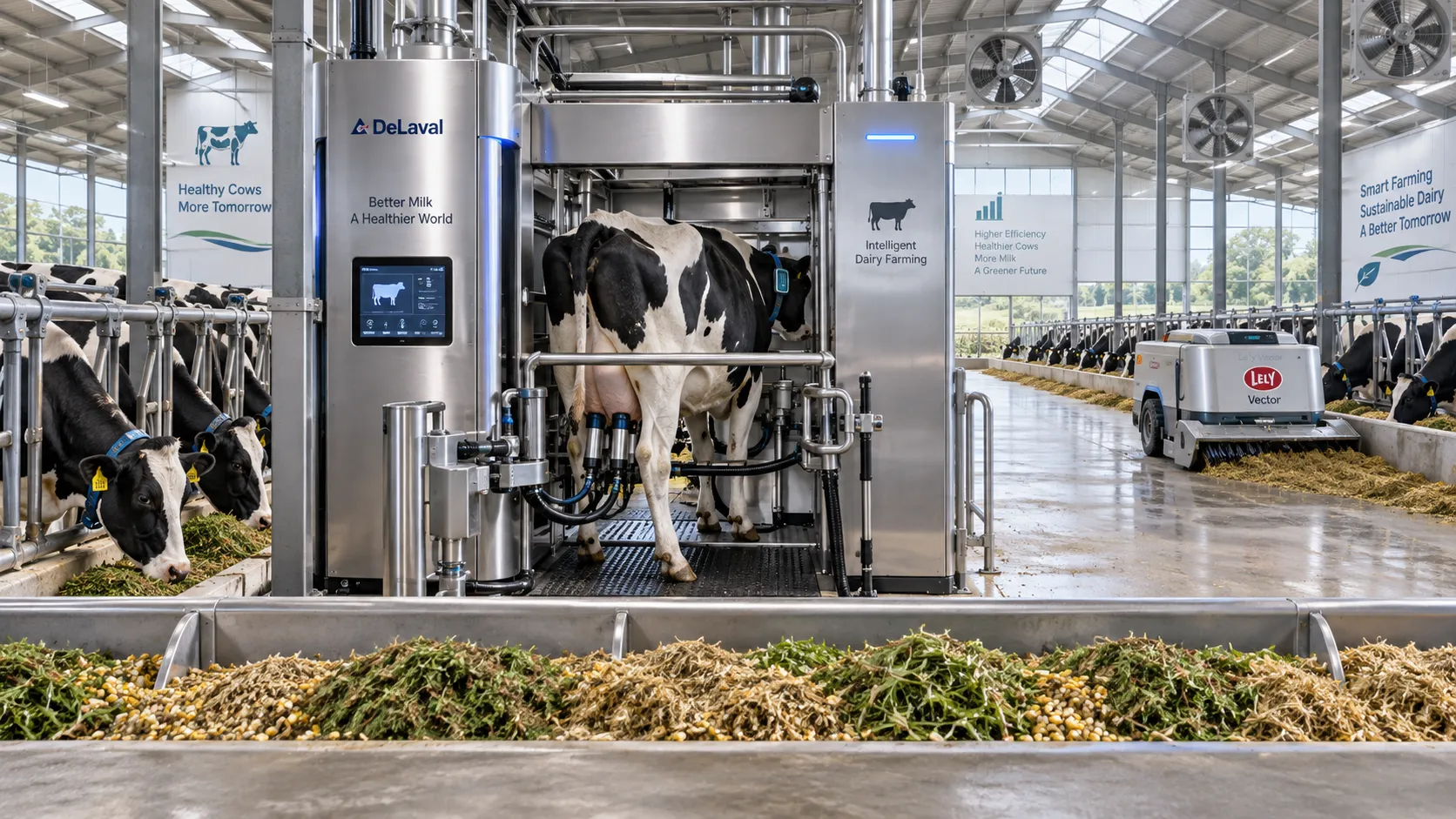
Smart Farming Technology for Dairy Farms: Where Automation Delivers Measurable ROI
Smart farming technology for dairy farms delivers measurable ROI through automation, precision feeding, health monitoring, and data-driven cost control.
Related News
- 00
0000-00
Selecting Real-Time Soil Moisture Sensors for Irrigation Zone Control - 00
0000-00
How Does Climate-Smart Farming Reduce Water Use in Semi-Arid Areas? - 00
0000-00
USDA Rule Takes Effect: Dual FCC and NRCS Approval for Soil Moisture Sensors - 00
0000-00
EU Rule Takes Effect: Soil Moisture Sensors Need Revised CE-EMC Certification - 00
0000-00
How to Choose Wireless Smart Irrigation Systems for Better Water Control
Popular Tags
Hydrological Resource Strategist
Weekly Insights
Stay ahead with our curated technology reports delivered every Monday.