
ANVISA Exempts Chinese Soil Moisture Sensors from Registration
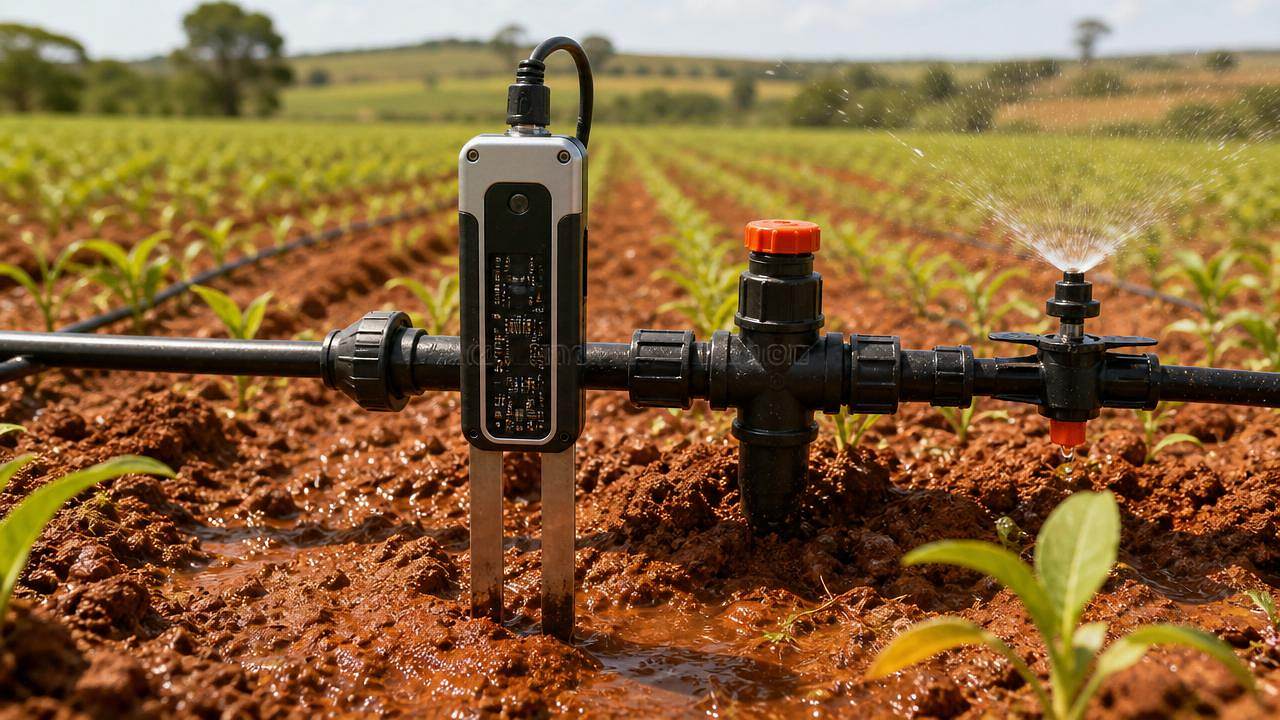




Brazil’s National Health Surveillance Agency (ANVISA) announced on May 13, 2026, the registration exemption for Chinese-made soil moisture sensors intended as integral components of drip irrigation systems. This development directly affects agricultural technology exporters, irrigation equipment manufacturers, and supply chain stakeholders engaged in the South American agri-tech market — particularly those targeting Brazil’s major farming regions.
Event Overview
On May 13, 2026, ANVISA issued an official notice exempting soil moisture sensors manufactured in China from mandatory pre-market registration under its regulatory framework. The exemption applies specifically when these sensors are incorporated into complete drip irrigation systems exported as integrated units. As confirmed in the publicly released notice, the measure enables direct market entry of such assembled systems without requiring separate device-level registration for the sensors.
Which Subsectors Are Affected
Direct Trade Enterprises
These companies export finished drip irrigation systems containing Chinese-sourced soil moisture sensors. They are affected because the exemption eliminates a prior regulatory barrier to customs clearance and local distribution. Impact includes reduced time-to-market (estimated shorter clearance cycles), lower compliance-related administrative costs, and simplified documentation requirements for bundled system imports.
Manufacturing Enterprises (Irrigation System Integrators)
Firms assembling drip irrigation systems using imported Chinese sensors now face fewer regulatory constraints at the final product level. The impact centers on streamlined certification pathways: sensor-level conformity assessments are no longer required by ANVISA when embedded in certified whole-system exports. This may influence design-for-compliance decisions and component sourcing strategies.
Supply Chain & Logistics Service Providers
Third-party logistics operators, customs brokers, and regulatory consultants supporting agri-tech exports to Brazil will need to update documentation protocols. The impact lies in revised classification guidance for mixed shipments — sensors shipped separately remain subject to standard registration rules, while those embedded in certified drip systems do not. This introduces a new layer of classification diligence.
What Relevant Enterprises or Practitioners Should Focus On and How to Respond
Monitor official implementation guidance from ANVISA
The exemption is effective as of May 13, 2026, but detailed technical criteria — such as acceptable integration methods, labeling requirements for embedded sensors, and verification procedures during import inspection — have not yet been published. Stakeholders should track updates from ANVISA’s official portal and Brazilian customs authorities.
Distinguish between embedded and standalone sensor shipments
This policy applies exclusively to sensors installed within certified drip irrigation systems. Exporters must ensure that commercial invoices, packing lists, and technical dossiers explicitly reflect system-level integration. Standalone sensor exports — even if destined for local assembly — remain subject to full ANVISA registration. Misclassification risks non-clearance or reclassification penalties.
Verify alignment with existing Brazilian conformity frameworks
The exemption does not replace other applicable requirements, including INMETRO certification for electrical safety or ABNT standards for irrigation performance. Enterprises should confirm whether their drip system models already meet these broader conformity obligations — the sensor exemption only removes one specific regulatory step.
Prepare updated technical documentation for customs submission
Importers and exporters should revise supporting documents to clearly identify the sensor as a non-standalone, functionally integrated component. Recommended elements include: a system architecture diagram, a declaration of integration signed by the manufacturer, and evidence of system-level testing. Proactive preparation helps avoid delays during customs review.
Editorial Perspective / Industry Observation
Observably, this move signals a targeted regulatory recalibration rather than a broad liberalization of medical-device-adjacent hardware oversight. ANVISA’s decision appears calibrated to support agricultural productivity goals — aligning with Brazil’s national irrigation expansion plans — while maintaining control over higher-risk standalone monitoring devices. Analysis shows the exemption is narrowly scoped: it hinges on functional integration and system-level certification, not origin-based general deregulation. From an industry perspective, this is best understood as a procedural facilitation for a defined use case, not a precedent for wider sensor deregulation across other sectors or jurisdictions.
It is currently more accurate to interpret this as a signal of evolving risk-based prioritization within ANVISA’s enforcement posture — especially for agri-tech components with low public health exposure — rather than an established, scalable policy model. Continued observation is warranted to assess whether similar exemptions emerge for related environmental sensors (e.g., soil pH or salinity) in future ANVISA notices.
Conclusion
This exemption represents a concrete, operational improvement for exporters of integrated smart irrigation systems to Brazil — reducing friction at the regulatory interface without altering core safety or performance expectations. Its significance lies not in sweeping change, but in targeted administrative relief aligned with sector-specific infrastructure priorities. Currently, it is more appropriately understood as a conditional, context-bound facilitation — one that supports near-term trade execution while requiring careful attention to scope boundaries and documentation rigor.
Source Attribution
Main source: Official notice issued by Agência Nacional de Vigilância Sanitária (ANVISA), published May 13, 2026.
Note: Implementation details — including integration validation criteria, labeling specifications, and enforcement protocols — remain pending formal publication and are subject to ongoing monitoring.
Related News
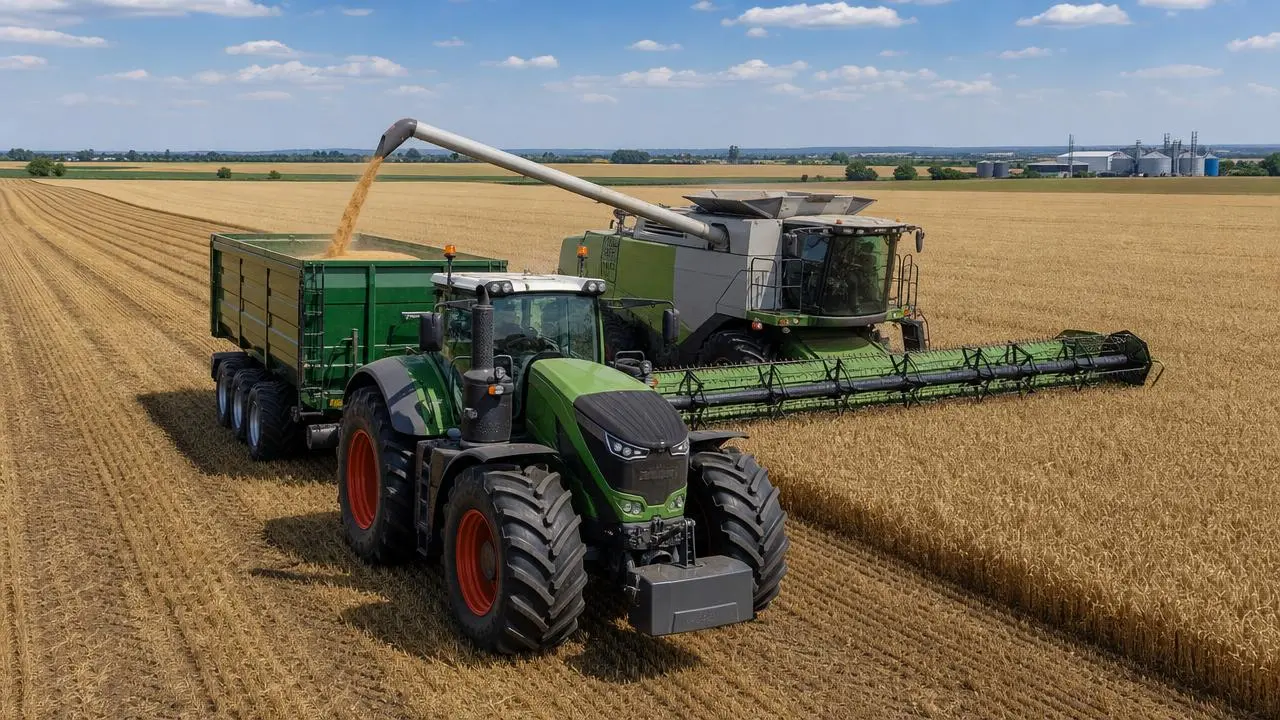
When hybrid technology makes sense for farm machinery fleets
Hybrid technology for agricultural machinery makes sense when fleets need lower fuel use, better uptime, and smarter ROI. See where hybrid farm equipment delivers real value.
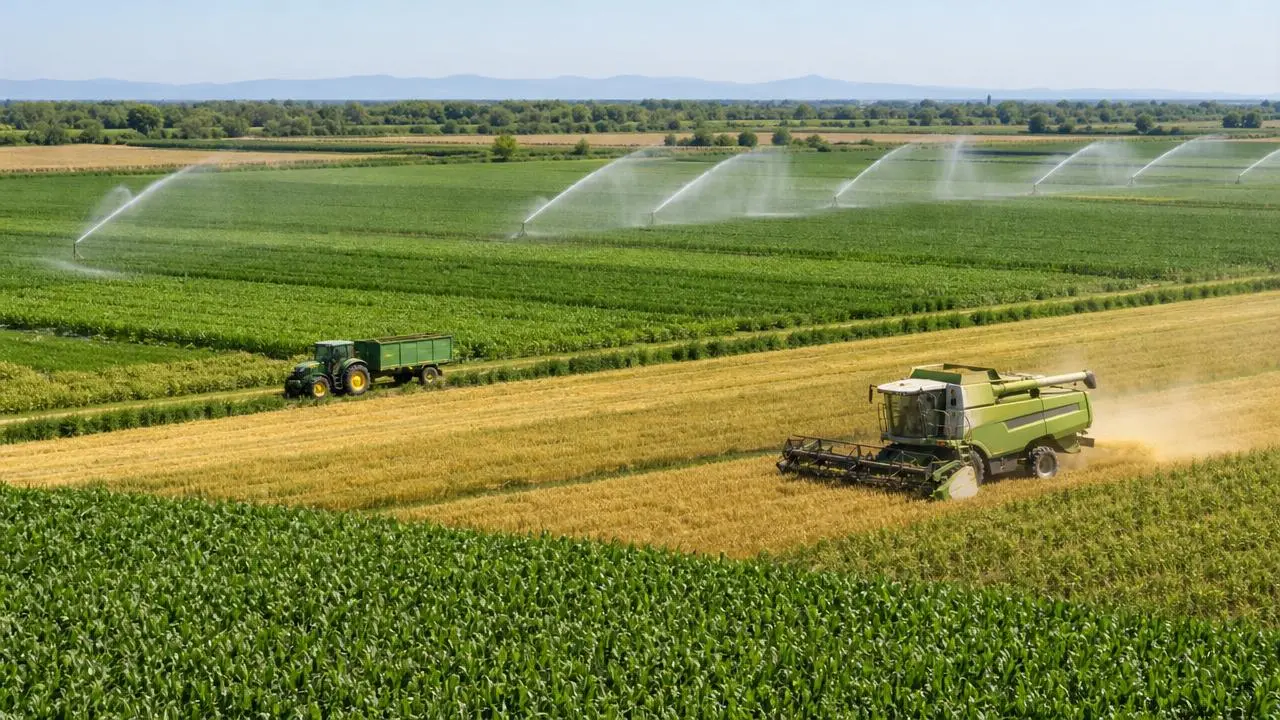
Climate-resilient agriculture practices with measurable field gains
Climate-resilient agriculture practices deliver measurable field gains through smarter irrigation, precision operations, and equipment efficiency—helping farms cut risk, stabilize yields, and improve ROI.
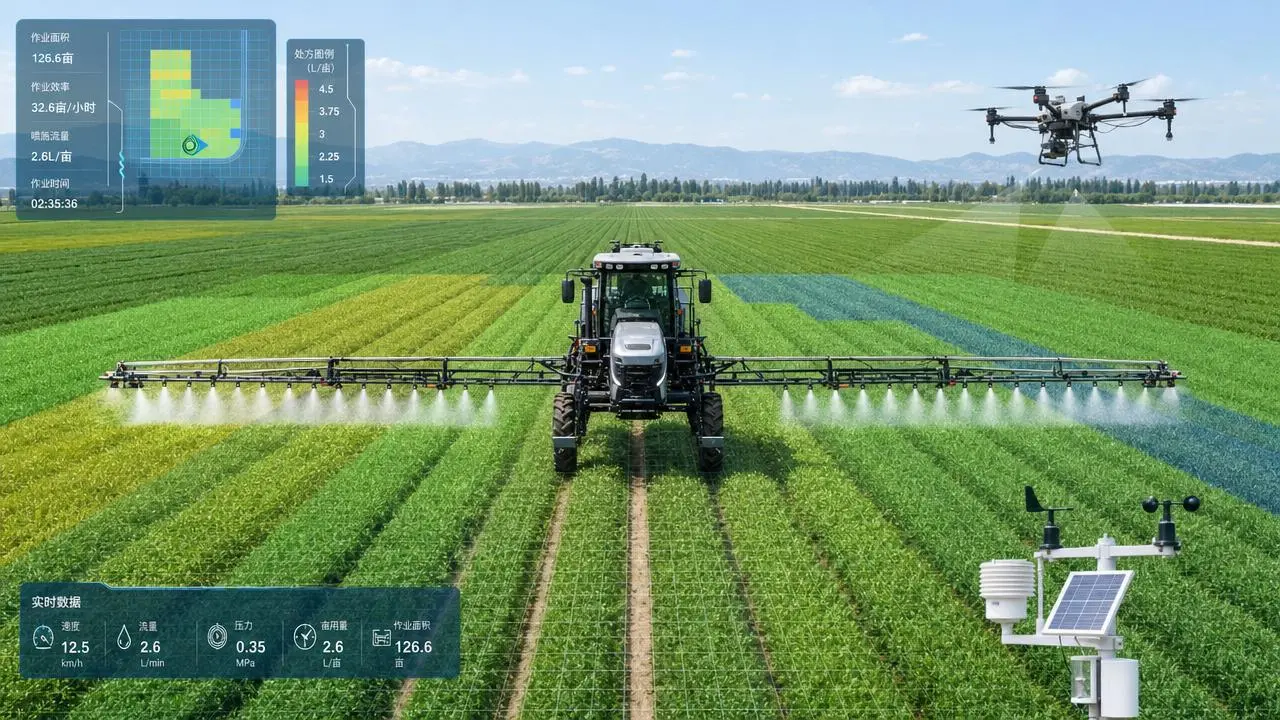
Plant protection solutions that fit precision agriculture better
Plant protection solutions for precision agriculture that improve sprayer compatibility, reduce waste, and strengthen ROI. Discover smarter sourcing strategies for modern farming.
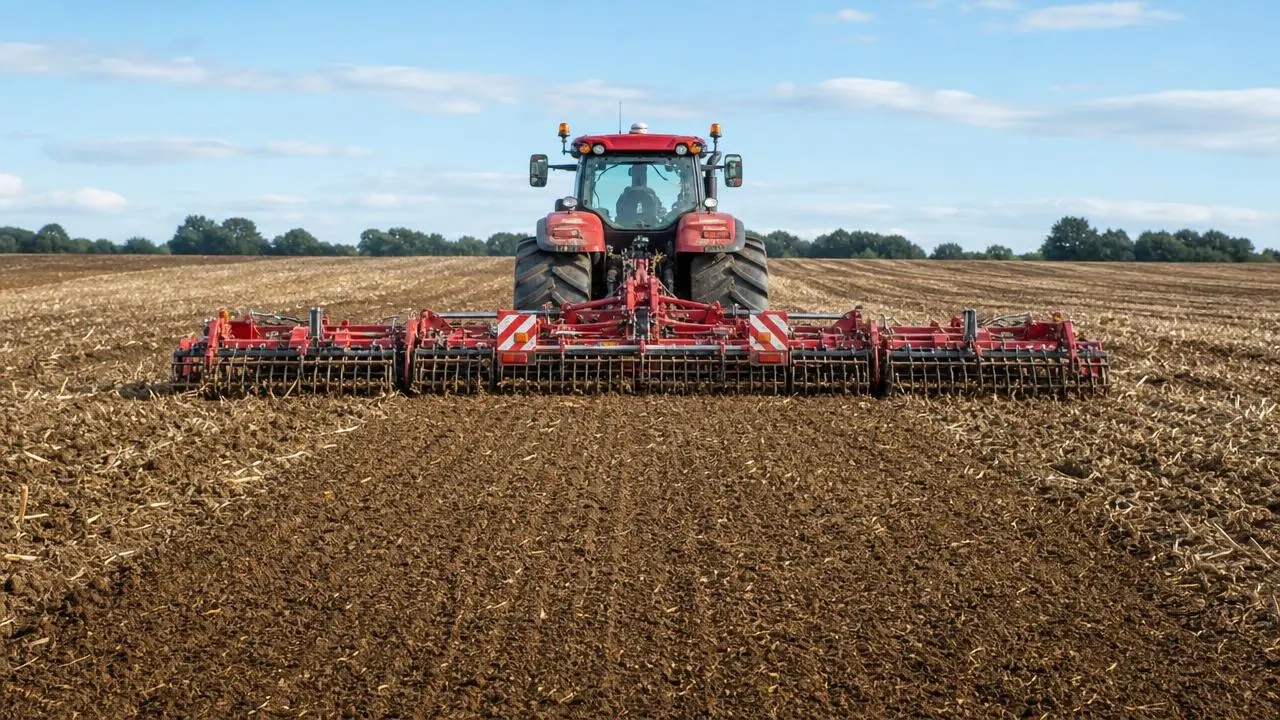
Soil preparation equipment gaps that hurt precision results
Soil preparation equipment for precision agriculture can hide depth, leveling, and residue gaps that cut emergence and efficiency. Learn what to check before losses spread.
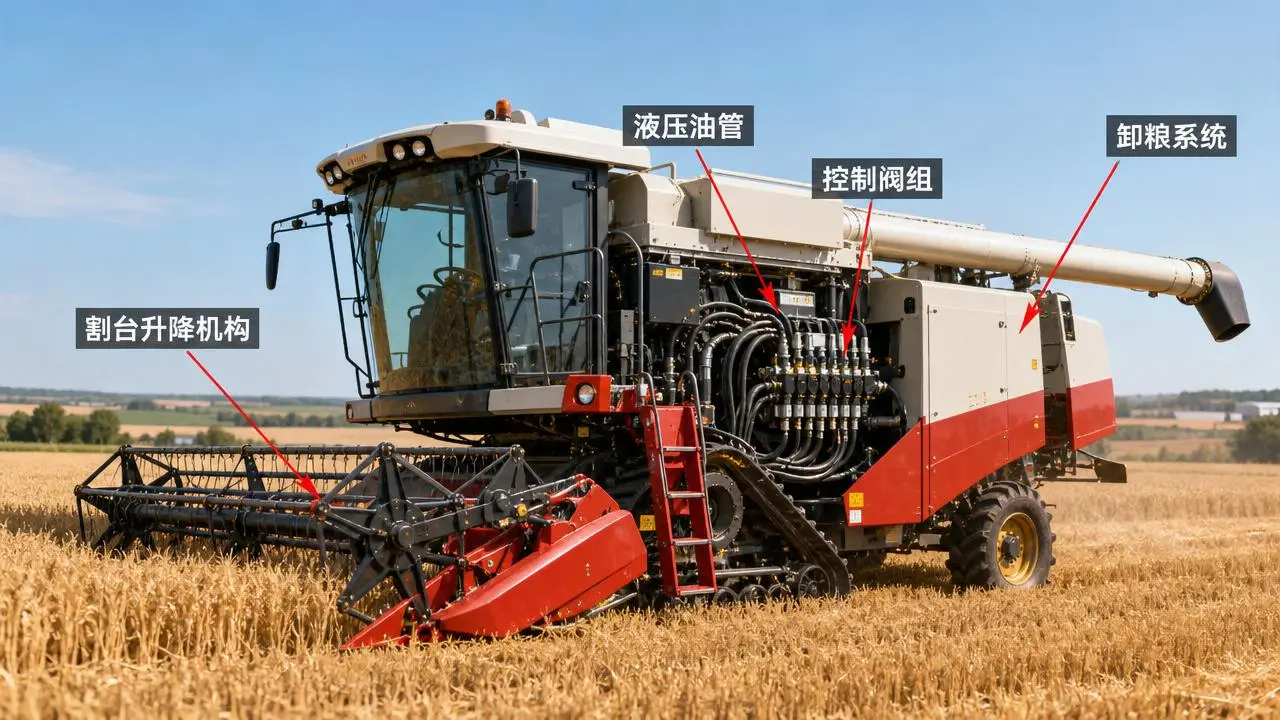
Hydraulic control system faults that slow combine harvesters
Hydraulic control systems for combine harvesters can hide the faults behind slow header lift, heavy steering, and delayed unloading. Learn fast field diagnostics to cut downtime and protect yield.
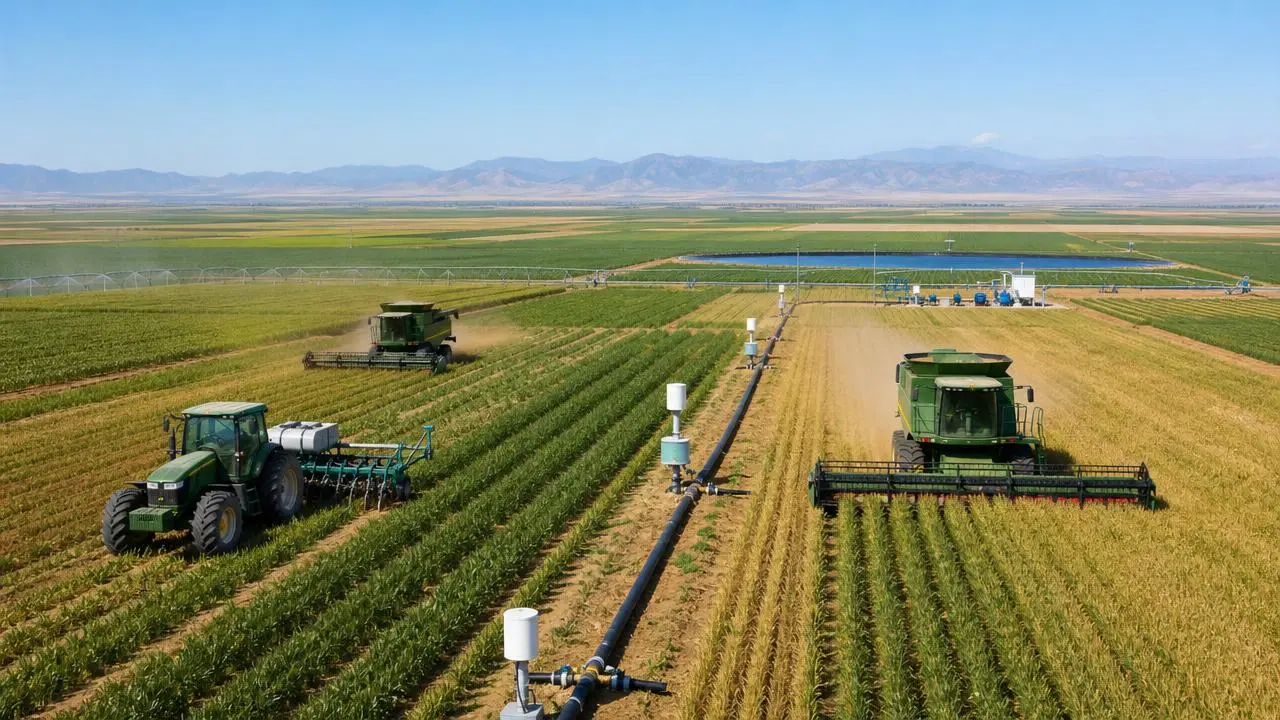
What weakens food security in climate-smart farming plans
Climate-smart farming practices for food security can fail when machinery, irrigation, data, and inputs break down. Discover the hidden risks weakening yields and resilience.
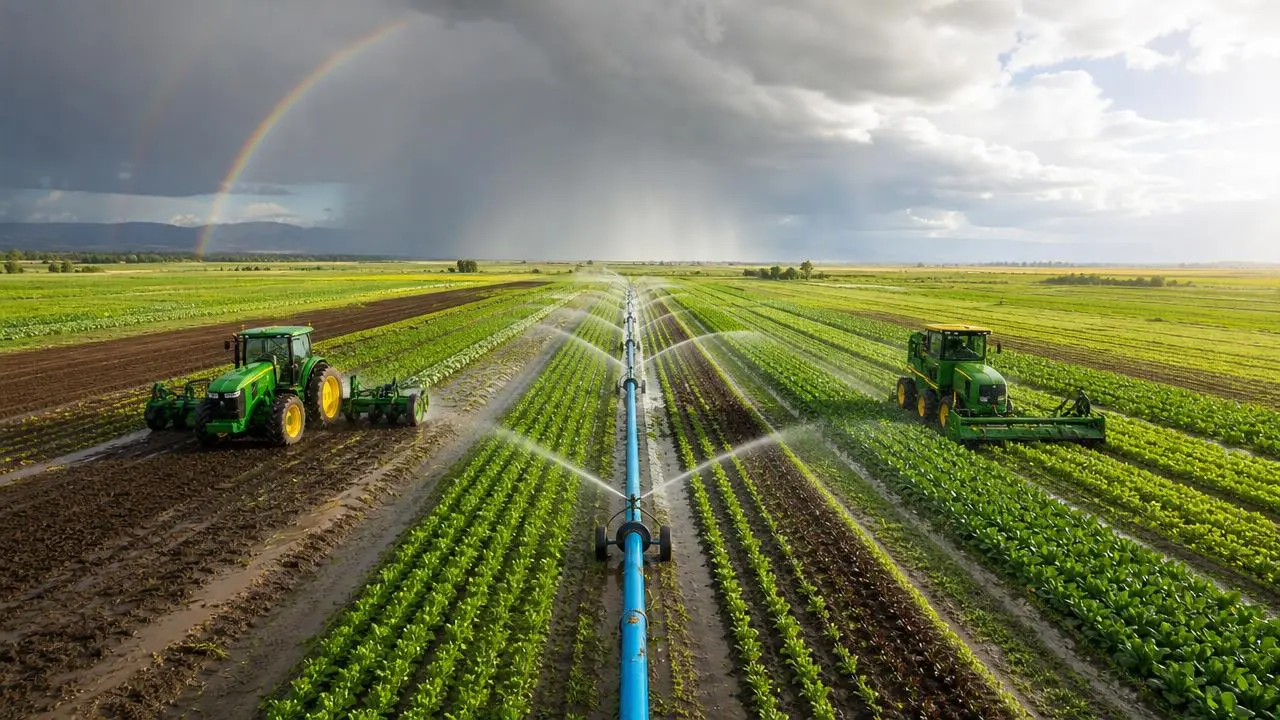
Sustainable farming practices that hold up in extreme weather
Sustainable farming practices for climate resilience help farms withstand drought, floods, and heat with smarter soil, water, equipment, and data strategies. Learn what works.
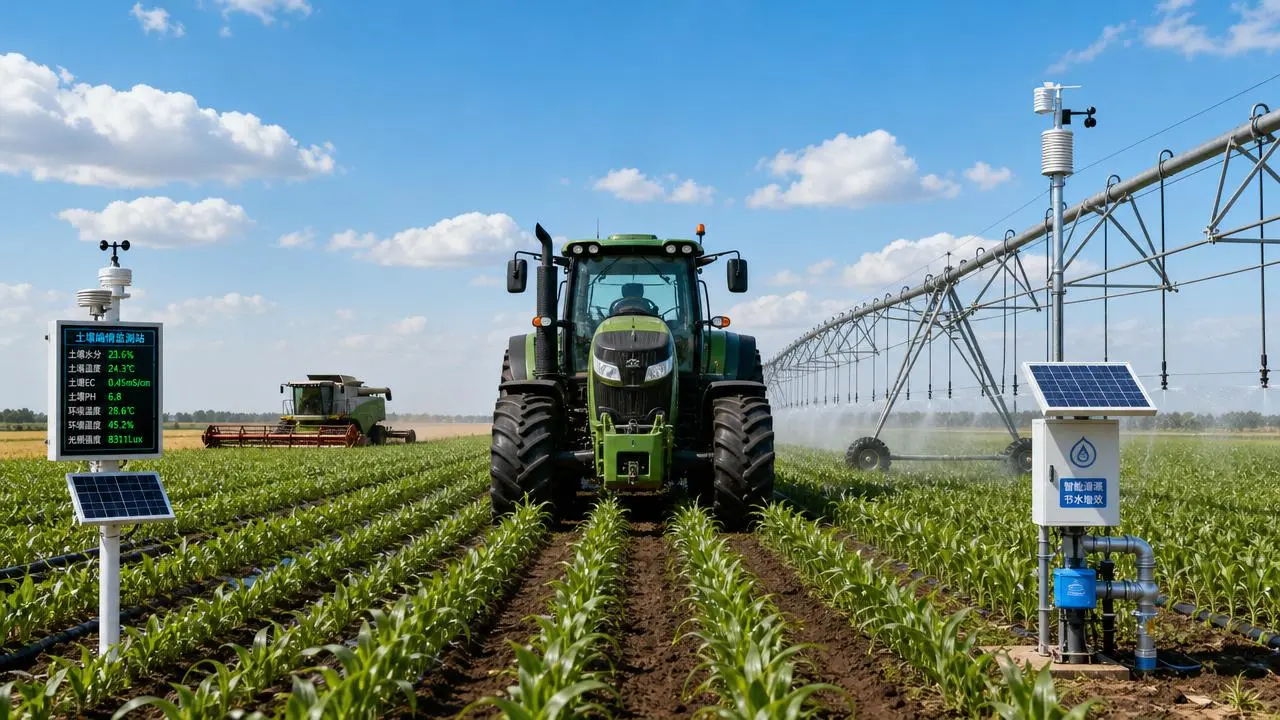
Can precision agriculture really improve food security?
Food security through precision agriculture: discover how smart irrigation, sensors, and data-driven machinery can reduce waste, protect yields, and build more resilient farming systems.
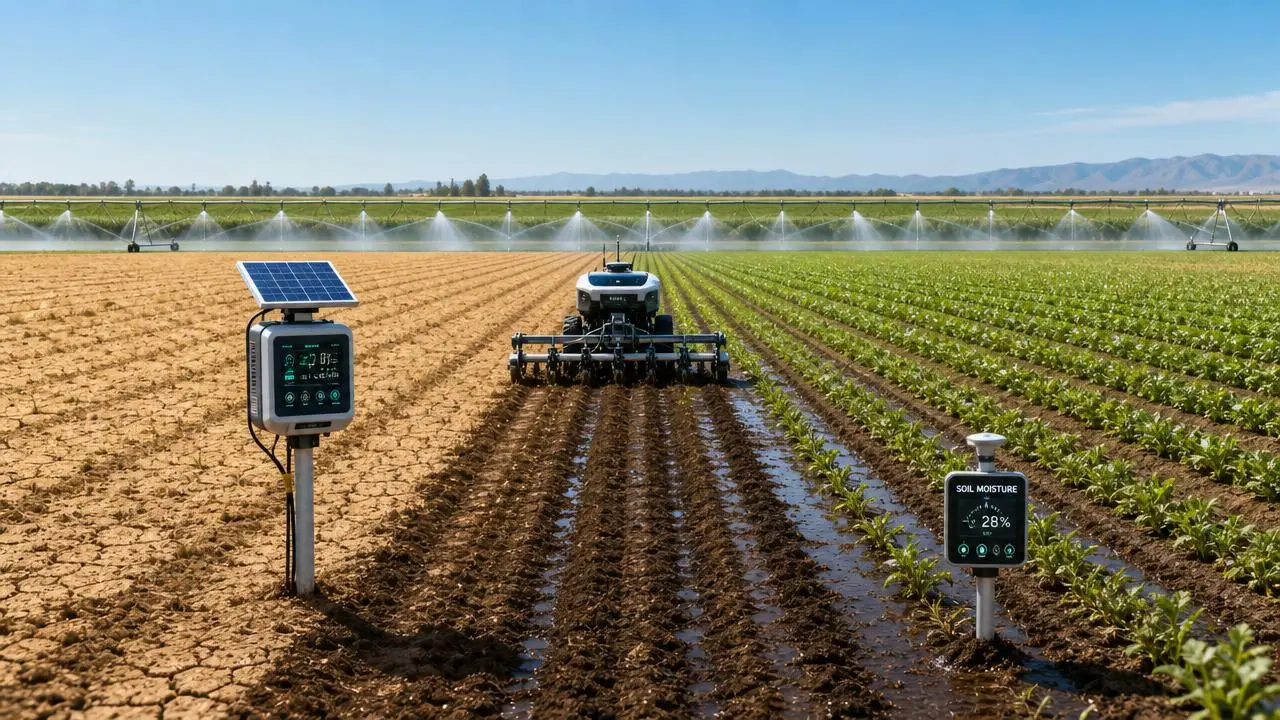
Precision agriculture technology for sustainable farming in dry years
Precision agriculture technology for sustainable farming helps growers save water, reduce input waste, and protect yields in dry years with smarter irrigation, sensors, and data-driven field decisions.
Related News
- 00
0000-00
Climate-resilient agriculture practices with measurable field gains - 00
0000-00
ANVISA Exempts Chinese Soil Moisture Sensors from Registration - 00
0000-00
Crop Monitoring Technology Can Miss Early Stress Signals - 00
0000-00
ANVISA Exempts Chinese Soil Moisture Sensors from Registration - 00
0000-00
ANVISA Exempts Chinese Soil Moisture Sensors from Registration
Popular Tags
Hydrological Resource Strategist
Weekly Insights
Stay ahead with our curated technology reports delivered every Monday.