
When hybrid technology makes sense for farm machinery fleets
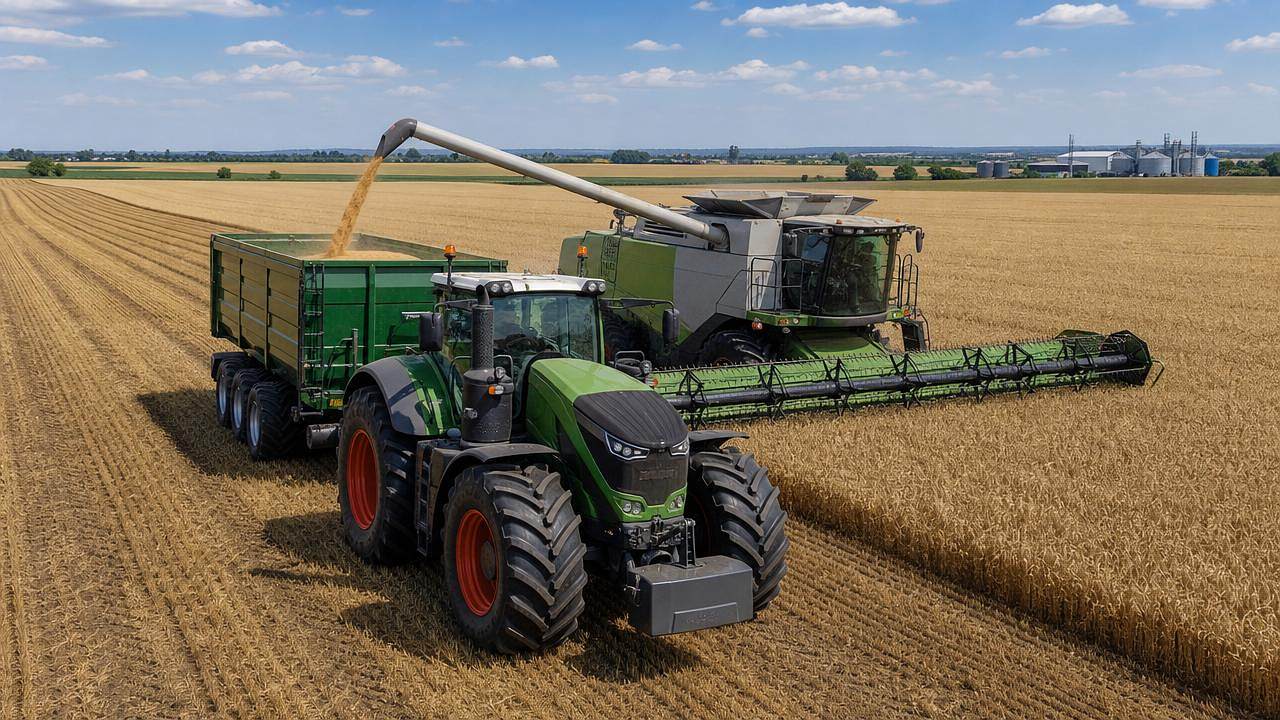




As dealers, distributors, and agents reassess equipment portfolios under rising fuel, labor, and sustainability pressures, hybrid technology for agricultural machinery is becoming a practical decision rather than a future concept. For farm machinery fleets, the real question is not whether hybridization sounds innovative, but where it delivers measurable value in uptime, operating cost, field efficiency, and long-term market demand.
For channel partners serving large farms, contractors, and agricultural enterprises, that question has direct commercial consequences. A hybrid machine that reduces idling fuel burn by 10% to 20%, improves power delivery in variable load conditions, or lowers wear on mechanical driveline components can change not only the operator experience, but also inventory planning, service offerings, and residual value strategy.
At the same time, hybrid adoption in agriculture is not universal. Field conditions, duty cycles, crop systems, hydraulic demands, and charging or fueling realities differ widely across regions. That is why hybrid technology for agricultural machinery should be evaluated by application, fleet profile, and ownership model rather than by marketing language alone.
Where hybrid technology creates practical value in farm machinery fleets
In agricultural operations, hybrid systems make the most sense where machines face frequent load variation, repeated acceleration, extended idling, or high auxiliary power demand. In those conditions, the combination of an internal combustion engine with electric assist, energy recovery, or electrically driven subsystems can improve efficiency without requiring a fully electric field ecosystem.
High-potential machine categories
The strongest near-term fit is often found in tractors used for mixed duties, combines operating in long harvest windows, and self-propelled machines that rely heavily on hydraulic and variable-speed systems. In fleets running 600 to 1,200 hours per year per unit, even modest efficiency gains can materially affect total operating cost.
- Medium and high-horsepower tractors in transport-heavy or stop-start work cycles
- Combine harvesters with fluctuating threshing and cleaning loads across field zones
- Forage and spraying platforms where auxiliary systems consume meaningful engine power
- Intelligent implements that benefit from electric power delivery and more precise control logic
Why duty cycle matters more than headline power
A 250 hp machine does not automatically gain more from hybridization than a 150 hp machine. The key issue is how power is used over time. If the machine spends 25% to 35% of its workday in low-load transitions, road transport, or partial-load operations, a hybrid layout may offer more value than in steady, full-load tillage applications.
This is especially relevant for dealers building regional stock. A grain region focused on long-distance transport between fragmented fields may see faster customer interest than an area dominated by deep ripping under consistent drawbar load.
The table below highlights typical situations where hybrid technology for agricultural machinery tends to perform better, and where distributors should be more cautious when positioning it.
The practical takeaway is clear: hybrid value is application-specific. Dealers that align product positioning with actual field duty cycles are more likely to protect margins and avoid slow-moving stock.
What dealers, distributors, and agents should evaluate before adding hybrid models
Hybrid technology for agricultural machinery introduces a different sales conversation than conventional diesel equipment. The machine must be assessed not only by rated horsepower or header capacity, but by energy architecture, service readiness, software support, and customer operating profile. For channel partners, the decision is both technical and commercial.
Five core evaluation dimensions
- Duty-cycle fit: How many hours per season involve variable load, transport, or hydraulic-intensive work?
- Service capability: Can your team diagnose power electronics, battery modules, and control software within 24 to 48 hours?
- Parts availability: Are key hybrid components stocked regionally with a 7 to 14 day replenishment path?
- Customer economics: Is there a realistic payback period of 3 to 6 years under local fuel and labor costs?
- Resale outlook: Will the local secondary market accept hybrid platforms after 4 to 7 seasons?
Do not confuse partial electrification with full fleet transition
One common mistake is to treat hybrid machines as if they require the same infrastructure shift as full electric equipment. In many cases, they do not. Hybrid tractors or combines can often fit into existing fuel logistics while still adding electric assist, smarter load balancing, and lower peak engine stress.
That lower adoption barrier matters for distributors. It can shorten the sales cycle from 9 to 12 months to a more manageable evaluation period, especially among customers who want incremental efficiency rather than a complete energy-system overhaul.
Before committing inventory, many channel partners use a structured screening matrix like the one below to compare hybrid readiness across customer accounts and regional product lines.
This kind of matrix helps reduce speculative purchasing. It also gives sales teams a more credible way to discuss hybrid technology for agricultural machinery with procurement managers who expect numbers, not slogans.
How hybrid platforms affect service, parts, and aftersales revenue
For many distributors, aftersales determines whether a product category becomes strategic or problematic. Hybrid equipment changes maintenance patterns rather than eliminating service needs. Some mechanical wear points may decline, but diagnostic requirements, electrical safety procedures, thermal management checks, and software calibration become more important.
Expected shifts in service demand
In a conventional fleet, service demand centers on filters, belts, hydraulic leaks, engine load issues, and transmission wear. In a hybrid fleet, those items remain relevant, but dealers may also see demand for inverter inspection, battery cooling checks, sensor validation, controller updates, and system fault tracing. Training cycles for technicians may range from 2 to 5 days for basic readiness and longer for advanced diagnostics.
- Pre-delivery inspection expands to include electrical isolation and software status checks
- Seasonal maintenance may include thermal system review and power-control diagnostics
- Workshop tools may need insulated equipment and updated diagnostic interfaces
- Remote support becomes more valuable when software and sensor faults can be identified quickly
A revenue risk and a revenue opportunity
If a dealer sells hybrid machinery without building technical support capability, the risk is clear: longer downtime, customer hesitation, and reduced reorder confidence. But if the service team can respond within 24 hours, hold critical spares, and provide operator guidance, hybrid equipment can strengthen long-term account retention.
This is particularly relevant in harvesting operations, where a 1-day stoppage during a narrow crop window can cost more than the annual savings from efficiency improvements. In that environment, support quality often outweighs purchase price differences of 5% to 10%.
How to position hybrid machinery to different farm customer segments
Not every buyer will respond to the same value proposition. Some will care most about fuel savings, others about operator comfort, power management, emissions direction, or precision compatibility. Dealers who segment their accounts can market hybrid technology for agricultural machinery with far more accuracy.
Segment-specific positioning
Large corporate farms often evaluate machinery through total cost of ownership and reporting requirements. For them, a hybrid unit may support internal carbon targets, reduce fuel volatility, and integrate more smoothly with data-driven field operations. Contractors, by contrast, tend to focus on uptime, versatility, and fast operator adaptation across multiple jobs.
Family-owned medium-sized farms may need a simpler message: lower partial-load waste, smoother control, and better long-term fit with precision implements. Their buying threshold is often tighter, so financing structure and resale confidence become essential talking points.
Questions sales teams should ask before recommending a hybrid unit
- How many engine hours does the target machine complete each season?
- What share of work involves transport, variable crop density, or repeated low-speed adjustments?
- Is the customer already using precision farming tools, sensor-based implements, or data-linked service support?
- How important are fuel budgeting and sustainability metrics in procurement decisions?
- Will the customer keep the machine for 5+ years or rotate it quickly?
These five questions help separate curiosity from genuine commercial fit. They also prevent hybrid models from being oversold into operations where a conventional platform remains the better answer.
Common misconceptions and risk controls in hybrid fleet adoption
Hybrid technology for agricultural machinery is often misunderstood in two opposite ways. Some buyers assume it is an expensive experiment with little field value. Others expect immediate savings in every operating condition. Both assumptions are risky. The better approach is to define where the technology works, what support is required, and what success metrics should be tracked over the first 12 to 24 months.
Four frequent mistakes
- Buying based on emissions image rather than duty-cycle economics
- Ignoring technician training and spare parts planning
- Applying road-vehicle hybrid assumptions directly to field machinery
- Failing to monitor actual fuel, uptime, and maintenance performance after delivery
Recommended rollout process for distributors
A disciplined rollout usually works better than a broad portfolio launch. Many distributors begin with 1 to 3 pilot accounts in high-visibility applications, track seasonal performance, train service staff in parallel, and refine the sales message before scaling inventory. This reduces both technical surprises and channel friction.
Useful performance checkpoints include fuel use per operating hour, downtime events per season, operator acceptance after the first 50 to 100 hours, and maintenance intervention frequency during peak field periods. Those metrics create a more reliable basis for expansion than generic demand assumptions.
What success looks like in practical terms
A successful hybrid deployment does not require dramatic transformation. It may simply mean a machine that handles variable loads better, consumes less fuel during transport and low-load periods, and gives customers confidence that their next fleet renewal can move further toward intelligent, resource-saving operations.
For organizations following Agriculture 4.0 trends, that step matters. Hybrid systems can act as a bridge between conventional diesel fleets and more electrified, software-driven machinery ecosystems tied to precision tools, smarter hydraulics, and connected field decision-making.
For dealers, distributors, and agents, the best opportunities in hybrid technology for agricultural machinery lie in selective adoption, not blanket replacement. The strongest candidates are fleets with mixed duty cycles, meaningful annual usage, and customers who value uptime, fuel discipline, and long-term operational data. When backed by trained service teams, realistic ROI analysis, and careful market segmentation, hybrid platforms can become a credible addition to agricultural equipment portfolios.
AP-Strategy continues to track the intersection of tractor chassis evolution, combine performance, intelligent farm tools, and resource-saving field systems so channel partners can make better portfolio decisions with less guesswork. If you are evaluating which hybrid-ready machines fit your regional market, contact us to discuss product positioning, fleet suitability, and tailored commercial insights. Get a customized strategy, explore product details, and learn more about practical solutions for the next stage of farm machinery demand.
Related News
How to Select Precision Crop Protection Equipment for Variable Field Conditions
Precision crop protection equipment selection made simple: compare terrain, canopy, weather, control accuracy, and data workflows for reliable applications.
When Does Agricultural Machinery Leasing Cost Less Than Owning Equipment?
Agricultural machinery leasing can lower farm costs when use is seasonal or uncertain. Compare utilization, maintenance, cash flow, and risk to make a smarter equipment decision.
How to Evaluate Precision Fertilization System Suppliers for Farm-Scale Deployment
Precision fertilization systems suppliers: learn how to compare accuracy, integration, uptime, service, and total cost for confident farm-scale deployment.
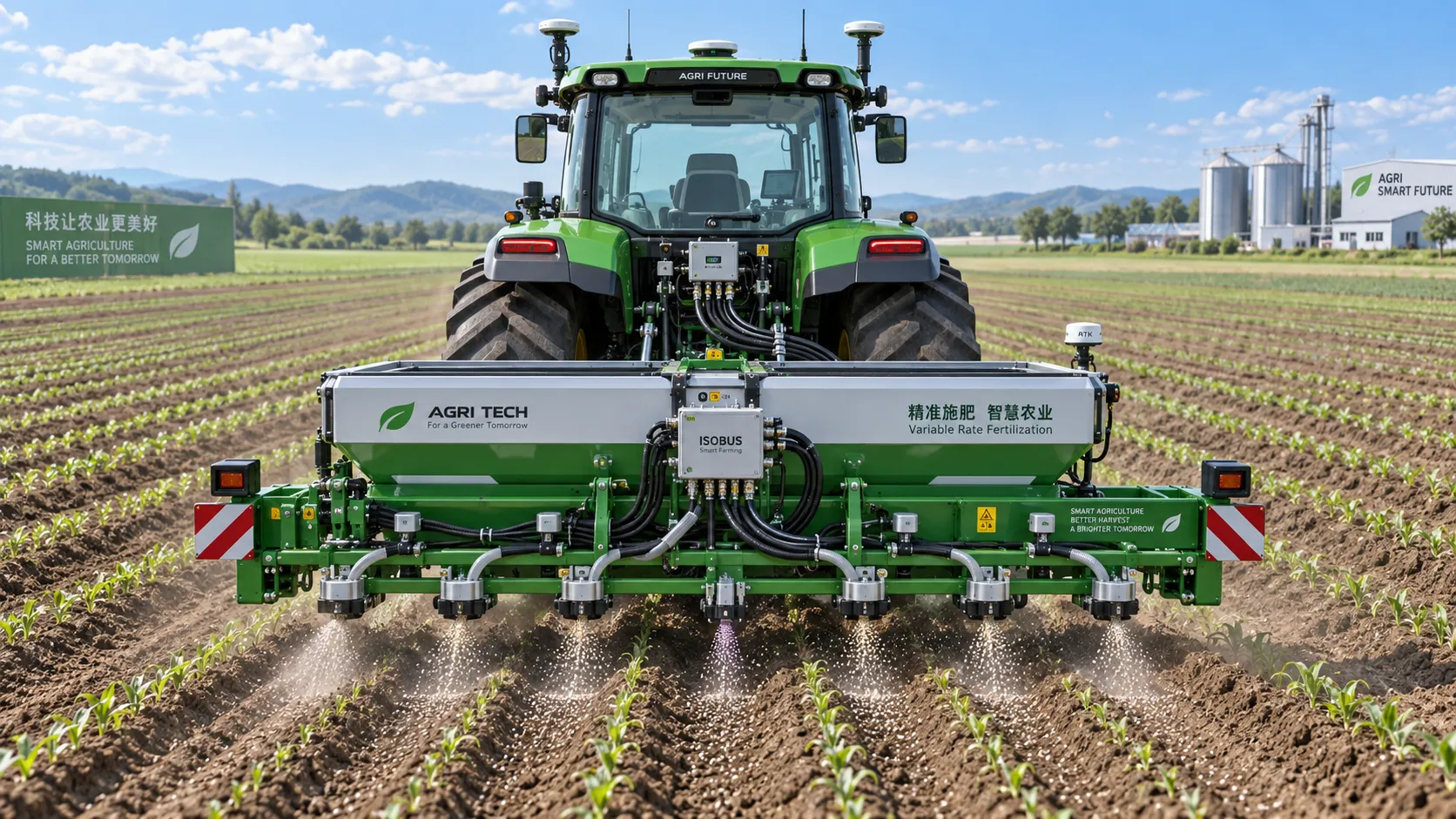
ISOBUS for Smart Agriculture: How It Connects Tractors, Implements, and Farm Data
ISOBUS for smart agriculture connects tractors, implements, terminals, and farm data—helping growers improve precision, documentation, and smarter field decisions.
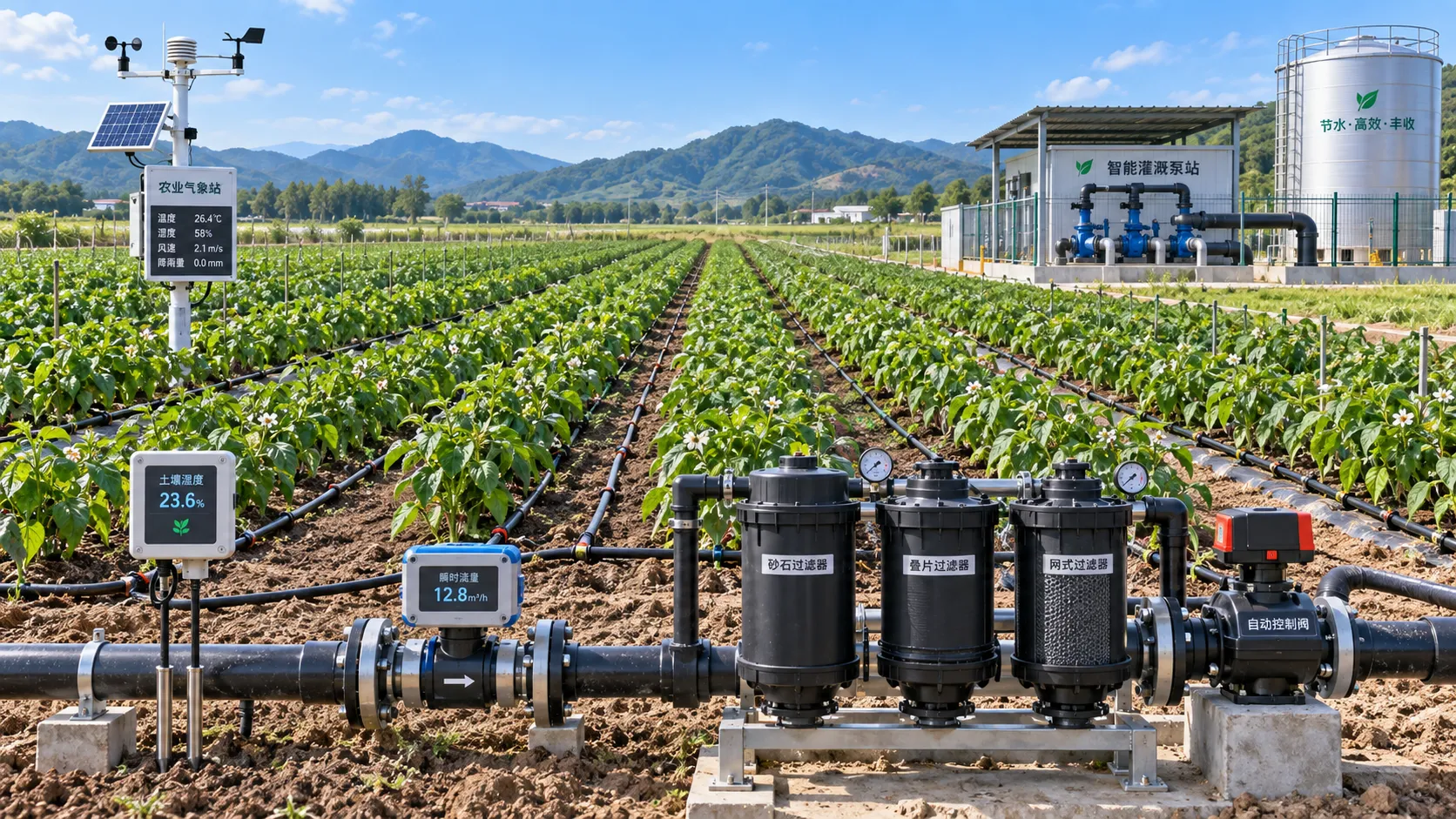
Automated Water-Saving Irrigation: How to Cut Water Use Without Reducing Crop Yields
Automated water-saving irrigation helps farms cut water use, protect crop yields, improve scheduling, and gain reliable control with sensors, flow monitoring, and smart zones.
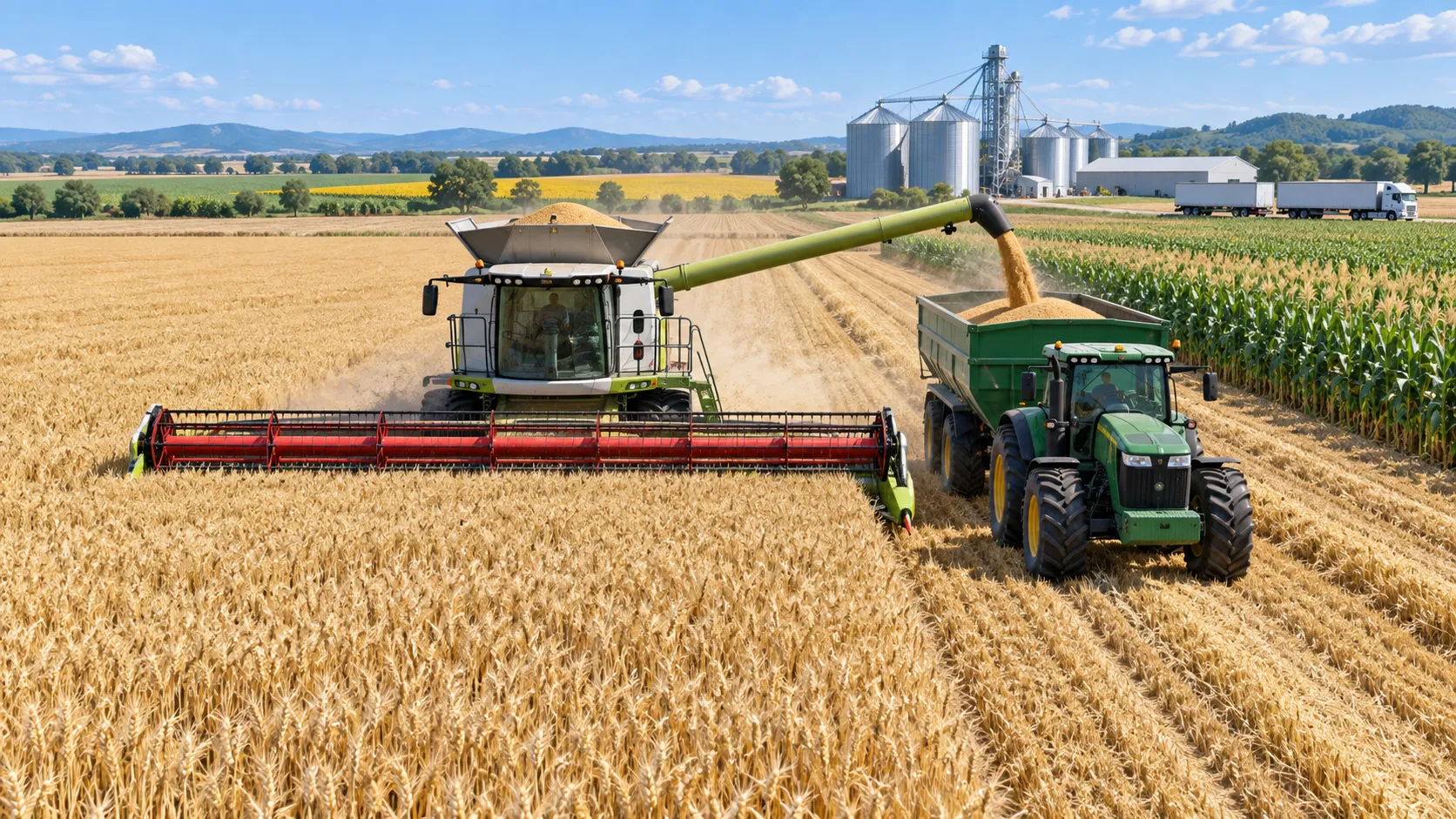
Selecting Grain Farm Equipment by Acreage, Crop Mix, and Harvest Window
Agricultural equipment selection for grain farming: match machinery to acreage, crop mix, and harvest windows to improve uptime, efficiency, and returns.
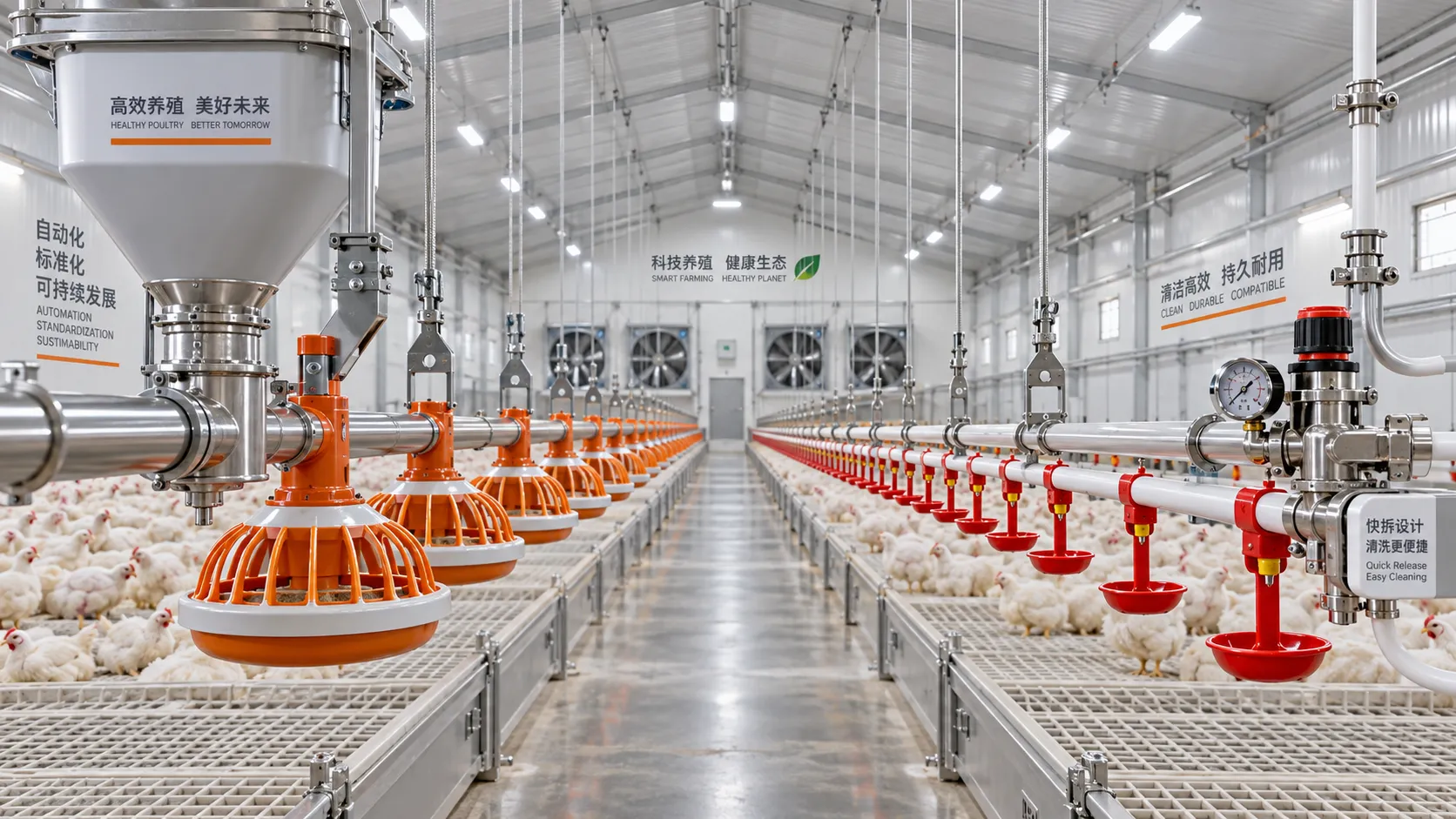
Poultry Equipment Selection: Evaluating Durability, Cleaning, and Compatibility
Poultry equipments selection guide: evaluate durability, cleaning access, and system compatibility to improve hygiene, reduce downtime, and support efficient flock management.
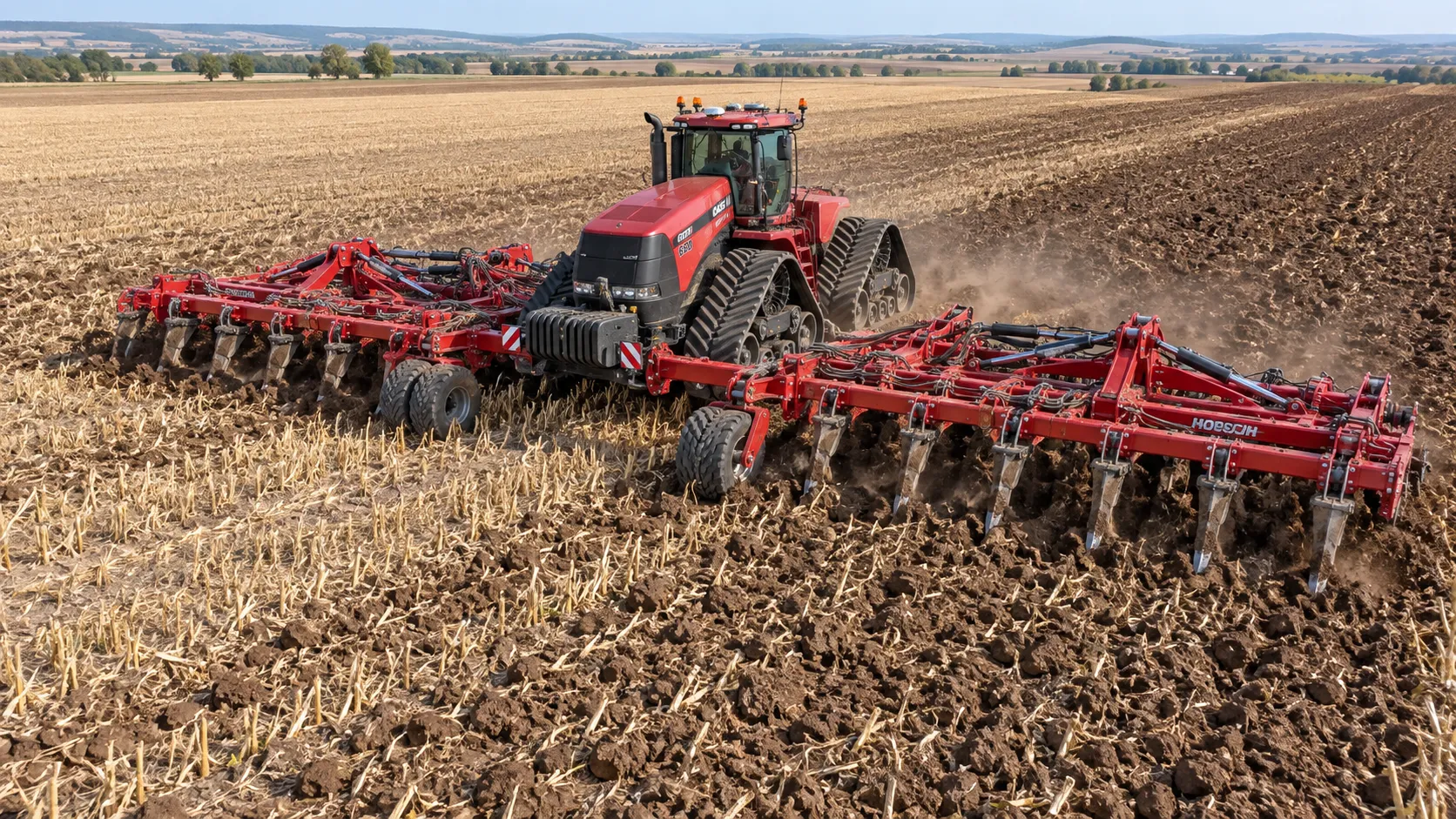
How to Select Heavy-Duty Farm Implements for High-Acreage, High-Horsepower Operations
Heavy duty farm implements: learn how to match draft, hydraulics, hitch capacity, frame strength, and field conditions for reliable high-acreage performance.
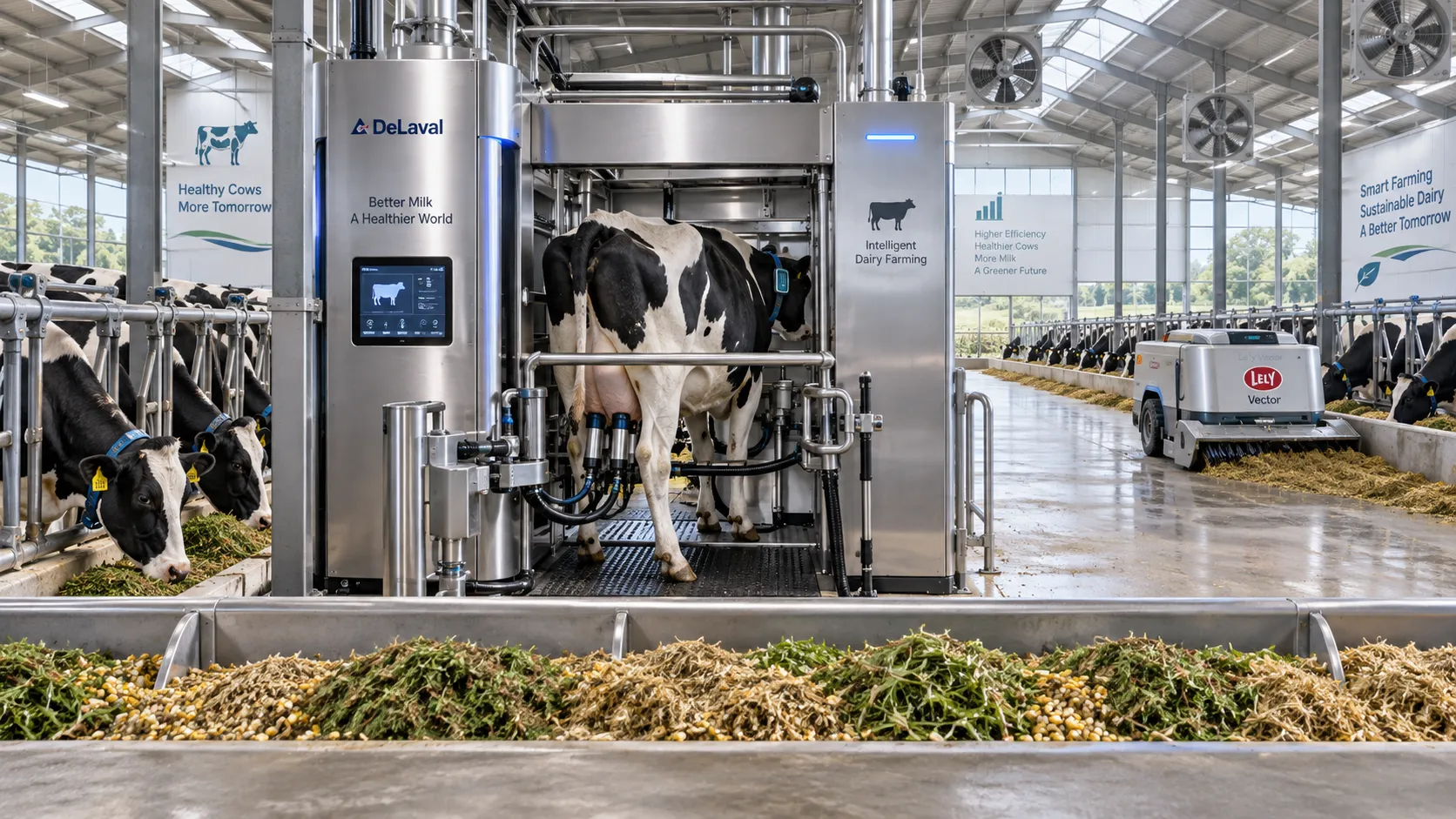
Smart Farming Technology for Dairy Farms: Where Automation Delivers Measurable ROI
Smart farming technology for dairy farms delivers measurable ROI through automation, precision feeding, health monitoring, and data-driven cost control.
Related News
- 00
0000-00
When Does Agricultural Machinery Leasing Cost Less Than Owning Equipment? - 00
0000-00
Selecting Grain Farm Equipment by Acreage, Crop Mix, and Harvest Window - 00
0000-00
Poultry Equipment Selection: Evaluating Durability, Cleaning, and Compatibility - 00
0000-00
How to Select Heavy-Duty Farm Implements for High-Acreage, High-Horsepower Operations - 00
0000-00
Smart Farming Technology for Dairy Farms: Where Automation Delivers Measurable ROI
Popular Tags
Ms. Elena Rodriguez
Weekly Insights
Stay ahead with our curated technology reports delivered every Monday.