
Precision agriculture technology for sustainable farming in dry years
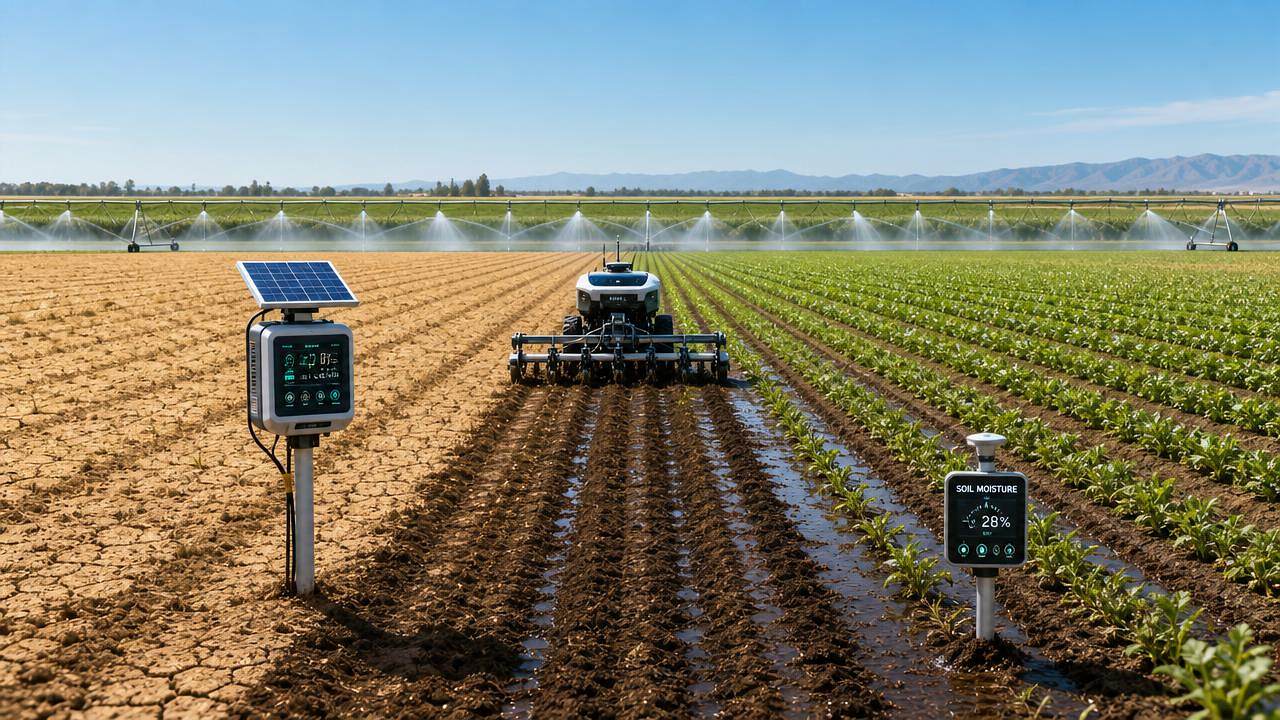




In dry years, precision agriculture technology for sustainable farming becomes a practical framework for protecting yield, water reserves, and field stability.
Drought no longer affects only irrigation plans. It also changes machinery timing, crop stress patterns, soil behavior, and harvest risk.
For agriculture intelligence platforms such as AP-Strategy, the main question is not whether to digitize operations, but how to connect equipment, sensors, and agronomic models into one resilient system.
This is where precision agriculture technology for sustainable farming delivers measurable value. It supports data-led irrigation, targeted input use, lower losses, and better adaptation during water-limited seasons.
Core meaning of precision agriculture technology for sustainable farming
Precision agriculture technology for sustainable farming combines sensing, positioning, analytics, and machine control to manage field variability with higher accuracy.
Instead of treating every hectare equally, it identifies differences in soil moisture, nutrient status, plant vigor, and traffic conditions.
During dry years, this approach becomes especially important because every unit of water, fuel, fertilizer, and machine time must work harder.
The concept usually includes four connected layers:
- Field sensing through soil probes, weather stations, satellite imagery, and crop canopy monitoring.
- Decision analytics using models for evapotranspiration, irrigation scheduling, and yield risk assessment.
- Execution through intelligent irrigation, variable-rate application, and guidance-enabled machinery.
- Feedback loops that compare planned actions with actual crop response and operational performance.
When these layers are integrated well, precision agriculture technology for sustainable farming moves from isolated gadgets to a true management system.
Industry context and key pressure points in dry years
Dry years create multiple constraints at the same time. Water scarcity is obvious, but secondary effects often drive larger economic losses.
Operators must often deal with earlier crop stress, uneven emergence, harder soils, and compressed harvesting windows.
AP-Strategy’s focus on machinery, combine systems, chassis performance, and smart irrigation fits this reality closely.
These signals explain why precision agriculture technology for sustainable farming has become central to both productivity and risk management.
Technology building blocks that matter most
Sensor accuracy and field visibility
Reliable data begins with reliable sensing. In dry seasons, small measurement errors can cause major irrigation mistakes.
Useful systems combine in-field moisture probes, weather data, and remote imagery rather than relying on one source alone.
Intelligent irrigation control
Water-saving irrigation systems become more effective when they react to zone conditions, not fixed calendars.
Smart controllers can adjust frequency, duration, and pressure according to crop stage, evapotranspiration, and pump constraints.
Guidance and machine integration
Large-scale machinery must fit the precision workflow. Guidance systems reduce overlap, save fuel, and protect moisture-sensitive zones.
Tractor chassis stability, hydraulic responsiveness, and implement control all influence whether prescriptions are executed correctly.
Harvest intelligence
Dry years often produce uneven maturity. Combine harvesters with strong loss monitoring and adaptive settings can reduce avoidable field losses.
This supports more accurate field maps, which then improve planning for the next season.
Business value and sustainability impact
The main benefit of precision agriculture technology for sustainable farming is not one single gain. It is a layered improvement across resources, timing, and resilience.
- Better water productivity through targeted irrigation and leak detection.
- Lower input waste through variable-rate application and better field zoning.
- Improved machinery efficiency through reduced overlap and optimized routes.
- Stronger yield protection by identifying stress earlier.
- Higher reporting quality for sustainability metrics and climate adaptation planning.
For integrated intelligence portals, these outcomes also create better benchmarking across regions, crops, and equipment categories.
That is especially relevant when comparing autonomous machinery trends, precision fertilization systems, and water management investments.
Typical application scenarios in dry-year agriculture
Precision agriculture technology for sustainable farming is not limited to one crop or machine type. Its value appears in several common scenarios.
In each case, the strongest results come from linking crop data with machine behavior, not from treating them as separate systems.
Implementation considerations and common mistakes
Adopting precision agriculture technology for sustainable farming requires careful sequencing. Many projects underperform because data collection expands faster than decision quality.
Start with one operational bottleneck
In dry years, irrigation timing is often the most useful starting point. It offers a direct link between data and measurable savings.
Check interoperability early
Sensors, irrigation controllers, tractors, and combines should share usable data formats. Closed systems can limit long-term value.
Use agronomic thresholds, not raw dashboards alone
More data does not guarantee better decisions. Action thresholds for moisture, temperature, and crop stress are essential.
Validate savings against field outcomes
Water reduction is not automatically a success if it causes hidden yield losses. Compare savings with harvest quality and consistency.
- Avoid over-irrigating weak zones that cannot convert water into yield.
- Avoid using satellite data without local sensor calibration.
- Avoid separating machine telematics from agronomic planning.
- Avoid seasonal reviews that ignore equipment response quality.
A practical next-step framework
A workable roadmap for precision agriculture technology for sustainable farming should stay focused, measurable, and compatible with existing equipment.
- Map drought-sensitive fields using historical yield, soil, and irrigation records.
- Install or verify core sensing for moisture, weather, and equipment performance.
- Define decision rules for irrigation, field access, and harvest timing.
- Connect guidance, implement control, and irrigation data into one review process.
- Measure season-end results across water use, fuel, losses, and yield stability.
For organizations tracking Agriculture 4.0 trends, this structured approach makes investment comparisons more credible and field outcomes easier to verify.
Ultimately, precision agriculture technology for sustainable farming is most effective when it links intelligent irrigation, high-performance machinery, and actionable intelligence into one drought-resilient operating model.
That integrated perspective is exactly where long-term sustainability, equipment efficiency, and climate adaptation begin to reinforce each other.
Related News

When Does Agricultural Machinery Leasing Cost Less Than Owning Equipment?
Agricultural machinery leasing can lower farm costs when use is seasonal or uncertain. Compare utilization, maintenance, cash flow, and risk to make a smarter equipment decision.

How to Evaluate Precision Fertilization System Suppliers for Farm-Scale Deployment
Precision fertilization systems suppliers: learn how to compare accuracy, integration, uptime, service, and total cost for confident farm-scale deployment.
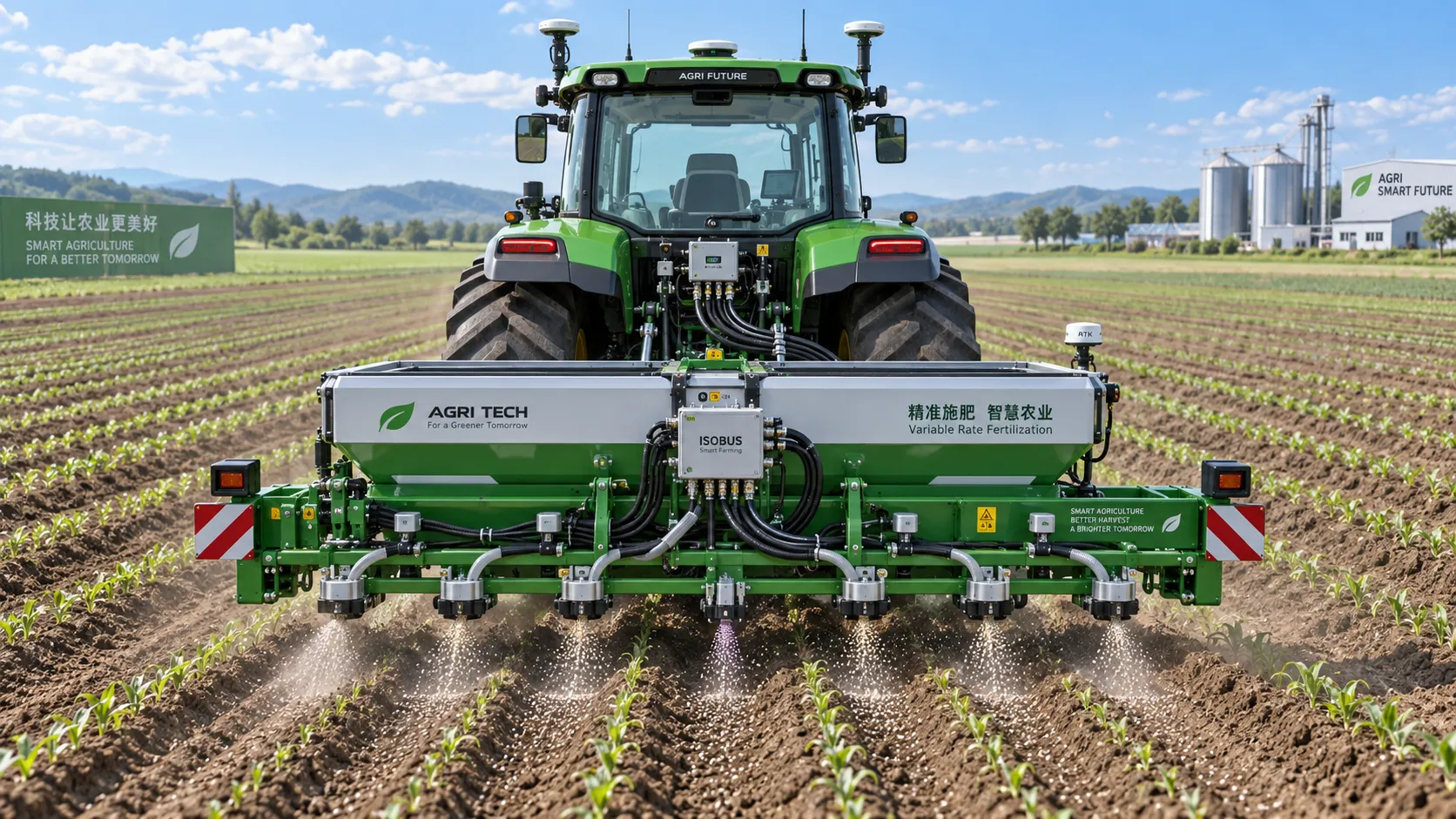
ISOBUS for Smart Agriculture: How It Connects Tractors, Implements, and Farm Data
ISOBUS for smart agriculture connects tractors, implements, terminals, and farm data—helping growers improve precision, documentation, and smarter field decisions.
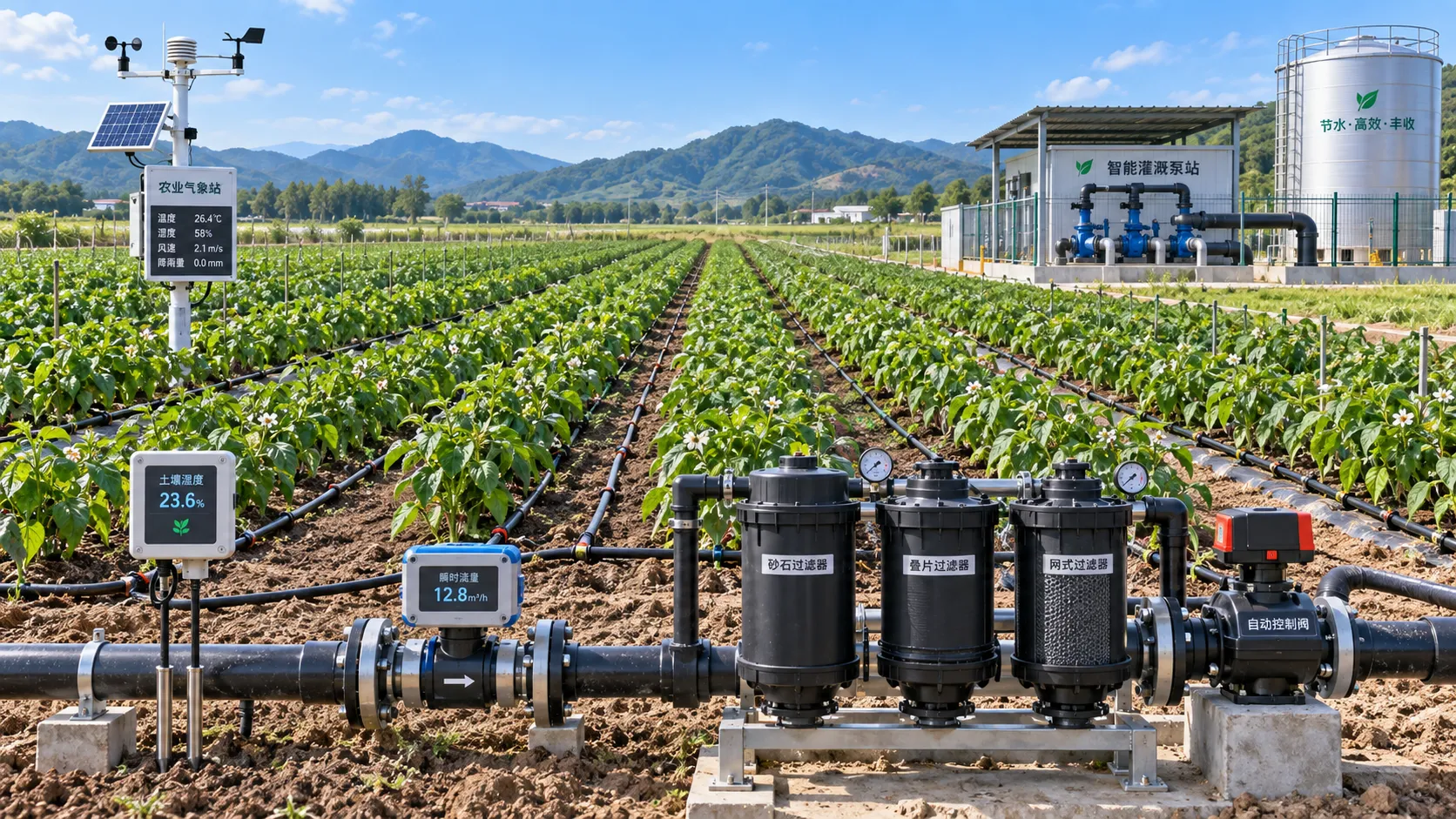
Automated Water-Saving Irrigation: How to Cut Water Use Without Reducing Crop Yields
Automated water-saving irrigation helps farms cut water use, protect crop yields, improve scheduling, and gain reliable control with sensors, flow monitoring, and smart zones.
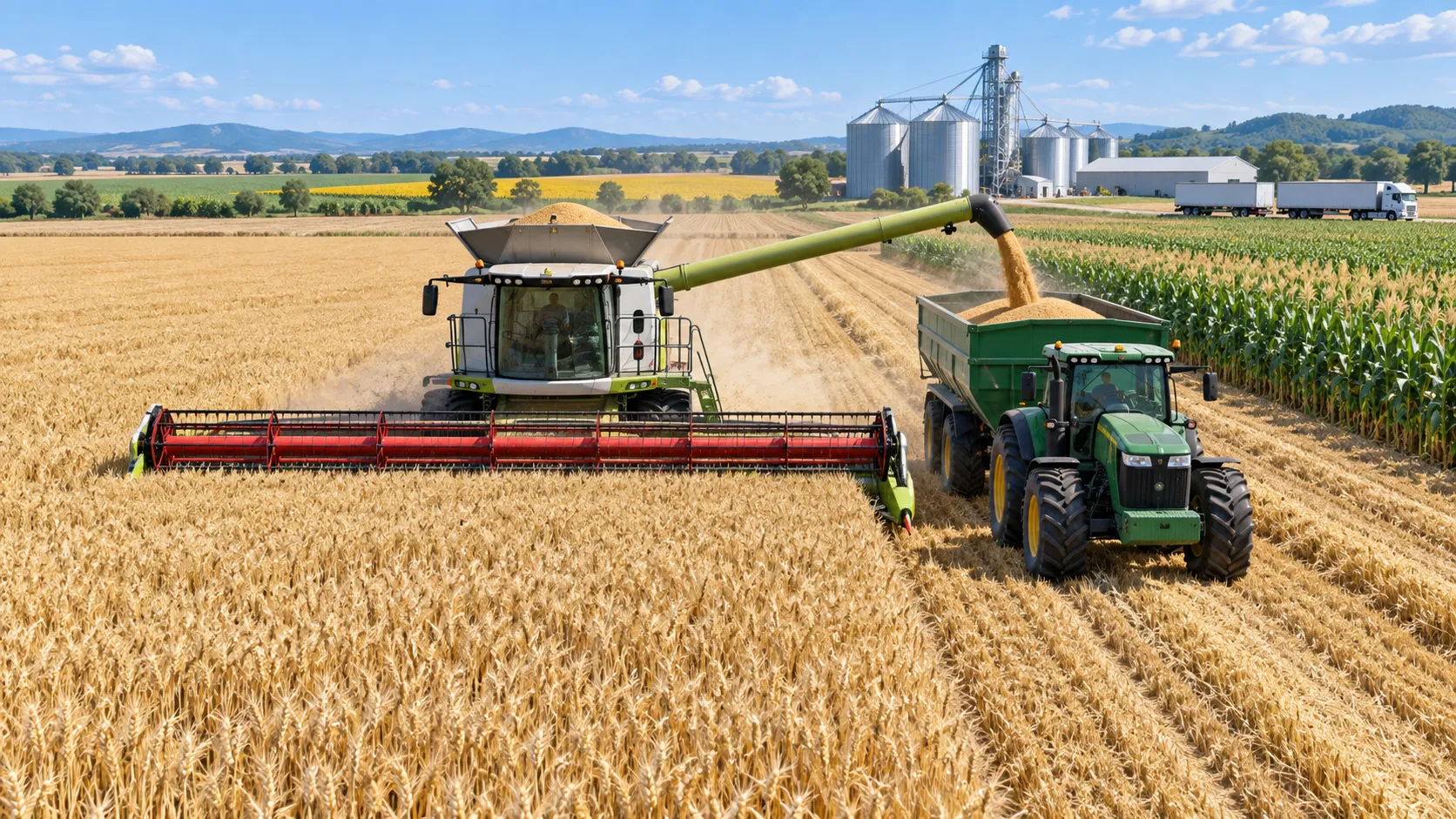
Selecting Grain Farm Equipment by Acreage, Crop Mix, and Harvest Window
Agricultural equipment selection for grain farming: match machinery to acreage, crop mix, and harvest windows to improve uptime, efficiency, and returns.
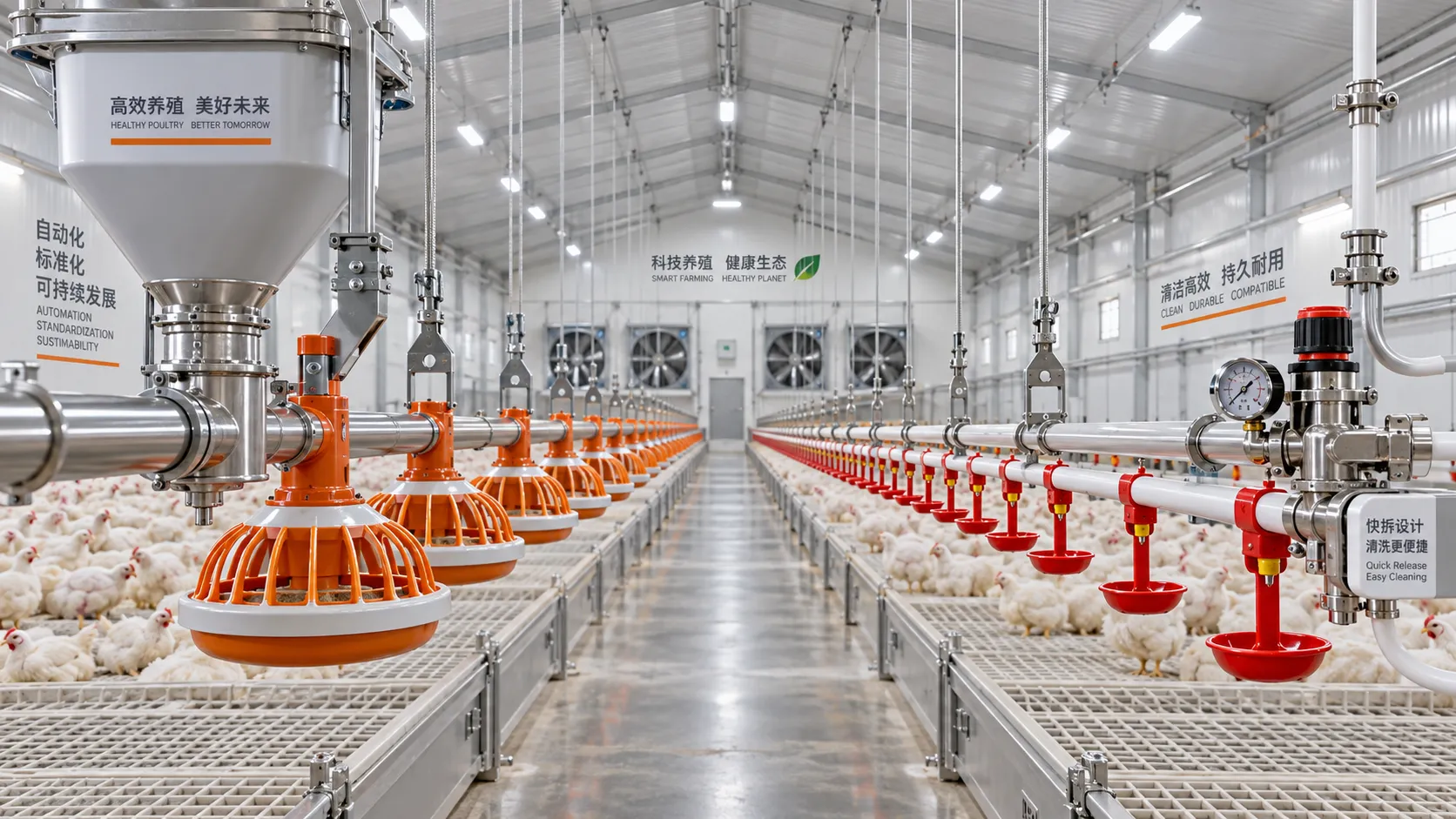
Poultry Equipment Selection: Evaluating Durability, Cleaning, and Compatibility
Poultry equipments selection guide: evaluate durability, cleaning access, and system compatibility to improve hygiene, reduce downtime, and support efficient flock management.
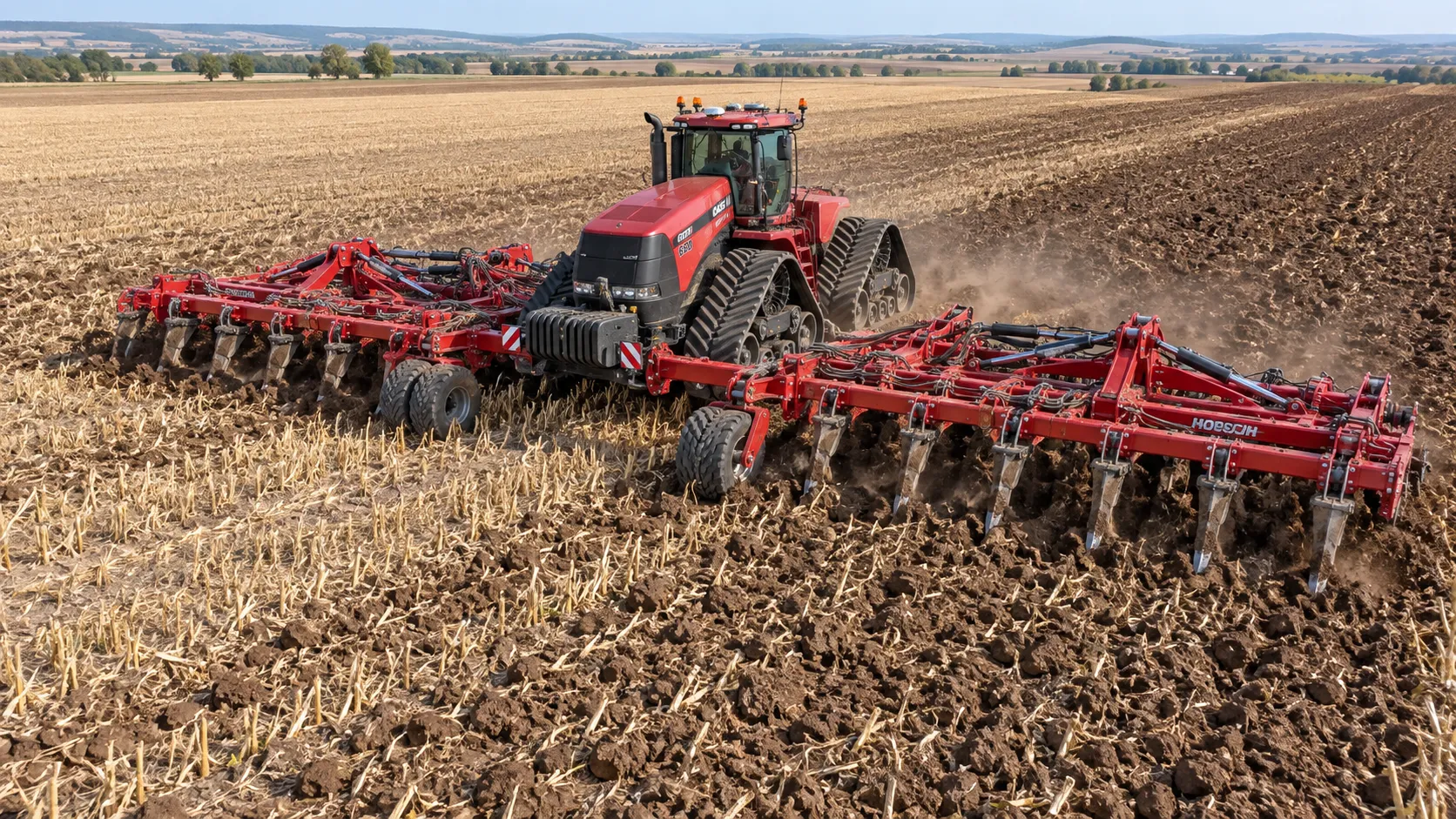
How to Select Heavy-Duty Farm Implements for High-Acreage, High-Horsepower Operations
Heavy duty farm implements: learn how to match draft, hydraulics, hitch capacity, frame strength, and field conditions for reliable high-acreage performance.
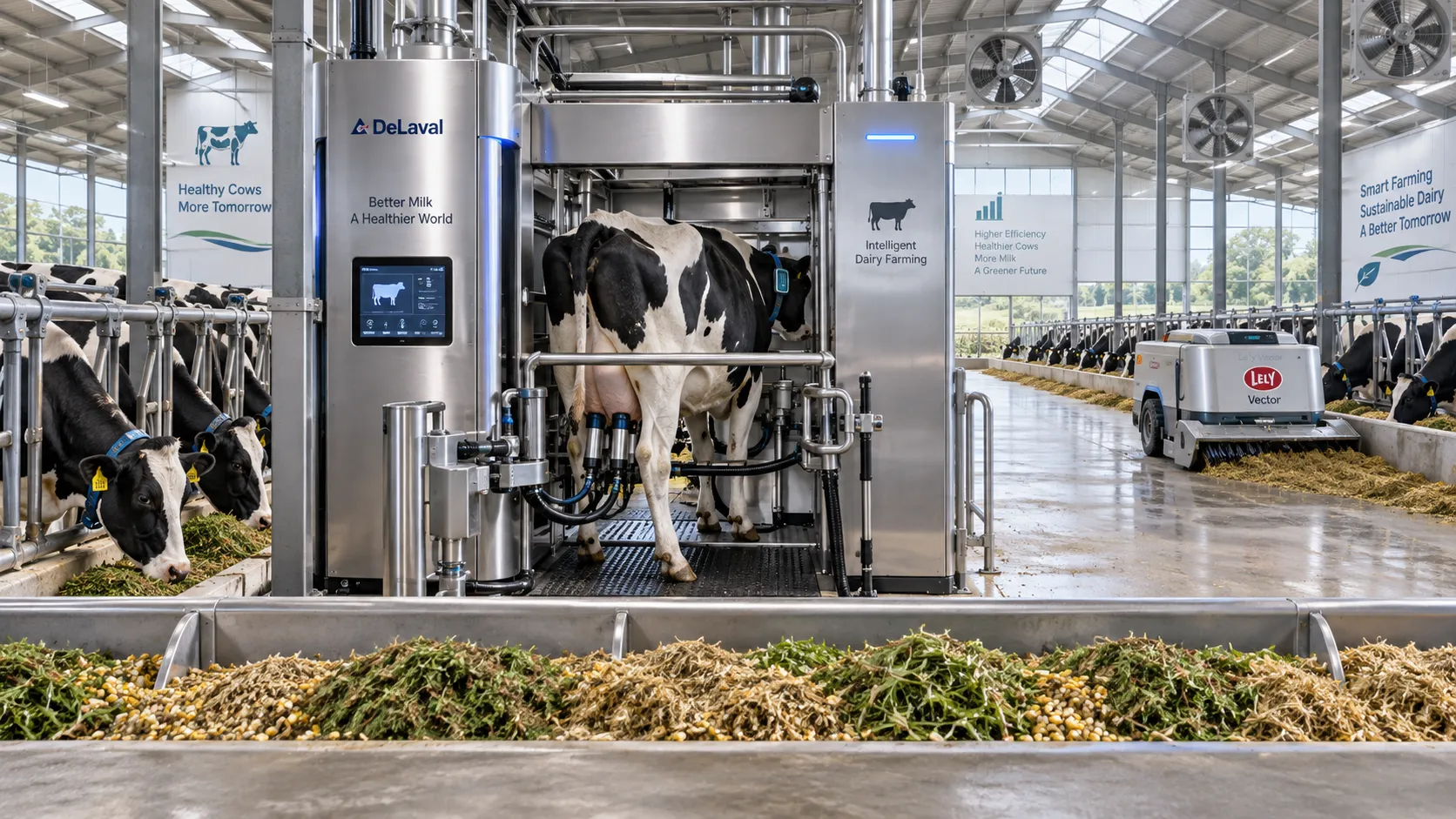
Smart Farming Technology for Dairy Farms: Where Automation Delivers Measurable ROI
Smart farming technology for dairy farms delivers measurable ROI through automation, precision feeding, health monitoring, and data-driven cost control.
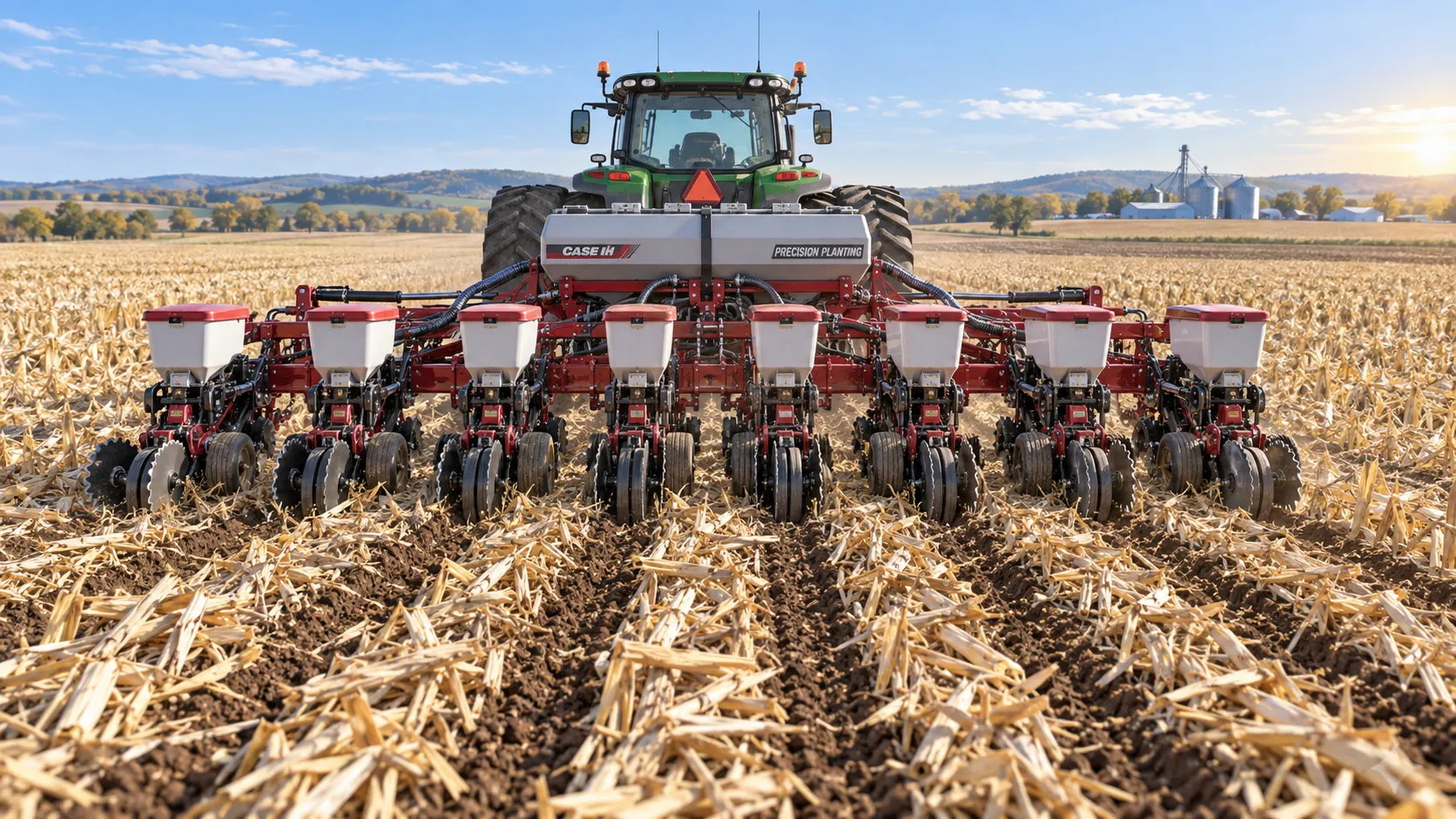
How to Select a Heavy-Duty Seeder for Large Acreage and High-Residue Fields
Heavy duty seeders for large acreage: compare residue handling, depth control, downforce, metering accuracy, and precision features to select the right model.
Related News
- 00
0000-00
ISOBUS for Smart Agriculture: How It Connects Tractors, Implements, and Farm Data - 00
0000-00
How North American Farms Can Select Crop Monitoring Systems by Acreage and Connectivity - 00
0000-00
How Tractor Intelligence Systems Improve Field Efficiency and Input Accuracy - 00
0000-00
Which equipment for larger fields maintains accuracy at higher speeds? - 00
0000-00
What should a digital ag platform integrate before a farm-wide rollout?
Popular Tags
Tractor Power Architect
Weekly Insights
Stay ahead with our curated technology reports delivered every Monday.