
US CBP Expands HTS Review for Agri-Intelligent Equipment
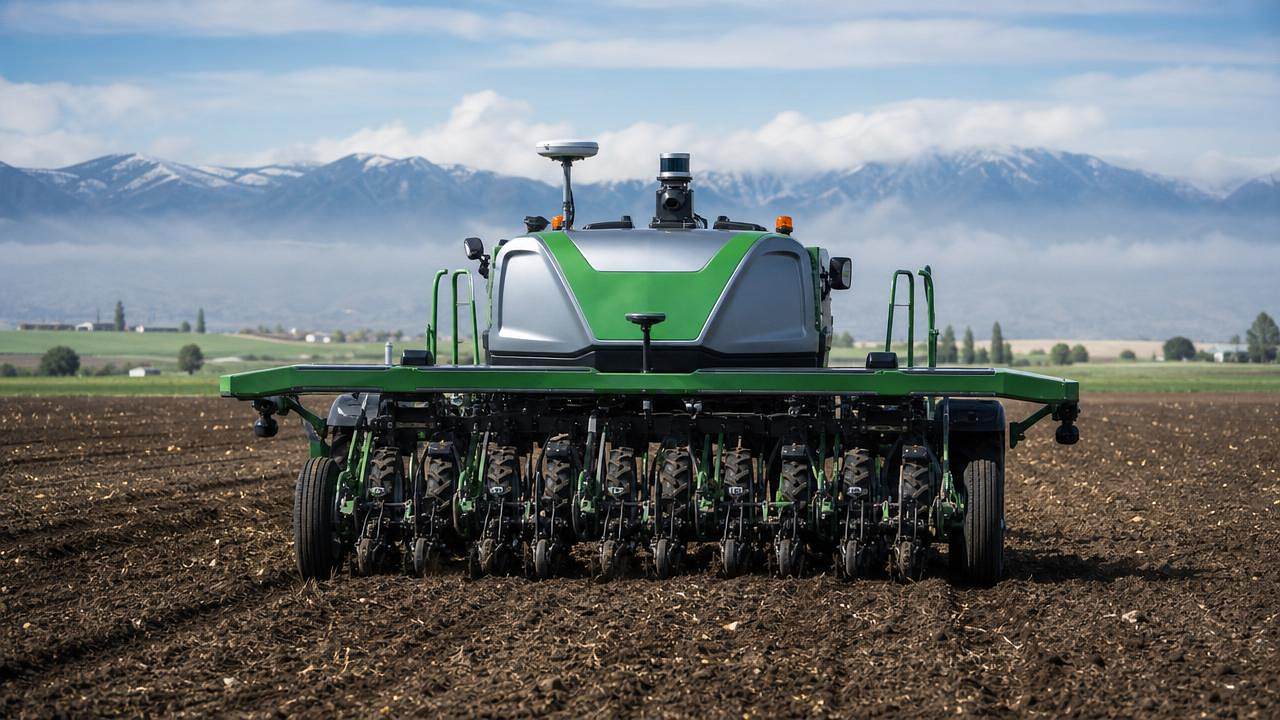




U.S. Customs and Border Protection (CBP) updated its Agricultural Intelligent Equipment HTS Classification Review Guidelines on May 12, 2026, adding GPS-guided seeders and variable-rate fertilizer applicators to the ‘High-Priority Technology Review List.’ The move introduces new documentation requirements—including FCC ID, RF emission test reports, and AI algorithm disclosure statements—causing average customs clearance times for affected equipment to extend from 5 to 12–18 days. This policy shift directly impacts global agri-tech exporters, U.S. importers, and downstream service providers operating in precision agriculture supply chains.
Event Overview
On May 12, 2026, U.S. Customs and Border Protection (CBP) issued an updated Agricultural Intelligent Equipment HTS Classification Review Guidelines. The revision formally places agricultural machinery equipped with GPS Guidance Systems—including automated seeders and variable-rate nutrient applicators—on the agency’s ‘High-Priority Technology Review List.’ Affected imports must now submit additional documentation: valid FCC ID, certified radiofrequency radiation test reports, and a technical description of embedded AI algorithms (including training data scope and decision logic). As a result, average customs clearance duration has increased from five business days to 12–18 business days, according to CBP operational notices effective immediately.
Industries Impacted
Direct Trading Enterprises: Exporters and U.S.-based importers of GPS-enabled seeding and fertilization systems face extended lead times and elevated compliance overhead. Delays compound inventory carrying costs and disrupt just-in-time delivery commitments—especially during narrow planting windows in North America and Latin America. Contractual penalties for late delivery may now be triggered more frequently, particularly under FCA or DAP Incoterms where import clearance responsibility rests with the buyer.
Raw Material Procurement Enterprises: Companies sourcing critical components (e.g., GNSS modules, RTK receivers, or edge AI chips) for integration into smart farm equipment are experiencing upstream ripple effects. U.S. importers of these subassemblies must now verify whether their suppliers have pre-certified the final integrated system—not just individual parts—leading to revised supplier qualification protocols and longer procurement cycle validation.
Manufacturing Enterprises: Original Equipment Manufacturers (OEMs) assembling GPS-guided agri-machinery must restructure internal compliance workflows. Product labeling, firmware version control, and AI model documentation now require traceability across production batches. Some manufacturers report postponing U.S.-bound shipments pending internal alignment between engineering, regulatory affairs, and logistics teams—a delay not previously factored into quarterly launch schedules.
Supply Chain Service Providers: Customs brokers, freight forwarders, and third-party logistics (3PL) firms specializing in agricultural equipment are revising service offerings. New compliance verification checklists, dedicated HTS classification audits per shipment, and AI documentation review add-ons are being rolled out—often at premium rates. Notably, CBP has indicated that incomplete submissions will trigger automatic referral to the Office of Trade’s Technical Examination Unit, further extending resolution timelines.
Key Considerations and Recommended Actions
Validate HTS Classification Early—and Confirm It Covers Integrated Functionality
Many exporters previously classified GPS-guided seeders under HTS 8432.80 (‘other sowing machinery’), assuming guidance systems were incidental. Under the new guidance, CBP treats integrated GPS + actuation + algorithmic control as a functional unit. Firms should commission formal binding rulings (CBP Form 7501 supplements) before first shipment, citing specific hardware-software interdependencies.
Pre-Certify FCC ID and RF Reports for Final Assembled Units
FCC certification previously applied to discrete transceivers or antennas. Now, CBP requires RF test reports for the fully assembled machine—including antenna placement, shielding integrity, and co-location interference testing. Manufacturers must ensure test labs issue reports referencing the exact configuration shipped—not lab prototypes or engineering samples.
Prepare AI Algorithm Disclosures with Operational Transparency
The ‘AI algorithm备案说明’ (AI algorithm filing statement) is not a source-code submission but a structured technical narrative: input data types, real-time decision thresholds (e.g., ‘adjust seed spacing if soil conductivity deviates >15% from calibrated baseline’), update mechanisms, and human oversight provisions. CBP explicitly excludes training datasets—but requires evidence of bias mitigation and failure-mode logging. Legal counsel should review disclosures for export control alignment (e.g., EAR Category 3/4).
Reassess Incoterm Allocation and Insurance Coverage
Extended clearance windows increase exposure to transit risk, storage fees, and seasonal obsolescence. Parties using DDP terms must factor in 12+ days of U.S. warehousing contingency. Those under CIF or CFR should verify marine cargo insurance policies cover ‘customs detention beyond standard clearance period’—a clause often excluded by default.
Editorial Perspective / Industry Observation
Observably, this policy reflects CBP’s broader pivot toward function-based, rather than component-based, tariff classification for dual-use intelligent systems. While framed as a harmonization measure with FCC and NTIA frameworks, the timing—coinciding with proposed USDA AI governance standards for farm data—suggests coordinated interagency risk mapping. Analysis shows CBP is not targeting agricultural productivity per se, but rather establishing traceability anchors for future enforcement related to data sovereignty, spectrum use, and autonomous decision accountability. From industry perspective, the 12–18 day delay is less a bottleneck than a signal: regulatory scrutiny is shifting upstream into product design and software architecture—not just physical goods.
Conclusion
This update marks a structural recalibration—not a temporary administrative hurdle—in how U.S. trade authorities treat intelligent agricultural equipment. Current more relevant interpretation is that CBP is institutionalizing technical due diligence as a core customs function, aligning it with evolving national priorities around critical infrastructure resilience and AI governance. For stakeholders, responsiveness hinges less on expedited paperwork and more on embedding regulatory intelligence into R&D, sourcing, and contract design cycles.
Source Attribution
Primary source: U.S. Customs and Border Protection, Agricultural Intelligent Equipment HTS Classification Review Guidelines, Revision Date: May 12, 2026 (CBP Directive No. 3520-019A). Available via the CBP FOIA Library (https://www.cbp.gov/transparency/foia). Also referenced: FCC Public Notice DA-26-442 (April 28, 2026); USDA Office of the Chief Information Officer, Draft AI Governance Framework for Precision Agriculture (May 2026, public comment period open until July 15, 2026). Ongoing observation recommended for: CBP’s forthcoming guidance on OTA (over-the-air) firmware updates for imported agri-robots, expected Q3 2026.
Related News

When hybrid technology makes sense for farm machinery fleets
Hybrid technology for agricultural machinery makes sense when fleets need lower fuel use, better uptime, and smarter ROI. See where hybrid farm equipment delivers real value.
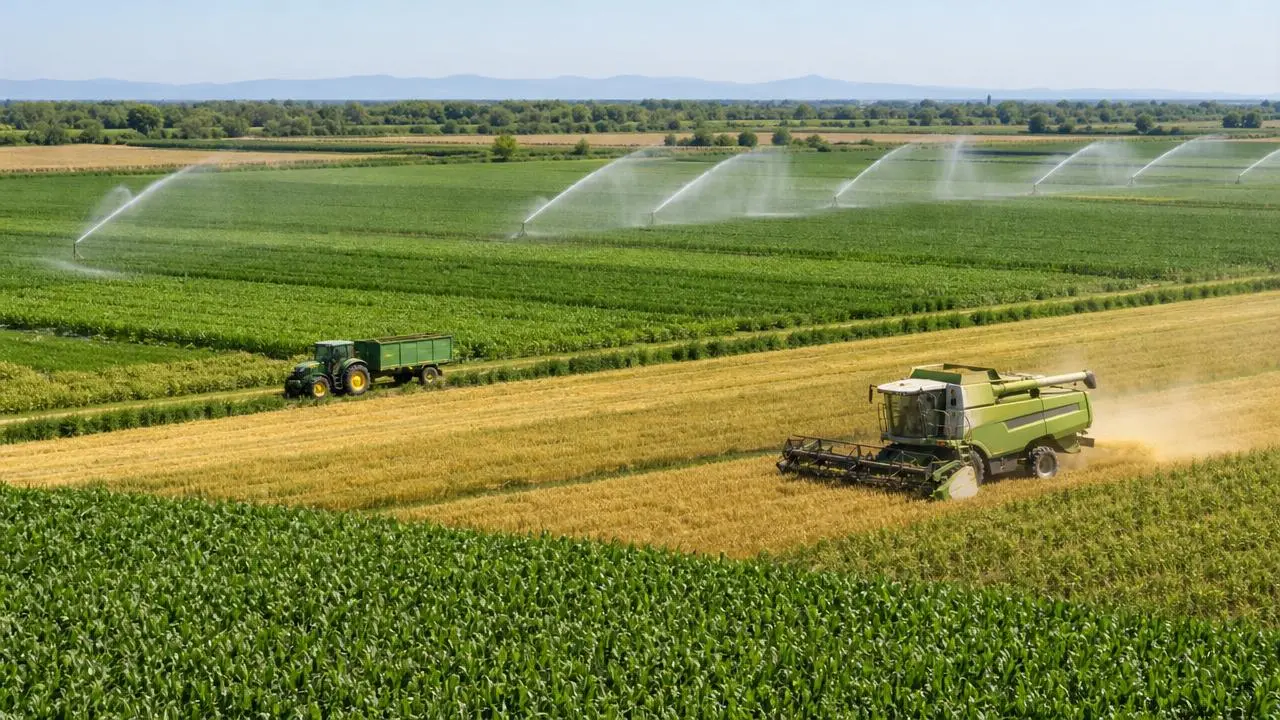
Climate-resilient agriculture practices with measurable field gains
Climate-resilient agriculture practices deliver measurable field gains through smarter irrigation, precision operations, and equipment efficiency—helping farms cut risk, stabilize yields, and improve ROI.
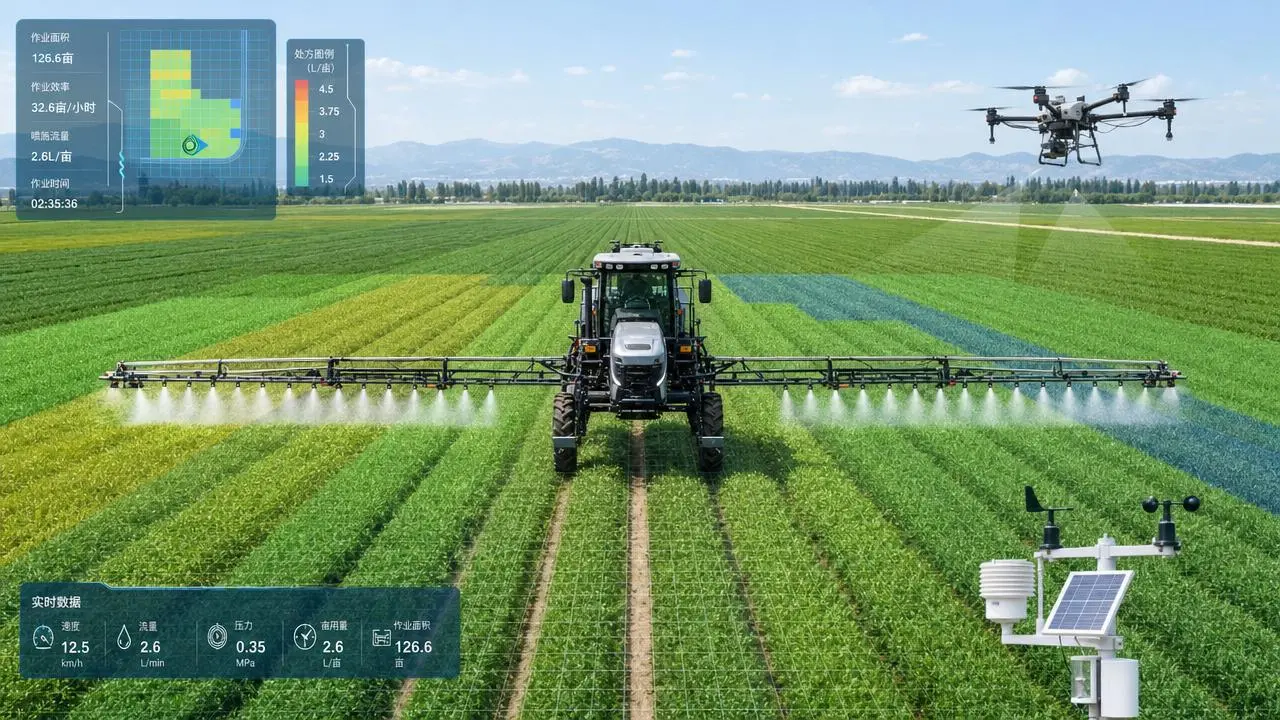
Plant protection solutions that fit precision agriculture better
Plant protection solutions for precision agriculture that improve sprayer compatibility, reduce waste, and strengthen ROI. Discover smarter sourcing strategies for modern farming.
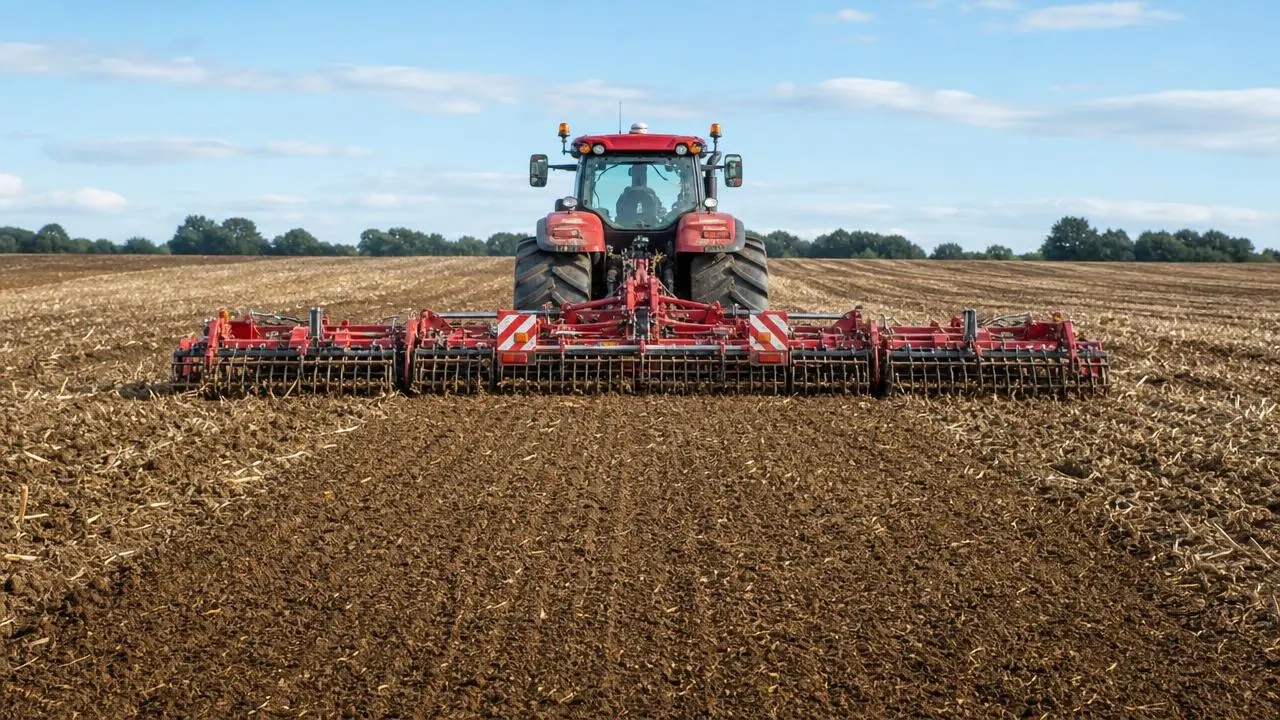
Soil preparation equipment gaps that hurt precision results
Soil preparation equipment for precision agriculture can hide depth, leveling, and residue gaps that cut emergence and efficiency. Learn what to check before losses spread.
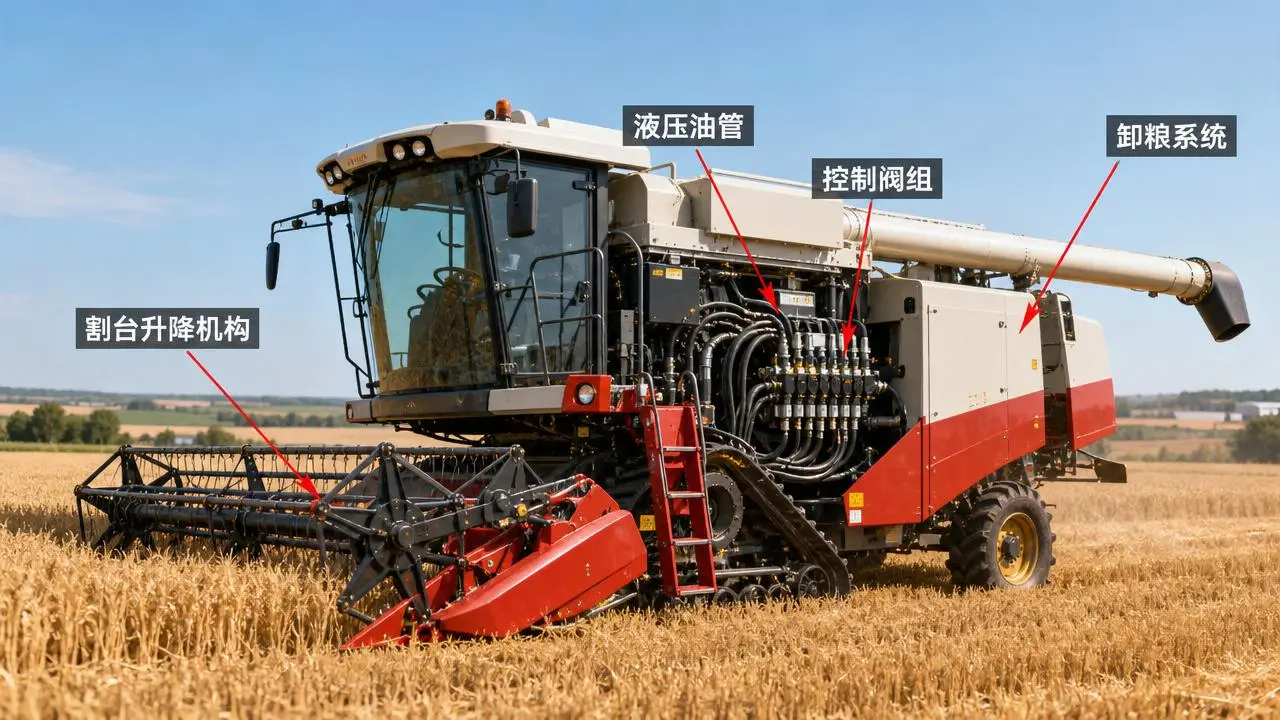
Hydraulic control system faults that slow combine harvesters
Hydraulic control systems for combine harvesters can hide the faults behind slow header lift, heavy steering, and delayed unloading. Learn fast field diagnostics to cut downtime and protect yield.
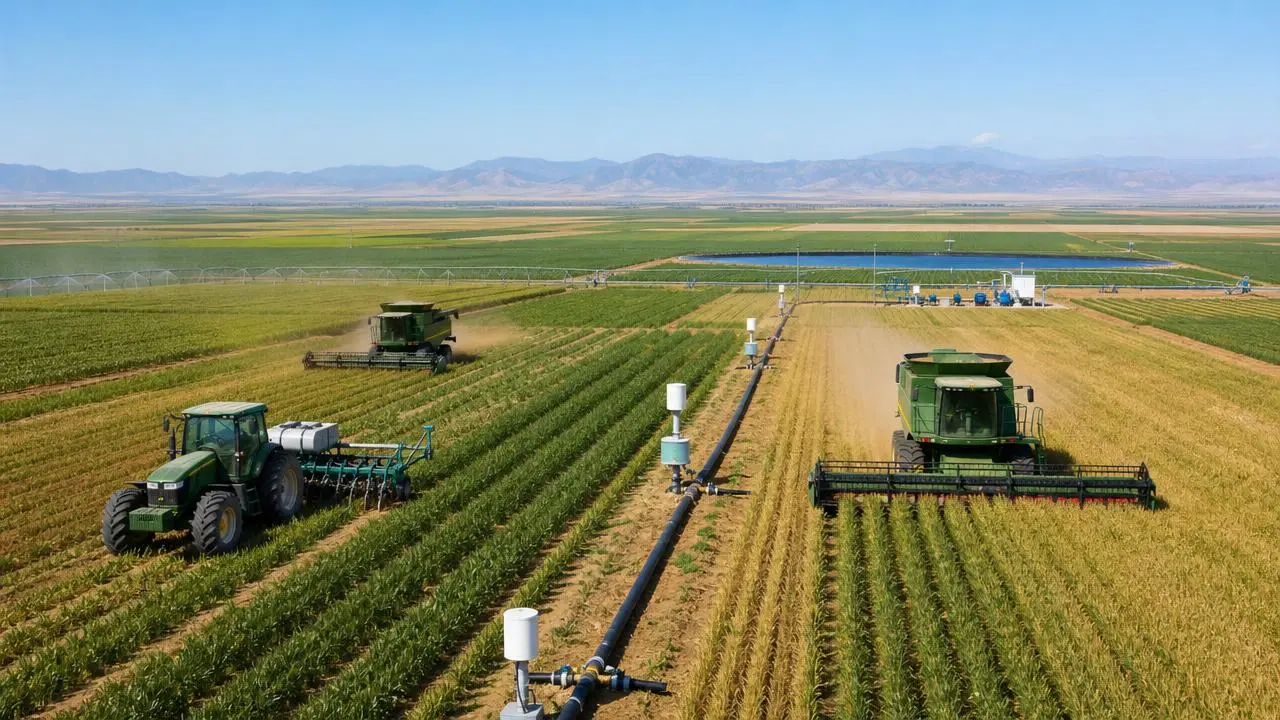
What weakens food security in climate-smart farming plans
Climate-smart farming practices for food security can fail when machinery, irrigation, data, and inputs break down. Discover the hidden risks weakening yields and resilience.
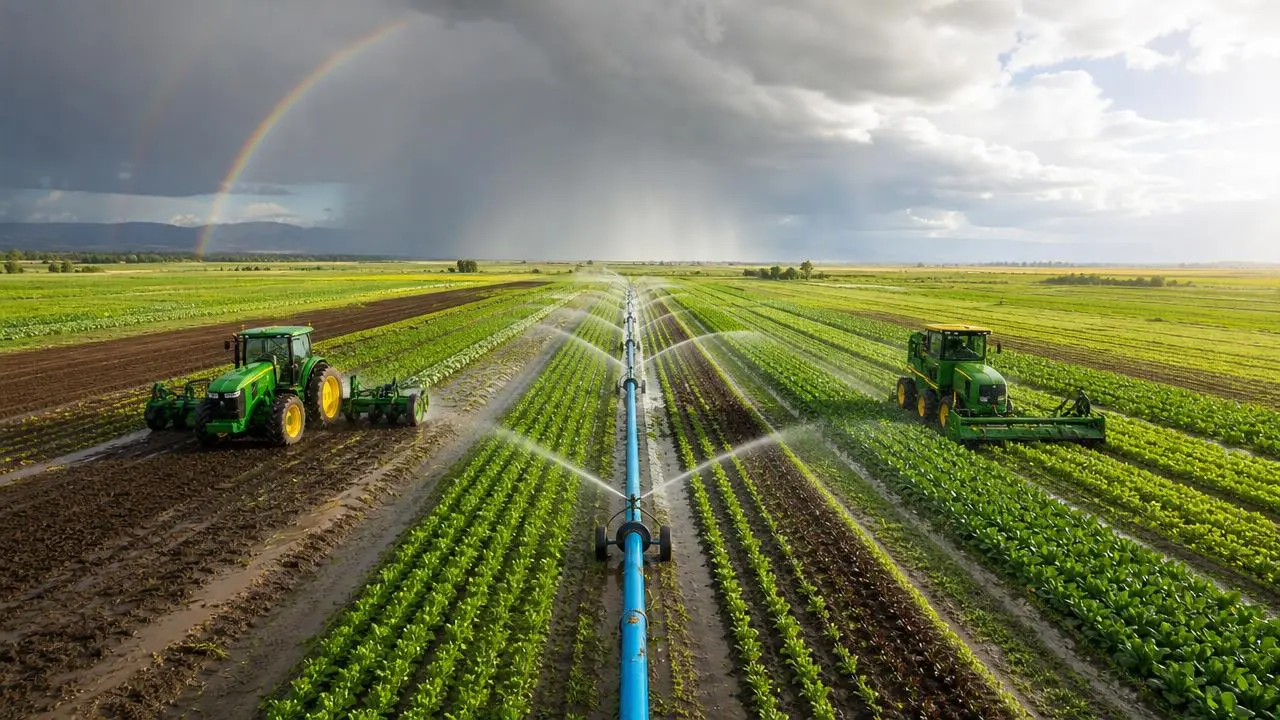
Sustainable farming practices that hold up in extreme weather
Sustainable farming practices for climate resilience help farms withstand drought, floods, and heat with smarter soil, water, equipment, and data strategies. Learn what works.
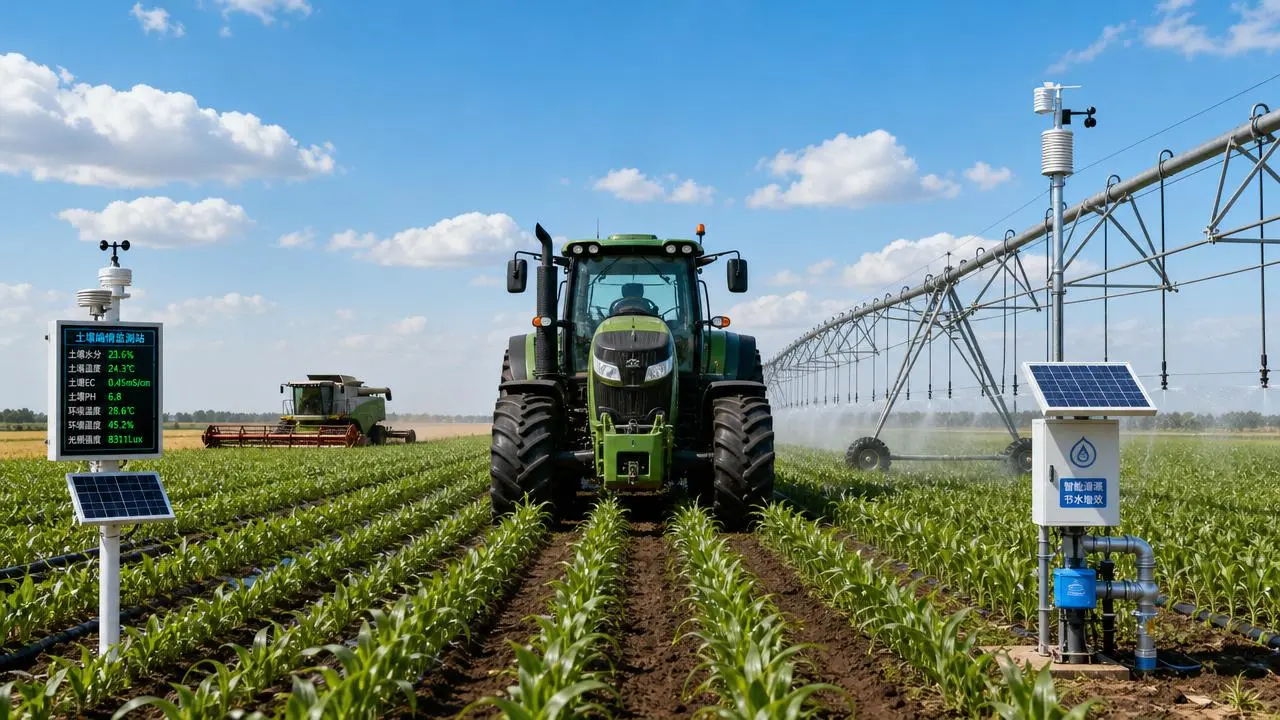
Can precision agriculture really improve food security?
Food security through precision agriculture: discover how smart irrigation, sensors, and data-driven machinery can reduce waste, protect yields, and build more resilient farming systems.
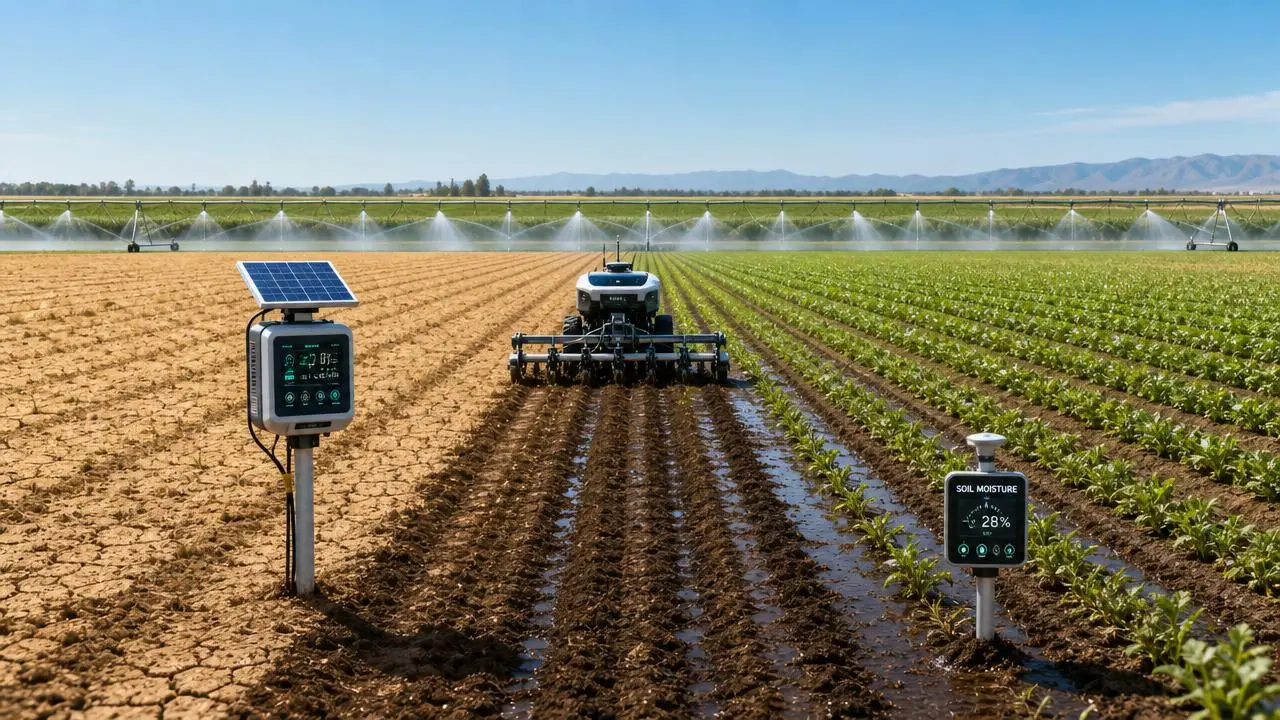
Precision agriculture technology for sustainable farming in dry years
Precision agriculture technology for sustainable farming helps growers save water, reduce input waste, and protect yields in dry years with smarter irrigation, sensors, and data-driven field decisions.
Related News
- 00
0000-00
Precision agriculture technology for sustainable farming in dry years - 00
0000-00
Eight Ministries Issue Automotive Data Cross-Border Guidance (2026) - 00
0000-00
US CBP Expands HTS Review for Agri-Intelligent Equipment - 00
0000-00
ABARES Raises Farm Automation Budget, GPS Guidance Spending Up 41% - 00
0000-00
US CBP Expands HTS Review for Agri-Intelligent Equipment
Popular Tags
Tractor Power Architect
Weekly Insights
Stay ahead with our curated technology reports delivered every Monday.