
ABARES Raises Farm Automation Budget, GPS Guidance Spending Up 41%
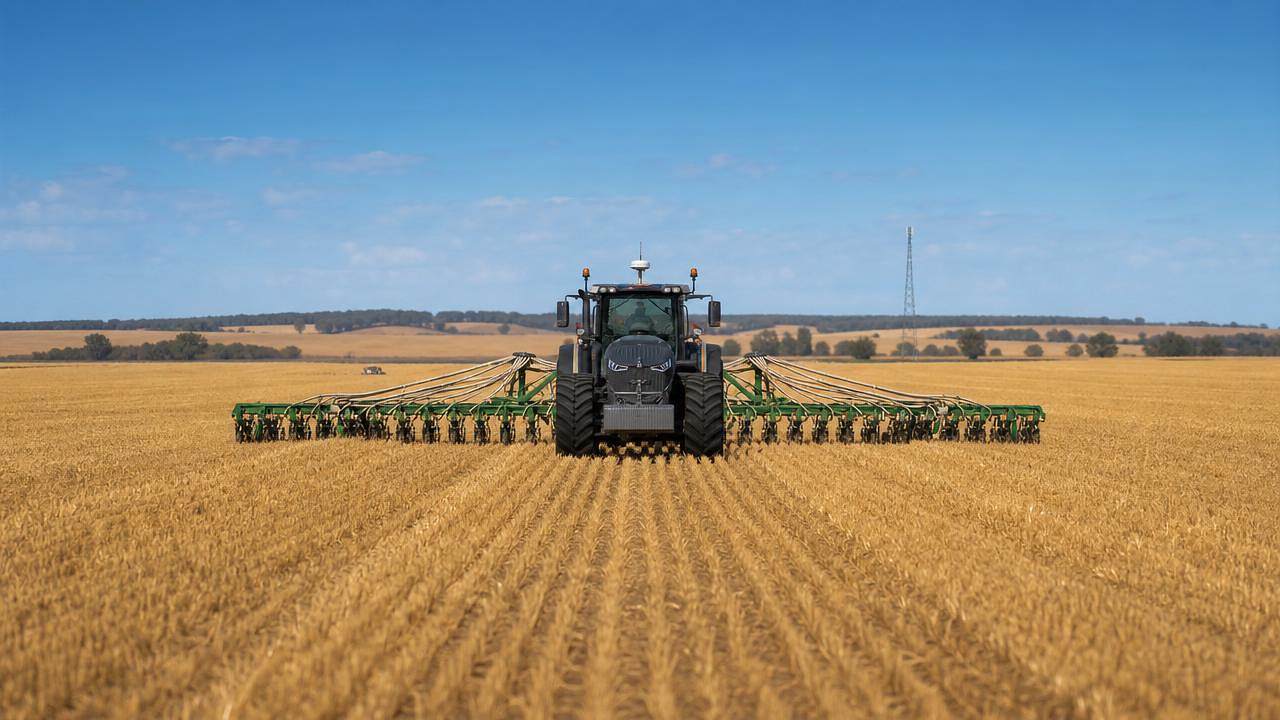




Australia’s agricultural technology investment landscape shifted significantly on 10 May 2026, when the Australian Bureau of Agricultural and Resource Economics and Sciences (ABARES) released its 2026 Farm Technology Investment Outlook. The report projects a 22% year-on-year increase in total farm automation equipment procurement budgets — driven primarily by expanded national coverage of precision farming subsidies — with direct implications for equipment suppliers, input providers, machinery integrators, and digital agronomy service firms.
Event Overview
On 10 May 2026, ABARES published the 2026 Farm Technology Investment Outlook, forecasting a 22% increase in total farm automation equipment procurement budgets for the current fiscal year. Within this, expenditure on GPS Guidance Systems is projected to reach AUD 187 million, up 41% year-on-year. The report attributes this growth to the expansion of precision farming subsidy coverage to 87% of Australia’s arable land.
Industries Affected
Direct trade enterprises — particularly agricultural equipment importers and distributors specializing in auto-steer systems, RTK base stations, and compatible displays — face heightened demand volatility. Their revenue exposure increases not only in volume but also in margin pressure, as subsidy-enabled buyer price sensitivity rises alongside competitive tendering for government-aligned deployment programs.
Raw material procurement enterprises — including suppliers of GNSS antennas, inertial measurement units (IMUs), and high-precision encoders — are likely to see revised order forecasts from OEMs and system integrators. However, lead-time compression and just-in-time inventory adjustments may intensify, given the accelerated rollout schedule implied by nationwide subsidy coverage.
Manufacturing enterprises — especially those assembling or calibrating guidance-ready tractors, sprayers, and harvesters — must adapt production planning to accommodate higher integration volumes for GPS-based autonomy modules. Certification timelines for ISO 11783 (ISOBUS) compliance and AS/NZS 4754 interoperability testing may become critical path constraints.
Supply chain service enterprises — such as agronomic data platforms, fleet management SaaS providers, and calibration-as-a-service vendors — face both opportunity and complexity. Increased hardware deployment expands their addressable user base, yet also raises expectations for real-time telemetry integration, on-farm support scalability, and interoperability across heterogeneous OEM ecosystems.
Key Considerations and Recommended Actions
Monitor subsidy implementation timelines by state jurisdiction
While ABARES reports 87% national coverage, actual disbursement mechanisms, eligibility verification protocols, and claim processing windows vary across states. Trade and manufacturing firms should map regional rollout calendars to align sales cycles and production ramps accordingly.
Validate hardware-software compatibility ahead of subsidy-driven purchases
Subsidy-eligible GPS Guidance Systems often require pre-certified software stacks (e.g., specific versions of John Deere Operations Center, Trimble Ag Software, or third-party APIs). Enterprises involved in resale or integration must confirm version alignment before quoting or deploying.
Assess service capacity for post-purchase technical support
Rising adoption correlates with increased field-level troubleshooting demand — particularly for signal integrity, base station setup, and multi-receiver synchronization. Firms offering remote diagnostics or certified technician networks gain competitive differentiation.
Editorial Perspective / Industry Observation
Observably, the 41% surge in GPS Guidance Systems spending reflects less a standalone technology inflection and more a systemic acceleration of infrastructure readiness: improved GNSS correction services (e.g., CORS network expansion), maturing ISOBUS adoption, and stronger farmer ROI confidence in yield-savings calculations. Analysis shows that this budget uplift is concentrated in mid-tier farms (500–2,000 ha), suggesting diffusion beyond early-adopter large-scale operations — a sign of broader market maturity. From an industry standpoint, the shift signals growing convergence between capital equipment procurement and recurring digital service contracts.
Conclusion
This policy-driven investment uptick does not represent a temporary stimulus spike, but rather a structural recalibration of Australia’s on-farm technology adoption curve. It underscores how targeted public subsidy design — when coupled with interoperability standards and extension support — can catalyse private-sector investment at scale. A rational interpretation is that automation is transitioning from ‘optional efficiency upgrade’ to ‘baseline operational requirement’ across increasingly large segments of the sector.
Source Attribution
Australian Bureau of Agricultural and Resource Economics and Sciences (ABARES), 2026 Farm Technology Investment Outlook, released 10 May 2026. Official publication available at abares.gov.au/technology-outlook-2026. Note: State-level subsidy administration frameworks and vendor accreditation lists remain under active revision; ongoing monitoring advised.
Related News
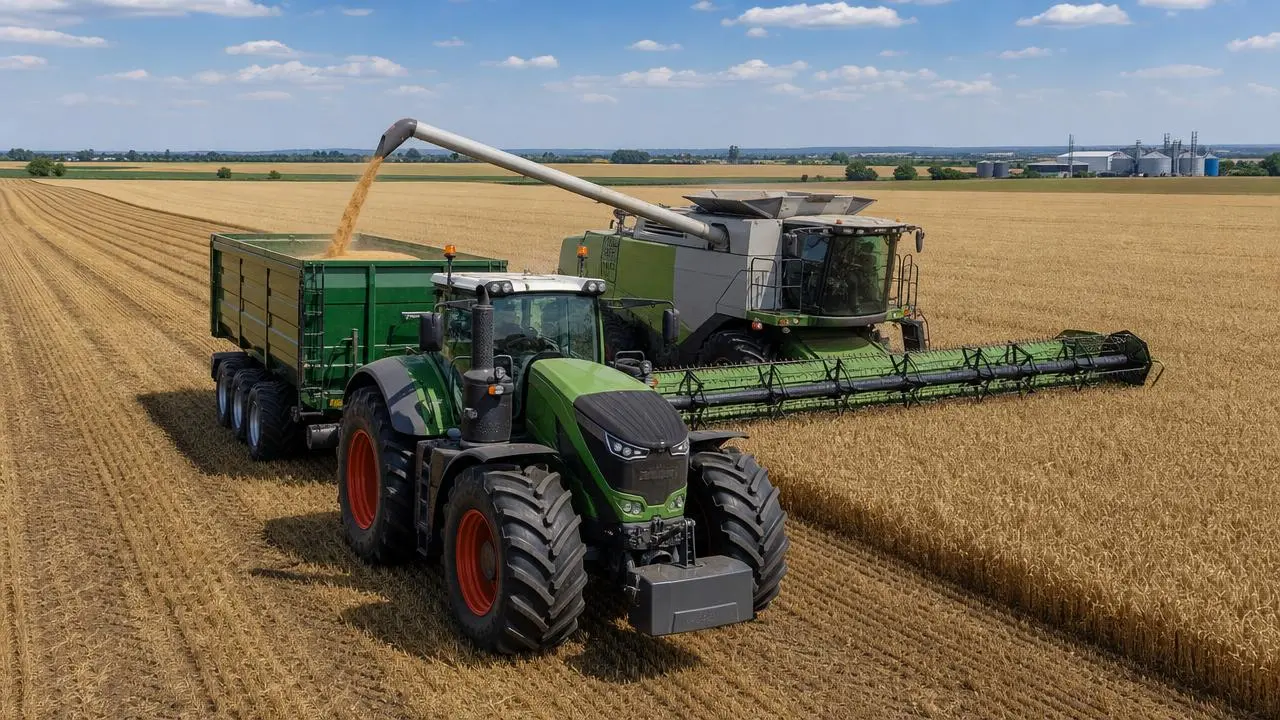
When hybrid technology makes sense for farm machinery fleets
Hybrid technology for agricultural machinery makes sense when fleets need lower fuel use, better uptime, and smarter ROI. See where hybrid farm equipment delivers real value.
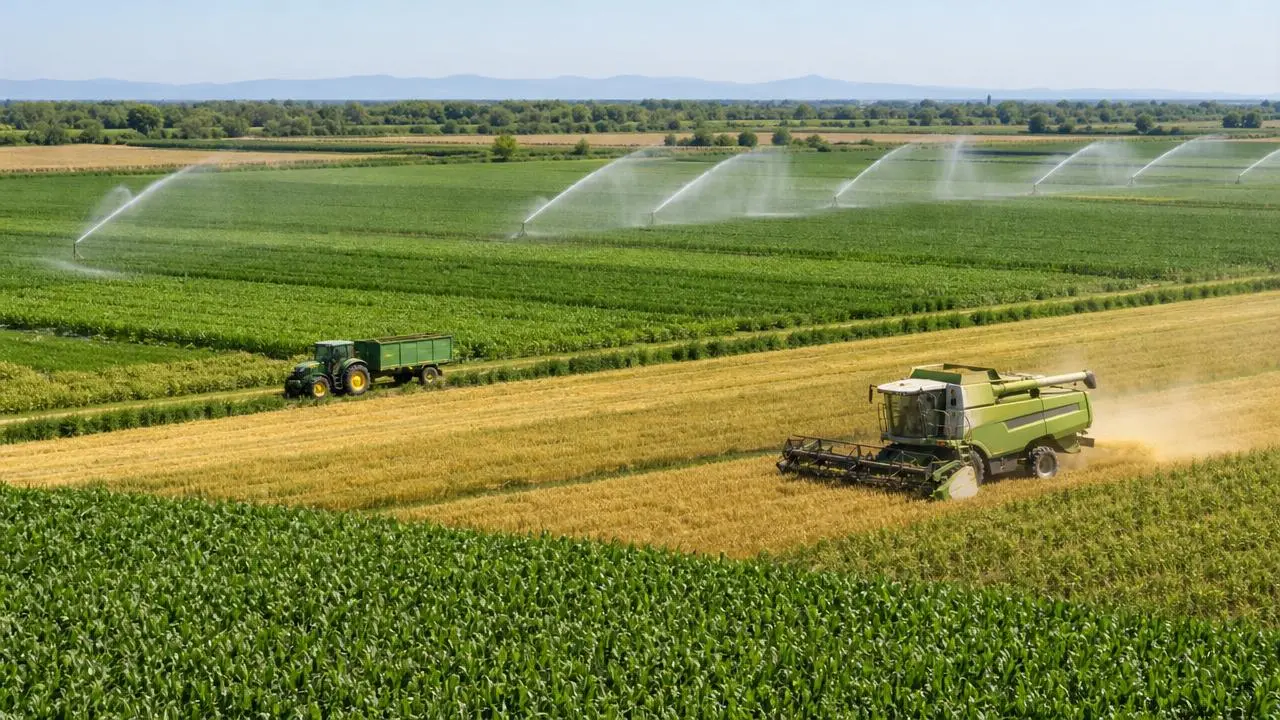
Climate-resilient agriculture practices with measurable field gains
Climate-resilient agriculture practices deliver measurable field gains through smarter irrigation, precision operations, and equipment efficiency—helping farms cut risk, stabilize yields, and improve ROI.
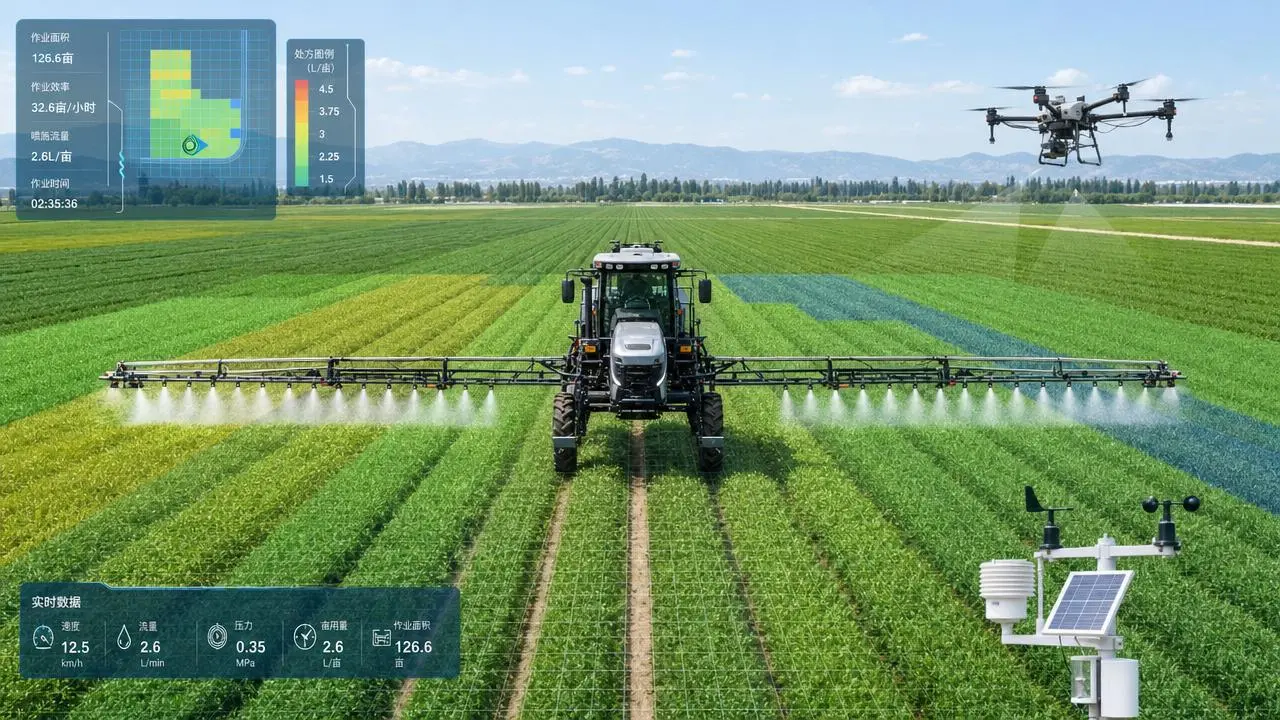
Plant protection solutions that fit precision agriculture better
Plant protection solutions for precision agriculture that improve sprayer compatibility, reduce waste, and strengthen ROI. Discover smarter sourcing strategies for modern farming.
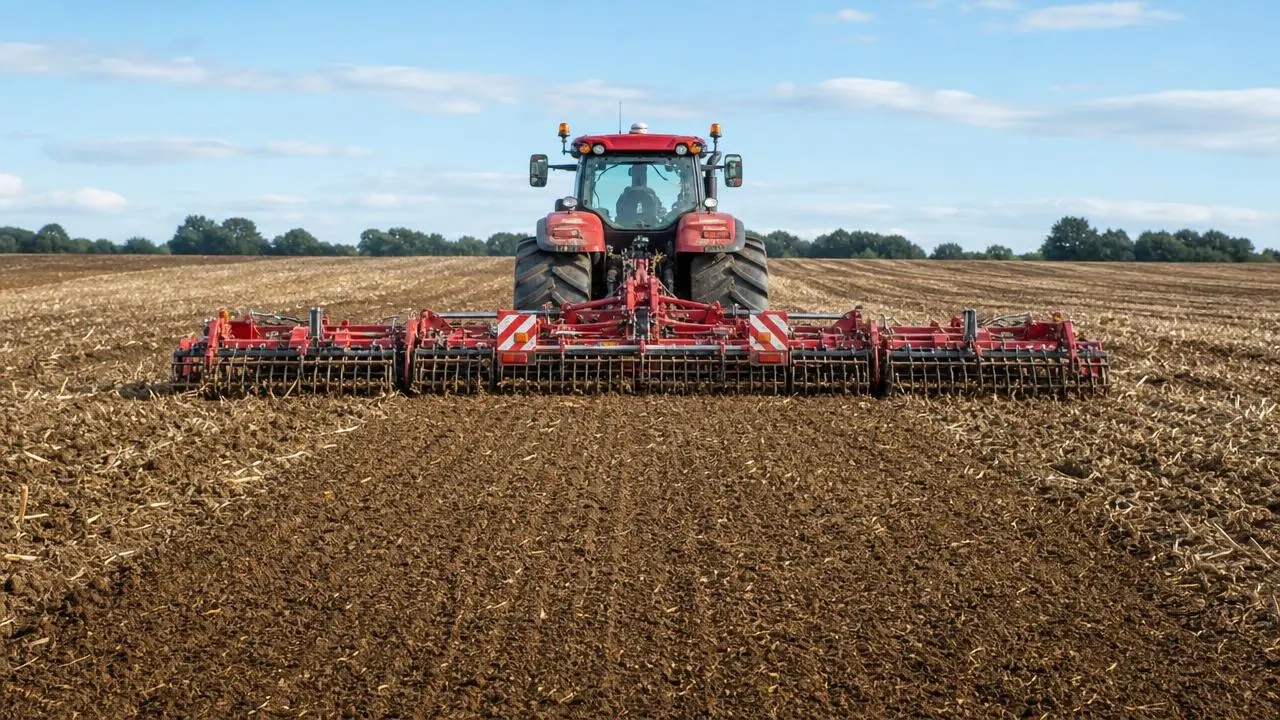
Soil preparation equipment gaps that hurt precision results
Soil preparation equipment for precision agriculture can hide depth, leveling, and residue gaps that cut emergence and efficiency. Learn what to check before losses spread.
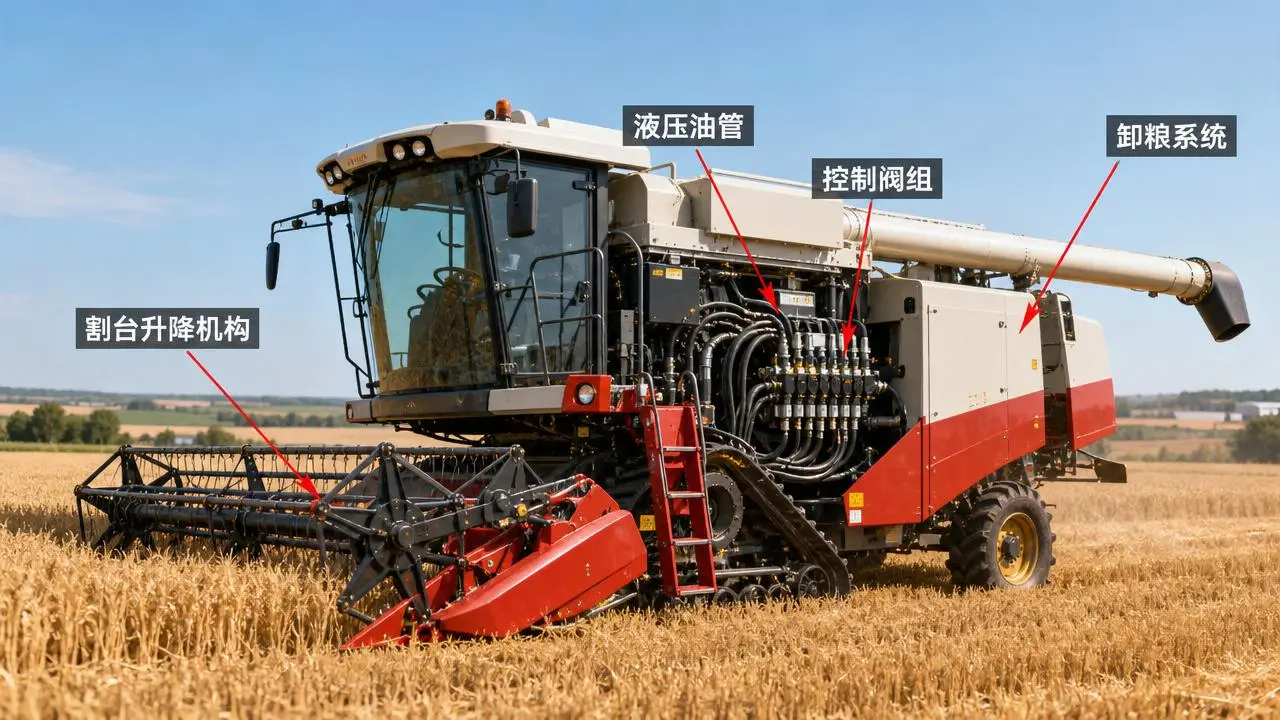
Hydraulic control system faults that slow combine harvesters
Hydraulic control systems for combine harvesters can hide the faults behind slow header lift, heavy steering, and delayed unloading. Learn fast field diagnostics to cut downtime and protect yield.
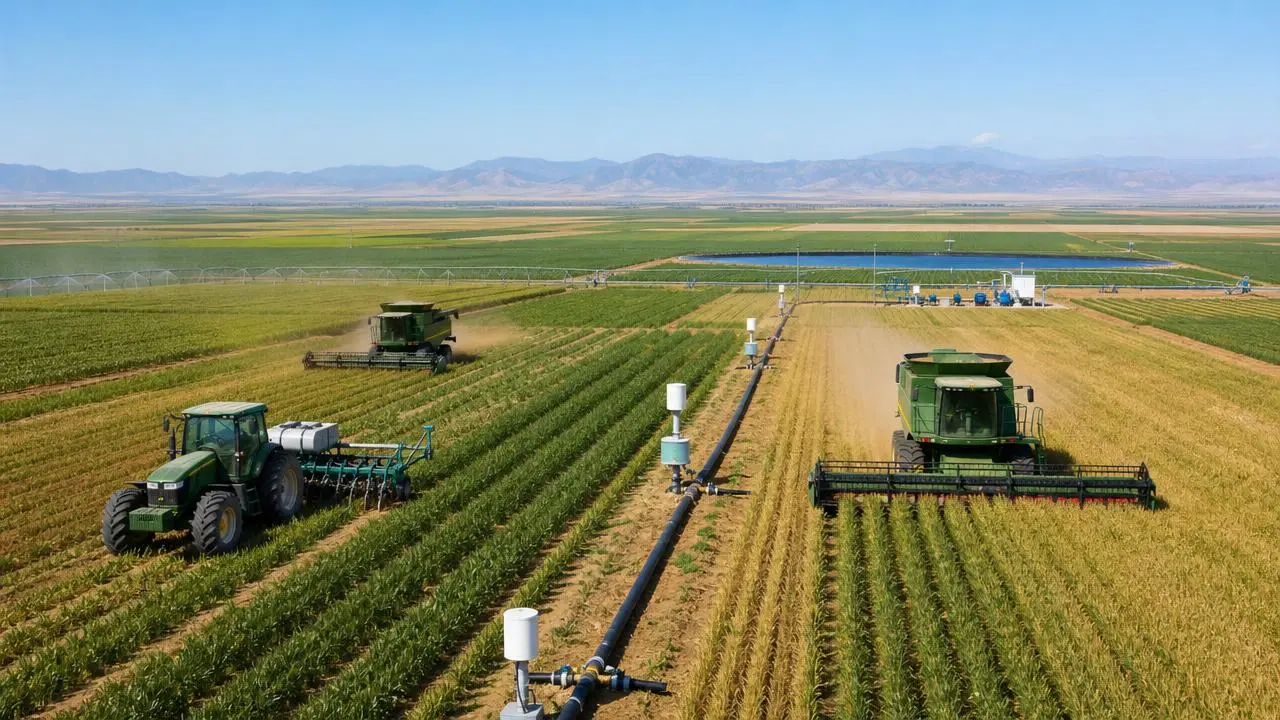
What weakens food security in climate-smart farming plans
Climate-smart farming practices for food security can fail when machinery, irrigation, data, and inputs break down. Discover the hidden risks weakening yields and resilience.
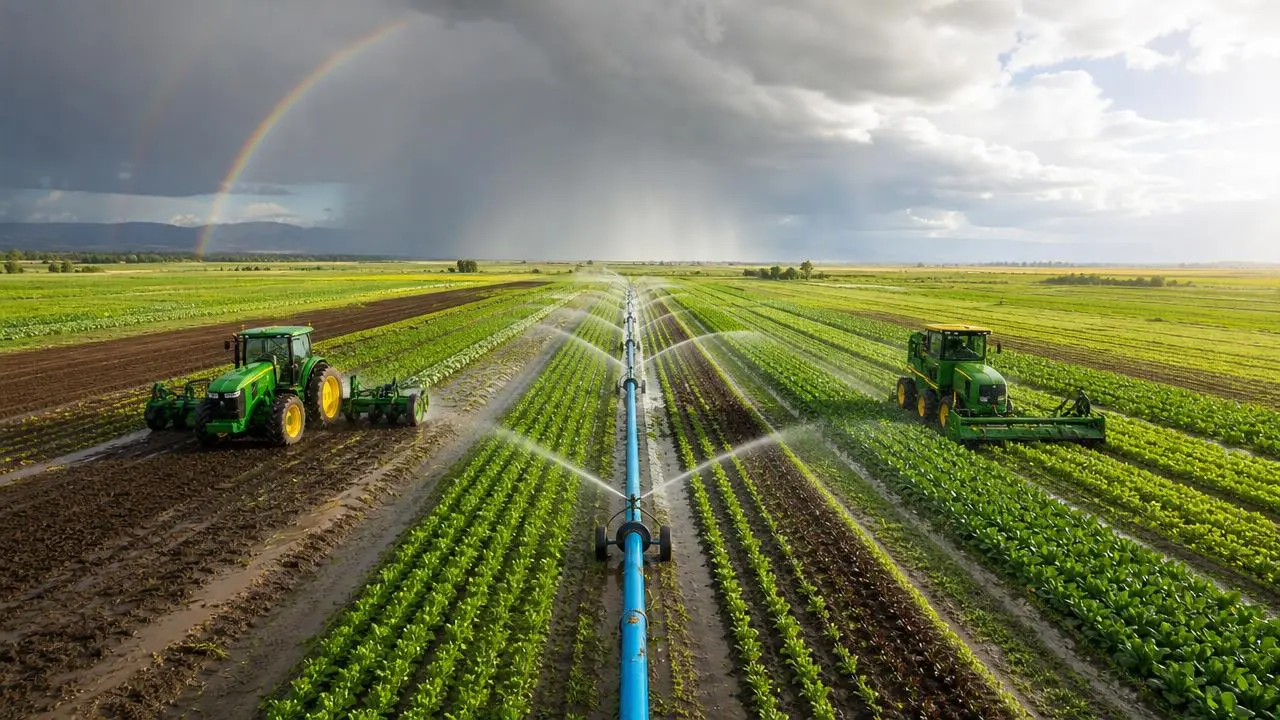
Sustainable farming practices that hold up in extreme weather
Sustainable farming practices for climate resilience help farms withstand drought, floods, and heat with smarter soil, water, equipment, and data strategies. Learn what works.
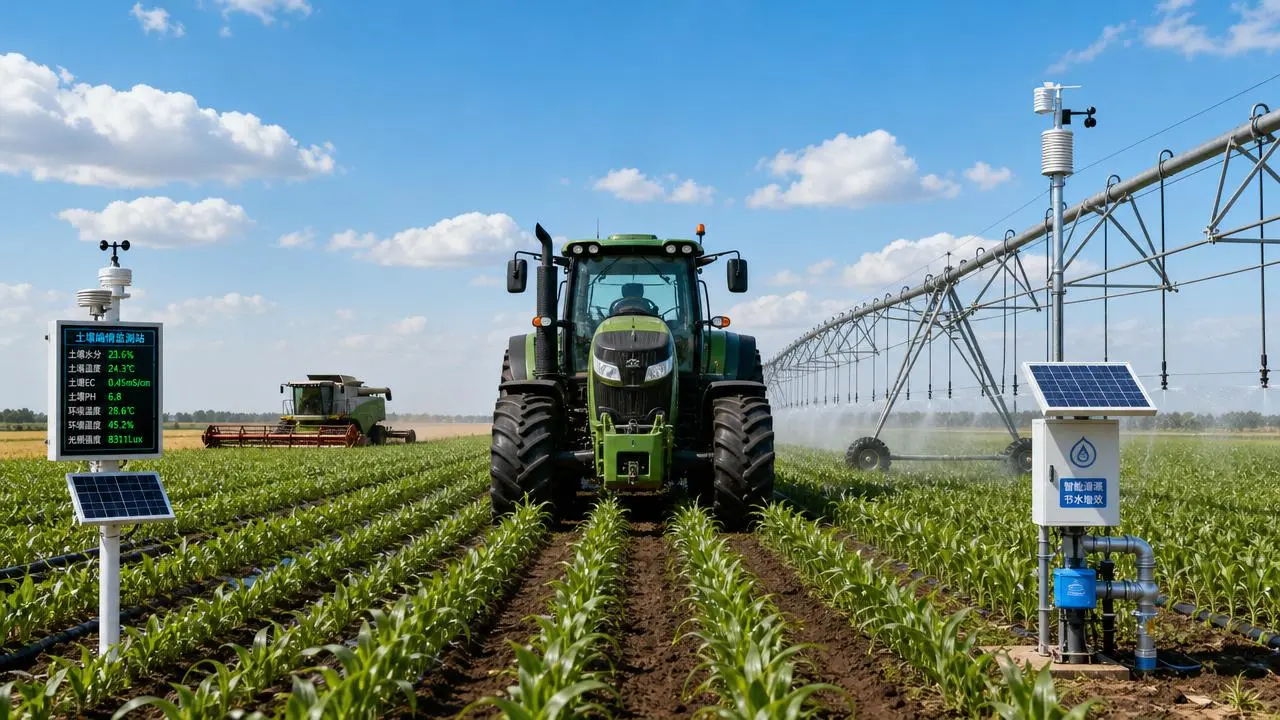
Can precision agriculture really improve food security?
Food security through precision agriculture: discover how smart irrigation, sensors, and data-driven machinery can reduce waste, protect yields, and build more resilient farming systems.
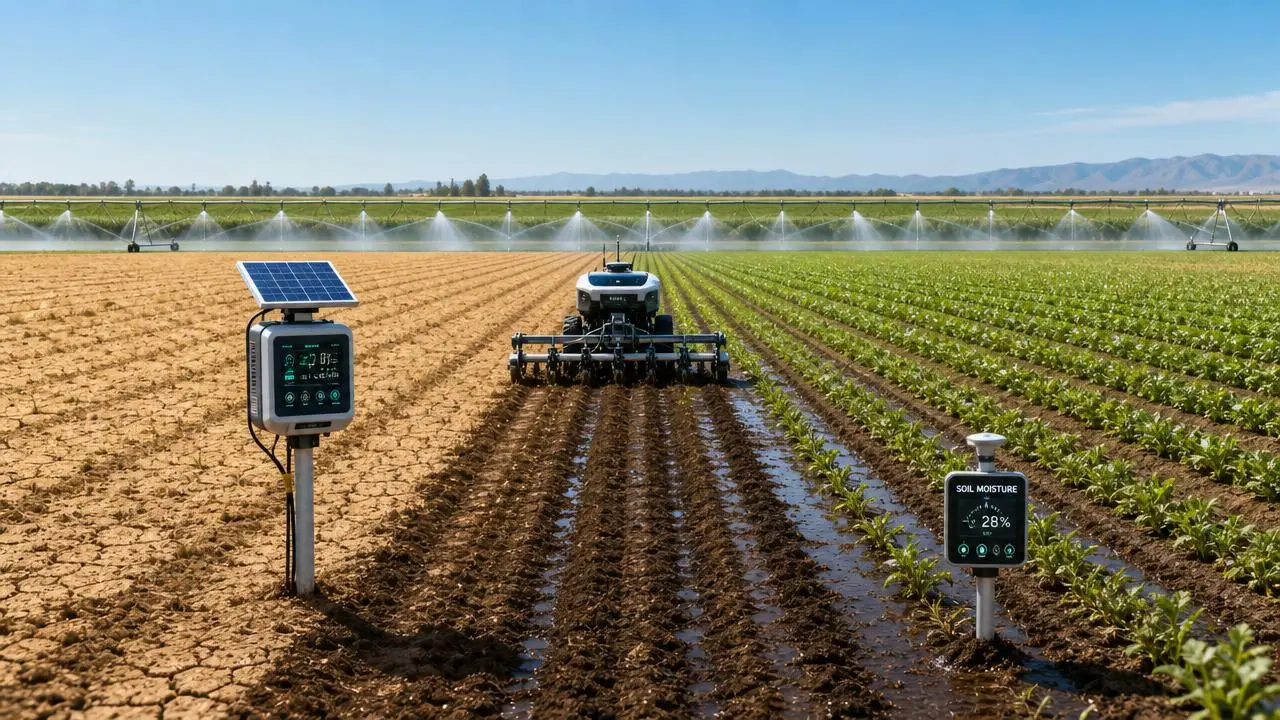
Precision agriculture technology for sustainable farming in dry years
Precision agriculture technology for sustainable farming helps growers save water, reduce input waste, and protect yields in dry years with smarter irrigation, sensors, and data-driven field decisions.
Related News
- 00
0000-00
Precision agriculture technology for sustainable farming in dry years - 00
0000-00
Eight Ministries Issue Automotive Data Cross-Border Guidance (2026) - 00
0000-00
US CBP Expands HTS Review for Agri-Intelligent Equipment - 00
0000-00
ABARES Raises Farm Automation Budget, GPS Guidance Spending Up 41% - 00
0000-00
US CBP Expands HTS Review for Agri-Intelligent Equipment
Popular Tags
Tractor Power Architect
Weekly Insights
Stay ahead with our curated technology reports delivered every Monday.