
Hydraulic control system faults that slow combine harvesters
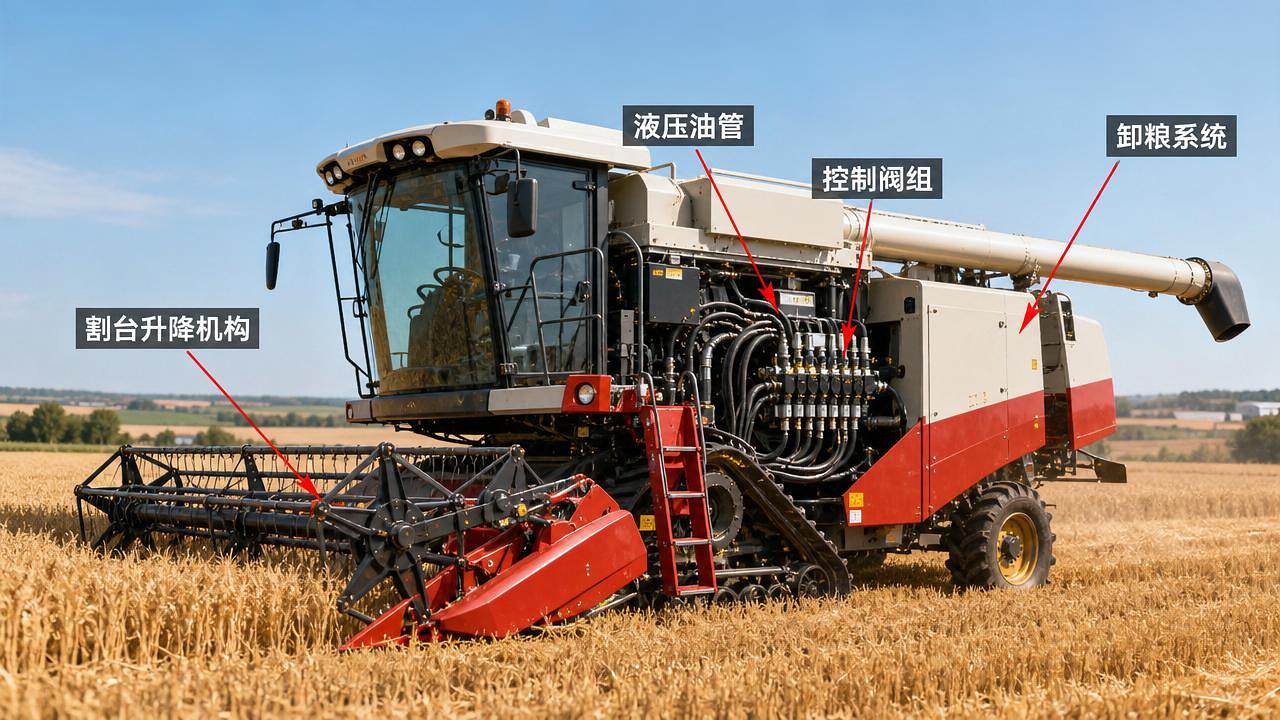




When harvest speed drops and crop loss begins to rise, the hidden cause is often inside hydraulic control systems for combine harvesters.
Slow reel lift, delayed header response, weak steering, and unstable unloading functions usually point to hydraulic faults, not only mechanical wear.
For field service work, fast diagnosis matters because every hour of downtime affects grain quality, labor efficiency, and seasonal output.
This guide explains fault patterns, service priorities, and practical checks for hydraulic control systems for combine harvesters in real operating scenarios.
Why field conditions change how hydraulic control system faults appear
Hydraulic control systems for combine harvesters behave differently in dry wheat, wet rice, sloped ground, and high-residue corn conditions.
The same pressure loss can create minor hesitation in one field, but severe header instability in another.
That is why fault diagnosis should begin with the operating scene, not only with a component list.
Temperature, contamination load, actuator duty cycle, and repeated spool movement all influence response speed and system stability.
In Agriculture 4.0 operations, hydraulic performance also affects sensor-based control accuracy and automated harvesting consistency.
Scenario one: header lift slows during dense crop harvesting
In dense crop conditions, operators often notice slow header lift before they see clear pressure alarm signs.
This symptom usually appears when oil flow cannot match repeated lifting demand at the control valve and cylinder circuit.
Common causes include pump wear, suction restriction, clogged return filtration, internal cylinder leakage, or relief valve drift.
If the header rises normally when unloaded but slows under crop mass, pressure generation is likely present but flow delivery is weak.
If lift speed varies with engine speed, inspect pump efficiency, oil aeration, and inlet sealing first.
Core judgment points in this scenario
- Lift slows only under load: suspect pump flow loss or internal leakage.
- Lift is jerky: check air entry, contamination, or sticky spool movement.
- Lift is slow when hot: inspect oil viscosity drop and worn pump clearances.
- Lift drifts after stopping: test cylinder seals and valve holding function.
Scenario two: steering becomes heavy on uneven or wet ground
Heavy steering in muddy or uneven fields often appears before operators report a total hydraulic failure.
In this scene, hydraulic control systems for combine harvesters face high steering correction frequency and longer sustained pressure demand.
When steering response becomes delayed, the issue may involve priority valves, orbitrol units, pressure compensation failure, or contaminated spool passages.
If steering weakens while header and unloading functions still work, the fault may sit inside steering priority allocation rather than main pump output.
If all functions weaken together, system-wide pressure loss becomes more likely.
What to verify first
- Measure steering circuit pressure during repeated wheel corrections.
- Check whether priority flow reaches steering before auxiliary functions.
- Inspect oil for foam, water ingress, or metallic particles.
- Confirm hose collapse, kink, or internal lining separation.
Scenario three: unloading and auxiliary functions respond too slowly at peak hours
During peak harvest windows, unloading systems and auxiliary actuators must react quickly to avoid bottlenecks.
Slow auger swing, delayed discharge gate action, or lagging reel adjustment usually indicate valve response problems.
This scenario often involves varnish buildup, fine contamination, weak solenoid actuation, or electronic-hydraulic signal mismatch.
Modern hydraulic control systems for combine harvesters increasingly rely on electrohydraulic valves, making clean fluid even more critical.
A valve can pass bench testing yet still stick under hot, contaminated, real-field conditions.
Practical fault indicators
- Delay after command but normal force later: suspect spool sticking.
- Intermittent failure: inspect electrical connectors and coil heating.
- Slow movement in all auxiliaries: review filter bypass and oil cleanliness.
- Only one motion is weak: isolate local valve, hose, or actuator leakage.
How pressure instability and contamination create hidden harvesting losses
Not every hydraulic problem stops a combine immediately. Many faults reduce performance gradually and raise hidden operating losses.
Pressure instability can affect header float, reel positioning, feeder control, and cleaning system consistency.
That leads to uneven crop intake, higher shatter loss, operator fatigue, and more correction movements.
Contamination is especially damaging because it attacks pumps, valves, seals, and sensors at the same time.
In hydraulic control systems for combine harvesters, small particles can cause large timing errors long before catastrophic failure appears.
Different scenarios require different service priorities
A useful diagnosis path depends on which function slows first, under what load, and at what oil temperature.
Hydraulic control systems for combine harvesters should never be assessed by replacing parts in sequence without field evidence.
- High-load harvesting: prioritize pump flow, suction condition, and relief calibration.
- Wet terrain steering complaints: prioritize priority valve and pressure compensation checks.
- Auxiliary motion delays: prioritize spool cleanliness and electrohydraulic response testing.
- Heat-related weakness: prioritize leakage analysis and oil specification review.
Recommended fault-isolation steps for faster field recovery
A structured sequence reduces downtime and prevents unnecessary component replacement.
- Record the exact field symptom, crop condition, oil temperature, and engine speed.
- Check hydraulic oil level, color, smell, foam, and visible contamination.
- Measure system pressure and compare cold versus hot performance.
- Verify suction integrity, filter status, and bypass condition.
- Test individual valves, cylinders, and steering circuits under load.
- Inspect connectors and coils where electrohydraulic controls are used.
- Confirm repair results through field simulation, not idle shop testing alone.
Common misjudgments that delay repair of hydraulic control systems
One frequent error is blaming engine power for slow hydraulic movement without pressure and flow verification.
Another mistake is replacing the pump first when contamination has already damaged valves and seals downstream.
Some teams also ignore heat-related faults because the machine performs normally during morning startup tests.
In hydraulic control systems for combine harvesters, hot-oil behavior often reveals internal leakage that cold checks miss.
A final blind spot is overlooking hose failure. Inner-layer collapse can restrict flow while the hose exterior still looks acceptable.
Next actions to restore reliable combine performance
Reliable harvesting depends on disciplined hydraulic inspection, clean oil management, and scenario-based fault isolation.
For hydraulic control systems for combine harvesters, the fastest recovery comes from linking field symptoms to pressure, flow, temperature, and contamination evidence.
Build service routines around crop condition, duty cycle, and heat load rather than fixed assumptions.
That approach reduces downtime, protects yield quality, and supports smarter equipment decisions across modern agricultural operations.
AP-Strategy continues to track combine harvesting technology, hydraulic diagnostics, and intelligent farm equipment trends that shape field efficiency worldwide.
Related News
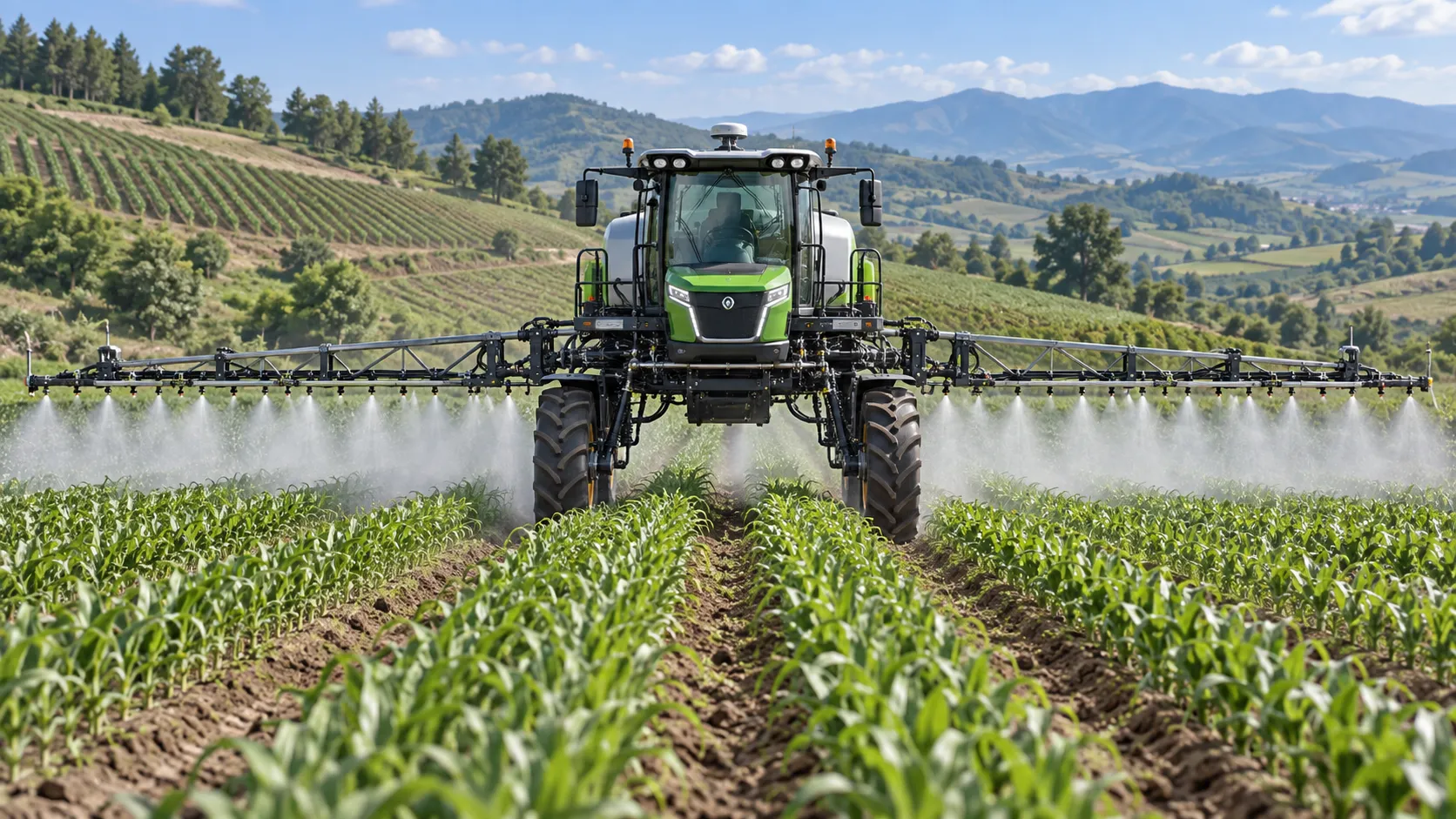
How to Select Precision Crop Protection Equipment for Variable Field Conditions
Precision crop protection equipment selection made simple: compare terrain, canopy, weather, control accuracy, and data workflows for reliable applications.
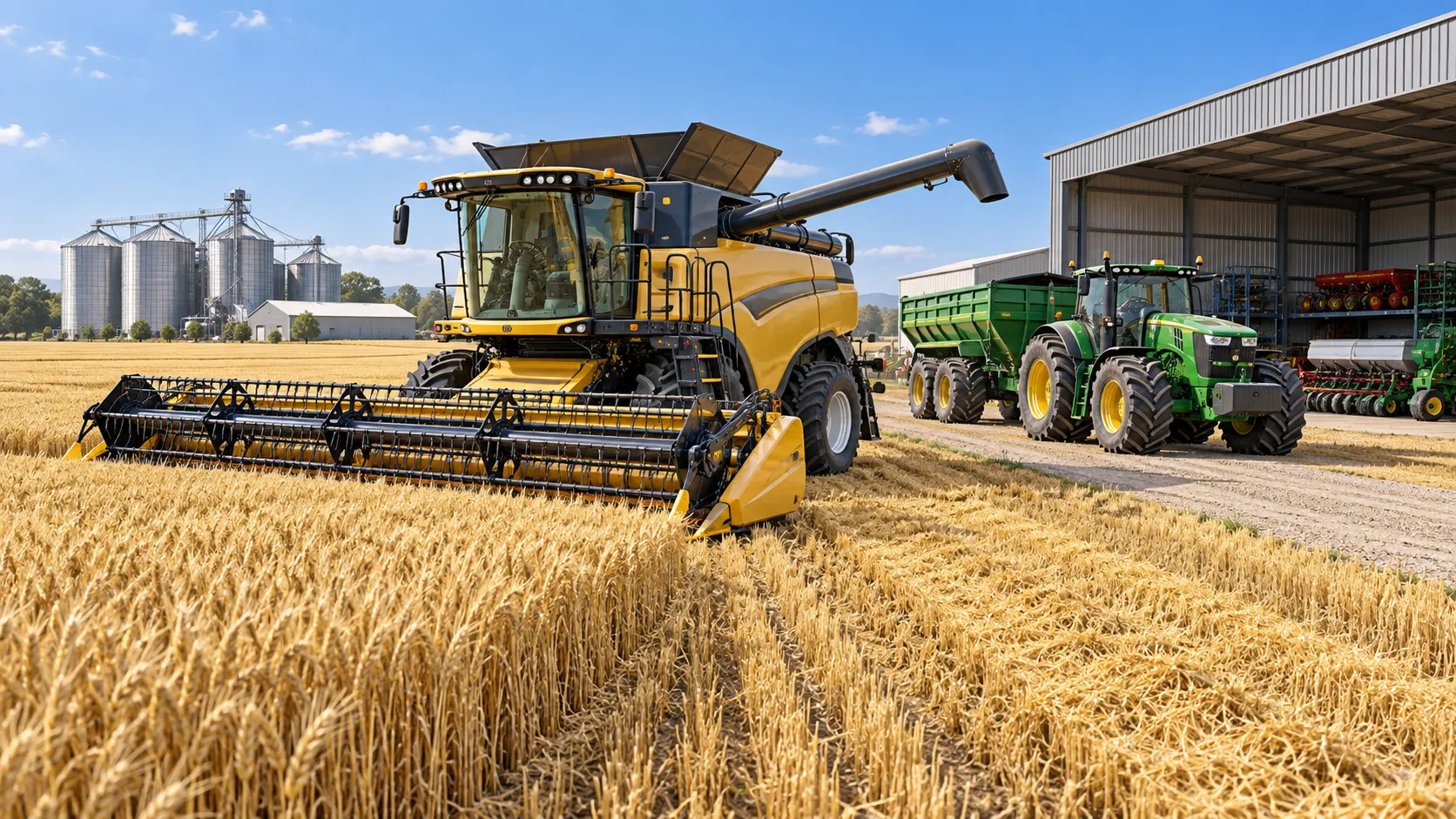
When Does Agricultural Machinery Leasing Cost Less Than Owning Equipment?
Agricultural machinery leasing can lower farm costs when use is seasonal or uncertain. Compare utilization, maintenance, cash flow, and risk to make a smarter equipment decision.
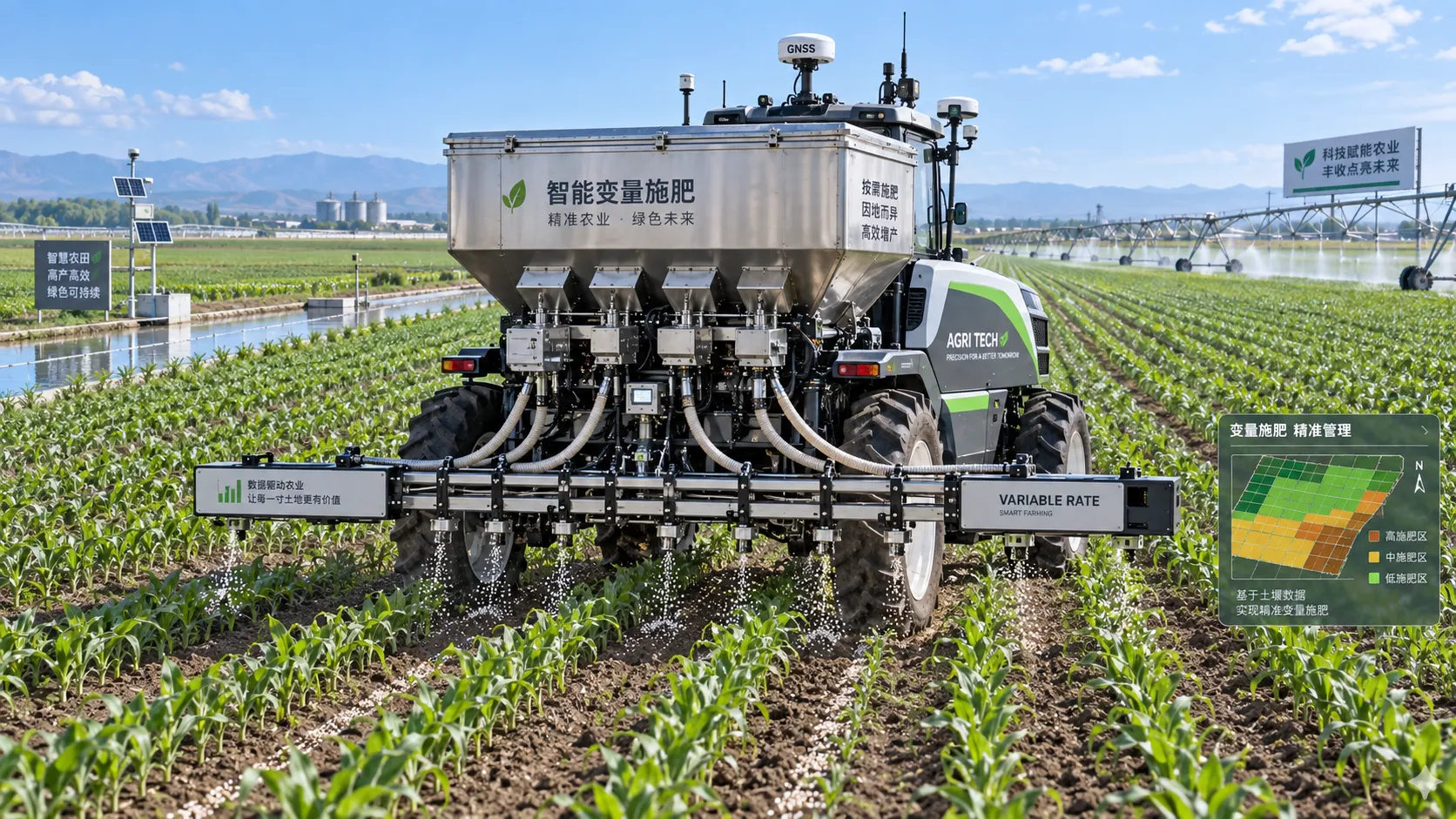
How to Evaluate Precision Fertilization System Suppliers for Farm-Scale Deployment
Precision fertilization systems suppliers: learn how to compare accuracy, integration, uptime, service, and total cost for confident farm-scale deployment.
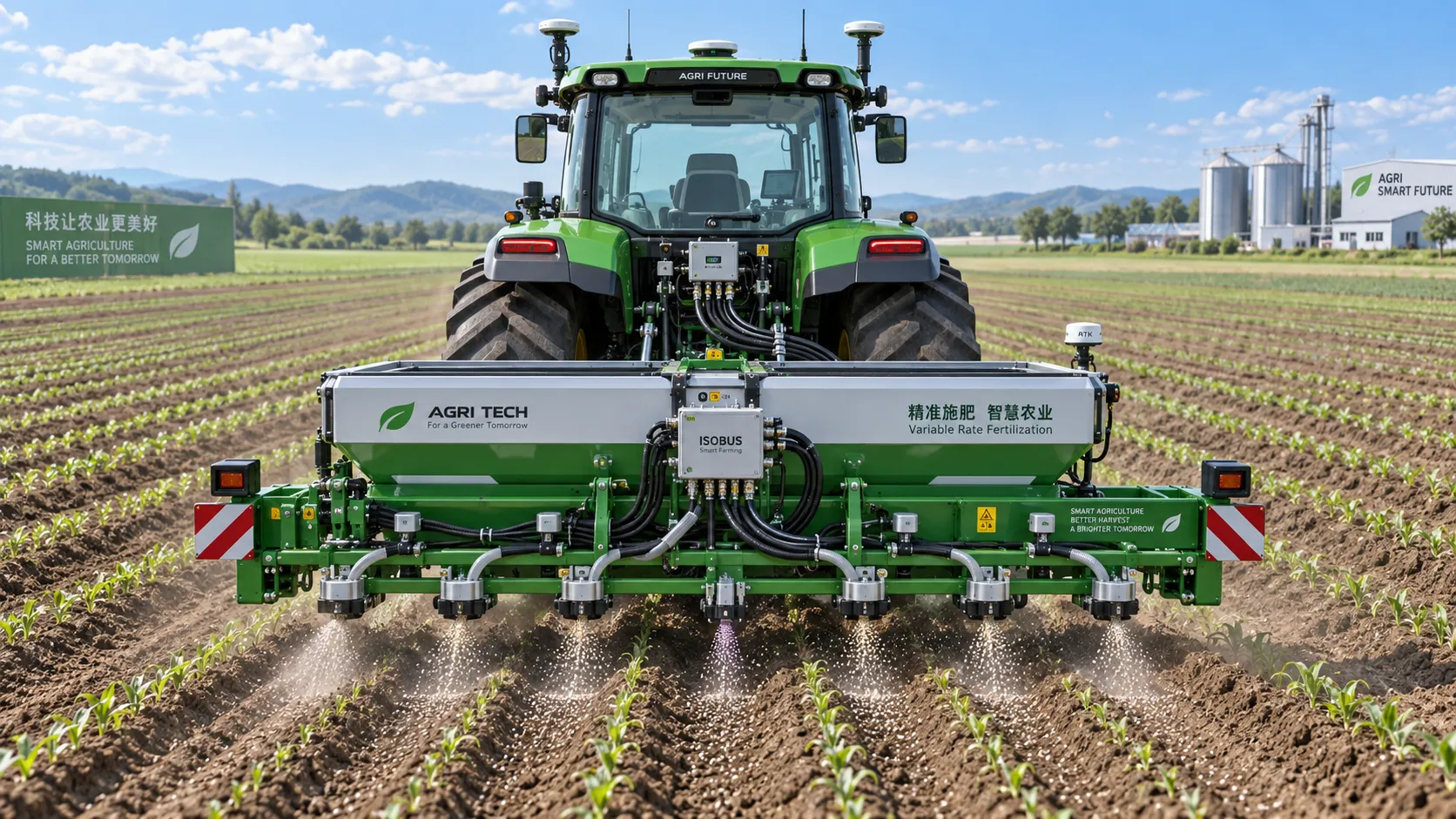
ISOBUS for Smart Agriculture: How It Connects Tractors, Implements, and Farm Data
ISOBUS for smart agriculture connects tractors, implements, terminals, and farm data—helping growers improve precision, documentation, and smarter field decisions.
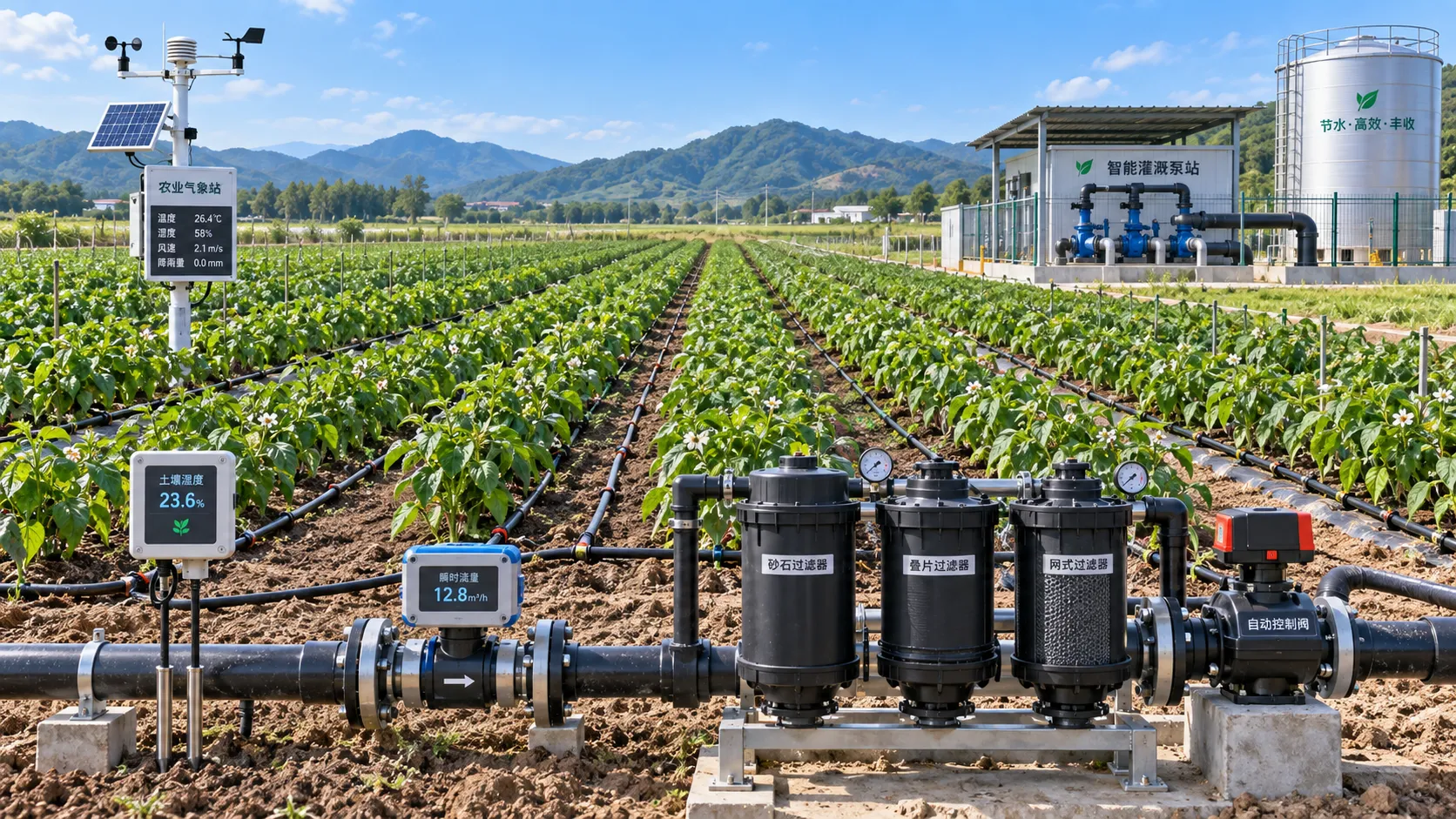
Automated Water-Saving Irrigation: How to Cut Water Use Without Reducing Crop Yields
Automated water-saving irrigation helps farms cut water use, protect crop yields, improve scheduling, and gain reliable control with sensors, flow monitoring, and smart zones.
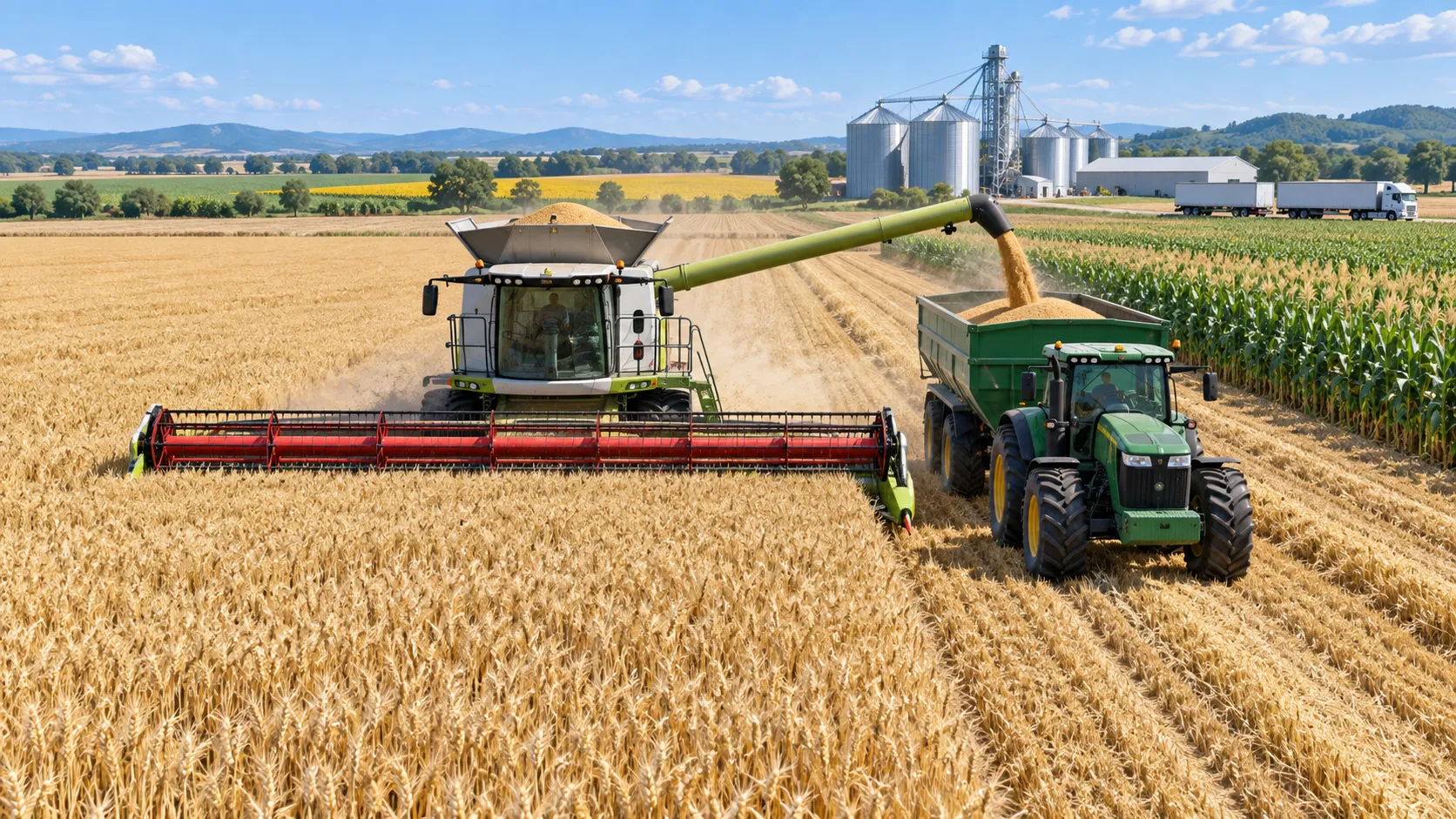
Selecting Grain Farm Equipment by Acreage, Crop Mix, and Harvest Window
Agricultural equipment selection for grain farming: match machinery to acreage, crop mix, and harvest windows to improve uptime, efficiency, and returns.
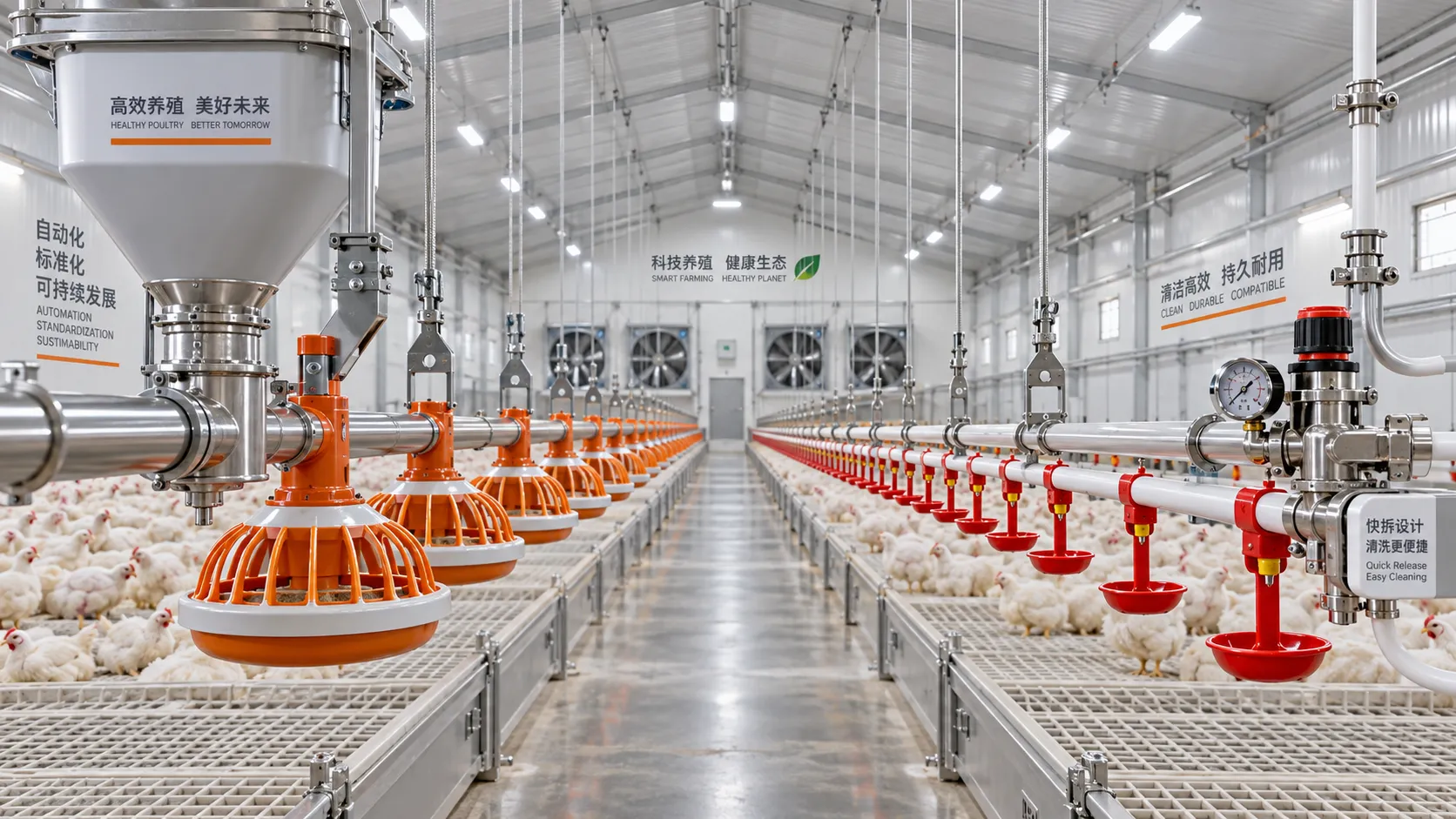
Poultry Equipment Selection: Evaluating Durability, Cleaning, and Compatibility
Poultry equipments selection guide: evaluate durability, cleaning access, and system compatibility to improve hygiene, reduce downtime, and support efficient flock management.
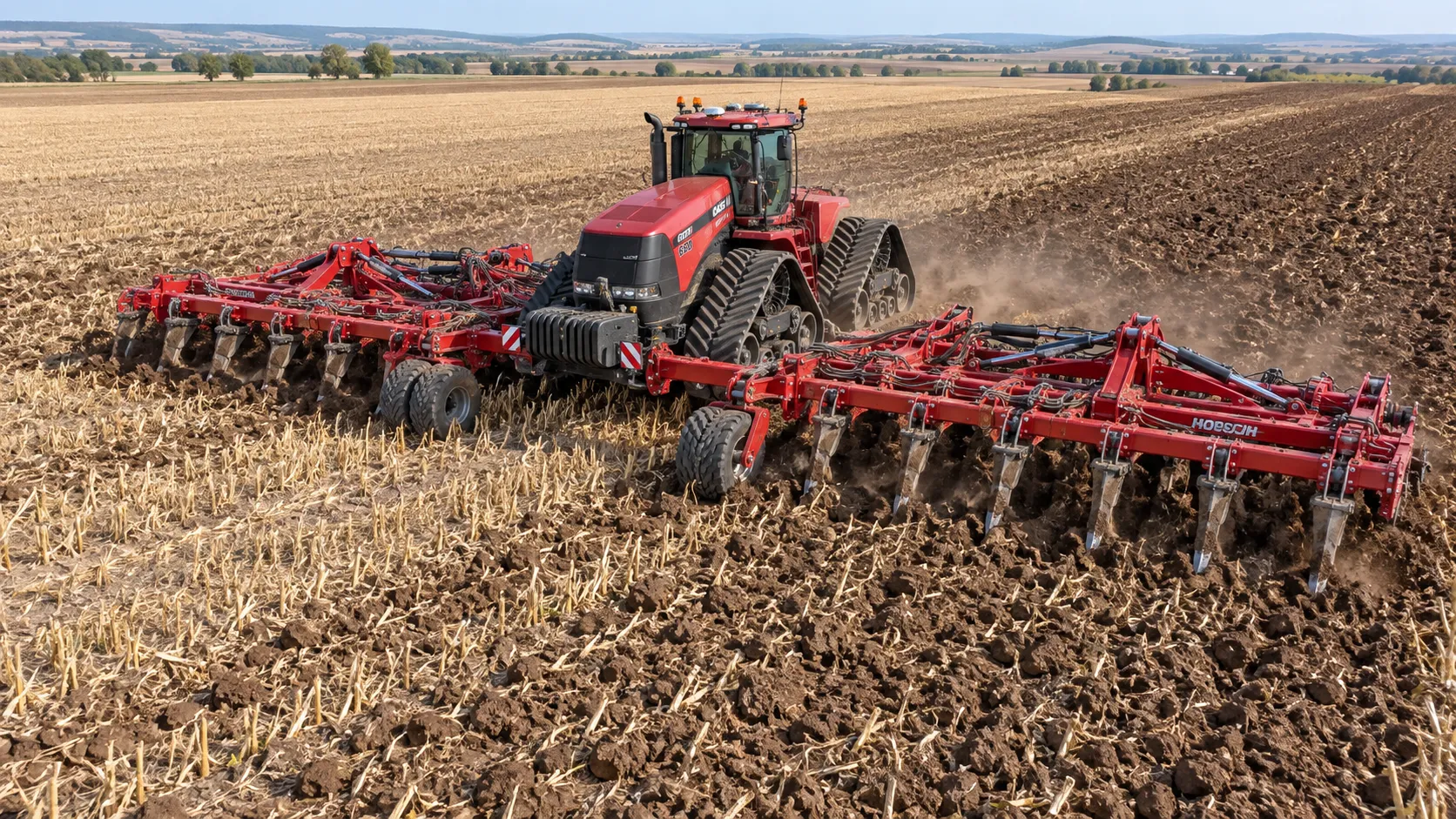
How to Select Heavy-Duty Farm Implements for High-Acreage, High-Horsepower Operations
Heavy duty farm implements: learn how to match draft, hydraulics, hitch capacity, frame strength, and field conditions for reliable high-acreage performance.
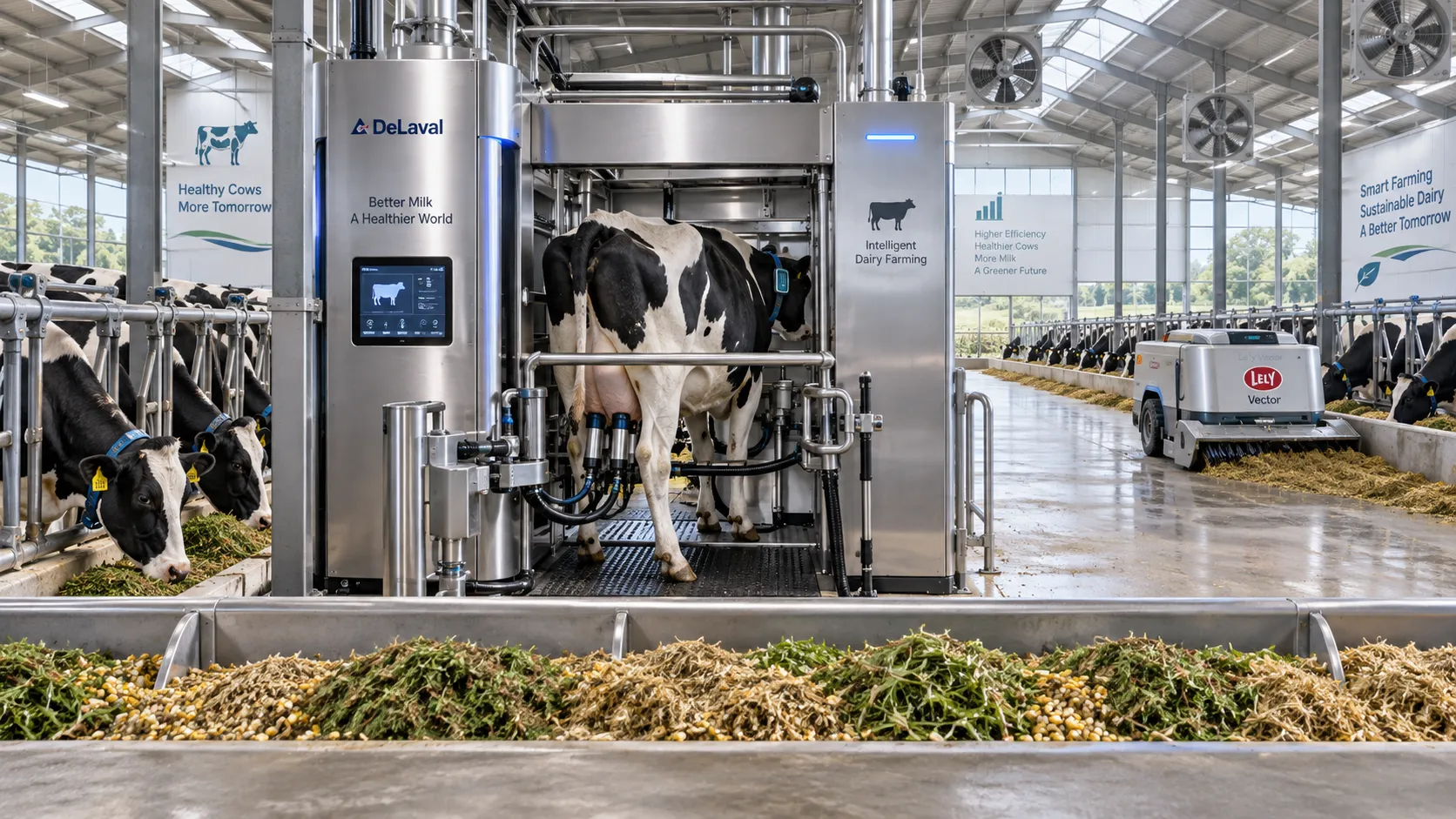
Smart Farming Technology for Dairy Farms: Where Automation Delivers Measurable ROI
Smart farming technology for dairy farms delivers measurable ROI through automation, precision feeding, health monitoring, and data-driven cost control.
Related News
- 00
0000-00
Tractor Hydraulic Systems Troubleshooting: Diagnosing Weak Lift and Slow Implements - 00
0000-00
Which Implements Are Compatible With a 200 HP Tractor for Mixed Cropping? - 00
0000-00
How to Select Agricultural Hydraulic Systems for Sprayers by Flow, Pressure, and Boom Demand - 00
0000-00
Australia Tightens Carbon Rules for Hydraulic Lift System Imports - 00
0000-00
ANATEL Sets New Rules for Wireless Hydraulic Lift Systems
Popular Tags
Tractor Power Architect
Weekly Insights
Stay ahead with our curated technology reports delivered every Monday.