
Q1 2026 China Industrial Profits +15.5%; Farm Machinery Component Cost Pressure Eases
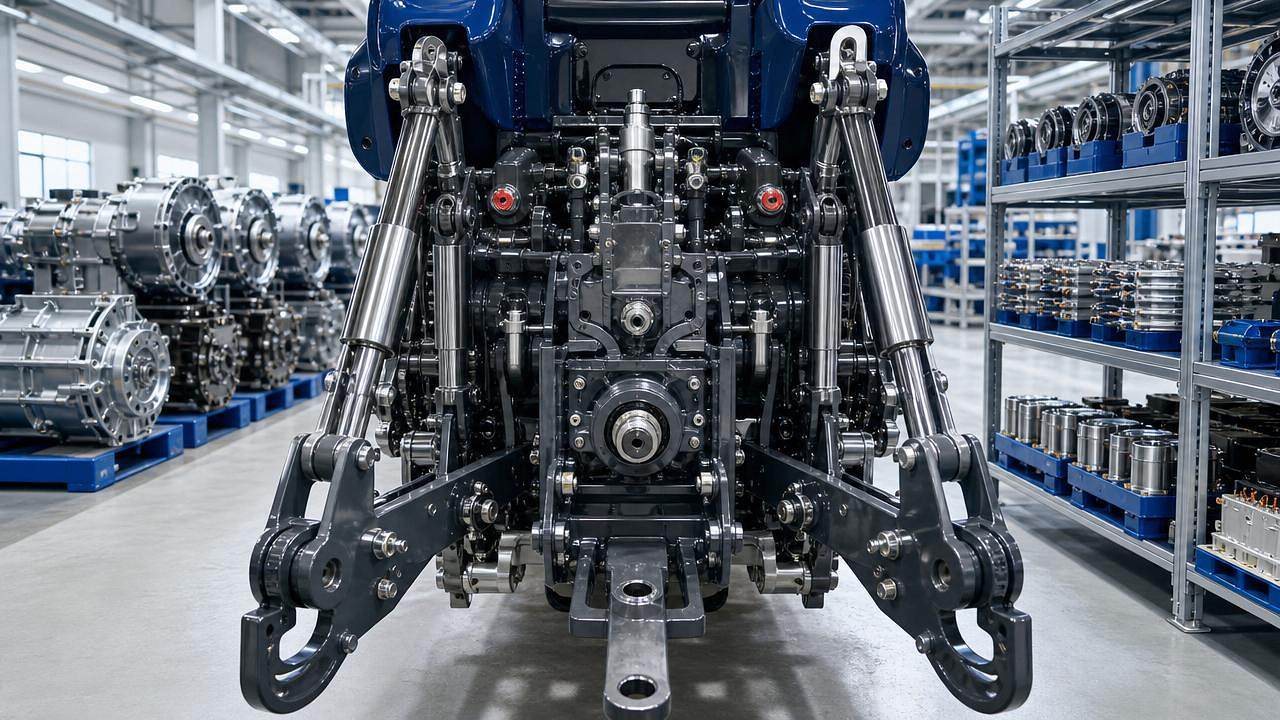




On April 27, 2026, the National Bureau of Statistics of China reported a 15.5% year-on-year increase in profits for designated-size industrial enterprises nationwide in Q1 2026. This development signals easing input cost pressure — particularly for high-value agricultural machinery components — and warrants close attention from manufacturers, exporters, and supply chain stakeholders in the farm equipment sector.
Event Overview
The National Bureau of Statistics released official data on April 27, 2026, indicating that profits of designated-size (i.e., revenue ≥ RMB 20 million annually) industrial enterprises rose by 15.5% year-on-year in the first quarter of 2026. The report notes concurrent stabilization in prices of key upstream materials — including steel, rare-earth permanent magnets, and IGBT modules — which support critical subsystems such as hydraulic lift systems, CVT transmissions, and GPS antenna modules used in modern agricultural machinery.
Industries Affected
Manufacturers of Mid-Tier Agricultural Machinery
These firms rely heavily on hydraulic lift systems, CVTs, and GPS-enabled guidance modules — all of which incorporate steel, rare-earth magnets, and IGBTs. As input costs for these components stabilize, margin pressure eases, potentially enabling more competitive pricing for export-oriented mid-tier models without compromising profitability.
Export-Oriented OEM/ODM Suppliers
OEM and ODM suppliers serving international brands face tighter pricing expectations in emerging markets. With raw material cost volatility subsiding, they gain greater predictability in landed cost calculations and may adjust quotations or delivery timelines accordingly — especially for orders scheduled for H2 2026 shipment.
Procurement & Supply Chain Management Units
Teams responsible for sourcing steel, rare-earth magnets, and power electronics face reduced hedging urgency. Price stabilization across these inputs lowers inventory carrying risk and supports longer-term procurement planning — though lead times and supplier capacity remain separate considerations.
What Enterprises and Practitioners Should Monitor and Do Now
Track Official Updates on Input Price Indices
Monitor monthly price indices published by the National Development and Reform Commission (NDRC) and China Iron and Steel Association for steel; monitor rare-earth oxide spot prices via the China Rare Earth Industry Association; and follow IGBT module pricing trends reported by industry analysts (e.g., TrendForce). Stabilization must be confirmed over at least two consecutive months to signal durability.
Assess Pricing Flexibility for Key Export Markets
Focus on markets where mid-tier tractors and harvesters are gaining traction — such as Southeast Asia, Latin America, and select African countries. Evaluate whether recent cost relief enables revised FOB pricing or added value (e.g., extended warranty, localized after-sales support) without eroding gross margins.
Review Production Scheduling for CVT and Hydraulic Subsystems
Given improved cost visibility, reassess build-to-order versus build-to-stock ratios for CVT assemblies and hydraulic lift units. Prioritize buffer stock for modules with longer lead times (e.g., custom GPS antenna variants), while avoiding overstocking commodity-grade components.
Verify Supplier Contract Terms Ahead of Q2 2026 Renewals
Many annual supply agreements for magnets and IGBTs were negotiated in late 2025 under higher-cost assumptions. With current price stability, renegotiation windows may open — but only if downstream demand visibility improves and contract clauses allow for mid-cycle review.
Editorial Perspective / Industry Observation
Observably, this profit growth reflects not just macroeconomic recovery but also a narrowing gap between upstream input cost volatility and downstream pricing power in the agricultural machinery segment. Analysis shows the 15.5% profit increase is closely aligned with stabilization in three specific input categories — suggesting targeted relief rather than broad-based industrial improvement. From an industry perspective, this is best understood as an early-stage signal — not yet a fully consolidated trend — because sustained cost relief depends on continued stability in global rare-earth supply chains and semiconductor packaging capacity. Current momentum does not guarantee further easing, nor does it offset structural challenges such as export compliance complexity or regional tariff adjustments.
Consequently, the data point is most valuable as a near-term calibration reference: it validates short-term margin resilience and supports tactical decisions around pricing, procurement timing, and production mix — but it does not yet indicate a structural shift in global competitiveness or long-term investment rationale.
It remains essential to distinguish between statistical confirmation (a single quarterly report) and operational validation (multi-month consistency in component-level cost behavior and order intake).
Conclusion
This Q1 2026 profit figure offers a pragmatic data anchor for agricultural machinery stakeholders navigating cost-sensitive export environments. It does not signify a new market cycle, but rather confirms a temporary reduction in cost headwinds for specific high-value subsystems. Stakeholders are better served treating this as a window for tactical recalibration — not a trigger for strategic expansion or large-scale capacity shifts.
Information Sources
Primary source: National Bureau of Statistics of China, "Statistical Bulletin on Industrial Profits, Q1 2026", released April 27, 2026. Input price observations are derived from publicly reported indices and market summaries issued by the China Iron and Steel Association, China Rare Earth Industry Association, and third-party semiconductor supply chain reports cited in the original release context. Ongoing observation is recommended for rare-earth magnet pricing and IGBT module availability, as both remain subject to geopolitical and logistical variables beyond domestic industrial policy.
Related News

When Does Agricultural Machinery Leasing Cost Less Than Owning Equipment?
Agricultural machinery leasing can lower farm costs when use is seasonal or uncertain. Compare utilization, maintenance, cash flow, and risk to make a smarter equipment decision.
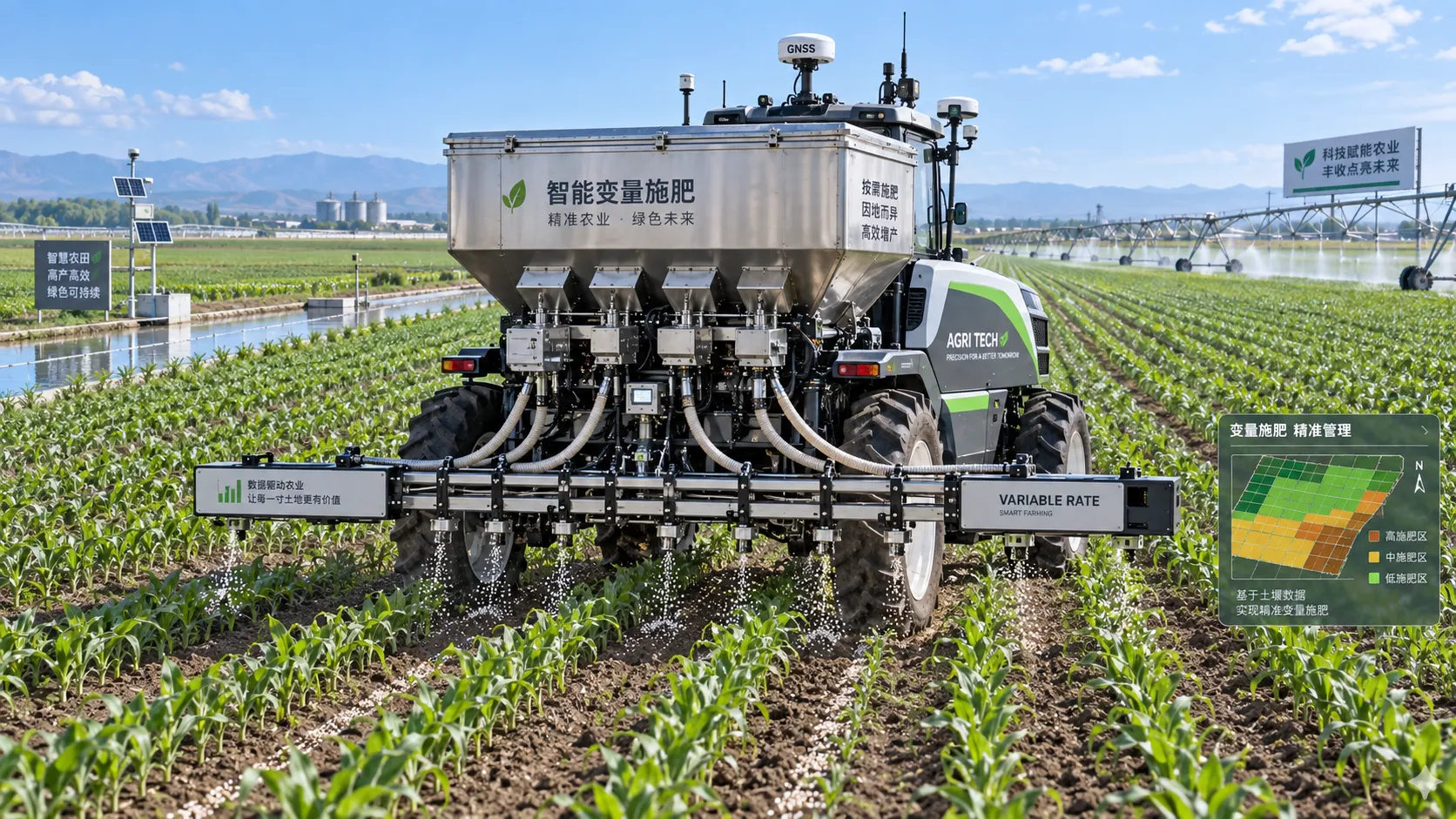
How to Evaluate Precision Fertilization System Suppliers for Farm-Scale Deployment
Precision fertilization systems suppliers: learn how to compare accuracy, integration, uptime, service, and total cost for confident farm-scale deployment.
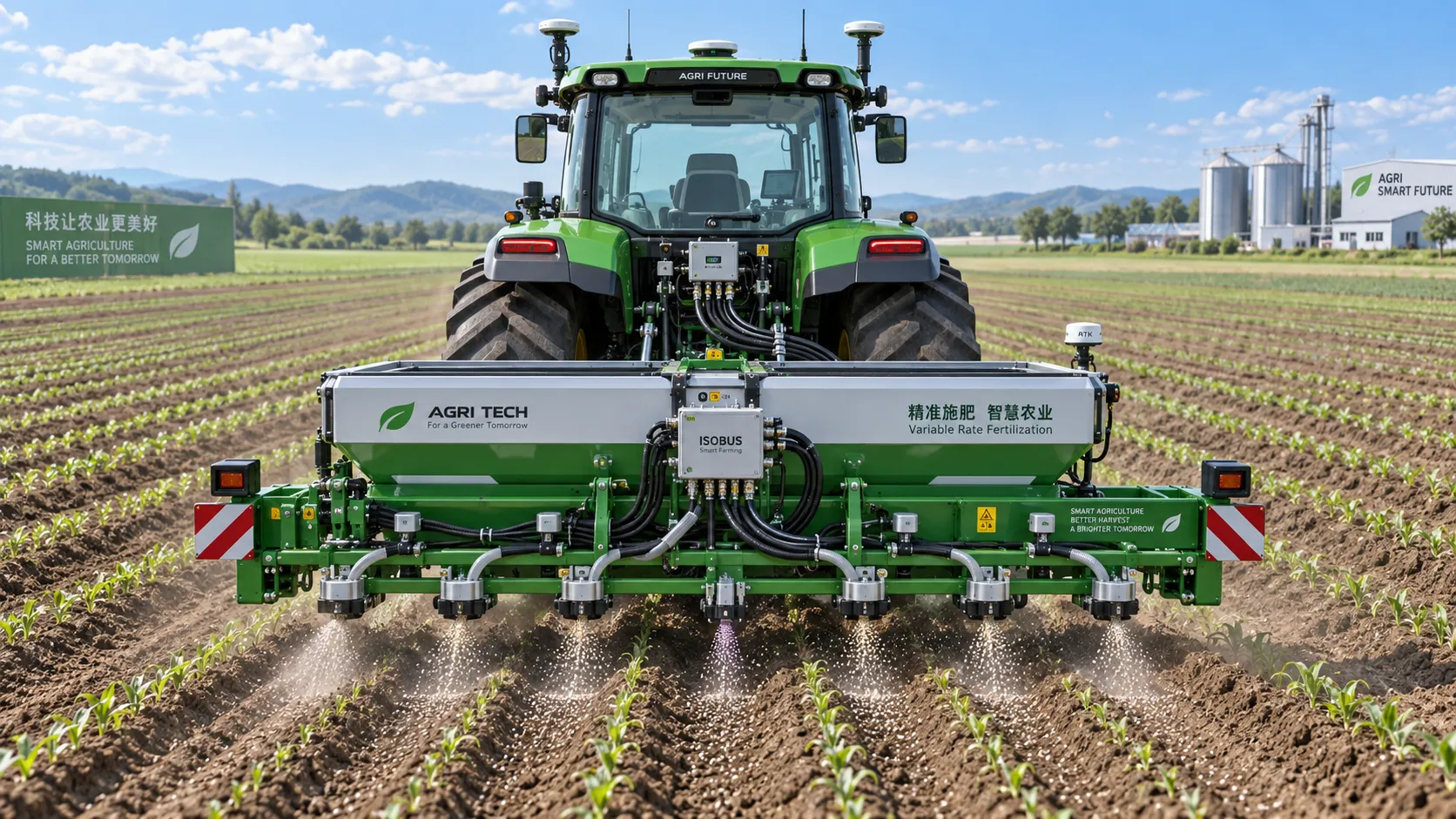
ISOBUS for Smart Agriculture: How It Connects Tractors, Implements, and Farm Data
ISOBUS for smart agriculture connects tractors, implements, terminals, and farm data—helping growers improve precision, documentation, and smarter field decisions.
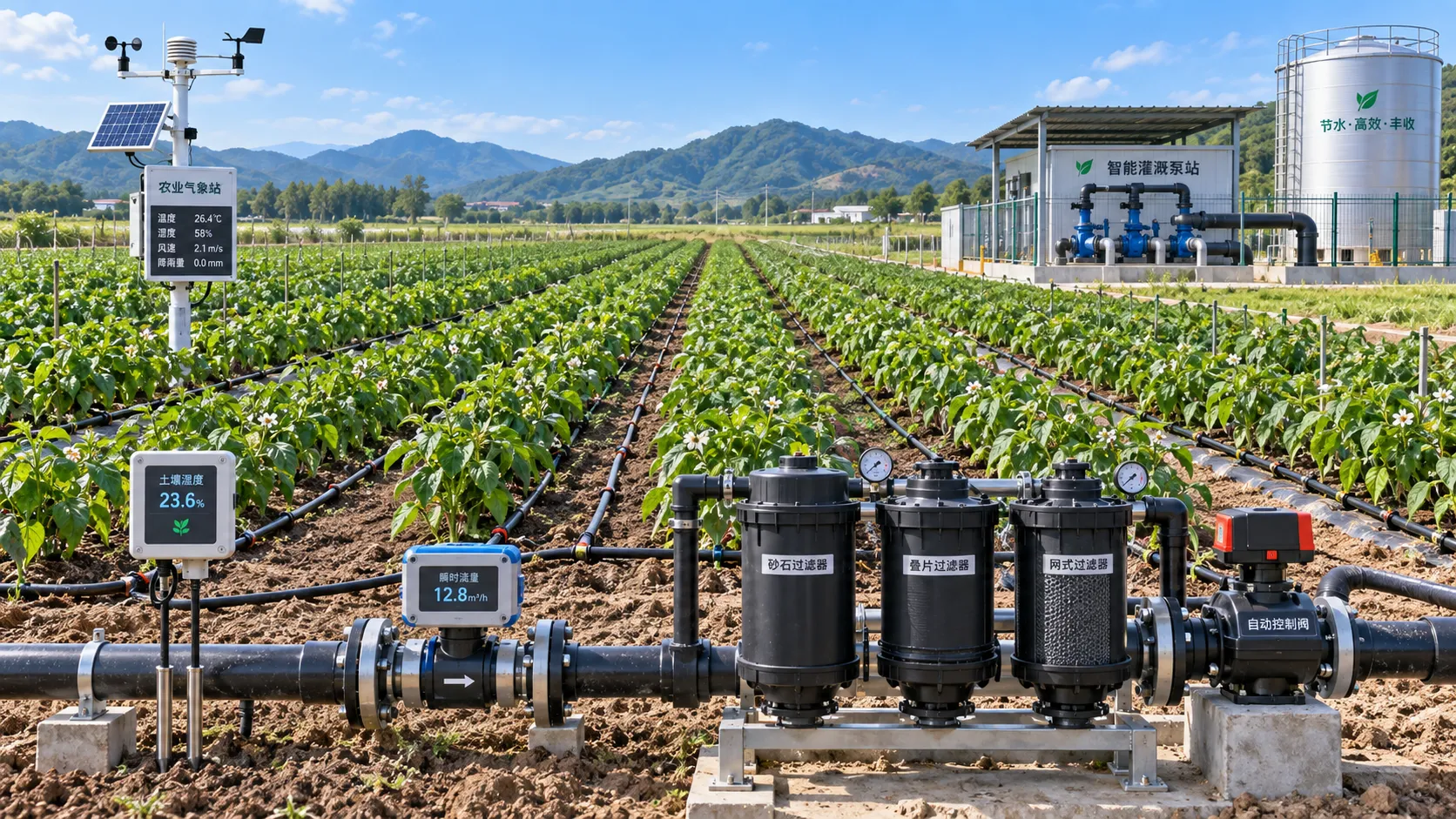
Automated Water-Saving Irrigation: How to Cut Water Use Without Reducing Crop Yields
Automated water-saving irrigation helps farms cut water use, protect crop yields, improve scheduling, and gain reliable control with sensors, flow monitoring, and smart zones.

Selecting Grain Farm Equipment by Acreage, Crop Mix, and Harvest Window
Agricultural equipment selection for grain farming: match machinery to acreage, crop mix, and harvest windows to improve uptime, efficiency, and returns.
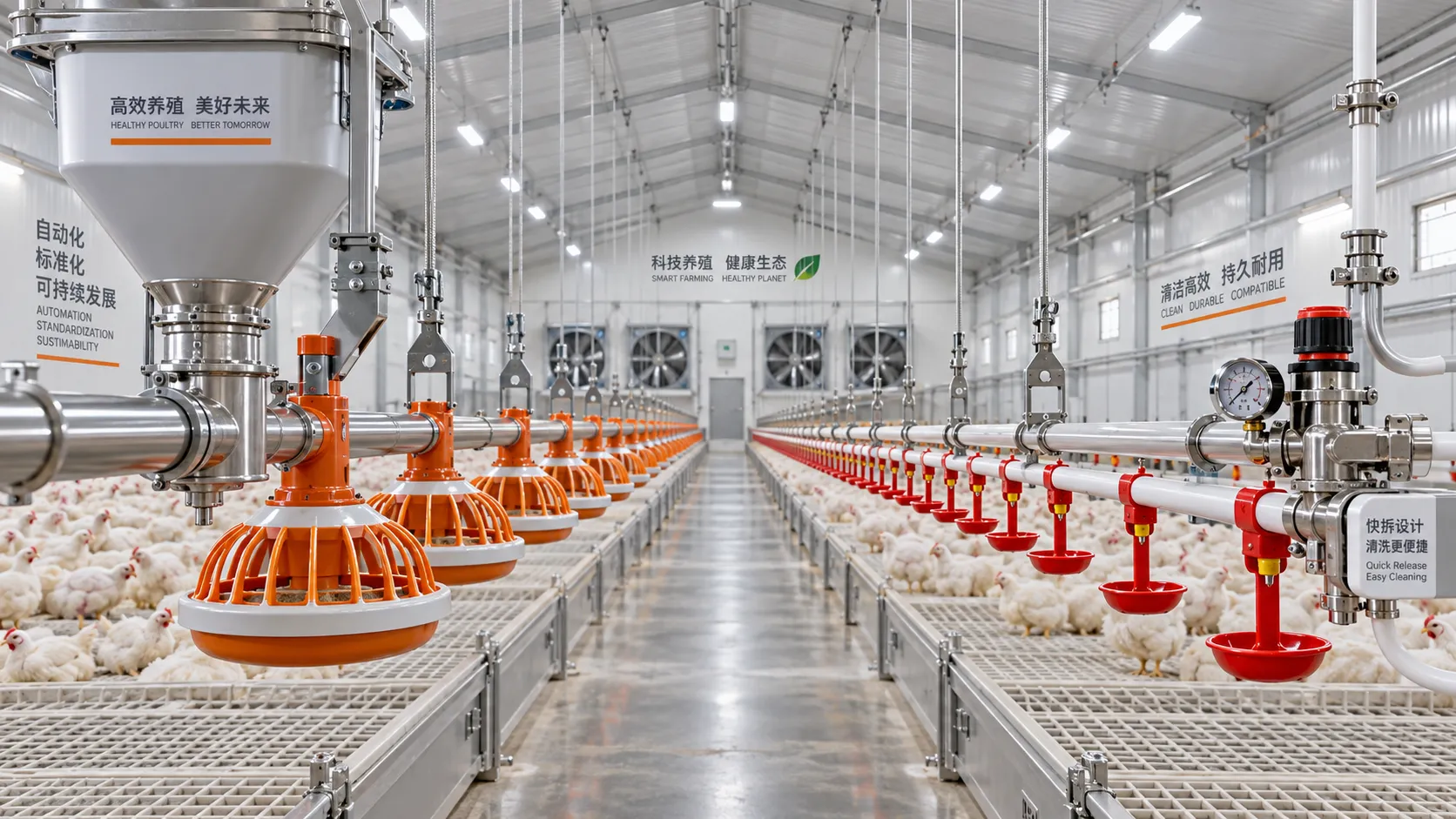
Poultry Equipment Selection: Evaluating Durability, Cleaning, and Compatibility
Poultry equipments selection guide: evaluate durability, cleaning access, and system compatibility to improve hygiene, reduce downtime, and support efficient flock management.
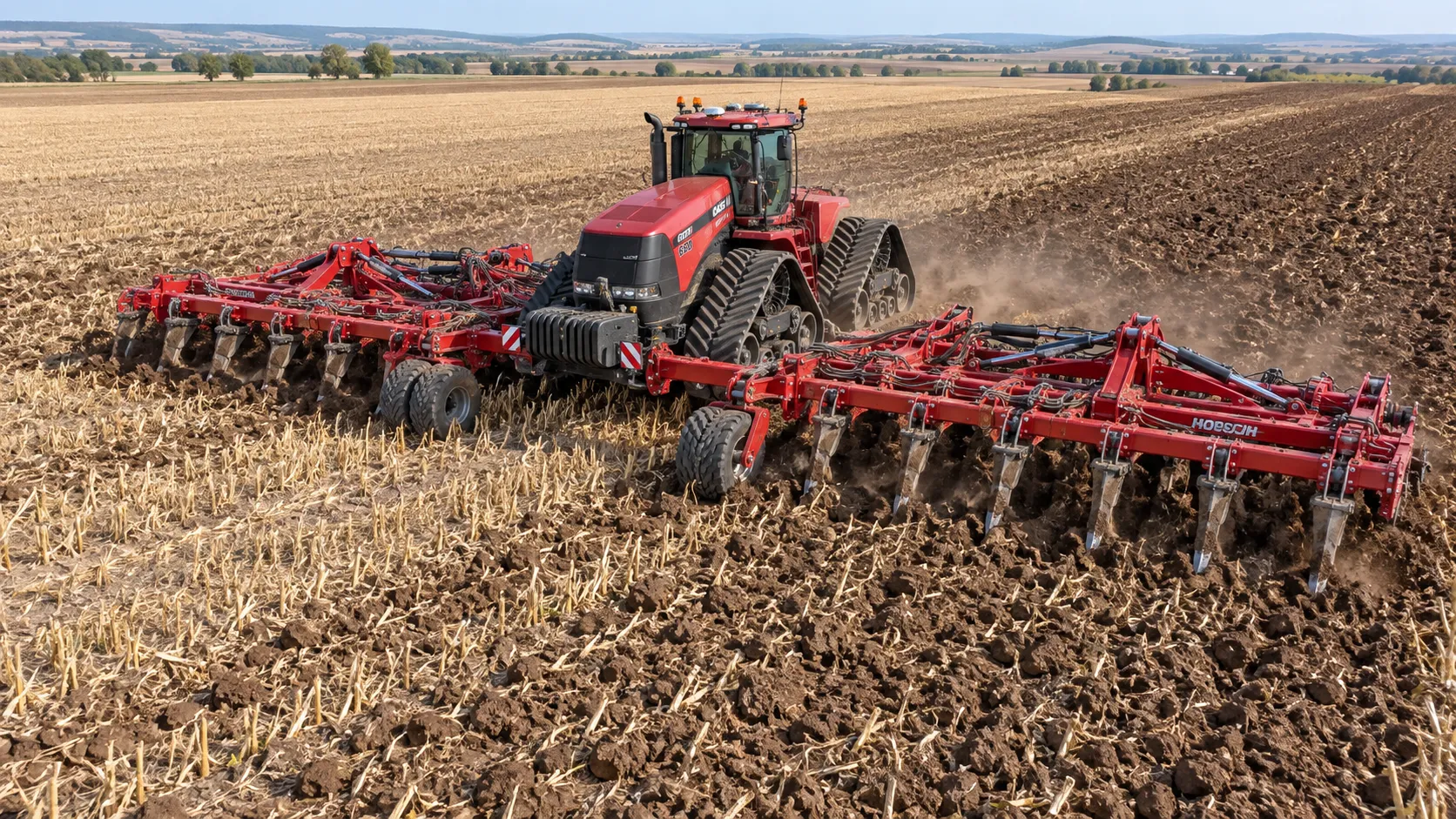
How to Select Heavy-Duty Farm Implements for High-Acreage, High-Horsepower Operations
Heavy duty farm implements: learn how to match draft, hydraulics, hitch capacity, frame strength, and field conditions for reliable high-acreage performance.
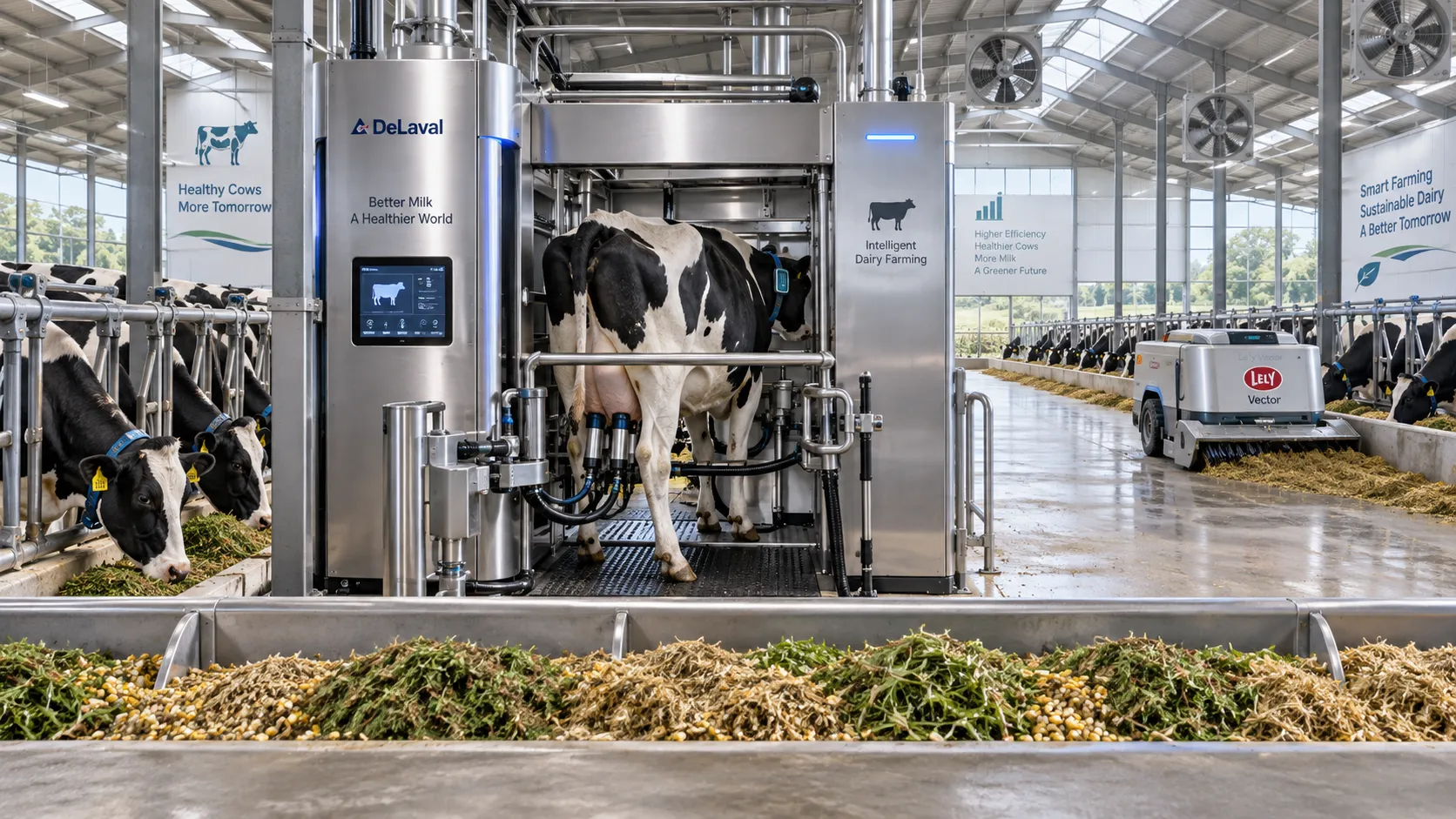
Smart Farming Technology for Dairy Farms: Where Automation Delivers Measurable ROI
Smart farming technology for dairy farms delivers measurable ROI through automation, precision feeding, health monitoring, and data-driven cost control.
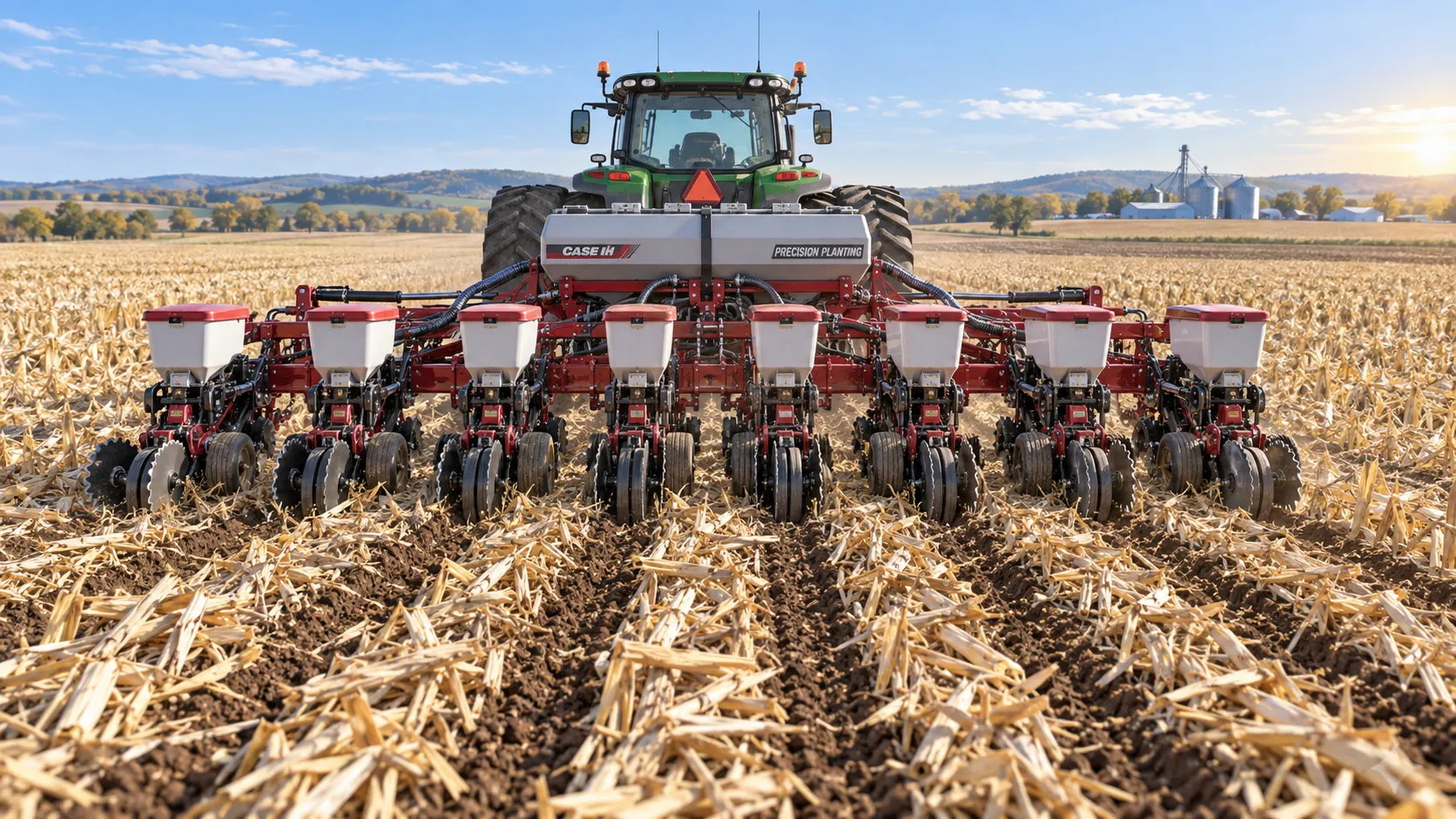
How to Select a Heavy-Duty Seeder for Large Acreage and High-Residue Fields
Heavy duty seeders for large acreage: compare residue handling, depth control, downforce, metering accuracy, and precision features to select the right model.
Related News
- 00
0000-00
Tractor Hydraulic Systems Troubleshooting: Diagnosing Weak Lift and Slow Implements - 00
0000-00
Which Implements Are Compatible With a 200 HP Tractor for Mixed Cropping? - 00
0000-00
How to Select Agricultural Hydraulic Systems for Sprayers by Flow, Pressure, and Boom Demand - 00
0000-00
Australia Tightens Carbon Rules for Hydraulic Lift System Imports - 00
0000-00
ANATEL Sets New Rules for Wireless Hydraulic Lift Systems
Popular Tags
Tractor Power Architect
Weekly Insights
Stay ahead with our curated technology reports delivered every Monday.