
New Hazardous Chemicals Safety Law Takes Effect May 2026
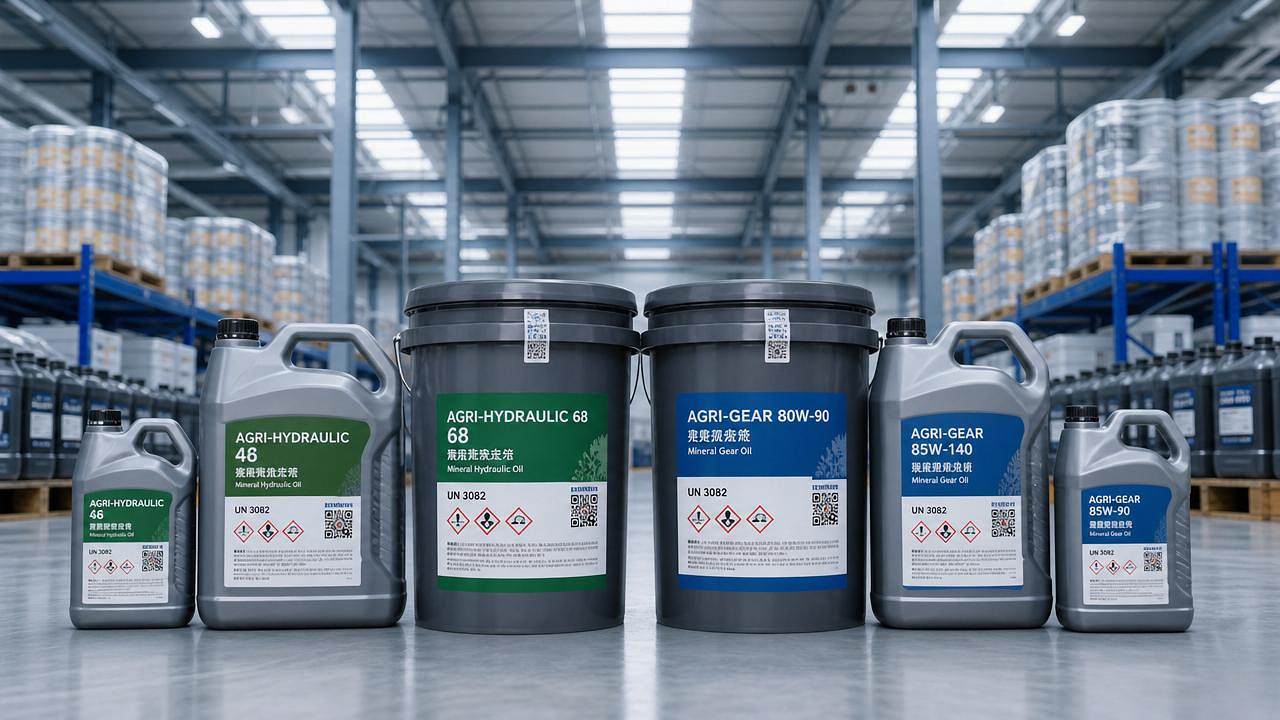




Starting May 1, 2026, the newly enacted Hazardous Chemicals Safety Law will impose mandatory labeling and packaging requirements on exported agricultural machinery lubricants and hydraulic oils containing mineral oil-based formulations. This development directly affects exporters and suppliers serving Southeast Asian and Latin American markets—where importers have already issued formal notices requiring compliance by June 2026 or risk shipment rejection.
Event Overview
The Hazardous Chemicals Safety Law enters into force on May 1, 2026. Under its provisions, all exported products classified as hazardous chemicals—including mineral oil–based hydraulic fluids and gear oils—must bear Globally Harmonized System (GHS) pictograms, precautionary statements (P-phrases), and UN identification numbers. Additionally, labels must include a tamper-evident QR code linking to bilingual (Chinese/English) Safety Data Sheets (SDS). As confirmed by multiple trade communications, importers in Southeast Asia and Latin America have formally requested Chinese suppliers of agricultural machinery lubricants to complete label modifications by June 2026; failure to comply may result in halted customs inspection and cargo rejection.
Industries Affected
Direct Exporters of Agricultural Machinery Lubricants
These companies are directly subject to the new labeling mandates. Non-compliant labels will prevent clearance at destination ports, triggering delays, rework costs, and potential contract breaches with overseas buyers.
Manufacturers of Hydraulic and Gear Oils for Farm Equipment
As upstream producers of regulated substances, they must revise product labeling, update SDS documentation, and verify that packaging materials support QR code integration and GHS symbol legibility—especially for small-volume containers commonly used in OEM service kits.
Distributors and Brand-Owner Suppliers Serving Export Channels
Entities managing private-label or co-branded lubricant lines face dual obligations: ensuring their own label design meets legal criteria while also verifying compliance across third-party bottling or repackaging partners in the supply chain.
Logistics and Compliance Support Providers
Firms offering labeling verification, SDS authoring, or regulatory translation services will see increased demand—but only for those capable of delivering verifiably compliant outputs aligned with both Chinese implementation guidance and target-market enforcement expectations.
Key Considerations and Recommended Actions
Monitor official implementation guidelines from China’s Ministry of Emergency Management
The law takes effect May 1, 2026, but detailed enforcement protocols—including classification thresholds, transitional arrangements, and approved SDS templates—are still pending. Companies should track official notices rather than rely solely on importer demands, which may exceed statutory minimums.
Prioritize high-volume export SKUs and key destination markets
Given tight timelines, focus first on products shipped to Southeast Asia and Latin America—particularly those already flagged in importer correspondence—and validate label elements (GHS symbols, P-phrases, UN numbers, QR functionality) against each country’s adopted GHS version (e.g., ASEAN GHS v2.0 vs. Brazil’s NR-20).
Distinguish between policy signal and operational readiness
While the law is effective May 2026, enforcement ramp-up may vary by port and jurisdiction. However, importer-led pre-clearance requirements (e.g., June 2026 deadlines) represent binding commercial terms—not just regulatory signals—and require immediate technical preparation.
Initiate cross-functional alignment now
Coordinate labeling updates across R&D (for SDS accuracy), procurement (for QR-printed label stock), quality assurance (for print verification), and sales (to renegotiate timelines with buyers where needed). Delaying internal alignment risks last-minute bottlenecks ahead of the May and June deadlines.
Editorial Perspective / Industry Observation
Observably, this regulation marks a formal alignment of China’s chemical export controls with international hazard communication standards—not a sudden departure, but a codification of existing GHS expectations into enforceable domestic law. Analysis shows it functions less as an isolated compliance event and more as a structural signal: downstream markets are increasingly treating chemical labeling not as a documentation formality, but as a prerequisite for market access. From an industry perspective, the accelerated importer deadlines (June 2026) suggest that commercial enforcement is outpacing regulatory rollout—making proactive adaptation commercially necessary, even before full administrative guidance is published.
Current developments are better understood as a tightening of enforcement conditions rather than introduction of wholly new substance restrictions. The emphasis remains on traceability (via QR-linked SDS), hazard transparency (via GHS/P-phrases), and harmonized identification (via UN numbers)—all consistent with long-standing OECD and UN recommendations.
Conclusion
This regulation does not introduce novel chemical classifications for hydraulic or gear oils—but it does convert longstanding international best practices into legally binding export requirements. Its significance lies in enforceability and timing: May 2026 establishes the legal baseline, while June 2026 importer deadlines create immediate commercial pressure. It is more accurately interpreted as a procedural escalation than a substantive shift—yet one demanding concrete, cross-departmental action well before the effective date.
Information Source
Main source: Official announcement of the Hazardous Chemicals Safety Law, effective May 1, 2026, as promulgated by the Standing Committee of the National People’s Congress. Additional confirmation drawn from verified commercial correspondence issued by agricultural machinery lubricant importers in Vietnam, Thailand, Brazil, and Mexico during March–April 2026. Ongoing monitoring is advised for implementation rules expected from China’s Ministry of Emergency Management and State Administration for Market Regulation.
Related News
How to Select Precision Crop Protection Equipment for Variable Field Conditions
Precision crop protection equipment selection made simple: compare terrain, canopy, weather, control accuracy, and data workflows for reliable applications.
When Does Agricultural Machinery Leasing Cost Less Than Owning Equipment?
Agricultural machinery leasing can lower farm costs when use is seasonal or uncertain. Compare utilization, maintenance, cash flow, and risk to make a smarter equipment decision.
How to Evaluate Precision Fertilization System Suppliers for Farm-Scale Deployment
Precision fertilization systems suppliers: learn how to compare accuracy, integration, uptime, service, and total cost for confident farm-scale deployment.
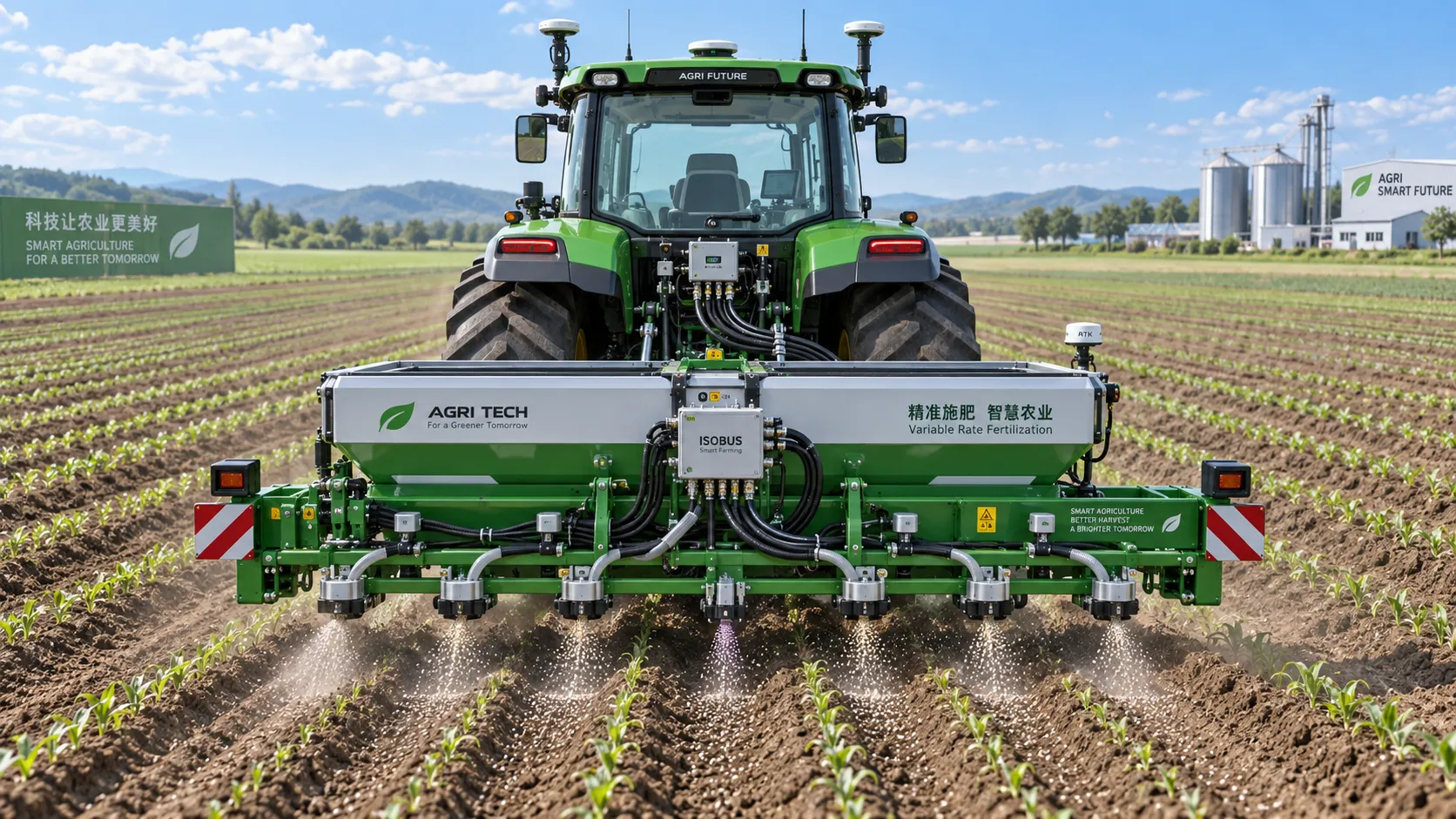
ISOBUS for Smart Agriculture: How It Connects Tractors, Implements, and Farm Data
ISOBUS for smart agriculture connects tractors, implements, terminals, and farm data—helping growers improve precision, documentation, and smarter field decisions.
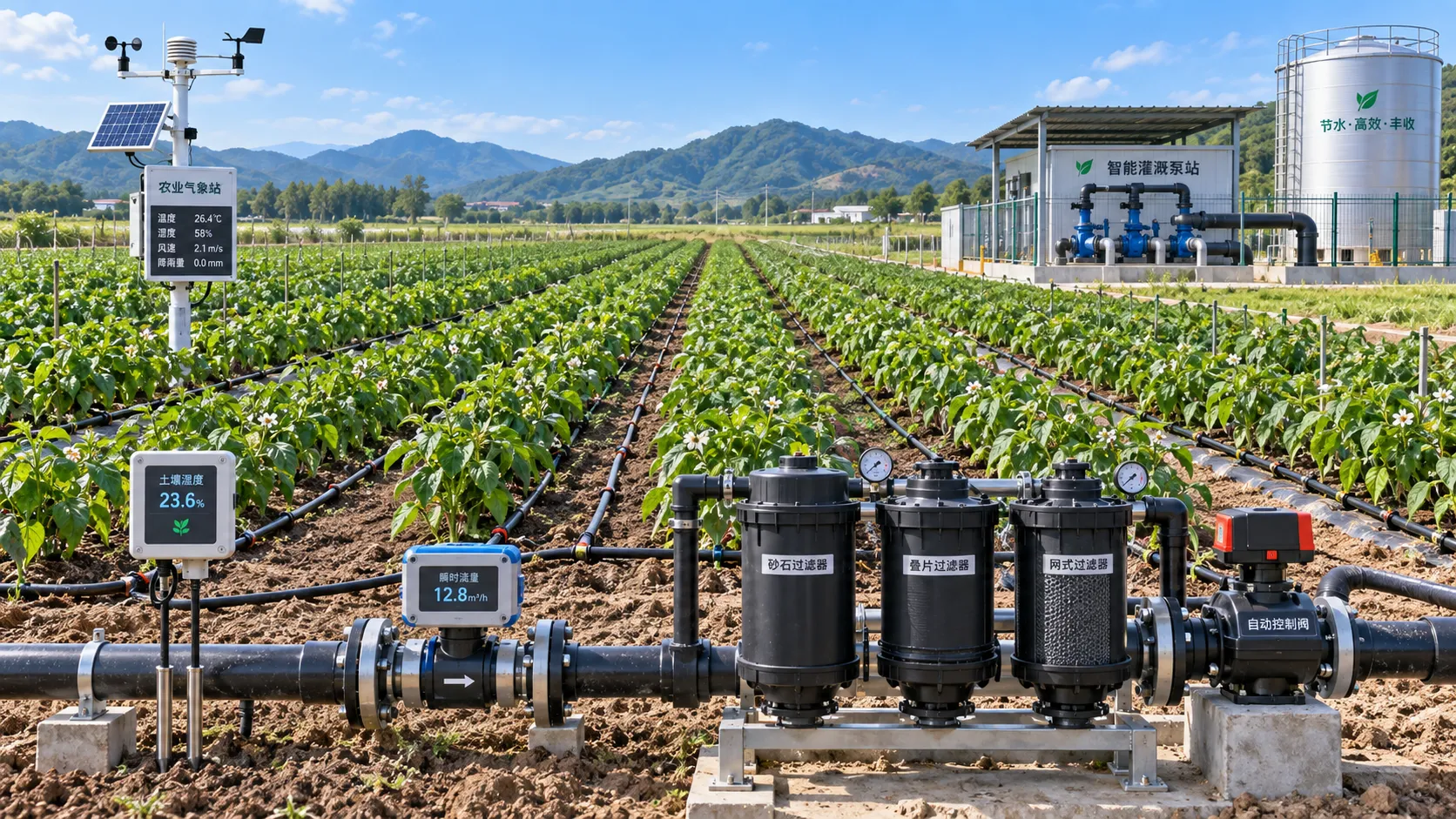
Automated Water-Saving Irrigation: How to Cut Water Use Without Reducing Crop Yields
Automated water-saving irrigation helps farms cut water use, protect crop yields, improve scheduling, and gain reliable control with sensors, flow monitoring, and smart zones.
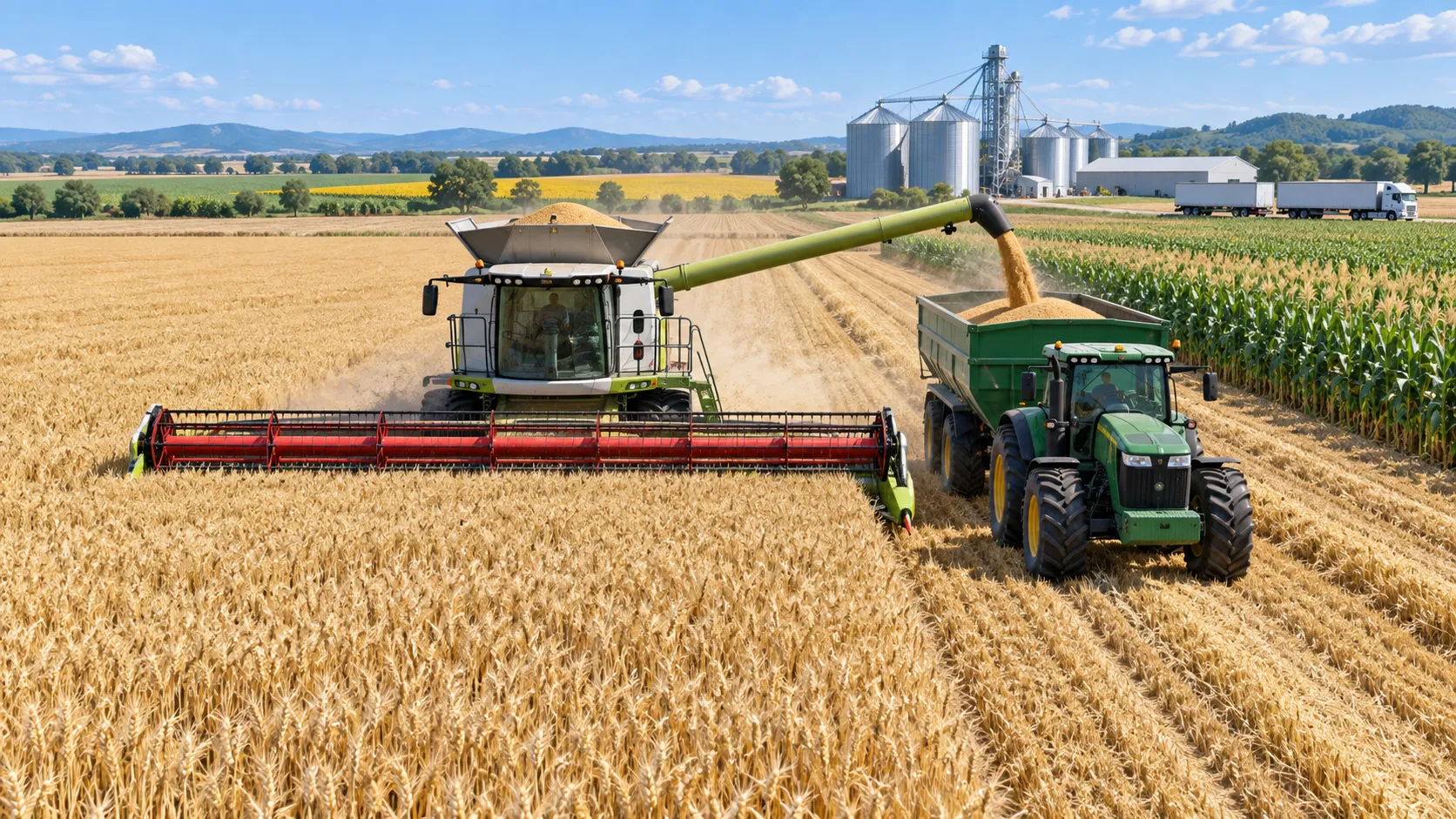
Selecting Grain Farm Equipment by Acreage, Crop Mix, and Harvest Window
Agricultural equipment selection for grain farming: match machinery to acreage, crop mix, and harvest windows to improve uptime, efficiency, and returns.
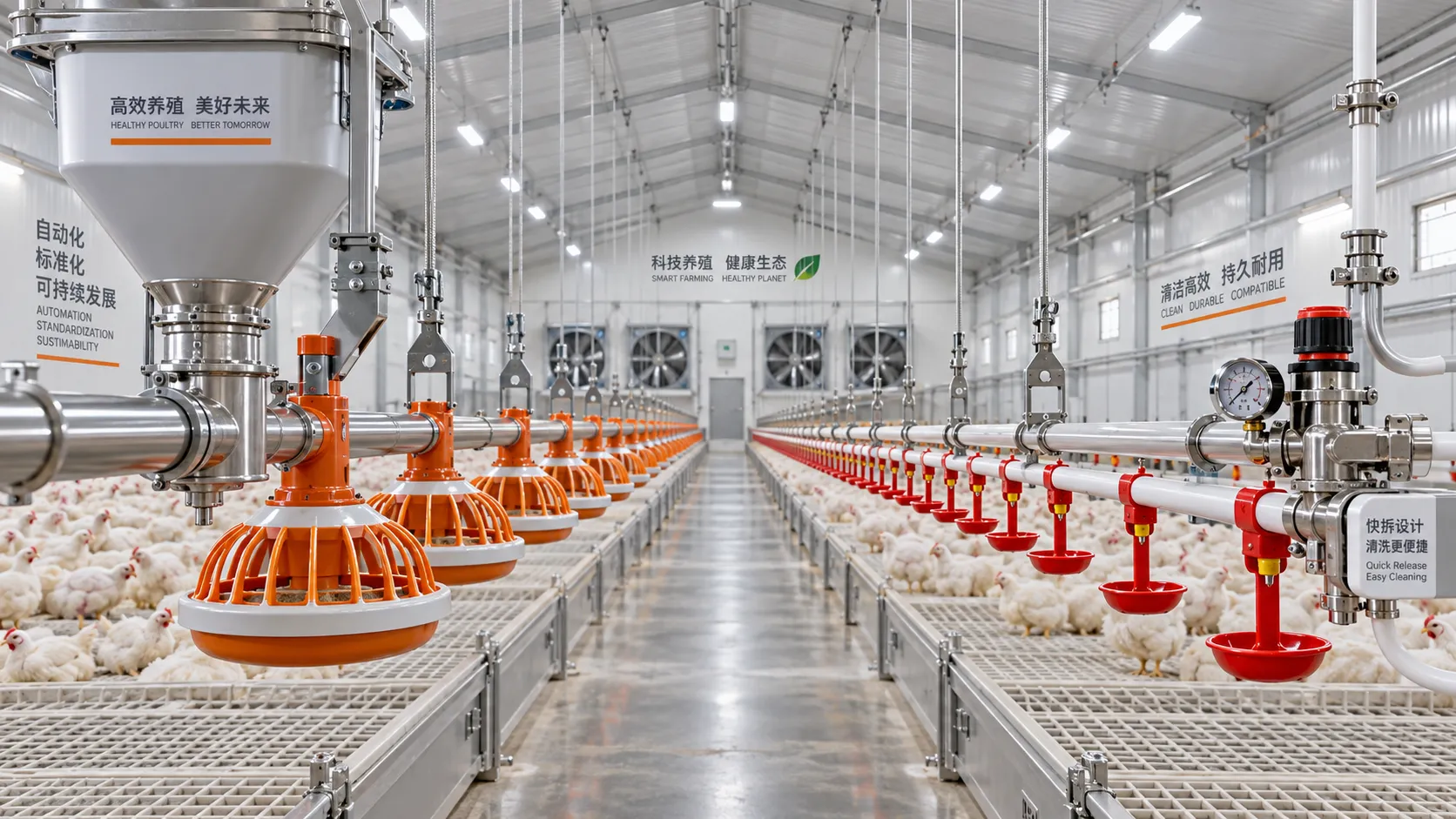
Poultry Equipment Selection: Evaluating Durability, Cleaning, and Compatibility
Poultry equipments selection guide: evaluate durability, cleaning access, and system compatibility to improve hygiene, reduce downtime, and support efficient flock management.
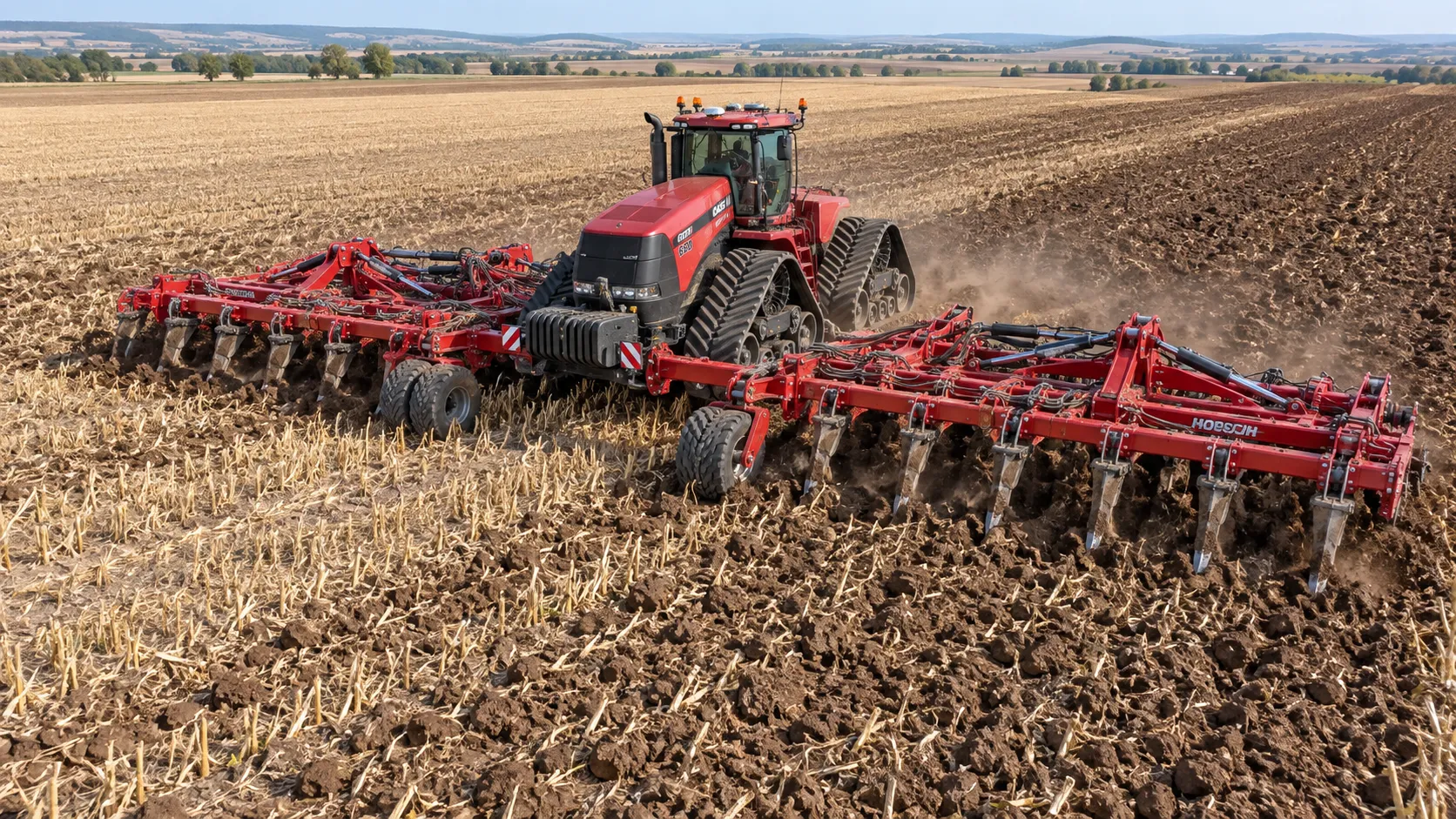
How to Select Heavy-Duty Farm Implements for High-Acreage, High-Horsepower Operations
Heavy duty farm implements: learn how to match draft, hydraulics, hitch capacity, frame strength, and field conditions for reliable high-acreage performance.
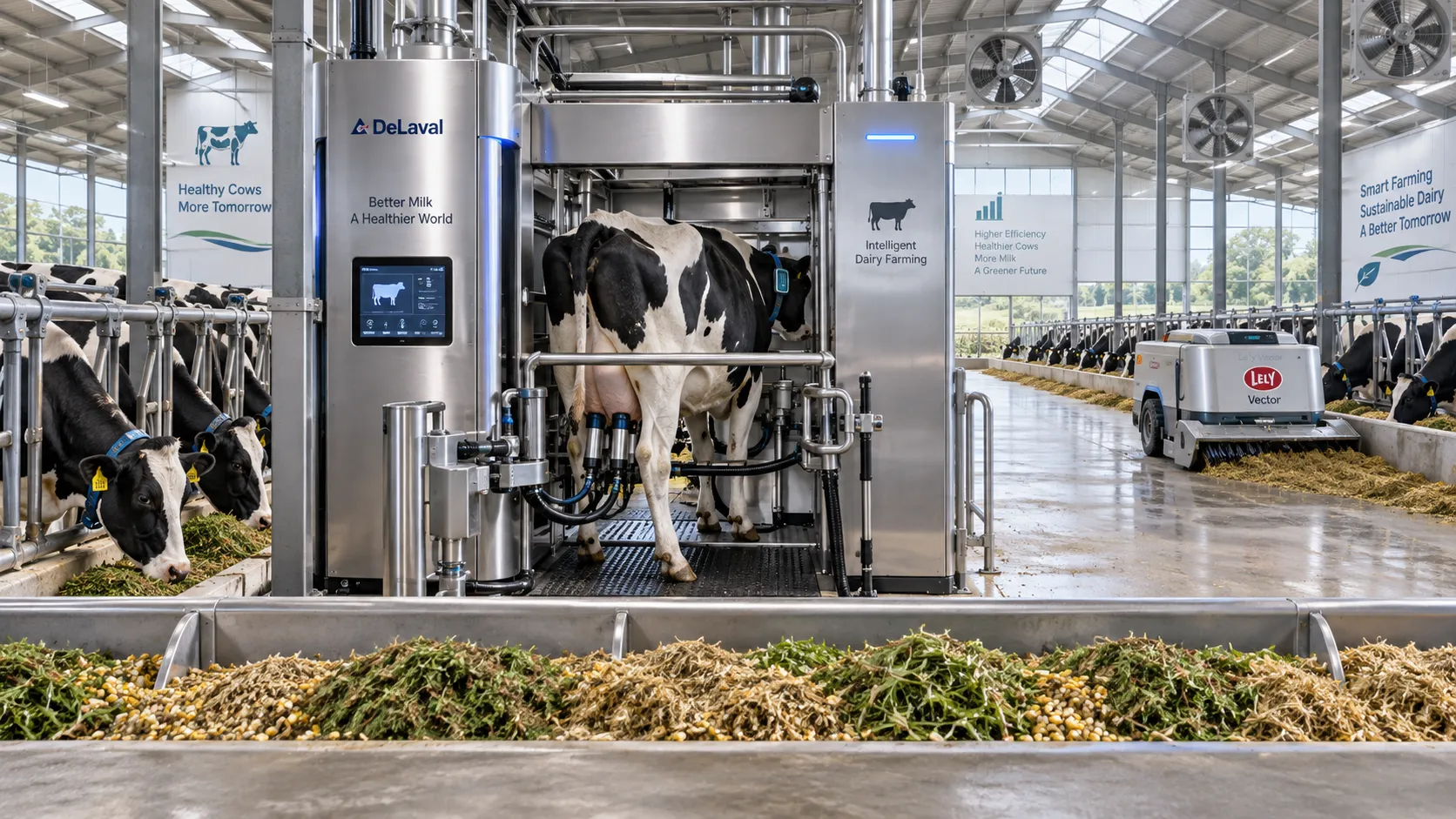
Smart Farming Technology for Dairy Farms: Where Automation Delivers Measurable ROI
Smart farming technology for dairy farms delivers measurable ROI through automation, precision feeding, health monitoring, and data-driven cost control.
Related News
- 00
0000-00
Tractor Hydraulic Systems Troubleshooting: Diagnosing Weak Lift and Slow Implements - 00
0000-00
Which Implements Are Compatible With a 200 HP Tractor for Mixed Cropping? - 00
0000-00
How to Select Agricultural Hydraulic Systems for Sprayers by Flow, Pressure, and Boom Demand - 00
0000-00
Australia Tightens Carbon Rules for Hydraulic Lift System Imports - 00
0000-00
ANATEL Sets New Rules for Wireless Hydraulic Lift Systems
Popular Tags
Tractor Power Architect
Weekly Insights
Stay ahead with our curated technology reports delivered every Monday.