
Hydraulic Control Issues That Usually Point to Bigger System Wear
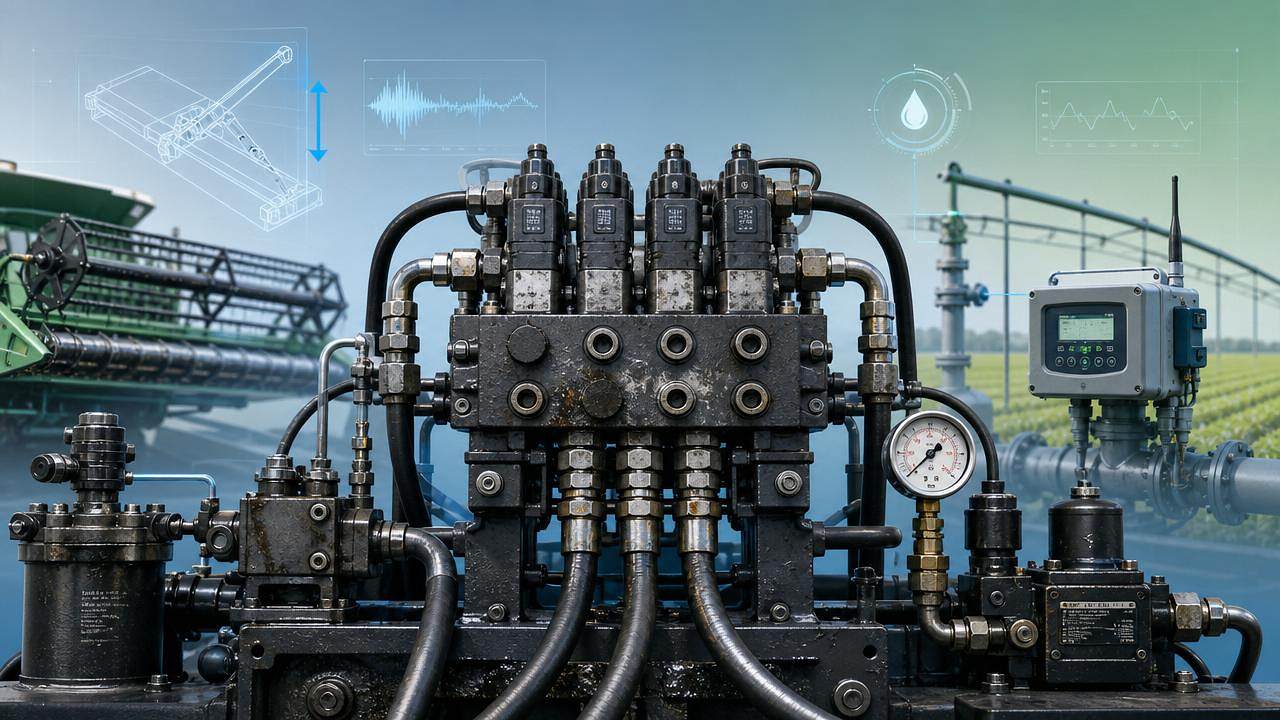




Hydraulic control problems rarely stay isolated for long. In heavy agricultural machinery, unstable response, pressure drift, delayed actuation, or overheating often signal deeper wear across pumps, valves, seals, and transmission-related components. For technical evaluators, recognizing these early warnings is critical to assessing machine reliability, lifecycle cost, and system risk before minor control faults develop into broader performance and maintenance failures.
Why hydraulic control symptoms must be judged by operating scenario
For technical assessment teams, the same hydraulic control symptom can mean very different things depending on where the machine works, how often it cycles, and how tightly performance is linked to harvest timing or water delivery accuracy. A tractor used for heavy tillage, a combine working long hours in dusty crops, and an intelligent irrigation unit running repeated valve actions may all show similar control instability, yet the root wear pattern and business impact will differ.
This is why scenario-based evaluation matters. A brief delay in hydraulic control may be tolerable in low-intensity transport work, but the same delay in header lift, steering response, reel positioning, boom folding, or irrigation zone switching may indicate a machine that is already losing operational precision. In Agriculture 4.0 environments, where machines are expected to support yield protection, energy efficiency, and data-guided task execution, hydraulic control reliability is no longer a maintenance detail. It is a system-level indicator of asset quality.
Where these issues usually appear first in real agri-equipment use
Most evaluators do not encounter hydraulic control problems in a test bay first. They appear in field use, under load, and often in repetitive motions that reveal wear faster than static inspection. In large-scale agricultural fleets, the following scenarios tend to expose bigger system deterioration early.
High-load tractor chassis and transmission-linked hydraulic operation
In heavy tractors, hydraulic control performance is closely tied to steering, hitch response, remote circuits, and sometimes integrated transmission behavior. If the machine hesitates during implement lifting, drifts under load, or shows inconsistent remote valve response between cold start and full operating temperature, evaluators should consider pump wear, spool valve scoring, contamination, and internal leakage. These symptoms often point to cumulative system wear rather than a single failing control element.
Combine harvesting in dust, heat, and continuous duty cycles
Combines place hydraulic control under severe seasonal pressure. Header height adjustment, reel movement, unloading auger positioning, and steering all rely on predictable response. When operators report sluggish actuation late in the day, rising oil temperature, or uneven control feel during harvest peaks, technical evaluators should read that as a possible sign of broader wear in pumps, relief valves, hoses, and seals. Under harvest conditions, contamination and heat accelerate damage, so a control issue often means hidden efficiency loss is already spreading through the system.
Intelligent farm tools requiring repeatable precision motion
For precision implements, hydraulic control problems are especially important because small deviations create agronomic consequences. Folding planters, variable-depth toolbars, precision sprayer functions, and sensor-guided attachments all depend on stable pressure and repeatable command execution. Here, even minor control lag can indicate internal bypass leakage, electro-hydraulic valve degradation, or inconsistent signal-to-actuation performance caused by wear. The business risk is not only repair cost but also reduced application accuracy.
Water-saving irrigation systems with frequent control cycling
In intelligent irrigation networks, hydraulic control is often less visible but equally critical. Pressure instability, delayed valve switching, and repeated overcorrection in flow or zone control may reflect wear in actuators, seals, or contamination-sensitive control paths. Evaluators should avoid dismissing these as simple calibration faults. In irrigation systems, hidden wear can lead to uneven water distribution, energy waste, and poor long-term reliability in remote installations where service intervals are stretched.
Scenario comparison: what the same symptom may mean in different applications
A useful hydraulic control assessment starts by matching symptoms to the machine’s operating context. The table below helps technical evaluators separate nuisance behavior from signs of deeper component wear.
How demand priorities change by evaluation scenario
Not every evaluator is trying to answer the same question. Some are supporting procurement, some are validating fleet renewal, and others are reviewing resale risk or uptime exposure. Hydraulic control findings should therefore be interpreted against the business decision being made.
When the goal is pre-purchase technical due diligence
The main question is whether visible hydraulic control instability is an isolated service item or evidence of system-level aging. Evaluators should prioritize warm-condition testing, repeated motion checks, leak-down observations, filter history, oil condition, and response consistency across all major functions. A machine that performs well only when cold or unloaded may be carrying hidden wear that will surface quickly after acquisition.
When the goal is fleet lifecycle and maintenance planning
For fleet managers, hydraulic control symptoms matter because they help predict maintenance clustering. If several units show similar delayed actuation or temperature-related drift, the issue may reflect a platform-specific wear pattern, fluid management weakness, or contamination pathway. In this scenario, the evaluator should focus less on a single machine fault and more on recurrence risk across the fleet.
When the goal is precision performance validation
In high-accuracy applications, hydraulic control stability directly affects execution quality. Whether the asset supports variable-rate tasks, guided tool positioning, or synchronized field operations, the evaluator must confirm response repeatability, not just basic function. A machine can still “work” while already failing the precision standard required by the business case.
Practical signs that usually point to bigger system wear
Across agricultural applications, some warning patterns deserve more weight than others. Technical evaluators should treat the following as strong indicators that hydraulic control issues may reflect deeper mechanical or fluid-power degradation.
- Response changes significantly as oil temperature rises.
- Pressure or position cannot be held steadily under normal load.
- Noise, cavitation-like behavior, or vibration appears during command execution.
- Functions become slower after repeated cycles rather than isolated use.
- The machine needs higher engine speed to deliver normal hydraulic control response.
- Operators compensate for control inconsistency through habit, masking the fault.
These are important because they often indicate efficiency loss inside the pump, spool wear in valves, internal seal leakage, blocked cooling performance, or contamination damage. In other words, the hydraulic control symptom is frequently the visible edge of a larger wear profile.
Common scenario misjudgments that lead to bad decisions
One of the biggest mistakes in technical evaluation is assuming that a machine with acceptable basic motion has acceptable hydraulic health. In field assets, especially those used seasonally at peak intensity, that assumption is risky.
Another common error is overvaluing cosmetic refurbishment. Fresh hoses, cleaned housings, or replaced visible seals do not prove strong hydraulic control integrity. If hot-load behavior, repeat-cycle response, and hold stability remain weak, broader wear may still be present in the core control circuit.
A third misjudgment appears in irrigation and smart-tool systems, where evaluators blame software, sensors, or calibration first. While digital layers do matter, hydraulic control degradation often creates the physical inconsistency that software cannot fully correct. Ignoring that relationship leads to repeated troubleshooting without solving the wear source.
Scenario-fit recommendations for technical evaluators
A stronger evaluation process connects machine condition to use case. For heavy-duty tractors, prioritize hot-load pressure stability and implement control under realistic field resistance. For combines, assess hydraulic control after sustained operation, not only at startup. For intelligent implements, test repeated actuation accuracy and drift over time. For smart irrigation assets, measure long-run consistency in switching and pressure regulation rather than single successful events.
It is also wise to ask whether the machine’s future deployment will be more demanding than its previous one. A unit with borderline hydraulic control performance may survive light tasks but fail economically in high-cycle, precision, or seasonal-critical use. This is where lifecycle cost forecasting becomes more valuable than pass-fail inspection alone.
FAQ for evaluation-focused hydraulic control review
Can small hydraulic control delays be ignored if the machine still completes the task?
Not safely. In many agri-equipment scenarios, small delays are early indicators of internal leakage, thermal sensitivity, or valve wear. The machine may still function, but precision, uptime, and future repair exposure are already being affected.
Which scenario makes hydraulic control wear most expensive?
Harvest-critical and precision-dependent scenarios usually create the highest cost because any drop in hydraulic control quality can trigger timing loss, crop loss, rework, or downstream service delays. In irrigation, the cost often builds more quietly through energy waste and uneven application.
What is the minimum useful test for hidden hydraulic control wear?
A practical minimum is warm-condition testing under repeated cycles and normal load, followed by hold and response checks. This reveals far more than a short cold-start demonstration.
Final decision guide: match hydraulic control findings to your application risk
For technical evaluators, hydraulic control should be treated as a strategic condition signal, not a narrow subsystem issue. In large-scale farm machinery, combine harvesting platforms, tractor chassis, intelligent farm tools, and water-saving irrigation systems, the same unstable response can point to very different operational risks. The right judgment comes from matching symptom, duty cycle, precision requirement, and business consequence.
If your scenario depends on uptime, repeatability, thermal stability, or tight seasonal execution, even moderate hydraulic control irregularities deserve deeper inspection. Before approving procurement, reuse, refurbishment, or deployment, confirm whether the observed behavior is a serviceable adjustment or evidence of wider wear across pumps, valves, seals, and connected drive systems. That scenario-based discipline is what turns technical review into a more accurate reliability decision.
Related News

When Does Agricultural Machinery Leasing Cost Less Than Owning Equipment?
Agricultural machinery leasing can lower farm costs when use is seasonal or uncertain. Compare utilization, maintenance, cash flow, and risk to make a smarter equipment decision.
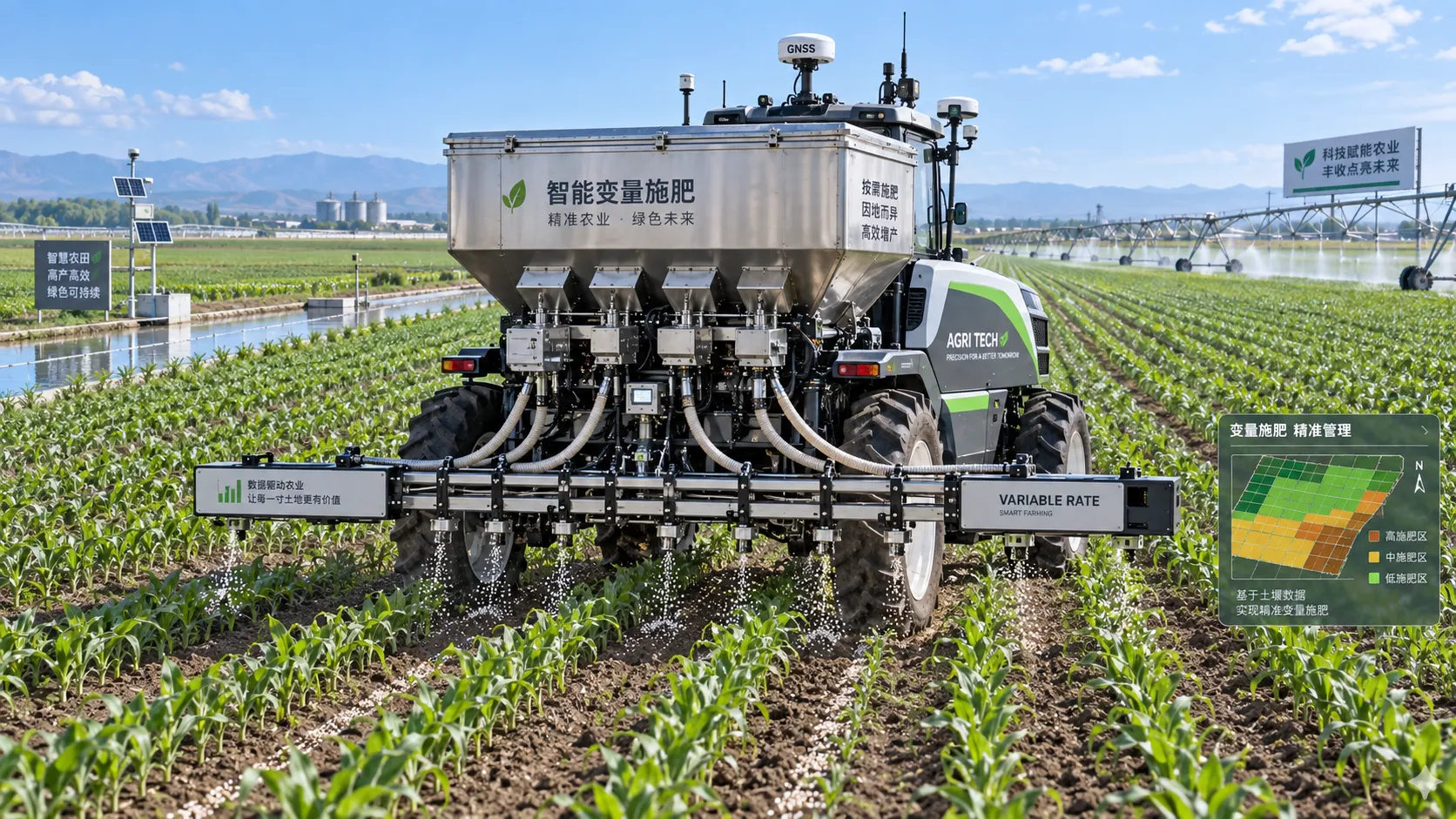
How to Evaluate Precision Fertilization System Suppliers for Farm-Scale Deployment
Precision fertilization systems suppliers: learn how to compare accuracy, integration, uptime, service, and total cost for confident farm-scale deployment.
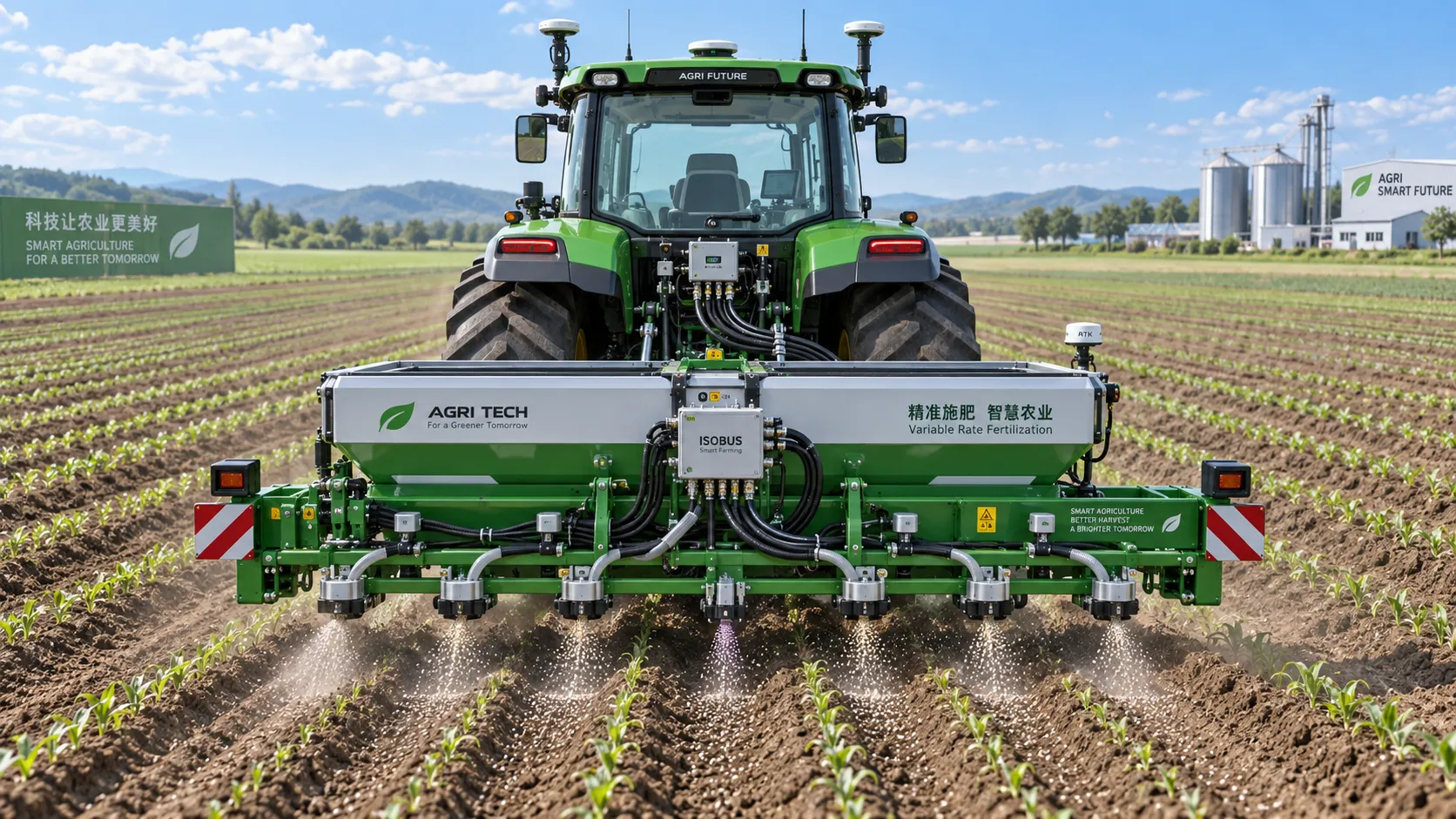
ISOBUS for Smart Agriculture: How It Connects Tractors, Implements, and Farm Data
ISOBUS for smart agriculture connects tractors, implements, terminals, and farm data—helping growers improve precision, documentation, and smarter field decisions.
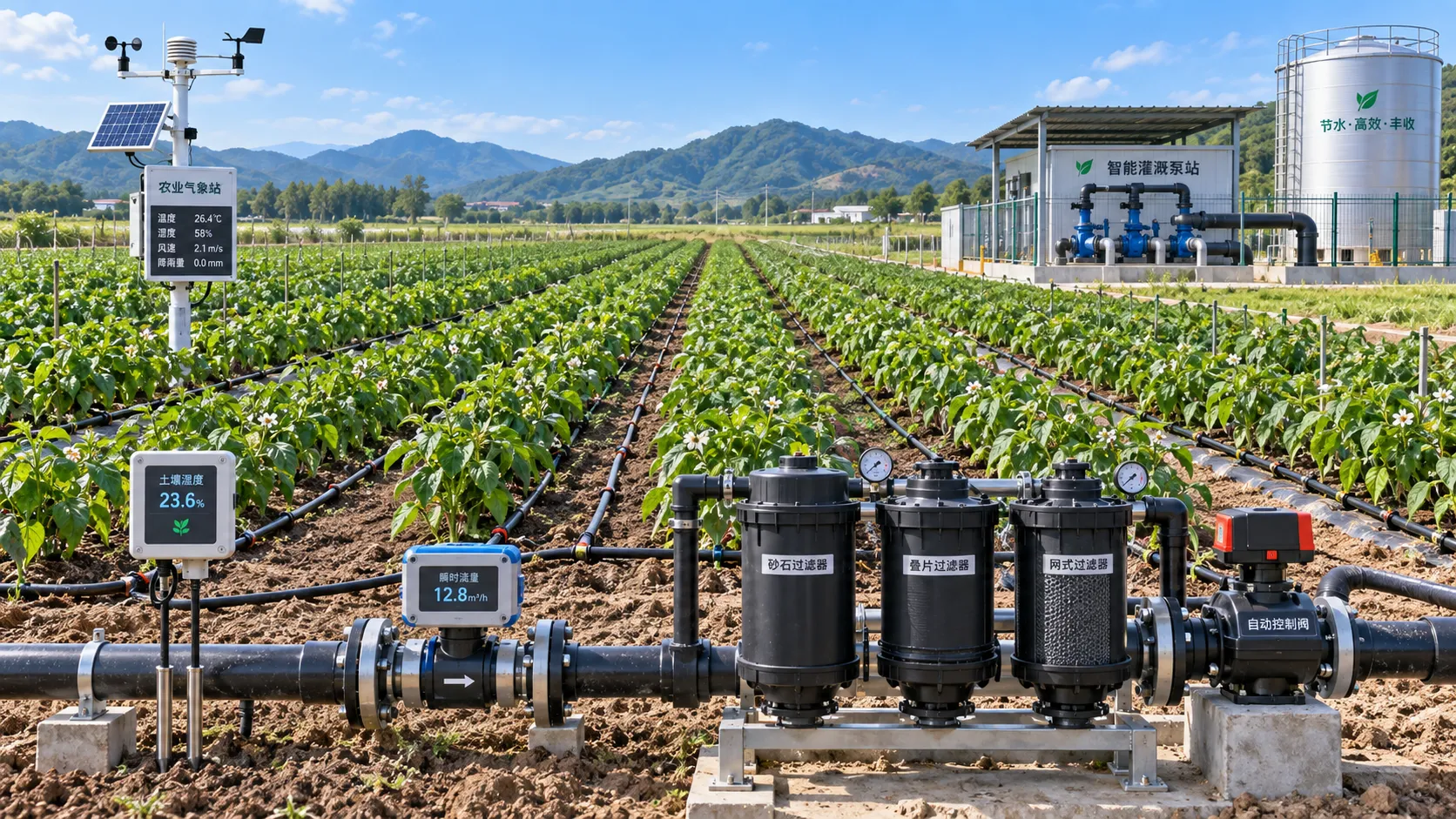
Automated Water-Saving Irrigation: How to Cut Water Use Without Reducing Crop Yields
Automated water-saving irrigation helps farms cut water use, protect crop yields, improve scheduling, and gain reliable control with sensors, flow monitoring, and smart zones.
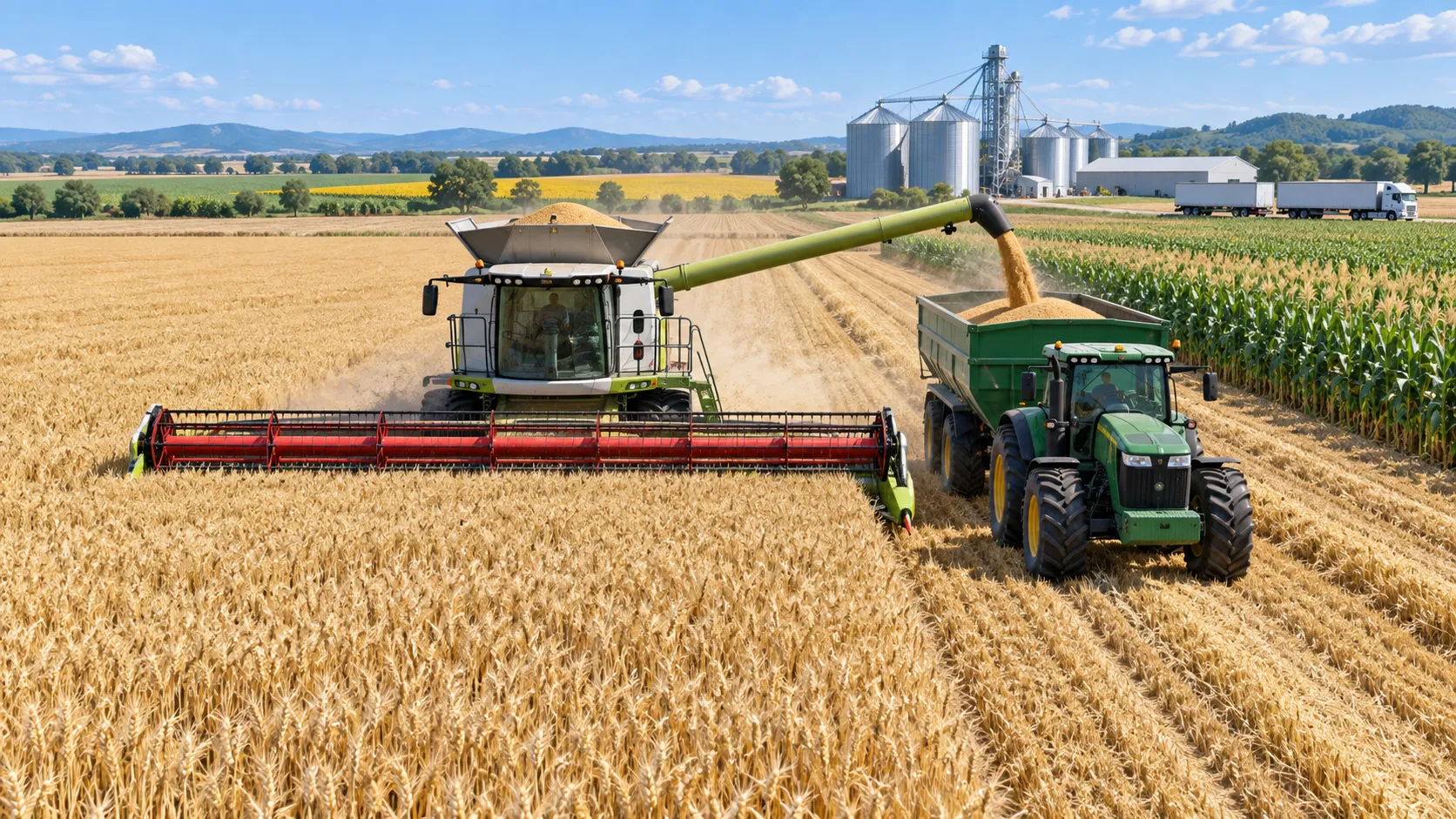
Selecting Grain Farm Equipment by Acreage, Crop Mix, and Harvest Window
Agricultural equipment selection for grain farming: match machinery to acreage, crop mix, and harvest windows to improve uptime, efficiency, and returns.
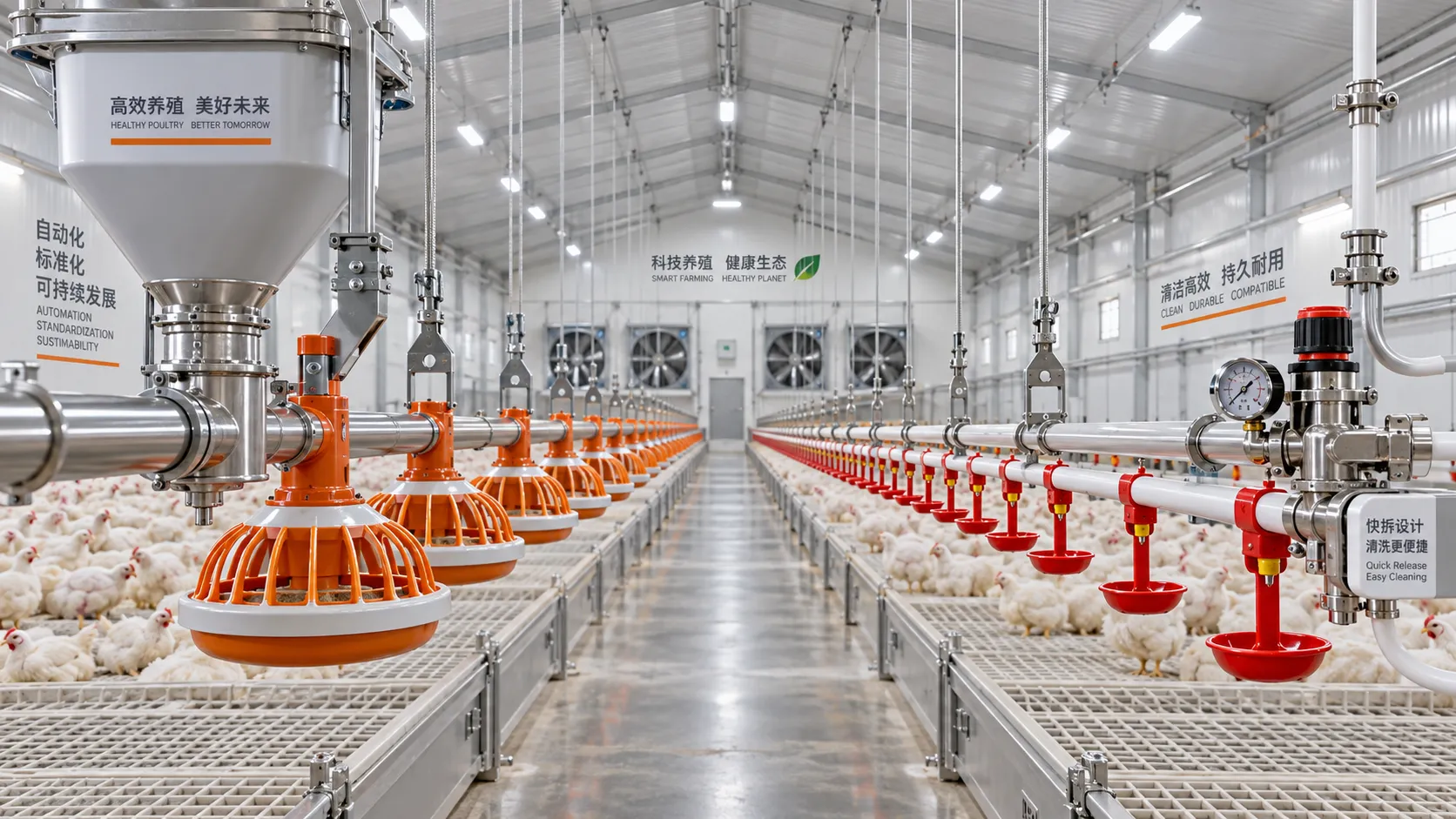
Poultry Equipment Selection: Evaluating Durability, Cleaning, and Compatibility
Poultry equipments selection guide: evaluate durability, cleaning access, and system compatibility to improve hygiene, reduce downtime, and support efficient flock management.
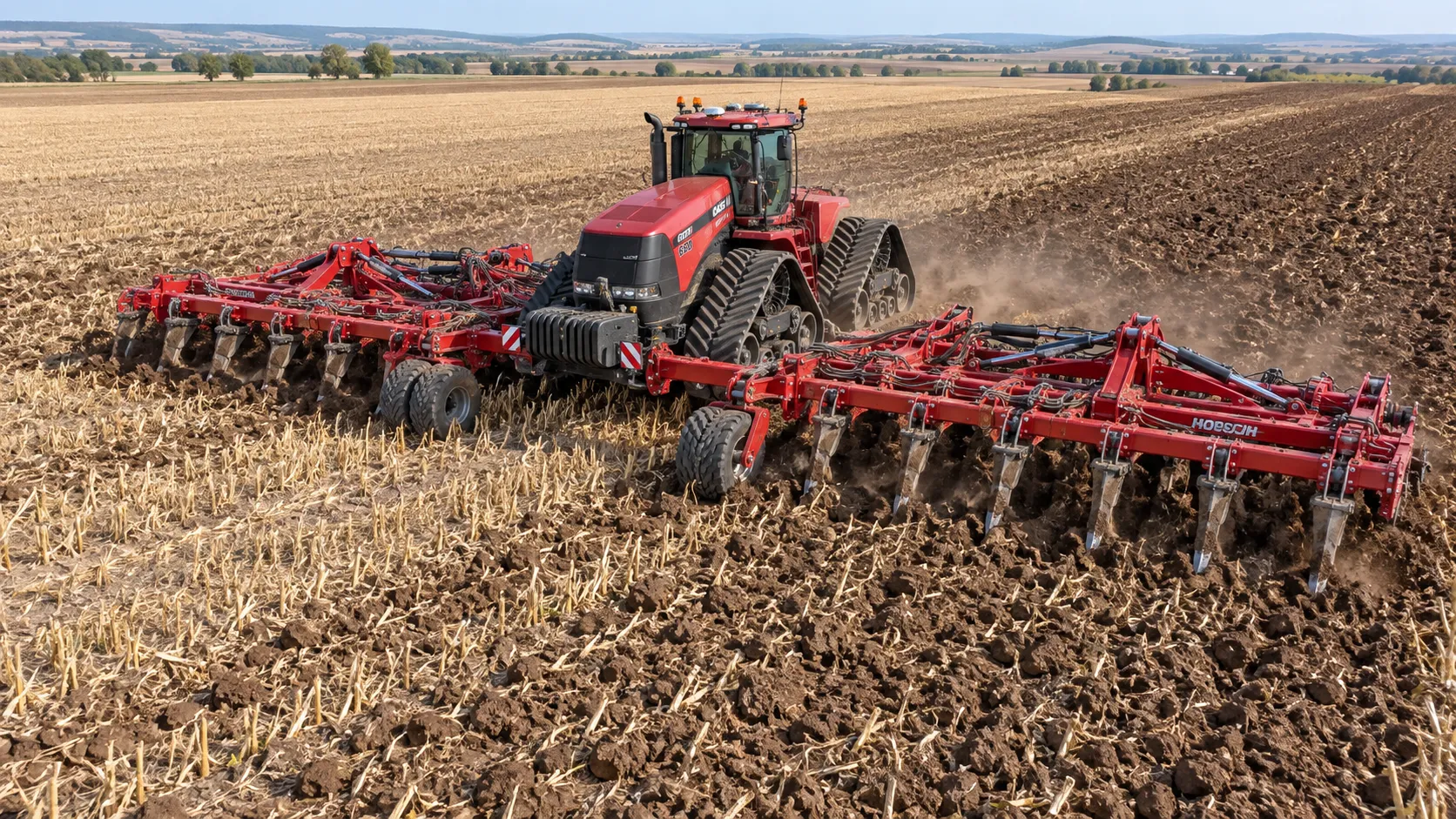
How to Select Heavy-Duty Farm Implements for High-Acreage, High-Horsepower Operations
Heavy duty farm implements: learn how to match draft, hydraulics, hitch capacity, frame strength, and field conditions for reliable high-acreage performance.
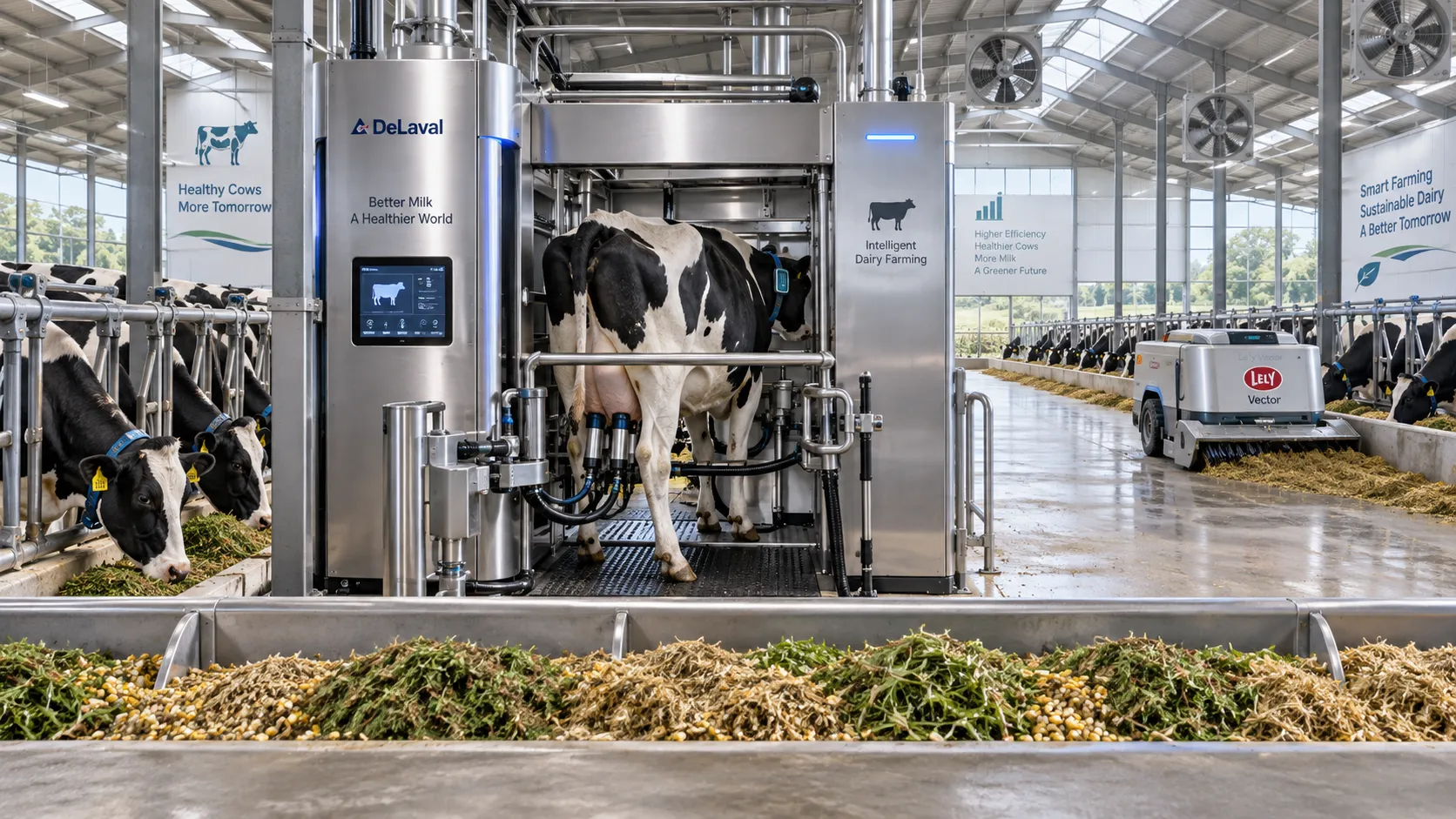
Smart Farming Technology for Dairy Farms: Where Automation Delivers Measurable ROI
Smart farming technology for dairy farms delivers measurable ROI through automation, precision feeding, health monitoring, and data-driven cost control.
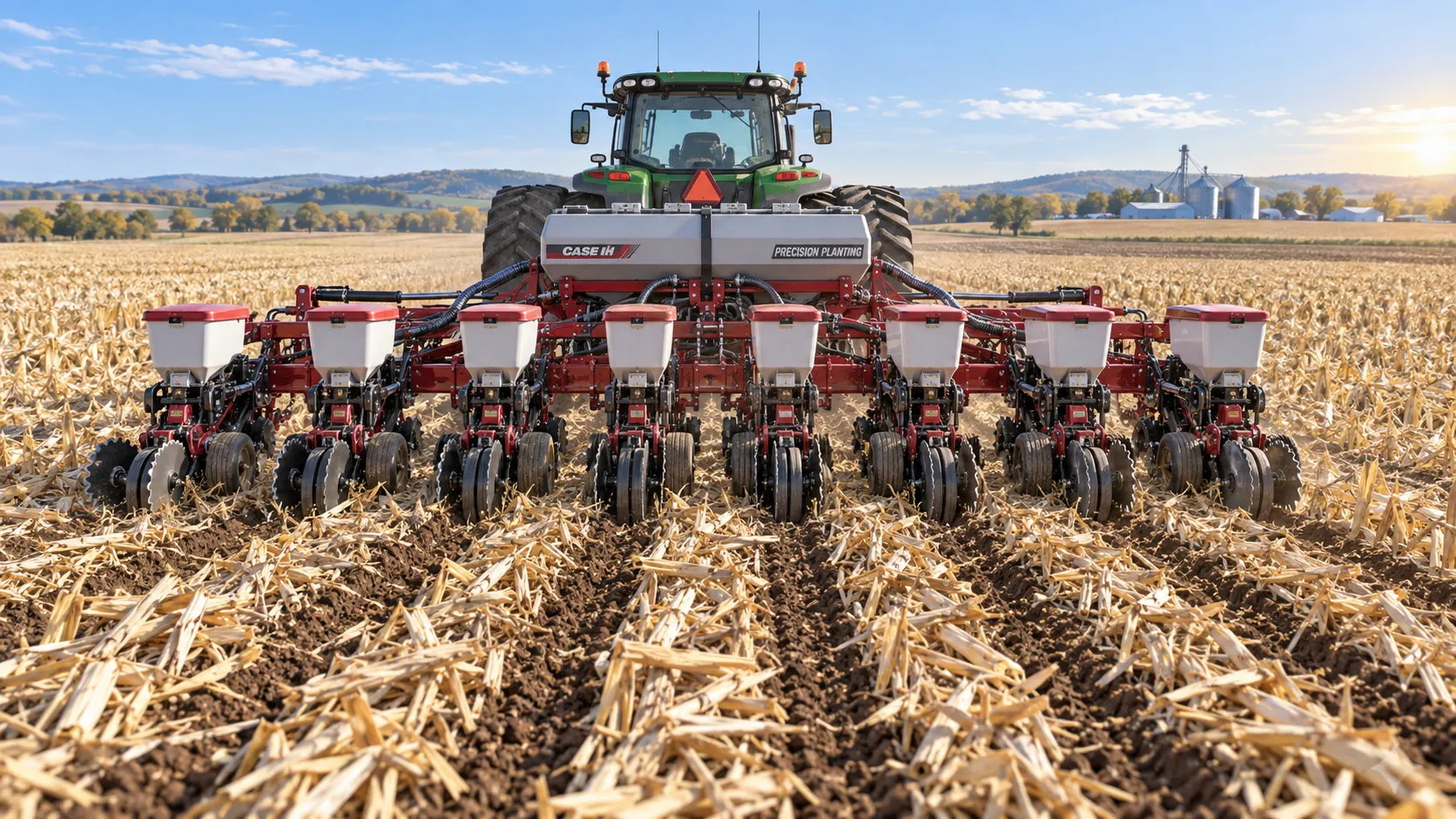
How to Select a Heavy-Duty Seeder for Large Acreage and High-Residue Fields
Heavy duty seeders for large acreage: compare residue handling, depth control, downforce, metering accuracy, and precision features to select the right model.
Related News
- 00
0000-00
Tractor Hydraulic Systems Troubleshooting: Diagnosing Weak Lift and Slow Implements - 00
0000-00
Which Implements Are Compatible With a 200 HP Tractor for Mixed Cropping? - 00
0000-00
How to Select Agricultural Hydraulic Systems for Sprayers by Flow, Pressure, and Boom Demand - 00
0000-00
Australia Tightens Carbon Rules for Hydraulic Lift System Imports - 00
0000-00
ANATEL Sets New Rules for Wireless Hydraulic Lift Systems
Popular Tags
Tractor Power Architect
Weekly Insights
Stay ahead with our curated technology reports delivered every Monday.