
China's Q1 2026 Power Trading Up 25.6% — Impacts on Smart Agri-Equipment Manufacturing





On May 6, 2026, China’s Ministry of Industry and Information Technology (MIIT) reported that nationwide power market trading volume reached 14.2 trillion kWh in Q1 2026 — a 25.6% year-on-year increase. This development is particularly relevant for manufacturers of smart agricultural machinery components, including irrigation controllers, GPS navigation modules, and hydraulic lift systems, especially those operating in Shandong, Jiangsu, and Henan provinces.
Event Overview
According to official data released by MIIT on May 6, 2026, electricity traded in China’s power markets totaled 14.2 trillion kilowatt-hours (kWh) in the first quarter of 2026, representing a 25.6% increase compared to the same period in 2025. The expansion of market-based power supply has alleviated peak–valley electricity curtailment pressures for manufacturing enterprises producing core components for intelligent agricultural machinery in Shandong, Jiangsu, and Henan provinces, thereby supporting their timely fulfillment of overseas delivery commitments.
Industries Affected
Smart Agricultural Machinery Component Manufacturers
These enterprises — producing irrigation controllers, GPS navigation modules, and hydraulic lifting systems — directly benefit from improved grid reliability and reduced forced production interruptions. The expanded power trading volume translates into more stable, contract-based electricity access, lowering operational uncertainty during high-demand production cycles.
Export-Oriented Contract Manufacturers
Firms fulfilling overseas orders for OEM or ODM smart farming equipment face tighter delivery windows and stricter penalty clauses. With reduced risk of unplanned shutdowns due to grid constraints, such manufacturers gain greater predictability in lead time planning and logistics coordination — especially critical for time-bound export shipments.
Domestic Tier-2/3 Suppliers of Electronic & Hydraulic Subsystems
Suppliers providing PCB assemblies, sensor modules, or precision hydraulic valves to original equipment integrators experience downstream demand stabilization. Less frequent production halts at end-manufacturers mean steadier order volumes and smoother capacity utilization — though this effect remains contingent on sustained power supply continuity beyond Q1.
Logistics & Export Compliance Service Providers
Freight forwarders, customs brokers, and certification agencies supporting agricultural tech exports see indirect benefits: fewer last-minute schedule changes, reduced need for expedited documentation handling, and lower incidence of shipment delays attributable to factory downtime.
What Enterprises and Practitioners Should Monitor and Do Now
Track regional power dispatch policies beyond headline trading volume
While national trading volume rose sharply, actual grid stability depends on provincial dispatch rules and local implementation. Enterprises should monitor announcements from provincial energy bureaus and State Grid subsidiaries — particularly regarding real-time load management protocols and summer peak season contingency plans.
Verify electricity procurement terms in active supply contracts
Not all “market-traded” power contracts guarantee uninterrupted supply during peak hours. Companies should review contractual clauses on priority access, penalty mechanisms for curtailment, and fallback arrangements — especially for facilities with continuous-process production lines.
Assess exposure across multi-site manufacturing footprints
Benefit concentration in Shandong, Jiangsu, and Henan does not imply uniform relief elsewhere. Firms with plants outside these provinces — or relying on non-market electricity sources — must evaluate site-specific risk exposure separately, rather than assuming nationwide improvement.
Align production scheduling with verified power availability windows
Rather than treating the 25.6% growth as a blanket de-risking signal, manufacturers should integrate verified, near-term grid availability forecasts (e.g., via provincial power exchange platforms) into weekly production planning — particularly for high-energy-intensity assembly stages.
Editorial Perspective / Industry Observation
Observably, this data point reflects an acceleration in China’s power market reform — but it is best understood as an early-stage operational signal, not yet a structural guarantee. The 25.6% YoY growth in trading volume indicates increased participation and liquidity in bilateral and centralized power markets; however, actual reliability gains depend on transmission infrastructure readiness and real-time balancing mechanisms — both of which remain uneven across regions. From an industry perspective, the current value lies less in absolute scale and more in the demonstrated responsiveness of market mechanisms to industrial demand signals. That responsiveness matters most for capital-intensive, export-dependent segments where schedule adherence directly affects contractual liability and brand reputation.
Analysis shows that while the headline figure is encouraging, its utility for enterprise decision-making hinges on localization: the impact is highly granular, tied to specific provinces, voltage levels, and contract types — not broad macro trends. Therefore, the metric functions more as a diagnostic indicator of reform progress than as a predictive lever for operational planning.
Current developments are better interpreted as evidence of policy execution momentum — not yet a settled shift in power supply risk profiles. Sustained monitoring over subsequent quarters will be needed to distinguish between temporary capacity surges and durable infrastructure upgrades.
Conclusion: This Q1 2026 power trading data signifies meaningful progress in market-driven electricity allocation for industrial users — particularly in key agri-tech manufacturing hubs. However, it should not be read as a universal mitigation of energy-related production risk. For affected enterprises, the appropriate stance is one of cautious operational calibration: leveraging improved conditions where confirmed, while maintaining contingency buffers for localized or seasonal volatility.
Source: Ministry of Industry and Information Technology (MIIT), official release dated May 6, 2026.
Note: Regional implementation consistency, summer peak season performance, and contract-level power quality metrics remain under observation.
Related News

How to Select Precision Crop Protection Equipment for Variable Field Conditions
Precision crop protection equipment selection made simple: compare terrain, canopy, weather, control accuracy, and data workflows for reliable applications.
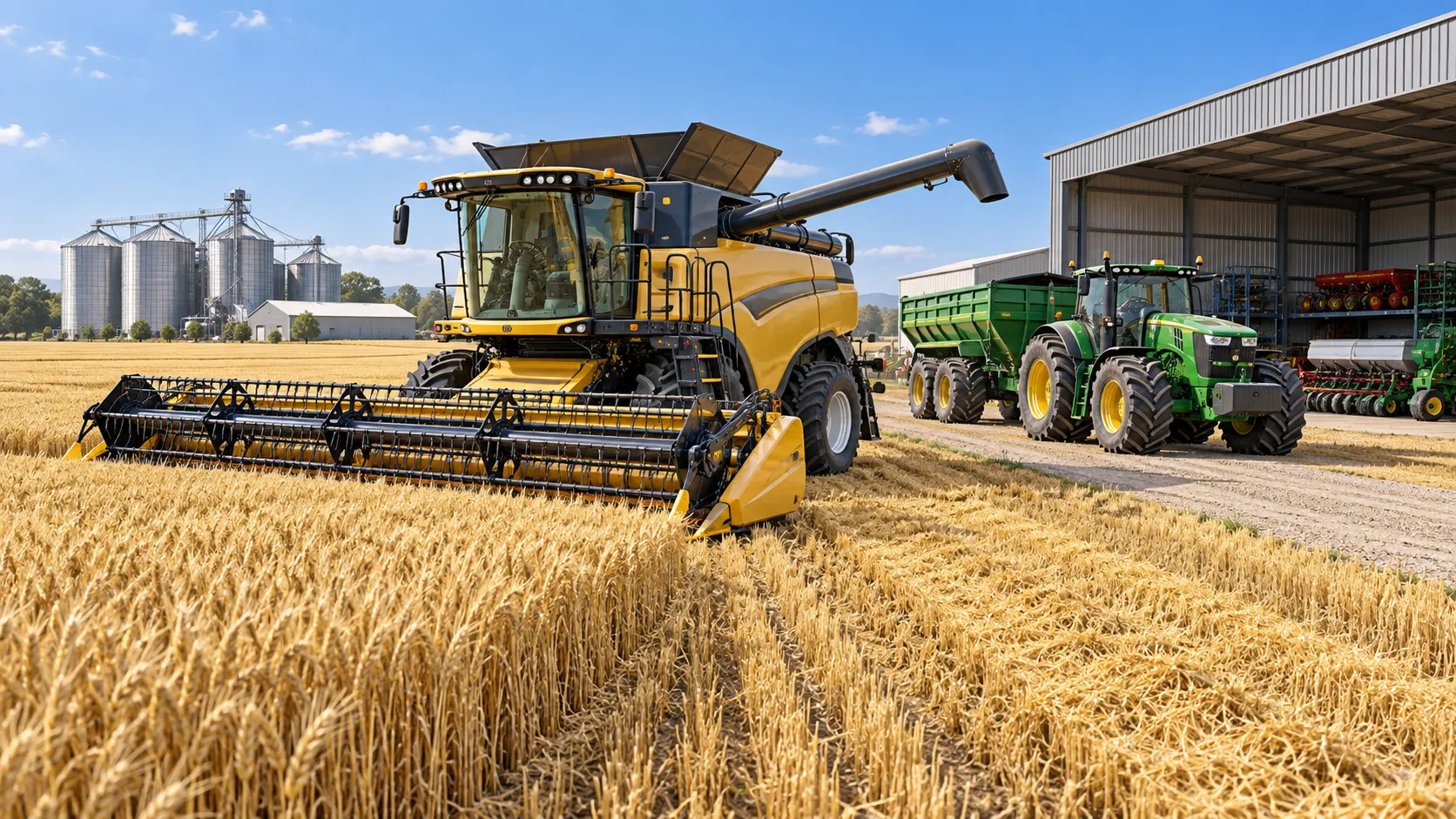
When Does Agricultural Machinery Leasing Cost Less Than Owning Equipment?
Agricultural machinery leasing can lower farm costs when use is seasonal or uncertain. Compare utilization, maintenance, cash flow, and risk to make a smarter equipment decision.
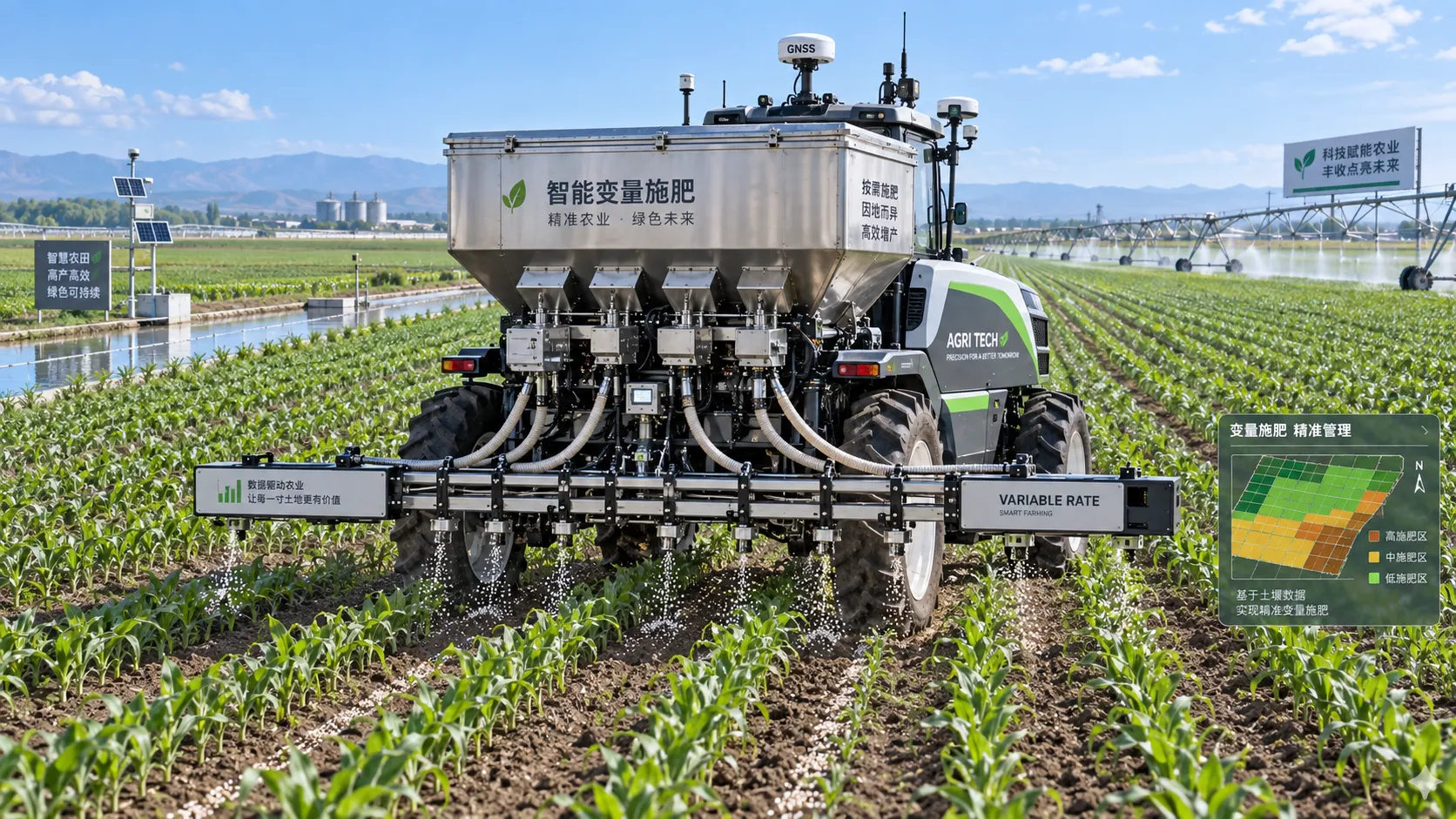
How to Evaluate Precision Fertilization System Suppliers for Farm-Scale Deployment
Precision fertilization systems suppliers: learn how to compare accuracy, integration, uptime, service, and total cost for confident farm-scale deployment.
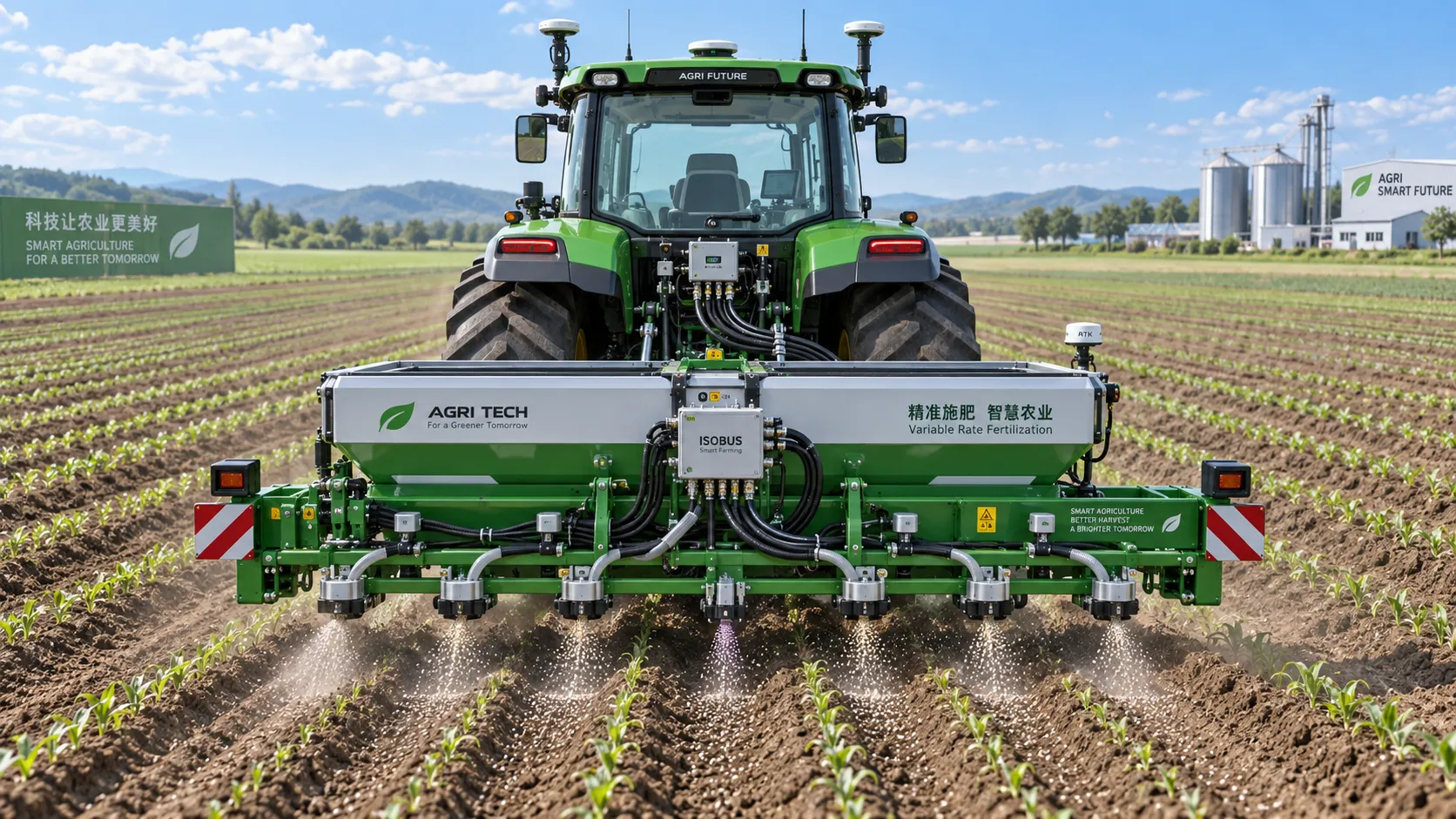
ISOBUS for Smart Agriculture: How It Connects Tractors, Implements, and Farm Data
ISOBUS for smart agriculture connects tractors, implements, terminals, and farm data—helping growers improve precision, documentation, and smarter field decisions.
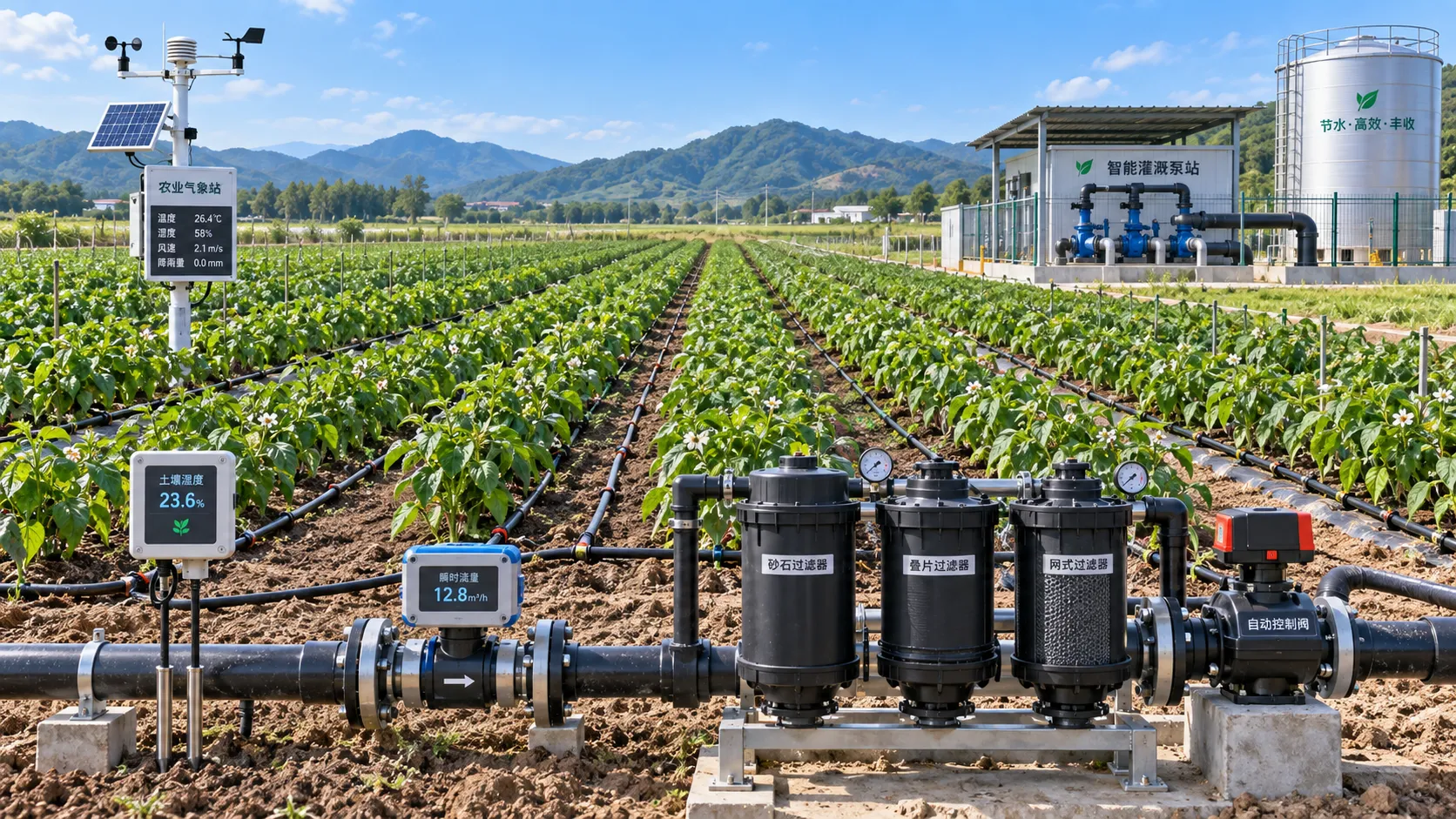
Automated Water-Saving Irrigation: How to Cut Water Use Without Reducing Crop Yields
Automated water-saving irrigation helps farms cut water use, protect crop yields, improve scheduling, and gain reliable control with sensors, flow monitoring, and smart zones.
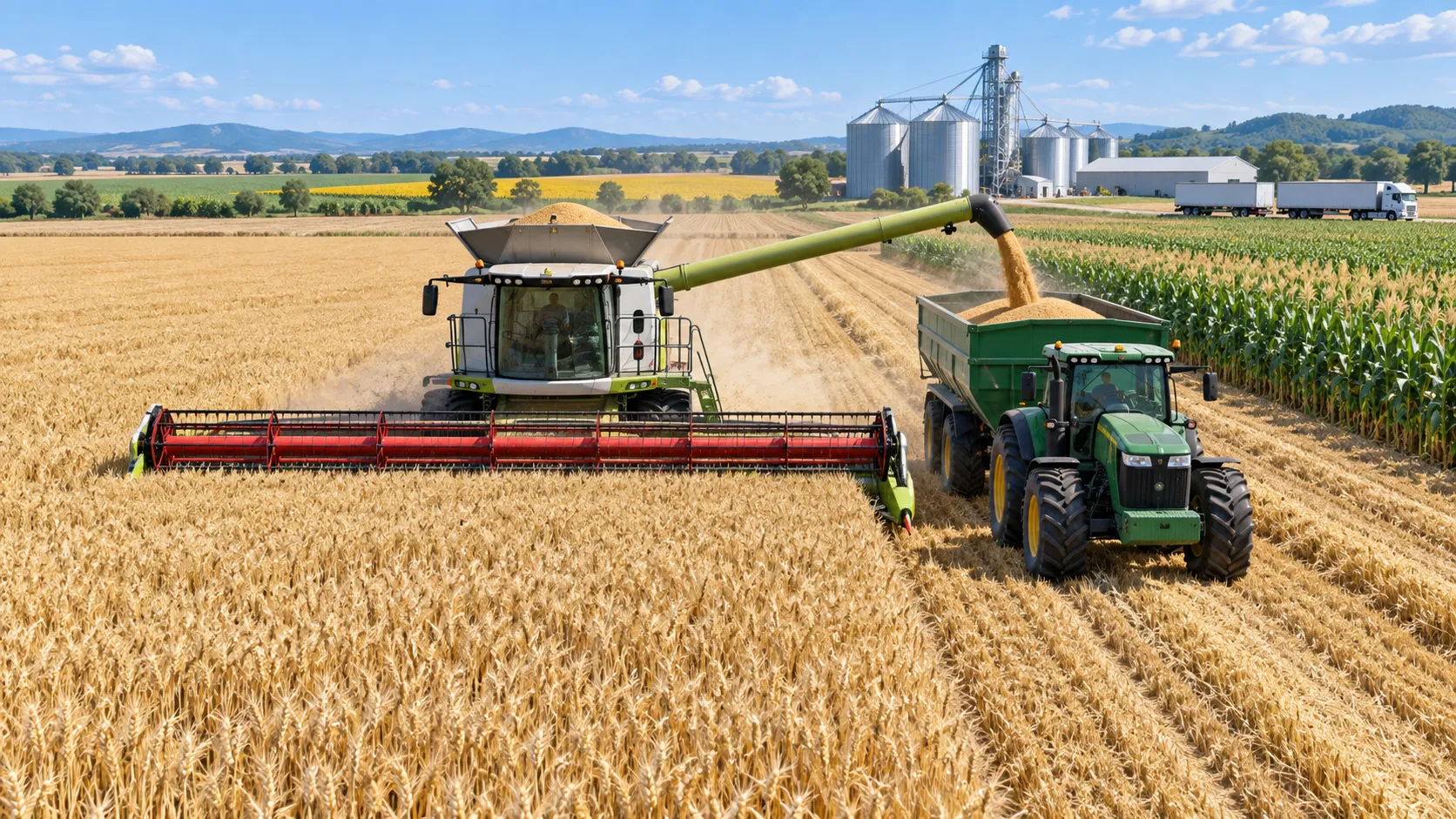
Selecting Grain Farm Equipment by Acreage, Crop Mix, and Harvest Window
Agricultural equipment selection for grain farming: match machinery to acreage, crop mix, and harvest windows to improve uptime, efficiency, and returns.
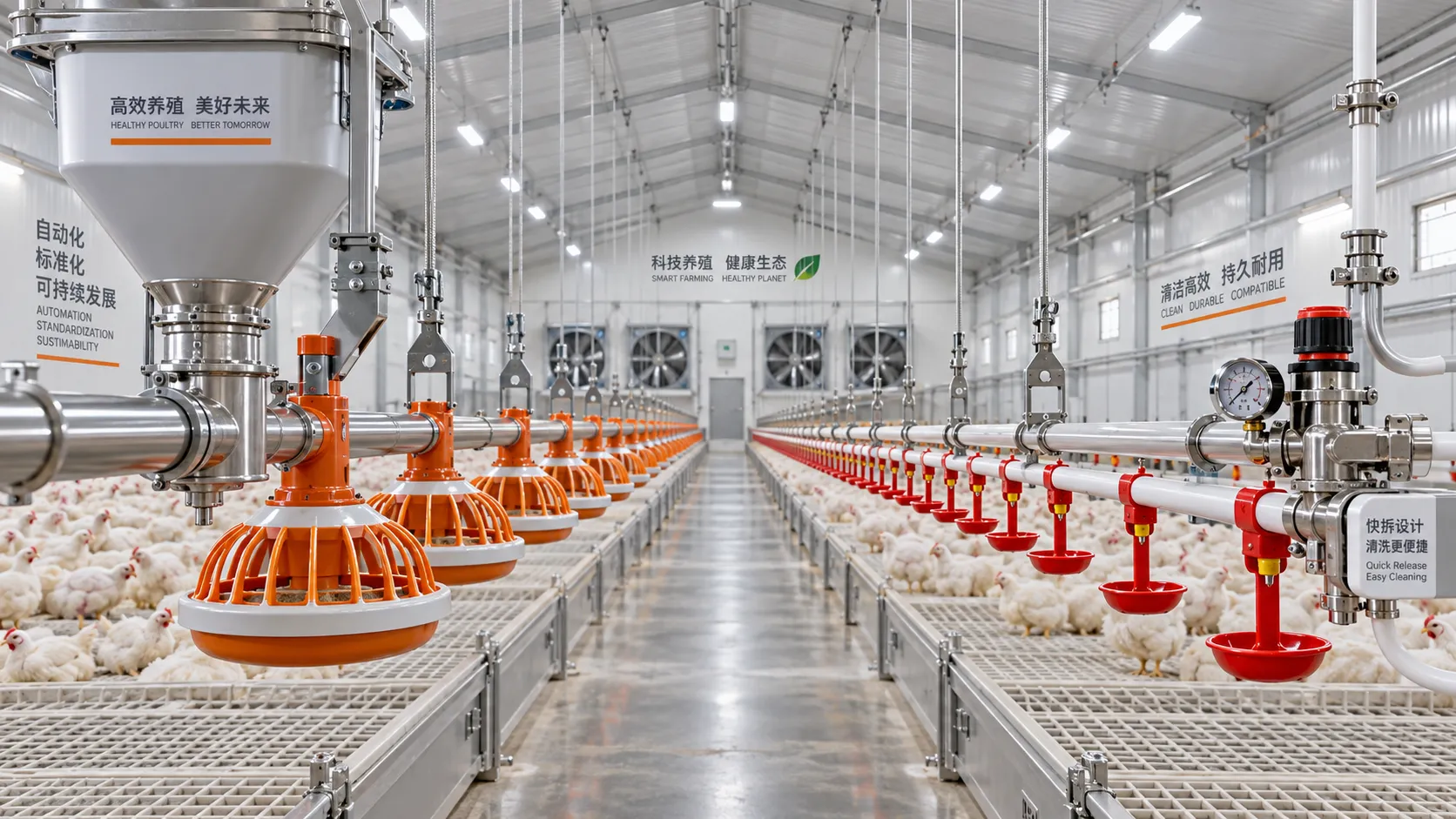
Poultry Equipment Selection: Evaluating Durability, Cleaning, and Compatibility
Poultry equipments selection guide: evaluate durability, cleaning access, and system compatibility to improve hygiene, reduce downtime, and support efficient flock management.
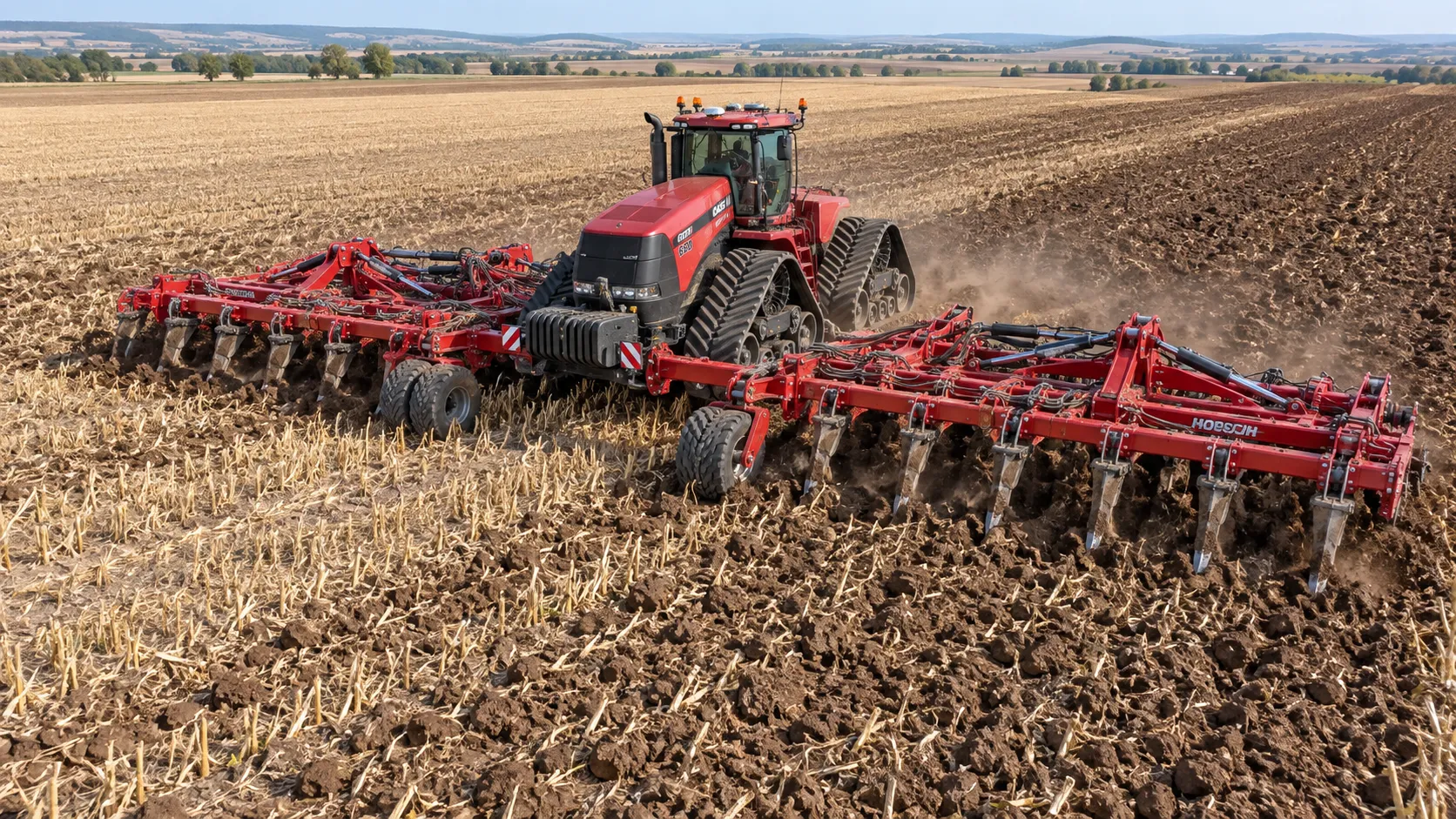
How to Select Heavy-Duty Farm Implements for High-Acreage, High-Horsepower Operations
Heavy duty farm implements: learn how to match draft, hydraulics, hitch capacity, frame strength, and field conditions for reliable high-acreage performance.
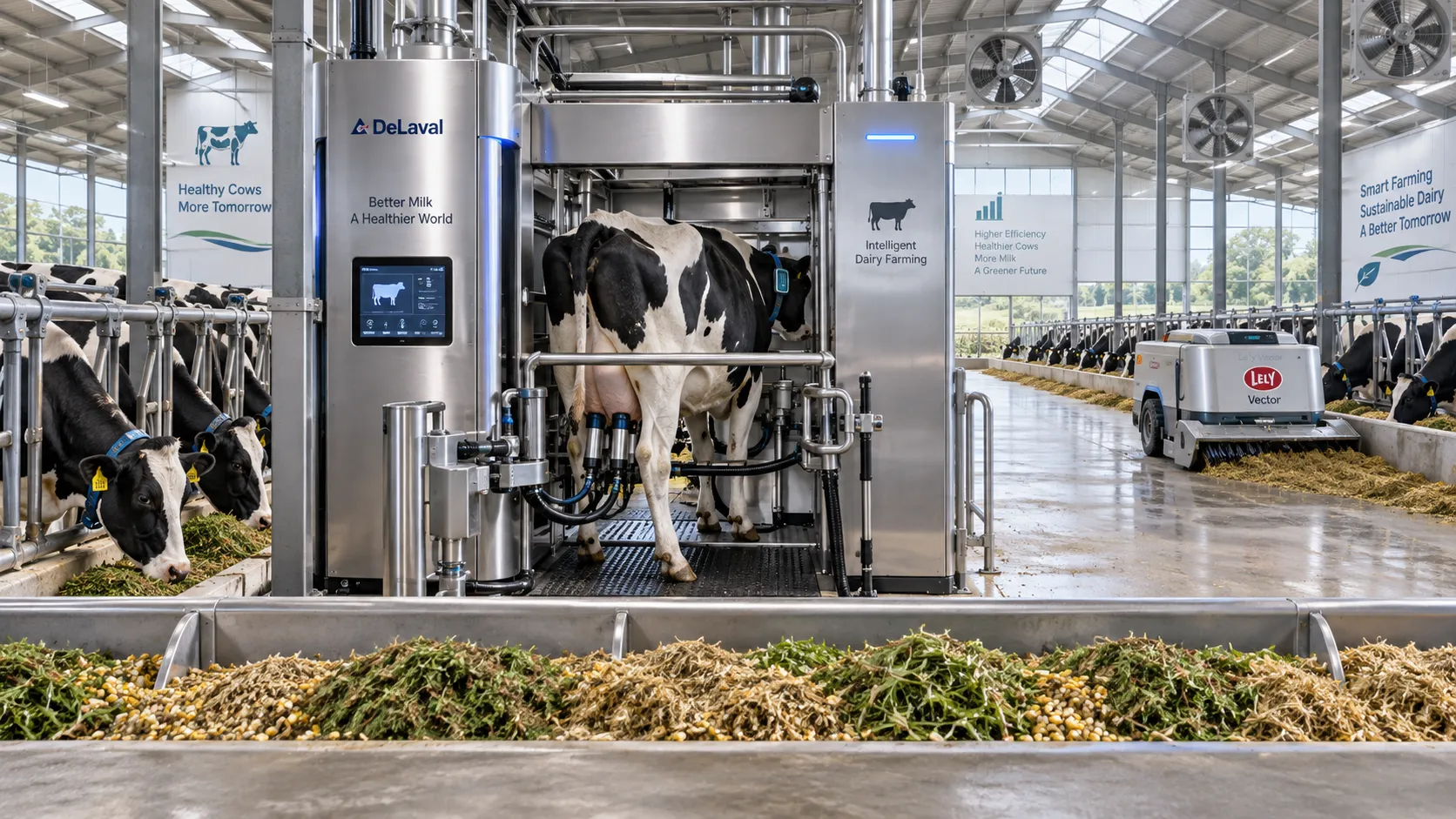
Smart Farming Technology for Dairy Farms: Where Automation Delivers Measurable ROI
Smart farming technology for dairy farms delivers measurable ROI through automation, precision feeding, health monitoring, and data-driven cost control.
Related News
- 00
0000-00
Tractor Hydraulic Systems Troubleshooting: Diagnosing Weak Lift and Slow Implements - 00
0000-00
Which Implements Are Compatible With a 200 HP Tractor for Mixed Cropping? - 00
0000-00
How to Select Agricultural Hydraulic Systems for Sprayers by Flow, Pressure, and Boom Demand - 00
0000-00
Australia Tightens Carbon Rules for Hydraulic Lift System Imports - 00
0000-00
ANATEL Sets New Rules for Wireless Hydraulic Lift Systems
Popular Tags
Tractor Power Architect
Weekly Insights
Stay ahead with our curated technology reports delivered every Monday.